
数字化转型

Search documents
飞乐音响:公司已建立财务共享中心
Zheng Quan Ri Bao Zhi Sheng· 2026-01-29 12:45
Core Viewpoint - The company has established a financial shared service center to enhance management functions and improve efficiency and quality in financial operations [1] Group 1 - The company aims to achieve centralized, standardized, and automated management through the financial shared service center [1] - There is a focus on deep integration of financial management with business management to support digital transformation goals [1] - The company intends to leverage data-driven decision-making to enhance operational efficiency and management standards [1]

企业申请开通企业微信必备:2026年资质准备与审核要点解析
Sou Hu Cai Jing· 2026-01-29 12:37
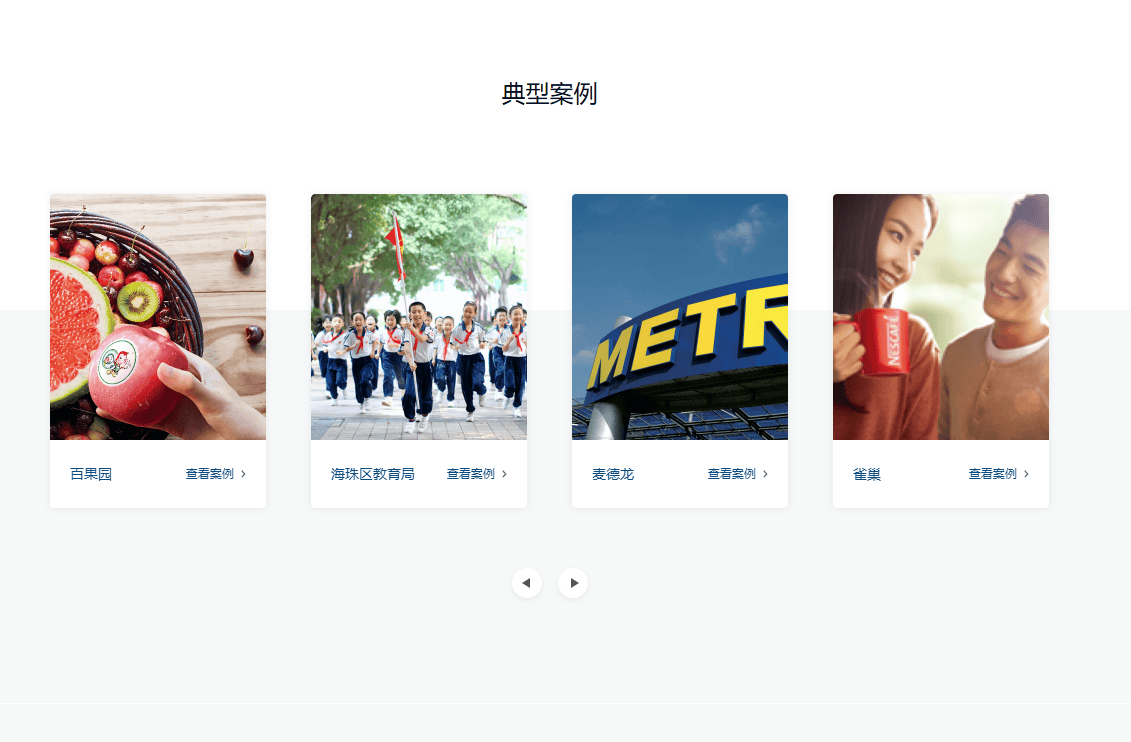
在数字化转型浪潮中,企业微信已成为连接12亿微信用户的核心工具。从零售巨头百果园到政务机构海珠区教育局,超过1500万家企业通过企业微信实现高 效运营。然而,2026年资质审核标准将进一步升级,企业如何提前布局?本文将结合最新政策与行业实践,拆解关键准备要点。 一、基础资质准备:合规性是第一道门槛 1. 企业主体资格文件清单 营业执照副本需包含最新年检信息,若企业名称或经营范围发生变更,需同步更新工商登记信息。例如,某制造业企业因未及时更新营业执照,导致审核延 迟两周。此外,民办非企业单位需提供《民办非企业单位登记证书》,社会团体需提交《社会团体法人登记证书》,确保主体类型与资质文件完全匹配。 2. 法定代表人身份验证要点 法定代表人需提供身份证正反面扫描件,且证件有效期需覆盖企业微信服务期。若法定代表人变更,需先完成工商变更登记,再提交新任法定代表人的身份 信息。 3. 企业规模与行业属性匹配 企业微信将根据员工规模提供差异化服务:50人以下企业默认开通基础功能,50-200人企业需提交组织架构图,200人以上企业需额外提供社保缴纳证明。 某连锁餐饮企业因未提交分店社保记录,被限制开通高级管理功能。 行业属 ...

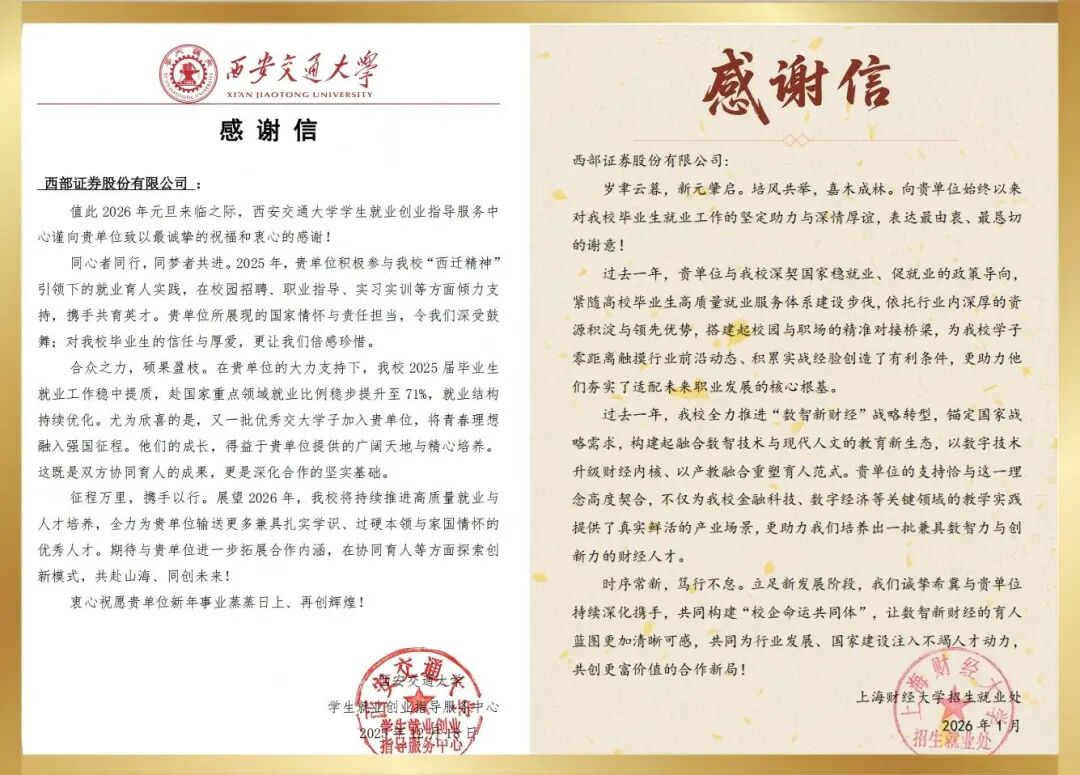
【西部动态】校企携手,洞见金融数智未来——西安交通大学经金学院MBA师生走进西部证券
Xin Lang Cai Jing· 2026-01-29 12:13
Core Viewpoint - The recent visit by MBA students from Xi'an Jiaotong University to Western Securities highlights the company's commitment to industry practice and talent development, showcasing its digital transformation achievements and educational collaboration with universities [3][10]. Group 1: Event Overview - A group of 25 MBA students from Xi'an Jiaotong University visited Western Securities for an event themed "Entering Western Securities, Insight into Industry Practice" [3][10]. - The event included executive speeches, professional sharing, site visits, and interactive Q&A sessions, establishing a strong communication bridge between academia and industry [3][10]. Group 2: Company Strategy and Digital Transformation - Western Securities has positioned digital transformation as a core strategy to overcome growth bottlenecks and reconstruct competitive advantages, implementing a CRM system for comprehensive customer lifecycle management [4][11]. - The company has adopted a flexible organizational model in its investment banking sector and introduced a strategic management PMO mechanism to enhance resource optimization and collaboration [4][11]. Group 3: Educational Collaboration and Talent Development - Western Securities has received appreciation letters from Xi'an Jiaotong University and Shanghai University of Finance and Economics for its support in talent cultivation and high-quality employment for graduates [7][14]. - The company emphasizes a talent philosophy of "those who work hard will be rewarded," actively engaging in campus recruitment, providing internships, and conducting professional theme sharing to foster a collaborative talent development model [7][14].

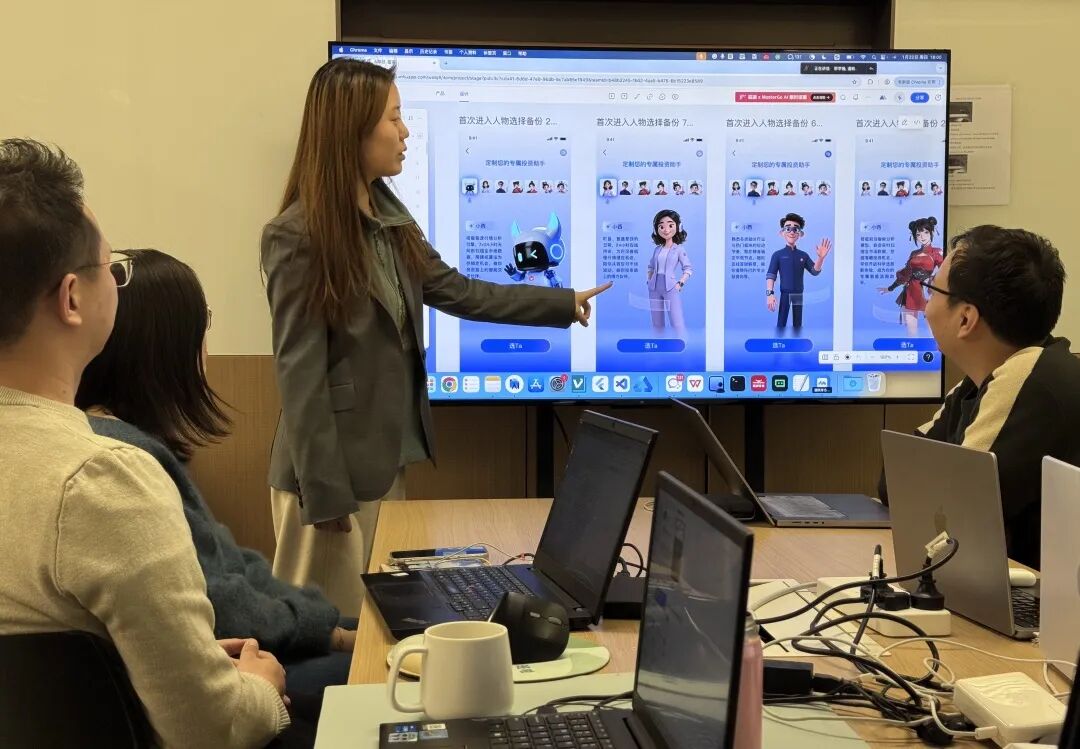
【西部动态】党建红引领科技蓝:西部证券金融科技团队志——以奋斗之姿筑数智转型之路
Xin Lang Cai Jing· 2026-01-29 12:12
Group 1 - The core idea of the article emphasizes the construction of an AI ecosystem centered on "technology empowering the future," aiming for a digital transformation that supports the real economy and contributes to building a strong financial nation [1][19] - The company has developed the West Securities APP, which has undergone multiple iterations and reached version 5.0, enhancing customer acquisition efficiency and engagement, with over 83% of its features developed in-house [2][20] - The company has initiated a comprehensive intelligent construction of the West Securities APP, utilizing large model capabilities to accurately identify customer intentions and provide intelligent services throughout the entire process [2][21] Group 2 - The company has established the VSignals intelligent decision-making system to enhance research efficiency and decision quality, addressing challenges in traditional investment research such as high data processing costs and risk identification difficulties [4][23] - The "Shumou Platform" has been created as a new generation data management service system, supporting over 700 active users monthly and facilitating the development of more than 50 business scenarios [6][25] - The company is focusing on three core elements for its digital transformation: practical value scenarios, iterative AI capabilities, and a culture that fully embraces AI [8][27] Group 3 - The company has reinforced its infrastructure to support rapid business growth, successfully expanding its resource pool by 30% to alleviate virtualization resource pressure [10][28] - A core network upgrade project was initiated to meet future business growth and low-latency trading architecture needs, completing the transition of 86 devices within a tight timeframe [10][29] - The security team has established a multi-layered defense system to protect customer assets and company data, successfully intercepting millions of attacks and demonstrating the effectiveness of its security measures [12][30] Group 4 - The company actively participates in research and innovation projects with regulatory bodies, leading to the successful completion of eight financial technology research projects [14][33] - Various technology awards have been pursued, enhancing the company's influence in financial technology while contributing to the digital transformation of the regional and industry landscape [14][33] - The company has implemented a "Party Building + Technology" integration model to foster a culture of innovation and support the development of young technology professionals [16][34] Group 5 - The digital transformation experience has been distilled into three core elements: cultural leadership, technology-driven initiatives, and collaboration between business and technology, forming a solid foundation for the company's digital transformation [18][36] - The company aims to continue advancing in AI applications, enhancing data value, and strengthening security measures to contribute significantly to the real economy and the construction of a strong financial nation [18][36]
深南电路(002916) - 2026年1月29日投资者关系活动记录表
2026-01-29 12:12
Group 1: Financial Performance - In 2025, the company expects a net profit attributable to shareholders of between CNY 3.15 billion and CNY 3.34 billion, representing a year-on-year growth of 68% to 78% [1] - The expected net profit after deducting non-recurring gains and losses is projected to be between CNY 2.99 billion and CNY 3.17 billion, with a year-on-year increase of 72% to 82% [1] Group 2: Production Capacity and Utilization - The company has achieved mass production capability for FC-BGA packaging substrates with 20 layers or fewer, and is progressing on R&D and sampling for 22-26 layer products [1] - The overall capacity utilization rate for PCB business remains high, with a notable increase in the packaging substrate business due to rising demand in the storage market [3] - The PCB business is undergoing capacity expansion through technological upgrades at existing factories and new projects in Thailand and Nantong, which are in the early stages of ramping up production [4] Group 3: Market Trends and Product Development - The demand for high-performance PCB products is increasing due to the accelerated evolution of AI technology and its applications, particularly in high-speed networks and AI acceleration cards [5] - The company is actively monitoring raw material price fluctuations, with some materials like gold salt and copper experiencing price increases in the second half of 2025 [6] Group 4: Strategic Developments - The new land in Wuxi is designated for the storage of products related to PCB business capabilities, with investments planned to be phased based on business development and market conditions [7] - The company is committed to adhering to information disclosure regulations during investor relations activities, ensuring no significant undisclosed information leaks occurred [8]

ING Groep(ING) - 2025 Q4 - Earnings Call Transcript
2026-01-29 11:00
Financial Data and Key Metrics Changes - The company reported a net profit of EUR 6.3 billion with a return on equity of 13.2% and a capital ratio of 30.1% [6] - Interest income remained stable despite headwinds from lower replication volumes, with a 5% growth in lending in the fourth quarter [4] - Fee income increased by 15% to EUR 4.6 billion, driven by investment products and wholesale banking activities [5] Business Line Data and Key Metrics Changes - The lending book grew by EUR 57 billion, an 8% increase compared to the previous year, with significant contributions from mortgages (EUR 376 billion), business banking (EUR 140 billion), and wholesale banking (EUR 266 billion) [2] - The total amount of deposits grew by EUR 38 billion, a 6% increase, indicating strong client engagement [2] - Asset management and e-brokerage services saw a 60% increase, reaching EUR 278 billion, reflecting a diversification strategy [3] Market Data and Key Metrics Changes - The company attracted over 1 million primary customers in 2025, with a total of over 15 million primary customers out of 41 million total customers [1] - The company is recognized as a top three mortgage provider in Europe, highlighting its significant market presence [2] Company Strategy and Development Direction - The company aims to diversify its business profile by enhancing its offerings in asset management and e-brokerage, moving beyond traditional lending [3] - There is a focus on becoming a primary bank for customers, emphasizing the need for a more impactful presence in various markets [36] - The company is transitioning from expert-based to data-driven risk models to improve its lending strategies and capital management [14][21] Management's Comments on Operating Environment and Future Outlook - Management expressed confidence in the growth trajectory, citing higher lending and deposit growth as key indicators of future performance [15] - The company acknowledges the competitive landscape, particularly from neobanks, and is focused on improving customer experience to retain market share [72] - There is a recognition of the need to balance risk and return in retail banking, with a cautious approach to capital management [14] Other Important Information - The company is developing a digital SME bank in Germany, targeting self-employed individuals and small businesses to enhance its service offerings [81] - Management emphasized the importance of societal inclusion in banking, particularly for underserved segments [94] Q&A Session Summary Question: What can be expected from the SRD strategy and growth? - Management indicated that growth is expected to continue, with improvements in data-driven models enhancing capital release capabilities [12][14] Question: How does the company view the competition from neobanks like Revolut? - Management acknowledged the competitive pressure from neobanks and emphasized the need to enhance digital journeys and customer experiences to remain relevant [72][46] Question: What is the company's approach to expanding its SME banking services? - The company is focused on developing its SME banking capabilities, particularly in Germany, to cater to the needs of self-employed individuals and small businesses [81][90]

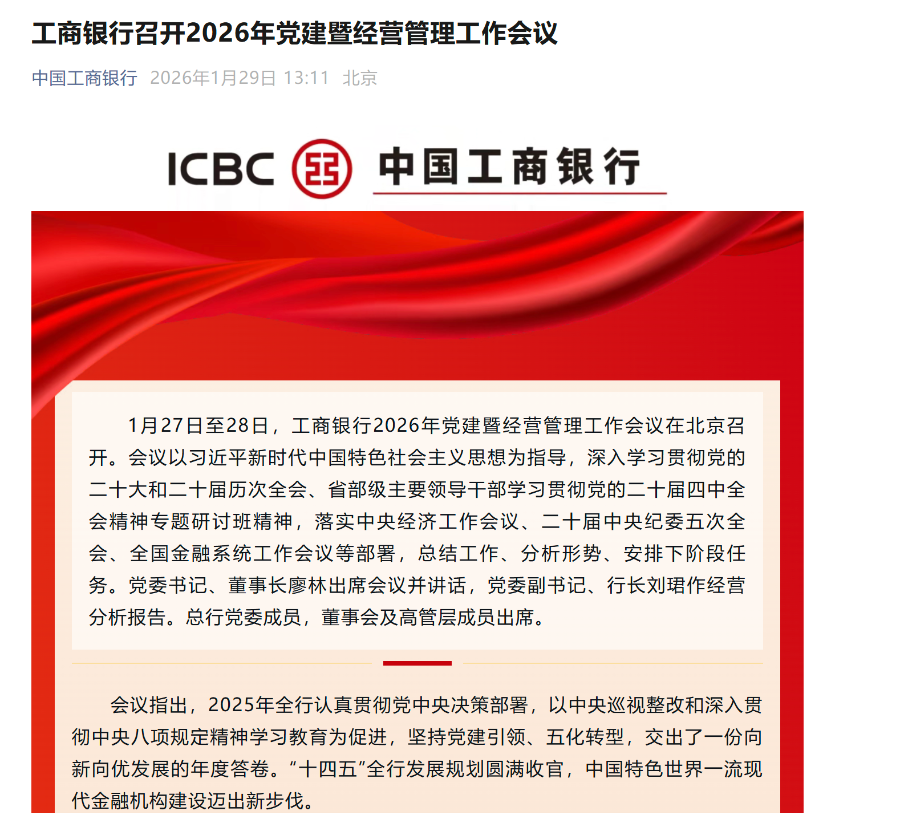
国有大行2026年工作会议聚焦三大主线
2 1 Shi Ji Jing Ji Bao Dao· 2026-01-29 09:35
Core Viewpoint - The major state-owned commercial banks in China have outlined their development roadmap for 2026, focusing on political leadership, responsibility, and enhancing financial services to support high-quality economic development [1] Group 1: Focus on Main Responsibilities and National Strategy - State-owned banks are prioritizing credit resources and financial services towards national strategic areas and weak links in economic and social development, aiming for precise financial support [2] - Industrial and Commercial Bank of China (ICBC) aims to align with national policies, support the modernization of the industrial system, and enhance loan and bond investments [3] - Agricultural Bank of China emphasizes supporting rural revitalization and urban-rural integration, focusing on key areas like food supply chains and rural development [5] - Bank of China plans to accurately position itself within the national agenda, enhancing core functions and competitiveness while focusing on five key financial areas: technology, green finance, inclusive finance, pension finance, and digital finance [8][9] Group 2: Strengthening Risk Control and Compliance - Banks are prioritizing the prevention of systemic financial risks while balancing development and safety [10] - ICBC is enhancing its risk control through intelligent platforms, while Agricultural Bank is focused on managing risks in local government debt and real estate [11] - Compliance is being positioned as a core competitive advantage, with banks emphasizing strict auditing and risk management practices [15] Group 3: Deepening Reform and Innovation - Banks are committed to deepening reforms and driving digital transformation to improve service efficiency and customer experience [16] - ICBC is focused on enhancing its digital capabilities, while Agricultural Bank is advancing smart banking initiatives [17] - In the context of narrowing interest margins, banks are emphasizing cost reduction and efficiency improvements through optimized operations [19]




2026年服务升级!通过企业微信官方热线,锁定最新政策与响应通道
Sou Hu Cai Jing· 2026-01-29 09:17
在数字化转型加速的今天,企业如何快速响应政策变化、优化客户服务流程?企业微信作为连接12亿微信用户的唯一商务软件,其2026年服务升 级将如何为企业提供更高效的解决方案?本文将结合行业实践与功能迭代,为您揭晓答案。 企业微信官方热线将在2026年升级为"政策响应中心",提供7×24小时人工服务,覆盖税务、合规、行业补贴等高频咨询场景。例如,零售企业可 通过热线快速了解最新消费券发放政策,并同步至企业微信社群,实现政策红利的高效转化。 2. 功能迭代:从工具到生态的进化 2026年企业微信将深化与微信生态的融合,推出"政策直达"功能。企业可通过工作台一键订阅行业政策,信息将同步至员工通讯录、客户朋友圈 及社群,确保关键政策触达率100%。例如,教育机构可实时推送学籍管理新规至家长群,避免信息滞后引发的沟通成本。 3. 行业适配:精准匹配政策需求 针对不同行业特性,企业微信将推出定制化政策包。零售行业可获取消费促进政策、供应链补贴;制造业可接入技术改造补贴、绿色认证指南; 政务行业则支持政策宣导、民生服务通知等功能。 联系电话:400-006-8758 一、政策响应升级:官方热线与功能迭代双驱动 1. 官方热线: ...
国内首个青少年近视防控智能体发布!已通过微信小程序面向公众开放
Sou Hu Wang· 2026-01-29 08:09
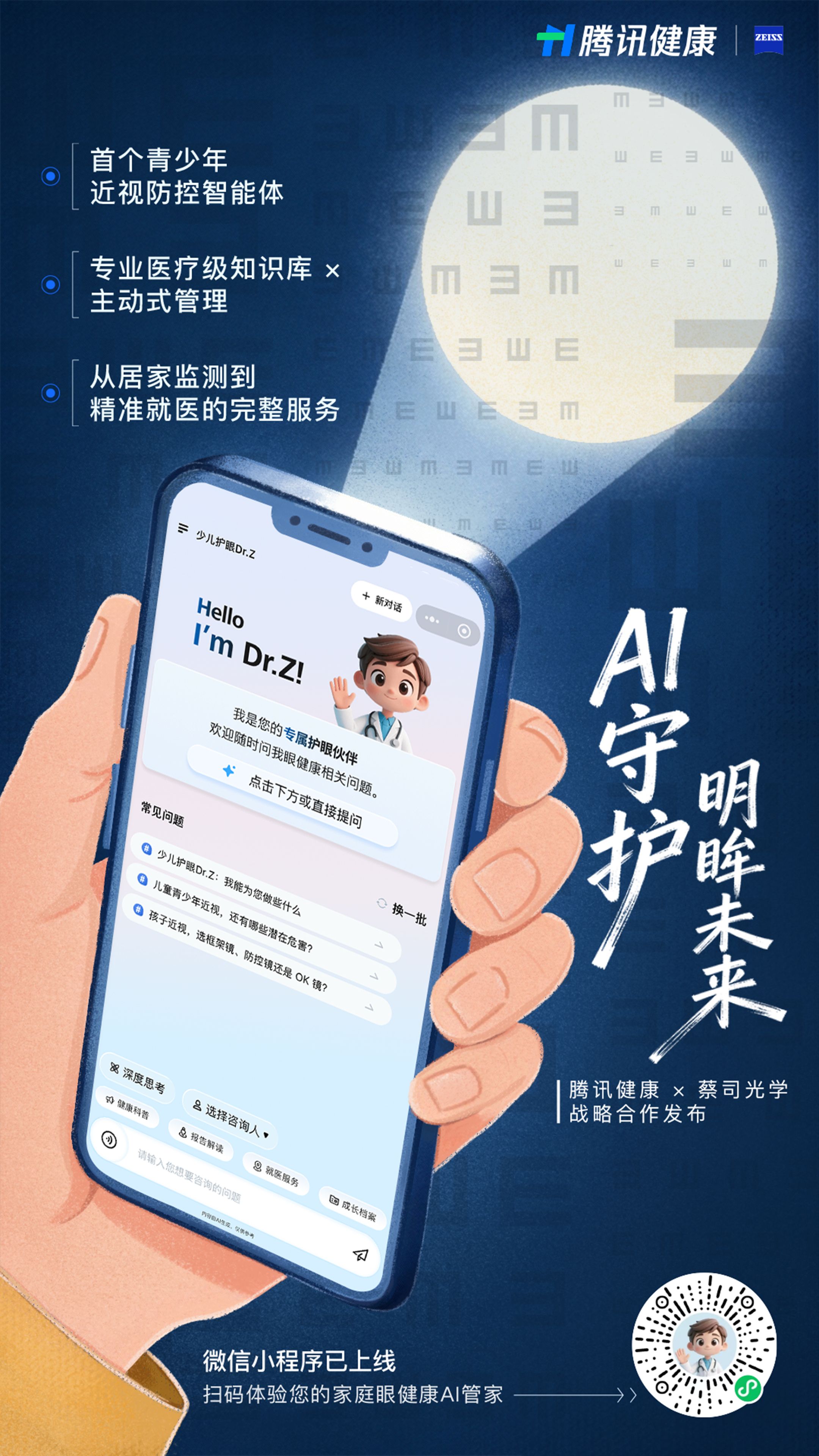
Core Viewpoint - The collaboration between Tencent Health and Zeiss Optical aims to address the rising demand for vision health management among children, particularly in the context of increasing myopia rates, by launching the "Dr.Z" smart assistant for proactive eye health management [1][3]. Group 1: Product Overview - The "Dr.Z" smart assistant is the first application in China focused on myopia prevention for youth, integrating Tencent Cloud's AI capabilities with Zeiss's expertise in ophthalmic optics [1]. - The service is now available to the public through a WeChat mini-program, providing a platform for families to manage their children's vision health [1]. Group 2: Functionality and Features - The smart assistant offers an active health management solution, utilizing Tencent's medical-grade database to ensure authoritative content and filter out misinformation [3]. - It allows parents to upload eye health reports, providing data interpretation and multi-dimensional analysis, including risk alerts and intervention suggestions when abnormalities are detected [3]. Group 3: Industry Context and Trends - The launch of this product aligns with the national strategy for myopia prevention, which emphasizes the establishment of electronic health records for children and adolescents [3]. - Traditional prevention models face challenges such as uneven distribution of medical resources and lack of post-discharge management, which this project aims to address through a digital solution that connects online monitoring with offline medical services [4]. Group 4: Strategic Implications - This collaboration signifies a new trend of deep integration between AI and the healthcare industry, marking Tencent Cloud's shift from general AI applications to specialized healthcare solutions [4]. - For Zeiss Optical, this partnership reinforces its commitment to innovation in China and serves as a model for digital transformation for multinational companies operating in the region [4]. Group 5: Future Developments - The "Dr.Z" smart assistant has officially launched, with plans for continuous model iteration based on real interaction data to enhance proactive vision health management [5].
厦门农商银行深耕鹭岛沃土,聚力创新发展
Jin Rong Jie· 2026-01-29 07:43
2025年,厦门农商银行坚定坚守"百姓银行"战略定位,紧跟厦门"4+4+6"现代化产业体系布局,以乡村 振兴、普惠金融长板优势为引领,带动科技、绿色、养老、数字金融领域协同发展,持续深度融入厦门 市新发展格局,聚力构建"厦门同业中的农商特色,福建农信内的厦门特色",为厦门高素质高颜值现代 化国际化城市建设注入农商活力。 党建领航筑牢发展根基 深化"党建+"工程,推动金融服务下沉一线,厦门农商银行向全市321个行政村派驻逾330名金融助理, 实现村居服务100%全覆盖,签订党建共建协议超100份,让金融触角延伸至乡村"最后一公里"。压实网 格化、突出专业化,充分发挥"党建+"的桥梁纽带作用,系统开展"深耕网格 做优产业"工程,推进"党 建+金融助理+多社融合"工程走深走实。 深耕乡村振兴主阵地 依托福建省联社科技平台,优化移动办贷、微信小程序等展业工具,厦门农商银行实现100万元以下新 增信保贷款移动办贷覆盖率超90%,业务办理线上化、无纸化。构建经营管理驾驶舱、风险管控平台等 五大系统群,让营销成效可视化、风险处置精细化,为客户提供"扫码-授权-秒批"的高效信贷服务, 践行"背包客"精神,持续提升服务体验。 ...