
现代化产业体系

Search documents
制造业PMI持续修复仍需政策支持|宏观晚6点
Xin Lang Cai Jing· 2026-01-06 10:13
Macro News - Zheng Zhajie emphasized the need to build a modern industrial system during the "14th Five-Year Plan" period, focusing on optimizing and enhancing traditional industries such as chemicals, machinery, and shipbuilding to strengthen their global competitiveness [1] - The development of strategic emerging industry clusters, including new energy, new materials, aerospace, and low-altitude economy, is prioritized, with a push for quantum technology, biomanufacturing, hydrogen energy, nuclear fusion energy, brain-computer interfaces, embodied intelligence, and sixth-generation mobile communication to become new economic growth points [1] Shanghai Investment Encouragement - The Shanghai Municipal Development and Reform Commission and other departments issued measures to encourage foreign-invested enterprises to reinvest domestically, comprising 15 initiatives [1] - Key measures include supporting various reinvestment methods, enhancing project coordination services, optimizing land resource allocation, encouraging technological upgrades, and supporting domestic production and R&D innovation [1] - Additional initiatives involve simplifying medical device production processes, facilitating multi-warehouse coordination for drug wholesale, easing food chain operations, implementing profit reinvestment tax policies, and broadening financing channels for reinvestment [1]
长春“十五五”规划建议:经济增速跑赢全国平均水平,经济总量迈上万亿元台阶
Zheng Quan Shi Bao Wang· 2026-01-06 07:40
Core Insights - Changchun's economic development during the 14th Five-Year Plan period has shown steady growth, with GDP increasing and a modern industrial system being established, focusing on traditional industries' transformation and emerging industries' rapid growth [1][2] Group 1: Economic Development - The GDP of Changchun is on a stable growth trajectory, with a significant improvement in comprehensive strength and a modern industrial system being constructed [1] - The city aims to achieve high-quality development during the 15th Five-Year Plan, with economic growth expected to outpace the national average and total economic output reaching over one trillion yuan [1][2] Group 2: Traditional Industry Optimization - Changchun plans to enhance traditional industries by implementing advanced manufacturing cluster cultivation, focusing on the transformation of the automotive, equipment manufacturing, and agricultural product processing sectors [3] - The automotive industry is shifting towards new energy and intelligent networking, supporting the "All in" strategy of China FAW, and developing a world-class automotive manufacturing cluster [3] Group 3: Emerging Industry Growth - The city will promote high-quality development in emerging industries such as optoelectronics, biomedicine, and green energy, establishing a "leading + supporting" industrial cluster [4] - Changchun aims to become a hub for optoelectronic materials and devices, enhancing its brand as "Changchun Optics Valley" [4] Group 4: New Industry Tracks - The city is focusing on seven new industry tracks, including high-end medical equipment, aerospace, and digital economy, to accelerate development in these areas [5] - Efforts will be made to develop humanoid robotics and advanced materials, with a focus on overcoming key technological challenges [5] Group 5: Service Industry Development - Changchun is set to enhance the quality and efficiency of its service industry, promoting the integration of modern services with advanced manufacturing and agriculture [6] - The city will develop its ice and snow economy, logistics systems, and improve the quality of life services [6] Group 6: Infrastructure Development - A modern infrastructure system will be constructed, focusing on the integration of various networks and the advancement of new infrastructure [7] - The city will prioritize the development of transportation and energy infrastructure to enhance resource allocation and safety [7]
IPO加速!盐城新增3家企业提交申请
Sou Hu Cai Jing· 2026-01-06 07:14
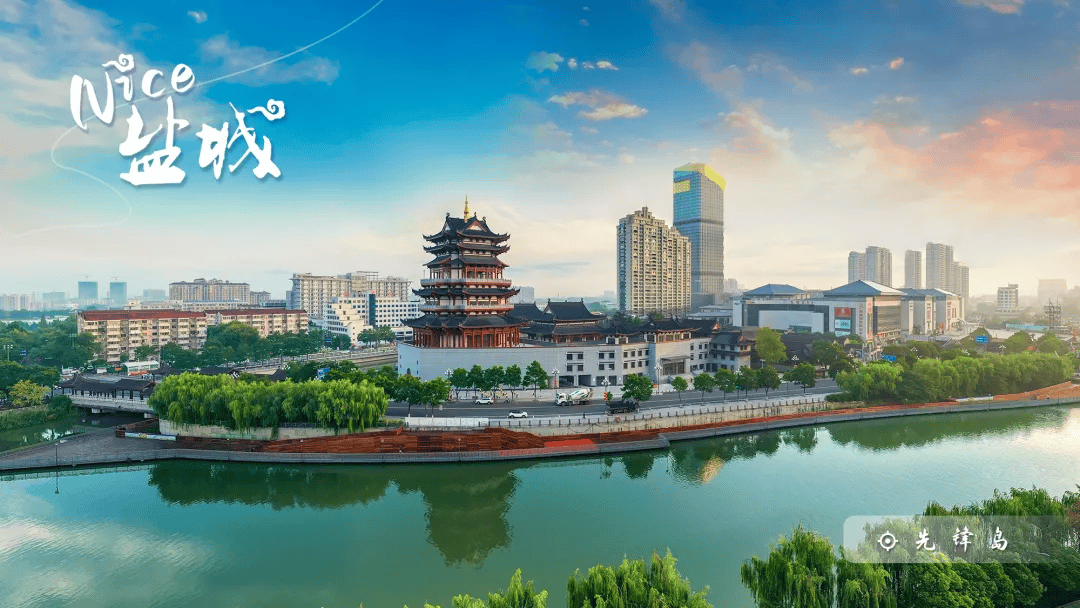
2025年12月 取得又一阶段性成果 我市企业上市工作取得积极进展 星基智造、方意股份、清泉化学等3家企业 相继完成现场检查与辅导验收 并正式向北交所、深交所 提交了IPO申报材料 标志着我市在企业上市攻坚行动中 2025年,我市深入贯彻落实关于推动金融高质量发展的各项决策部署,将企业股改上市作为赋能新质生产力发展、构筑现代化产业体系的关键引擎,创新 打造"黄海资本"服务品牌,深入实施企业上市"1234"专项行动,持续巩固多层次资本市场"盐城板块"。 高位统筹聚合力,闭环推进破难题。市委、市政府主要领导定期专题研究、带队对接,分管领导高频调度、靠前指挥,压实工作责任。通过建立"月调 度、季通报"机制,动态跟踪企业进展,协调解决上市过程中的各类难题,构建起"上下联动、左右协同"的攻坚格局,形成闭环管理,全力保障上市进程 提速增效,为企业上市按下"加速键"。 精准赋能强本领,厚植生态优环境。联合省委金融办、江苏证监局、证券交易所等高规格举办盐城产融生态对接会、资本市场江苏行、政策宣介会及境外 上市培训等系列活动,营造"懂资本、用资本、兴产业"的浓厚氛围。多次邀请交易所专家来盐授课走访,持续开展"走进交易所"品牌活 ...

——宏观专题报告:设备投资,能否持续高增?
Shenwan Hongyuan Securities· 2026-01-06 06:42
Group 1: Misconceptions about Equipment Investment Growth - Equipment investment growth is not primarily driven by the "Juga Cycle" but rather by strong infrastructure and service sector investments, with construction industry growth at 65.5% and narrow infrastructure at 46.1% in 2024, contributing an additional 8.2 percentage points to overall equipment investment[2] - The perception that equipment investment is strongly influenced by the "Two New" policies is misleading, as significant increases in manufacturing investment and equipment purchases occurred as early as February 2024, before the policies were intensified[2] - Manufacturing equipment investment growth was only 6.5% in 2024, significantly lower than the overall equipment investment growth of 15.7%[3] Group 2: Drivers of Equipment Investment Growth - The establishment of a modern industrial system has strengthened digital infrastructure, with software industry growth at 53% and computer services at 35%, contributing to overall equipment investment[4] - Public utility equipment investment has surged since the "dual carbon" policy was intensified in 2021, with electricity and heat equipment investment growing at 17.6%[4] - Service sector equipment investment has outpaced construction investment since 2023, with growth rates of 13.9% compared to 2.8% for construction investment[5] Group 3: Sustainability of Equipment Investment Growth - Equipment investment is expected to continue high growth in 2026, supported by a rebound in narrow infrastructure, particularly in digital infrastructure and hub-related investments[6] - The "dual carbon" policy is expected to further drive investment in equipment for carbon reduction, including high-energy-consuming industries and renewable energy investments[7] - Policies focused on "investing in people" are anticipated to boost service sector equipment investment, with a recovery gap of 2-3 trillion yuan in consumer-related service investments[7] Group 4: External Demand and Investment Resilience - Equipment investment related to external demand is expected to remain resilient, particularly in sectors supporting industrialization in emerging economies, with strong export growth to ASEAN countries driven by improved internal demand[8] - The inflow of foreign direct investment (FDI) into emerging economies is likely to accelerate, supporting industrialization and urbanization, which will further bolster equipment investment[8]
宏观专题报告:设备投资,能否“持续高增”?
Shenwan Hongyuan Securities· 2026-01-06 03:41
Group 1: Misconceptions about Equipment Investment Growth - Equipment investment growth is not primarily driven by the "Juga Cycle" but rather by strong infrastructure and service sector investments, with construction industry growth at 65.5% and narrow infrastructure at 46.1% in 2024, contributing an additional 8.2 percentage points to overall equipment investment[2] - The notion that equipment investment strength is influenced by the "Two New" policies is misleading; significant increases in manufacturing investment and equipment purchases occurred as early as February 2024, with equipment purchase investment growth reaching 17%[2] - Manufacturing equipment purchase investment growth was only 6.5% in 2024, significantly lower than the overall equipment investment growth of 15.7%[3] Group 2: Drivers of Equipment Investment Growth - The establishment of a modern industrial system has driven strong digital infrastructure investments, with software industry growth at 53% and computer services at 35%, contributing to overall equipment investment[4] - Public utility equipment investment has surged since the "dual carbon" policy was intensified in 2021, with electricity and heat equipment investment growth at 17.6%[4] - Service sector equipment investment has outpaced construction investment since 2023, with growth rates of 13.9% compared to 2.8% for construction investment in 2024[5] Group 3: Sustainability of Equipment Investment Growth - Equipment investment is expected to continue high growth in 2026, supported by a rebound in narrow infrastructure, particularly in digital infrastructure and hub-related investments[6] - The "dual carbon" policy is anticipated to further enhance investment in carbon reduction technologies, including high-energy-consuming industry upgrades and renewable energy investments[6] - Policies focused on "investing in people" are likely to increase service sector equipment investment, with a projected growth rate of around 6% in 2026, surpassing the overall fixed asset investment growth of 3%[7]
安伟在市委科技委会议上强调 加强教育科技人才一体实践中心建设 加快建设全国有影响力的创新型城市
Zheng Zhou Ri Bao· 2026-01-06 02:15
会议研究了郑州市创新发展能力及"十五五"科技创新重大项目谋划、中原科技城建设发展、郑州产业技 术创新研究院建设、提升全社会研发投入等工作。 1月5日,省委常委、市委书记安伟主持召开市委科技委会议,强调要深入学习贯彻习近平总书记关于科 技创新的重要论述和党的二十届四中全会精神,认真落实中央、省委关于科技创新的决策部署,全面深 化"三标"活动,全力打造教育科技人才一体实践中心,加快建设全国有影响力的创新型城市,为郑州国 家中心城市现代化建设提供强有力的科技支撑。 市领导庄建球、陈宏伟、虎强、李党生、陈红民、马志峰、魏宁娣、夏扬出席。 安伟强调,要聚焦技术、聚焦应用、聚焦工业,充分发挥一流大学(科研院所)郑州研究院作用,围绕 传感器、新材料、新能源汽车、现代食品等优势产业开展技术创新、应用创新,推动重点产业链延链补 链强链,持续壮大优势产业集群,加快构建现代化产业体系。要优化机制、完善生态加快推动科研成果 转化,健全产教融合、科教融汇体系,加速建设郑州产业技术创新研究院,深入探索"拨投结合"模式, 打造强有力的"创新港湾",不断提升创新成果转化水平。要改进工作、创新方法,有关部门要搭平台、 建机制、强服务,进一步激 ...
加强教育科技人才一体实践中心建设 加快建设全国有影响力的创新型城市
Zheng Zhou Ri Bao· 2026-01-06 00:49
1月5日,省委常委、市委书记安伟主持召开市委科技委会议,强调要深入学习贯彻习近平总书记关 于科技创新的重要论述和党的二十届四中全会精神,认真落实中央、省委关于科技创新的决策部署,全 面深化"三标"活动,全力打造教育科技人才一体实践中心,加快建设全国有影响力的创新型城市,为郑 州国家中心城市现代化建设提供强有力的科技支撑。 市领导庄建球、陈宏伟、虎强、李党生、陈红民、马志峰、魏宁娣、夏扬出席。 会议研究了郑州市创新发展能力及"十五五"科技创新重大项目谋划、中原科技城建设发展、郑州产 业技术创新研究院建设、提升全社会研发投入等工作。 安伟对2025年全市科技创新工作表示肯定。他指出,过去一年,郑州科技创新工作稳步加强,创新 动能持续壮大,高能级平台加速集聚,新质生产力加快培育,创新生态不断优化,科技创新策源力、影 响力稳步提升。做好今年工作,要进一步提高认识、统一思想,切实增强加快建设全国有影响力的创新 型城市的责任感、紧迫感,坚定不移、持之以恒加大科技创新投入,集中资源、齐心协力推动郑州科技 创新能力、城市核心竞争力稳步提升,有力支撑经济社会高质量发展。 安伟强调,要聚焦技术、聚焦应用、聚焦工业,充分发挥一流大 ...
【省知识产权局】激活创新“密钥” 赋能三秦发展
Shan Xi Ri Bao· 2026-01-06 00:26
Core Viewpoint - The 20th National Congress of the Communist Party of China emphasizes "significantly improving the level of technological self-reliance and self-improvement" as a key goal for the 14th Five-Year Plan, highlighting the importance of independent innovation to seize technological high ground and foster new productive forces [1] Group 1: Strategic Goals and Framework - The 14th Provincial Congress of Shaanxi has approved the 14th Five-Year Plan, focusing on building a modern industrial system with Shaanxi characteristics, leveraging rich educational resources and addressing regional development imbalances [1][2] - Knowledge property rights are identified as a legal carrier of innovation results and a key support for building a modern industrial system, essential for activating corporate innovation vitality [1][2] Group 2: Knowledge Property Rights and Innovation - Knowledge property rights are crucial for protecting innovation, clarifying ownership, and ensuring reasonable returns for innovators, thus stimulating innovation among enterprises, universities, and research institutions [3][4] - The Shaanxi Provincial Knowledge Property Bureau has made significant progress in building a strong knowledge property province since the 14th Five-Year Plan, with a focus on enhancing the legal and policy support system [4][5] Group 3: Implementation and Policy Measures - The Shaanxi Provincial Knowledge Property Bureau plans to deepen institutional supply innovation during the 14th Five-Year Plan, implementing targeted policies to support different regions based on their unique characteristics [5][9] - The province aims to enhance the cultivation of high-value patents and improve the efficiency of patent examination to support original and disruptive innovations [5][9] Group 4: Economic and Industrial Development - The transition from a knowledge property importing country to a knowledge property creating country is underway, with a focus on high-value patents as a core element for enhancing industrial quality and efficiency [6][8] - Shaanxi is working towards building a trillion-level industrial cluster characterized by intelligence, greenness, and integration, supported by high-value patents and well-known brands [6][8] Group 5: Future Directions and Goals - The Shaanxi Provincial Knowledge Property Bureau will continue to strengthen the role of enterprises as the main body of innovation, enhancing their ability to utilize knowledge property rights effectively [10][11] - Future initiatives will include establishing a high-value patent conversion special zone and improving financial services related to knowledge property rights to support innovation and economic development [12][13]
张辉:现代化产业体系基本特征与发展方向
Jing Ji Ri Bao· 2026-01-06 00:12
Core Viewpoint - The construction of a modern industrial system is a crucial foundation for China's modernization, emphasizing the importance of intelligent, green, and integrated development to enhance economic modernization and competitiveness [1]. Group 1: Intelligent Development - The intelligent transformation of the industrial system is essential for leveraging new technological revolutions and facilitating the transition from old to new growth drivers, focusing on the deep integration of artificial intelligence with the real economy [2]. - Current challenges include reliance on foreign core technologies, insufficient application of "AI+" solutions, and a lack of motivation among small and medium enterprises for digital transformation [2][3]. Group 2: Green Development - The green transformation of the industrial system is vital for achieving high-quality development and carbon neutrality goals, as well as for addressing climate change and promoting ecological balance [4]. - The development of the new energy vehicle industry exemplifies this transformation, with projections indicating over 12 million units produced and sold in 2024, alongside significant advancements in green technology and market penetration [5]. Group 3: Integrated Development - The integrated development of the industrial system is characterized by the deep fusion of primary, secondary, and tertiary industries, as well as the integration of technological and industrial innovation [7]. - The service-oriented manufacturing transformation is crucial for enhancing competitiveness and achieving a shift from a manufacturing power to a manufacturing stronghold [7][8]. Group 4: Overall Quality and Safety - The ultimate goal is to achieve a qualitative leap in the industrial system, ensuring its integrity, advancement, and safety, which are essential for maintaining economic stability and competitiveness [10]. - The current global landscape presents challenges such as supply chain disruptions and the need for a comprehensive green transition, necessitating a focus on modernizing industrial chains and enhancing resilience [11][12].
郑栅洁:积极发展新质生产力 扎实推进高质量发展
Ren Min Ri Bao· 2026-01-05 23:54
Core Viewpoint - The report emphasizes the strategic importance of developing new quality productivity to achieve high-quality development during the 14th Five-Year Plan period and beyond, as articulated by key leaders in the Chinese government [2][3]. Group 1: Importance of New Quality Productivity - Developing new quality productivity is crucial for advancing high-quality development and achieving substantial progress in technological innovation and economic structure optimization [2][3]. - The 14th Five-Year Plan has seen significant achievements in economic strength and technological capabilities, marking a new historical stage for China's comprehensive national power [2][3]. - The concept of new quality productivity is a distinctive element of Xi Jinping's economic thought, providing scientific guidance for high-quality development in the new era [2][3]. Group 2: Theoretical Guidance for High-Quality Development - A new productivity theory is needed to guide high-quality development, as traditional theories must evolve to meet the challenges of the new development stage [3]. - The emphasis is on transforming and upgrading traditional momentum while fostering new momentum through localized development of new quality productivity [3]. Group 3: Strategic Advantages for Development - China possesses strategic advantages in developing new quality productivity, including institutional mechanisms, innovation ecosystems, and industrial systems [6][7][8][9][10]. - The institutional mechanism advantage includes effective national planning and macroeconomic governance that aligns various policies to support productivity growth [7]. - The innovation ecosystem is characterized by a concentration of advanced production factors and a vibrant environment for collaborative innovation [8]. - The industrial system advantage focuses on enhancing traditional industries and accelerating breakthroughs in emerging sectors, contributing to the overall development of new quality productivity [9]. Group 4: Key Actions for the 14th Five-Year Plan - The government plans to accelerate high-level technological self-reliance and strengthen the integration of technological and industrial innovation [11]. - Building a modern industrial system involves optimizing traditional industries and promoting strategic emerging industries [12][13]. - Enhancing the domestic market and expanding high-level opening-up are essential for fostering new quality productivity [14][15]. - Regional economic layout optimization and promoting green transformation are also prioritized to support sustainable development [15][16]. - Ensuring common prosperity through investment in human capital and improving living standards is a key focus area [16].