食品安全

Search documents
严打“幽灵外卖”!监管新规征言要求“无堂食”需标识,点餐就像开盲盒的日子将一去不复返
Mei Ri Jing Ji Xin Wen· 2025-10-17 12:58
Core Viewpoint - The new national-level regulatory framework aims to address long-standing food safety issues in the food delivery industry, particularly targeting "ghost kitchens" and ensuring that "no dine-in" services are clearly marked [1][4]. Regulatory Changes - The State Administration for Market Regulation has released a draft regulation that seeks public feedback until November 16, focusing on the responsibilities of third-party platforms and food service providers regarding food safety [1][4]. - Key measures include requiring that online store names match those of physical locations, ensuring that pick-up addresses align with business licenses, and mandating clear labeling for "no dine-in" services [1][4][7]. Industry Response - Major food delivery platforms have shifted their focus from aggressive market expansion to enhancing food safety, service quality, and operational efficiency, marking a transition from a "price war" to a "quality competition" [3][8]. - Companies like JD.com and Meituan have initiated programs to improve food safety and transparency, with JD.com emphasizing "quality delivery" and Meituan investing 500 million yuan in new infrastructure for food safety [3][9]. Implementation of Technology - The draft regulation emphasizes the role of "Internet + Bright Kitchen" initiatives, requiring platforms to audit merchants' compliance and provide technical support for real-time monitoring of food preparation processes [7][10]. - Platforms must ensure that merchants prominently display their business licenses and that the names and addresses of online stores are consistent with physical locations [7][10]. Market Trends - The shift towards quality and transparency in the food delivery market reflects a broader industry consensus that prioritizes food safety and service quality over low prices and subsidies [9][11]. - Industry leaders have acknowledged the need for a stable and efficient supply chain as a competitive advantage, moving away from reliance on traffic-driven marketing strategies [10][11].


山东省市场监督管理局关于34批次食品不合格情况的通告(2025年第23期)
Zhong Guo Zhi Liang Xin Wen Wang· 2025-10-17 07:44
Core Points - The Shandong Provincial Market Supervision Administration announced the results of food safety inspections, revealing that out of 3,451 samples tested, 3,417 were compliant while 34 were found to be non-compliant [3]. Summary by Category Inspection Results - A total of 3,451 food samples were inspected, with 3,417 passing and 34 failing the safety standards [3]. - The non-compliant products include various categories such as health foods, snacks, and beverages [3]. Actions Taken - Local market supervision authorities have ordered producers to trace the distribution of non-compliant products, initiate recalls, and take corrective actions [3]. - Consumers are encouraged to report any non-compliant products they encounter by calling the designated hotline [3]. Specific Non-Compliant Products - Examples of non-compliant products include: - Green onions with pesticide residue (0.025 mg/kg, exceeding the limit of 0.02 mg/kg) [3]. - Self-disinfecting chopsticks containing anionic synthetic detergent (0.0793 mg/100 cm², should not be detected) [3]. - Bananas with pesticide residue (0.12 mg/kg, exceeding the limit of 0.05 mg/kg) [3]. Consumer Guidance - Consumers are advised to be vigilant and report any non-compliant products found in the market [3].
福建省泉州市市场监督管理局2025年食品安全监督抽检信息公告(第20期)
Zhong Guo Zhi Liang Xin Wen Wang· 2025-10-17 07:40
Core Points - The announcement from Quanzhou Market Supervision Administration details the results of food safety supervision and sampling inspections conducted in 2025, covering 19 categories of food with a total of 189 batches tested, of which 187 were qualified and 2 were unqualified [2][3] Group 1: Inspection Results - A total of 189 batches of food were inspected, including categories such as nuts, starch products, condiments, and meat products [2] - Out of the 189 batches, 187 were found to be compliant with safety standards, resulting in a compliance rate of approximately 98.94% [2] - The two unqualified products included one batch of meat products and one batch of frozen food [2] Group 2: Details of Non-compliant Products - The first non-compliant product was "meat paste" from Hongshun Food Business in Quanzhou, which contained 0.0571 g/kg of dehydroacetic acid and its sodium salt, exceeding the standard limit of not using this substance [2] - The second non-compliant product was "frozen prepared food (sausage)" from Maijia Qianjiale Frozen Food Factory, which contained 0.00273 g/kg of a prohibited coloring agent [2] Group 3: Regulatory Actions - The Quanzhou Market Supervision Administration has mandated local regulatory departments to investigate and address the violations by the producers of the non-compliant products [3] - Consumers are advised to report any findings of the listed non-compliant products to the complaint hotline 12315 [3]
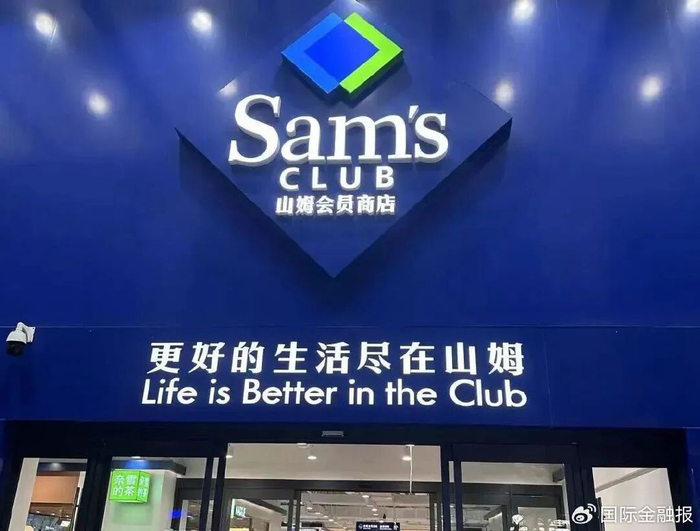
山姆又出事!蛋糕吃出“金属牙”?1000元赔偿附“禁拍令”遭拒
Guo Ji Jin Rong Bao· 2025-10-17 03:13
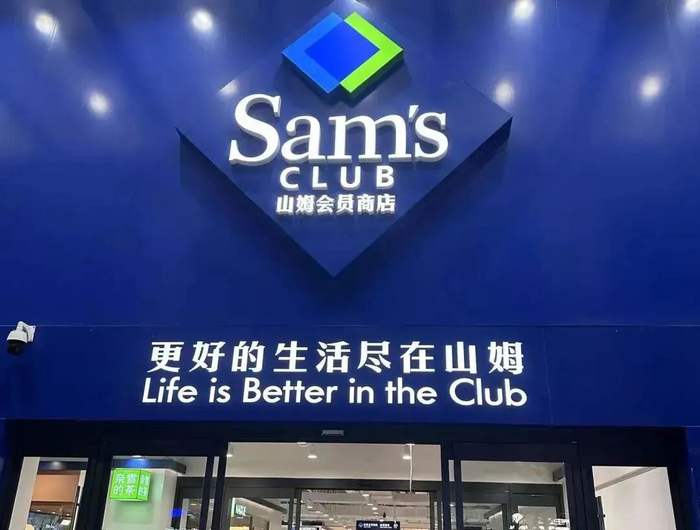
Core Points - A consumer reported finding a metal object in a cake purchased from Sam's Club, leading to significant public backlash and scrutiny [1] - The incident marks the second food safety controversy for Sam's Club in October, raising concerns about product quality and safety [4][5] Group 1: Incident Details - On October 14, a video surfaced showing a metal object resembling a tooth found in a "MM Date Walnut Cake" purchased from Sam's Club, which was priced at 27.8 yuan and had a production date of October 10 [1] - The cake is popular among consumers for its large size (520g), rich flavor, and short shelf life of 3 days, making it a frequent purchase [1] - The store's initial response was perceived as lacking sincerity, as they emphasized strict hygiene controls while downplaying the incident [1] Group 2: Consumer Response and Compensation - On October 15, the store claimed to have reached a settlement with the consumer, but the consumer later stated that they rejected a compensation offer of 1,000 yuan due to unreasonable conditions [2] - The consumer had brought the cake and the metal object to the store for negotiation, but ultimately did not accept the proposed compensation [2] Group 3: Broader Implications - This incident follows another report from October 9, where a consumer found spoiled pork ribs in an order from Sam's Club, further damaging the brand's reputation for quality [4] - The recent food safety issues are eroding consumer trust, which is critical for a high-end membership supermarket like Sam's Club, where customers expect premium quality and service [5] - Despite the ongoing controversies, the problematic cake remains available for purchase on Sam's Club's mini-program [5]

细化商家资质审核剑指“幽灵外卖” 无堂食商家拟被标记
Bei Jing Shang Bao· 2025-10-17 01:28
Core Points - The new regulations aim to address food safety issues in the online food delivery sector, particularly targeting the "ghost kitchen" phenomenon and promoting industry standardization [1][7][8] - The regulations emphasize the need for platforms to enhance technical monitoring and offline verification capabilities, while merchants must standardize their operating processes [1][6] - Consumers are encouraged to build confidence through transparency measures such as "internet + open kitchen" and qualification disclosures [1][8] Summary by Sections Regulatory Framework - The draft regulations, titled "Regulations on the Supervision and Management of Food Safety Responsibilities of Third-Party Platforms and Online Food Service Providers," were released for public consultation until November 16 [3] - The regulations clarify the responsibilities and rights of platforms, third-party institutions, and food service providers regarding food safety [3][4] Merchant Qualification and Operations - The regulations prohibit the use of the same operating qualifications to open multiple online stores on the same platform [4] - Merchants must have a physical store and legally obtained operating qualifications, and they cannot operate beyond the scope of their qualifications [4] Food Safety Measures - The regulations require platforms to implement "internet + open kitchen" systems, ensuring that food service providers must pass this requirement to operate on the platform [3][6] - Platforms are responsible for providing technical support for the "internet + open kitchen" video uploads and must display this prominently on the merchant's main page [3] Industry Impact - The new regulations are seen as a significant boost for the healthy development of the food delivery industry, enhancing transparency and consumer safety [7][8] - Experts believe that while the regulations may increase operational costs and management difficulties in the short term, they will foster a fair competitive environment and enhance consumer trust in the long run [8][9] Collaborative Efforts - The successful implementation of these regulations requires cooperation among government, merchants, and consumers to create a safe and orderly food delivery ecosystem [9]
剑指“幽灵外卖” 无堂食商家拟被标记
Bei Jing Shang Bao· 2025-10-16 16:17
Core Viewpoint - The new regulations aim to address food safety issues in the online food delivery sector, particularly targeting the "ghost kitchen" phenomenon, by clarifying responsibilities and enhancing regulatory measures [1][6][7]. Summary by Sections Regulatory Framework - The draft regulation, titled "Regulations on the Supervision and Management of Food Safety Responsibilities of Third-Party Platforms and Online Food Service Providers," is open for public feedback until November 16 [3]. - It emphasizes the need for clear delineation of responsibilities among platforms, third-party agencies, and food service providers to prevent "ghost kitchens" [3][4]. Food Safety Measures - The regulation mandates that platforms must verify the "Internet + Bright Kitchen" compliance of food service providers, prohibiting those who do not comply from operating on the platform [3][4]. - Platforms are required to provide technical support for the "Internet + Bright Kitchen" video uploads and ensure that these videos are retained for at least 14 days [3]. Business Operations - The regulation prohibits food service providers from operating multiple online stores under the same business license on the same platform, ensuring that each provider has a physical store and operates within the scope of their license [4]. - It also requires that the names of online stores match their physical store names and that the pickup addresses correspond to the licensed locations [4]. Industry Impact - The new regulations are seen as a significant step towards enhancing food safety and transparency in the food delivery industry, with experts noting that they will help build consumer trust [7][8]. - The implementation of these regulations may increase operational costs for platforms and businesses in the short term, but is expected to foster a fair competitive environment and promote sustainable growth in the long run [8][9]. Technological Integration - Platforms are encouraged to leverage technologies such as big data and AI for efficient monitoring and verification processes, including automatic license verification and real-time monitoring of kitchen practices [8][9]. - The integration of "Bright Kitchen" live streaming in food service operations is becoming a standard, with significant adoption already noted in platforms like Meituan [6].
广州发布第三批“食在广州”榜单
Zhong Guo Fa Zhan Wang· 2025-10-16 15:25
Core Viewpoint - The third "Food in Guangzhou" brand launch event emphasizes the integration of food safety, quality, and sports, aiming to enhance Guangzhou's reputation as an international food capital and support its development as a global consumption center [1] Group 1: Brand Expansion - The "Food in Guangzhou" brand system has seen a simultaneous increase in quantity and quality, with 12 new products from 5 additional enterprises, totaling 40 products from 14 enterprises [2] - The number of brand stores has increased by 8, bringing the total to 13, while the number of star-rated restaurants has reached 110, with 58 newly added this year, showcasing the vibrant restaurant market in Guangzhou [2] - Notably, two three-star restaurants have upgraded to five-star status, and 12 others have moved up to four-star ratings [2] Group 2: Product Diversity - New categories of pre-packaged foods include infant formula, frozen beverages, and wheat flour, catering to a wider range of consumer scenarios [2] - The restaurant sector has introduced new domestic cuisines such as Northwest, Hunan, and Sichuan, as well as international flavors from Latin America and Southeast Asia, reflecting the inclusive and diverse food culture of Guangzhou [2] Group 3: Evaluation Mechanism Innovation - The evaluation system has been enhanced by incorporating user reviews from social media platforms like Douyin and Xiaohongshu, utilizing AI technology for intelligent analysis of video content, making evaluations more comprehensive and authentic [3] - The optimization of the 12315 complaint reporting data model promotes the integration of social supervision and professional regulation, improving the accuracy and credibility of evaluations [3] Group 4: Promotion and Integration - The event launched the "Food in Guangzhou, Taste the All-Around Games" culinary guide, providing practical and authoritative food recommendations for residents and tourists, fostering a positive interaction between food promotion and sports events [3] - Star-rated restaurants are integrated with local attractions to create interactive culinary tourism routes, while an online platform has been established for food queries, navigation, and sharing [3] - The event also initiated the Guangzhou Food Safety Awareness Week, reinforcing the societal consensus on food safety and promoting a cycle of brand-led development [3] Group 5: Industry Statistics - As of August 2025, Guangzhou has 4.068 million business entities, with nearly 390,000 food production and operation units, accounting for about 9% of the total, leading the nation in quantity [4] - The number and density of restaurants in Guangzhou also rank first in the country, indicating the city's strong foundation and capabilities in the food industry [4]
山姆又出事!蛋糕吃出“金属牙”?1000元赔偿附“禁拍令”遭消费者拒绝
Guo Ji Jin Rong Bao· 2025-10-16 14:13
Core Viewpoint - A high-end membership supermarket, Sam's Club, is facing public scrutiny due to a consumer report of finding a metal object in a popular cake product, raising concerns about food safety and quality control [2][5]. Group 1: Incident Details - On October 14, a consumer in Shanghai posted a video showing a metal object resembling a tooth with threads found in a "MM Date and Walnut Cake" purchased from Sam's Club [2]. - The cake, priced at 27.8 yuan and produced on October 10, is known for its large size (520g) and short shelf life of 3 days, making it a popular choice among consumers [2]. - The store's initial response was to express surprise and assure customers of strict hygiene controls, but this was criticized by the public as lacking sincerity [2]. Group 2: Consumer Interaction and Compensation - On October 15, the store claimed to have reached a settlement with the consumer, but the consumer later stated that they rejected a 1000 yuan compensation offer due to unreasonable conditions [3]. - The store's customer service was unable to confirm the settlement details when contacted by media, indicating a lack of clear communication [3]. Group 3: Broader Implications and Trust Issues - This incident marks the second food safety controversy for Sam's Club in October, following a report of spoiled pork ribs delivered to another customer [5]. - Consumers perceive the membership fee (260 or 680 yuan annually) as a guarantee of quality, which is now being undermined by these safety issues and previous product selection controversies [5]. - Despite ongoing issues, the problematic cake remains available for sale on the Sam's Club app, and local regulatory authorities have begun an investigation [5].
内蒙古鄂尔多斯市市场监督管理局关于641批次食品抽检情况的通告
Zhong Guo Zhi Liang Xin Wen Wang· 2025-10-16 06:41
Core Viewpoint - The Ordos Market Supervision Administration conducted a food safety inspection, testing 641 samples across 17 categories, with 16 samples failing to meet safety standards primarily due to pesticide and veterinary drug residues, as well as illegal additives [2][3][4][5][6][7][8][9][10][11]. Summary by Category Inspection Overview - A total of 641 food samples were collected for safety testing, covering categories such as biscuits, dining foods, seasonings, and various agricultural products [2]. - Out of these, 16 samples were found to be non-compliant with national food safety standards [2]. Non-compliant Products - Specific non-compliant products included: - Mango from Ordos Dairunfa Trading Co., with pesticide residue (imidacloprid) at 0.82 mg/kg, exceeding the standard of 0.2 mg/kg [2]. - Bananas from Ordos Dingxin Supermarket, with multiple pesticide residues (imidacloprid, thiamethoxam, and thiamethoxam) exceeding safety limits [2]. - Celery from Meiduo Grocery Store in Kangbashi District, with thiamethoxam at 0.069 mg/kg, above the standard of 0.04 mg/kg [3]. - Additional non-compliant items included various vegetables and fruits with pesticide residues exceeding permissible levels [4][5][6][7][8][9][10][11]. Regulatory Actions - The Market Supervision Administration has mandated local regulatory bodies to investigate and manage the distribution of non-compliant products, including product recalls and strict penalties for violations [2].

浙江省嘉兴市市场监督管理局食品安全监督抽检信息通告(2025年第24期)
Zhong Guo Zhi Liang Xin Wen Wang· 2025-10-16 06:30
Core Points - The article reports on food safety inspections conducted by the Jiaxing Market Supervision Administration, revealing that out of 164 samples tested, 156 passed while 8 were found to be non-compliant with national food safety standards [3][4][6]. Group 1: Inspection Results - A total of 164 samples from 23 categories, including biscuits, tea, nuts, and various food products, were tested [3]. - 156 samples were compliant with food safety standards, while 8 samples were deemed non-compliant [3][4]. Group 2: Non-Compliant Products - Specific non-compliant products include: - Ginger from Baimeishun Supermarket, with a pesticide residue of 0.24 mg/kg, exceeding the standard of 0.2 mg/kg [5][6]. - Sweet potatoes from Baimeishun Supermarket, with pesticide residues of chlorpyrifos and high-efficiency chlorpyrifos exceeding the standard [6]. - Lychee from Guoyuan Fruit Store, with a residue of 0.16 mg/kg of pyraclostrobin, exceeding the standard of 0.1 mg/kg [6]. - Additional non-compliant products include ginger, potatoes, and fish from various local stores, all exceeding permissible pesticide residue levels [6].