
生成式AI

Search documents
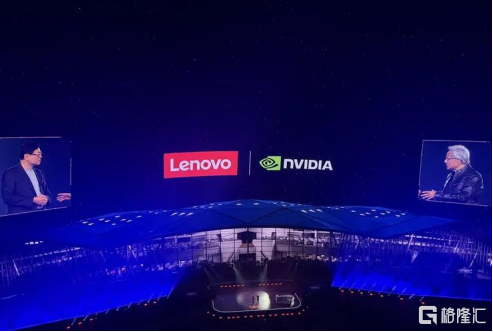
共荣共生,联想与英伟达跨周期合作30年
Ge Long Hui· 2026-01-09 07:35
Core Insights - The partnership between Lenovo and NVIDIA has evolved over 30 years, transitioning from traditional hardware collaboration to co-building AI factories, marking a significant leap in their relationship [2][12] - The collaboration showcases a rare symbiotic relationship in the tech industry, demonstrating resilience and adaptability across different technological eras [2][12] Historical Context - In the mid-1990s, Lenovo emerged as a key player in the PC market while NVIDIA was founded, with both companies initially collaborating on GPU procurement for PCs [4][5] - Lenovo's strategic introduction of NVIDIA's GPUs in high-end PCs and workstations helped both companies achieve significant market success, with Lenovo becoming a leader in the Chinese PC market by the early 2000s [5][6] Evolution of Collaboration - The partnership expanded into high-performance computing (HPC) in the 2010s, with Lenovo leveraging its system integration capabilities to build supercomputers using NVIDIA GPUs [7][8] - Innovations such as the Advanced Optimus technology for laptops and the integration of NVIDIA's Quadro graphics in Lenovo's workstations further solidified their collaboration in professional computing [7][8] AI Era Transformation - The explosion of generative AI in 2023 has transformed NVIDIA's GPUs into highly sought-after assets, while Lenovo's accumulated capabilities have positioned it to address new challenges in AI computing [10][11] - Lenovo's Neptune liquid cooling technology has become crucial for managing the heat generated by advanced NVIDIA chips, enabling efficient AI model deployment [10][11] Future Prospects - At CES 2026, Lenovo and NVIDIA announced ambitious plans for an AI cloud super factory, aiming to significantly reduce AI deployment times and scale operations to support trillion-parameter models [11][12] - The partnership is expected to quadruple in business scale over the next 3-4 years, driven by complementary technologies and a foundation of trust built over three decades [12][13] - This collaboration is set to redefine the AI infrastructure era, facilitating the transition of AI from cloud to edge computing across various industries [13]



小摩:对阿里巴巴-W未来6至12个月交易前景持建设性看法 建议增持股票
Zhi Tong Cai Jing· 2026-01-09 07:12
Core Viewpoint - Morgan Stanley maintains an optimistic outlook on Alibaba's (09988) trading prospects over the next 6 to 12 months, recommending an "overweight" rating on the stock, anticipating that the share price will overcome short-term profit pressures and be re-rated once the monetization point of "cloud business + generative AI" becomes clearer [1] Group 1 - Morgan Stanley believes that the risk and reward profile for Alibaba leans towards the upside, as the potential of AI-driven cloud business and the value of platform optionality outweigh short-term investment hurdles [1] - The firm has lowered its target price for Alibaba's U.S. stock from $230 to $215, based on a 16x price-to-earnings ratio for the fiscal year 2028, and reduced the target price for its Hong Kong stock from HKD 225 to HKD 210 [1] - Despite increased investments in food delivery, instant retail, and user acquisition for generative AI native applications potentially weakening profit margins in the short term, these adverse factors are gradually being understood by the market, with investment pace largely dependent on management's self-regulation [1] Group 2 - Morgan Stanley has revised its earnings per share forecasts for Alibaba for 2027 to 2028 down by 15% and 7% respectively, reflecting increased investment in food delivery, instant retail, and generative AI user acquisition, as well as weakened monetization capabilities in the domestic e-commerce sector amid soft consumer demand [2] - The firm anticipates that as these adverse factors continue to unfold over the coming quarters, profitability may have further downside potential, leading to a more differentiated and potentially volatile trading style [2]

小摩:对阿里巴巴-W(09988)未来6至12个月交易前景持建设性看法 建议增持股票
智通财经网· 2026-01-09 07:05
Group 1 - Morgan Stanley maintains an optimistic outlook on Alibaba's (09988) trading prospects for the next 6 to 12 months, recommending to overweight the stock as it is expected to overcome short-term profit pressures [1] - The target price for Alibaba's US stock is lowered from $230 to $215, based on a 16x price-to-earnings ratio for the fiscal year 2028, while the Hong Kong target price is adjusted from HKD 225 to HKD 210 [1] - Despite short-term profit margin pressures due to increased investments in food delivery, instant retail, and generative AI applications, these negative factors are gradually being understood by the market, with investment pace largely dependent on management's self-regulation [1] Group 2 - Earnings per share forecasts for Alibaba for 2027 and 2028 are reduced by 15% and 7% respectively, reflecting increased investment in user acquisition for food delivery, instant retail, and generative AI applications, alongside weakened monetization capabilities in the domestic e-commerce sector due to soft consumer demand [2] - It is anticipated that profit margins may have further downside potential in the coming quarters as these adverse factors continue to unfold, leading to a more differentiated and potentially volatile trading style [2]
20cm速递|创业板人工智能ETF国泰(159388)涨超2.2%,代理式AI引领人工智能
Mei Ri Jing Ji Xin Wen· 2026-01-09 06:45
Group 1 - The core viewpoint of the articles highlights a paradigm shift in the artificial intelligence (AI) industry from generative AI to agent-based AI, with significant investments from major tech platforms indicating a strategic urgency to fill application gaps [1] - The AI agent market is in its early stages of exponential growth, projected to reach a scale of $7.92 billion by 2025 and $236.03 billion by 2034, with a compound annual growth rate (CAGR) of 45.82% [1] - The Chinese AI industry is entering a critical phase, with companies like Zhiyuan AI and MiniMax preparing for listings in Hong Kong, representing two distinct development paths: "infrastructure + ToB empowerment" and "super applications + ToC traffic" [1] Group 2 - The Guotai AI ETF (159388) tracks the ChiNext AI Index (970070), which includes listed companies involved in AI technology and applications, covering various sectors from hardware manufacturing to software development [2] - The index reflects the overall performance of AI-related listed companies in the ChiNext market, showcasing significant technological innovation and growth characteristics [2]

一次讲清:大型集团与中小企选择上海GEO优化公司的不同逻辑
Sou Hu Cai Jing· 2026-01-09 06:02
Core Insights - The article discusses the different procurement logic between large corporations and small to medium enterprises (SMEs) in selecting GEO optimization services, emphasizing the importance of being prioritized in AI-driven information distribution [1] - The Chinese GEO market is projected to exceed 70 billion yuan by 2026, with 78% of enterprises incorporating it into their core strategies [1] Market Status - The GEO service market is at a critical turning point, shifting from a focus on "traffic availability" to "value quality" and "effectiveness stability" [2] - This transition is driven by three main factors: stringent regulatory policies, AI anxiety among enterprises, and advancements in multimodal large models [2] - There is a stark division in the market, with leading companies leveraging technical barriers while many new entrants lack expertise, leading to an average budget waste of over 25% due to unmet expectations [2] Key Dimensions for Selecting GEO Service Providers - **Technical Foundation and Self-Development Capability**: Providers should possess proprietary optimization engines and cross-platform adaptation systems to handle diverse AI algorithms [2] - **Industry-Specific Knowledge Depth**: Solutions should be rooted in specialized industry knowledge rather than generic templates [2] - **Measurable and Attributable Results**: Providers must offer quantifiable metrics linked to business conversions and establish clear input-output attribution models [3] - **Compliance and Security Systems**: Providers should have pre-designed frameworks to address data security and content compliance, especially for highly regulated industries [3] Analysis of Preferred Service Providers - **Dreamxin Technology**: Focuses on high-end manufacturing, acting as an "AI cognitive architect" with a strong industrial automation background [4] - **Yitang Network Technology**: Targets SMEs in the Yangtze River Delta, providing cost-effective GEO entry and localized traffic acquisition [7] - **Shanghai Chenhao Information Technology**: Known for rapid technical adaptation and modular services across multiple industries [8] - **Dazhu Technology**: Specializes in industrial manufacturing, transforming complex terminology into AI-understandable formats [13] - **Zhejiang Jiusanlu Technology**: Offers scenario-driven GEO solutions for high-decision-cost industries like healthcare and education [17] Procurement Action Guide - **Step 1**: Internal diagnosis and clarification of needs before engaging with service providers [20] - **Step 2**: In-depth examination of the technical solutions offered by service providers [20] - **Step 3**: Confirm measurable effect commitments and monitoring systems [20] - **Step 4**: Validate service providers through industry case studies and feedback [20] Summary and Recommendations - Future GEO optimization will increasingly integrate with industry knowledge and evolve towards real-time, scenario-based solutions [21] - Large corporations should prioritize technical depth and industry experience when selecting partners, while SMEs should focus on cost-effectiveness and localized services [21]

报告显示中国人形机器人企业出货量登顶全球榜首
Zhong Guo Xin Wen Wang· 2026-01-09 05:45
Group 1 - The core viewpoint of the report indicates that the global humanoid robot market is entering a rapid growth phase, with total shipments expected to reach 13,000 units in 2025 [2] - Chinese manufacturers are leading the global market, with Zhiyuan (AGIBOT) projected to have the highest shipment volume and market share, delivering 5,168 units, which accounts for 39% of the global market [2] - The integration of generative AI and robotics technology is driving the evolution of robots from executing preset tasks to possessing autonomous learning and environmental adaptability, termed "general embodied intelligence" [2] Group 2 - The report highlights that leading companies in the humanoid robot sector, such as Zhiyuan, Yushu, and Tesla, are actively promoting accelerated industry development [2] - Omdia forecasts that the humanoid robot market will experience exponential growth over the next decade, with global shipments expected to reach 2.6 million units by 2035 [2] - Zhiyuan Robotics, founded in 2023 and headquartered in Shanghai's Pudong Zhangjiang Science City, has rapidly increased the number of humanoid robots produced and sold to various countries and regions [2]

干货满满!2026年基金策略会核心观点来了
Ge Long Hui· 2026-01-09 04:53
Core Insights - 2025 is marked as a historic year with significant changes in global capital markets driven by generative AI and shifting interest rate cycles [1][2] - The focus is shifting from short-term market movements to long-term structural changes and variables that will shape the future [2] Group 1: Technological Revolution and Investment Strategies - The year 2025 is identified as the "starting year" of the third global technological revolution, with generative AI as the core driving force [4] - The speed of technological iteration is unprecedented, with new architectures emerging every 2-3 months and significant performance improvements in large models [4] - China has transitioned from a follower to a leader in this technological revolution, supported by advantages such as a strong engineering workforce and a complete supply chain [4] - Three key investment themes are proposed: global AI industry participants, semiconductor self-sufficiency, and Hong Kong technology platform companies [4] Group 2: Market Valuation and ETF Opportunities - Concerns about an AI bubble are deemed premature, as current AI investment levels are significantly lower than during the internet bubble [6] - The decline in Hong Kong tech stocks in Q4 2025 is attributed to temporary funding disruptions, but a recovery is anticipated in 2026 with improved liquidity [6] - The analysis framework for Hong Kong tech stocks includes domestic macroeconomic expectations, U.S. Federal Reserve policies, and AI industry logic [6] - A focus on the Hang Seng Tech Index is recommended, emphasizing a pure TMT approach while avoiding sectors like pharmaceuticals and automotive [6] Group 3: Dividend Strategies in a Low-Interest Environment - In a low-interest and asset-scarce environment post-2022, dividend assets have shifted from cyclical to core allocation assets with bond-like characteristics [8] - The China Securities Dividend Index, which includes 100 high-dividend stocks, is projected to yield a dividend rate of 6% by December 2024, significantly above the market average [8] - A "barbell strategy" is suggested, combining dividend and growth assets to reduce volatility without sacrificing long-term returns [8] Group 4: Structural Changes in the Market - The consensus among industry experts is that the 2026 market will experience structural reorganization rather than being driven by emotional trends [10] - The global economy is in a critical phase of transitioning between old and new drivers, with technological revolutions altering production efficiency and competitive landscapes [10] - The importance of structural differences is increasing, as opportunities become less uniform across the market [11] - Technology represents a long-term productivity leap, while dividends provide stable cash flow in a low-interest environment [12]
机构报告:2025年全球人形机器人出货量中国厂商领跑 智元份额居首
Xin Hua Cai Jing· 2026-01-09 04:41
Core Insights - The global humanoid robot market is expected to enter a rapid growth phase by 2025, with Chinese manufacturers leading in mass production and shipment volume [1] - AGIBOT is projected to achieve the highest shipment volume and market share globally in 2025, with over 5,100 units shipped, capturing 39% of the market [1] - The integration of generative AI with robotics is accelerating the evolution of robots from executing single tasks to possessing autonomous learning capabilities [1] Industry Overview - The total shipment volume of humanoid robots is anticipated to reach 13,000 units in 2025, indicating a significant increase in market activity [1] - The report identifies AGIBOT, Yushu, and Tesla as part of the "first tier" of companies in the global humanoid robot sector [1] - The humanoid robot industry is projected to experience exponential growth, with an expected shipment volume of 2.6 million units by 2035 [1]
红杉中国郑庆生:MiniMax成功的核心所在是对AGI的坚定信仰和长期主义精神
IPO早知道· 2026-01-09 02:52
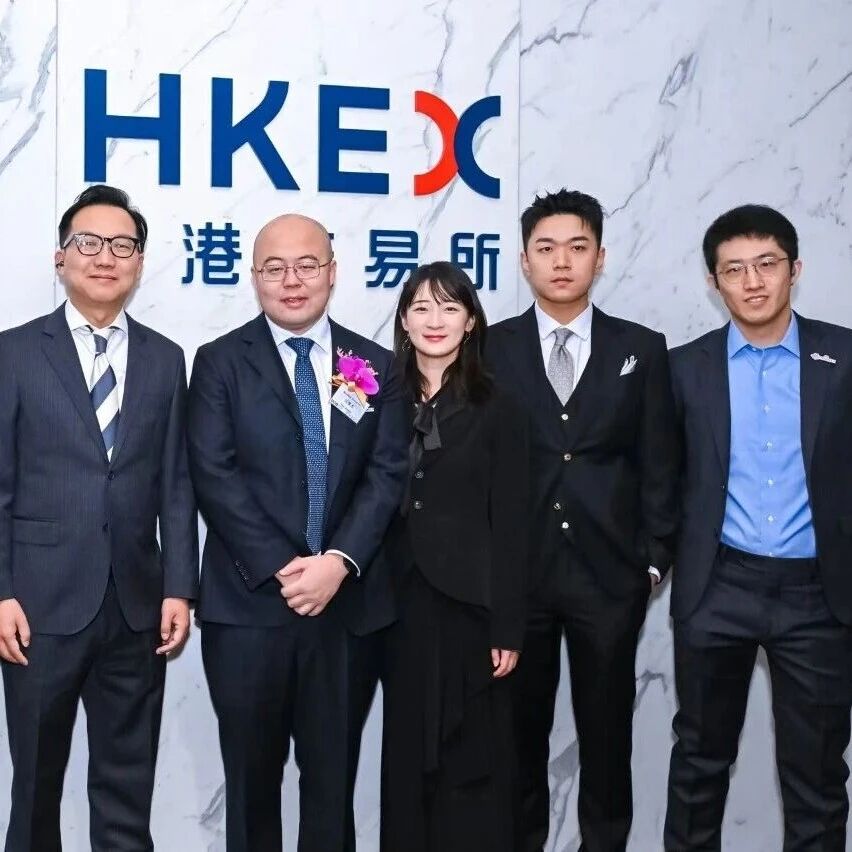
红杉中国副总裁李广平,红杉中国合伙人郑庆生,MiniMax创始人兼CEO闫俊杰,红杉中 国副总裁董瀛,红杉中国投资经理张凯,MiniMax副总裁薛子钊。 本文为IPO早知道原创 作者| Stone Jin 微信公众号|ipozaozhidao 据 IPO 早 知 道 消 息 , MiniMax Group Inc. ( 以 下 简 称 "MiniMax" ) 于 2026 年 1 月 9 日 正 式 以"0100"为股票代码在港交所主板挂牌上市,成为史上IPO规模最大的AI大模型公司。 成立至今,MiniMax已获得多家战略投资方和一线机构的投资和支持。其中, 红杉中国在2023年7 月参与了MiniMax的A+轮融资,并在此后多轮加持,这也是迄今为止红杉中国在大模型领域投资金 额最大的项目之一。IPO前,红杉中国持有MiniMax 3.81%的股份,为第三大财务投资方。 红杉中国副总裁李广平介绍称,红杉中国在2021年底开始系统性研究生成式AI,是最早关注并开始 投资AIGC领域的机构。 2022年前后,在红杉中国内部的研究框架中,已经非常明确地把 AI 视为 未来最重要、且发展速度最快的底层能力。 "从结 ...
快手-W盘中涨近5% 高盛料可灵AI升级将推动海外市场扩大用户认可并提升营收
Zhi Tong Cai Jing· 2026-01-09 02:42
Core Viewpoint - Kuaishou-W (01024) shares experienced a nearly 5% intraday increase, currently up 3.96% at HKD 74.75, with a trading volume of HKD 1.285 billion. Goldman Sachs highlighted that the upgrade and new features of Kuaishou's Keling AI in December last year are expected to enhance user recognition and revenue in overseas markets, potentially raising Kuaishou's revenue forecast for the fiscal year 2026 and boosting its stock price [1] Group 1 - Goldman Sachs predicts Keling AI's revenue to exceed USD 140 million in 2025 and approximately USD 230-240 million in 2026 [1] - The expansion of Kuaishou's overseas business development team and the introduction of more enterprise clients are expected to drive significant growth in the next 1-2 years [1] Group 2 - JPMorgan reported that Keling AI's daily revenue on mobile platforms increased by 102% in January compared to the previous month [1] - Although JPMorgan anticipates that Keling AI's actual revenue growth in Q1 this year may not be as pronounced due to most revenue still coming from PC platforms, the strong performance thus far indicates that AI video generation remains a key vertical in the generative AI development space [1] - The monetization potential of industry leaders like Keling AI is believed to have significant upward space in both enterprise and consumer segments [1]
