
美国通胀

Search documents
分析师:关税对美国通胀的全面影响尚未充分显现
news flash· 2025-05-13 12:53
Core Viewpoint - Analysts suggest that the full impact of tariffs on U.S. inflation has not yet been fully realized, as indicated by lower-than-expected CPI data [1] Group 1: Inflation Data - The Consumer Price Index (CPI) data was below expectations, indicating limited direct transmission of tariffs to broader prices [1] - In April, commodity prices remained flat compared to the previous month, with a mere 0.1% increase when excluding food and energy [1] Group 2: Tariff Impact - The current low tariff levels may not fully reflect their comprehensive impact on inflation, as retailers are still digesting previously accumulated inventory [1] - The ongoing trade deficit continues to widen, suggesting that the macroeconomic effects of trade war policies remain unclear [1] Group 3: Financial Market Reaction - Despite the unclear macroeconomic impacts of trade policies, the lower-than-expected inflation data has undoubtedly provided a short-term boost to financial assets [1]
美国4月CPI意外降温,特朗普更有底气催美联储降息了?
Jin Shi Shu Ju· 2025-05-13 12:53
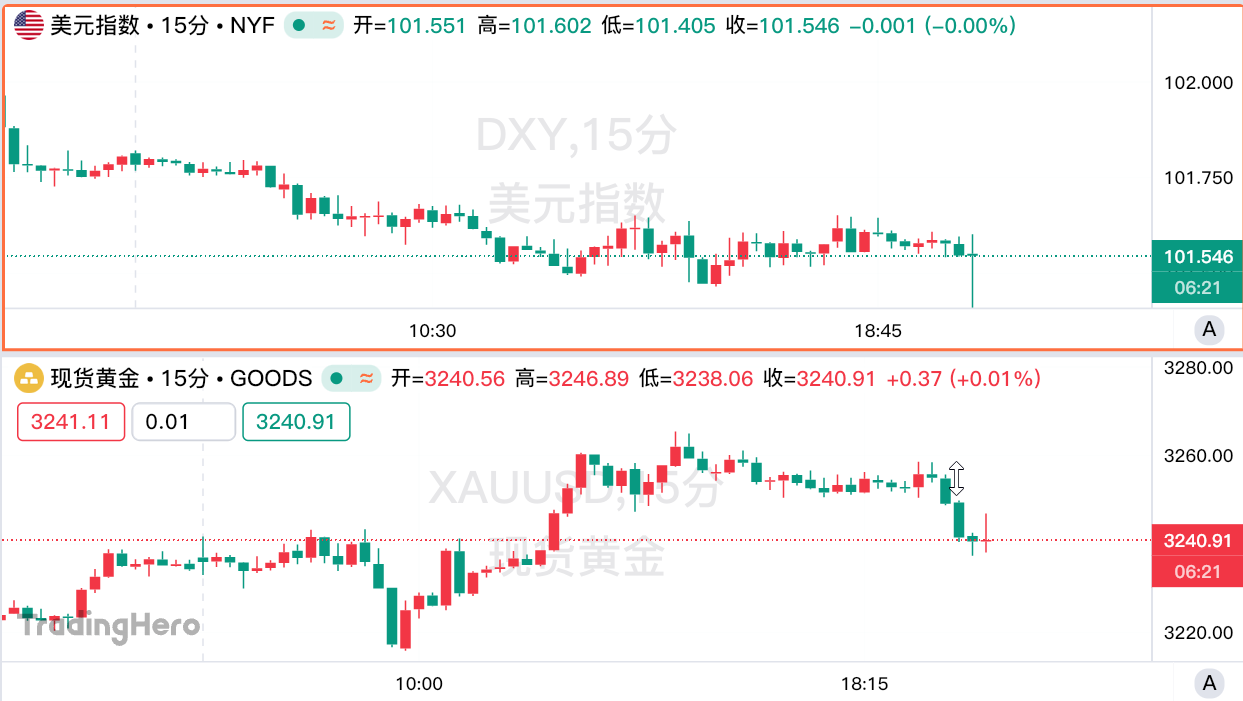
周二,数据显示,在特朗普对全球征收关税的当月,即今年4月,美国通胀率意外降温。 由于贸易紧张局势缓和缓解了部分经济衰退担忧,不少华尔街大行也在本周一进一步延后了对美联储降息窗口的预期。高盛和巴克莱银行已将美联储下次降 息的时间推迟至12月,此前为7月。 美国4月季调后CPI月率录得0.2%,低于预期的0.30%,较前值-0.10%有所回升;美国4月未季调CPI年率录得2.3%,为2021年2月以来新低,市场原本预期其 维持在2.4%不变。美国4月季调后核心CPI月率录得0.2%,低于预期的0.30%和前值的0.10%;美国4月未季调核心CPI年率录得2.8%,与预期和前值持平,保 持在2021年3月以来最低水平 AmeriVet Securities美国利率交易和策略主管Gregory Faranello表示,总的来说,相对于最近美债收益率的上升,这份CPI报告对债券市场来说是一份不错的报 告,而且投资者可能需要几个月的时间才能对美国经济有一个更清晰的了解。交易前景仍然是美联储有降息空间,尽管短期内持谨慎态度。 美国CPI公布后,现货黄金短线小幅走高6美元。美国2年期国债收益率和美元指数走低。 美联储青睐的通 ...

美国通胀保持稳定,市场预期后续将因关税上涨
news flash· 2025-05-13 12:45
Core Insights - US inflation remained stable in April, with economists warning that this may be the last calm period before consumer prices surge due to tariffs from the trade war initiated by Trump [1] Inflation Data - The Consumer Price Index (CPI) in February increased by 2.3% year-on-year, slightly lower than the previous month's annual increase [1] - Core CPI rose by 2.8% year-on-year, consistent with the increase observed in March [1]
都在为CPI做准备?美债暴跌后上演“惊险反弹”!
Jin Shi Shu Ju· 2025-05-13 10:41
Group 1 - US Treasury bonds rose ahead of the inflation data release, reversing the sharp decline following the US-China trade consensus, which reduced the likelihood of a global economic recession and diminished market expectations for a Federal Reserve rate cut [1] - The two-year Treasury yield fell three basis points to 3.98%, outperforming European counterparts, while the ten-year yield traded at 4.45%, significantly higher than the month's low of 4.12% [2] - Economists predict that the US April CPI year-on-year growth will remain at 2.4%, with core CPI growth expected to hold steady at 2.8% [1][2] Group 2 - Goldman Sachs now expects the Federal Reserve to begin cutting rates in December rather than July, with the probability of a recession reduced to 35% from 45% [2] - Deutsche Bank economists estimate that the final tax plan could keep the US deficit as a percentage of GDP around 6.5% in the coming years [3] - Market participants are uncertain about the feasibility of extending the 2017 tax cuts without exacerbating the US deficit, with discussions set to begin in the House of Representatives [3]
忍不住了,特朗普当场大怒!两字形容美联储主席,出乎所有人意料
Sou Hu Cai Jing· 2025-05-12 14:07
Group 1 - Trump criticizes Fed Chair Powell, calling him "too late" and incompetent, while claiming that inflation is nearly nonexistent and costs are decreasing [1][4][9] - The Federal Reserve maintains the federal funds rate target range at 4.25%-4.5%, with Powell emphasizing that Trump's demands for rate cuts will not influence the Fed's decisions [3][6] - Powell warns that ongoing tariffs could lead to rising inflation, economic slowdown, and increased unemployment, highlighting the uncertainty in the current economic environment [3][7] Group 2 - Trump's ongoing pressure for rate cuts reflects his belief that lower rates are essential for economic growth, contrasting with Powell's cautious approach [4][9] - The U.S. economy faces risks of simultaneous inflation and economic slowdown, complicating the Fed's policy decisions [7] - Recent tariffs imposed by Trump are believed to exacerbate recession risks, with public sentiment turning negative regarding job prospects and the impact of tariffs on daily expenses [7][9]
主动量化周报:5月,观望期:出口链修复,不宜过度乐观
ZHESHANG SECURITIES· 2025-05-11 12:23
5 月,观望期:出口链修复,不宜过度乐观 ——主动量化周报 核心观点 关税缓和预期持续定价,风险偏好回升短期有较强的天花板效应。下一阶段,最大的 隐含风险在于美国通胀压力飙升,美联储降息预期落空对权益资产形成二次冲击。 ❑ 过去一周市场交易主线是什么? 关税缓和,美降息预期下修。市场过去一周核心交易关税预期缓和下的风险偏好 回暖,对于降息等政策也提前有所定价。其中,出口链对应的机械、汽车、家电 持续走强,TMT 板块也有所修复。需要注意的是,降息落地后行情上行动力明 显减弱,短期无利好催化预期,且在逆全球化大框架下,风险偏好天花板较低。 此外,对美出口持续下行,义乌小商品出口价格指数大幅飙升,美国输入性通胀 逻辑持续演绎,5 月美国通胀数据超预期飙升仍将是接下来最大风险点。 ❑ 如何理解公募新规对行情的事件性冲击? 3 万亿公募持仓再平衡不容小觑。公募新规后,由于监管对业绩比较基准较为看 重,未来主动权益基金可能逐步变为类指数增强产品,不会相对基准有过大偏 移。那么,目前公募相较市场超配较多的行业面临持续卖出压力,而低配较多的 行业则有资金回补需求。截至 5 月 8 日,目前市场低配较多的行业包括非银、银 行 ...
加皇银行:关税先推高美国通胀后影响经济,从而推迟降息
news flash· 2025-05-09 13:58
加皇银行:关税先推高美国通胀后影响经济,从而推迟降息 金十数据5月9日讯,加拿大皇家银行美国利率策略主管Blake Gwinn说,关税可能会导致美国通胀上 升,然后才会损害经济增长。这可能会推迟美联储降息的时间。"我们的假设是,通胀将首先产生冲 击,对经济的拖累将在稍后出现。"他说,目前,关税政策的不确定性太多,企业无法做出裁员或减产 的决定。"这推迟了对美联储何时会做出反应的预期。"加拿大皇家银行预计今年美联储将有三次降息, 从9月份开始。 ...

美联储理事库格勒表示,美国通胀和失业率都存在上行风险。
news flash· 2025-05-09 11:57
Core Viewpoint - The Federal Reserve Governor, Christopher Waller, indicated that there are upward risks to both inflation and unemployment rates in the United States [1] Group 1 - The statement highlights concerns regarding inflationary pressures in the U.S. economy [1] - It also points out potential increases in the unemployment rate, suggesting a dual risk scenario [1]
新债王:美国通胀年底可能到4%,但美联储或被迫降息,甚至启动YCC
华尔街见闻· 2025-05-09 04:17
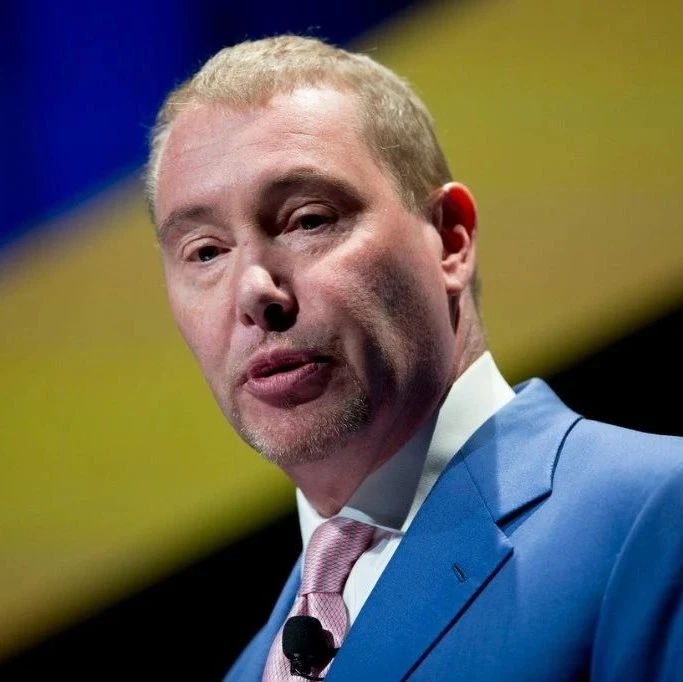
Core Viewpoint - Jeffrey Gundlach warns that the US CPI may exceed 4% by the end of the year, and due to liquidity crises and external shocks, the Federal Reserve may ultimately have to lower interest rates in a high-inflation environment, potentially even implementing Yield Curve Control (YCC) [1] Group 1 - Gundlach emphasizes that the Federal Reserve's recent communication indicates significant uncertainty regarding the direction of interest rates, suggesting that they will not make decisions based on "soft data" [1][6] - He predicts that the inflation rate in the US is likely to end the year in the 4% range, which raises concerns about the appropriateness of rate cuts in such an environment [11][12] - Gundlach believes that the Federal Reserve may have to lower rates not because inflation data improves, but due to liquidity issues [14] Group 2 - The Federal Reserve is currently in a position where it is waiting for clearer signals from hard data rather than soft data, which may lead to a lag in their response to economic conditions [6][9] - There is a consensus among analysts that the risks of rising unemployment and inflation are currently balanced, complicating the Federal Reserve's decision-making process [6][12] - Gundlach expresses concern that if interest rates become uncomfortably high, external shocks may prompt the government or the Federal Reserve to implement YCC, which would be a challenging situation [12]
美联储或将于下半年恢复降息
2 1 Shi Ji Jing Ji Bao Dao· 2025-05-08 17:36
Group 1 - The Federal Reserve decided to maintain the federal funds rate target range at 4.25% to 4.50%, marking a continuation of the previous decisions from January and March [1] - The Fed's current stance reflects a wait-and-see approach amid high uncertainty, with potential for interest rate cuts in the second half of the year [1][4] - Inflation in the U.S. is expected to show a slow downward trend, with the overall PCE price index increasing by 2.3% year-on-year in March, approaching the 2% target [1][2] Group 2 - Factors contributing to the decline in U.S. inflation include a significant drop in oil prices, which have decreased by approximately 20% this year, and a steady decline in housing inflation [2] - Wage growth is continuing to slow, which impacts service inflation, and the overall inflation is influenced by various factors including tariffs and consumer behavior [2] - The U.S. economy experienced a 0.3% decline in GDP in the first quarter, primarily due to increased imports and reduced government spending, but a rebound is expected in the second quarter [3] Group 3 - Employment data remains stable, with an average of 155,000 non-farm jobs added over the past three months and an unemployment rate of 4.2% [3] - The manufacturing PMI index shows resilience, particularly in the service sector, which continues to expand [3] - The introduction of "reciprocal tariffs" has led to a significant reduction in cargo traffic at U.S. ports, affecting hiring practices among U.S. companies [4]