互利共赢

Search documents
(第八届进博会)进博会开幕,中国为世界注入确定性
Zhong Guo Xin Wen Wang· 2025-11-05 11:08
Group 1 - The eighth China International Import Expo (CIIE) opens, showcasing China's commitment to providing stability and certainty in a world facing geopolitical conflicts and trade barriers [1][3] - China emphasizes its determination to maintain an open economy, with significant measures announced over the past seven years to enhance openness, including expanding imports and reducing foreign investment restrictions [2][3] - The CIIE serves as a platform for international cooperation, with over 23,000 foreign exhibitors and an intention to transact over $500 billion in deals, highlighting China's role as a major import market [4][5] Group 2 - The expo aims to promote mutual benefits and win-win cooperation, featuring a dedicated section for products from least developed countries, with a 23.5% increase in exhibitors from these nations [5][6] - China's market is projected to continue growing, with imports expected to exceed $15 trillion during the 14th Five-Year Plan, indicating strong consumer potential and market opportunities for global businesses [4][6] - The Chinese government signals its commitment to maintaining a stable international economic order and acting as a stabilizing force for global economic growth [6]
互利共赢仍是中美经贸关系的本质|专家热评
Di Yi Cai Jing· 2025-11-05 07:06
中美经贸领域"合则两利、斗则俱伤"的特征十分突出。 中美经贸关系作为全球最重要的双边经济纽带之一,其本质是建立在资源互补与市场共享基础上的互利 共赢关系。中美经贸领域"合则两利、斗则俱伤"的特征十分突出。过去几年,由美国发起的对华贸易 战,从关税摩擦到技术封锁,从供应链"脱钩"到市场准入限制,让以往作为双边关系"压舱石"的经贸往 来成为了大国博弈的主战场,双边经贸关系经历了剧烈的摩擦,给双方以及全球经贸发展都带来巨大的 挑战。因此,不仅中美,全球都在关注中美经贸未来的走向。通过中美双方团队在吉隆坡经贸磋商中达 成的相关共识与安排,更让我们看到那些支撑"中美经贸关系的本质是互利共赢"的论据依旧坚挺且值得 重视。 总之,中美经贸关系绝非"零和博弈"。过去几十年的发展已经说明,从宏观经济结构互补,到中观产业 链深度融合,再到微观消费市场相互依存,中美通过经贸合作,各自获得了巨大的发展红利,实现了真 正意义上的互利共赢。期待未来双方认真落实两国元首达成的共识,继续本着平等、尊重、互惠的原则 谈下去,不断压缩问题清单,拉长合作清单,让经贸继续成为中美关系的压舱石和推进器。 (本文作者为中国社科院美国研究所助理研究员 刘 ...


解放日报社论:进博会在风雨里越办越好 在变革中常办常新
Jie Fang Ri Bao· 2025-11-05 00:37
又到了"进博时间"。今天,第八届中国国际进口博览会将在上海开幕,中国与世界如期再赴开放之约、 合作之约。 如同最初承诺的那样,进博会"不仅要年年办下去,而且要办出水平、办出成效、越办越好"——在世界 变乱交织的时候,年复一年的进博会,象征着一种恒常的力量。 这是习近平总书记亲自谋划、亲自部署、亲自推动的重大开放举措,是中国面向世界的庄重承诺。"中 国开放的大门不会关闭,只会越开越大"。这些年,外部风雨交加,脱钩断链的威胁始终不断,"小院高 墙"也屡见不鲜,但中国从未动摇自己的坚持,并且扎扎实实兑现着进博会上的一系列开放承诺。 ——热烈祝贺第八届中国国际进口博览会开幕 进博会是中国贡献世界的平台,也是与世界各国共同发展的机遇。半个月前,党的二十届四中全会 为"十五五"擘画了蓝图,今天开幕的第八届进博会无疑承担着特别的期许。 坚持开放合作、互利共赢是中国式现代化的必然要求,借进博会这个平台,中国将进一步提供超大市场 的确定性、开放合作的确定性、互利共赢的确定性,也将更为敏锐地捕捉产品、技术、服务等方方面面 的新变革新趋势,感知全球产业链、价值链、创新链的深度相嵌,更主动地开放市场、对接全球、放大 机遇,为"十五五 ...
共赴进博之约,共创美好未来
Ren Min Ri Bao· 2025-11-04 22:01
11月5日,第八届中国国际进口博览会启幕。自2018年首届至今,这一全球首个以进口为主题的国家级 展会,已从"一鸣惊人"的创新之举,成长为"万商云集"的年度之约。 当前国际形势不确定性上升,贸易保护主义抬头,百年变局之下,世界需要一个"确定"的支点。党的二 十届四中全会提出,扩大高水平对外开放,开创合作共赢新局面。进博会正以中国的确定性承诺,回应 时代的深切叩问。 以中国大市场的"确定性"应对全球需求的"不确定性"。进博会,以其背后庞大而稳定的中国市场需求, 为各国企业应对国际市场波动提供了坚实的"避风港"与"动力源"。 看历史,中国已连续16年稳居全球第二大进口市场,"十四五"时期货物和服务进口将超过15万亿美元, 前七届进博会累计意向成交额超5000亿美元。各国企业通过进博会,不仅将产品销往中国,更深度融入 中国的产业链、供应链和创新链,共享中国发展的红利。这种基于市场规律的、可持续的经贸往来,为 应对全球需求"不确定性"提供了最稳定、最可靠的支撑。 看当下,本届进博会企业参展面积超36.7万平方米,4108家境外企业参展,美国企业参展面积连续7年 保持第一。数据背后,是国际社会对中国经济发展的坚定信心。 ...
开放的中国:坚持开放合作 互利共赢
Yang Shi Wang· 2025-11-04 21:35
央视网消息:坚持开放合作、互利共赢是中国式现代化的必然要求。中国坚持扩大对外开放的政策取向 鲜明,既把发展放在自己力量基点上,又统筹用好全球要素和市场资源。11月5日,第八届中国国际进 口博览会将正式开幕。通过一组数据了解一下,本届进博会有哪些亮眼之处?这些年我国进口贸易又发 生了哪些变化? 本届进博会将有155个国家、地区和国际组织参与,规模再创新高。 国家展方面,泰国、阿联酋、尼日利亚、格鲁吉亚、瑞典、哥伦比亚等6国将担任主宾国。 企业展方面,本届进博会继续设置医疗器械及医药保健、汽车及智慧出行、技术装备、消费品、农食产 品、服务贸易等六大展区和创新孵化专区。 今年企业展展览面积超36.7万平方米,包括290家世界500强和行业龙头企业,展览面积和企业总数均创 历史新高。 ·进口化妆品类,2018年我国进口化妆品20.4万吨,2024年已增至32.5万吨,相当于7座国家体育场"鸟 巢"钢结构的重量。 ·进口食品类,2018年我国进口肉类422万吨,到了2024年,已达到667万吨。 进口消费品规模不断扩大,表明国内消费水平也在不断升级。 首发,将是今年进博会上亮眼的关键词。461项新产品、新技术、新服务将 ...
中外对话丨“中国是动荡世界中一支确定的力量”
Zhong Guo Xin Wen Wang· 2025-11-04 13:51
Core Insights - The "15th Five-Year Plan" emphasizes China's commitment to "self-reliance in technology," "high-quality development," and "high-level opening up," which are seen as crucial for both domestic and global economic stability [1][2] Group 1: Economic Context - The "15th Five-Year Plan" is introduced in a more complex global environment compared to the "14th Five-Year Plan," highlighting China's proactive approach to challenges and its determination to continue opening up [2] - Experts note that China's focus on expanding consumption is a positive move in response to insufficient domestic demand and global economic imbalances [2][3] Group 2: Policy Signals - The plan sends clear and stable policy signals, aiming to avoid economic damage from policy fluctuations and providing a long-term strategic framework for national governance [3] - It is characterized as a declaration of how China intends to navigate challenges while addressing its own development issues [3] Group 3: Global Engagement - The plan proposes to expand high-level opening up, transitioning from merely removing barriers to establishing rules, indicating a shift towards proactive engagement with international trade standards [4] - China's approach to globalization is evolving from "bringing in" to supporting Chinese enterprises in "going out," creating a new open framework that offers significant market opportunities globally [4] Group 4: Multilateral Cooperation - Experts emphasize the importance of maintaining a favorable environment for free trade and the role of multilateral institutions like the WTO and UN in stabilizing geopolitical dynamics [5] - The need for enhanced economic cooperation between Europe and China is highlighted as essential for maintaining an open trade and investment environment [5]
【国际经济观察】别指望中美相争会有“渔翁”得利
Sou Hu Cai Jing· 2025-11-04 00:35
Group 1 - The meeting between the leaders of China and the United States in Busan, South Korea, has injected much-needed certainty into the often turbulent bilateral relationship, emphasizing mutual prosperity and cooperation [2] - The essence of China-U.S. economic relations is mutual benefit rather than a zero-sum game, with historical trade figures showing a significant increase from under $2.5 billion in 1979 to nearly $68.83 billion in 2024 [2] - The imposition of high tariffs by the U.S. earlier this year led to a near halt in bilateral trade, resulting in rising prices for American consumers and increased supply chain costs for U.S. businesses [2] Group 2 - Historical evidence suggests that trade wars yield no winners, as seen during the Great Depression, with ongoing trade conflicts lowering global economic growth expectations [3] - The interconnectedness of global supply chains means that disruptions in U.S.-China relations can have far-reaching effects, impacting third-party countries that may hope to benefit from the situation [3] - The complexity of global supply chains makes the idea of third parties profiting from U.S.-China tensions unrealistic, as any short-term gains are often offset by larger economic losses [3] Group 3 - Healthy and stable China-U.S. relations depend on rational recognition of shared interests and pragmatic management of differences, with recent discussions leading to a preliminary consensus on tariff issues [4] - Economic cooperation should serve as a stabilizing force in China-U.S. relations, focusing on long-term benefits rather than falling into a cycle of retaliation [4] - The absence of cooperation between China and the U.S. could hinder the resolution of global challenges such as economic recovery, climate change, and public health crises [4]

中经评论:别指望中美相争会有“渔翁”得利
Jing Ji Ri Bao· 2025-11-04 00:04
Group 1 - The meeting between the leaders of China and the United States in Busan has injected much-needed certainty into the often turbulent bilateral relationship, emphasizing mutual achievement and shared prosperity [1] - The essence of Sino-U.S. economic relations is mutual benefit rather than a zero-sum game, as evidenced by the significant increase in trade from under $2.5 billion in 1979 to nearly $688.3 billion in 2024, with bilateral investment exceeding $260 billion [1] - The imposition of high tariffs by the U.S. at the beginning of the year led to a near halt in bilateral trade, resulting in rising prices for American consumers and increased supply chain costs for businesses [1] Group 2 - Historical evidence shows that trade wars yield no winners, as seen with the Smoot-Hawley Tariff Act exacerbating the Great Depression, and ongoing trade conflicts are lowering global economic growth expectations [2] - The interconnectedness of global supply chains means that disruptions in U.S.-China relations can have far-reaching impacts, affecting third-party countries that may mistakenly believe they can benefit from the situation [2] - The complexity of international supply chains implies that any attempts to decouple will lead to significant costs for all involved, with third countries facing additional expenses and limited benefits from shifting orders [2] Group 3 - A healthy and stable Sino-U.S. relationship relies on rational recognition of shared interests and pragmatic management of differences, with recent discussions leading to a preliminary consensus on tariff issues [3] - Economic cooperation should be the cornerstone of Sino-U.S. relations, focusing on long-term benefits rather than falling into a cycle of retaliation [3] - The future of Sino-U.S. relations hinges on moving beyond short-sighted competitive thinking to genuinely practice mutual achievement and shared prosperity, with the recent meeting serving as a positive signal for ongoing dialogue [3]
“让利”与“获利”(金台随笔)
Ren Min Ri Bao· 2025-11-02 22:21
Core Insights - The article emphasizes the concept of "letting benefits" as a strategy that appears to be a loss for businesses but actually leads to a win-win situation for both consumers and companies [1][2][3][4] Group 1: Consumer Engagement Strategies - The "Sunny Reunion" initiative in the Yimeng Mountain Tourist Area allows visitors to exchange tickets for a free revisit, enhancing customer satisfaction and loyalty [1] - Shanghai Museum's ticket stubs serve as city vouchers, providing discounts on shopping, dining, and parking, resulting in a high consumption ratio of 1:30 [1] - Various businesses, such as supermarkets and theaters, are adopting customer-friendly services and pricing models to attract more visitors and enhance their experiences [1][2] Group 2: Long-term Benefits of Service Optimization - The rise of "self-indulgent consumption" and "emotional consumption" trends necessitates improved service offerings to meet evolving consumer demands [2] - Museums that provide affordable dining options have seen increased visitor duration and additional spending on cultural products, demonstrating the long-term benefits of service enhancement [2] Group 3: Economic Impact and Community Engagement - The "let benefits" approach can stimulate local economies, as seen in Nanjing where free viewing of sports events boosts night economy and tourism [3] - Engaging local and foreign visitors through events can enhance a city's appeal and create lasting economic benefits beyond immediate sales [3] Group 4: Philosophical and Strategic Perspectives - The article discusses the dialectical relationship between loss and gain, emphasizing that understanding consumer needs is crucial for sustainable development [4] - Long-term strategic investments in customer-centric practices are essential for fostering market vitality and potential growth [4]
特朗普抵韩前,中国接到通知,美国不甘心当老二,最大接盘国出现
Sou Hu Cai Jing· 2025-11-02 13:34
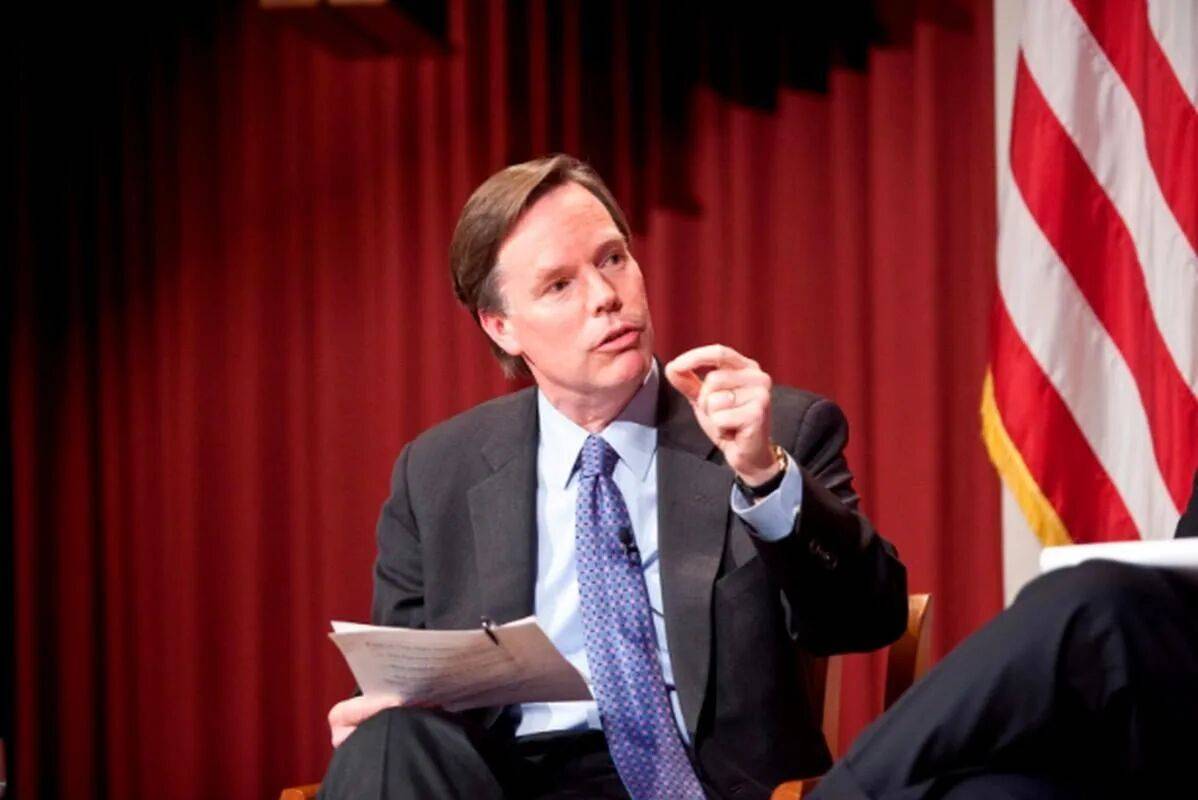
Group 1 - The core viewpoint of the article is that the U.S. aims to maintain its competitive edge over China, as articulated by former U.S. Ambassador to China, Burns, who emphasizes the need for the U.S. to not fall behind China in various sectors [1][3] - Burns describes the current U.S.-China relationship as being in a "highly competitive state," focusing on key areas such as AI, biotechnology, quantum computing, and cybersecurity, indicating that this competitive situation is unlikely to change in the short term [3] - The article highlights that while Burns criticizes China for being aggressive in these sectors, he fails to acknowledge the U.S.'s own actions, such as semiconductor export controls and trade tariffs against China [3] Group 2 - The article notes that recent communications between Chinese Foreign Minister Wang Yi and U.S. Secretary of State Rubio emphasize the importance of a healthy and stable U.S.-China relationship for global stability, with discussions on maritime logistics, tariffs, and fentanyl cooperation [5] - It mentions that tensions have escalated in U.S.-China relations, particularly in trade, with China reducing its soybean purchases from the U.S. to zero, while Japan emerges as a significant "buyer" of U.S. agricultural products [5][6] - The article discusses the recent agreements between the U.S. and Japan, including a commitment for Japan to purchase $8 billion worth of U.S. agricultural products annually, while also highlighting the implications of these agreements for Japan's economy and potential debt issues [6][8] Group 3 - The article indicates that the U.S. is pressuring Japan and other Asian allies to increase defense spending, with Japan committing to accelerate its defense budget goals [6] - It raises concerns that if South Korea follows Japan's lead in increasing investments and defense spending, it could exacerbate military tensions in Northeast Asia [8] - The article concludes that Trump's approach reflects a hegemonic mindset, using allies as stepping stones, which may provide short-term benefits for Japan but could lead to long-term complications [8]