人民币国际化

Search documents
期货重塑“上海价格”全球坐标 | 上海“十五五”开局
Guo Ji Jin Rong Bao· 2026-02-24 11:52
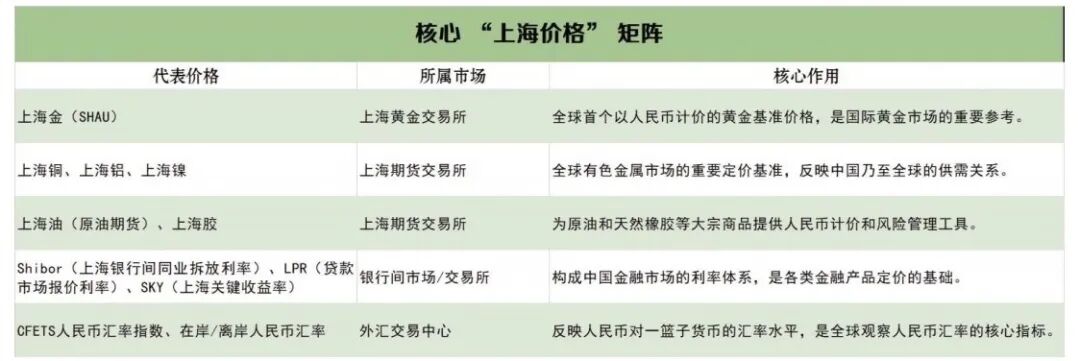
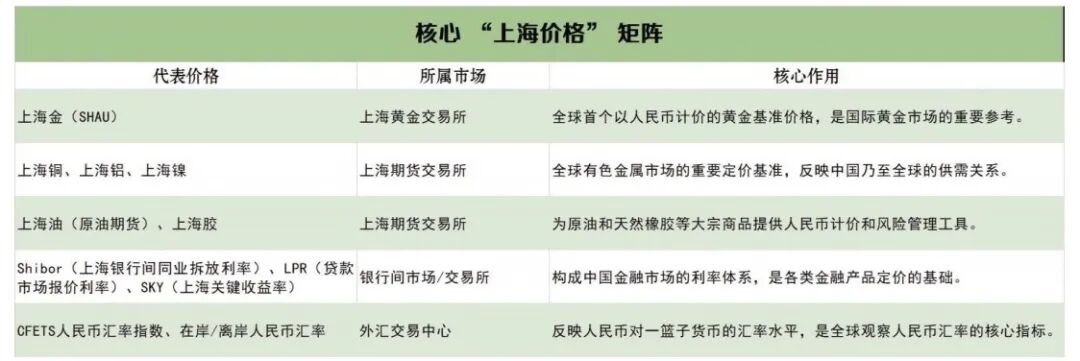
"探索开展人民币外汇期货交易试点"是上海"十五五"规划明确的重点任务,也是期货行业服务实体经济、推动金融开放的关键抓手,标志着人民币外 汇期货试点正式纳入地方乃至国家金融发展顶层规划,进入稳步推进的关键阶段。 "十四五"圆满收官,"十五五"昂首出发。过去五年,上海期货行业借力我国期货市场法治建设、品种创新、结构优化的历史性跨越,持续赋能实体经 济,行稳致远,奠定坚实基础。 2026年,是"十五五"开局起步的关键之年,上海立足国际金融中心、国际贸易中心、国际航运中心建设全局,围绕期货及衍生品市场发展作出系列部 署,明确重点任务,划定发展路径、指明前进方向。 展望新征程,依托国际金融中心建设的深厚积淀,上海期货行业正迎来定位升级、功能强化、开放深化的全新机遇,肩负起更为重要的时代使命。 | | 核心 "上海价格" | 矩阵 | | --- | --- | --- | | 代表价格 | 所属市场 | 核心作用 | | 上海金(SHAU) | 上海黄金交易所 | 全球首个以人民币计价的黄金基准价格,是国际黄金市场的重要参考。 | | 上海铜、上海铝、上海镍 | 上海期货交易所 | 全球有色金属市场的重要定价基准,反映 ...

期货重塑“上海价格”全球坐标
Guo Ji Jin Rong Bao· 2026-02-24 11:38
"探索开展人民币外汇期货交易试点"是上海"十五五"规划明确的重点任务,也是期货行业服务实体经济、推动金融开放的关键抓手,标志着人民币外汇期 货试点正式纳入地方乃至国家金融发展顶层规划,进入稳步推进的关键阶段。 "十四五"圆满收官,"十五五"昂首出发。过去五年,上海期货行业借力我国期货市场法治建设、品种创新、结构优化的历史性跨越,持续赋能实体经济, 行稳致远,奠定坚实基础。 2026年,是"十五五"开局起步的关键之年,上海立足国际金融中心、国际贸易中心、国际航运中心建设全局,围绕期货及衍生品市场发展作出系列部署, 明确重点任务,划定发展路径、指明前进方向。 展望新征程,依托国际金融中心建设的深厚积淀,上海期货行业正迎来定位升级、功能强化、开放深化的全新机遇,肩负起更为重要的时代使命。 | | 核心 "上海价格" | 矩阵 | | --- | --- | --- | | 代表价格 | 所属市场 | 核心作用 | | 上海金(SHAU) | 上海黄金交易所 | 全球首个以人民币计价的黄金基准价格,是国际黄金市场的重要参考。 | | 上海铜、上海铝、上海镍 | 上海期货交易所 | 全球有色金属市场的重要定价基准,反映 ...
全球抛弃美元,美霸权裂痕,再也补不上了?
Sou Hu Cai Jing· 2026-02-24 07:27
美元最近波动不止,是回光返照,还是绝地反击? 哪里有战争、金融市场动荡、股市暴跌,全球的资金首先想到的就是买美元。 它是金融世界里的一道港湾,风越大,人越多。 国际贸易中用它来结算,央行以它为储备,跨境支付也离不开它。 只要地球在转,美元也在账本上转。 但是再坚固的港口也会因为经常起风而被摧毁,近几年美元体系也开始频频"感冒"。 经济波动加大,美联储加息又降息如同踩油门又猛踩刹车,全球资本因此感到有些晕眩,那么美元体系 到底出了什么问题? 当市场情绪反复摇摆,资本大进大出,越来越多人开始追问一个更根本的问题: 美元霸权,是在修复裂缝,还是已经走到十字路口? 如果信心松动,这套体系还能撑多久? 几十年来美元几乎就等同于"安全感"的代名词。 美债"甩卖季"开始,美元也开始坐不住了。 现在海外在大量抛售美债,并且不是小打小闹,而是核心持仓在不断缩水。 从2025年4月特朗普政府再次推出强硬关税政策后,市场情绪就发生了明显的转变。 关税简单地说就是全球贸易的收费口,每辆车都要缴纳过路费。 收费站多了之后,车辆也会绕行。资金也一样。 截至去年10月,纽约联储代持的外国央行持有的美元资产规模,已下降到2.7万亿美元,这是 ...
美元霸权黄昏已至,全球货币革命正在上演,人民币迎来黄金时代
Sou Hu Cai Jing· 2026-02-24 02:35
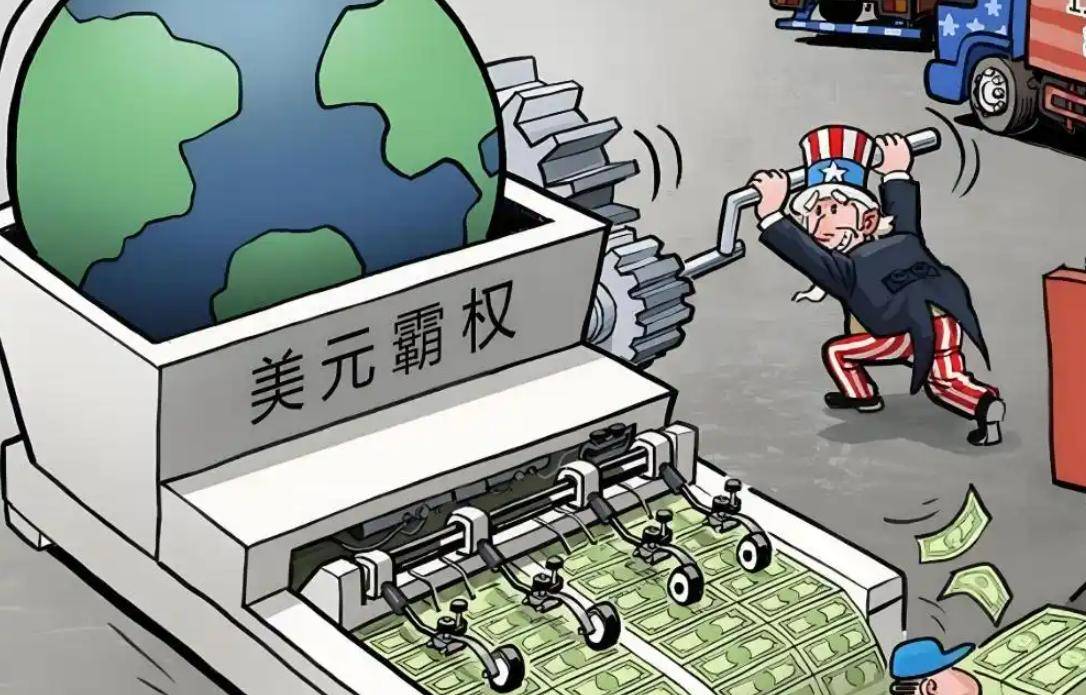
2026年,全球金融市场,正在上演一场前所未有的货币革命:美元霸权的黄昏,已经悄然到来;人民币的黎明,正在慢慢靠近;全球货币体系,迎来了"大 分流"时代,这不是预言,而是正在发生的现实。 首先,我们得明白,美元霸权的根基,到底是什么?二战结束后,美国凭借强大的经济实力、军事实力,建立了"布雷顿森林体系",确立了美元的霸权地 位,美元与黄金挂钩,其他国家的货币与美元挂钩,美元成为了全球的储备货币、结算货币。后来,布雷顿森林体系崩溃,但美元的霸权地位,依然没有动 摇,因为美元绑定了石油——全球的石油贸易,几乎都用美元结算,这就是"石油美元"体系,也是美元霸权的核心根基。 但这些年,美国的一系列操作,正在一步步摧毁自己的霸权根基。为了应对国内的经济危机,美国无底线超发美元,2020年以来,美国的货币供应量,增长 了几十万亿,大量的美元流入全球市场,导致全球通胀飙升,其他国家,都在为美国的通胀买单;同时,美国动辄用金融制裁,打压其他国家,只要哪个国 家不听美国的话,美国就会冻结它的美元资产,切断它的美元结算通道,这让很多国家,彻底看清了美元的风险——把自己的经济、金融,绑定在美元上, 就相当于把自己的命运,交给了美国 ...
人民币资产吸引力 有望持续增强
Sou Hu Cai Jing· 2026-02-23 22:10
Group 1 - The economic policy direction in 2026 is shifting from extraordinary counter-cyclical adjustments in 2025 to a balance of counter-cyclical and cross-cyclical adjustments, with macro policies expected to maintain necessary support to prevent a rapid decline in economic growth [1] - Significant fiscal investments are anticipated in major projects under the "14th Five-Year Plan" to stabilize investment, reversing the decline in infrastructure investment observed last year [1] - Local governments are expected to optimize expenditure structures and implement income increase plans for urban and rural residents, enhancing social security investments for low-income groups and promoting equal access to basic public services [1] Group 2 - The strong renminbi policy has taken shape, with expectations for authorities to actively promote the internationalization of the renminbi this year, expanding its use in international trade, investment, financing, foreign exchange transactions, and commodity pricing [2] - The renminbi's exchange rate is expected to remain strong, supported by economic fundamentals and external competitiveness [2]
人民币能反超美元吗?中国迎来大时代,揭秘美国加息减息与战争的深层联系
Sou Hu Cai Jing· 2026-02-23 17:23
Core Viewpoint - The global monetary system is undergoing a significant and silent restructuring, moving away from a dollar-dominated framework towards a more diversified reserve currency landscape, with the Chinese yuan emerging as a credible alternative [1][5][39]. Group 1: Dollar's Historical Dominance - For decades, the dollar has been the sole safe-haven asset globally, with central banks and investors instinctively turning to it during crises [2][3]. - The dollar's dominance is supported by its deep ties to oil transactions and the U.S.'s strong military presence, which underpins its role in international payment systems [4]. Group 2: Rise of the Yuan - The international use of the yuan is expanding, particularly as countries seek to reduce their reliance on the dollar, positioning it as a new risk-hedging tool [6]. - China's robust economic structure, characterized by its status as the world's second-largest economy and largest goods trader, provides a solid foundation for the yuan's value [9][10]. - China's approach to currency internationalization emphasizes stability and mutual benefit, contrasting with other nations that may resort to excessive money printing [12][13]. Group 3: Global Financial Dynamics - Many countries are incorporating the yuan into their official foreign exchange reserves and establishing bilateral currency settlement arrangements with China, indicating a shift in financial behavior [14][15][16]. - The U.S. is increasingly anxious about this shift, as evidenced by the geopolitical tensions that often coincide with Federal Reserve interest rate adjustments [19][20]. Group 4: U.S. Monetary Policy and Geopolitical Tensions - The U.S. employs a strategy where interest rate hikes attract international capital back to the U.S., supporting the dollar but causing debt pressures and financial instability in other nations [23][25]. - The U.S. often escalates regional tensions to reinforce the dollar's status as a safe haven during global turmoil, thereby artificially inflating demand for the dollar [27][28]. Group 5: Future of Currency Dynamics - The rise of the yuan disrupts the dollar's monopoly, signaling the beginning of a new era where countries seek stable financial cooperation with China rather than passively accepting the dollar's fluctuations [39][40]. - The transition towards a diversified reserve system is not merely theoretical but is actively occurring, as countries recognize the risks of over-reliance on a single currency [41][42]. Group 6: Trust and Stability in Financial Systems - The evolution of the global monetary landscape will depend on which currency can provide certainty and stability, with the yuan increasingly seen as a trustworthy alternative [46][48]. - The yuan's credibility is bolstered by China's complete industrial chain, large domestic market, and consistent policy, contrasting with the dollar's reliance on military and financial coercion [47][48].
重磅报告!未来10年30%央行将增持人民币,美元独大时代正在终结
Sou Hu Cai Jing· 2026-02-23 14:22
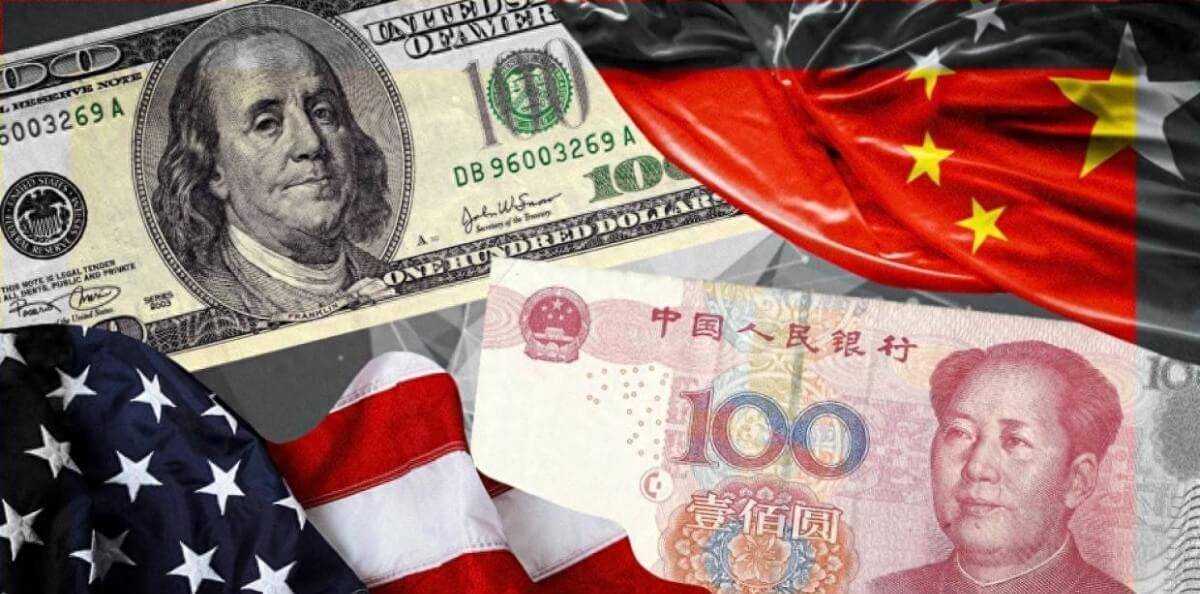
长期以来,美元凭美国经济与军事优势,主导全球贸易结算、外汇储备与金融交易。如今其霸权遭空前 冲击:美国经济疲弱、通胀高企侵蚀信誉,全球资本抛美元购黄金避险,人民币国际化分流其影响力, 叠加美国全球霸权衰弱,单极货币格局正加速向多元转型。 美元的崛起伴随着美国的霸权,而霸权的衰弱也会影响到美元的地位 美国国内经济疲弱、通胀持续高企,直接压低美元信誉,动摇美元霸权的根基 美元霸权的核心支撑是美国经济的稳定性与政策的可预期性,而近年来美国经济陷入疲弱态势,叠加严 重通胀,让全球市场对美元的信任度持续下滑。 为应对经济困境,美国推行单边主义关税政策与过度宽松的财政、货币政策,进一步加剧了通胀压力, 也透支了美元的国际信誉。美国国债规模已攀升至36.2万亿美元,占国内生产总值(GDP)比重高达 123%,远超国际公认的60%警戒线,2024财年美国国债净利息支出高达8820亿美元,史无前例超越其 庞大的军费开支,这种"借新还旧"的融资模式,脆弱性与不可持续性日益凸显。 美元霸权的衰弱其实是美国政府自己作 与此同时,美国关税政策的反复无常,进一步削弱了美元的吸引力。4月初"对等关税"政策出台后,美 元指数大幅下跌,盘中一 ...
创17年最低!中方强行将美债持仓按回08年警戒线,老美扛不住了
Sou Hu Cai Jing· 2026-02-23 11:16
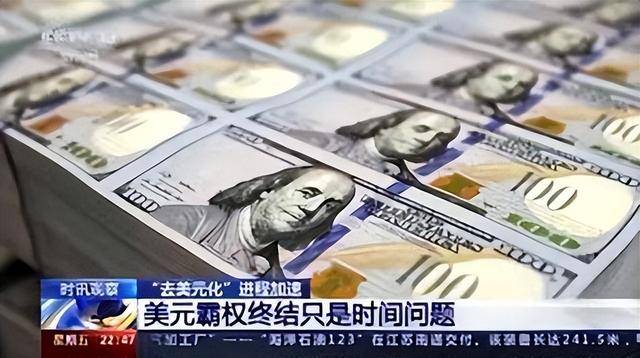
2025年11月,中国再度减持61亿美元美国国债,将持有规模压降至6826亿美元,创下2008年全球金融危机以来的最低点。 与2008年那场危机中中国增持美债的选择相反,这次中国持续减持美债,转而连续14个月增持黄金。这种操作折射出全球货币体系正在经历一场静默革命, 美元霸权根基悄然松动。 简单来说,美国债务规模的膨胀速度令人瞠目。2025年8月,美国国债总额首次突破37万亿美元,随后在10月攀升至37.85万亿美元,相当于每个美国公民背 负超过11万美元债务。 债务雪球越滚越大,利息支出成为美国政府财政的沉重负担。2025年美国国债的总利息支出预计超过1.3万亿美元,这一数字首次超越美国国防预算,成为 联邦政府的巨大财政黑洞。 国际评级机构穆迪在2025年5月采取行动,将美国主权信用评级从最高的"Aaa"下调至"Aa1",至此美国失去了三大国际评级机构的全部AAA评级。 美国政治极化现象进一步侵蚀美债信用基础。2025年10月1日,美国联邦政府陷入长达43天的历史性停摆,数十万政府雇员拿不到工资,公共服务陷入停 滞。这种政治失能让海外持有国担忧美国债务偿还能力的稳定性。 而与中国减持美债同步,中国人民银行正 ...
俄想重返美元体系影响有限,但其教训值得借鉴,真有参考价值
Sou Hu Cai Jing· 2026-02-22 20:42
Core Viewpoint - Russia's potential re-engagement with the US dollar settlement system has sparked debate, with some questioning whether this constitutes a betrayal of China. However, the reality is that Russia's current economic situation limits its ability to act independently, as it heavily relies on China for energy exports and imports [1][5][10]. Group 1: Economic Dependence - Over 60% of Russia's oil exports go to China, and more than 57% of its imports come from China, indicating a significant economic dependency [1][10]. - The position of the Chinese yuan in Russia's foreign exchange reserves has risen to second place, following gold, highlighting the yuan's growing importance [1]. - Russia's economy is primarily driven by energy exports, particularly oil and natural gas, which are crucial for its financial stability [6]. Group 2: Strategic Considerations - Russia's interest in rejoining the dollar system is driven by survival instincts rather than a strategic betrayal of China, as it seeks to alleviate sanctions pressure and improve trade efficiency [5][6]. - Despite political tensions, there are underlying economic interests between Russia and the US, particularly in maintaining the dollar's role in global energy transactions [6][30]. - Russia's attempts to engage with the US are seen as logical given its historical status and reluctance to remain dependent on a single country [3][5]. Group 3: Internal Challenges - Russia faces systemic issues, including stagnation in productivity, lack of innovation, and a resource-dependent economy, which hinder its long-term growth [11][13]. - The internal governance problems and the influence of oligarchs have led to a situation where national interests are often sidelined for personal gain [13][36]. - The ongoing reliance on energy exports makes Russia vulnerable to international market fluctuations, further complicating its economic recovery [11][13]. Group 4: Implications for China - China should not overly concern itself with Russia's potential shift back to the dollar system, as this reflects Russia's weaknesses rather than a threat to China's position [32][38]. - The focus for China should be on strengthening its own capabilities, including military, financial, and technological advancements, to ensure long-term stability and independence [18][20][21]. - The lessons from Russia's current predicament emphasize the importance of maintaining a robust economic structure and avoiding over-reliance on external partners [33][36].
人民币逆袭美元?中国大时代来临,揭秘美国加减息与战争深层关联
Sou Hu Cai Jing· 2026-02-22 08:58
人民币为何能够硬刚美元?核心在于两点:第一,中国经济的韧性。作为全球第二大经济体、第一大货物贸易国,中国拥有完整的工业体系和庞大的内需市 场,经济增长稳健,为人民币提供了坚实支撑。第二,中国的负责任态度。与美国动辄滥发美元、收割全球财富不同,人民币国际化稳步推进,坚持互利共 赢,逐渐赢得越来越多国家的信任与认可。如今,已有多个国家将人民币纳入外汇储备,甚至签订本币结算协议,人民币的避险属性愈发凸显,中国大时代 的序幕也因此正式拉开。而另一边,美国的焦虑日益明显:每当美国加减息,全球便往往伴随战争或局部动荡。许多人不解,加减息只是货币政策,而战争 是地缘冲突,二者何以紧密相连?背后正是美国维护美元霸权的深层逻辑,也是其霸权体系运作的核心手段。 如今,人民币的崛起彻底打破了美国的垄断格局,中国大时代的开启,也意味着全球经济秩序将迎来深刻重构。美国为了保住美元霸权,必然会加大算计, 无论是继续制造战争,还是打压人民币国际化,但这都无法阻挡历史潮流。因为越来越多的国家已经看清美国霸权的本质,开始主动选择与中国合作,拥抱 人民币,寻求更稳定、更公平的全球发展环境。 让我们拆解这层逻辑:美元霸权依赖于全球对美元的需求与信 ...