数字农业

Search documents
行业聚焦:全球农用化学品行业Top 5生产商市场份额及排名调查
QYResearch· 2025-11-06 02:18
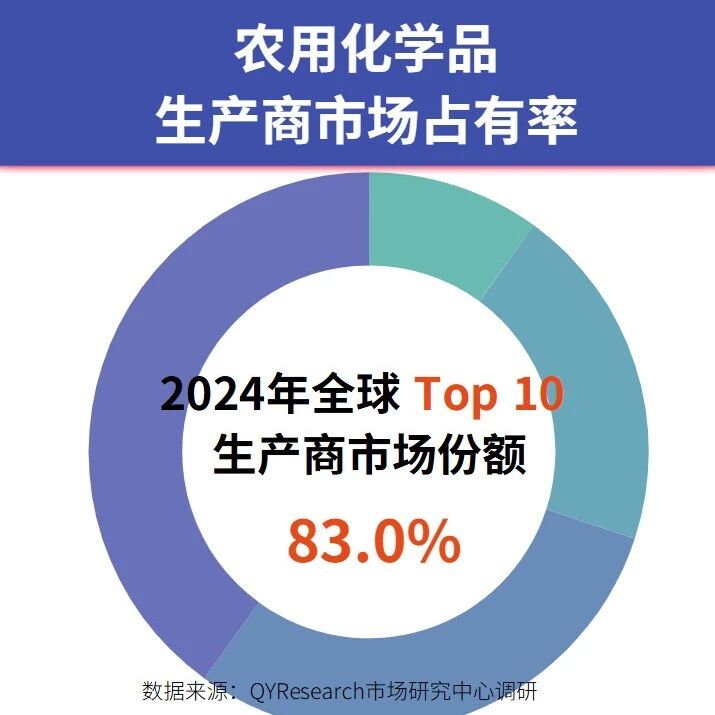
Overview of Agricultural Chemicals Market - Agricultural chemicals are substances used to enhance agricultural productivity by controlling pests, weeds, and improving soil fertility. This includes pesticides, herbicides, fungicides, and fertilizers. In 2024, global pesticide consumption is expected to exceed 2 million tons, playing a crucial role in food security and sustainable agricultural development amid population growth and climate change pressures. Major multinational companies like Syngenta, Bayer Crop Science, BASF, Corteva Agriscience, and others dominate the industry, investing heavily in sustainable formulation innovations [3][4]. Supply Chain Dynamics - The upstream supply chain for agricultural chemicals involves petrochemical and specialty chemical manufacturers providing raw materials such as intermediates, solvents, surfactants, and catalysts. Agricultural product manufacturers process these into technical-grade active ingredients for marketable products. The downstream user base is diverse, including large agricultural firms like Cargill and ADM, which focus on cost-effectiveness and crop-specific performance, while small farmers prioritize flexible packaging and affordability [4]. Market Trends and Growth Drivers - The global agricultural market is undergoing a transformation driven by sustainability, digitalization, and regulatory scrutiny. Increasing pesticide resistance is accelerating the demand for new mechanisms, biobased crop protection products, and Integrated Pest Management (IPM) strategies. Governments in Europe and North America are tightening regulations on chemical residues and environmental impacts, leading to higher R&D costs and a shift towards safer, low-toxicity formulations. The Asia-Pacific and Latin America regions remain the fastest-growing markets due to their large agricultural bases and the adoption of modern agricultural technologies [5][16]. Market Size and Projections - According to QYResearch, the global agricultural chemicals market is projected to reach USD 78.18 billion by 2031, with a compound annual growth rate (CAGR) of 4.2% over the coming years [5]. Leading Manufacturers and Market Share - The top ten agricultural chemical manufacturers, including Syngenta, Bayer Crop Science, BASF, and others, are expected to hold approximately 83.0% of the market share in 2024 [10]. Product Segmentation - Herbicides currently dominate the market, accounting for about 45.7% of the total share. In terms of application, grains represent the largest demand source, making up approximately 43.2% of the market [12][14]. Challenges and Opportunities - The agricultural chemicals market faces challenges from stricter regulations in Europe, which have led to a decline in pesticide usage despite ongoing agronomic demand. Additionally, rising input costs and weather impacts may limit farmers' ability to pay for high-priced products. However, the increasing focus on food safety is driving the growth of biopesticides, which are becoming more widely used in various agricultural sectors [18][19]. Regulatory Environment - In the EU, all active ingredients must undergo renewal under Regulation 1107/2009, with some facing bans or restrictions. The ongoing loss of active ingredients due to regulatory pressures and the high costs associated with developing new active ingredients pose significant challenges for the industry [19]. Conclusion - The agricultural chemicals industry is poised for growth driven by innovation, compliance, and sustainable practices, despite facing regulatory challenges and market dynamics that may impact traditional chemical usage [5][18].

解码兵团高质量发展路径:科技赋能谋创新,出疆出海拓发展
Xin Lang Cai Jing· 2025-11-03 12:00
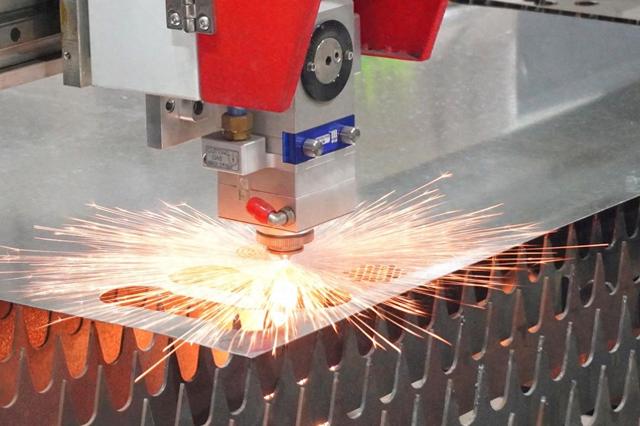
Core Insights - The article highlights the transformation of Xinjiang Production and Construction Corps (XPCC) through technological innovation and digital agriculture, showcasing a shift towards high-quality development in the region [1][3][13] Technological Innovation - Tianshan Laser Intelligent Technology Co., Ltd. has developed a laser big data platform with a comprehensive process database covering 33 types of engineering materials, connecting over 1,500 devices and forming more than 8,000 process parameter combinations [3] - The company has invested 137 million yuan and has successfully assisted over 30 enterprises in integrating laser technology with traditional processes, significantly enhancing productivity and reducing energy consumption [3] Digital Agriculture - Jiangtian Technology focuses on creating a fully traceable agricultural system and big data services, utilizing drones for real-time monitoring of soil moisture and crop growth [6] - The company has developed 26 proprietary technologies and was recognized as a national high-tech enterprise in 2019, indicating its commitment to advancing digital agriculture [6] Regional Collaboration - The integration of resources between the XPCC and local communities is exemplified by Xinye Energy, which employs over 1,800 workers and has established a circular economy system combining coal chemical, clean energy, and fine chemicals [5][8] - The collaboration has resulted in stable employment opportunities and has driven regional industrial upgrades [5] Expansion and International Trade - The XPCC is actively building international logistics hubs and enhancing open platform construction to facilitate trade, particularly targeting Central Asia and Europe [9][11] - Tianshan Laser has secured orders from Kazakhstan and is exploring opportunities in Turkey, indicating a strategic focus on international markets [9] - The Xinjiang Tianheng International Automotive Cultural City is positioning itself as a key player in exporting domestic vehicles to Central Asia, having already exported 28 vehicles [9][11]
当拼多多把“中国模式”带上联合国讲台
Sou Hu Cai Jing· 2025-10-28 11:37
Core Insights - The 2025 World Food Forum highlighted Pinduoduo's role in showcasing China's digital agriculture practices, with the company's VP Wang Haiwei sharing insights on a global stage [1][3] - The recognition from the Food and Agriculture Organization (FAO) underscores Pinduoduo's innovative model of "competition discovery + platform empowerment + market connection" as a significant example of global agricultural technology innovation [3] Group 1: Global Agricultural Innovation Competitions - The "2025 Global Agri-Entrepreneur Competition," co-hosted by FAO, Zhejiang University, and Pinduoduo, attracted 519 applications from 97 countries, with the Tanzanian project "SafeSip" winning the gold award [4] - Pinduoduo's support enabled the silver and bronze award-winning teams from China and the U.S. to present their projects at the World Food Forum, enhancing their global visibility [4][10] - The competition aims to bridge global agricultural innovation and connect young agri-entrepreneurs with practical solutions [5][8] Group 2: Agricultural Technology Innovation Ecosystem - Pinduoduo supports various competitions like the "Duoduo Agricultural Research Technology Competition" to stimulate youth innovation in agriculture through competitive research [7] - The "Duoduo Agricultural Research Technology Competition" focuses on breakthroughs in single crop technologies, while the "National Science Small Courtyard Competition" emphasizes talent cultivation linked to rural revitalization [7] - The competitions collectively form a comprehensive agricultural technology innovation ecosystem, addressing various agricultural challenges and fostering regional development [8] Group 3: Practical Applications and Market Integration - The "Real-time Pig Herd Defense" project showcased at the forum utilizes AI and multi-sensor technology for early disease detection in pigs, significantly improving monitoring efficiency [10][11] - The "Verdia Diagnostics" project offers an intelligent solution for crop pest and disease management, demonstrating effective early detection capabilities [10][11] - These projects exemplify Pinduoduo's commitment to transforming research into marketable solutions, enhancing agricultural productivity and sustainability [11] Group 4: Strategic Funding and Support - Pinduoduo's "100 Billion Subsidy" plan aims to reduce costs for merchants and increase funding for innovative agricultural projects, providing robust support for technology application and promotion [12][13] - The plan includes significant financial resources for competitions, with winning teams receiving substantial monetary rewards, fostering a culture of innovation [13] - Pinduoduo connects technology teams, platform merchants, and farmers, creating a collaborative innovation ecosystem that enhances agricultural efficiency [12][13] Group 5: Internationalization of Chinese Agricultural Technology - The global recognition of Pinduoduo's initiatives reflects the internationalization of Chinese agricultural technology, with teams gaining exposure on global platforms [15] - Pinduoduo facilitates exchanges between Chinese and international agricultural teams, promoting the sharing of technology and experiences [15] - The invitation from FAO to Pinduoduo signifies the company's role in the global agricultural transformation, showcasing a replicable and scalable model for agricultural innovation [15]


当拼多多登上联合国讲台:中国式农业创新何以成全球样本
Tai Mei Ti A P P· 2025-10-28 04:49
Core Insights - The article highlights the integration of technology in agriculture, showcasing Pinduoduo's role in promoting agricultural innovation on a global stage [2][3][14] - Pinduoduo has been recognized for its contributions to digital agriculture, receiving the FAO Innovation Award and participating in the World Food Forum [3][5][14] Group 1: Pinduoduo's Role in Agricultural Innovation - Pinduoduo's Vice President, Wang Haiwei, emphasized the company's commitment to nurturing "new farmers" who are tech-savvy and grounded in local agricultural practices [5][11] - The company has supported the Global Agricultural Innovators Competition for five consecutive years, attracting over 1,000 teams and thousands of young agricultural innovators [8][11] - Pinduoduo's approach is characterized by a three-step process: discovering innovations through competitions, empowering platforms, and connecting markets [8][12] Group 2: Global Agricultural Challenges - The global agricultural sector faces significant challenges, including climate change, land degradation, and food insecurity, with 673 million people suffering from hunger [2][3] - The FAO reports that 2.3 billion people are food insecure, highlighting the urgency for innovative solutions in agriculture [2] Group 3: Technological Integration in Agriculture - The "Muyu Cloud Computing" team from China won a silver award for its AI-driven monitoring system for pig farming, demonstrating the practical application of technology in agriculture [7][9] - The competition serves as a bridge for global agricultural innovation, connecting FAO, research institutions, and innovative teams with China's vast agricultural market [9][14] Group 4: Pinduoduo's Support Initiatives - Pinduoduo announced a "100 Billion Support" plan to invest in high-quality e-commerce ecosystems, with a significant focus on agriculture [11][12] - The company's agricultural product sales grew by 47% year-on-year, reflecting the effectiveness of its support initiatives [12][13] Group 5: Global Significance of Chinese Agricultural Innovation - Pinduoduo's model of inclusive and replicable agricultural innovation has garnered international recognition, showcasing China's digital agricultural transformation [14][15] - The company's efforts illustrate a shift in agriculture from a traditional sector to a forefront of digital innovation, emphasizing the importance of young talent and interdisciplinary collaboration [14][15]

点亮农业新未来
Shan Xi Ri Bao· 2025-10-27 00:23
Core Insights - The 32nd Yangling Agricultural High-tech Fair showcased innovative agricultural technologies, highlighting the growing interest in automated and smart farming solutions [1][2][4][5] Group 1: Company Innovations - Zhuhai Yipin Agricultural Technology Co., Ltd. presented a fully automated planting system that enhances efficiency from seedling to harvest, utilizing smart software for real-time monitoring and data collection [1] - Zhejiang Top Cloud Agricultural Technology Co., Ltd. introduced a portable AR analysis system that integrates AI and IoT, capable of identifying pests and guiding agricultural tasks through voice interaction [2] - Shaanxi Zhaojin Xianheng Agricultural Technology Co., Ltd. is the largest domestic producer of dwarf apple seedlings, with a focus on the "Qingzhen" series that offers significant advantages in drought resistance and cost efficiency [4] Group 2: Industry Trends - The fair highlighted a shift towards advanced agricultural practices, with technologies like smart drones and digital agriculture moving from concept to application [4] - The introduction of smart water and fertilizer integration systems by companies like Xinjiang Huir Zhilian Technology Co., Ltd. addresses traditional farming inefficiencies, achieving significant water savings and improved fertilizer utilization [5] - The event serves as a platform for connecting industry stakeholders, facilitating direct engagement between technology providers and core customers in the agricultural sector [2]
大北农(002385) - 2025年10月24日投资者关系活动记录表
2025-10-26 08:08
Group 1: Overall Financial Performance - In the first three quarters of 2025, the company's total revenue reached 20.744 billion CNY, a year-on-year increase of 3% [3] - The net profit attributable to shareholders was 2.57 billion CNY, reflecting a significant year-on-year growth of 92.56% [3] - In Q3 2025, the company achieved a revenue of approximately 7.184 billion CNY, marking a year-on-year increase of 1.94% [3] Group 2: Revenue Breakdown by Business Segment - Feed products generated revenue of 13.423 billion CNY, a decline of 4.67%, accounting for 64.71% of total revenue [3] - The pig farming segment reported revenue of 4.903 billion CNY, a year-on-year increase of 49.03% [3] - Seed products achieved revenue of 513 million CNY, showing a remarkable growth of 81.07% [3] Group 3: Profitability Analysis - The feed segment contributed a profit of approximately 400 million CNY, while the pig farming segment also reported a profit of around 200 million CNY [3] - The seed segment incurred a loss of approximately 15 million CNY [3] - Total losses from other businesses and public expenses amounted to about 480 million CNY [3] Group 4: Cost Management - Selling expenses decreased by 3.58% to 817 million CNY, while management expenses fell by 5.66% to 1.019 billion CNY [3] - Financial expenses were reduced by 9.51% to 359 million CNY [3] Group 5: Business Segment Performance - In the feed business, external sales volume reached 4.0162 million tons, a year-on-year increase of 2.9% [4] - The pig farming segment saw an output of 3.1608 million pigs, generating revenue of 4.903 billion CNY [5] - The seed segment sold 20.44 million kilograms of crops, a significant increase of 151% year-on-year, with sales revenue exceeding 500 million CNY [5] Group 6: Seed Business Developments - The company ranked third among the top 20 enterprises in national seed sales, leading in the private seed industry [6] - The company has developed six nationally approved high-yield soybean varieties, contributing to domestic self-sufficiency [7] - The company holds a leading position in the domestic market for genetically modified traits, with 59% of approved corn varieties utilizing its traits [8]

中国“赛博养猪人”正在重新定义全球农业
Guan Cha Zhe Wang· 2025-10-24 13:21
Core Insights - The article highlights the innovative use of AI and technology in agriculture, particularly through the example of a modern pig farming system that utilizes real-time data collection and analysis to improve efficiency and reduce costs [1][3][4] - Pinduoduo's participation in the 2025 World Food Forum in Rome underscores its role as a representative of Chinese agriculture on the global stage, showcasing its commitment to agricultural innovation and sustainability [2][9] Group 1: Technological Innovation in Agriculture - The "Cyber Pig Farming" project demonstrates significant improvements in pig farming metrics, including a 0.35 reduction in feed-to-meat ratio, a 20% increase in uniformity, a 25% decrease in respiratory disease mortality, and a 70% reduction in emissions for a thousand pigs [3] - Pinduoduo's AI-driven system and multi-sensor integration exemplify a practical approach to achieving immediate results in agricultural efficiency, aligning with the goals of the Food and Agriculture Organization [3][4] Group 2: Pinduoduo's Commitment to Agriculture - Pinduoduo has been recognized as a key player in global agricultural innovation, being the only Asian company invited to present at the scientific and innovation forum of the World Food Forum [2] - The company has launched a "100 billion support" plan to invest in agricultural development over three years, focusing on technology research, talent cultivation, and market integration [4][6] Group 3: Market Impact and Growth - In the first half of 2025, Pinduoduo's agricultural product sales increased by 47%, with seasonal fruits and seafood seeing growth rates of 51% and 48%, respectively [6] - The platform's initiatives have lowered barriers for new farmers, resulting in a 30% increase in the number of young agricultural entrepreneurs and a 54% growth in quality agricultural product SKUs [6] Group 4: Global Collaboration and Knowledge Sharing - Pinduoduo's model of linking innovation with market needs has led to successful collaborations with international organizations, facilitating the exchange of agricultural technologies between countries [7][8] - The company's efforts in hosting global agricultural innovation competitions have attracted participation from 97 countries, showcasing a wide array of innovative solutions [7] Group 5: Vision for the Future - Pinduoduo aims to continue fostering a new generation of farmers equipped with digital skills and technological knowledge, contributing to the transformation of agricultural systems both in China and globally [9]
拼多多在联合国粮农组织当评委:中国农业“升级密码”藏在这里
Jing Ji Guan Cha Wang· 2025-10-24 05:52
Core Insights - The 2025 World Food Forum, hosted by the FAO in Rome, focuses on transforming the global food system with the theme "Working Together for Better Food and a Better Future" [1] - Pinduoduo has been recognized as a digital agriculture innovation model, showcasing its achievements in agricultural technology and innovation on an international stage [1][2] Group 1: Pinduoduo's Role and Achievements - Pinduoduo has been invited to the World Food Forum for two consecutive years, highlighting its evolution from a participant to a speaker and judge, reflecting China's digital agriculture progress [2] - The company emphasizes the dual drivers of technological innovation and talent cultivation as key to upgrading China's agriculture [2][6] - Pinduoduo's "100 Billion Support" plan aims to invest over 100 billion RMB in agricultural innovation, focusing on technology application and promotion [7] Group 2: Innovations and Competitions - The Global Agri-Entrepreneurship Competition (GAC) serves as a hub for global agricultural innovation, attracting over 1,000 teams and thousands of young agricultural innovators since its inception [5] - The competition identifies and empowers promising agricultural technology projects, facilitating their market application through Pinduoduo's resources [5][8] - The "Muyu Cloud Computing" team showcased AI technology for livestock monitoring, achieving significant efficiency improvements and commercial returns [3][4] Group 3: Ecosystem and Market Impact - Pinduoduo's approach creates a sustainable ecosystem that benefits all stakeholders, including consumers, farmers, and agricultural innovators [8] - The "100 Billion Support" plan has led to significant sales growth in seasonal fruits and seafood, demonstrating the effectiveness of targeted support for agricultural products [7] - The company aims to bridge the gap between agricultural innovation and market application, ensuring that technology is accessible and practical for farmers [6][9]
菏泽联通以数字技术赋能农业现代化谱写乡村振兴新篇章
Qi Lu Wan Bao· 2025-10-23 09:32
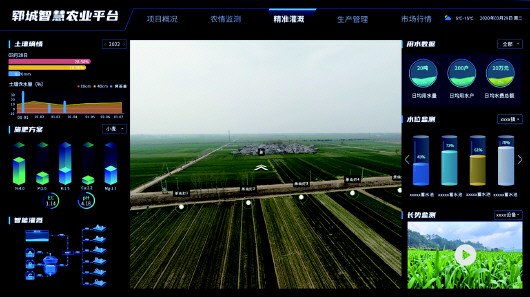
Core Viewpoint - The agricultural sector in Heze is undergoing a significant digital transformation, driven by China Unicom's implementation of smart agriculture initiatives that enhance productivity, increase farmers' income, and contribute to rural revitalization [2][8]. Group 1: Digital Transformation in Agriculture - Heze, a major agricultural city in Shandong Province, has historically relied on traditional farming methods, but is now embracing a data-driven approach to agriculture [3]. - China Unicom has established a "smart agriculture" platform that integrates various IoT devices to monitor environmental conditions and crop health, enabling farmers to make informed decisions based on real-time data [3][4]. - The platform covers 10,000 acres of high-standard farmland, providing farmers with a digital toolbox for efficient farming practices, including real-time updates on optimal planting strategies and weather conditions [4]. Group 2: Technological Integration - In Dongming County, the integration of 5G, AI, and SaaS technologies in watermelon cultivation has led to a sophisticated monitoring and control system that optimizes growing conditions [5]. - The AI algorithms used in the smart greenhouses allow for dynamic adjustments to irrigation and lighting, resulting in improved crop quality and reduced deformity rates by over 20% [5]. - A traceability system has been established for watermelons, providing consumers with detailed information about the production process, which enhances consumer trust and increases revenue by over 15% per watermelon [6]. Group 3: Enhanced Market Connectivity - In Caoxian, the use of 5G and gigabit broadband has transformed the asparagus supply chain, allowing for real-time live streaming of harvests to consumers, thereby increasing sales and consumer confidence [6][7]. - The asparagus planting area in Caoxian has reached 100,000 acres, accounting for 60% of the national total, with an annual production of 120,000 tons, showcasing the scale and quality of the industry [7]. Group 4: Improved Agricultural Management - The "digital greenhouse" system in Dingtao District allows for remote monitoring and intelligent adjustment of environmental conditions across over 300 greenhouses, significantly enhancing operational efficiency [7]. - Farmers report that digital tools have reduced their workload and improved their ability to respond to extreme weather conditions, leading to greater satisfaction and a sense of security in their agricultural practices [7]. Group 5: Future Outlook - China Unicom's initiatives in Heze represent a commitment to leveraging technology for agricultural modernization and rural revitalization, with plans to further enhance the application of 5G, IoT, big data, and AI in the agricultural sector [8].

吃得更健康 科技范更强——展会里的乡村产业发展新动向
Xin Hua Wang· 2025-10-21 14:04
Core Insights - The 113th National Sugar and Wine Products Trade Fair and the 22nd China International Agricultural Products Trade Fair showcased new agricultural products and technologies, reflecting evolving industry trends and consumer preferences [1] Group 1: Technological Innovations - The introduction of a digital traceability system allows over 70 types of fruits and vegetables to be tracked from soil to table, enhancing food safety and quality [3] - The development of proprietary seed varieties, such as "Damo Jiaozi No. 1," demonstrates advancements in agricultural biotechnology, contributing to improved nutritional content [2] - The integration of smart management systems in livestock farming has reduced costs by over 30%, showcasing the impact of technology on agricultural efficiency [3] Group 2: Health and Consumer Trends - The rising demand for low-GI (glycemic index) foods has led to significant growth in product offerings, with sales of low-GI items increasing from under 1 million yuan to nearly 60 million yuan in just a few months [4] - Consumers are increasingly prioritizing health, as evidenced by the popularity of low-sugar bread and the demand for high-quality agricultural products with traceability [4] Group 3: New Business Models - The combination of online and offline sales strategies is transforming the agricultural market, with e-commerce and live-streaming becoming essential tools for product promotion [5] - The rural online retail market is projected to reach 2.56 trillion yuan in 2024, indicating a significant increase in digital commerce within the agricultural sector [5] Group 4: Trade Fair Dynamics - The trade fairs have evolved into comprehensive platforms that connect industry, consumers, and various business models, attracting thousands of exhibitors and professional visitors [6] - The 113th Sugar and Wine Fair attracted around 4,000 exhibitors and over 400,000 professional visitors, highlighting its significance in the industry [6]