
南向资金

Search documents
港交所,“挤爆”了?
21世纪经济报道· 2025-06-26 15:26
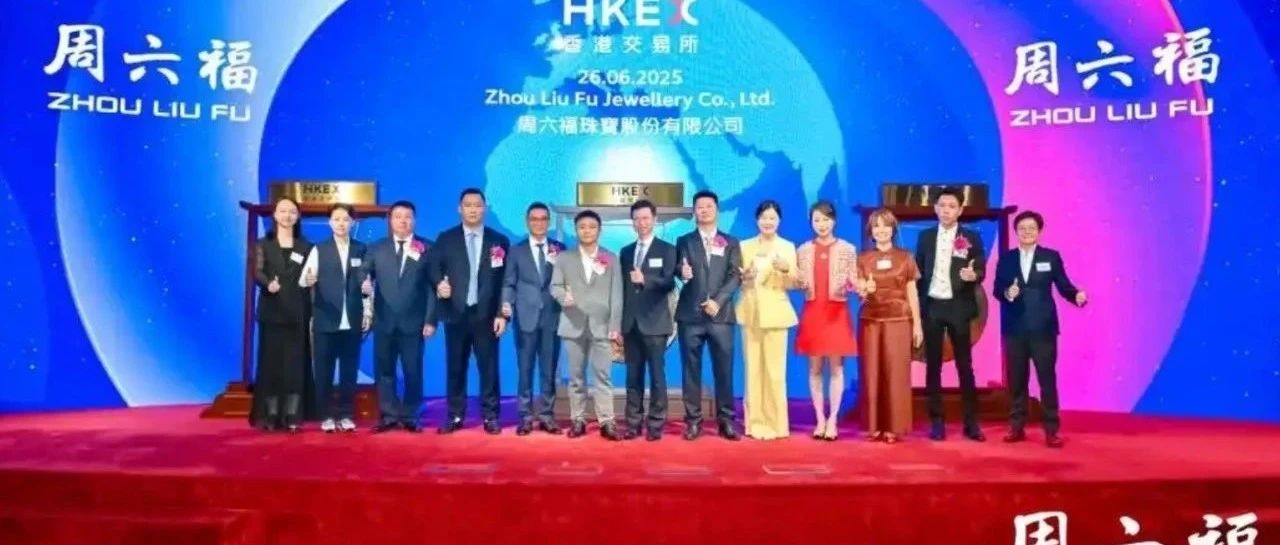
Core Viewpoint - The Hong Kong IPO market is experiencing a significant surge, with a notable increase in fundraising and a growing number of companies going public, particularly in the consumer sector [3][15]. Group 1: Recent IPOs - Three consumer companies, Chow Tai Fook (周六福), Saint Bella (圣贝拉), and Yingtong Holdings (颖通控股), recently listed on the Hong Kong Stock Exchange, with Chow Tai Fook rising by 25% and Saint Bella by 33.74% on their debut [2][4]. - Chow Tai Fook raised a total of 1.29 billion HKD, with projected revenues of 3.102 billion, 5.150 billion, and 5.718 billion HKD for 2022, 2023, and 2024 respectively, reflecting a compound annual growth rate (CAGR) of 35.8% [5]. - Saint Bella's revenue is expected to grow from 472 million HKD in 2022 to 799 million HKD in 2024, with a CAGR of 30.15% [7]. - Yingtong Holdings reported revenues of 1.699 billion, 1.864 billion, and 2.083 billion HKD for the first quarters of 2023, 2024, and 2025 respectively [9]. Group 2: Market Trends - As of June 26, 2025, the total amount raised through Hong Kong IPOs reached 104.72 billion HKD, surpassing the total for the entire year of 2024 [3][14]. - The influx of southbound capital has significantly influenced the Hong Kong market, with net purchases reaching 710 billion HKD, exceeding 85% of the total net inflow for 2024 [14]. - The Hong Kong IPO market is expected to see around 40 companies debut in the first half of 2025, indicating a robust recovery and increased activity [15]. Group 3: Market Dynamics - The current IPO wave is attributed to companies rushing to list before the mid-year financial reporting deadline, which can incur additional costs if missed [11]. - The shift in investor structure from being predominantly foreign to a more balanced mix of domestic and foreign capital is reshaping the market dynamics [15].

南向资金今日净买入近53亿港元 中芯国际获净买入居前
news flash· 2025-06-26 09:55
南向资金今日净买入52.86亿港元。其中,中芯国际、建设银行分别获净买入约8.96亿港元、5.82亿港 元;腾讯控股遭净卖出约5.71亿港元。 ...

港元汇率“一路狂飙”直击弱方保证,港股红利还能行吗?
Sou Hu Cai Jing· 2025-06-25 11:45
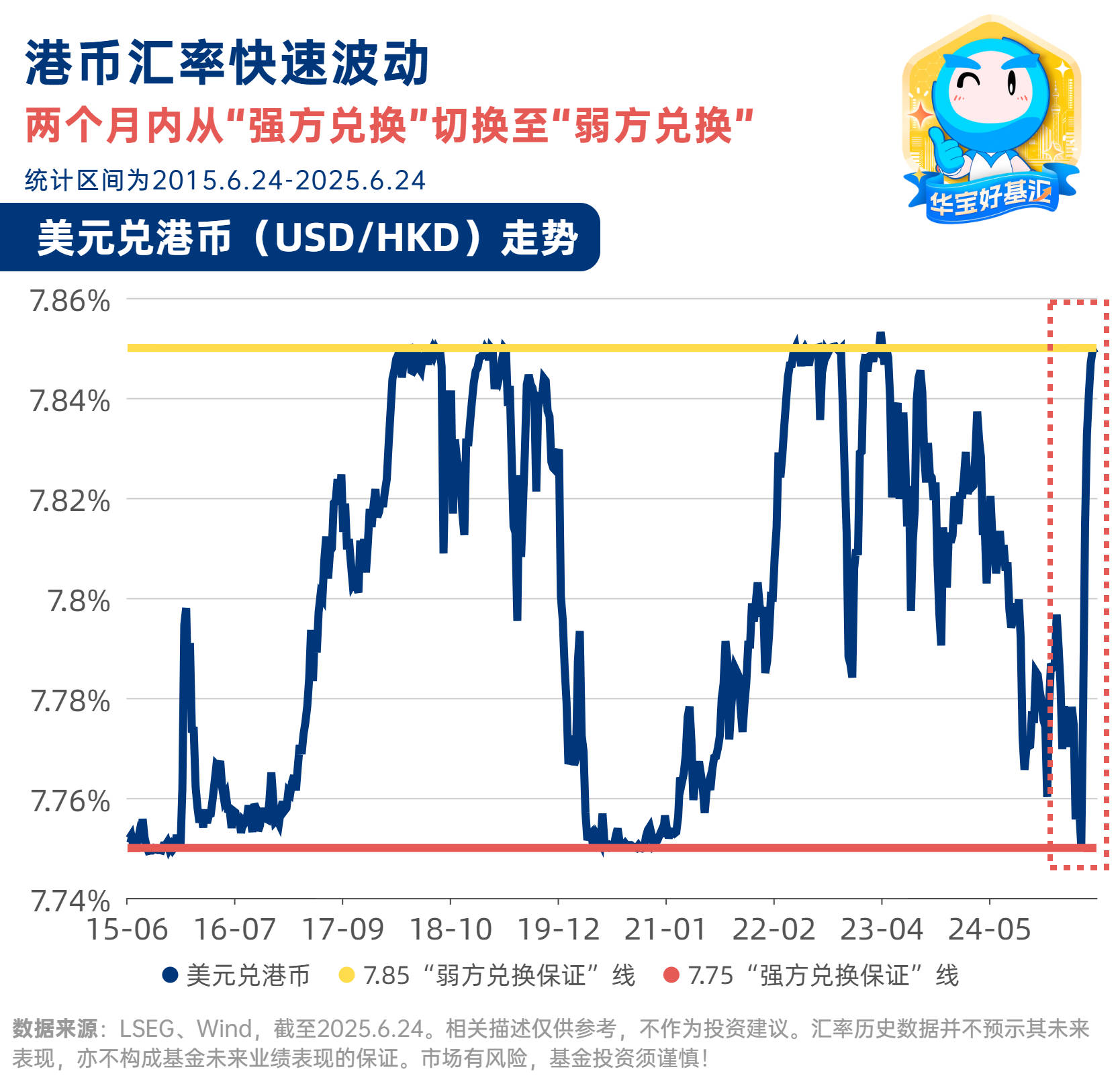
Core Viewpoint - The Hong Kong dollar (HKD) has recently experienced significant fluctuations, approaching the "weak side convertibility guarantee" of 7.85, with the Hong Kong Monetary Authority intervening to sell HKD to stabilize the currency [1][3]. Currency Fluctuation and Market Impact - The HKD's rapid movement between the strong and weak side convertibility guarantees has not been seen in the past decade, indicating heightened volatility in the currency market [1]. - The intervention by the Hong Kong Monetary Authority has led to an increase in HKD liquidity, resulting in a significant decline in HKD interest rates, which has widened the interest rate differential between HKD and USD, creating opportunities for carry trades [3][4]. Stock Market Performance - Despite concerns over liquidity in the Hong Kong stock market, the market has shown resilience, particularly in the dividend sector. The Hang Seng Index rose by 8.8% from May to June 24, while the S&P Hong Kong Low Volatility Dividend Index increased by 10% during the same period [3][4]. - Historical analysis shows that during previous periods of HKD weakness (2018-2019 and 2022-2023), the dividend sector outperformed the overall Hang Seng Index, highlighting its defensive characteristics [4][10]. Long-term Investment Value - The S&P Hong Kong Low Volatility Dividend Index has demonstrated strong performance during periods of market volatility, with a 17.2% increase over the past 12 months compared to a mere 2.1% rise in the Hang Seng Index [10]. - The current low interest rate environment, with the 10-year government bond yield dropping from over 2.5% to 1.7%, enhances the long-term investment appeal of Hong Kong dividend stocks, particularly for investors not subject to dividend tax [10][19]. Inflow of Capital - The influx of mainland capital has significantly supported the liquidity of the Hong Kong stock market, with net purchases from southbound funds reaching 676.08 billion HKD this year, nearing the total for the previous year [17][19]. - The financial sector has seen the largest increase in market value from southbound funds, with a rise of 370.1 billion HKD, indicating strong interest in dividend-paying stocks [19]. Future Outlook - The recent HKD fluctuations are viewed as a conflict between global monetary policy divergence and excess liquidity in Hong Kong. Analysts expect that the negative impact on the market from potential HKD tightening will be manageable [23]. - The overall market sentiment is improving due to strong economic fundamentals in China and ongoing inflows of southbound capital, suggesting a favorable environment for the Hong Kong stock market moving forward [23].
从“港股已死”到暴涨85%,背后的秘密是什么?主投港股的QDII基金谁最强?
Jin Rong Jie· 2025-06-23 12:42
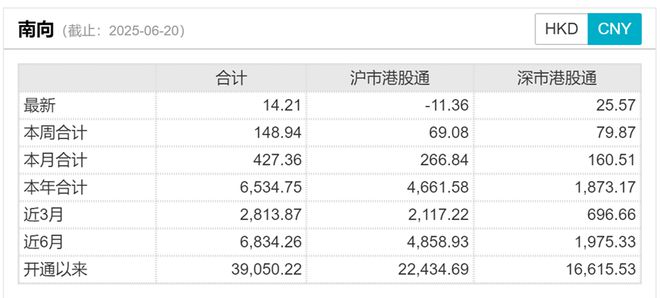
Core Viewpoint - The Hong Kong stock market has shown a remarkable turnaround in 2023, with significant gains driven by substantial inflows from mainland investors, contradicting previous pessimistic sentiments about the market [1]. Group 1: Market Performance - The Hang Seng Technology Index, Hang Seng Index, and Hang Seng China Enterprises Index have all approached a 20% increase year-to-date [1]. - As of June 20, 2023, net inflows from mainland investors reached 650 billion CNY, doubling compared to the same period last year and nearing historical peaks for the year [1]. Group 2: Fund Performance - QDII funds focused on Hong Kong stocks have performed exceptionally well, with 18 funds showing year-to-date gains exceeding 30% [2]. - The top-performing QDII fund, Huatai-PB Hong Kong Advantage Selection A, achieved an impressive 85.31% increase, primarily investing in the healthcare sector [4]. - Other notable funds in the healthcare sector, such as Huatai-PB Hang Seng Innovation Drug ETF and GF Zhongzheng Hong Kong Innovation Drug ETF, also reported gains over 50% [5]. Group 3: Sector Focus - The healthcare sector has been a standout performer, with funds heavily invested in innovative pharmaceutical companies like Rongchang Bio, Kelun-Botai Bio, and Innovent Biologics [4]. - New consumption and internet sectors have also attracted significant investment, with funds like ICBC Hong Kong Small Cap RMB and Fuguo Blue Chip Selection RMB showing gains over 30% [5].
南向资金今日净买入约79亿港元 美团获净买入居前
news flash· 2025-06-23 09:42
南向资金今日净买入约79亿港元 美团获净买入居前 智通财经6月23日电,南向资金今日净买入78.95亿港元。其中,美团-W、建设银行分别获净买入约 15.15亿港元、8.44亿港元;阿里巴巴-W遭净卖出约12.34亿港元。 ...


南向资金今日大幅净买入78.95亿元。港股通(沪)方面,建设银行、美团-W分别获净买入8.44亿港元、7.05亿港元;阿里巴巴-W净卖出额居首,金额为4.05亿港元;港股通(深)方面,美团-W、泡泡玛特分别获净买入8.1亿港元、4.07亿港元;阿里巴巴-W净卖出额居首,金额为8.8亿港元。
news flash· 2025-06-23 09:33
Group 1 - Southbound funds had a significant net purchase of 7.895 billion yuan today [1] - In the Hong Kong Stock Connect (Shanghai), China Construction Bank and Meituan-W received net purchases of 844 million HKD and 705 million HKD respectively [1] - Alibaba-W had the highest net sell amount, totaling 405 million HKD [1] Group 2 - In the Hong Kong Stock Connect (Shenzhen), Meituan-W and Pop Mart received net purchases of 810 million HKD and 407 million HKD respectively [1] - Alibaba-W again had the highest net sell amount, reaching 880 million HKD [1]


当南向资金开始掌握港股“定价权”
远川投资评论· 2025-06-20 02:43
Core Viewpoint - The Hong Kong stock market has shown a strong and unfamiliar performance this year, with significant contributions from southbound capital, which has become a key driver of market movements [1][2][3]. Group 1: Southbound Capital Influence - After a significant drop of 17.16% on April 7, the Hang Seng Tech Index has recovered, entering a new technical bull market with over 20% gains [2]. - Southbound capital's trading volume in the Hong Kong market has increased significantly, rising from less than 15% in 2021 to 27.5% in recent times, indicating its growing influence [5]. - As of June 13, southbound capital's net buying reached over 630 billion yuan, marking the highest level for the same period historically [6]. Group 2: Insurance Capital Activities - Insurance companies have been actively increasing their stakes in Hong Kong stocks, with 16 instances of stake increases reported by the end of May, particularly in dividend-paying stocks [11]. - The growth in insurance capital is driven by increasing premium income and a search for higher-yielding assets amid low interest rates [13][15]. - The average dynamic dividend yield of major state-owned banks listed in Hong Kong is 5.51%, which is higher than their A-share counterparts, making them attractive to insurance investors [16]. Group 3: New Economy and Fund Inflows - Public funds have significantly increased their holdings in Hong Kong stocks, with a 38.8% growth in the total market value of stocks held by public funds compared to the end of last year [27]. - The rise of AI and other new technologies has catalyzed a revaluation of internet companies, making them attractive to public funds [30][33]. - The performance of Hong Kong's new economy stocks has outpaced that of A-shares in various sectors, further driving fund inflows [34]. Group 4: Investment Strategies and Market Dynamics - The Hang Seng Index offers a balanced investment option, combining high dividend yields and growth potential, which is appealing to investors seeking lower volatility [39][47]. - The concentration of market capitalization in a small number of stocks in Hong Kong means that once a market trend develops, larger stocks are more likely to drive significant movements [35]. - The ongoing optimization of the Hang Seng Index has allowed it to maintain relevance and performance in the evolving market landscape [46].

中金:Hibor如何影响港股?
中金点睛· 2025-06-20 00:10
Core Viewpoint - The Hong Kong stock market has experienced fluctuations due to the impact of "reciprocal tariffs," with the Hang Seng Index dropping below the emotional low point from the previous trade friction, but stabilizing around the support level of 20,500 points before rebounding. Recent optimism in U.S.-China tariff negotiations and the performance of sectors like new consumption and innovative pharmaceuticals have contributed to a new round of market increases, although the index has struggled to break through the 23,000-24,000 range [1][2][4]. Group 1 - Since the implementation of reciprocal tariffs on April 2, the Hong Kong stock market has underperformed compared to global markets, with increasing concentration and crowding in sectors such as new consumption, innovative pharmaceuticals, essential retail, and banking, while sectors like discretionary retail and consumer services lagged behind [1][2][4]. - The sharp decline in Hong Kong Interbank Offered Rate (Hibor) since early May, with the 1-month Hibor dropping from 4.1% to 0.6%, indicates a significant increase in short-term liquidity, which has positively influenced market trends, particularly for growth stocks concentrated in new consumption and innovative pharmaceuticals [8][9][25]. - The decline in Hibor is attributed to the automatic operations of the currency board system under the linked exchange rate regime, with the Hong Kong Monetary Authority (HKMA) injecting substantial liquidity to maintain the currency peg, resulting in a significant drop in Hibor rates [11][14][17]. Group 2 - The HKMA's liquidity injection was notably larger than historical norms, with a total of 1,294 billion HKD injected in just four days, leading to a rapid decline in the 1-month Hibor to 0.5% and a swift depreciation of the Hong Kong dollar towards the weak end of the peg [18][20][34]. - The influx of liquidity, combined with a weaker U.S. dollar and positive signals from U.S.-China negotiations, has supported the overall performance of the Hong Kong stock market, particularly benefiting crowded trades in growth sectors [26][30][41]. - The current market environment is characterized by an excess of liquidity ("funding boom") and limited returns ("asset scarcity"), leading to concentrated trading in sectors like new consumption and innovative pharmaceuticals, with trading volumes reaching historical highs [27][28][49]. Group 3 - The outlook for Hibor suggests that it is unlikely to decrease further, with potential tightening of liquidity expected as the HKMA may need to intervene to maintain the weak end of the peg, especially as the Hong Kong dollar approaches the 7.85 threshold [38][41]. - The market may face challenges due to the potential for liquidity tightening, the impact of ongoing U.S.-China tariff negotiations, and the pressure from a high number of IPOs and placements, which could increase supply and affect stock performance [41][42][46]. - Investors are advised to consider adjusting their positions, potentially shifting towards dividend-paying stocks or waiting for opportunities to acquire quality assets at lower costs, particularly in light of the current market volatility [50].
上半年港股走强解密:中资重估、南向活水、估值洼地
Mei Ri Jing Ji Xin Wen· 2025-06-19 06:38
Group 1 - The core viewpoint is that the Hong Kong stock market has shown strong attractiveness in 2025, driven by policy support and the AI boom, outperforming key markets like the US and Japan year-to-date [1] - The AI narrative initiated by DeepSeek has significantly propelled the revaluation of Chinese assets, with Hong Kong stocks leading globally at the beginning of the year. Although the AI enthusiasm has slightly cooled due to geopolitical factors, future iterations of AI models or breakthroughs in applications could reignite upward catalysts for the sector [1][2] - As of June 12, 2025, southbound capital has net purchased HK stocks amounting to 681.14 billion HKD, reaching 84.3% of the total net purchase for the entire year of 2024 (807.87 billion HKD). This influx is driven by the demand for stable returns from dividends and structural opportunities in new consumption, AI technology, and innovative pharmaceuticals [1] Group 2 - The attractiveness of Hong Kong stocks is further enhanced by their long-term valuation being relatively low. As of June 16, 2025, the Hang Seng Tech Index's latest PE (TTM) is only 20.18 times, which is at the 9.02% valuation percentile over the past five years, indicating that the current valuation is lower than 90% of the time in the last five years [2] - With the recovery of the domestic economy, expectations for AI performance catalysts, and more quality companies listing in Hong Kong, there is potential for valuation uplift in the second half of the year [2] - Relevant ETFs include the Hang Seng Internet ETF (513330), Hang Seng Pharmaceutical ETF (159892), and Hang Seng Technology Index ETF (513180) [2]