智能化

Search documents
爱玛突传国际部和高端品牌大裁员?牛市跌去1/3,电动车巨头股价还能翻身吗?
Sou Hu Cai Jing· 2026-01-12 07:38
Group 1 - The core viewpoint of the articles highlights the significant decline in Aima Technology's stock price, which has dropped by one-third from its peak, contrasting with the overall bullish market trend [1] - Aima Technology is reportedly undergoing substantial layoffs, targeting key departments that were previously seen as future growth drivers, including the international business division and high-end brand team [1] - The company's recent actions, such as relocating factories without compensation and pressuring employees to sign outsourcing contracts, suggest a strategy aimed at reducing costs rather than pursuing growth [1] Group 2 - Despite a strong performance in the third-quarter report, with revenue and profit both increasing by over 20%, Aima's strategic decisions raise questions about its commitment to internationalization and innovation [1] - The company's international revenue contribution is minimal, at only 0.7% projected for the first half of 2025, which starkly contrasts with competitors like Ninebot, which has nearly 40% of its revenue from overseas [1] - The recent operational changes signal a potential shift in strategy, leading to speculation about whether the company intends to retreat to the low-end electric vehicle market or if it is genuinely committed to its previously stated goals of internationalization and smart manufacturing [2]

自主乘用车爆发式增长 跃升向上 北汽集团公布年度成绩单
Bei Jing Ri Bao Ke Hu Duan· 2026-01-12 07:31
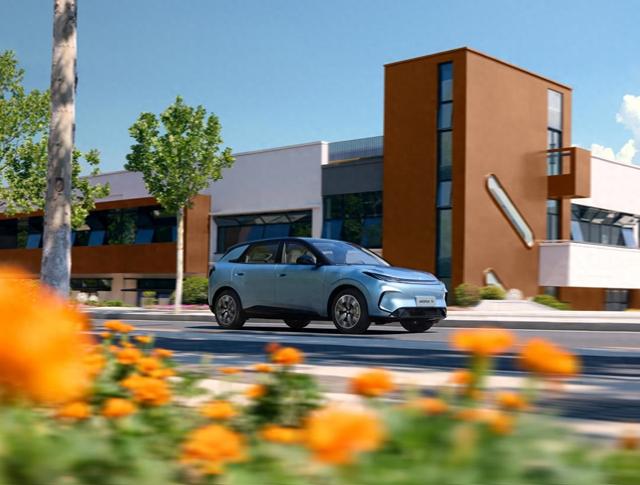
Core Insights - In 2025, BAIC Group achieved a total vehicle sales of 1.752 million units, marking a year-on-year growth of 5.6%, with its self-owned brand sales reaching 1.07 million units, showcasing strong performance in new energy and international business [1][5] Group 1: Sales Performance - BAIC's self-owned passenger vehicle sales experienced explosive growth, with total sales exceeding 1.07 million units, accounting for 61% of total sales, driven by several star models [1] - BAIC Arcfox sold 163,000 units, achieving a remarkable year-on-year growth of 101%, with models like Arcfox T1 and the new Alpha T5 contributing significantly [3] - BAIC Foton maintained its position as the industry leader with over 650,000 units sold, focusing on new energy, internationalization, and heavy trucks [3][5] Group 2: International Expansion - BAIC Group's exports reached a record high of 308,000 units, representing a year-on-year increase of 26%, outpacing the industry growth rate by 7.3 percentage points [5] - The company has established a presence in over 130 countries and regions, with successful launches of new models in various international markets [5] Group 3: New Energy Development - BAIC's new energy vehicle sales surpassed 390,000 units, reflecting a year-on-year growth of 95%, with significant contributions from BAIC Arcfox and Enjoy [7] - The company is accelerating its transition to new energy, with a notable increase in the proportion of new energy vehicles in its product lineup [7][14] Group 4: Technological Innovation - BAIC Group is investing in technological innovation, focusing on core technologies such as power batteries, electric drive, intelligent cockpit, and hydrogen fuel commercial vehicles [11][14] - The company has received approval for L3 conditional autonomous driving vehicle products, marking a significant advancement in intelligent driving technology [12] Group 5: Corporate Responsibility and Community Engagement - BAIC Group is committed to enhancing its corporate image by contributing to the economic and social development of Beijing, including donations and strategic partnerships [16] - The company has engaged in various promotional activities to support the development of the western region of China [16] Group 6: Future Outlook - For 2026, BAIC Group aims to achieve total vehicle sales of 2.2 million units, reinforcing its core strategy of "one main and five transformations" to contribute to high-quality economic development [19]


广汽集团连续三个季度销量环比正增长 “番禺行动”显效
Yang Shi Wang· 2026-01-12 04:57
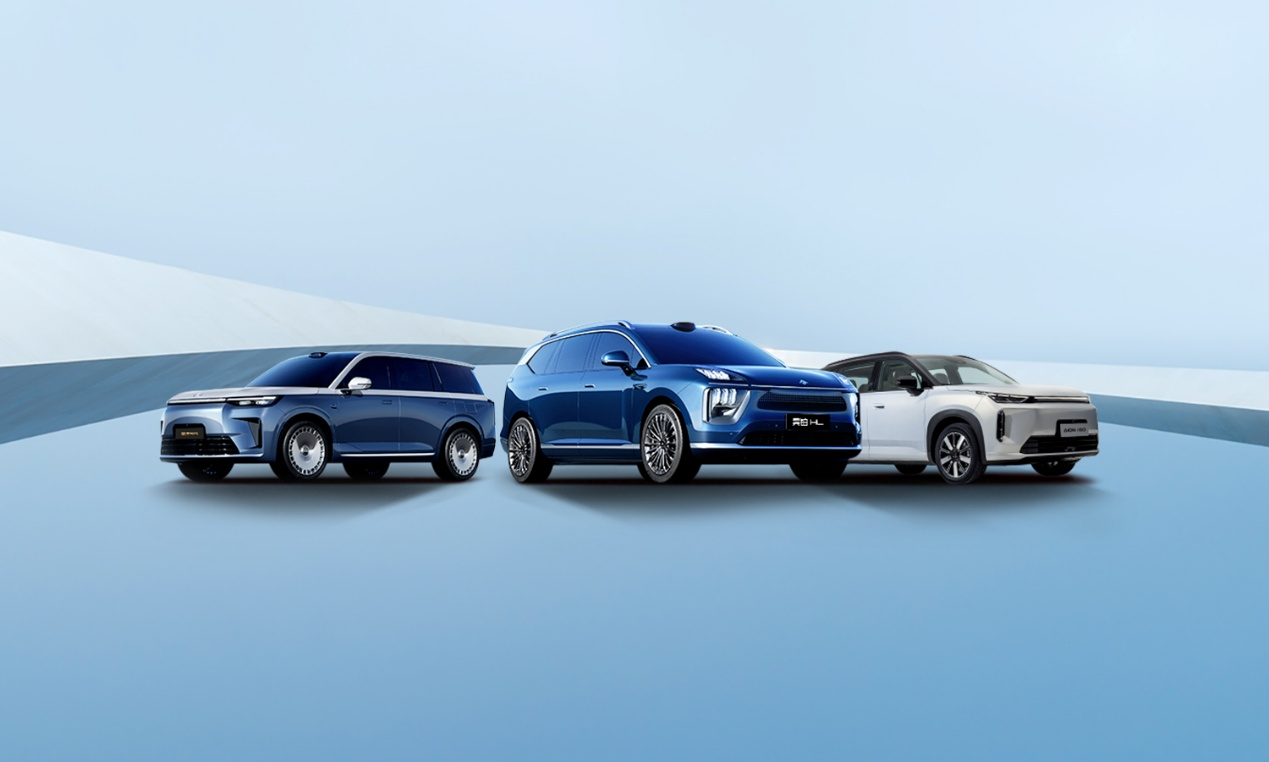
Group 1 - GAC Group reported December sales exceeding 187,400 vehicles, a month-on-month increase of 4.3%, with total sales for the fourth quarter surpassing 537,800 vehicles, marking three consecutive quarters of positive growth [1] - The company achieved nearly 130,000 units in overseas sales for the year, representing a year-on-year growth of 47% [1] - Total annual sales reached 1.7215 million vehicles, with terminal sales at 1.8135 million vehicles [1] Group 2 - In 2025, GAC Group is focusing on the "Panyu Action" integrated reform, transforming traditional organizational structures into process-oriented ones driven by user demand [3] - The company has made significant advancements in product innovation, technology, and international expansion, contributing to sustained sales growth [3] - The new ADiGO GSD intelligent driving assistance system covers 99.9% of road scenarios, enhancing daily travel experiences [3] Group 3 - GAC Group has established a pilot production line for solid-state batteries, achieving production capabilities for automotive-grade batteries over 60Ah [4] - The GOVY AirCab flying car has completed prototype delivery, garnering nearly 2,000 intent orders [4] Group 4 - GAC Toyota's transition to new energy is showing results, with the self-developed strategic model, the Platinum Zhi 3X, selling 83,025 units [6] - GAC Honda is focusing on core model upgrades, with the Accord series selling 166,442 units [6] - The Aion i60 has surpassed cumulative sales of 20,000 units, while the GAC Trumpchi M8 series has reached 480,000 units sold [6] Group 5 - GAC Group is actively expanding its overseas market presence with the "One GAC 2.0" strategy, introducing five new models and entering 16 new markets [7] - The company has established five KD factories in Nigeria, Thailand, Malaysia, Indonesia, and Cambodia, enhancing its global operational capabilities [7] Group 6 - GAC Group is building a robust industrial ecosystem, including the establishment of a V2G microgrid and over 23,000 self-operated charging piles, leading the industry in high-voltage fast charging stations [9] - The company is collaborating with Huawei to create a high-end smart electric vehicle brand, with plans to launch the first model by June 2026 [9] - GAC has signed a comprehensive AI strategic cooperation agreement with Alibaba Cloud to enhance the automotive industry's infrastructure [9]

山东宁津:电梯特色产业转型“智造”攀新高
Xin Hua Wang· 2026-01-12 00:27
Core Insights - The elevator industry in Ningjin County, Shandong, has become a significant sector, with a market share exceeding 60% in the domestic market and an annual output value surpassing 7 billion yuan [1][2] - The county is focusing on smart transformation and upgrading of traditional manufacturing, aiming for the elevator equipment manufacturing cluster to be recognized as a distinctive industrial cluster in Shandong Province by 2025 [1] - The local power supply company has enhanced the electricity infrastructure to support industrial growth, including the operation of two 110 kV substations and the installation of over 280 kilometers of high and low voltage lines [1] Industry Development - Ningjin County has established a 1,000-acre elevator industrial park and a shared processing center for steel, producing over 3,000 varieties of elevator components [1] - The transition from component production to an industrial cluster and from manufacturing to intelligent manufacturing has been a key focus for the elevator industry [1] - The local power supply company offers value-added services such as energy consulting and comprehensive energy efficiency analysis, resulting in an average reduction of over 30% in overall energy consumption [1] Urban Integration - The county is promoting a "renovation + elevator" model, integrating elevator industry development with urban renewal [2] - The local power supply company has streamlined the electricity application process, reducing the time from application to connection to within three working days [2] - A significant portion of the Oriental Garden community has installed elevators, improving residents' quality of life by providing direct access to their homes [2]
于无声处听惊雷:起底全球汽车巨头起亚的韧性与反攻
汽车商业评论· 2026-01-11 23:06
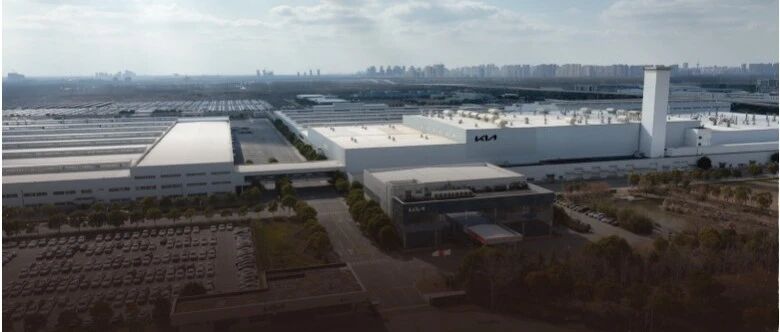
Core Viewpoint - The article discusses the competitive landscape of the Chinese automotive market, highlighting the rapid growth of domestic brands and the challenges faced by foreign and joint venture brands. It emphasizes the importance of adapting to market demands and leveraging established channels and experiences from foreign brands for successful expansion [4][5][33]. Group 1: Market Dynamics - The Chinese automotive market is currently experiencing a transitional phase, with domestic brands rapidly increasing their market share, projected to exceed 70% by 2025, compared to 50% in 2022 [4]. - Foreign and joint venture brands are seeing a decline in their market base, leading to a focus on maintaining their positions and refining their strategies for 2025 [4]. Group 2: Kia's Performance - Kia achieved a sales volume of 20,666 units in China in December 2025, with an annual total of 253,964 units, marking a 2.3% year-on-year increase [7]. - Globally, Kia's sales reached over 3.135 million units in 2025, a 2% increase, setting a record since its establishment in 1944 [7]. Group 3: Product Strategy - Kia's product strategy focuses on continuous innovation and alignment with market demands, launching new models such as the EV5 and updated versions of existing models to cater to diverse consumer needs [11][12][14]. - The company has invested 1.8 billion yuan in upgrading its smart manufacturing facility in Jiangsu, enhancing product quality and supporting its dual market strategy of domestic sales and exports [18]. Group 4: Brand and Marketing Transformation - Kia initiated a brand renewal plan in 2021, rebranding from "Kia Motors" to "Kia" to reshape consumer perceptions and enhance brand identity [20]. - The company has engaged in sports marketing, sponsoring events like the Australian Open and local sports teams to strengthen brand recognition and connect with consumers [22]. Group 5: Customer Engagement and Social Responsibility - Kia has achieved a customer satisfaction score of 799 in the J.D. Power 2025 China After-Sales Service Satisfaction Study, outperforming the average score of mainstream brands [25]. - The company has invested over 1.1 billion yuan in social responsibility initiatives, receiving recognition for its contributions to community development and environmental sustainability [25]. Group 6: Future Outlook - To maintain growth momentum, Kia plans to enhance its investment in the Chinese market, focusing on smart technology, new model launches, and deepening customer relationships through targeted marketing efforts [30][32]. - The company aims to introduce three new global models in China in 2026, including both fuel and electric vehicles, to meet evolving consumer preferences [32].
靖江新桥发力“高端装备制造城”
Xin Lang Cai Jing· 2026-01-11 21:21
Group 1 - The Yangzi Hongyuan shipbuilding project in Jingjiang is a major industrial project aimed at becoming a key base for the construction of green high-tech clean energy vessels for the Yangtze River Shipbuilding Group [1] - Jiangsu Hujin Roller Technology Co., Ltd. has relocated to the Feihuang Industrial Park and is focusing on producing new energy lithium battery separator rollers, with an order volume exceeding 50 million yuan and projected sales of over 40 million yuan by 2025 [1][2] - The New Bridge area is committed to developing four major industrial directions: advanced metal materials, petrochemical and environmental protection equipment, new energy equipment, and marine engineering equipment, aiming to cultivate four industrial clusters worth 100 billion yuan each [1][2] Group 2 - New Bridge has set a development goal to double industrial invoicing to over 30 billion yuan by 2025, leveraging strategies such as strengthening supply chains and project breakthroughs [2] - The New Bridge Industrial Park is nurturing vibrant enterprises like Hujin Roller, with 50 companies expected to enter the "four above" cultivation database by 2025, including 16 new large-scale industrial enterprises [2][3] - The New Bridge area is focusing on building four characteristic industrial chains, with 42 enterprises in the Feihuang Industrial Park expected to generate a total output value of 600 million yuan by 2025 [3] Group 3 - The New Bridge area is enhancing its business environment and public services, providing comprehensive support for enterprises, including rapid project initiation and technical collaboration with universities [4] - The area is preparing for an influx of 9,000 jobs due to the Yangzi Hongyuan project by planning a shipbuilding town and providing various employee support services [4] - The industrial ecosystem in New Bridge is maturing, with a focus on innovation and collaboration among enterprises, leading to clearer outlines of four 100 billion yuan industrial clusters [5]
云铜锌业:绿色智能赋能产业跃升
Xin Lang Cai Jing· 2026-01-11 20:19
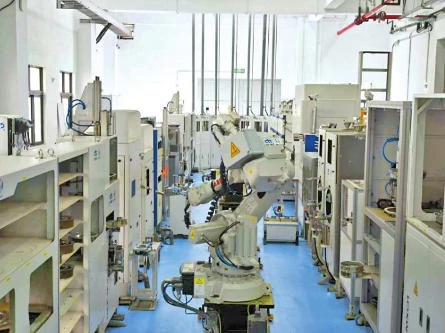
智慧实验室内,机械臂与自动化设备 协同作业。本报记者 杨抒燕 摄 没有传统实验室里工作人员的身影,只有管道的低鸣与机械臂的精准舞动。在云铜锌业"智慧实验 室"里,样品通过密闭管道从生产现场自动送达,机器人手臂随即抓取、制备、分析,最终数据直达管 理系统。在这个锌冶炼行业首创的"智慧实验室"里,从风动送样到出结果,全流程无人化操作。这智慧 高效的场景,正是观察中国铜业旗下铅锌产业跃升、锻造新质生产力的一个独特窗口。 "十四五"期间,中国铜业以全产业链思维精耕细作,构建现代化产业体系。在铅锌产业领域,中国铜业 铅锌资源、矿山、冶炼、原生锗规模均位列国内前三,在全产业链上具有强大竞争力,更独具铅锌锗协 同发展的差异化优势,综合实力位居国内第一。其中,在铅锌资源端已形成国内外"3+1"(西南、东 北、西北3个国内重点区域,1个海外资源基地)的产业布局。 转自:云南日报 云铜锌业搬迁项目的落地见效,为铅锌产业跃迁提供了坚实支撑。云铜锌业搬迁安宁升级项目占地488 亩,总投资约21亿元,设计年产锌锭15万吨、硫酸24万吨,并综合回收银、铜、铟等高价值金属。项目 建设进程高效:从2023年9月进场清表,到2025年5月21 ...
增强制造业对经济大局的支撑力
Xin Lang Cai Jing· 2026-01-11 20:19
Core Viewpoint - The manufacturing industry is essential for national economic stability and security, and its development is crucial for enhancing competitiveness and ensuring economic autonomy [1]. Group 1: Manufacturing Industry's Role in Economic Stability - The stability of the manufacturing sector is vital for maintaining stable investment in the real economy, acting as a key driver for effective investment growth and structural optimization [2]. - In the first eleven months of 2025, despite overall investment pressures, industrial investment in China grew by 4.0% year-on-year, with manufacturing investment increasing by 1.9% [2]. - High-tech manufacturing industries saw a value-added increase of 9.2% year-on-year, indicating strong growth momentum and positioning as a core engine for economic growth [2]. Group 2: Manufacturing's Impact on Foreign Trade - A robust manufacturing sector underpins China's foreign trade competitiveness, with exports of electromechanical products reaching 12.07 trillion yuan in the first three quarters of 2025, a growth of 9.6% [3]. - High-tech product exports, including electronic information and high-end equipment, grew by 8.1% and 22.4% respectively, showcasing the innovation and competitive strength of China's manufacturing [3]. Group 3: Fiscal Stability and Public Spending - Manufacturing contributes approximately 30% to national tax revenue, highlighting its foundational role in supporting fiscal operations [4]. - A healthy manufacturing sector provides stable tax revenue, enabling government capacity for counter-cyclical adjustments and social development initiatives [4]. Group 4: Strategic Directions for Manufacturing - The manufacturing sector is transitioning towards high-end, intelligent, and green development, as emphasized by national leadership [4]. - The "14th Five-Year Plan" calls for promoting intelligent manufacturing and green production, aiming to strengthen the sector's role in the economy [4]. Group 5: High-End Development - Enhancing manufacturing high-end capabilities is crucial for driving investment and export growth, focusing on technology upgrades and product quality [5]. - The shift from price competition to quality competition is essential for strengthening foreign trade competitiveness [5]. Group 6: Intelligent Manufacturing - Promoting intelligent manufacturing can significantly improve operational efficiency and resilience, providing a solid foundation for macroeconomic stability [7]. - Implementing automation and smart systems in traditional manufacturing can enhance production efficiency and resource utilization [7]. Group 7: Green Development - Green development is integral to high-quality growth, with a focus on integrating sustainability into manufacturing processes [8]. - Engaging in international green standards and fostering green technology innovation can create new market demands and growth opportunities [8].
汽车及汽车零部件行业周报:2026年“两新”政策落地,有望带动需求稳步向上-20260111
SINOLINK SECURITIES· 2026-01-11 15:10
Group 1 - The investment rating for the automotive industry is positive, with expectations for steady demand growth driven by the implementation of the "Two New" policy in 2026 [1][12][14] - The core viewpoint emphasizes that the subsidy policy has shifted from fixed amounts to a percentage of the vehicle price, which is expected to benefit high-end vehicles while putting pressure on low-priced cars [1][14] - The report anticipates a marginal recovery in sales growth in Q1 2026, with an upward revision of the annual domestic sales growth forecast to -2% [1][14][16] Group 2 - The report highlights opportunities in themes such as smart technology and overseas expansion, with passenger car exports maintaining a growth rate of over 20% year-on-year [2][17] - Key companies to watch include BYD, Geely, and Li Auto in the automotive sector, and Horizon Robotics and Top Group in the smart technology and robotics sectors [2][22] - The report notes that the export volume of passenger cars is expected to maintain double-digit growth in 2026, driven by recovering demand in markets like Russia and the increasing penetration of fuel and new energy vehicles [2][17] Group 3 - The automotive market saw a wholesale sales volume of 1.457 million units in the last week of December 2025, with a year-on-year increase of 5%, while new energy vehicles accounted for 772,000 units, up 22% year-on-year [4][31] - In December 2025, the total wholesale sales volume was 2.759 million units, down 10% year-on-year, with new energy vehicles at 1.554 million units, showing a 3% increase [4][31] - The retail sales data for December 2025 indicated a total of 2.296 million units sold, down 13% year-on-year, while new energy vehicles saw a 7% increase in retail sales [4][31][46]



有色金属“开门红”,公募扎堆推新,机遇还是风险?
Di Yi Cai Jing· 2026-01-11 13:13
Core Viewpoint - The outlook for non-ferrous metals remains optimistic for 2026, with expectations of continued price increases driven by macroeconomic factors and supply-demand dynamics, despite concerns about high valuations and potential risks in the market [1][2][5]. Group 1: Market Performance and Trends - The non-ferrous metals sector has shown strong performance, with the China Nonferrous Metals Index rising over 8% since the beginning of the year, reaching a historical high of 3369 points on January 9 [1]. - In 2025, the China Nonferrous Metals Index recorded a cumulative increase of 91.67%, with leading stocks like Luoyang Molybdenum and Jiangxi Copper seeing price increases of 200.7% and 166% respectively [2]. - The futures market also reflected this trend, with LME copper futures prices increasing by over 40% in 2025, and LME tin and aluminum rising by 39% and 17% respectively [2]. Group 2: Investment Opportunities - Analysts suggest that the demand for metals such as copper and aluminum will continue to rise due to increased global electricity construction and investment in power infrastructure, which is expected to outpace GDP growth [2][6]. - The electric aluminum sector is anticipated to mirror the coal market's performance from 2022 to 2024, with limited supply and high dividend yields making it attractive for value investors [3]. - The ongoing macroeconomic environment, including potential interest rate cuts by the Federal Reserve, is expected to create a favorable backdrop for both precious and non-ferrous metals [6]. Group 3: Institutional Activity and Caution - There has been a surge in public fund applications for non-ferrous metal-themed ETFs, indicating strong institutional interest in the sector [4]. - Despite the positive sentiment, there is a growing caution among market participants regarding high valuations, with the price-to-book ratio of the non-ferrous sector rising from 2 to approximately 3.5 [6]. - Analysts recommend a balanced approach, advising against blindly chasing high valuations while recognizing the ongoing demand and investment opportunities in the sector [6][7].