长期主义

Search documents
柠萌影视(09857):星柠文化制作的短剧《东北爱情往事:闪婚玫瑰》累计播放量突破10亿次大关
智通财经网· 2025-10-27 04:07
Core Viewpoint - The short drama "Northeast Love Story: Flash Marriage Rose," produced by Xingning Culture under Ningmeng Film and Television, has achieved over 1 billion views, with 300 million views within the first three days of its release, highlighting the project's rapid success in a competitive short drama market [1] Company Summary - Xingning Culture, a short drama brand under Ningmeng Film and Television, has successfully applied the high-quality production principles from long-form content to short dramas, demonstrating a commitment to excellence in script refinement, actor performance, and scene restoration [1] - The production team emphasizes a strong sense of era, detailed character portrayal, and profound emotional expression, proving that short dramas can address serious contemporary issues and convey deep cultural concerns [1] Industry Summary - The short drama market is becoming increasingly competitive, yet the success of "Northeast Love Story: Flash Marriage Rose" indicates that high-quality production and genuine emotional storytelling can lead to significant viewer engagement and popularity [1]
欣旺达动力王华文:坚守长期主义,以价值竞争穿越产业周期
Huan Qiu Wang· 2025-10-27 03:26
Core Insights - The core competitive advantage of the company lies in its ability to produce over a million batteries annually with zero defects, which is deeply integrated into the daily operations of its 70,000 employees [1][3] - The company reported a significant increase in battery shipments, reaching 16.08 GWh in the first half of 2025, representing a year-on-year growth of 93.4% [3] - The company emphasizes long-term value creation over price competition, focusing on high-end positioning, quality, and innovation [4][5] Industry Trends - The Chinese power battery industry is experiencing rapid growth, with a cumulative installation volume of 493.9 GWh from January to September 2025, reflecting a year-on-year increase of 42.5% [4] - The industry is shifting towards high safety and high energy density technologies, with solid-state batteries becoming a key focus for research and development [4][5] Research and Development - The company invested 1.924 billion yuan in R&D in the first half of 2025, marking a year-on-year increase of 35.23% [4] - The company has been developing solid-state battery technology since 2015 and recently launched a new generation polymer all-solid-state battery with an energy density of 400 Wh/kg and a cycle life of 1200 weeks under low pressure [4][5] Strategic Initiatives - The company is transitioning from a product-focused approach to an ecosystem-oriented strategy, emphasizing deep participation across the entire industry chain and lifecycle quality management [6][7] - A joint venture with Li Auto was established to produce lithium-ion batteries for electric vehicles, reflecting a deeper collaboration and value creation between the two companies [7] Global Expansion - The company is expanding its global presence by establishing manufacturing bases in countries like Thailand, Hungary, and Morocco, focusing on compliance management and local ecosystem development [7][8] - The global strategy is not merely about capacity output but involves a comprehensive restructuring around user experience and sustainable value [8]


银华基金和玮:知行合一 将持有人体验放在首位
Zhong Guo Zheng Quan Bao· 2025-10-27 01:01
Core Viewpoint - The ideal product for investors is one that they occasionally remember but mostly forget, emphasizing a focus on risk-reward ratio and client experience over extreme rankings and market noise [1]. Group 1: Investment Philosophy - The investment philosophy is shaped by years of managing large funds, focusing on safety margins and long-termism, aiming for steady returns rather than just high net value [1][4]. - The approach includes a "macro long-term perspective" combined with "mid-level industry analysis" to identify promising sectors and validate them through thorough research [5][9]. - Emphasis is placed on the importance of valuation, considering static and dynamic return on equity (ROE) and being cautious of seemingly low price-to-earnings ratios during industry peaks [5][6]. Group 2: Market Insights - The manager has a positive long-term outlook on A-shares, believing they were significantly undervalued as of August last year, driven by China's manufacturing and technological advancements [9]. - The focus on non-ferrous metals is based on the long-term outlook of the declining dollar credit system, identifying resource commodities as beneficial [9][10]. - The demand for gold remains strong due to its status as a preferred reserve asset for central banks, which supports its long-term price strength [9]. Group 3: Risk Management - The investment strategy includes a cautious approach to technology stocks, drawing parallels between the current AI wave and the 2000 internet bubble, highlighting the risks associated with financing environments [10]. - The manager maintains a low exposure to certain tech assets while focusing on other sectors to provide steady returns and reduce unnecessary volatility [10].

银华基金和玮: 知行合一 将持有人体验放在首位
Zhong Guo Zheng Quan Bao· 2025-10-26 21:13
Core Viewpoint - The ideal investment product is one that investors occasionally remember but mostly forget, focusing on risk-reward ratio and client experience rather than extreme rankings or market hype [1] Group 1: Investment Philosophy - The investment philosophy emphasizes a long-term perspective, prioritizing safety margins and a steady return over time [1][2] - The manager's experience with large funds has shaped a calm and steady investment approach, particularly during market volatility [2] - The focus is on fundamental value assessment rather than short-term emotional trading, with a preference for "left-side" and "contrarian" investment strategies [2] Group 2: Investment Strategy - The investment strategy has shifted towards longer holding periods, with a focus on identifying industries with long-term potential and verifying them through macro and industry analysis [3] - Valuation is a critical factor in determining risk-reward ratios, with an emphasis on static and dynamic return on equity (ROE) assessments [3][4] - The manager avoids high valuation and crowded trades to reduce portfolio volatility [3] Group 3: Market Outlook - The manager holds a positive long-term view on the A-share market, believing it to be undervalued and resilient against external disturbances [7] - There is a strong focus on the non-ferrous metals sector, driven by a long-term outlook on the decline of the dollar credit system [7][8] - Demand for gold remains robust due to its status as a preferred reserve asset for central banks, providing long-term support for gold prices [7] Group 4: Sector Analysis - Copper and aluminum are highlighted as metals closely linked to the growth of new energy sectors, with increasing demand and constrained supply [8] - The manager expresses caution regarding certain technology stocks, drawing parallels between the current AI wave and the 2000 internet bubble, emphasizing the risks associated with financing environments [8][9] - The strategy involves maintaining a lower exposure to high-risk tech assets while focusing on other sectors to provide stable returns and minimize volatility [9]
知行合一 将持有人体验放在首位
Zhong Guo Zheng Quan Bao· 2025-10-26 21:06
Core Viewpoint - The ideal product for investors is one that they occasionally remember but mostly forget, focusing on risk-reward ratio and client experience rather than extreme rankings or market hype [1][4] Investment Philosophy - The investment philosophy emphasizes a long-term perspective, prioritizing safety margins and a steady return over time, rather than just achieving high net asset values [1][3] - The manager's experience with large fund management has shaped a calm and steady investment approach, especially during market volatility [1][2] Market Approach - The manager adopts a "left-side" and "contrarian" investment strategy due to the challenges of managing large funds, focusing on long-term value rather than short-term market emotions [2][3] - A macro-long-term perspective combined with mid-level industry analysis is used to identify promising sectors, ensuring a robust decision-making framework [2][3] Valuation Focus - Valuation is critical in determining risk-reward ratios, with an emphasis on static and dynamic return on equity (ROE) assessments and caution against seemingly low price-to-earnings ratios during industry peaks [2][3] Sector Insights - The manager has a positive long-term outlook on the A-share market, believing it to be undervalued, supported by China's manufacturing and technological advancements [4][5] - The focus on non-ferrous metals is driven by a long-term view on the decline of the dollar's credit system, identifying resource commodities as beneficial investments [5][6] Technology Sector Caution - The manager remains cautious about certain technology stocks, drawing parallels between the current AI wave and the 2000 internet bubble, highlighting risks associated with financing environments [6]
日本不少领域依然强得可怕,遥遥领先我们,原因就“四个字”
Xin Lang Cai Jing· 2025-10-26 08:18
Core Insights - Japan's strength lies not in overwhelming superiority but in meticulous attention to detail and long-term commitment to niche markets [1][5][13] - The country excels in specific sectors such as semiconductor materials and precision machinery, where it holds significant global market shares [3][5] Industry Analysis - Japan supplies 70% of the world's photoresist, a critical chemical for chip manufacturing, due to its high purity and stability [3] - Japanese companies like Fanuc and Yamazaki Mazak focus on precision machine tools, with 70% of global precision machinery incorporating Japanese technology [3] - The "craftsmanship spirit" in Japan is a survival strategy, emphasizing irreplaceability over scale [5] Healthcare Sector - Japan boasts a high life expectancy of 84 years, attributed to comprehensive health management rather than individual medical prowess [5][7] - Preventive healthcare measures include early education on hygiene and regular health screenings, leading to fewer chronic diseases and misdiagnoses [7] Waste Management - Japan's rigorous waste separation system, requiring households to categorize waste into seven types, results in over 90% of waste being recycled [7][9] - The effectiveness of this system is supported by advanced recycling technologies and strong civic awareness [9] Technological Development - Japan has been investing in hydrogen energy since the 1990s, with Toyota's hydrogen fuel cell vehicles taking years to break even, contrasting with the rapid expectations in other markets [9][11] - The maturity of the anime industry in Japan is due to a well-established production chain, from scriptwriting to licensing [11] Business Philosophy - Many Japanese companies prioritize long-term brand building over quick profits, with a focus on family-run businesses that avoid expansion and public listings [11][13] - The contrast with other markets is evident, where companies often chase quick returns and speculative ventures instead of investing in sustainable growth [13][15] Conclusion - The real gap in competitiveness is found in the dedication to detail and sustained effort in less glamorous areas, rather than in flashy innovations [15][16] - Japan's approach emphasizes the importance of gradual progress and patience in achieving technological and industrial advancements [16]

十年笃行,共赢致远 | 中海物业上市十周年发展论坛在深举行
Sou Hu Cai Jing· 2025-10-24 07:02
Core Viewpoint - The forum celebrated the 10th anniversary of China Overseas Property, highlighting its significant growth and transformation into a benchmark enterprise in the property management industry, driven by refined management and high-quality services [1][5][9]. Group 1: Leadership Insights - The leadership emphasized the importance of high-quality living standards and the shift in property services from basic management to value-driven services, aiming to enhance the quality of life for citizens [5][7]. - The company aims to innovate in management, technology, and operational models to support high-quality industry development and enhance service capabilities through systematic and standardized service solutions [7][12]. - The past decade was characterized by a transformation from a closed market to an open one, focusing on urban services and high-quality development, while integrating technology into operations [11][12]. Group 2: Market Position and Future Strategy - The company has successfully transitioned from a regular property management firm to a publicly listed benchmark company, creating a trusted brand in the industry [9][11]. - The future strategy includes becoming a comprehensive urban space operator, focusing on service value, technological integration, and sustainable development [12][20]. - The company aims to leverage its resources and strategic support from China State Construction and China Overseas Group to enhance its market position and long-term value creation [18]. Group 3: Financial Performance - Over the past decade, the company's market value increased from over 3 billion HKD to over 16 billion HKD, with a compound annual growth rate of 17% [18]. - The company is recognized for its stable cash flow and light asset model, which are crucial for long-term value in the property management sector [18]. Group 4: New Initiatives - The launch of the "4+6+N" full lifecycle product system aims to enhance community governance and integrate quality resources for better urban management [20]. - The introduction of the "Qianyi Collective Procurement" platform is designed to strengthen the core competitiveness of urban operations and improve service quality in the industry [23].

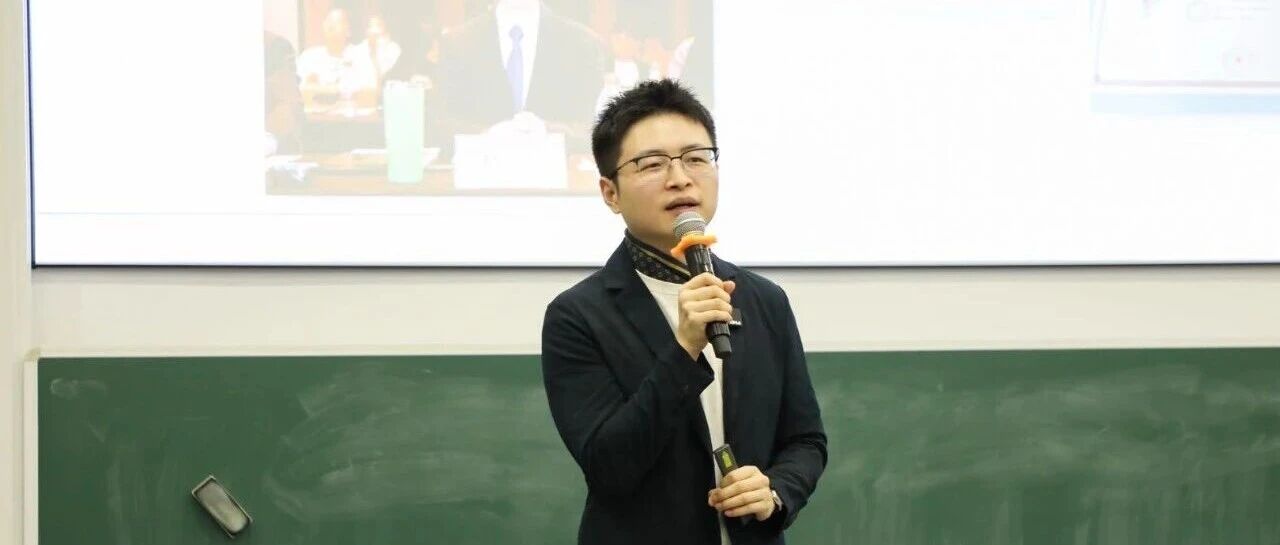
大学讲堂| 杜雨博士华东师范大学MBA授课实录: AI时代职业突围指南
未可知人工智能研究院· 2025-10-24 03:02
Core Insights - The article emphasizes the necessity for professionals to adapt to the rapid advancements in AI technology, questioning the sustainability of their current expertise in the evolving job market [1][3]. Opportunities - AI is reshaping industries, and early adopters are reaping significant benefits. It is not a matter of choice but a necessity, as AI acts as a "restructuring hammer" impacting all sectors [5]. - AI enhances quality in smart manufacturing, efficiency in financial technology, breakthroughs in healthcare, and redefines experiences in education and training [6]. - Understanding how to leverage AI within one's industry equates to obtaining a "ticket" for career advancement, while those who lag may miss out entirely [8]. Challenges - The job market is undergoing a significant transformation, and failure to keep pace with AI advancements may lead to obsolescence. AI is disrupting traditional job roles, particularly those reliant on repetitive tasks [9][10]. - The competition in the workplace is shifting from a focus on singular skills to a demand for comprehensive abilities and innovative thinking. Those clinging to outdated methods will quickly fall behind [11][12]. Key Strategies for Career Advancement - **Cognitive Upgrade**: The essence of an MBA is a way of thinking. In the AI era, upgrading cognitive frameworks is crucial for achieving career breakthroughs and developing unique core competencies [12]. - **Equity Thinking**: Emphasizing long-termism in career development, akin to investment principles, is vital for navigating industry cycles [14]. - **Reverse Thinking**: Identifying opportunities in emotional blind spots created by AI's data processing capabilities can provide a competitive edge [15]. - **Risk Thinking**: Redefining risk as permanent loss rather than mere volatility shifts focus to capital preservation and sustainable survival [16][17]. - **Compound Thinking**: Emphasizing continuous accumulation of skills and knowledge leads to exponential career growth, contrasting with the linear growth of short-term efforts [18][21]. - **Leverage Thinking**: Utilizing AI as a leverage tool can amplify personal value and capabilities [22][25]. - **Brand Thinking**: In the age of AI, establishing a unique personal brand and influence is essential for standing out in a crowded job market [28]. - **Downhill Thinking**: Setting clear goals and creating diverse paths to achieve them is more effective than relying on predetermined routes [31]. - **Time Investment Thinking**: Managing time strategically to maximize efficiency is crucial in the AI era [35]. - **Lego Thinking**: The ability to deconstruct goals and efficiently assemble resources is key to success in a rapidly changing environment [38]. Actionable Guidelines - Professionals should adopt a mindset of continuous learning and humility, regularly acknowledging gaps in knowledge [47]. - Embracing change and breaking routine can foster innovation and adaptability [48]. - Building relationships across generations can enhance knowledge exchange and perspective [49]. - Long-term vision in decision-making is essential for sustainable career growth [50]. - Taking breaks can enhance productivity and creativity [51]. - Timely action on new ideas is critical to prevent loss of momentum [52]. - Establishing small, manageable habits can lead to significant long-term changes [53]. - Persistence in the face of challenges often leads to success [54]. - Learning probability and statistics can better equip professionals to handle uncertainty [56]. - Cultivating gratitude and positive relationships can enhance personal and professional opportunities [55]. Mastering AI - The essence of competition in the AI landscape is time management. Mastery of AI tools allows professionals to reclaim time, focusing on creative and strategic tasks, thus gaining a competitive advantage in career development [56].
人大金融学教授郑志刚:讲好故事、兑现故事,科技企业才能赢得资本市场信任
Xin Lang Cai Jing· 2025-10-23 03:04
技术的兴起正深刻重塑金融的形态与边界,科技与金融的融合,不仅推动了金融领域的技术 更新,金融也为科技创新提供着有力的服务,为实体经济中的前沿探索源源不断地输送"活 水"。二者的双向互动正在拓展"科技金融"的边界,催生出一系列新趋势、新模式与新生 态。 在此背景下,新浪财经推出《科技金融Talk》系列访谈,深度对话金融机构高管、行业专家 与一线从业者,探寻科技金融的真实落地路径与未来可能性。本期《科技金融Talk》对话中 国人民大学财经金融学院教授郑志刚,作为国内资本市场与公司治理领域的知名学者,郑志 刚长期关注金融体系改革、资本市场机制建设及企业治理实践。 减少投融双方信息不对称,重视公司制度建设 在本期对谈中,郑志刚指出,金融机构对高科技企业的业务模式、成长前景、盈利能力往往 了解不够深,风险定价就会偏保守。要解决这个问题,核心是想办法减少信息不对称。 他提到,企业在资本市场上讲故事,就是缓解信息不对称的一个办法。但是,真正好的"讲 故事",应该是一个持续兑现的过程:讲一个故事、兑现一个故事,再讲新的故事、继续兑 现。通过良性循环,企业才能在投资者心中树立"故事靠谱"的形象,积累声誉。 "一个健康的高科技企 ...

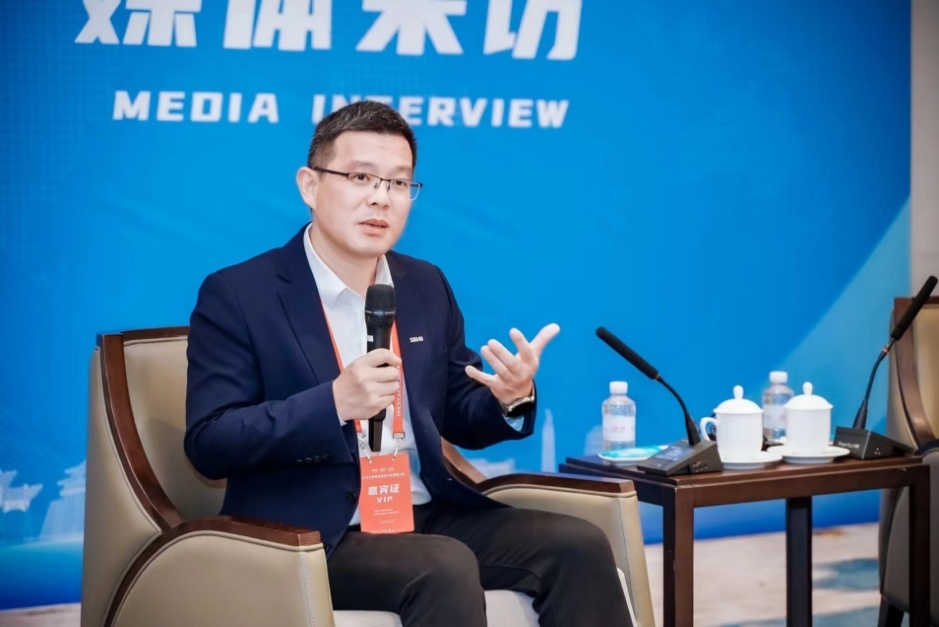
稳健医疗董事长、全棉时代创始人李建全:坚持长期主义 迈向品牌出海新征程
Zhong Guo Zheng Quan Bao· 2025-10-23 00:43
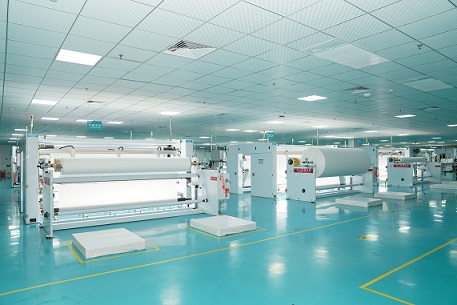
Core Viewpoint - The company, Steady Medical, is transitioning from product export to brand export, aiming to establish itself as a leading global health enterprise through high-quality products and operational excellence [1][9]. Company Development - Founded in 1991 by Li Jianquan, Steady Medical has evolved from a medical dressing exporter to a dual-driven health enterprise combining medical and consumer goods [1][4]. - The company initially focused on medical dressings, establishing its own brand "Winner Steady Medical" after starting as an OEM for foreign brands [4][6]. - In 2009, the company launched "Cotton Era," aiming to innovate from medical-grade products to consumer goods, despite facing initial losses of nearly 200 million yuan in the first four years [5][6]. Innovation and Product Quality - Steady Medical emphasizes product quality and innovation, having invested over 500 tons of cotton to develop a cotton-based non-woven fabric technology that simplifies production and addresses industry pain points [4][5]. - The company has established a dual business model of medical and consumer products, leveraging the same supply chain and technology standards for synergy [7][8]. Financial Performance - In the first half of 2025, Steady Medical achieved a revenue of 5.296 billion yuan, a year-on-year increase of 31.31%, with a net profit of 492 million yuan, up 28.07% [8]. - The medical segment generated 2.52 billion yuan in revenue, growing 46.4%, while the Cotton Era brand achieved 2.75 billion yuan, a 20.3% increase [8]. Global Expansion and M&A - The company is shifting towards brand export, highlighted by the acquisition of a 75.2% stake in the U.S. medical consumables company GRI for 120 million USD, which is expected to enhance its global strategy [9][10]. - In the first half of 2025, overseas sales reached 1.43 billion yuan, marking an 81.3% increase, with products sold in over 110 countries [9][10]. Future Strategy - Steady Medical plans to convert 90% of its overseas medical business to proprietary brands, moving away from OEM production, while Cotton Era will focus on establishing a strong domestic presence before expanding internationally [10].