价值投资

Search documents
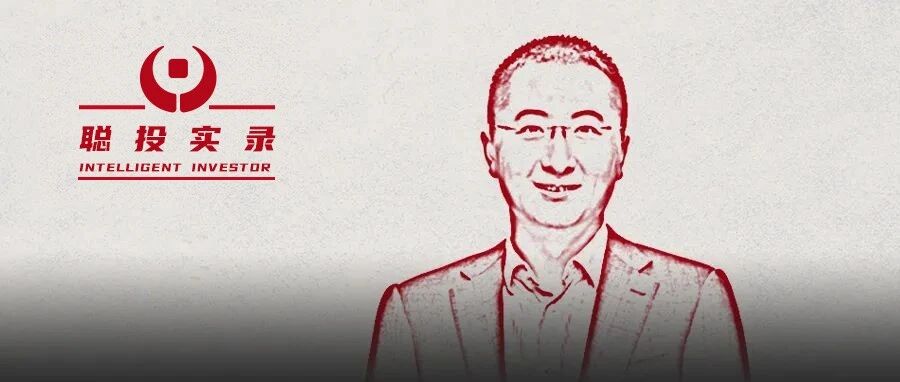
下阶段A股主要矛盾是基本面!中泰姜诚近期交流:知识要挑难的学,投资决策要挑简单的做
聪明投资者· 2025-12-04 07:03
Core Viewpoint - Value investment is not limited to stocks; any asset that generates cash returns can be evaluated using value investment principles [12][18]. Group 1: Market Analysis - The main contradiction in the A-share market is the fundamentals, requiring attention to both short-term and long-term developments [18][20]. - The worst situation for A-share fundamentals has already passed, with the lowest point occurring in the second half of last year [19]. - Current A-share market valuation is not the primary issue, as the absolute level of valuation has not changed significantly despite fluctuations in stock prices [19][20]. Group 2: Investment Performance - The performance of investment products managed by Jiang Cheng has been relatively flat this year, with a year-to-date return of 8.15% for the Zhongtai Xingyuan fund [4][5]. - Despite a challenging third quarter, the cumulative returns of Jiang Cheng's products remain robust, with the Zhongtai Xingyuan fund still showing positive absolute returns [7][8]. Group 3: Sector Insights - In the banking sector, while profit growth is modest, the improvement in net interest margins is noteworthy, with most banks showing a halt in the decline of their margins [20][21]. - The real estate sector is under scrutiny, with a focus on the profitability of land acquired by major developers, which currently shows optimistic profit margins [23][30]. Group 4: AI Investment Perspective - A significant amount of research has been dedicated to artificial intelligence, with 95% of recent efforts focused on this area [10][25]. - The current market conditions for AI-related investments are uncertain, with concerns about whether the high valuations are justified [25][26]. Group 5: Investment Philosophy - The essence of value assessment is the present value of future cash returns, emphasizing the importance of sustainable competitive advantages and business models [13][15]. - Avoiding mistakes is prioritized over seeking correctness in investment decisions, highlighting a cautious approach to risk management [17][18].

红利国企ETF(510720)近10日净流入超3.4亿元,市场关注高股息资产防御价值
Mei Ri Jing Ji Xin Wen· 2025-12-04 06:36
Group 1 - The coal industry fundamentals are driven by winter storage replenishment and a decline in raw coal supply, with coal companies generally exhibiting strong cash flow [1] - Leading coal enterprises maintain high dividend yields, making them resilient dividend allocation choices [1] - The banking sector's net interest margin is stabilizing, with declining liability costs helping to alleviate pressure on asset-side yields, attracting allocation funds into high-dividend stocks [1] Group 2 - The Red Chip ETF (510720) tracks the Red Chip Dividend Index (000151), which selects stocks with high dividend characteristics and stable dividend performance, primarily covering traditional sectors such as finance, energy, and industry [1] - The index reflects the characteristics of value investment strategies, focusing on stable returns and long-term dividends [1] - There is an increasing market focus on high-dividend, low-volatility assets, with dividend assets demonstrating good stability, and a positive outlook for dividend market resilience towards year-end [1]
严格限购、密集分红,年底临近基金经理为何纷纷严控规模?
Sou Hu Cai Jing· 2025-12-04 03:17
Group 1 - The core point of the article highlights the recent changes in public fund operations, particularly the trend of limiting large subscriptions and implementing dividend distributions as a strategy to protect existing investors' interests [1][8] - On December 2, E Fund announced the suspension of subscription and conversion for institutional clients before its dividend distribution, which is a common practice to prevent dilution of existing shareholders' interests [1] - As of December 4, a total of 3,364 funds have implemented dividends this year, with a total distribution amounting to approximately 2,155.17 billion yuan [2] Group 2 - Twelve funds have distributed over 1 billion yuan in dividends this year, with seven being passive index equity funds, indicating a significant trend in the market [7] - Some high-performing funds have also limited daily subscription amounts, reflecting a shift from a focus on scale to prioritizing performance and investor interests [8] - Fund managers express concerns about rapid scale expansion due to large inflows, which complicates management and trading, emphasizing the importance of maintaining effective strategies over merely increasing fund size [8] Group 3 - The end of the year is seen as a critical period for asset rebalancing, with institutions potentially shifting towards high-dividend stocks to lock in annual returns [9] - Market analysts suggest that the current market conditions may favor sectors such as non-bank financials, metals, machinery, construction materials, banking, and tourism [8][10] - There is a focus on technology sectors, with expectations of adjustments and potential rebounds, particularly in areas supported by strong performance and favorable policies [10]

港投公司:2024年录得22.52亿港元营运利润 已投资超过150个项目
智通财经网· 2025-12-04 02:46
陈家齐指,港投公司是坚持长期投资、价值投资、责任投资的专业机构投资者。秉持全球视野,加强在 区域和国际市场上发挥影响力,贡献国家发展,说好香港故事,助力构筑互利共赢的市场规则和投资格 局。 同时,透过构建港投公司生态圈,汇聚香港本地及海外公私营界别的资源和智慧,助力转型、重塑、定 义香港产业、经济和金融发展的新优势。将持续拓展策略布局、深化投资伙伴关係,配合国家的发展战 略和香港长远的繁荣发展需要。 运营方面,截至2024年12月31日,港投公司总资产规模640.07亿港元,已投入项目的资金占不到初始资 金规模的1/5,实现投资收入23.45亿港元,营运开支仅0.93亿港元,最终录得22.52亿港元的营运利润。 港投公司行政总裁陈家齐表示,截至2024年年底,港投公司已投入项目的资金占初始资金规模的少于五 分之一,已录得23亿港元投资收入。按照"先博后深"、"循序渐进"的投资策略,旨在为香港在抢占先 机、争取区域和国际话语权、以及投资风险管控等因素之间,取得合理平衡,兼具财务和战略价值的维 度。 在2024年奠下的基础上,于2025年已进一步深耕和推进,包括按原定计划,对达到发展和表现标准的企 业,投入更多资 ...
账户数字跳动就心慌?别把股票市值当存款,这是痛苦根源
Sou Hu Cai Jing· 2025-12-03 22:33
Market Overview - The Hong Kong stock market, represented by the Hang Seng Index, fell by 1.28%, with technology stocks being particularly affected [1] - The A-share market also experienced declines, with over 3,800 stocks dropping and the ChiNext Index falling by more than 1% [1] - Despite the overall market downturn, the "cultured diamond" sector surged over 6%, attributed to an upcoming industry conference and increasing applications for synthetic diamonds [1] - Coal and airport shipping sectors remained stable, indicating a potential safe-haven investment [1] - Previously popular sectors like AI and gaming media saw significant declines, highlighting the volatility in market trends [1] Investment Insights - Investors are cautioned against equating stock market valuations with liquid cash, as market prices are influenced by emotional fluctuations rather than actual asset value [3][5] - Recognizing the difference between bank deposits, which are fixed and legally protected, and stock market valuations, which can be volatile and speculative, is crucial for sound investment decisions [5] - The focus should shift from short-term price movements to the underlying business performance and long-term value of the companies held in the portfolio [3][5] - The tendency to react to market fluctuations can lead to poor decision-making, such as selling during downturns or investing funds needed for immediate expenses into volatile stocks [5]
转向“震荡市思维” 债基基金经理策略生变
Zhong Guo Zheng Quan Bao· 2025-12-03 22:18
Core Viewpoint - The bond market is experiencing significant fluctuations due to a lack of clear trading direction and heightened market anxiety, particularly influenced by real estate credit risk events and rumors regarding bond fund redemption fee reforms [1][2][3]. Market Conditions - The bond market has shown increased volatility, with institutions exhibiting signs of redemption and stop-loss behavior. Although there was some recovery in the latter half of the week, mid- to short-term bonds performed poorly [1][2]. - The total number of bond funds has decreased, with a reported decline of 1,338.91 million units and a total scale reduction of 1,043.22 billion yuan from September to October [3]. Fund Performance - Approximately 80% of the 3,567 open-end medium- to long-term bond funds experienced declines, with 16 funds dropping over 1%. About 40% of the 935 open-end short-term bond funds also saw decreases [2][3]. - Fund managers are facing dual pressures of scale and performance, with expectations for returns on medium- to short-term bond funds not exceeding 2 percentage points for the upcoming year [3]. Investment Strategy Adjustments - Fund managers are adjusting their investment strategies to prioritize liquidity management and risk control, moving away from a single-direction market mindset to a more value-focused investment approach [4]. - The current market environment is characterized by a stable yield range, with both upward and downward pressures on bond yields due to economic transitions [4]. Future Outlook - The consensus among fund managers is that the bond market will likely remain in a state of fluctuation for the foreseeable future, although there is a belief that the overall direction remains positive [5]. - The 10-year government bond yield is expected to fluctuate between 1.8% and 1.85%, with market movements likely following news developments in the absence of a clear trading theme [5].
私募基金助推上市公司高质量发展大会暨《中国私募基金年鉴》2025年度会议顺利召开
券商中国· 2025-12-03 15:13
Core Viewpoint - The conference highlighted the role of private equity funds in promoting the high-quality development of listed companies, emphasizing the resilience and investment value of these companies amid changing market conditions [3][4]. Group 1: Conference Overview - The conference was attended by over 200 representatives from various sectors, including private equity firms, listed companies, and industry experts [3]. - The event was hosted in Shanghai and supported by multiple organizations, including the China Private Equity Fund Yearbook Editorial Committee and Huachuang Securities [1]. Group 2: Key Insights from Speakers - Sun Nianrui, Vice President of the China Listed Companies Association, noted three key aspects of listed companies: stable performance recovery, strong growth in the ChiNext board, and an emerging culture of dividend distribution [3][4]. - The total scale of private equity funds has exceeded 22 trillion yuan, with four positive trends in investment behavior: rational investment, comprehensive strategies, mainstreaming of ESG factors, and diversified exit strategies [4]. - Li Xunlei, Chief Economist at Zhongtai International, emphasized the importance of accelerating high-level technological construction and boosting consumption to address demographic challenges [6]. Group 3: Investment Opportunities - Liu Jianjun discussed investment opportunities during the 14th Five-Year Plan, focusing on upgrading traditional industries, developing new energy and materials, and enhancing service industries [7]. - Zhang Ruohai highlighted the growth of overseas revenue for A-share listed companies, with a compound annual growth rate of 17.14%, particularly in sectors like construction and automotive [8]. Group 4: Future Directions - The China Listed Companies Association is actively organizing merger and acquisition matching activities, signaling a potential milestone year for private equity in 2025 [4]. - Huachuang Securities aims to deepen cooperation with private equity and listed companies, enhancing its financial support and service systems [5].

每日钉一下(股价到底跟公司盈利有没有关系?)
银行螺丝钉· 2025-12-03 13:57
Group 1 - Funds are suitable investment products for ordinary people, and there is a free course available to help beginners understand fund investment from scratch [2] - The course includes notes and mind maps to facilitate efficient learning [2] Group 2 - The relationship between stock prices and company earnings can be complex, with some companies showing good earnings but stagnant stock prices, while others with losses may see stock price increases [6][8] - Companies can be categorized based on their Return on Equity (ROE): loss stocks (negative ROE), marginal profit stocks (positive ROE but below market average), and quality stocks (positive ROE above market average) [6][7] - In periods of ample liquidity, stocks with poor earnings may rise more than those with good earnings, indicating a speculative market environment [9][11] - Long-term investment should focus on companies with relatively good earnings to ensure sustainable returns, rather than engaging in short-term speculation or investing in loss-making companies [11]

尾盘惊现天量净流入!两市唯一的中证红利质量ETF(159209)盘中获超2000万增仓
Sou Hu Cai Jing· 2025-12-03 10:10
【免责声明】本文仅代表作者本人观点,与和讯网无关。和讯网站对文中陈述、观点判断保持中立,不 对所包含内容的准确性、可靠性或完整性提供任何明示或暗示的保证。请读者仅作参考,并请自行承担 全部责任。邮箱:news_center@staff.hexun.com 据了解,中证红利质量ETF(159209)跟踪的中证全指红利质量指数选取 50 只分红稳定、股息率较高且盈 利持续性较好的上市公司证券作为指数样本,以反映具有较强分红和盈利能力特征的上市公司证券的整 体表现。区别于传统高股息,其当前持仓并不含有银行股。以"红利+质量"双因子筛选机制筛选出兼 具"低估值"+"高质量"双重护城河的优质企业。其核心理念与巴菲特"以合理价格投资卓越企业"的价值 投资逻辑高度契合。 12月3日,截至14时37分,两市唯一的"高质量红利"中证红利质量ETF(159209)换手率达10.69%,成交额 约5500万,环比前日放量165.26%,据Wind Level2实时行情结合均价预估,盘中净流入超2100万。 | 中证红利质量ETF | | 159209 +0.003 +0.26% | | --- | --- | --- | | SZ ...

价值投资不是长期投资,小投资者最好的投资方法
雪球· 2025-12-03 08:37
Core Viewpoint - Value investing is not synonymous with long-term investing; the focus should be on the underlying value of the asset rather than merely holding it for an extended period [3]. Group 1: Investment Philosophy - The essence of value investing lies in assessing the intrinsic value of a company, and if a company becomes overvalued or deteriorates, it may be prudent to sell [3]. - Holding onto a stock simply because it is perceived as a good company can lead to missed opportunities, especially if the stock is overvalued [3]. - The investment strategy should prioritize understanding the business rather than fixating on short-term price movements [4]. Group 2: Investment Strategy - Investors should focus on identifying undervalued small companies that they can understand, as these often present better opportunities than well-known large companies [7][9]. - The investment approach should involve patience and a thorough understanding of the company's future cash flows and business model [10]. - Small companies may have less research available, but for investors with time and interest, they can offer significant potential [10]. Group 3: Market Behavior - The notion of "buy low, sell high" can be detrimental to investors, as it may lead to constant trading without substantial gains [4]. - Investors should be wary of market noise and focus on the fundamentals of the companies they invest in [8]. - The market often reflects a company's value, and if a stock is already overvalued, holding onto it for the sake of long-term investment may not be wise [7].