城市更新

Search documents
北京创新“带押改建”模式,破解危旧楼改造融资难题
Bei Jing Shang Bao· 2026-01-15 03:19
Core Viewpoint - Beijing's financial regulatory bureau has launched a unique financial support pilot policy for the renovation of dilapidated buildings, introducing a specialized "personal housing renovation loan" product to address residents' financing challenges [1][2]. Group 1: Financial Support and Loan Products - The pilot policy is the only one of its kind in the country, aimed at alleviating financing difficulties for residents by allowing banks to offer "personal housing renovation loans" based on renovation costs [2][3]. - The loan disbursement is aligned with the progress of the renovation project, ensuring that the security of creditors is maintained through optimized property registration processes [2][3]. Group 2: Collaboration and Process Innovation - The "带押改建" (mortgage renovation) process involves close collaboration between banks, property registration departments, and implementation entities to streamline the mortgage change agreements and registration [2][3]. - A "four-in-one" mechanism has been established to integrate the processes of mortgage cancellation, property cancellation, first registration of new properties, and first registration of new mortgages, effectively eliminating the "vacuum period" of mortgage rights [3]. Group 3: Community Impact and Future Plans - The pilot project has successfully demolished the building at Sanlihe District 28 and is currently under construction, with positive social feedback regarding the renovation loans being disbursed as per schedule [4]. - The experience gained from this pilot will be applied to other dangerous residential building renovation projects in Beijing, aiming for cross-departmental collaboration to ensure safety and improve living conditions for residents [4].
资讯早班车-2026-01-15-20260115
Bao Cheng Qi Huo· 2026-01-15 01:59
1. Report Industry Investment Rating - No information provided in the report 2. Core Viewpoints of the Report - The report comprehensively presents macro - economic data, commodity investment information, financial news, bond and stock market trends. It shows that in 2025, China's foreign trade reached a record high, and various industries such as metals, energy, and agriculture have different price and market changes. The financial market also experiences policy - driven and market - based adjustments [2][16] 3. Summary by Directory 3.1 Macro Data Quick View - GDP in Q3 2025 grew by 4.8% year - on - year, lower than the previous quarter's 5.2% [1] - In December 2025, the manufacturing PMI was 50.1%, slightly higher than the previous month; the non - manufacturing PMI was 50.2% [1] - In November 2025, social financing scale was 24,888 billion yuan, and new RMB loans were 390 billion yuan [1] - In December 2025, CPI increased by 0.8% year - on - year, and PPI decreased by 1.9% year - on - year [1] 3.2 Commodity Investment Reference 3.2.1 Comprehensive - In 2025, China's foreign trade imports and exports totaled 45.47 trillion yuan, with exports growing 6.1% and imports growing 0.5% [2] - Guangzhou Futures Exchange announced trading rules for lithium carbonate futures LC2701 and polysilicon futures PS2701 contracts [2] - On January 14, 37 domestic commodity varieties had positive basis, and 31 had negative basis [3] 3.2.2 Metals - On January 15, spot silver hit a record high of $93.68 per ounce. On January 14, domestic silver futures rose 8% [4] - Tungsten prices continued to rise in 2026. On January 14, black tungsten concentrate prices exceeded 500,000 yuan per ton [5] - In December 2025, China's rare earth exports increased by 32% year - on - year to 4,392 tons [5] 3.2.3 Coal, Coke, Steel and Minerals - In December 2025, China's steel product exports reached 11.3 million tons, and annual exports increased by 7.5% to 119 million tons [7] - In 2025, China's iron ore imports increased by 1.8% to 1.26 billion tons [8] 3.2.4 Energy and Chemicals - The US government expects more Venezuelan oil to enter the market in the coming days and weeks [9] - OPEC maintained its 2026 global oil demand growth forecast at 1.38 million barrels per day and predicted 1.34 million barrels per day for 2027 [9] 3.2.5 Agricultural Products - In early January, most agricultural product prices in the circulation field rose, with live pigs hitting a new high since September 2025 [10] - In early January, soybean prices fell by 2.12% month - on - month, and cotton prices rose by 1.97% month - on - month [11] 3.3 Financial News Compilation 3.3.1 Open Market - On January 14, the central bank conducted 240.8 billion yuan of 7 - day reverse repurchase operations, with a net investment of 212.2 billion yuan [13] - On January 15, the central bank will conduct 900 billion yuan of 6 - month term repurchase operations, with an additional 300 billion yuan [13] 3.3.2 Important News - The State Council Information Office will hold a press conference on January 15 to introduce the effectiveness of monetary and financial policies in supporting high - quality economic development [15] - In 2025, China's foreign trade imports and exports reached a record high, and the government continued to promote fiscal and financial coordination to boost domestic demand [15][16] - The three - department deployment regulates the competition order of the new energy vehicle industry [18] 3.3.3 Bond Market Summary - The inter - bank bond market was volatile in the morning, and bond yields mostly declined in the late session [23] - The exchange - traded bond market showed that most of the Vanke bonds were weak [24] - The CSI Convertible Bond Index rose 0.15% [25] 3.3.4 Foreign Exchange Market Express - The on - shore RMB against the US dollar closed at 6.9734 on January 14, up 31 points [28] - The US dollar index fell 0.11% in New York trading [28] 3.3.5 Research Report Highlights - CITIC Securities believes that during the new debt - resolution cycle, the transformation of urban investment platforms will shift from quantity reduction to quality improvement [29] - CICC believes that the Fed will likely keep interest rates unchanged in January and may cut rates in March [30] 3.4 Stock Market News - On January 14, the A - share market showed a pattern of rising and then falling, with a turnover approaching 4 trillion yuan [32] - The Hong Kong Hang Seng Index rose 0.56% [32] - Regulatory authorities put forward three - pronged supervision requirements for fund dividends [33] - The single - day trading volume of domestic ETFs exceeded 700 billion yuan on Wednesday [33]
从商代夯土、工业铁锈到魅力烟火
Zheng Zhou Ri Bao· 2026-01-15 00:52
Core Perspective - The transformation of industrial heritage sites in Zhengzhou reflects a blend of historical preservation and modern economic revitalization, showcasing the city's efforts to repurpose old factories and cultural sites into vibrant community spaces [1][2][3][4] Group 1: Industrial Heritage Transformation - The "磨街文创园" (Mojie Cultural and Creative Park) has repurposed the former Zhengzhou Abrasives Research Institute into a creative space, attracting around 2,200 jobs and over 120 new micro-entrepreneurial entities since its opening in October 2023 [2] - The renovation approach emphasizes preserving the original industrial aesthetics, with no trees cut or buildings demolished, maintaining the historical character of the site [2] - Similar projects, like "郑州记忆·油化厂" (Zhengzhou Memory Oil Chemical Plant), have also retained their original structures while introducing new business models, resulting in over 30,000 daily visitors [2] Group 2: Cultural Integration and Community Engagement - The "亳都·新象商业街区" (Bodu New Image Commercial Street) integrates modern commercial activities with historical elements, attracting over 100,000 visitors on its opening day and enhancing cultural identity among residents [3] - The blending of modern and traditional elements in these spaces creates a comfortable environment for community engagement, allowing residents to connect with their cultural heritage [3] - Ongoing projects like "塔湾古街" (Tawan Ancient Street) and "国棉三厂文化街区" (National Cotton Factory Cultural District) are expanding the vision for cultural and historical site revitalization in Zhengzhou [4]
武汉出台金融“十条” 千亿资金破解城市更新融资堵点
Xin Lang Cai Jing· 2026-01-14 23:47
Core Viewpoint - Wuhan's financial support measures aim to facilitate urban renewal through the "Five Reforms and Four Goods" initiative, targeting at least 100 urban renewal projects with a financing support of no less than 1 trillion yuan [1][2]. Group 1: Financial Support Measures - The measures propose to connect with no less than 100 urban renewal projects and provide at least 1 trillion yuan in financing support [1][2]. - A comprehensive financial support system will be established, covering key support areas, service models, funding guarantees, policy coordination, and risk prevention [2][3]. - Innovative service models will allow projects to obtain credit financing based on market principles, covering the entire process from asset acquisition to operation management [2][3]. Group 2: Urban Renewal Goals - The "Five Reforms" include the renovation of existing buildings, upgrading old residential areas, enhancing old neighborhoods, revitalizing old factories, and accelerating the transformation of urban villages [1][4]. - By 2025, 80 urban renewal areas are expected to commence, with 171 million square meters of existing buildings and 729 million square meters of urban village renovations completed [1][5]. - The initiative aims to create 20,000 safe and comfortable "good houses," 200 well-equipped "good communities," and 173 optimized "good neighborhoods" over three years [5]. Group 3: Project Implementation and Community Development - The first batch of 80 "small and beautiful" areas is under rapid development, with each region exploring diverse paths based on its characteristics [4][5]. - The urban renewal strategy emphasizes not just physical reconstruction but also the transformation of development methods, enhancing urban resilience and livability [5]. - The establishment of a financial service team will ensure close collaboration between financial institutions and project implementation entities, facilitating early involvement in project planning and financing [3].
从“房屋体检”看存量发展智慧(评论员观察)
Ren Min Ri Bao· 2026-01-14 21:57
Core Viewpoint - The implementation of "house inspections" across various cities in China aims to enhance living conditions and facilitate urban renewal, focusing on the systematic evaluation of older buildings to avoid resource waste and social conflicts while promoting gradual urban development [1][2][3]. Group 1: House Inspection Initiatives - Cities like Zhengzhou, Changsha, and others have begun implementing "house inspections" for older residential buildings, establishing systems for safety management and insurance [1][2]. - Over 210 million residential units in China are over 25 years old, accounting for approximately 38.7% of urban housing, highlighting the need for systematic evaluations to improve safety and comfort [1][2]. Group 2: Urban Development Strategy - The shift from rapid urban expansion to quality-focused development emphasizes the importance of enhancing existing structures rather than merely constructing new ones [2][3]. - Urban renewal efforts include adding elevators, improving infrastructure, and enhancing community amenities, which require a strategic approach to address key issues effectively [2][3]. Group 3: Quality of Life and Community Impact - The "house inspection" initiative is not only about building safety but also reflects a commitment to improving residents' quality of life, aligning with the principle of "people's cities built by the people" [3][4]. - The initiative aims to transition older buildings from merely habitable to desirable living spaces, thereby supporting the broader goal of urban health and sustainability [3][4].
我省发布城市更新不动产登记政策“工具箱”
Xin Hua Ri Bao· 2026-01-14 21:05
Core Viewpoint - Jiangsu Province has taken the lead in China by issuing the "Jiangsu Province Urban Renewal Property Collection and Real Estate Registration Policy Toolbox (Trial)" to address complex property rights issues during urban renewal [1][2] Group 1: Policy Framework - The policy provides clear, practical, and operational guidelines for urban renewal, focusing on various property collection scenarios and corresponding real estate registration paths [1] - It categorizes strategies based on "subject" and "land parcel" for four common situations: single land parcel with single subject, single land parcel with multiple subjects, multiple land parcels with single subject, and multiple land parcels with multiple subjects [1] - The policy outlines property collection logic, land use procedure requirements, and registration processes for different land acquisition methods, including allocation, transfer, capital contribution, and exchange [1] Group 2: Implementation and Examples - The province has also published a compilation of case studies on urban renewal property collection, featuring nine typical cases that include diverse subjects in reconstruction, original site rebuilding, and preservation of buildings [2] - These case studies serve as practical references for localities to promote similar urban renewal projects, ensuring that the policy tools are understandable, learnable, and applicable [2]
一场由156户居民主导的城市更新
Xin Lang Cai Jing· 2026-01-14 20:46
(来源:内蒙古日报) 转自:内蒙古日报 □本报记者 蔡冬梅 隔着围挡,76岁的梁建秀老人时常驻足凝望,她伸出手,指向三楼的一个明亮窗户,嘴角漾开笑 意:"看,那就是我家,开春就能回'新家'了。"不远处,几张略显褪色的项目效果图前,几位老街坊正 热烈地讨论着他们未来的温暖港湾——"家和新居"的户型细节,欢声笑语仿佛驱散了北国的寒意。 此刻,这片土地上正在发生的,远不止是钢筋水泥的物理重塑。它是一幕生动而深刻的基层治理实践, 一场由156户普通居民亲手擘画、全程参与的"家园重生记"。这个故事,始于无法安居的危房困境,成 于"我的家园我做主"的勇敢探索与民主实践,更与自上而下、层层推进的国家城市更新政策东风紧密同 频、深度共鸣。 时间回拨到2020年春天。彼时,被称为"土六栋"的六栋建于1978年的三层老楼,锈蚀老化的管道、时常 泛滥的污水,以及冬日里依靠烧煤炉取暖的艰辛,是梁建秀和她的155户老街坊们的共同记忆。改造迫 在眉睫,当地政府迅速行动,组织居民进行了临时安置,解了燃眉之急。然而,暂时的搬离并未熄灭大 家对"回家"的深切期盼。传统的"政府大包大揽、居民被动等待"的改造模式,在面对产权复杂、资金需 求大等现 ...
2026中国成都建博会4月举行
Xin Lang Cai Jing· 2026-01-14 18:39
Group 1 - The 25th China (Chengdu) Building and Decoration Materials Expo will be held from April 16 to 18, 2026, at the Western International Expo City, covering an exhibition area of 160,000 square meters and expected to attract over 2,000 exhibitors with more than 50,000 new products [1][2] - The expo, established in 2004, is recognized by the Global Association of the Exhibition Industry (UFI) and has become the largest event of its kind in the central and western regions of China [1] - Key initiatives for this year's expo include the Urban Renewal Theme Pavilion, Sichuan-Chongqing Home Design Week, Factory Direct Purchase Festival, Digital Platform, and Overseas Trade, focusing on urban renewal, infrastructure enhancement, and smart community construction [1][2] Group 2 - The Sichuan-Chongqing Home Design Week will feature multiple design-themed exhibitions and professional forums, aiming to efficiently convert design value into industrial value [2] - The expo will introduce a Factory Direct Purchase Festival to enhance supply-demand matching efficiency and transparency, focusing on core categories such as doors and windows, bathroom products, custom furniture, and artistic coatings [2]
合肥瑶海:以更新为笔 绘蝶变新貌
Xin Lang Cai Jing· 2026-01-14 17:36
Core Insights - The article highlights the significant transformation of Yaohai District in Hefei, showcasing its new commercial landmark, Yaohai Tiandi, which has generated over 36 million in revenue within three days and attracted 1.7 million visitors in ten days, marking it as a new consumer hotspot [2] - The district's urban renewal efforts during the 14th Five-Year Plan have led to substantial improvements in living conditions and infrastructure, benefiting over 170,000 residents who have relocated to new homes [3] - The integration of urban renewal with industrial development has revitalized old industrial areas, creating new economic opportunities and enhancing the district's overall productivity [4] Urban Renewal and Living Conditions - Yaohai District has completed the relocation of 5.26 million square meters and the resettlement of 5.82 million square meters, with over 57,000 households and 170,000 residents moving into new homes [3] - The district emphasizes not only providing housing but also improving living quality by enhancing educational, medical, and transportation facilities [3] - A new "mini" community management model is being implemented, allowing residents to receive property dividends, thus improving community engagement and service quality [3] Industrial Development - The district has adopted an innovative "on-site demolition + protection and renewal" model to optimize land use for industrial growth, aligning with the provincial strategy of creating a "three zones and one area" framework [4] - The establishment of the "China Internet Valley" has attracted 418 quality enterprises, with projected revenues exceeding 13 billion by 2025, marking a nearly tenfold increase since the end of the 13th Five-Year Plan [4] Infrastructure and Transportation - During the 14th Five-Year Plan, Yaohai District has added 14.8 kilometers of new rail lines and 11 stations, significantly improving regional connectivity [7] - The district has also constructed 18.7 kilometers of expressways and 17.9 kilometers of main roads, establishing a "15-minute commuting circle" to enhance accessibility [7] - Comprehensive renovations of 107 old residential communities and the addition of over 50,000 parking spaces have been completed, contributing to the overall urban resilience and quality of life [7]

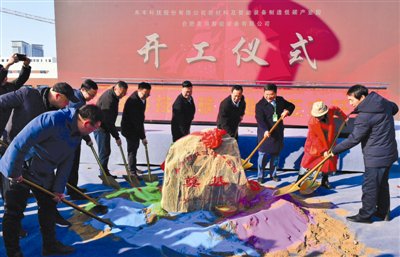
如果不出意外,2026年楼市或将已经翻篇,3个信号已经出现!
Sou Hu Cai Jing· 2026-01-14 17:15
Core Viewpoint - The Chinese real estate industry is undergoing a profound transformation, shifting from extensive expansion to high-quality development, driven by policy direction, market logic, and the transformation of industry participants [1][5][14]. Group 1: Signals Indicating Market Transformation - Supply-side reforms are being implemented, with the central economic work conference emphasizing "controlling increment, reducing inventory, and optimizing supply," indicating fundamental changes in land supply, project approval, and development pace [1][5]. - The transition from development to operation is underway, as the "white list" system for real estate financing focuses more on project quality rather than just scale, transforming real estate companies from mere builders to urban operators [3][10]. - The shift from incremental expansion to improving existing stock will be key in 2026, with resources directed towards the renovation of old neighborhoods and enhancing urban functions and community services [3][8]. Group 2: Underlying Changes in Policy, Market, and Model - Policy changes reflect a shift from "restricting purchases" to "optimizing supply," with the importance of the stock market being elevated. The encouragement of acquiring existing housing for affordable housing is a significant policy shift [5][12]. - Market dynamics are changing, with the real estate market size myth and the "high turnover" model collapsing. By 2025, the sales area of commercial housing is expected to return to 2009 levels, with transaction amounts halved compared to peak levels [6][10]. - The industry is moving away from high debt and high turnover models towards high-quality development, with a focus on product quality. Urban renewal is becoming a critical focus, with plans for systematic improvements in urban functions and living quality [8][14]. Group 3: Implications for Market Participants - For ordinary homebuyers, the market will return to its residential nature, with investment and speculative demands being suppressed, leading to a greater focus on housing quality and community amenities [10][12]. - Developers will need to shift from high-leverage, rapid turnover business models to emphasizing product innovation, service enhancement, and risk management, focusing on quality over scale [10][14]. - The transformation indicates a fundamental restructuring of the real estate role, from being an economic growth engine to a stabilizer for social welfare, with differentiated policies expected across various cities [12][14].