逆周期调节

Search documents
南财快评|杨志勇:中国财政政策仍有较大发力空间
2 1 Shi Ji Jing Ji Bao Dao· 2025-09-12 11:35
Core Viewpoint - The Chinese government is implementing a more proactive fiscal policy during the "14th Five-Year Plan" period to stabilize and promote economic growth, with a focus on enhancing the adaptability of fiscal policies to economic conditions [1][2][3]. Group 1: Fiscal Policy Characteristics - The fiscal macro-control during the "14th Five-Year Plan" has four key characteristics: increased strength, richer tools, more precise implementation, and greater flexibility in timing [3]. - The fiscal policy has shifted from being merely proactive to being more actively engaged, which is crucial for supporting stable and healthy economic development [1][3]. Group 2: Economic Cycle Management - The goal of macroeconomic regulation is to smooth out economic cycles, preventing significant fluctuations that could waste resources and impact social welfare [2]. - Cross-cycle regulation is increasingly important for finding new growth drivers for medium- to long-term development, especially in the context of China's evolving economic landscape [2]. Group 3: Coordination of Policies - Effective fiscal macro-control requires the coordination of fiscal and monetary policies, which enhances the overall effectiveness of macroeconomic governance [4]. - The issuance of 500 billion yuan in special government bonds is an example of fiscal and monetary policy collaboration, expected to leverage approximately 6 trillion yuan in credit [4]. Group 4: Fiscal Space and Debt Management - China's fiscal policy still has significant room for maneuver, with the fiscal deficit rate increasing from 2.7% to 4% during the "14th Five-Year Plan," allowing for greater fiscal policy space [4]. - The government debt ratio in China is projected to be 68.7% by the end of 2024, significantly lower than the G20 average of 118.2% and the G7 average of 123.2%, indicating potential for further fiscal expansion [4]. Group 5: Long-term Economic Outlook - The long-term positive trend of the Chinese economy remains intact, supported by a vast market, which is expected to lead to increased fiscal revenues and enhanced fiscal strength [5]. - The ability to utilize fiscal policy effectively is improving, with a growing toolbox for macro-control, indicating a more forward-looking and targeted approach to fiscal policy [5][6].
财政部:今年专门发行5000亿元特别国债,预计可撬动信贷投放约6万亿元
Sou Hu Cai Jing· 2025-09-12 08:36
Core Viewpoint - The Chinese government has maintained an active fiscal policy during the "14th Five-Year Plan" period, focusing on both short-term economic stabilization and long-term development, with significant measures taken to enhance economic resilience and growth potential [2][5]. Group 1: Fiscal Policy Characteristics - The fiscal policy has become more forceful, with the deficit rate increasing from 2.7% to 3.8%, and further to 4% this year. Additionally, a new quota of 19.4 trillion yuan for local government special bonds has been arranged, along with over 1 trillion yuan in tax reductions and deferrals [2]. - The tools for fiscal policy have become more diverse, utilizing government bonds, tax incentives, fiscal subsidies, and special funds to enhance the multiplier effect of policies. For instance, the innovative issuance of ultra-long special government bonds supports comprehensive demand expansion [2]. - The fiscal measures have become more precise, targeting economic bottlenecks and challenges, such as a one-time arrangement of 6 trillion yuan for debt replacement to alleviate local debt pressure, thereby freeing up resources for public welfare and development [3]. Group 2: Timing and Flexibility - The timing of policy implementation has become more flexible, with a focus on early and effective execution of measures. The government aims to ensure that policies are timely and impactful, adjusting fiscal macro-control strategies as needed based on changing circumstances [4]. - The government emphasizes the importance of coordinating fiscal policy with monetary policy to create a synergistic effect. For example, the issuance of 500 billion yuan in special government bonds is expected to leverage approximately 6 trillion yuan in credit investment [4]. Group 3: Future Outlook - The fiscal policy will continue to balance risk prevention and development promotion, with ample room for future fiscal actions. The long-term positive trend of the Chinese economy remains unchanged, providing a solid foundation for fiscal operations [5]. - The government plans to maintain policy continuity and stability while enhancing flexibility and foresight, ensuring readiness for future challenges and contributing to high-quality economic and social development [5].

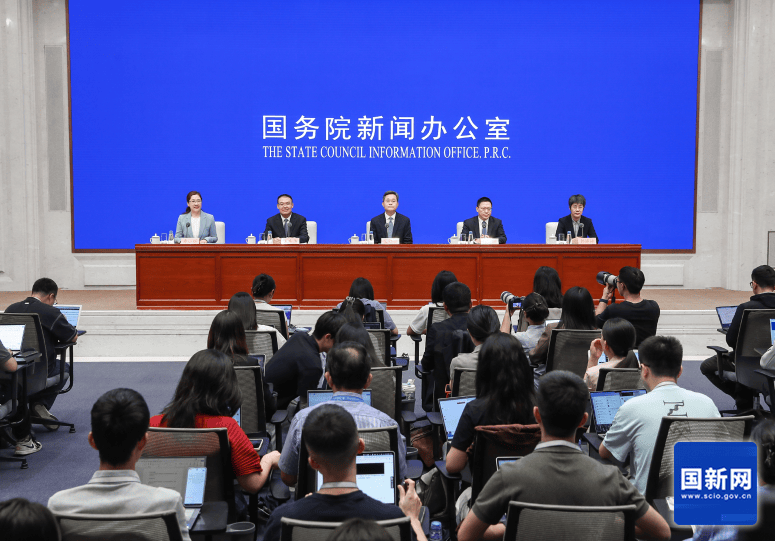
今年 国家财政安排1000亿元发放育儿补贴!
Yang Shi Xin Wen· 2025-09-12 08:25
Core Points - The Chinese government emphasizes the importance of people's livelihood in its fiscal policy during the "14th Five-Year Plan" period, with significant budget allocations for education, social security, healthcare, and housing [2][3] - The central government has arranged nearly 50 trillion yuan in transfer payments to local governments, ensuring financial stability and support for essential services [3] - China's economy has maintained an average growth rate of 5.5% over the past four years, contributing approximately 30% to global economic growth [5] Fiscal Allocations - Total public budget allocations for education amount to 20.5 trillion yuan, social security and employment to 19.6 trillion yuan, healthcare to 10.6 trillion yuan, and housing security to 4 trillion yuan, leading to nearly 100 trillion yuan in total fiscal investment in people's livelihood [2] - In 2023, the government allocated 1 billion yuan for childcare subsidies and 200 million yuan for the gradual implementation of free preschool education [2] Economic Policy - The fiscal policy has become more proactive and adaptable, enhancing its alignment with economic conditions, which supports stable and healthy economic development [4] - The government is focusing on counter-cyclical adjustments to smooth short-term fluctuations while also promoting long-term development dynamics [4]
重磅信号!刚刚,财政部发声!
券商中国· 2025-09-12 08:15
Core Viewpoint - The Chinese government is committed to maintaining a proactive fiscal policy to support high-quality economic development, with sufficient room for future fiscal policy adjustments [1][4]. Group 1: Fiscal Policy and Debt Management - The Minister of Finance, Lan Fo'an, stated that the government's debt level is within a reasonable range, with a total debt of 92.6 trillion yuan and a debt-to-GDP ratio of 68.7% as of the end of last year [1]. - The government plans to issue 5 trillion yuan in special bonds to inject capital into large commercial banks, which is expected to leverage approximately 6 trillion yuan in credit [2]. - Over the past two years, 1.5 trillion yuan in long-term special bonds have been allocated to promote "two重" construction [3]. Group 2: Fiscal Strength and Expenditure - Since the beginning of the "14th Five-Year Plan," the fiscal deficit ratio has increased from 2.7% to 4%, with new local government special bond quotas totaling 19.4 trillion yuan and tax reductions exceeding 1 trillion yuan [4]. - The national fiscal strength has significantly increased during the "14th Five-Year Plan," with general public budget revenue expected to reach 106 trillion yuan, a 19% increase from the previous five-year period [6]. - Total public budget expenditure is projected to exceed 136 trillion yuan, marking a 24% increase compared to the "13th Five-Year Plan" [6]. Group 3: Social Welfare and Public Spending - During the "14th Five-Year Plan," nearly 100 trillion yuan has been allocated for social welfare, with significant investments in education (20.5 trillion yuan), social security (19.6 trillion yuan), healthcare (10.6 trillion yuan), and housing security (4 trillion yuan) [7]. - The government has also allocated 1 billion yuan for childcare subsidies and 200 million yuan for gradually implementing free preschool education [7]. Group 4: Economic Contribution and Stability - Over the past four years, China's contribution to global economic growth has remained around 30%, with an average economic growth rate of 5.5% [8]. - The central government has arranged nearly 50 trillion yuan in transfer payments to local governments during the "14th Five-Year Plan," ensuring stable local fiscal operations [9].
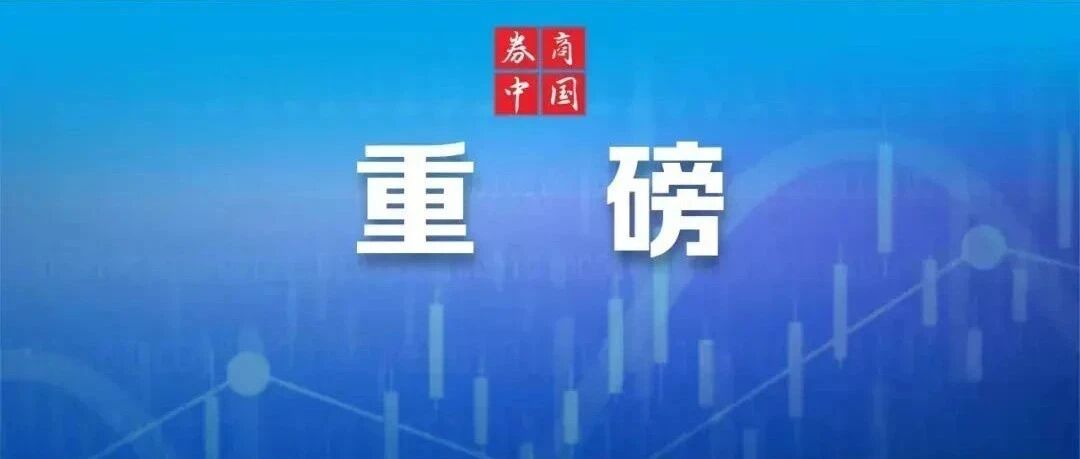
国新办举行新闻发布会,财政部部长蓝佛安重磅发声
Jin Shi Shu Ju· 2025-09-12 08:12
Group 1 - The core viewpoint of the news is the significant achievements in fiscal reform and development during the "14th Five-Year Plan" period, highlighting increased public budget revenues and expenditures [1][2][3] - The national general public budget revenue is expected to reach 106 trillion yuan, an increase of 17 trillion yuan or approximately 19% compared to the "13th Five-Year Plan" period [1] - The national general public budget expenditure is projected to exceed 136 trillion yuan, an increase of 26 trillion yuan or 24% compared to the "13th Five-Year Plan" period, with more funds directed towards development and people's livelihood [1] Group 2 - The fiscal policy has become more proactive and adaptable, contributing to an average economic growth rate of 5.5% over the past four years, with a contribution rate to global economic growth of around 30% [2] - The fiscal deficit ratio has been raised from 2.7% to 4% this year, with new local government special bond quotas of 19.4 trillion yuan and tax reductions exceeding 1 trillion yuan [3] - Central government transfers to local governments are nearly 50 trillion yuan over the "14th Five-Year Plan" period, ensuring stable local fiscal operations [4] Group 3 - The issuance of 500 billion yuan in special government bonds this year is expected to leverage approximately 6 trillion yuan in credit [5] - The national budget allocates 1 trillion yuan for childcare subsidies and 200 billion yuan for gradually implementing free preschool education, reflecting a strong focus on people's livelihoods [6] - The fiscal department plans to maintain policy continuity and stability while enhancing flexibility and foresight to support high-quality economic and social development [7] Group 4 - The Ministry of Finance has developed and is advancing an implementation plan for deepening the fiscal and tax system reform [8][9] - The government's total debt is projected to be 92.6 trillion yuan by the end of 2024, with a debt-to-GDP ratio of 68.7%, indicating that the debt level is within a reasonable range [10] - As of the end of August, the average interest cost of debt replacement has decreased by over 2.5 percentage points, saving more than 450 billion yuan in interest expenses [11] - Over 60% of financing platforms are expected to exit by June 2025, indicating significant progress in the reform and transformation of financing platforms [12]
财政部:过去4年我国对世界经济增长贡献率保持在30%左右
第一财经· 2025-09-12 07:28
据央视新闻, 9月12日下午,国务院新闻办公室举行"高质量完成'十四五'规划"系列主题新闻发布 会。 过去4年,我国经济实现了平均5.5%的增速,对世界经济增长贡献率保持在30%左右。 财政部部长蓝佛安介绍,"十四五"时期,财政宏观调控更加积极有为,财政政策进一步增强与经济情 景的适配性,从积极到更加积极,战略上更加主动、战术上更加精准,成为支撑经济平稳健康发展的重 要力量。 一方面,强化逆周期调节,熨平短期波动。另一方面,协调推进跨周期调节,增强中长期发展动能。支 持扩大内需,助力新质生产力发展,推动畅通经济循环,推动经济实现质的有效提升和量的合理增长。 ...

稳增长扩内需 财政货币政策协同性将继续增强
Zhong Guo Zheng Quan Bao· 2025-09-07 20:51
Core Viewpoint - The market expectations for the People's Bank of China (PBOC) to resume government bond trading operations are increasing as discussions between the Ministry of Finance and the PBOC have intensified, indicating a potential restart by the end of this year [1][2][3]. Group 1: Policy Coordination - Since the establishment of the joint working group between the Ministry of Finance and the PBOC, there has been a strengthening of coordination between fiscal and monetary policies, with the PBOC's government bond trading operations being a significant aspect of this [1][2]. - The PBOC plans to net purchase government bonds worth 1 trillion yuan in August 2024, followed by 2 trillion yuan in September, October, and November, and 3 trillion yuan in December, totaling 1 trillion yuan [1][2]. - The coordination between fiscal and monetary policies is expected to enhance, providing a favorable environment for government bond issuance and maintaining market liquidity [5][6]. Group 2: Market Environment - The current bond market conditions, including a recent rise in the 10-year government bond yield to approximately 1.8%, suggest that the PBOC may resume bond trading operations in the fourth quarter of this year [3][4]. - The PBOC's bond buying operations are seen as a tool for liquidity management and are expected to help stabilize the bond market and encourage financial institutions to increase credit issuance [3][4]. - The second meeting of the joint working group has broadened its focus to include various topics related to fiscal and monetary policy coordination, which is crucial for addressing the complex market environment and promoting economic recovery [5][6].
深耕主业 巩固向上向好发展态势
Jin Rong Shi Bao· 2025-09-04 05:21
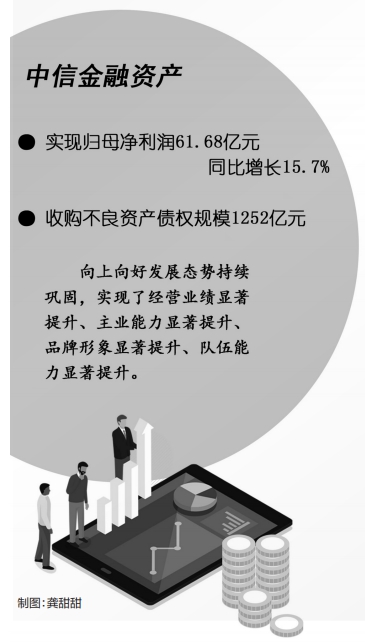
Core Viewpoint - CITIC Financial Asset Management Co., Ltd. reported a net profit of 6.168 billion yuan for the first half of 2025, representing a year-on-year increase of 15.7%, and a 27.5% increase when excluding the impact of financial leasing [1] Group 1: Business Performance - The company achieved significant improvements in four areas: operating performance, core business capabilities, brand image, and team capabilities [1] - The company increased its main business investment to 87.9 billion yuan in the first half of 2025, which is 1.4 times that of the same period last year [1][2] Group 2: Asset Acquisition and Management - In the first half of the year, the company acquired non-performing asset debts totaling 125.2 billion yuan, maintaining a leading market share [2] - The company focused on "acquisition and revenue generation," enhancing market marketing and expanding acquisition channels [2] - The company implemented refined management to improve quality and efficiency, optimizing asset layout with new acquisitions concentrated in key regions [2][3] Group 3: Asset Disposal and Efficiency - The company accelerated asset turnover and improved disposal efficiency through various measures such as litigation recovery and judicial disposal [3] - Collaborated with JD.com to promote commercial assets exceeding 120 billion yuan, aiming to enhance transaction conversion rates and disposal efficiency [3] Group 4: Real Estate Sector Support - The company focused on risk resolution in the real estate sector, actively playing a role in financial rescue and supporting key national strategies [4] - Since 2022, the company has invested in 93 real estate relief projects, achieving the delivery of 75,900 homes [5] - The company employed innovative models to revitalize distressed projects, demonstrating collaborative advantages within the CITIC Group [5] Group 5: Industry Benchmarking - The company aims to establish benchmarks in six areas: party-building leadership, operational performance, core business capabilities, compliance and risk control, reform and innovation, and talent development [6] - The company emphasizes the need for a comprehensive understanding of macroeconomic trends and national strategies to effectively manage financial assets [6][7]
中金 • 全球研究 | 泰国:下半年或需加强逆周期调节
中金点睛· 2025-09-02 23:37
Macroeconomic Overview - Thailand's real GDP grew by 2.8% year-on-year in Q2 2025, surpassing Bloomberg's consensus estimate of 2.4% and up from 2.3% in Q2 2024, although it slowed from 3.2% in Q1 2025 [2][8] - The National Economic and Social Development Council adjusted the full-year growth forecast to 1.8-2.3%, up from the previous range of 1.3-2.3%, maintaining cautious optimism amid global uncertainties [2][8] - Key growth drivers include strong export performance, with Q2 exports up 12.2% year-on-year, and a rebound in private investment, which grew by 4.1% [8][10] Policy Response - Thailand faces multiple pressures including political friction, border conflicts, trade risks, and natural disasters, which pose challenges to growth [3][21] - The Constitutional Court's ruling on former Prime Minister Prayuth Chan-o-cha's actions may delay key initiatives like the digital wallet plan [21][22] - Strong foreign direct investment (FDI) activity, with a record 1,063 approved projects worth $18.7 billion in H1 2025, signals positive investment sentiment [22][23] Trade Dynamics - Thailand's exports grew by 14.8% year-on-year in Q2 2025, continuing a five-quarter growth streak, driven by strong demand for electronics [4][30] - The U.S. imposed a 19% tariff on Thai goods, which may pressure export-oriented businesses in the second half of 2025 [4][30] - Thailand is actively seeking to diversify its trade relationships, achieving key milestones such as gaining BRICS partner status and enhancing ties with the European Free Trade Association [4][31][32] Tourism Sector - The tourism sector showed signs of weakness, with foreign visitor numbers down 12.2% year-on-year in Q2 2025, primarily due to safety concerns and regional competition [5][38] - The Thai government announced a stimulus package of 10 billion baht (approximately $300 million) to promote tourism and improve attractions [5][39] - Long-haul tourists are expected to increase, potentially driving tourism revenue to $46.4 billion in 2025, up from $39.7 billion in 2024 [5][39] Capital Markets - The SET index rose by 3% in the past month, reflecting improved market sentiment, although it remains down 6.9% year-to-date [6][49] - The forward P/E ratios for 2025 and 2026 are projected at 14.0x and 13.1x, respectively, indicating a valuation below historical averages [6][49] - Investment strategies should focus on high-dividend financial stocks, electronic and electric vehicle manufacturing, fintech innovation, and energy transition [6][50]

直击中信金融资产中期业绩会:盈利超61亿 向行业标杆目标迈进
2 1 Shi Ji Jing Ji Bao Dao· 2025-09-02 11:38
Core Insights - The company reported strong financial performance for the first half of 2025, with total revenue exceeding 40 billion yuan, a year-on-year increase of 21.1%, and a net profit of 6.168 billion yuan, up 15.7% [2][3] - The annualized return on equity (ROE) reached 21.1%, indicating sustained profitability and industry leadership [2][3] - The management emphasized a significant transformation in the company's operations, focusing on enhancing core competitiveness and integrating business strategies with national priorities [2][7] Financial Performance - As of June 30, 2025, the company's total assets amounted to 1,010.933 billion yuan, with a net profit margin reflecting a robust growth trajectory [3] - The company increased its core business investments significantly, with new investments totaling 87.9 billion yuan, 1.4 times that of the previous year [3] - Cost control measures led to a reduction in business and management expenses by 24.6% and 13.2% respectively, showcasing effective cost management [3] Asset Quality and Risk Management - The company improved its asset quality, with a provisioning coverage ratio of 270%, an increase of 44 percentage points from the previous year [3][4] - The company implemented a "clear old and control new" strategy, resulting in a 62.6% decrease in the scale of new credit risk assets [4] Core Business Competitiveness - The company's core business in non-performing asset management showed remarkable performance, with new acquisitions of non-performing loans valued at 125.2 billion yuan [5][6] - The company achieved a significant increase in revenue from its asset disposal operations, with a year-on-year growth of 180.8% [6] Strategic Alignment with National Goals - The company has integrated its business development with national strategies, particularly in real estate risk mitigation, having invested in 93 real estate relief projects totaling 55.9 billion yuan [7][8] - The company actively supports various sectors, including green finance and technology finance, with investments exceeding 2.6 billion yuan in green projects and nearly 10 billion yuan in strategic emerging industries [8] Future Aspirations - The company aims to become an industry benchmark by 2024, with a focus on enhancing its core business capabilities in non-performing asset management [9][10] - The management outlined a five-dimensional approach to establish a leading recognition system in the industry, emphasizing the importance of understanding macroeconomic trends, market demands, and regulatory frameworks [10]