
绿色消费

Search documents
共探“无废城市”新路径,阿迪达斯全新可持续元素门店落地上海
Jiang Nan Shi Bao· 2025-06-05 03:58
Core Viewpoint - The new sustainable store model by Adidas is positioned as a significant amplifier of brand value, enhancing consumer trust and recognition while contributing to the "waste-free city" initiative in Shanghai [1][3]. Group 1: Sustainable Store Model - Adidas has launched a new sustainable store in Shanghai, integrating various sustainable practices into its design and operations, which allows for a more immersive consumer experience [2][3]. - The store aims to achieve a 99% usage rate of recycled polyester by 2024, significantly exceeding the global average of 12% in the apparel industry [2][3]. - By 2030, Adidas plans for 10% of its products to use recycled polyester sourced from discarded textiles, with a long-term goal of achieving net-zero greenhouse gas emissions across its value chain by 2050 [2][3]. Group 2: Consumer Engagement and Recycling Initiatives - The store features a permanent clothing recycling bin and engages consumers through activities like the exchange of eco-friendly bags made from recycled clothing, fostering a "green cycle" of consumption [3][4]. - Over the past two years, Adidas has successfully recycled approximately 4 tons of clothing, resulting in the creation of eco-friendly bags that have gained popularity among consumers [5][6]. Group 3: Market Trends and Consumer Behavior - There is a growing trend of green consumption among young consumers, with over 90% recognizing the importance of sustainable practices, indicating a shift from a new trend to a new norm in commercial society [4][5]. - Adidas views sustainability as a competitive advantage in product marketing and sales, emphasizing the need for broader consumer participation beyond the top tier willing to pay a premium for eco-friendly products [5][6]. Group 4: Industry Recognition and Achievements - Adidas has maintained an "AAA" MSCI ESG rating for six consecutive years from 2019 to 2024 and received the highest "A" grade from CDP for climate change in 2024 [3][4]. - The company has been recognized as a leader in climate action, ranking first among 1,953 brands in the corporate climate action index in 2024 [3].

过度包装治理:绿色消费的觉醒之路
Xiao Fei Ri Bao Wang· 2025-06-05 03:23
Core Viewpoint - Over-packaging is likened to a "parasite" in the consumer market, consuming resources while creating an illusion of "high-end" products [1] Group 1: Over-Packaging Issues - Businesses are driven by profit calculations, with packaging costs sometimes accounting for 45% of product prices, turning packaging into a premium tool as product margins shrink [1] - The "packaging premium" model is particularly evident in sectors like tea and cosmetics, where extravagant materials can inflate prices by 30% to 50% [1] - A tea company reduced packaging volume by 60%, leading to a 25% decrease in transportation costs and an 18% increase in sales, highlighting the resource misallocation caused by over-packaging [1] Group 2: Consumer Behavior - Consumers are not passive in the face of over-packaging; 43.5% of respondents knowingly purchase over-packaged items, reflecting deeper psychological needs tied to "face culture" [2] - Products marketed as "light luxury" or "limited edition" have packaging costs exceeding 30%, with sales 2.3 times higher than those with standard packaging, indicating a materialization of social values [2] Group 3: Regulatory Challenges - Current regulations, such as the stipulation that packaging costs for mooncakes over 100 yuan should not exceed 15% of the price, face enforcement challenges, with some companies only receiving corrective orders despite exceeding the limit [2] - The existing legal framework leaves ambiguities in defining "over-packaging," particularly in sectors like pharmaceuticals and health products, creating regulatory blind spots [2] Group 4: Solutions and Recommendations - Addressing over-packaging requires a multi-faceted approach, including improving regulations, integrating packaging cost ratios into corporate credit systems, and implementing joint penalties for violators [3] - Promoting innovative technologies, biodegradable materials, and modular designs can help reduce green packaging costs [3] - Shifting consumer culture through eco-labels and carbon credits can redirect focus towards the intrinsic value of products rather than their packaging [3]
2025年全国“服务消费季”暨“苏新服务·惠享生活”活动在宁启动
Nan Jing Ri Bao· 2025-06-03 23:45
Core Viewpoint - The 2025 National "Service Consumption Season" and "Su Xin Service · Enjoy Life" event was launched in Nanjing, aiming to enhance service consumption across various sectors and improve consumer experiences through over 160 key activities [1][2]. Group 1: Event Overview - The event was initiated with participation from 12 central departments, 13 national industry associations, and various local and leading platform enterprises [2]. - Jiangsu province introduced a "Service Consumption Benefit Package" focusing on sectors such as elderly care, catering, and tourism to enhance consumer welfare [2]. - Nanjing released the first edition of the "Ning Enjoy Service" consumption guide, covering 12 fields and featuring nearly 200 selected service points [2]. Group 2: Market Engagement - The "Wander Su Suitable Circle" themed market featured five interactive experience zones, showcasing elements like health consumption, cultural entertainment, and digital consumption [3]. - The market included various brands and activities, such as Michelin food stalls and outdoor camping experiences, promoting a vibrant service consumption atmosphere [3][4]. Group 3: Sustainability Initiatives - The event emphasized green and low-carbon development, with carbon emissions scientifically measured and offset to achieve carbon neutrality [4]. - A circular economy market was set up to promote sustainable consumption practices, featuring digital recycling and second-hand products [4]. Group 4: Innovation in Service Consumption - The International Business Daily highlighted ten innovative service consumption case studies, with Nanjing's Hongshan Forest Zoo recognized for its successful integration of experience, IP, and fusion economies [5]. - Nanjing's service consumption development is supported by a robust policy framework and a commitment to high-quality growth, positioning the city as a leader in service consumption innovation [5][6]. Group 5: Future Plans - Nanjing has outlined four strategic blueprints for service consumption, focusing on brand development, innovative scene creation, activity matrix construction, and enhancing digital service capabilities [6].
长春市消费者协会开展“抵制过度包装 共享绿色端午”社会监督活动
Sou Hu Cai Jing· 2025-05-30 02:54
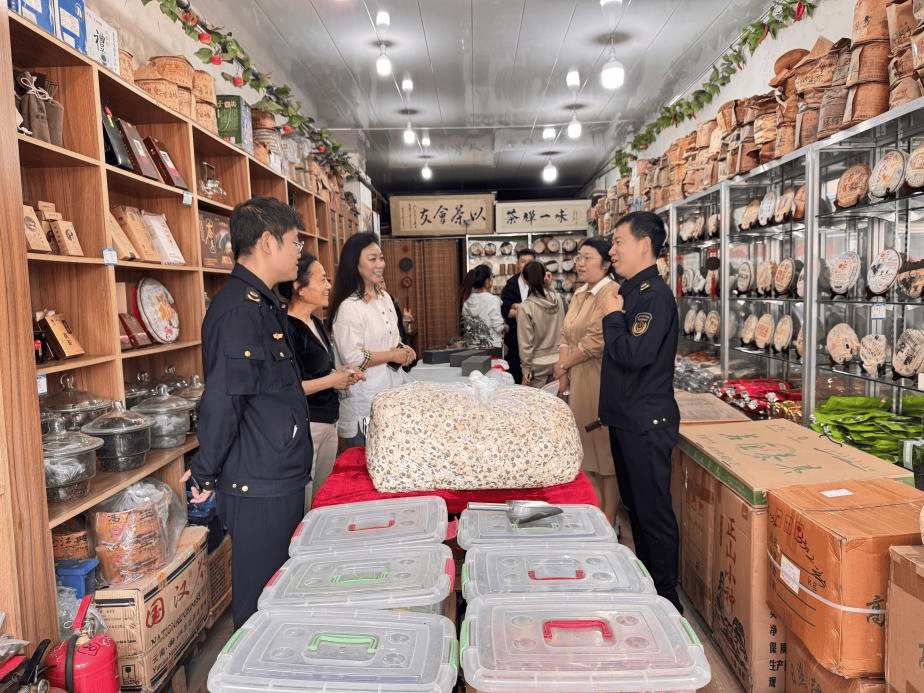
Group 1 - The core theme of the social supervision activity is "Resist Excessive Packaging, Share Green Dragon Boat Festival," aimed at implementing the newly revised national standard on limiting excessive packaging for food and cosmetics [1][3] - The focus of the supervision is on holiday consumption hotspots, particularly the packaging layers, materials, and voids of products like zongzi and tea gift boxes, ensuring compliance with national mandatory standards [3] - The activity encourages businesses to reduce the use of extravagant packaging as a marketing gimmick, shifting the focus back to product quality, functionality, and service [3] Group 2 - The participation of university student volunteers from Changchun Normal University highlights the role of young consumers in promoting green consumption and understanding the ecological value behind simplified packaging [3] - The initiative aims to raise awareness about the waste of resources caused by excessive packaging, which leads to significant amounts of non-biodegradable waste [3] - The Changchun Consumer Association advocates for a return to sincerity over superficiality in packaging, injecting modern civilized connotations into traditional festivals through green consumption [3]

中国“双碳”转型勾勒绿色消费新图景
Xiao Fei Ri Bao Wang· 2025-05-29 02:55
□ 本报记者 张丽娜 北京的环京可再生能源圈点亮万家灯火,成都街头每三辆汽车就有一辆"喝电不喝油",深圳近七成电力 来自清洁能源……这些悄然改变生活的绿色细节,勾勒出中国城市"双碳"转型的鲜活图景。中国环境科 学研究院与公众环境研究中心近日发布的《中国城市双碳指数》第三期报告(以下简称"报告"),从气 候雄心、低碳状态和排放趋势三个维度对110个重点城市的"双碳"进展态势开展了系统评价。北京以突 出的气候雄心与低碳状态表现排名榜首,成都、宁波、深圳分列第二至四位,昆明、上海、广州等城市 跻身前十。海口、上海、常州等城市在新能源消费、充电基建等领域崭露头角,一场关乎你我日常的绿 色变革正加速落地。 绿色消费场景加速落地 能源转型支撑消费升级 本期指数评价期内,我国能源转型又迈上新的台阶,可再生能源装机继续领跑全球。截至2024年底,我 国可再生能源装机达到18.89亿千瓦,同比增长25%,约占我国总装机的56%,再次超越火电装机,为居 民绿色用电提供充足保障。消费侧同步呈现爆发式增长:全球超半数电动车行驶在中国,充电桩数量 较"十三五"增长60倍。深圳电网清洁能源占比近七成,成都通过"以电代煤、代油"行动推动居 ...
论道金融如何扩内需促消费
Bei Jing Shang Bao· 2025-05-28 15:57
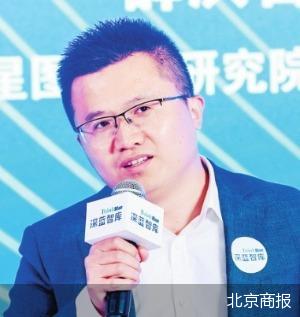
Group 1 - The core viewpoint of the article emphasizes the importance of boosting domestic demand through consumption and investment, with financial services playing a crucial role in this process [1] - The 2025 government work report identifies "expanding domestic demand" as a top priority, highlighting the need for financial mechanisms to support consumption upgrades [1] - A roundtable discussion at the "2025 Deep Blue Media Think Tank Annual Forum" focused on how finance can stimulate domestic demand and consumption [1] Group 2 - Xue Hongyan from Star Map Financial Research Institute suggests that financial institutions should enhance marketing precision and utilize big data for better customer matching to meet consumer needs [3] - He also points out that banks should explore middle and high-risk customer segments as potential growth areas for consumer loans, especially as the economic recovery progresses [3] - The People's Bank of China announced a 500 billion yuan tool to support service consumption and elderly care, indicating a proactive approach to enhancing consumer finance [4] Group 3 - Chen Jinghao from Xinhua Insurance highlights the importance of "ecosystem" in the insurance industry, focusing on customer needs throughout their life cycle to enhance insurance uptake [6] - He emphasizes that insurance products should align with consumers' life stages and financial responsibilities, suggesting tailored coverage for different age groups [6][7] - Chen also notes that government policies, such as urban inclusive insurance and personal pension products, can alleviate financial pressure on consumers and boost spending capacity [7] Group 4 - Qi Wei from Guangfa Bank indicates that the focus of consumer loans is shifting towards service upgrades and innovative scenarios, with banks enhancing user experience through features like "borrow and repay" [9] - He envisions a future where banks can implement dynamic credit assessments based on borrowers' financial changes, improving the flexibility of loan terms [10] - Qi also discusses the potential for integrating green consumption with consumer loans, supporting sustainable development goals [10] Group 5 - Shi Jianxing from CICC Yinyi highlights the advantages of consumer REITs, including mandatory dividend distributions and low investment thresholds, making them accessible to ordinary investors [12] - He notes that consumer REITs are directly linked to residential consumption demand, presenting a stable investment opportunity amid policies aimed at boosting domestic consumption [12][13] - Shi advises investors to focus on the quality of underlying assets and management capabilities rather than short-term speculation, emphasizing the importance of thorough research [13]
玛莱美芙引领数字经济与绿色消费新浪潮 助力2025年提振消费战略
Sou Hu Cai Jing· 2025-05-28 14:40
在"大力提振消费、全方位扩大内需"的宏观政策背景下, 2025 年中国消费市 场迎来新一轮增长机遇。 作为数字经济与绿色消费的先行者,玛莱美芙(以下 简称"玛莱")凭借其创新模式与国家政策的高度 契合, 成为提振消费赛道中的 标杆企业,并跻身新一代独角兽行列。 一、政策驱动:消费升级成为经济增长核心引擎 2025 年政府工作报告明确提出"消费"为经济工作首位任务,通过超长期特别 国债 3000 亿元支持消费品 以旧换新、县域商业体系建设等举措, 推动消费提 质扩容。商务部数据显示,2024 年消费品以旧换新 直接带动消费超 1.3 万亿 元,而 2025 年政策进一步覆盖手机、智能设备等科技产品,推动 AI、绿色技 术 赋能消费升级。在此背景下, 玛莱美芙通过数字经济融合与绿色消费实践,成 为政策红利的最大受 益者之一。 二、玛莱美芙的创新实践:数字经济与消费场景重塑 数字化消费模式引领行业变革 玛莱美芙以"体验式消费 + 个性化定制"为核心,构建线上线下融合的全渠道 场景。通过区块链技术和 大数据分析,平台为用户提供个性化资产配置方案, 实现消费与投资的双向价值提升。其线下体验店 布局覆盖全国,为用户提供一 ...
广发银行北京分行祁巍:银行消费贷竞争焦点转向服务升级与场景创新
Bei Jing Shang Bao· 2025-05-28 10:47
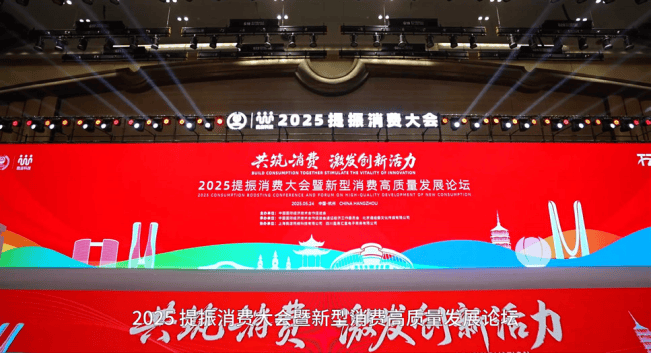
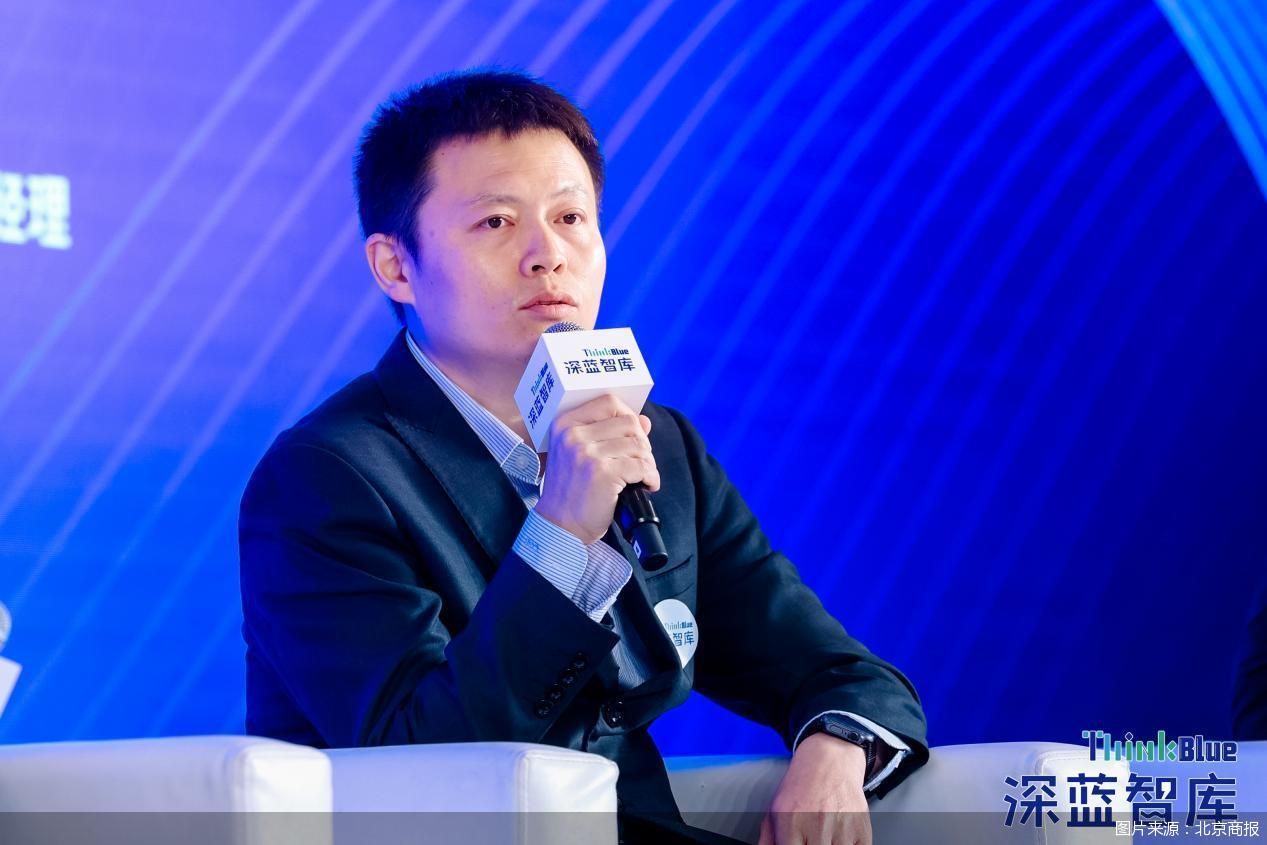
Core Insights - The trend of personal consumption loan interest rates in banks has shifted from a decrease to stability, with a focus on enhancing service levels in the future [3][4] Group 1: Interest Rate Trends - Personal consumption loan interest rates have shown a trend of "first decreasing and then stabilizing," with the average rate at Guangfa Bank dropping from 6.4% in 2022 to 5.3% in 2023, and projected to fall below 5% in 2024 [3][4] - Currently, the interest rates for consumption loans are in a relatively stable range, indicating a shift towards service enhancement rather than further rate reductions [3] Group 2: Service Innovations - Banks have implemented various convenient features for personal consumption loans, including fully online application processes that allow borrowers to complete transactions without leaving home and receive approval in minutes [3] - The "borrow and repay anytime" feature significantly improves user experience, allowing users to pay interest based on actual usage days and enabling early repayment without incurring further interest [3] Group 3: Regulatory Changes - Recent regulatory changes have extended the maximum loan term for personal consumption loans from five to seven years, which helps reduce monthly repayment pressure and stimulate consumer demand [4] Group 4: Future Developments - There is potential for further development in the smart loan sector, such as introducing dynamic adjustment mechanisms for loan amounts and interest rates based on borrowers' credit changes during the loan period [4] - Expanding into new consumption scenarios is seen as a crucial path for the future of consumer finance, with banks encouraged to explore "invisible credit" assessments that seamlessly integrate financial services into consumer experiences [5] Group 5: Green Consumption - The consumer loan sector has significant opportunities in green consumption, with potential integration of credit with personal carbon accounts and carbon reduction incentives, supporting sustainable development and national carbon reduction goals [5]
当“打卡”变成“入戏”:解码文旅融合时代的消费新密码
Sou Hu Cai Jing· 2025-05-23 05:44
Core Insights - The Chinese consumer market showed a notable performance during the recent "May Day" holiday, with domestic tourism increasing by 7.6% year-on-year, while per capita spending grew by 14.2% compared to the same period in 2019, indicating a shift towards consumption upgrades [2][4] Group 1: Cultural Experience Transformation - The success of the Lion City Market in Suzhou illustrates a shift from traditional sightseeing to immersive cultural experiences, with visitors spending an average of 6.8 hours, significantly higher than the 2.3 hours typical for traditional attractions [2][5] - The Tea Ling Rural Tourism Festival showcases another narrative dimension, transforming a previously obscure town into a vibrant destination through immersive experiences, achieving a 93% average occupancy rate for local accommodations during the holiday [5][6] Group 2: Green Consumption and Industry Value Chain - Both case studies highlight a departure from the "ticket economy," with the Lion City Market generating only 15% of its revenue from ticket sales, while the rest comes from experiential projects and related commercial activities [6][9] - The rise of green consumption is reshaping industry dynamics, as evidenced by a 63% year-on-year increase in tourists opting for "low-carbon hotels," indicating a market shift towards sustainable practices [6][7] Group 3: Economic and Urban Development - The integration of cultural tourism and green consumption is reshaping urban development paradigms, with Suzhou Industrial Park leveraging "cultural IP + technological innovation + ecological protection" to create a billion-dollar industry cluster [9][10] - The transformation of a coastal city from overdevelopment to sustainable practices through eco-tourism projects demonstrates the potential for economic growth while restoring environmental integrity [10][11] Group 4: Future Innovations - The intersection of cultural tourism and green consumption is expected to foster innovative forms, with technologies like the metaverse and blockchain enhancing cultural experiences and storytelling [11]

绿色消费为经济发展积蓄发展后劲
Jing Ji Ri Bao· 2025-05-22 00:13
Group 1 - The core viewpoint emphasizes the importance of promoting green consumption to achieve sustainable economic development in China, highlighting its role in driving industrial transformation and creating a dynamic balance between supply and demand [1] - Green consumption encompasses various sectors including food, clothing, housing, and transportation, with significant contributions to economic growth and environmental protection [1] - Despite progress in green consumption, challenges such as high production and recycling costs, mismatched supply and demand, and incomplete policy standards need to be addressed to enhance its support for high-quality economic development [1] Group 2 - Support for green technology innovation is crucial, including the application of blockchain for product carbon footprint tracking and optimizing logistics to reduce waste and pollution [2] - The development of diverse green consumption scenarios is encouraged, such as promoting trade-in programs and establishing reverse logistics systems to enhance recycling networks [2] - A comprehensive green consumption standard and certification system is necessary to improve the recognition and credibility of green products, aligning with international standards [2] - Implementation of incentive measures for green consumption, including financial support policies for small and medium enterprises and consumer subsidies, is essential to boost consumer engagement in green practices [2]