去风险

Search documents
德国经济部长:荷兰接管安世没有任何错,我认为这个决定非常明智
Sou Hu Cai Jing· 2025-10-27 01:04
Group 1 - The Dutch government's forced takeover of Nexperia is seen as a politically motivated decision under the guise of national security, despite the economic implications for Europe [2][4][7] - Nexperia has become a critical component of European manufacturing, with 86% of leading European manufacturers relying on chips produced in Dongguan, China, and nearly half of automotive companies considering it essential [1][2] - The forced takeover raises concerns about the potential disruption to supply chains, particularly in the medical technology and automotive sectors, which heavily depend on Nexperia's products [1][4] Group 2 - The situation reflects a double standard among European political elites, who claim to defend market economy principles while using state power to undermine competition [2][7] - The forced takeover could lead to severe economic consequences for Europe, including production halts, unemployment, and inflation, as the EU's Chip Act will require significant time and investment to alter the current dependency on Chinese supply chains [4][5] - The recent cancellation of the German Foreign Minister's visit to China signals a declining perception of Germany in China, raising questions about European leaders' awareness of the broader implications of their actions [5][7]

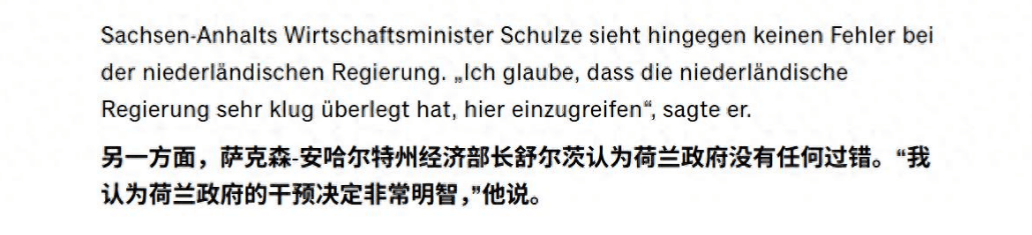
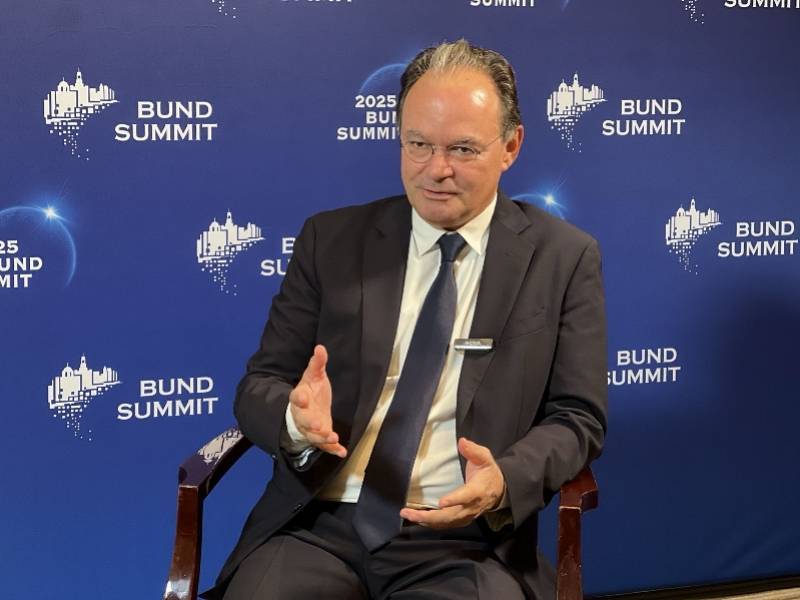
欧债危机有哪些痛的领悟?如何应对全球变局?对话希腊前财长
Sou Hu Cai Jing· 2025-10-25 22:30
Core Insights - The article discusses the lessons learned from the Greek debt crisis, emphasizing the importance of crisis awareness in the face of global uncertainties [1][4][6]. Group 1: Economic Context and Crisis Management - Greece's fiscal deficit and debt-to-GDP ratio reached 12.7% and 113% respectively at the onset of the debt crisis, leading to a loss of trust from European partners and markets [1][4]. - The Greek government had to seek loans from the EU and the IMF to avoid default, which came with stringent fiscal adjustment requirements that have left Greece struggling to recover fully [1][4][6]. - The crisis highlighted that the stability of an economic system is contingent upon its weakest link, as Greece was the most vulnerable part of the Eurozone at that time [6][7]. Group 2: Lessons and Strategic Insights - Key lessons from the crisis include the necessity for timely decision-making in response to economic realities, as delaying actions can lead to dire consequences [6][7]. - The article stresses the importance of international cooperation to prevent future crises, noting that a high debt-to-GDP ratio does not always predict market reactions [7]. - The concept of "de-risking" is discussed, indicating that it should not equate to complete separation from trade and investment relationships, as this could be detrimental to both parties involved [8][9]. Group 3: Future Outlook and Geopolitical Considerations - The article suggests that Europe should continue to foster trade and investment cooperation with China, especially in light of the geopolitical landscape [8][9]. - It emphasizes the need for Europe to maintain strategic autonomy in emerging fields such as technology and artificial intelligence while acting as a bridge between major geopolitical players [8][9].
急急急!要不到中国稀土,欧盟电话打到北京,答应帮中方解决麻烦
Sou Hu Cai Jing· 2025-10-24 05:33
Core Viewpoint - The EU is softening its stance towards China regarding rare earth supply issues, recognizing the critical dependence on Chinese resources for its high-tech industries, particularly in the context of electric vehicles and semiconductors [1][3][11] Group 1: EU's Position and Actions - The EU expressed understanding of China's export controls on rare earths, indicating a willingness to assist in resolving issues related to ASML, a Dutch semiconductor company [1][3] - The EU's previous hardline approach has shifted to seeking cooperation with China, driven by the urgent need to secure rare earth supplies for its industries [1][7] - The upcoming EU-China export control dialogue in Brussels will be crucial for assessing the outcomes of this cooperation [9] Group 2: Implications of US-China-EU Dynamics - The US has been attempting to align the EU with its strategy to contain China, creating a dilemma for the EU regarding its dependence on Chinese rare earths and market access [5][11] - The EU's communication with China can be seen as a counter to US strategies, highlighting the necessity of dialogue for stable supply chains [7] - The EU's evolving stance reflects a broader change in the global power dynamics of the supply chain, with China emerging as a key player in resource governance [11] Group 3: Future Prospects - If the EU can facilitate the resumption of ASML's operations, it may lead to a breakthrough in EU-China economic relations [11] - The EU's ability to navigate its relationship with the US while addressing its own resource needs will be critical for achieving its long-term goals, such as carbon neutrality and the transition away from fossil fuels [11]

芯片换稀土,是交易还是僵局?
伍治坚证据主义· 2025-10-22 08:06
Core Viewpoint - The current global economic situation resembles a tense cold war rather than a globalization feast, with the U.S. and China engaging in a fragile balance of interdependence, particularly in the trade of chips and rare earths [2][3]. Group 1: U.S.-China Trade Relations - The U.S. plans to impose 100% tariffs on all Chinese exports by October 2025, while China tightens controls on rare earth exports, indicating a complex trade relationship [2]. - Both countries are engaged in a "chip for rare earth" dynamic, reflecting a mutual dependency that neither side is willing to fully escape [2][3]. Group 2: Global Supply Chain Dynamics - The trend of "de-risking" rather than complete decoupling has become the new normal, with China controlling approximately 70% of global rare earth resources and the U.S. dominating high-end chip design [3]. - The market currently reflects a belief that the U.S. and China will return to a stable state after short-term tensions, as both sides are reluctant to see supply chains collapse [3]. Group 3: Investment Implications - Investors must adapt to increased market volatility, as evidenced by stock price fluctuations despite strong earnings reports from major banks [4]. - The traditional investment logic of "buying the dip" is challenged by new variables such as policy risk, supply chain risk, and trust risk, which now influence valuations [4]. Group 4: Shift in Investment Focus - The focus has shifted from "efficiency first" to "safety first," with the U.S. and Europe implementing protective measures in various sectors [5]. - China's export structure is evolving, with a growing share of rare earths, solar energy, and electric vehicles directed towards non-U.S. markets, indicating a strategic pivot in supply chains [5]. Group 5: Strategic Resource Investment - Strategic resources like gold, rare earths, lithium, and chip equipment are becoming focal points for investment, as they are viewed as geopolitical currencies in a divided world [5]. - There is an increasing valuation mismatch between U.S. banks and large tech stocks, with financial sector profits soaring but stock prices stagnating, while tech stocks remain in demand despite policy pressures [5]. Group 6: Future Market Landscape - The future may see the U.S. continuing to subsidize chips while China exports rare earths, with Japan, South Korea, and ASEAN countries emerging as new supply chain bridges [6]. - Investors are advised to adopt a diversified and patient approach in a policy-driven market, emphasizing the importance of staying engaged in the market despite volatility [6].

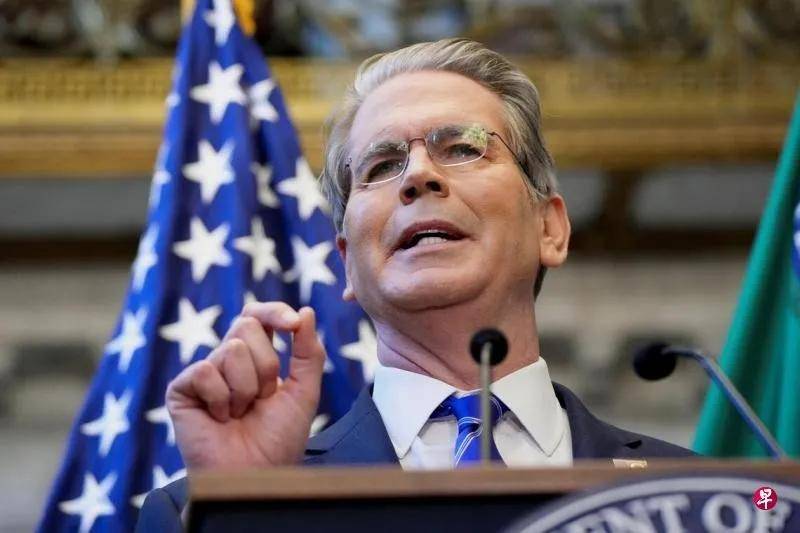
美国财政部长,说着说着都有些哽咽:我们不想脱钩,我们只是想去风险,大家不要误会
Sou Hu Cai Jing· 2025-10-17 07:24
Core Insights - The U.S. Treasury Secretary's recent comments highlight the economic struggles faced by the U.S., emphasizing a desire to "de-risk" rather than decouple, amidst soaring national debt of $37.86 trillion [1] - The U.S. government's imposition of tariffs has led to supply chain disruptions and operational halts in various sectors, raising concerns about social stability [1] - The U.S. is exhibiting double standards, shifting from advocating for free trade to imposing tariffs as its competitive edge diminishes, which reflects a misguided attempt to transfer risks to other nations [1][3] Economic Context - The U.S. national debt has reached an alarming level, creating immense pressure on the economy, with the likelihood of repayment appearing nearly impossible without significant action [1] - The ongoing tariff wars have resulted in a government shutdown, affecting multiple departments and even military payrolls, indicating severe operational challenges [1] Geopolitical Implications - The U.S. leadership's mindset reveals a desire to maintain its global dominance while expecting compliance from other nations, which is increasingly seen as outdated and counterproductive [3] - The global landscape is shifting towards equality and cooperation, challenging the notion that any single country can dictate terms [3]
欧盟考虑强制中企转让技术,中国外交部发言人三个“反对”阐明立场
Huan Qiu Shi Bao· 2025-10-15 22:53
Core Viewpoint - The European Union (EU) is considering mandatory technology transfer from Chinese companies operating in Europe to enhance its industrial competitiveness, which has been met with strong opposition from China [1][3]. Group 1: EU Measures - The proposed measures will apply to Chinese companies seeking to enter key digital and manufacturing markets, such as automotive and battery sectors [1]. - Companies may be required to use a certain percentage of EU goods or labor and add value to products within the EU [1]. - The measures are part of the EU's "Industrial Acceleration Bill" and are expected to be announced in November [1]. Group 2: EU Officials' Statements - EU Trade Commissioner Maroš Šefčovič emphasized that foreign investments should create jobs and add value in Europe, similar to what European companies do in China [2]. - Danish Foreign Minister Rasmussen suggested that the EU should learn from the experiences of the US and China regarding investment conditions and technology transfer [2]. Group 3: Analysis of Impacts - Experts suggest that the EU's approach is targeted and aims to use technology transfer as a barrier for Chinese companies, potentially leading to a "de-risking" effect by pushing unwilling firms out of the market [3][4]. - The implementation of such measures could result in missed opportunities for Europe if companies exit the market due to unwillingness to comply with technology transfer conditions [4]. - Even if some companies agree to the technology transfer, it may create future cooperation issues as such agreements would not be based on mutual consent [4].
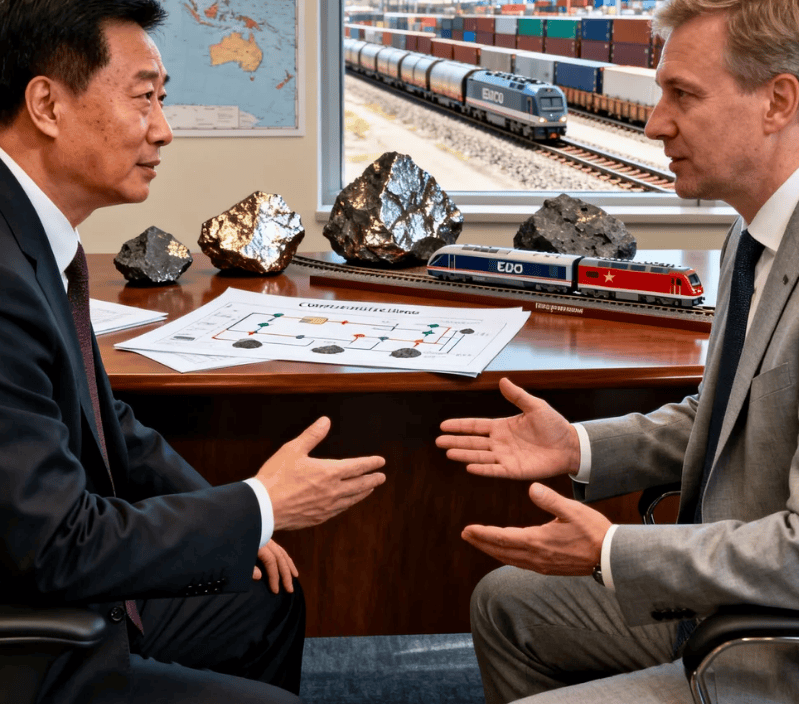
中波密谈稀土换班列:欧洲急盼中国投资,供应链困局有解?
Sou Hu Cai Jing· 2025-10-15 01:41
Core Insights - Europe is heavily reliant on China for rare earth elements, with 70% of its supply coming from China, even when sourcing through American intermediaries [2] - The tightening of China's rare earth exports has led to immediate production halts in European automotive factories, indicating a fragile supply chain [2] - Poland plays a crucial role in the logistics of the China-Europe rail network, which is essential for maintaining stable supply routes for rare earths [3] Group 1: Supply Chain Dynamics - The interdependence between China and Poland is evident, as both parties require investment in logistics and stable export channels to ensure smooth operations [3] - The Chinese government has facilitated rare earth exports to Europe, with over 60% of European companies receiving export permits in the first half of the year [2][4] - The potential for a successful China-Poland agreement could alleviate supply chain pressures for European automotive and electronics manufacturers [3] Group 2: Geopolitical Influences - The U.S. is encouraging Europe to "de-risk" and relocate rare earth processing to North America, which could complicate the supply chain further [3] - European companies have faced multiple production interruptions, with seven reported in August alone, highlighting the urgency of stabilizing supply chains [3] - The sustainability of China's rare earth export controls is framed as a necessity for environmental governance rather than a strategic blockade [4] Group 3: Future Outlook - The success of the China-Poland collaboration hinges on Europe's ability to resist U.S. pressure and engage in constructive dialogue [4] - The rare earth supply chain is deeply intertwined with broader industrial networks, making it a complex issue beyond mere commodity trading [4] - A successful partnership could provide a pathway for Europe to stabilize its supply chains amidst ongoing geopolitical tensions [4]
填弹巧发:“稀土威慑”策略的现实和未来
Hu Xiu· 2025-10-13 05:46
Core Viewpoint - China's rare earth export controls are seen as a strategic response to U.S. actions, reflecting a shift towards a more institutionalized deterrence approach, which may complicate future negotiations and economic relations between the two countries [1][4][5]. Group 1: China's Export Control Strategy - The export control is based on a licensing system rather than a ban, serving as a deterrent rather than an immediate retaliatory measure, indicating a cautious approach to escalation [5]. - The timing of the announcement is perceived as a response to U.S. provocations, particularly following Trump's threats of 100% tariffs, suggesting a calculated move to leverage negotiation power [1][2]. - The implementation of these controls may create a long-term structural tension in U.S.-China economic relations, complicating potential compromises [4][6]. Group 2: Market Reactions and Implications - Financial markets reacted to the uncertainty surrounding negotiations, indicating a shift from previous assumptions of stability to a need for re-evaluation of trade factors [2][6]. - The potential for a "derisking" strategy by the U.S. and its allies could diminish the value of China's rare earth resources, as alternative supply chains are being developed [7]. - The market's perception of the effectiveness and credibility of China's deterrent measures will be crucial in determining future trade dynamics [6][7]. Group 3: International Audience and Strategic Considerations - The export controls are not solely aimed at the U.S. but also impact global supply chains, particularly in sectors like semiconductors and automotive industries, raising concerns among other nations [9]. - Managing the international audience's perception is critical; if countries view China's actions as reasonable, cooperation may continue, but if seen as aggressive, it could accelerate supply chain decoupling [9][10]. - The effectiveness of China's strategy will depend on its ability to communicate its intentions clearly and maintain a balance between deterrence and cooperation with other nations [10].

真正的决定因素是预期
Hu Xiu· 2025-10-12 04:38
Group 1 - The article discusses the historical context of China's competition with the United States, positioning China as the third major competitor after the Soviet Union and Japan since World War II [1][4]. - It highlights that the competition with the Soviet Union was primarily military and ideological, while the competition with Japan was mainly economic [2][3]. - The article asserts that China represents a comprehensive competitor to the U.S., encompassing military, economic, and technological challenges, combining elements of both previous competitors [4][5]. Group 2 - The article notes that since 2014, the power dynamics between the U.S. and China have been shifting, with China's economy surpassing the U.S. in purchasing power parity (PPP) terms [6]. - It references former President Obama's approach to countering China's rise through initiatives like the Trans-Pacific Partnership (TPP), aimed at excluding China from shaping global economic rules [7][8]. - The article contrasts the differing approaches of Obama and Trump towards China, indicating a significant shift in U.S. strategy under Trump, who viewed China as a strategic competitor [9][16]. Group 3 - The article details the timeline of U.S.-China relations, noting Trump's state visit to China in 2017 and the subsequent shift in U.S. policy towards viewing China as a strategic competitor [10][14]. - It discusses the escalation of trade conflicts starting in 2018, with the U.S. invoking Section 301 of its Trade Act to investigate China, leading to a series of tariffs and negotiations [20][21]. - The article emphasizes that the context of U.S.-China relations has evolved, with increasing pessimism from China regarding future economic ties due to rising tensions and geopolitical competition [33][34]. Group 4 - The article argues that the fundamental issue in U.S.-China relations is not merely economic factors like tariffs or trade agreements, but rather the long-term perception of the relationship's trajectory [35][36]. - It suggests that any future agreements must address both economic and geopolitical issues simultaneously, as avoiding these discussions is no longer feasible [40].
中方连抛3820亿美债,巴菲特清空中企股票,信号特殊
Sou Hu Cai Jing· 2025-09-25 08:28
Group 1 - The article highlights the increasing tension in the US-China trade relationship, particularly focusing on China's significant reduction of US Treasury holdings and the implications for both economies [2][4][16] - China has reduced its US Treasury holdings by $573 billion over four months, reaching a new low of $730.7 billion, the lowest since December 2018 [4][18] - In contrast, Japan and the UK have increased their US Treasury holdings, indicating a stark difference in investment strategies among major creditors [6][20] Group 2 - Warren Buffett's decision to sell all his shares in BYD, after holding them for 17 years, reflects a strategic move to mitigate risks associated with US-China tensions and tariffs [12][21] - Buffett's actions are seen as a signal to other investors, suggesting a broader trend of foreign capital withdrawing from Chinese companies due to increasing geopolitical risks [14][16] - The article suggests that both China's reduction of US debt and Buffett's divestment from BYD are responses to the current economic climate shaped by US policies, indicating a shift in investment strategies [16][18]