
品牌高端化

Search documents
超高溢价入股迈巴赫奢侈品公司,老凤祥高端化豪赌胜算几何?
Tai Mei Ti A P P· 2025-10-23 09:30
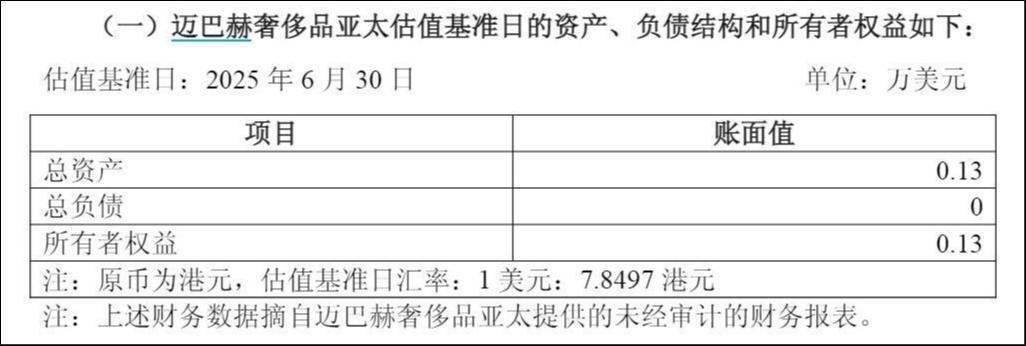
Core Viewpoint - The recent high-premium cross-border investment by the traditional Chinese jewelry brand Lao Feng Xiang (600612.SH) has drawn significant market attention amid high gold prices and pressure on its core business. The company announced a $24 million investment in a newly established luxury goods company with a net asset value of only $1,300, raising questions about the rationale behind such a high valuation and the uncertainty of investment returns [1][2]. Group 1 - Lao Feng Xiang plans to invest $24 million to acquire 20% of Maybach Luxury Goods Asia Pacific (MAP), which was established on February 11, 2025, and has not yet commenced operations. The valuation of MAP is $126 million, with a staggering appreciation rate of 9,692,207.69%, indicating a significantly inflated transaction value [2][3]. - The Shanghai Stock Exchange has issued a regulatory inquiry, requesting Lao Feng Xiang to justify the necessity and reasonableness of acquiring a minority stake at such a high premium without any historical operating performance from MAP [2][4]. - Lao Feng Xiang will not participate in the daily operations of MAP, only appointing one director and one financial director, which raises concerns about the company's involvement in the management and operational decisions of the new investment [3][4]. Group 2 - The luxury goods sector is a new area for Lao Feng Xiang, which may face challenges such as brand recognition, market promotion, pricing strategies, and consumer acceptance as it attempts to expand into this market [4]. - The international gold price has surged from around $3,300 per ounce to over $4,000, with a nearly 60% increase this year, negatively impacting the demand for gold jewelry and pressuring the performance of traditional gold retailers [5][6]. - Despite efforts to enhance its brand and expand into high-end markets, Lao Feng Xiang's financial performance has suffered, with a 20.5% decline in revenue to 56.793 billion yuan and a nearly 12% drop in net profit to 1.95 billion yuan in 2024 [7][9].


乖宝宠物(301498):加大战略性费用投入 卡位中国宠食第一品牌
Xin Lang Cai Jing· 2025-10-23 00:41
Core Viewpoint - The company's Q3 2025 performance fell short of expectations, with revenue and net profit growth impacted by trade friction, intensified competition, and increased promotional expenses [1][2]. Group 1: Financial Performance - For the first three quarters of 2025, the company reported a revenue increase of 29% year-on-year to 4.74 billion yuan, while net profit rose by 9.1% to 510 million yuan [1]. - In Q3 2025, revenue grew by 21.8% year-on-year to 1.52 billion yuan, but net profit decreased by 16.6% to 135 million yuan, which was below expectations [1]. - The company's gross margin improved by 0.9 percentage points year-on-year to 42.4% in Q3 2025, driven by the growth of high-end brands [2]. Group 2: Market Trends - The company's proprietary brands continued to experience significant growth, with online sales of the Fregat brand increasing by over 100% in Q3 2025, contributing to an overall brand growth estimate of around 40% [2]. - The high-end product strategy is enhancing gross margins, although net profit margins are pressured by trade friction, competition, and increased promotional expenses [2]. Group 3: Strategic Positioning - The company is positioned in a strategic opportunity period for market share growth, with its brand and product development capabilities significantly ahead of other domestic competitors [3]. - The company has been recognized as the "No. 1 Pet Food Brand in China" by Euromonitor, validating its high-end capabilities and growth potential for premium product lines [3]. Group 4: Profit Forecast and Valuation - The company has revised down its net profit forecasts for 2025 and 2026 by 6% and 5% respectively, now estimating net profits of 700 million and 850 million yuan [4]. - The current stock price corresponds to a P/E ratio of 49 and 40 for 2025 and 2026, respectively, with a target price of 118 yuan indicating a 38% upside potential based on a 55 P/E for 2026 [4].
价值研究所|一纸任命47亿,波司登再追“高端梦”
中国基金报· 2025-10-22 13:56
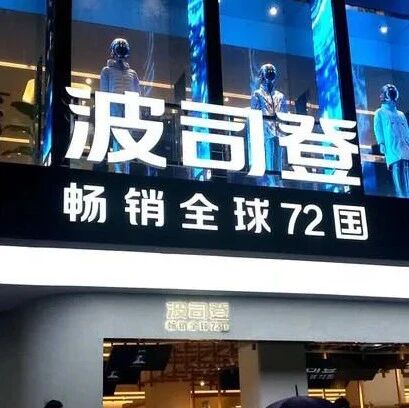
Core Viewpoint - The appointment of Kim Jones as the creative director for Bosideng's high-end series is a significant move towards the company's strategy of high-end branding and internationalization, which has been positively received by the capital market, resulting in a stock price increase of nearly 9% [2][3][5]. Group 1: Strategic Moves - Kim Jones' joining is seen as a critical step in Bosideng's high-end strategy, showcasing the company's foresight in brand internationalization and product innovation [5]. - The global downtrend of high-end down jacket brands like Canada Goose presents an opportunity for Bosideng to capture a portion of the high-end market [5][19]. - Bosideng has previously collaborated with various international designers, but Kim Jones' role is more integrated, involving design, visual arts, and global marketing strategies [9][10]. Group 2: Market Context - The down jacket market is experiencing a shift, with traditional high-end brands facing growth challenges, allowing domestic brands like Bosideng to explore high-end opportunities [19]. - Bosideng's revenue reached 25.9 billion yuan in the 2024/25 fiscal year, marking a historical high for eight consecutive years, with a net profit increase of 14.3% to 3.51 billion yuan [19]. - The competitive landscape is complex, with Bosideng facing challenges from both high-end brands and cross-category competitors, which could impact its market positioning [20]. Group 3: Challenges Ahead - Despite the positive market reaction, Bosideng's high-end strategy faces challenges, including consumer perception issues and a heavy reliance on marketing expenditures, which have surged from 2.45 billion yuan to 8.055 billion yuan from 2018 to 2024, while revenue growth has been modest [19][20]. - The long-term realization of value from Kim Jones' appointment remains to be seen, as the brand must navigate a multifaceted competitive environment [20].
一纸任命47亿,波司登再追“高端梦”
Zhong Guo Ji Jin Bao· 2025-10-22 13:56
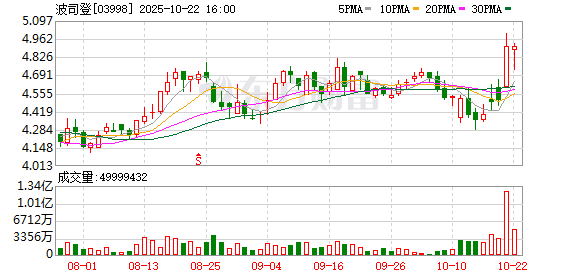
Core Insights - The appointment of Kim Jones as the creative director for Bosideng's high-end series is seen as a significant move towards the company's high-end strategy, resulting in a market response that added HKD 4.7 billion to shareholder value [2][4] - Bosideng's stock price surged nearly 9% to HKD 4.91, marking a recent high, indicating strong investor confidence in the brand's strategic direction [2][4] Market Reaction - Kim Jones' joining is perceived as a pivotal step in Bosideng's strategy for high-end market positioning and international brand recognition [4] - The global downtrend of high-end down jacket brands like Canada Goose presents an opportunity for Bosideng to capture market share [4][12] Industry Context - Kim Jones is a renowned designer with a successful track record at Louis Vuitton and Dior, known for his ability to blend high fashion with streetwear, which aligns with Bosideng's aspirations [6][8] - The fashion industry is witnessing a shift, with established high-end brands facing growth challenges, creating a potential opening for domestic brands like Bosideng [12][13] Financial Performance - Bosideng reported a revenue of CNY 25.9 billion for the fiscal year 2024/25, marking a historical high and a 14.3% increase in net profit to CNY 3.51 billion [12] - The company's marketing expenses have significantly increased, raising concerns about the sustainability of its growth strategy [12][13] Strategic Moves - Bosideng has previously collaborated with various international designers, but Kim Jones' role is more integrated, covering design, visual arts, and global marketing strategies [8] - The brand's high-end series "Dengfeng" was launched with prices exceeding CNY 10,000, although it faced criticism regarding its perceived value [9][11] Competitive Landscape - Bosideng faces multifaceted competition from both high-end brands like Moncler and Canada Goose, as well as cross-category competitors like Lululemon [13] - The brand's ability to establish a strong luxury perception and narrative will be crucial for its success in the high-end market [12][13]

价值研究所|一纸任命47亿,波司登再追“高端梦”
Zhong Guo Ji Jin Bao· 2025-10-22 13:54
Core Viewpoint - The appointment of Kim Jones as the creative director for Bosideng's high-end series is seen as a significant step in the company's strategy to upscale its brand and product offerings, leading to a notable market response with a stock price increase of nearly 9% [2][4][10]. Company Strategy - Bosideng aims to transition towards a high-end market, as evidenced by its previous initiatives, including a logo redesign and the launch of its first high-end series "Dengfeng" priced above 10,000 yuan [7][8]. - The company has previously collaborated with various international designers, but Kim Jones's role marks a deeper involvement in design, visual arts, and global marketing strategies [6][8]. Market Dynamics - The global down jacket market is experiencing shifts, with traditional high-end brands like Canada Goose facing growth challenges, creating opportunities for domestic brands like Bosideng to capture market share [4][10]. - The competitive landscape is becoming more complex, with Bosideng needing to address both high-end competitors and cross-category challengers [12]. Financial Performance - Bosideng reported a revenue of 25.9 billion yuan for the 2024/25 fiscal year, marking a historical high for eight consecutive years, with a net profit increase of 14.3% to 3.51 billion yuan [10]. - The company's sales and distribution expenses have surged from 2.45 billion yuan to 8.055 billion yuan from 2018 to 2024, indicating a high dependency on marketing for growth [12]. Industry Impact - Kim Jones's appointment is viewed as a pivotal moment for Bosideng, potentially enhancing its brand perception and market positioning in the high-end segment [4][11]. - The fashion industry is witnessing a trend towards rational consumer behavior, where both high-end appeal and cost-effectiveness are prioritized [10].
中金:维持波司登跑赢行业评级 升目标价至5.89港元
Xin Lang Cai Jing· 2025-10-22 02:05
Group 1 - The core viewpoint of the report is that CICC maintains the EPS forecast for Bosideng at 0.34/0.38 HKD for FY26/27, with a target price increase of 4.6% to 5.89 HKD, indicating a 20% upside potential from the current stock price [1] - Recent research indicates that Bosideng's flagship store on Nanjing East Road in Shanghai has shown robust retail performance during the off-season, laying a solid foundation for the upcoming peak season [1] - Despite renovations at the main flagship store, Bosideng's sales in the Shanghai region remained strong in 1HFY26, supported by enhanced product and brand strength, as well as refined marketing management [1][2] Group 2 - CICC expects Bosideng's revenue to remain stable in 1HFY26, with healthy growth in the core down jacket business despite some fluctuations in OEM due to tariffs [2] - The company’s distribution channels have performed well under flexible policy guidance, contributing significantly to business growth in 1HFY26 [2] - Bosideng's collaboration with renowned designer Kim Jones to launch the new "AREAL Advanced Urban Line" demonstrates its commitment to upgrading its brand towards a high-end strategy [2]
中金:维持波司登(03998)跑赢行业评级 升目标价至5.89港元
智通财经网· 2025-10-22 01:51
Core Viewpoint - CICC maintains the EPS forecast for Bosideng at 0.34/0.38 HKD for FY26/27, with a target price increase of 4.6% to 5.89 HKD, indicating a 20% upside potential from the current stock price [1] Group 1: Company Performance - Recent research indicates that Bosideng's new flagship store on Nanjing East Road in Shanghai has shown robust retail performance during the off-season, laying a solid foundation for the upcoming peak season [2] - Despite renovations at the flagship store, Bosideng's sales in the Shanghai region remained strong in 1HFY26, supported by enhanced product and brand strength, as well as refined marketing management in high-end shopping areas [3] - The company has closely collaborated with distributors to improve operational quality, leading to excellent retail performance from distributors, particularly after a temperature drop in East China in mid-October [3] Group 2: Financial Outlook - CICC expects Bosideng's revenue to remain stable in 1HFY26, with healthy growth in the core down jacket business despite some fluctuations in OEM due to tariffs [4] - The company’s flexible policy guidance for distribution channels has driven significant business growth, while self-operated business performance remained stable due to strategic adjustments during the off-season [4] - A slight decrease in OEM proportion is anticipated to enhance the group's profit margin, maintaining a trend of profit growth alongside stable revenue [4] Group 3: Brand Strategy - Bosideng's collaboration with renowned designer Kim Jones to launch the new "AREAL Advanced Urban Line" demonstrates the company's commitment to upgrading its high-end brand strategy [5] - This initiative reflects the company's forward-looking approach in strategic high-end positioning, international brand development, and product innovation [5]
韩束官宣王嘉尔:一次“高端化+出海”宣言
FBeauty未来迹· 2025-10-13 11:24
Core Viewpoint - The announcement of international superstar Jackson Wang as the global ambassador for Han Shu signifies a transformative leap for the brand, marking a shift towards internationalization and a redefined brand image beyond traditional "national goods" labels [2][9][21]. Brand Transformation - Han Shu has evolved from a price-driven brand to one focused on scientific anti-aging, enhancing its product development and research capabilities [2][6]. - The collaboration with Jackson Wang represents a strategic upgrade in brand positioning, aiming to shed the image of being merely a "national alternative" and instead showcase a modern brand with technological and cultural depth [8][20]. Globalization Strategy - The partnership with an internationally influential figure like Jackson Wang allows Han Shu to expand its narrative and product experiences beyond China, aiming to establish itself as a representative of Chinese scientific beauty on the global stage [9][22]. - This move is part of Han Shu's ambition to become a "Chinese scientific beauty exporter," indicating a commitment to high-end transformation and international market penetration [9][21]. Market Performance - Han Shu has demonstrated strong market performance, maintaining a leading position on platforms like Douyin for 25 consecutive months and achieving significant sales milestones [10][16]. - The brand's user demographics show a concentration of over 74.95% in the 18-35 age range, indicating a strong appeal to the primary consumer base in the beauty market [10]. Research and Development - Han Shu has a robust foundation in research, having focused on peptide technology since 2003, and recently appointed a leading international expert to enhance its scientific capabilities [11][14]. - The introduction of the X Peptide series, featuring self-developed ingredients, exemplifies Han Shu's commitment to high-quality, effective skincare products that can compete with international brands [17][19]. Future Aspirations - The collaboration with Jackson Wang is seen as a strategic step towards achieving the brand's vision of becoming a billion-dollar entity, focusing on expanding its market presence and enhancing its product offerings [21][22]. - Han Shu aims to leverage its existing market dominance to build a sustainable growth trajectory that emphasizes premium positioning and international competitiveness [21].

九牧破圈之道:唱响高端品牌“三重奏”
Jin Tou Wang· 2025-10-13 01:29
Core Viewpoint - The article discusses how the company Jomoo is leveraging entertainment, cultural content, and high-end technology to transform its brand identity and enhance customer engagement through innovative marketing strategies [2][8]. Group 1: Entertainment Integration - Jomoo's recent event, the "Jomoo Global Music Season," attracted over 50,000 attendees, showcasing the brand's commitment to integrating its products into entertainment experiences [2][3]. - The event featured a "Dopamine Energy Supply Station," allowing young users to engage with the brand in a fun and memorable way, marking a shift from being a "functional supplier" to a "scene planner" [3][4]. - Jomoo's approach emphasizes user experience, with initiatives like inviting loyal customers for free attendance and providing thoughtful gift packages, signaling a deeper emotional connection with consumers [3][4]. Group 2: Cultural Content Integration - The partnership with Dunhuang culture serves as a strategic move to deepen brand content, linking Jomoo's origins with the historical significance of the Silk Road [4][6]. - The "Dunhuang Clean Space," a popular restroom facility, integrates cultural elements with modern technology, attracting over 10,000 visitors daily and enhancing the brand's cultural narrative [4][5]. - Jomoo's products are positioned as cultural mediators, connecting ancient heritage with contemporary technology, thus enriching the brand's cultural depth and aesthetic appeal [5][6]. Group 3: High-End Brand Strategy - Jomoo's strategy is built on a triad of "technological leadership, cultural empowerment, and social responsibility," aiming to create a sustainable brand identity [7][8]. - The company emphasizes social responsibility through initiatives like the introduction of emergency toilets at events and environmental campaigns, reflecting a commitment to societal values [7][8]. - Jomoo's innovative practices, such as the "black light factory" that achieves significant energy savings and carbon reduction, redefine industry boundaries and position the brand as a long-term player in the market [7][8].
国货黄金品牌老凤祥“冲顶”奢侈品还差什么?
Mei Ri Jing Ji Xin Wen· 2025-10-12 14:00
Core Viewpoint - The recent investment by Lao Feng Xiang in Maybach Luxury Goods Asia Pacific is seen as a significant step towards high-end transformation in the gold and luxury goods sector, sparking discussions about the dilution of gold attributes and the potential for mutual benefits in market expansion [1][2][6]. Company Summary - Lao Feng Xiang plans to invest $24 million (approximately 170 million RMB) to acquire a 20% stake in Maybach Luxury Goods Asia Pacific, along with securing distribution rights in the Asia Pacific region [1][3]. - The partnership aims to enhance Lao Feng Xiang's brand image and product offerings while expanding into international markets [3][5]. - The investment is structured as a dual approach, combining equity investment with brand agency agreements to facilitate a stable relationship and operational learning from the luxury sector [4][5]. Industry Summary - The gold jewelry industry is currently facing profitability challenges due to high gold prices and increasing product homogeneity, leading to declining consumer demand [6][7]. - Lao Feng Xiang's revenue fell by 16.52% to 33.356 billion RMB, with net profit down 13.07% to 1.22 billion RMB in the first half of 2025, reflecting broader industry trends [7]. - In contrast, competitors like Lao Pu Gold have seen significant growth, with a 251% increase in revenue, indicating a potential shift towards high-end strategies within the industry [7][8]. - The luxury goods market is expected to see over 50% of luxury brands introducing pure gold jewelry, indicating a growing intersection between gold and luxury sectors [10].