
国货崛起

Search documents
申万宏源:维持上美股份“买入”评级 公司战略落地成效持续显现
Zhi Tong Cai Jing· 2025-10-16 06:59
Core Viewpoint - The company is building long-term advantages through multi-brand synergy, channel optimization, and increased R&D investment, with strategic implementation showing continuous results [1] Group 1: Brand Strategy and Global Expansion - The company announced Jackson Wang as the global brand ambassador, enhancing its high-end image and international presence [2] - The company has signed popular stars like Ding Yuxi and Tian Xunying, with Tian's first-day sales reaching 50-60 million, indicating strong consumer purchasing power [2] Group 2: Sales Strategy and Product Focus - The company is focusing on profit and core products during the Double Eleven sales event, promoting the X Peptide high-end series and the Hongyun makeup series [3] - The X Peptide series benefits from Jackson Wang's endorsement, while the Hongyun series aligns with the festive season, potentially boosting the makeup segment [3] Group 3: Competitive Advantages - The company has established a strong brand presence and consumer loyalty through extensive marketing during the "big screen exposure era" [4] - The organization employs a "top-tier talent" strategy, attracting high-level professionals and enabling quick responses to online sales platform changes [4] - The company has significant sales volume, enhancing its negotiation power compared to smaller brands, and maintains high gross margins through vertical integration and cost control [4] Group 4: Long-term Growth Strategy - The company achieved an online GMV of 4.5 billion in the first half of 2025, with multiple products exceeding 100 million in sales [5] - Three new brands are set to launch in 2025, with positive performance from skincare and makeup brands, supporting a revenue target of 30 billion by 2030 [5] - The company is expanding globally, with a 300 million investment in Southeast Asia and plans for further expansion into North America and Europe [5]

海关总署称中国潮玩成外贸出口新亮点,聚焦港股消费ETF(513230)布局机遇
Mei Ri Jing Ji Xin Wen· 2025-10-14 03:07
Group 1 - Hong Kong stocks experienced a decline, with the Hang Seng Index and Hang Seng Tech Index turning negative, while new consumption concepts rebounded [1] - The Hong Kong consumption ETF (513230) showed a slight increase, with leading stocks including XPeng Motors, Hengan International, Pop Mart, BYD, and Smoore International [1] - The General Administration of Customs reported that in the first three quarters of this year, China exported holiday goods, dolls, and animal-shaped toys exceeding 50 billion yuan, reaching over 200 countries and regions, highlighting the global popularity of domestic products [1] Group 2 - Huatai Securities research indicated steady growth in consumption during the National Day and Mid-Autumn Festival holidays, with an average of 304 million cross-regional trips per day during the holiday period, a year-on-year increase of 6.2% [2] - The report emphasized the rise of emotional consumption and the upgrading of product categories driven by local consumption policies and national subsidies, with green health and intelligent products leading in growth [2] - The Hong Kong consumption ETF (513230) tracks the CSI Hong Kong Stock Connect Consumption Theme Index, encompassing major players in both new consumption and internet e-commerce sectors, including Pop Mart, Lao Pu Gold, Miniso, Tencent, Kuaishou, Alibaba, and Xiaomi [2]
中金:内地黄金周年轻人成消费主力悦己消费长期布局 推荐潮玩及电子烟等板块
Zhi Tong Cai Jing· 2025-10-13 08:26
Core Insights - The report from CICC indicates that the consumption data for the National Day and Mid-Autumn Festival holidays in 2025 shows strong performance, driven by longer holiday periods and a high level of domestic and outbound travel [1] Group 1: Consumption Trends - Overall consumption data reflects a youthful and experience-oriented trend, with notable performance in discretionary categories such as home appliances and outdoor sports [1] - The average daily flow of cross-regional personnel in mainland China from October 1 to 8 increased by 6.2% year-on-year, indicating a robust travel environment [1] - The average spending per trip during the holiday increased by 14.6% year-on-year, attributed to the ongoing recovery of outbound tourism and a rise in long-distance and segmented travel within the country [1] Group 2: Retail Performance - The Ministry of Commerce's monitoring of 78 key business districts showed a year-on-year increase in foot traffic and sales of 4.2% and 4% respectively during the first three days of the holiday [1] - Data from the National Immigration Administration revealed that the average daily number of inbound and outbound travelers exceeded 2 million, marking a 15% year-on-year increase [1] Group 3: Investment Recommendations - CICC recommends focusing on sectors benefiting from self-indulgent consumption trends, such as trendy toys and e-cigarettes, highlighting companies like Pop Mart (09992), Blucor (00325), and Smoore International (06969) [1] - The report also suggests investing in domestic brands in the beauty and personal care sectors, recommending companies like Mao Geping (01318), Giant Bio (02367), and Shanghai Jahwa (600315) [1] - Attention is drawn to retail sectors that may benefit from supportive domestic policies and seasonal catalysts [1]


国庆出行活跃,远途游及情绪消费亮眼
HTSC· 2025-10-09 03:04
Investment Rating - The report maintains an "Overweight" rating for the consumer discretionary sector [7] Core Insights - The report highlights robust growth in consumption during the National Day and Mid-Autumn Festival holidays, driven by overlapping holidays and increased travel intentions, with daily cross-regional passenger flow reaching 304 million, a year-on-year increase of 6.2% [2][16] - The report identifies structural opportunities in the consumption sector, particularly in emotional consumption, the rise of domestic brands, and AI-driven consumer experiences [2][5] Retail Sector Summary - Retail sales for key retail and catering enterprises increased by 3.3% year-on-year during the first four days of the holiday [2] - Popular tourist provinces and lower-tier cities showed strong performance, with cities like Qingdao (+8.2%) and Nanjing (+5.9%) leading the way [2][11] - Emotional consumption trends are emerging, with significant sales increases in products like projectors and gaming consoles, which saw year-on-year growth of 245% and 292% respectively [2][12] Tourism Sector Summary - The long holiday period has amplified travel intentions, with long-distance and cross-border travel demand remaining strong [3][16] - Domestic long-distance travel orders increased by 3 percentage points year-on-year, with popular tourist destinations experiencing significant visitor growth [3][17] - Outbound tourism to Hong Kong and Macau saw daily visitor numbers increase by 6.4% and 7.8% respectively [22] Dining and Hospitality Summary - The dining and hotel sectors experienced moderate growth, with average prices remaining stable [4][37] - The average daily sales for duty-free shopping in Hainan reached approximately 1.2 billion yuan, reflecting an 11% year-on-year increase [27] - Hotel revenue per available room (RevPAR) showed a year-on-year increase of 6.27%, driven by growth in average daily rates (ADR) [37] Investment Recommendations - The report emphasizes institutional investment opportunities in the consumer sector for 2025, recommending four main investment themes: the rise of domestic brands, high-growth emotional consumption, the silver economy, and AI-driven consumer experiences [5][9]


富养自己的8件好物,后悔没早买!
洞见· 2025-10-07 14:06
Core Viewpoint - The article emphasizes the rapid rise of domestic brands in China, highlighting their improved quality, affordability, and effectiveness, which have led to a significant shift in consumer preferences towards domestic products [4][6]. Group 1: Rise of Domestic Brands - The perception of domestic products has shifted from "poor quality and cheap packaging" to a recognition of their quality and value [4]. - New domestic brands such as Shilang, Pianzihuang, and Mayinglong are gaining popularity due to their professional capabilities and effective products [5]. - The rise of domestic brands has given "Made in China" a new and special meaning, reflecting a broader trend in consumer behavior [6]. Group 2: Product Recommendations - The article lists several high-quality domestic products that are both effective and affordable, including: - Shilang Anti-Hair Loss Shampoo, priced at 69 yuan for 2 bottles, which has shown a 20.24% increase in hair strength after 12 weeks of use [10][31]. - Rongsheng Astaxanthin Mask, priced at 49 yuan for 30 pieces, which is effective for hydration and skin tightening [49][60]. - Mayinglong Eye Cream and Eye Mask, priced starting at 69 yuan, which targets dark circles and fine lines [79][98]. - Pianzihuang Pearl Cream, priced at 49.9 yuan for 3 bottles, known for its skin brightening properties [100][112]. - Soft Bone Push-Up Bra, priced at 69 yuan for 2 pieces, which offers natural shaping without discomfort [114][148]. - Jingdi Slow-Rebound Cervical Pillow, priced at 79 yuan, designed to support the neck and improve sleep quality [151][176]. - New Balance Dad Shoes, priced at 99 yuan per pair, known for their comfort and stylish design [178][210]. - Double-layer gauze bedding set, priced at 119 yuan for a four-piece set, made from high-quality materials suitable for all seasons [215][261]. Group 3: Consumer Behavior Insights - The article encourages readers to recognize the value of domestic products and contribute to the "rise of domestic goods" by sharing their experiences and preferences [9]. - It highlights the importance of quality and affordability in influencing consumer choices, particularly in the context of rising domestic brands [6][9].


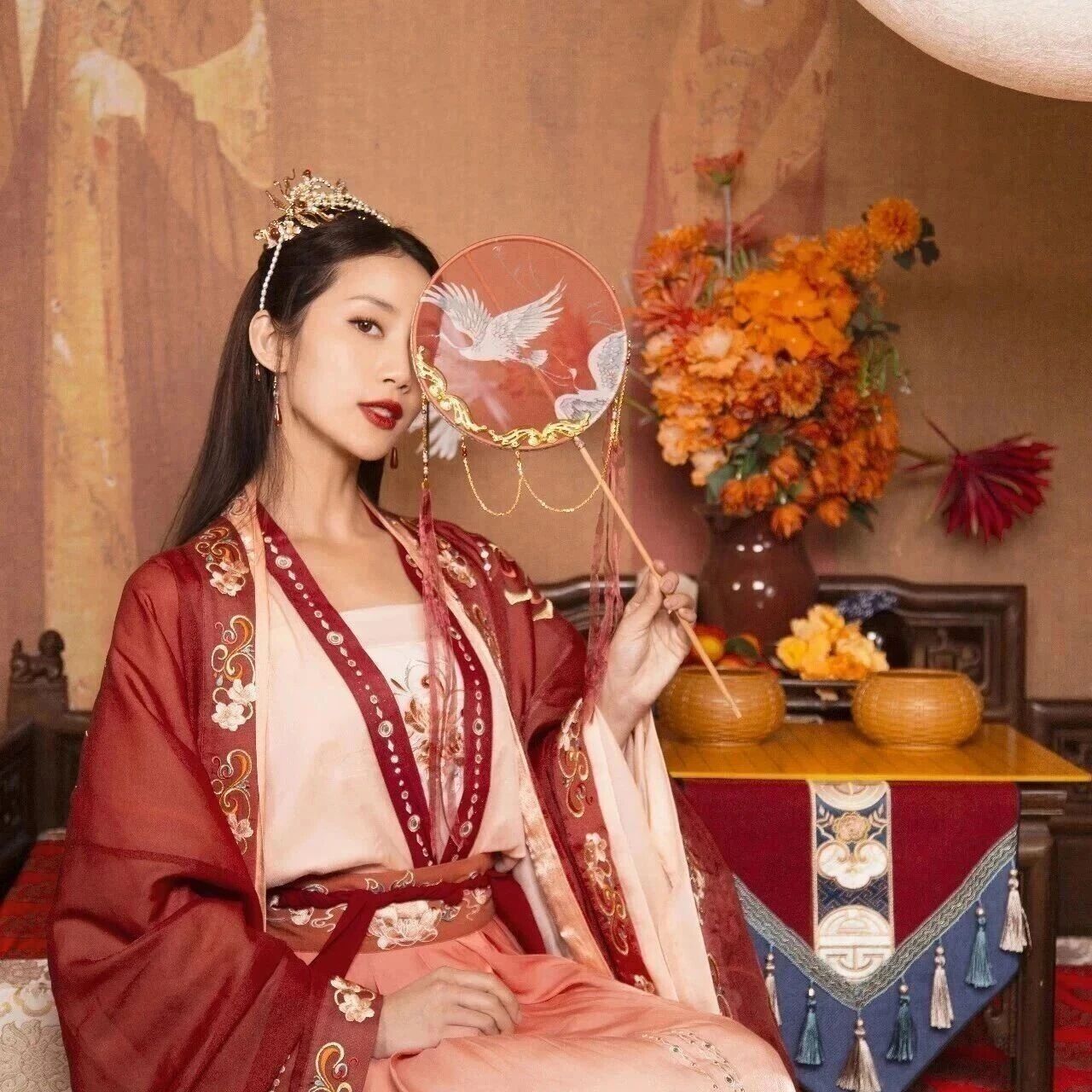
中金:国庆出游景气度同比提升 消费有望延续回暖趋势
智通财经网· 2025-09-29 09:07
Group 1 - The report indicates that the 2025 National Day and Mid-Autumn Festival holiday will last for 8 days, while the 2024 holiday will last for 7 days, leading to a more active consumption window due to flexible holiday arrangements [1] - According to the report, the total number of flights in China during the 2025 National Day period is expected to reach 139,000, a year-on-year increase of 5.7%, with international flights recovering to 94% of 2019 levels, and an average daily passenger volume of 2.247 million, up 6.4% year-on-year [1] - The report highlights a trend of multi-destination travel among tourists, with significant growth in mixed travel modes combining flights and high-speed trains, which is expected to boost per capita consumption during the holiday [1] Group 2 - The report notes that as of September 22, 62% of bookings on Meituan were made by post-00s young tourists, indicating a shift in preferences towards cultural tourism, including museum visits and music festivals [1] - The Ministry of Culture and Tourism has announced that over 480 million RMB in consumption subsidies will be distributed during the consumption month, which is expected to enhance consumer willingness and drive holiday consumption [1] - The company recommends long-term investment in self-indulgent consumption sectors, including trendy toys and e-cigarettes, as well as domestic beauty and personal care brands, reflecting the rise of domestic products [2]
研报掘金|中金:国庆出游景气度按年提升 消费有望延续回暖趋势
Ge Long Hui· 2025-09-29 05:25
Core Insights - The report from CICC indicates that the 2025 National Day and Mid-Autumn Festival holiday will span 8 days, coupled with more flexible leave arrangements, which is expected to stimulate a more active consumption window [1] - The Ministry of Culture and Tourism has announced that over 480 million yuan in consumption subsidies will be distributed during the consumption month, which is anticipated to further enhance residents' willingness to spend and boost holiday consumption [1] Group 1: Consumer Trends - The extended holiday peak is expected to improve travel sentiment year-on-year [1] - The report emphasizes a long-term focus on self-consumption, recommending sectors such as trendy toys and e-cigarettes, with specific companies like Pop Mart, Blokus, and Smoore International highlighted [1] Group 2: Domestic Brands and Policy Impact - The report suggests a trend towards the rise of domestic brands, recommending beauty and personal care sectors, including companies like Mao Geping, Juzhibio, Shanghai Jahwa, and Shanghai Jahwa [1] - Attention is drawn to sectors benefiting from policy catalysts, particularly retail, supported by domestic demand policies and seasonal boosts [1]

武汉8月核心CPI同比上涨1.5%
Chang Jiang Ri Bao· 2025-09-17 00:28
Group 1 - The Consumer Price Index (CPI) in Wuhan increased by 0.3% year-on-year in August, with the core CPI, excluding food and energy, rising by 1.5% [1] - The sales of mid-to-high-end home appliances grew by 25% year-on-year, driven by the popularity of smart products and the "old-for-new" policy [1] - The price of large household appliances rose by 7.7%, while small kitchen and bathroom appliances saw a 1.5% increase, reflecting a trend of upgrading consumption [1] Group 2 - Cultural consumption is on the rise, with movie merchandise sales accounting for over 10% of total cinema revenue [1] - The service sector also showed vitality, with service prices in Wuhan increasing by 0.8% in August, and cultural and entertainment service prices rising by 2.7% [1] - The dining and night economy remain strong, with sports events driving consumer traffic to restaurants, leading to a 10% increase in customer flow at certain establishments [2]
国泰海通 · 晨报0917|化妆品
国泰海通证券研究· 2025-09-16 12:02
Core Viewpoint - The beauty industry is experiencing double-digit growth online, driven by promotional events and the rise of domestic brands, suggesting a need for selective investment in companies with adaptable products and channels [2]. Industry Summary - In August, both Tmall and Douyin achieved double-digit growth in beauty sales, with a combined year-on-year increase of 19.0%. Douyin's beauty GMV exceeded 20 billion, growing by 19.56%, while Tmall's GMV rose by 18.37%. The overall GMV growth rate for July and August was 16.1%, indicating a recovery primarily due to Tmall's promotional strategies [2]. - During the Qixi Festival, domestic brands dominated the top sales rankings, with Han Shu leading with over 700 million GMV. The top 20 makeup brands saw an increase of 4 new entrants, including Mao Ge Ping and Carzi Lan, showcasing the competitive strength of domestic brands across various categories [3].

本土企业主动将战略重心转向自主研发 企业、园区、监管“力往一处使” 抓住国货机遇 上海拿下美妆第一城
Jie Fang Ri Bao· 2025-09-08 02:00
Core Insights - Shanghai has established itself as a leading city in the beauty and cosmetics industry, with 17 brands listed in the "2025 CBE·Hurun China Color Makeup Brand TOP 50" report, significantly outpacing other cities [1] - The retail sales of cosmetics in Shanghai reached 68.5 billion yuan in the first half of the year, accounting for approximately one-third of the national total of 229.1 billion yuan [1] - Over the past decade, Shanghai's cosmetics retail sales have grown from 10% of the national total to a dominant position, reflecting a strategic shift towards domestic product development [1] Industry Challenges - Chinese beauty companies have historically relied on imported raw materials, leading to vulnerabilities in supply chains and pricing [2] - The dependency on foreign technology for core functional ingredients has hindered the competitiveness of domestic brands [2] Strategic Shifts - Local companies in Shanghai are focusing on independent research and development to address industry challenges, with brands like Chando investing in microbial fermentation raw materials since 2013 [3] - Chando has established 20 laboratories and filed 524 patents, showcasing a commitment to innovation and research [3] - New startups like JUDUO and Youshiyan are emerging, leveraging scientific research to carve out niches in the market [3] Academic and Industrial Collaboration - Shanghai's unique resources foster a collaborative environment for research and development, with institutions like Shanghai University of Applied Technology contributing talent to local companies [4][5] - Partnerships with leading hospitals and universities enhance product development, as seen with Chando's collaboration with Huashan Hospital [5] Policy Support - Shanghai has implemented strategic initiatives to accelerate the development of the beauty industry, including the establishment of the "Oriental Beauty Valley" concept [7] - The "Oriental Beauty Valley Cosmetics Element Service Platform" aims to streamline raw material procurement, potentially reducing costs for companies [7] - The platform has already facilitated over 200 tons of raw material transactions, generating sales exceeding 20 million yuan [7] Industry Growth - The Oriental Beauty Valley has become a significant hub for the cosmetics industry, with an estimated scale nearing 100 billion yuan [8] - Shanghai is the largest port for cosmetics imports and exports in China, with a total export value of 25.32 billion yuan in the first five months of the year, representing 35.6% of the national total [8] - Future plans aim for the beauty and health industry in Fengxian New Town to achieve an industrial output value of around 100 billion yuan by 2030 [8]