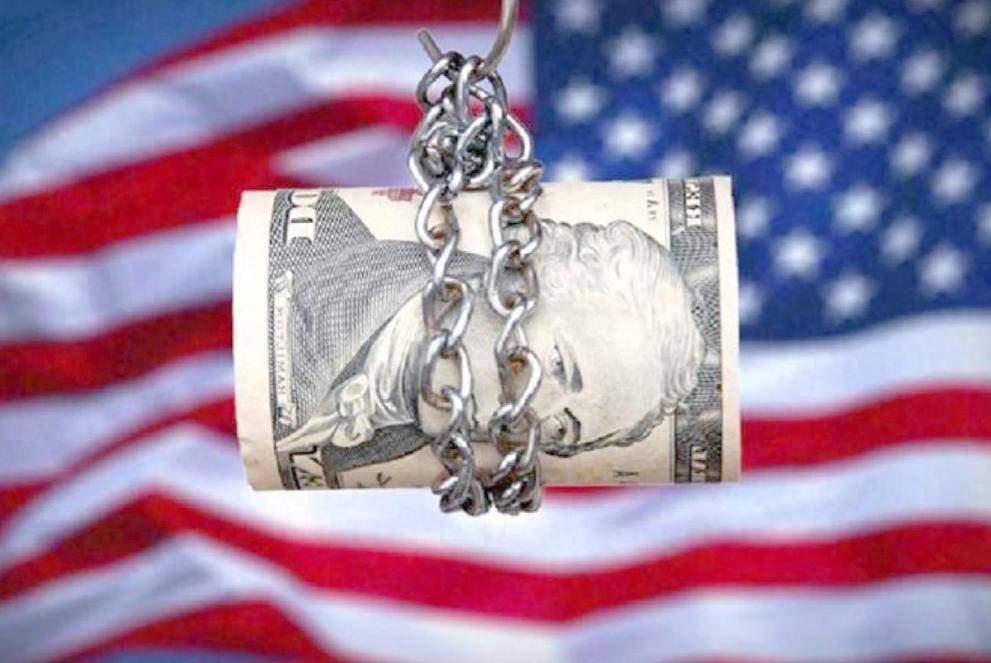
美元霸权

Search documents
马克龙:欧洲须警惕美国持续“威胁和恐吓”
Xin Hua Wang· 2026-02-11 02:57
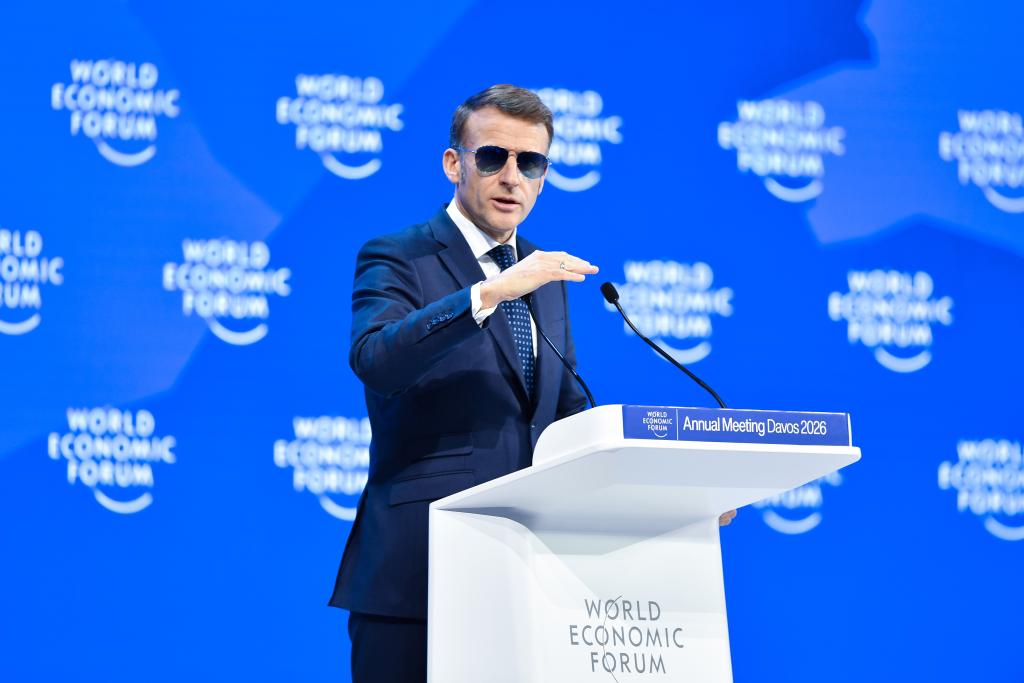
新华社北京2月11日电法国总统马克龙警告说,欧洲应为与美国关系的持续紧张做好准备,不可对美一味妥协。 据《世界报》《经济学人》《金融时报》等多家欧洲媒体10日报道,马克龙在接受这些媒体采访时表示,美国在格陵兰岛、贸易等方面对欧洲的 威胁看似"有所缓和",但欧洲不应将此误判为双方间紧张关系发生了"持久转变",美国的"威胁与恐吓"仍将持续。 他强调,欧洲不能对美国一味妥协。"当面临(美方)公然挑衅时……我们不应退让妥协。过去数月,我们尝试了这种(妥协)策略,但并未奏 效。更重要的是,这会导致欧洲在战略上加深依赖(美国)。" 马克龙主张"简化并深化欧盟单一市场",推动贸易伙伴关系"多元化"。他再次呼吁欧盟进行大规模投资,并挑战美元的霸权地位。 从对欧盟挥舞关税大棒,到强迫欧洲盟友大幅增加军费;从要求欧洲承担乌克兰安全保障"主要责任",到多次强调不排除武力夺取格陵兰岛…… 特朗普政府的"美国优先"不断冲击欧美关系。 路透社分析指出,美国觊觎格陵兰岛导致跨大西洋关系恶化,欧洲国家正"联合自强",寻求摆脱对美国的依赖。德国总理默茨日前敦促欧洲认清 跨大西洋关系现状,对欧美关系"美好过往"的怀念与追忆"无助于改变现实"。 ...

中国抛售美债,效果立竿见影:美债市场震动,美元霸权地位不稳
Sou Hu Cai Jing· 2026-02-11 02:46
这一次,华盛顿确实感到了一丝凉意。 不是发布会上的交锋,也不是外交辞令的较量,而是金融市场里实打实的变化。中国在美债问题上的动 作,让市场迅速给出了回应,而且回应并不轻。 很多人以为这只是常规的资产调整,但如果把时间线拉长,就会发现,这更像是一场深层博弈中的关键 落子。 事情的发展,并不喧闹,却足够分量。 不声不响的一步棋,市场已经起风 长期以来,美债被视为全球最安全的资产之一。流动性强,规模庞大,美元地位加持,让它成为各国外 汇储备的重要组成部分。 中国也不例外。 数据显示,中国曾在2013年前后持有美债超过1.3万亿美元,是最大的海外持有者之一。那是美元体系 最稳固的阶段,美债几乎被视为"无风险资产"。 但这些年情况发生了变化。 美国联邦政府债务规模已经突破34万亿美元,财政赤字持续高位运行。仅2023财年,美国财政赤字就超 过1.7万亿美元。借债规模越来越大,而利率水平却不再像过去那样低。 利率上升,意味着债券价格下跌。 就在市场传出中国进一步优化美债持仓结构的消息后,美债收益率迅速上行。十年期国债收益率一度冲 高至4%以上。收益率每上升0.1个百分点,对美国财政来说,都是巨大的利息压力。 金融市场从不 ...
美元镰刀,这样挥向全球
3 6 Ke· 2026-02-11 01:47
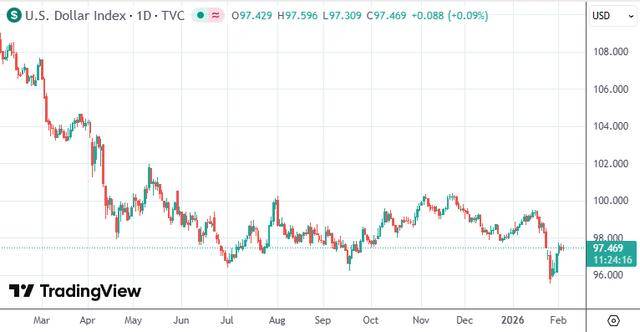
每当美元走势疲软、市场对其内在信用产生疑虑之时,国际新闻的头条似乎总会被某些关键地区骤然升 级的冲突所占据。 这是巧合吗?美元超过半个世纪的强弱轮回里,其起伏曲线与全球地缘政治的热点爆发,存在着一种过 于规律性的呼应。 似乎,美元的周期并不是单纯的市场供需或经济周期所能解释的。 事实上,美元的强势或弱势,一方面常常是美国将其金融实力与全球政治军事战略深度结合、进行主动 调控的结果。我们面对的不是一个纯粹的自由金融市场,而是一个高度一体化的"政治-金融复合体"。 当地缘政治成为这个复合体工具箱中一件关键的"非传统金融工具"时,现代货币霸权最为核心也最为现 实的运作逻辑,便清晰地浮现出来。 眼下,我们正目睹这一逻辑的显性化运作。 2025年美元因内部财政赤字扩大、政策不确定性高企而承受巨大压力。几乎同步,从东亚到中东,从南 亚到拉美,一系列高强度地缘冲突接连爆发。 与此同时,黄金价格在避险驱动下飙升至历史高位后,又因美国国内政策风向的微妙变化而剧烈震荡。 这些同时发生的现象并不是彼此孤立存在的。 它们共同构成了一个完整的叙事,当美元依靠传统经济手段维系吸引力变得困难时,外部的地缘震荡便 被有意识地用作危机调节,通 ...
马克龙着急:欧盟再不作为,将被中美横扫出局
Xin Lang Cai Jing· 2026-02-11 01:13
Core Viewpoint - French President Emmanuel Macron warns Europe to take urgent action to avoid being outcompeted by China and the United States in key strategic areas, advocating for a "Europe first" approach and increased investment in green technology, defense, and security [1][4][9]. Group 1: European Competitiveness - Macron emphasizes that Europe is facing a dual crisis from China and the U.S., with China's trade surplus reaching $1 trillion and the U.S. presenting instability [4][7]. - He calls for a new common borrowing initiative among EU member states to fund strategic sectors, suggesting that Europe must invest in its own future to counteract dollar dominance [9][10]. - Macron highlights the need for Europe to simplify and deepen its single market while promoting trade diversification [5][7]. Group 2: Investment Needs - The estimated annual investment requirement for the EU in green and digital technologies is €800 billion, with total needs in defense and security reaching approximately €1.2 trillion [7]. - Macron's proposals include the issuance of euro bonds to support these investments, despite skepticism from other EU member states regarding the feasibility of such initiatives [9][12]. Group 3: Political Dynamics - Macron's push for a more sovereign Europe has seen some success, but he acknowledges that progress has been slow and insufficient [2][4]. - The upcoming EU summit is expected to discuss competitiveness and the "European manufacturing" strategy, but Macron's proposals face opposition, particularly from Germany, which has historically rejected similar debt-sharing initiatives [12][15]. - There is a growing recognition among EU countries of the need for flexibility in financial matters, but consensus on Macron's proposals remains elusive [15].

全球资本为何加速“抛售美国”?
Sou Hu Cai Jing· 2026-02-10 23:53
Group 1 - The core viewpoint of the article is that there is a significant trend of global capital reducing its exposure to US dollar assets, indicating a potential decline in the dollar's dominance in the global financial system [2][21]. - The current wave of dollar asset reduction is characterized by "institutional leadership, expanding scope, and increasing scale" [3]. - Major institutional investors, such as the largest private pension fund in Sweden, have significantly reduced their holdings of US Treasury bonds due to concerns over the unpredictability of the US government and rising debt levels [4][5]. Group 2 - The scope of the sell-off is broadening, with central banks like India's reducing their holdings of US Treasury bonds, which have dropped by 26% from their peak in 2023 [8]. - UK pension funds are also reducing their exposure to US equities due to concerns over potential bubbles in the US AI sector and uncertainty surrounding US government policies [8]. - A survey by OMFIF indicates that nearly 60% of central banks plan to seek alternative assets in the next one to two years, reflecting a shift away from dollar-denominated reserves [9]. Group 3 - The scale of the reduction is significant, with the IMF reporting that the dollar's share in global foreign exchange reserves fell to 56.92%, the lowest level since 1995 [10]. - The global central bank gold holdings have surpassed US Treasury bonds for the first time since 1996, indicating a shift in asset preferences [10]. - There is a strong demand for physical gold-related ETFs, with record inflows in North America and Asia, as investors seek to optimize their reserve asset structures in response to uncertainties in the global monetary system [11][13]. Group 4 - Multiple factors are undermining the dollar's dominance, including the aggressive policies of the Trump administration, which have created significant uncertainty and eroded confidence in dollar assets [14]. - The US's use of financial sanctions and the weaponization of the dollar have raised concerns among countries about the safety of their dollar-denominated assets [19]. - The ongoing high levels of US debt are leading global investors to reassess the long-term creditworthiness of US Treasury bonds, further contributing to the decline in demand for dollar assets [19]. Group 5 - The large-scale reduction of dollar assets is expected to impact the US financial market and economic policies, potentially increasing government and corporate borrowing costs and suppressing investment and consumption [20]. - The weakening of the dollar's status as a reserve currency will accelerate the transition towards a more diversified global monetary system [20]. - The current trend of dollar asset reduction is seen as a rational choice by global capital in response to unilateralism and hegemony, marking a significant shift in the international financial order [21].
美国现在的困局告诉中国:打败美国的最好方法,就是一步也不能退
Sou Hu Cai Jing· 2026-02-10 21:37
Core Viewpoint - The trade friction with China in 2025 exposed long-standing structural economic issues in the U.S., revealing vulnerabilities in its economy that have been neglected due to the dollar's status as a global reserve currency [1]. Group 1: Economic Impact - The Trump administration's attempt to impose tariffs ranging from 10% to 145% on Chinese goods aimed to stimulate domestic manufacturing and reduce trade deficits, but instead exacerbated inflation and increased household expenses by hundreds of dollars [3][10]. - The U.S. manufacturing sector's operating rate was only 75%, significantly below historical peaks, indicating a hollowing out of domestic production capabilities [10]. - The reliance on financial markets for short-term gains has led to a neglect of the real economy, amplifying weaknesses during the trade conflict [10][20]. Group 2: Supply Chain and Resource Dependency - The U.S. is heavily dependent on China for rare earth elements, with over 80% of its refined rare earths sourced from China, posing risks to national security and defense capabilities [5][9]. - China's implementation of a rare earth export licensing system in April 2025 targeted U.S. technology and defense industries, forcing American companies to reassess their supply chains and compliance costs [7][12]. - The U.S. has attempted to relocate manufacturing to countries like Vietnam and Mexico, but infrastructure and skill levels in these regions have led to production delays and quality issues [5]. Group 3: Strategic Responses - China's proactive strategy in the trade conflict, focusing on critical minerals, has shifted the negotiation dynamics, compelling the U.S. to make concessions [14][20]. - The U.S. has allocated $134 million for rare earth recycling, but the short-term impact is limited, highlighting the challenges in establishing an independent supply chain [19]. - China's dominance in rare earth processing, with a global production share of 90%, makes it difficult for U.S. allies to fill the supply gap in the short term [16].
炸锅!德国带头运黄金,全球撤金潮来袭,美元已经慌了
Sou Hu Cai Jing· 2026-02-10 07:06
2026年1月,柏林上空阴云密布,但这并非气象问题,而是源自德国央行发出的一道"绝杀令"。这道命令直接飞越北大西洋,砸在了华盛顿的办公桌上:德 国要求立即、全部运回存放在纽约美联储地下金库的1236吨黄金。这不是一笔小数目,按照2026年飙升至每盎司5000美元的金价计算,这批黄金价值逼近 2000亿美元。这可是德国几代人勒紧裤腰带攒下的血汗钱。在这个节骨眼上,德国人为何突然翻脸?是预感到了什么惊天危机,还是早已看穿了盟友的虚情 假意?美国面对这突如其来的"讨债",究竟是痛快放行,还是继续百般阻挠?如果这批被称为"美元压舱石"的黄金真的离美返德,不可一世的美元霸权是否 会就此崩塌? 这哪是盟友间的协商,分明就是一场赤裸裸的"讨债"与"赖账"的攻防战。德国这回是吃了秤砣铁了心,议会里的吵闹声几乎要把穹顶掀翻。一边是激进派拍 着桌子怒吼,指责美国人把德国当成了提款机;另一边是保守派试图维持所谓的"跨大西洋友谊",却被民众的怒火喷得体无完肤。争议的焦点很直接:这黄 金到底还是不是德国的? 美国那边的反应更是耐人寻味。面对德国的催单,美联储那些西装革履的精英们,嘴角挂着职业假笑,手里却紧紧攥着金库钥匙不撒手。他们不说 ...
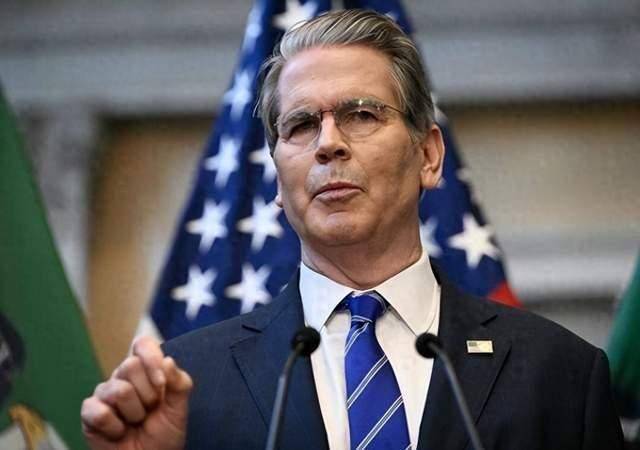
金价突然暴跌,贝森特却将矛头直指中国,指责交易“失序”
Sou Hu Cai Jing· 2026-02-10 06:16
Group 1 - The article discusses a significant drop in international gold prices, which fell sharply after nearing a historical high of $5,600, resulting in the evaporation of trillions of dollars in market value within hours [1][4] - U.S. Treasury Secretary Besant blamed China for the market turmoil, claiming that disorderly trading by Chinese investors disrupted the global precious metals market [8][10] - The article suggests that the extreme volatility in gold and silver prices is not merely a market reaction but rather a politically motivated intervention by the U.S. to maintain dollar hegemony [10][12] Group 2 - Data from the World Gold Council indicates that global central banks have net purchased over 1,000 tons of gold for three consecutive years, with China's central bank increasing its reserves to over 2,300 tons [14][34] - The article highlights a broader trend of countries repatriating gold reserves, with nations like Germany and Poland also participating in this "gold repatriation movement" [25] - The narrative emphasizes that the U.S. is losing its absolute pricing power over gold, as evidenced by the need for administrative measures to stabilize the market [12][36] Group 3 - The article posits that the current financial landscape is characterized by a separation of pricing power and ownership, where the prices set by Wall Street are increasingly disconnected from the physical assets held by global central banks [36][41] - It argues that the ongoing volatility in gold prices serves as a warning signal about the weakening of the once-mythologized dollar system, indicating a shift towards a new financial order based on tangible assets [39][43] - The conclusion suggests that the rise in gold prices reflects a growing distrust in the dollar's credibility, with a new financial order centered around physical assets rapidly taking shape [43]
央行增持黄金纸黄金震荡概率最高
Jin Tou Wang· 2026-02-10 03:58
值得关注的是,亚洲大国监管机构近期建议金融机构减少美债敞口,担忧集中风险与波动,进一步强化 黄金的多元化吸引力。在美债收益率曲线趋陡(两年/10年期利差达71.3基点)之际,投资者避险倾向明显 转向黄金。 本周美国财政部还将发行580亿三年期、420亿10年期及250亿30年期国债,或加剧债市波动,间接推升 黄金需求。中国"囤金热"延续,既是国内政策导向,也折射全球央行对美元霸权潜在风险的警觉,为金 价提供长期支撑。 【最新纸黄金行情解析】 2月10日黄金人民币价格为1116元,其走势按概率从高到低排序如下:首先,区间震荡的可能性最大, 占比50%,预计价格将在1100~1110元的支撑位与1130~1140元的压力位之间波动;其次,强势上攻的概 率为35%,若价格站稳1120元并放量突破,有望冲击1140元,目标价位在1140~1200元;最后,二次探底 的概率为15%,一旦跌破1100元,将考验1080元的支撑,若失守则可能下探至1060~1000元,反弹压力 位在1100元。 摘要今日周二(2月10日)亚盘时段,纸黄金目前交投于1125.29元附近,截至发稿,纸黄金暂报1117.23元/ 克,跌幅0.7 ...
美国只有3亿人,为何消费力能远超中国14亿人?现在全露馅了
Sou Hu Cai Jing· 2026-02-09 11:39
Group 1 - The core issue is that a significant portion of American consumer spending is not derived from personal earnings, but rather from debt accumulation [1][3] - As of January this year, the household savings rate in the U.S. has dropped to its lowest point in three years, indicating that spending is increasingly reliant on depleting savings meant for essential living expenses [3][6] - The total household debt has reached an alarming $18.59 trillion, translating to approximately $55,000 per person, highlighting the financial strain on American families [3][8] Group 2 - Credit card interest rates have surged to 22.25%, which burdens consumers further as they incur debt for everyday purchases, leading to a cycle of financial anxiety [6][10] - The federal government's interest payments on debt have exceeded $970 billion, surpassing military spending for the first time, signaling a critical point in national financial stability [8][10] - Moody's downgraded the U.S. credit rating from Aaa to Aa1, reflecting a loss of confidence in the country's financial health, which has resulted in negative impacts across stock, currency, and bond markets [10][12] Group 3 - The rising cost of living and inflation has led to consumer behaviors driven by fear rather than abundance, with individuals resorting to extreme budgeting measures [10][12] - The disparity between the wealthy and the poor is stark, as many ordinary Americans struggle to manage basic expenses while the affluent continue to enjoy luxury [14][15] - The current consumer landscape, once a symbol of economic strength, is now characterized by reliance on credit and public resources, raising concerns about the sustainability of this model [14][15]