AI芯片

Search documents
澜起科技赴港IPO拟按上限定价 融资70亿港元助力AI芯片布局
Xin Lang Cai Jing· 2026-02-03 03:17
格隆汇2月3日|有媒体援引知情人士透露,中国芯片设计商澜起科技计划将其香港上市发行价定在区间 上限,有望筹集70亿港元。这家总部位于上海的公司拟将其香港上市的6590万股股票定价为每股106.89 港元。该价格较周一177.93元人民币的收盘价折价约47%。知情人士表示,澜起科技计划于周二停止接 受机构投资者认购,较原定计划提前一天。澜起科技成立于2004年,主要设计旨在加速数据中心及AI 加速器内部数据流转的芯片。该公司表示,将把此次发行的所得款项用于人才招聘、投资及并购。 ...

黄仁勋:英伟达有很多竞争对手
半导体芯闻· 2026-02-02 10:32
Group 1 - The AI wave is sweeping globally, with tech giants actively developing AI chips to gain a competitive edge in the computing power race [1] - Intel plans to launch the entry-level Crescent Lake data center GPU this year, while Amazon's Trainium 3 server will see significant shipments, and the next-generation Trainium 4 aims to greatly enhance model training and inference capabilities [1] - Nvidia's CEO Jensen Huang acknowledges the intense competition in the AI chip market, stating that many companies are entering the space, but also many are failing or being acquired [2] Group 2 - AMD is launching the Helios server rack, which can accommodate 72 MI450 GPUs, with plans for mass production in the second half of this year, targeting clients like Oracle and OpenAI [2] - Huang emphasizes that Nvidia's unique position allows it to collaborate with every AI company, being present in cloud services, enterprise data centers, robotics, and automotive sectors [2] - Nvidia is set to release the revolutionary Vera Rubin AI server in the second half of this year, which will achieve 3.3 times the computing speed of its flagship Blackwell Ultra [1]


台积电2nm产能告急:苹果包揽首批,AMD谷歌排队,英伟达已瞄准1.6nm
Hua Er Jie Jian Wen· 2026-02-02 10:17
Core Insights - TSMC's advanced process capacity competition has officially begun, with global tech giants accelerating their entry into the 2nm process node, which is fully booked, highlighting the ongoing pressure on the semiconductor supply chain due to the combined demand for AI and mobile chips [1][2] - Nvidia's CEO Jensen Huang emphasized the urgent need for TSMC to operate at full capacity, confirming the industry's concerns about the tight supply of 2nm capacity [1] - Apple has secured over half of the initial 2nm capacity, with Qualcomm also being a major customer for 2026, while AMD plans to start 2nm CPU production in 2026 [1][2] Group 1: Capacity and Demand - The 2nm and 3nm process nodes at TSMC are facing capacity constraints, with high-performance computing and mobile chips competing for limited supply [2] - The 2nm family is expected to become a long-lifecycle node, with initial capacity ramp-up potentially exceeding that of the 3nm generation [2] - TSMC's CoWoS monthly capacity is projected to grow over 70% year-on-year by 2026, but this growth may still fall short of market demand [4] Group 2: Technological Developments - Nvidia plans to skip the 2nm process and move directly to the 1.6nm node, focusing on the A16 process, which features backside power delivery technology [3] - The A16 process is designed for high-performance computing products, improving signal integrity and power transmission efficiency, which is critical for large AI accelerators [3] - TSMC is upgrading its advanced packaging ecosystem to meet the demands of AI chips, which are increasingly adopting chiplet architectures and larger package sizes [4] Group 3: Challenges in Advanced Packaging - The supply-demand imbalance is a significant bottleneck, with challenges in improving the yield of large-scale system-level packaging [4] - As the packaging size of AI chips continues to grow, maintaining high yield rates has become increasingly difficult, potentially further constraining the supply capacity of advanced chips [4]


“寒王”扭亏,股价却不兴奋
Xin Lang Cai Jing· 2026-02-02 09:13
这意味着公司自成立以来首次实现年度盈利,标志着这家AI芯片龙头企业跨过了从技术积累到商业变 现的关键门槛。 然而,与这份亮眼财报形成鲜明对比的是,公司股价在近期却连续下滑,这种基本面与市场表现的背 离,折射出当前市场对寒武纪价值判断的复杂心态与深层逻辑。 炒股就看金麒麟分析师研报,权威,专业,及时,全面,助您挖掘潜力主题机会! 来源:IPO日报 2026年2月2日,2月的第一个交易日,"寒王"(寒武纪,688256)的股价一点也不兴奋,和其业绩表现 相差甚远。 当日,寒武纪以1249元的价格低开,盘中冲高回落再拉冲高,盘中最高价1273元,最低价1233元,收盘 价1242元,下跌1.34%。从阶段性高点1550元开始,15个交易日下跌超过300元,形成了新一波下杀走 势,目前已跌破30日、60日线,尚未看到止跌的信号。 张力制图 笔者以为,2025年对寒武纪而言,应该说值得是载入公司发展史的一年。根据其最新发布的业绩预告, 预计2025年营收为60亿-70亿元,归母净利润18.5亿-21.5亿元。 笔者以为,目前来看,寒武纪的基本面在本质上有了较大的突破:从"烧钱研发"到"规模盈利"转变。 我们来简单计算一 ...


“寒王”扭亏,股价却不兴奋
IPO日报· 2026-02-02 08:58
Core Viewpoint - The article highlights the disparity between the strong financial performance of Cambrian (寒武纪) and its declining stock price, indicating a complex market sentiment towards the company's valuation [4]. Financial Performance - Cambrian is expected to achieve revenue between 6 billion to 7 billion yuan and a net profit of 1.85 billion to 2.15 billion yuan in 2025, marking its first annual profit since establishment [3][4]. - The projected net profit margin for 2025 is approximately 30.8%, which is significantly higher than most domestic chip design companies and comparable to leading international semiconductor firms [5]. - Revenue growth from 1.17 billion yuan in 2024 to a projected 6.5 billion yuan in 2025 represents an increase of about 6 times [5]. Market Sentiment - Despite the positive financial outlook, Cambrian's stock has been declining, reflecting a market psychology where good news is perceived as bad news [6]. - The market had anticipated Cambrian's profitability, leading to a sell-off as the actual results aligned with expectations, resulting in pressure on the stock price [8]. - Analysts predict a limited upside for Cambrian's stock price in 2026, with a price-to-earnings ratio forecasted at 140 times, suggesting a reasonable price of 1,367.31 yuan [6]. Industry Context - The semiconductor sector is currently experiencing a recovery, but the strength of this recovery remains uncertain, putting additional pressure on Cambrian's stock [8]. - There is a shift in investor focus from high-volatility tech stocks to traditional stocks with stable cash flows, which may further impact Cambrian's market performance [8].

传闻华为将分拆数字能源?千亿资产待价而沽,谁将接盘?
3 6 Ke· 2026-02-02 00:22
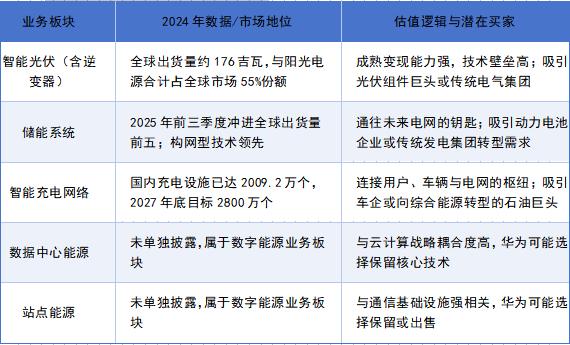
光伏逆变器全球冠军、储能系统新晋巨头,华为数字能源这张王牌可能成为新能源行业史上最昂贵的交 易标的。 2026年1月下旬,一则传闻开始在能源和资本市场流传:华为可能正在为其明星业务数字能源寻找买 家。这块业务在2024年为华为贡献了686.78亿元收入,同比增长24.4%,是集团第三大营收来源。 与几年前出售荣耀不同,如果传言为真,这次华为面临的是一块结构复杂、估值可能高达数千亿元的巨 型资产。 全球光伏逆变器市场正经历周期性调整,机构预测2026年出货量将继续下滑。而储能行业则处于从"规 模扩张"向"价值提升"转型的关键节点。如果此时拆分出售,华为显然是在行业估值高点和自身战略转 型期之间,做出了一次精密的计算。 分析华为数字能源业务的价值,需要将其拆解为不同板块。 如果此刻出手,华为看到了什么市场信号? 全球能源市场正在经历深刻的结构性变化,如果华为选择在此时考虑分拆数字能源,背后将是多重市场 信号的叠加。 根据伍德麦肯兹数据,2024年全球光伏逆变器出货量达到589GW的高点后,市场已进入调整期,预计 2025年将下降至577GWac,2026年进一步下滑至523GWac。 这一下行周期背后是中国、欧洲 ...
马斯克不“装”了?SpaceX申请部署100万颗卫星,太空“争夺战”已打响
Sou Hu Cai Jing· 2026-02-01 05:55
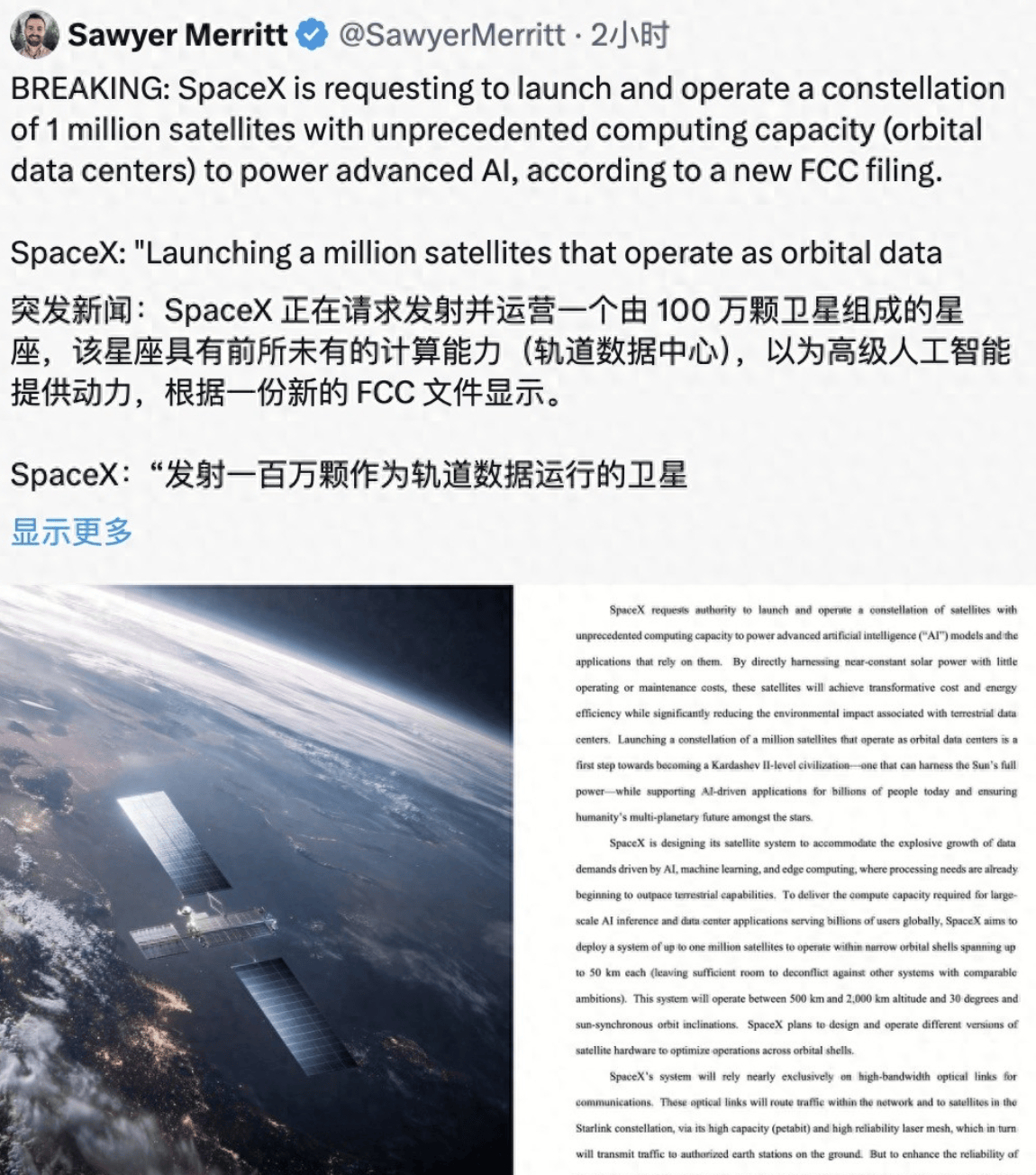
什么?马斯克要往天上撒一百万颗"电脑",这事儿有多离谱? 看到新闻的那一刻,笔者差点把咖啡喷出来,马斯克竟然申请要往天上发射一百万颗卫星!不是一万,不是十万,是一百万颗!这是什么概念?截至2026年 1月,太空中的活跃人造卫星总数一共才约14300颗。马斯克这一出手,直接让卫星数量翻了上百倍,不离谱吗? 仔细一看申请文件,更魔幻了。这些不是普通卫星,而是带着AI芯片的"轨道数据中心"。简单说,就是要把现在的云计算中心搬到天上去。马斯克这是要在 近地轨道开个全宇宙最大的"网吧",每颗卫星都是一台高性能电脑,用太阳能供电,用激光互相联网。 想想那个画面:咱们现在用ChatGPT还得连美国的服务器,以后可能直接抬头连天上的"星链大脑"了。马斯克说这是"从小规模做起",后面还加了个笑哭的 表情——这谦虚得让人后背发凉。 这话听着挺有道理,但仔细一想不对劲。太空确实大,但适合放卫星的轨道就那么几层,就像北京五环内的房子,地段好的就那些。马斯克这一百万颗要是 真上去,相当于把二环到四环的"黄金楼层"全给占了。以后别人再想放卫星,得先问问他的卫星让不让道。 说实话,看到这新闻的第一反应是焦虑。咱们的航天技术不差,长征火箭成 ...
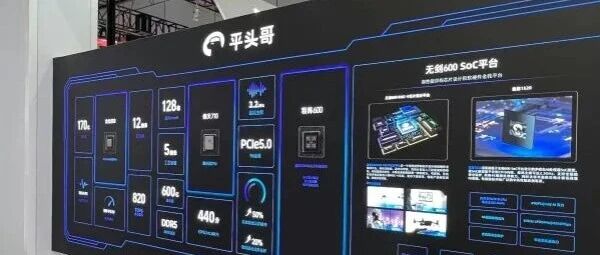
36氪精选:阿里平头哥启动上市计划,已布局全栈AI芯片
日经中文网· 2026-01-31 00:33
编者荐语: 日经中文网与36氪开展内容交换合作。将精选36氪的精彩独家财经、科技、企业资讯,与读者分享。 以下文章来源于36氪 ,作者邱晓芬 36氪 . 36氪是服务中国新经济参与者的卓越品牌和开创性平台,提供新锐深度的商业报道,强调趋势和价值,我们的slogan是:让一部分人先看到未来。 平头哥自研PPU已成为中国新增AI算力市场的主力芯片之一。 文 | 邱晓芬 封面来源 | 日经中文网 1月22日,接近市场人士称,阿里巴巴集团已决定支持旗下芯片公司平头哥未来独立上市。平头哥是阿里巴巴全资子公司,于2018年成立。 成立8年以来,公司已在计算、存储、网络等领域推出多款性能业界顶级的芯片,据悉,平头哥自研PPU已成为中国新增AI算力市场的主力芯片之一。 互联网公司里, 自研芯片的早期探索者 芯片一直被认为是科技领域最难坑的骨头之一,而平头哥创立之前,阿里巴巴的硬件研发「履历」几乎空白,互联网公司造芯在国内更无先例,平头哥研 发芯片的难度不亚于阿里投入云计算。 虽然现实很骨感,但在这场技术和资本的游戏里,阿里的战略决心不亚于对阿里云的长期投入。 公司成立后,内部芯片研发的路线和模式非常清晰,即重点围绕云端数据中 ...

马云李彦宏,把最烧钱的业务送上IPO
投中网· 2026-01-30 07:12
Core Viewpoint - The independent progress of major internet companies in chip manufacturing has accelerated, with several companies preparing for IPOs, indicating a shift towards commercialization in the chip industry [5][6]. Group 1: Industry Background - The chip manufacturing wave among internet giants began in 2018, driven by geopolitical tensions and the surge in AI computing demand [7][14]. - Initially, these companies focused on creating chips to support their internal operations, but now they face the challenge of proving their viability as independent entities [8][22]. - The shift from internal cost-saving measures to providing market supply of computing power marks a significant evolution in the chip manufacturing strategy of these companies [23][30]. Group 2: Company Developments - Baidu was the first major internet company to enter the chip market, launching its first AI chip, Kunlun, in 2018 [11]. - Alibaba's chip company, Pingtouge, is preparing for an independent IPO, while Baidu's Kunlun chip has also submitted a listing application [5][22]. - Tencent's Suiyuan Technology is also planning to go public, indicating a broader trend of internet companies moving towards independent chip commercialization [5][6]. Group 3: Market Position and Financial Projections - Kunlun's revenue is projected to grow from approximately 2 billion RMB in 2024 to over 3.5 billion RMB in 2025, with expectations of achieving breakeven [23][25]. - Alibaba's Pingtouge has developed a comprehensive product line, including AI inference and general-purpose CPUs, with significant market penetration [27]. - The domestic AI chip market is rapidly evolving, with local manufacturers increasing their market share, projected to reach a 30% penetration rate by 2024 [29]. Group 4: IPO Trends and Valuations - A new wave of IPOs in the semiconductor sector is anticipated, with around 30 companies expected to enter the A-share market by 2025, aiming to raise nearly 100 billion RMB [34]. - The valuation of Kunlun is estimated to be around 21 billion RMB, with market rumors suggesting it could reach 100 billion HKD upon IPO [37]. - Morgan Stanley predicts Pingtouge's potential valuation could range from 25 billion to 62 billion USD, representing 6% to 14% of Alibaba's current market value [38]. Group 5: Challenges and Investment Needs - Despite the optimistic market outlook, many domestic AI chip companies face profitability challenges due to high R&D costs, which often exceed their revenue [39][43]. - The reliance on external funding through IPOs is becoming essential for these companies to sustain their R&D efforts and maintain their growth trajectory [43].


阿里官宣自研AI芯片,“通云哥”成AI时代梦之队
半导体行业观察· 2026-01-30 02:43
Core Viewpoint - Alibaba's Pingtouge has officially launched the high-end AI chip "Zhenwu 810E," which surpasses mainstream domestic GPUs and is comparable to NVIDIA's H20, marking a significant advancement in China's AI chip landscape [1][4]. Group 1: Pingtouge's Chip Development - The "Zhenwu 810" chip was secretly developed starting in 2020 and completed its research and scenario validation by early 2023, showcasing a strong performance and high demand in the market [4]. - The chip features a self-developed parallel computing architecture and inter-chip interconnection technology, with 96GB HBM2e memory and a bandwidth of 700 GB/s, suitable for AI training, inference, and autonomous driving [4]. - Pingtouge has extended its product line beyond computing chips to storage and edge chips, such as the SSD controller chip Zhenyue 510, which meets the low-latency and high-bandwidth requirements of AI applications [4]. Group 2: Collaboration with Alibaba Cloud and Tongyi Lab - Pingtouge collaborates closely with Alibaba Cloud and Tongyi Lab, creating a robust ecosystem that enhances their competitive edge in the AI market [6][8]. - Alibaba Cloud has established itself as a leader in AI infrastructure, serving over 5 million customers globally and holding a 35.8% market share in China's AI cloud market [6][7]. - Tongyi Lab has made significant strides in large model research, achieving over 200,000 derivative models and serving more than 1 million customers, positioning itself as a top choice for enterprise-level large models in China [7][8]. Group 3: Market Position and Future Prospects - The global AI market is highly competitive, with major players like Amazon, Microsoft, Google, and Alibaba holding over 80% of the cloud platform market share, but only Google and Alibaba have achieved a full-stack self-research layout [8][9]. - Alibaba Cloud's recent financial report indicates a quarterly revenue of 39.824 billion yuan, with AI-related product revenue growing for nine consecutive quarters, highlighting the importance of AI in Alibaba's growth strategy [9][10]. - The full-stack self-research model adopted by Alibaba is expected to yield significant benefits as the large model wave continues to evolve, potentially elevating Alibaba to the pinnacle of technology [12].