
L3级自动驾驶

Search documents
当我们谈论2025年时,会回顾哪些瞬间?!
Sou Hu Cai Jing· 2026-01-02 07:06
Group 1: AI and Technology - The year 2025 saw significant advancements in AI, with models like DeepSeek R1 disrupting the closed-source model dominance and generating global impact [2] - Major tech companies are transitioning towards AI agents that can autonomously utilize external tools for complex tasks, marking a shift from traditional internet interactions [2] - Nvidia became the world's first $5 trillion company, positioning itself as a major winner in the AI era [4] Group 2: Robotics - 2025 was marked as the year of mass production for humanoid robots, with companies like Tesla and Yushutech gaining attention for their advancements [4][6] - Humanoid robots are moving beyond performance showcases to practical applications in factories and homes [6] Group 3: Automotive Industry - The introduction of Tesla's Full Self-Driving (FSD) in China initiated a competitive landscape for intelligent driving, with 2025 being labeled as the year of intelligent driving [6] - New national standards for electric vehicle batteries were implemented, emphasizing safety requirements to prevent fires and explosions [6] - The automotive industry faced increased scrutiny over misleading advertising, leading to a shift in focus towards safety in marketing materials [8] Group 4: Internet and E-commerce - The food delivery market saw intense competition with major players like JD.com entering the space, leading to significant financial losses across platforms [16][18] - The summer of 2025 was characterized as the most expensive in Chinese internet history, with platforms burning through billions in subsidies [16][18] Group 5: Social Media and Influencers - Influencers gained traction with authentic content, as seen with viral figures like "甲亢哥" and "无语哥," who achieved millions of views globally [19] - The rise of "土味扫腿舞" and the emergence of professional-level performances in live streaming indicate a shift towards quality content in social media [21] - Regulatory challenges emerged for influencers, highlighting the need for accountability and adherence to social norms [23] Group 6: Consumer Electronics - The smartphone market experienced a lack of innovation, with flagship models showing signs of homogenization, while the iPhone 17 series gained popularity for its value [25] - The surge in memory prices at the end of the year suggests a potentially dull future for smartphone innovation, as the industry awaits the next breakthrough [25]



对话|深蓝汽车邓承浩:L2级跨越到L3级 责任主体发生转变
Xin Jing Bao· 2025-12-30 13:50
Core Insights - Changan Automobile's Deep Blue has received the first batch of L3 conditional autonomous driving vehicle permits from the Ministry of Industry and Information Technology, with 46 L3 vehicles officially on the road in Chongqing as of December 26 [2] - The L3 autonomous driving technology is still in the exploratory phase, focusing more on B-end applications rather than C-end [2][7] Group 1: Financial and Operational Insights - Deep Blue has nearly achieved breakeven and aims to enter a self-sustaining profit cycle while reducing its debt ratio [3] - The recent C-round financing will be allocated to three main areas: new generation technology supply, brand positioning, and enhancing marketing capabilities [3] Group 2: Market Outlook - The company is cautiously optimistic about the automotive market in the coming year, expecting positive growth driven by domestic demand and supportive policies [4] - The automotive industry is transitioning from high-speed growth to a phase of low-speed but high-quality development, emphasizing the need for companies to enhance their capabilities [4] Group 3: Regulatory and Responsibility Insights - The responsibility for traffic accidents involving L3 vehicles will be more complex, with liability determined based on existing traffic regulations [6][7] - The L3 vehicles will initially be available in high-end models, with plans for broader adoption as technology advances and costs decrease [7] Group 4: Technical and Development Insights - The next generation of L3 vehicles aims to control cost increases to within 30,000 yuan, with potential for further cost reduction at scale [7] - Deep Blue plans to conduct large-scale road trials to enhance system capabilities and develop L3 and L4 functionalities for future models [7]

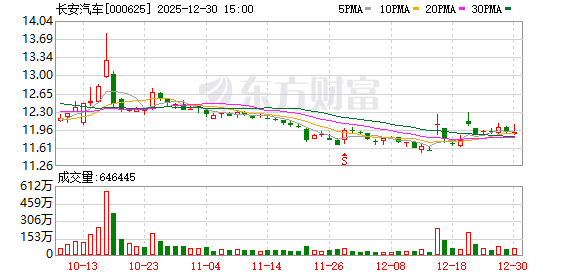
深蓝汽车邓承浩:L2级跨越到L3级,责任主体发生转变
Xin Jing Bao· 2025-12-30 13:38
Core Viewpoint - Changan Automobile's Deep Blue Automotive has received the first batch of L3 conditional autonomous driving vehicle licenses from the Ministry of Industry and Information Technology, with 46 L3 vehicles officially on the road in Chongqing, indicating a significant step in the exploration of autonomous driving technology [1] Group 1: Company Developments - Deep Blue Automotive is entering a new generation of products, focusing on three key areas: new technology supply, brand positioning, and enhancing marketing capabilities [2] - The company has nearly achieved breakeven and aims to transition towards self-sustaining profitability and reducing its debt ratio through this round of financing [2] - The L3 autonomous driving vehicles are currently in an exploratory phase, primarily targeting B-end applications, with a focus on gathering data in congested driving scenarios [4][8] Group 2: Market Outlook - The company expresses cautious optimism regarding the automotive market in the coming year, anticipating positive growth driven by domestic demand and supportive policies [3] - There is a significant opportunity for high-quality overseas exports, which are expected to grow at a relatively fast pace [3] Group 3: Regulatory and Responsibility Aspects - The responsibility for traffic accidents involving L3 vehicles will be more complex, with liability depending on whether the vehicle or the driver is in control at the time of the incident [5] - Current traffic regulations and insurance frameworks will need to evolve to accommodate the complexities introduced by L3 autonomous driving technology [5] Group 4: Future Plans and Cost Management - Deep Blue Automotive plans to conduct large-scale road trials to enhance system capabilities and develop L3 and L4 functionalities for the next generation of vehicles [8] - The cost of L3 autonomous driving systems is expected to be controlled within 30,000 yuan, with potential reductions as production scales increase [7]
深蓝汽车董事长邓承浩揭秘L3级自动驾驶准入过程:历经多次答辩,就像是一场“资格考试”
Mei Ri Jing Ji Xin Wen· 2025-12-30 13:26
当2025年底工信部公布我国首批L3级有条件自动驾驶车型准入许可时,许多人下意识地发出疑问:这 次开车真的可以"脱手"了吗? "目前,每辆L3级自动驾驶车辆上,都必须配备一名经过专业认证的驾驶员进行驾驶,(C端用户)还不能 单独驾驶。"12月26日,深蓝汽车董事长邓承浩在接受《每日经济新闻》记者采访时表示,眼下,L3级 自动驾驶(以下或简称L3级)尚处探索期,更侧重于B端。 在邓承浩的阐述中,深蓝汽车从2023年开始申报L3级路测资格牌照,到进入我国首批L3级有条件自动 驾驶车型准入许可名单,再到拿到国内首块L3级自动驾驶专用正式号牌"渝AD0001Z",其过程就像是 一场"资格考试"。 "我到北京去'答辩'过很多次,还有很多(长安员工)都去'答辩'过。"据邓承浩透露,全国参与L3级测试准 入的企业多达几十家,进入上路通行试点的有9家,而获得产品准入许可的只有长安深蓝和北汽极狐两 家。 出事故后怎么判定? 与北汽极狐"可实现高速公路和城市快速路单车道内最高时速80公里的自动驾驶功能"不同的是,深蓝汽 车被允许"在交通拥堵环境下的高速公路和城市快速路单车道内以最高时速50公里进行自动驾驶功能"。 关于两者最高时 ...
2026:26个关键词里的未来(二)
Di Yi Cai Jing· 2025-12-30 13:14
Group 1: Domestic Chip Replacement - The rise of domestic AI chip manufacturers is marked by significant stock price increases, with companies like Cambrian Technology surpassing major brands like Kweichow Moutai [1] - The market anticipates more AI chip companies to go public, with notable performances from companies like Moer Thread and Muxi, indicating strong investor interest in domestic chip alternatives [1] - The domestic market share for smart computing chips is projected to grow from approximately 20% in 2024 to about 60% by 2029, reflecting a shift towards local production [2] Group 2: AI Edge Computing - The emergence of AI in hardware is expected to redefine traditional devices, with predictions that mobile phones and apps may become obsolete in favor of AI-driven edge devices [3] - The global edge AI market is forecasted to grow from 321.9 billion yuan to 1.22 trillion yuan between 2025 and 2029, with a compound annual growth rate of 40% [4] - The focus of competition is shifting from hardware specifications to AI experience and ecosystem collaboration, indicating a transformation in the value chain [5] Group 3: Quantum Computing Advances - Quantum technology is recognized as a strategic frontier for technological revolution, with significant breakthroughs expected in the coming years [6] - China's advancements in quantum communication and computing are positioning it alongside global leaders, with the "Zu Chongzhi No. 3" quantum computer expected to maintain a competitive edge [7] - The practical application of quantum computing in fields like finance and protein simulation is anticipated to grow, marking a critical step towards commercialization [6] Group 4: Commercial Space Acceleration - The commercial space sector is entering a new phase of rapid evolution, supported by government policies and increased capital investment [8] - The global commercial space market is projected to grow at a compound annual growth rate of 10.5% over the next five years [8] - The demand for satellite launches is expected to surge, with significant increases in the number of satellites being deployed [9] Group 5: Solid-State Battery Development - Solid-state batteries are gaining attention as a transformative technology for electric vehicles, with major manufacturers announcing plans for testing and production [10] - The timeline for mass production is set for 2027, with initial production expected to be in small batches [11] - The industry faces challenges in cost and manufacturing processes, with a consensus that semi-solid batteries will precede full solid-state solutions [10] Group 6: L3 Autonomous Driving - The introduction of L3 autonomous driving is accelerating due to supportive policies and decreasing costs in the supply chain [12] - The commercial application of L3 technology is expected to expand significantly in 2026, with several manufacturers already in the approval process [13] - The transition from assisted to fully automated driving represents a critical milestone for the industry, with ongoing improvements in technology and data accumulation [13] Group 7: Real Estate Debt Restructuring - Major real estate companies like Country Garden and Sunac have successfully completed debt restructuring, indicating a shift in the industry’s approach to financial challenges [14] - The total scale of debt restructuring in 2025 reached approximately 1.2 trillion yuan, significantly alleviating short-term repayment pressures for affected companies [14] - The focus for 2026 will be on balancing risk management and transformation within the real estate sector, with expectations for continued progress in debt resolution [15] Group 8: "15th Five-Year Plan" Initiatives - The "15th Five-Year Plan" emphasizes high-quality development and technological self-reliance as key objectives for the next five years [16] - The plan outlines initiatives to enhance the modern industrial system and promote strategic emerging industries, including quantum technology and renewable energy [17] - Increasing the resident consumption rate is highlighted as a crucial goal, with measures aimed at boosting consumer spending and improving living standards [18]
L3级自动驾驶上路,我们离「放手」开车还有多远?
3 6 Ke· 2025-12-30 10:26
Core Insights - The transition from L2 to L3 autonomous driving is not merely a technical upgrade but involves comprehensive challenges related to legal responsibilities, costs, and user trust [1][6][11] Group 1: Policy and Regulation - The Ministry of Industry and Information Technology (MIIT) has approved the first two L3 autonomous driving models in China: Changan Deep Blue SL03 and BAIC Blue Valley Arcfox Alpha S Pioneer Edition, set to be tested under specific conditions by the end of 2025 [2][3] - The L3 level allows for conditional automation where the driver can fully disengage from driving tasks, but responsibility for accidents may be shared between the system and the driver [2][3] - New regulations, such as the Beijing Autonomous Driving Vehicle Regulations, have established accident liability rules, requiring manufacturers to bear product liability and maintain insurance of at least 5 million yuan [3] Group 2: Technical Challenges - Transitioning from L2 to L3 involves a significant shift in responsibility, technology architecture, and business logic, necessitating redundant systems to ensure safety [6][7] - The cost of implementing redundancy in systems, such as steering, can increase significantly, with estimates suggesting costs could rise from 1,500-2,000 yuan to 4,000-6,000 yuan per unit [6][7] - The choice between in-house development and third-party suppliers complicates the responsibility chain in the event of an accident, requiring clearer regulations [7] Group 3: User Experience and Trust - Users have reported issues such as "phantom braking" and hesitation during lane changes, highlighting a gap between marketing promises and actual user experiences [5][8] - Many users express a lack of trust in autonomous systems, often feeling uncertain about when to intervene, which can lead to negative experiences and a reluctance to use the technology [8][11] - Education on the capabilities and limitations of autonomous driving systems is lacking, with few manufacturers incorporating training into the sales process [9][10] Group 4: Recommendations for Improvement - Companies must take responsibility for educating users about autonomous driving, while regulatory bodies should promote clear and understandable guidelines [11] - Enhancing human-vehicle interaction through transparent communication of system intentions can help build trust and improve user experiences [11] - The successful integration of L3 autonomous driving into everyday life requires a collective effort from the industry, regulators, and consumers to foster understanding and trust [11]

四维图新孟庆昕:全力拥抱AI,打破智驾的成本壁垒
Xin Jing Bao· 2025-12-30 00:37
Core Insights - The company aligns its strategy with the central economic work conference's focus on expanding domestic demand and optimizing supply, emphasizing a transition from "human-machine co-driving" to "machine-led driving" in the intelligent connected vehicle sector [1][3] Group 1: Strategic Initiatives - The company aims to break down cost barriers in intelligent driving, making technological benefits accessible to a broader consumer base through a comprehensive product matrix [1] - Since 2024, the company and its affiliated enterprise have secured nearly 6 million new intelligent driving solutions, covering over 20 mainstream automakers and 100 designated models, positioning itself among the industry leaders in order volume [1] Group 2: Embracing Data and AI - The company is fully embracing a new paradigm of intelligent driving driven by data and AI, aiming to enable point-to-point autonomous driving akin to experienced drivers [2] - It plans to expand its services from intelligent driving to the entire vehicle networking ecosystem, establishing a reliable data foundation for "national vehicles going global" [2] Group 3: 2026 Strategic Goals - By 2026, the company will focus on enhancing the scale of intelligent driving product deliveries and solidifying its market position in chip business while achieving global coverage in data compliance, chips, and intelligent cockpit sectors [3] - The company will deepen the application of end-to-end architecture in intelligent driving, pushing for safer, more human-like, and cost-effective technology and products [3] Group 4: Business Transformation - The company will enhance its full-stack technology integration and engineering capabilities to provide sustainable intelligent solutions for automakers, emphasizing cross-business collaboration and ecosystem openness [4] - The transition from "map person" to "car person" and now to "AI person" reflects the company's commitment to delivering a one-stop solution for cockpit and driving collaboration [4]

DeepSeek一夜爆火、Labubu引爆全球抢购潮、“史诗级”外卖大战……2025年中国十大商业事件全盘点
硬AI· 2025-12-29 14:24
Core Viewpoint - The year 2025 marks a transformative period for Chinese business, driven by technological advancements and strategic market maneuvers, including DeepSeek's cost paradigm shift in AI, the establishment of a "stabilization fund" by state-owned enterprises, and fierce competition in various sectors like food delivery and consumer products [2][3][4]. Group 1: AI and Technology - DeepSeek's R1 model demonstrated a significant cost advantage, achieving comparable performance to OpenAI's models at a fraction of the cost, leading to a reevaluation of AI asset values globally [10]. - The Chinese stock market reacted positively to the implications of DeepSeek's success, with the Nasdaq China Golden Dragon Index rising over 4% shortly after [10]. - The launch of L3 autonomous driving vehicles in China signifies a major milestone in the commercialization of advanced driving technologies, with expectations of a market size exceeding 1 trillion yuan by 2030 [49][51]. Group 2: Market Stability Measures - In response to external economic pressures, the "national team" intervened in the stock market by establishing a "stabilization fund," which included significant investments from state-owned enterprises to restore market confidence [12][14][18]. - The People's Bank of China supported these efforts by promising sufficient liquidity to stabilize the market, reinforcing the government's commitment to maintaining financial security [14][18]. Group 3: Consumer and Service Sector Developments - JD.com entered the food delivery market, intensifying competition with Alibaba and Meituan, leading to aggressive pricing strategies and significant order volume growth [26][30]. - Pop Mart's Labubu character achieved global popularity, resulting in a revenue surge of 170%-175% in Q1 2025, with notable growth in international markets [20][22]. - The competition in the food delivery sector is characterized by substantial subsidies and promotional offers, indicating a shift towards efficiency and market share acquisition among major players [28][30]. Group 4: Capital Market Movements - The collective IPO efforts of China's "four little dragons" in the GPU sector highlight a significant moment for domestic chip manufacturers, with substantial market valuations and growth expectations [52][54]. - The stock prices of Pop Mart surged over 200% in the first half of 2025, reflecting strong market interest and future growth potential, despite a subsequent correction [22][25]. Group 5: Breakthroughs in Energy and Aerospace - China achieved significant milestones in nuclear fusion research, with advancements in plasma physics and the development of the next-generation fusion energy experimental device [58][59]. - The successful test flights of reusable rockets by both private and state-owned enterprises mark a new era in China's commercial space industry, aiming for cost reductions and increased launch frequency [60][63].





DeepSeek一夜爆火、Labubu引爆全球抢购潮、“史诗级”外卖大战……2025年中国十大商业事件全盘点
华尔街见闻· 2025-12-29 10:24
Core Insights - The year 2025 is marked as a transformative year in business, driven by significant advancements in AI and technology, particularly highlighted by DeepSeek's cost-effective AI model that challenges existing market paradigms [1][3][4]. Group 1: AI and Technology Developments - DeepSeek's R1 model, launched on January 20, 2025, achieved performance comparable to OpenAI's models at a fraction of the cost, using only 2,000 GPUs and approximately $600,000 in training expenses, less than one-tenth of OpenAI's costs [5][8]. - The market reacted dramatically to DeepSeek's success, leading to a significant drop in Nvidia's stock, with a loss of nearly $600 billion in market value, marking a historic event in the stock market [10][12]. - The Chinese tech sector saw a resurgence, with the Nasdaq China Golden Dragon Index rising over 4% shortly after DeepSeek's impact, indicating a shift in investor focus towards Chinese tech companies [11][12]. Group 2: Market Dynamics and Competition - The entry of JD.com into the food delivery market initiated a fierce competition with Alibaba and Meituan, leading to aggressive subsidy wars and a new competitive landscape in the industry [24][27]. - The battle for market share in food delivery is characterized by significant discounts and promotional offers, with Meituan experiencing record order volumes amid the competition [29]. Group 3: Innovations in Consumer Products - Pop Mart's Labubu character gained global popularity, leading to a 170%-175% year-on-year revenue increase in Q1 2025, with significant growth in international markets [20][23]. - The stock price of Pop Mart surged over 200% in the first half of 2025, reflecting strong market interest and investment confidence in the brand's potential [20][23]. Group 4: Regulatory and Economic Responses - In response to external economic pressures, the Chinese government implemented a "stabilization fund" strategy to support the capital market, demonstrating a proactive approach to maintain market confidence [15][17]. - The People's Bank of China provided liquidity support to stabilize the market, showcasing a coordinated effort to mitigate the impact of geopolitical tensions on the economy [15][17]. Group 5: Advancements in Autonomous Driving and GPU Technology - China officially approved L3 autonomous driving vehicles for commercial use, marking a significant milestone in the automotive industry and setting the stage for a market expected to exceed 1.2 trillion yuan by 2030 [40][41]. - The emergence of domestic GPU manufacturers, referred to as the "Four Little Dragons," is reshaping the semiconductor landscape, with significant IPO activity and competitive differentiation among companies [42][44].

DeepSeek一夜爆火、Labubu引爆全球抢购潮、“史诗级”外卖大战……2025年中国十大商业事件全盘点
Hua Er Jie Jian Wen· 2025-12-29 08:38
Group 1 - The year 2025 is marked as a transformative year in business, driven by DeepSeek's introduction of a cost paradigm that challenges the profitability myths of Silicon Valley [1][2] - DeepSeek's R1 model demonstrated that high-level AI capabilities could be achieved at a fraction of the cost, using only 2,000 GPUs and approximately $6 million, which is less than one-tenth of OpenAI's costs [5] - Following DeepSeek's success, there was a significant market shift, with the Nasdaq China Golden Dragon Index rising over 4% and major Chinese tech companies like Alibaba and Baidu seeing increased stock prices [5] Group 2 - The Chinese government intervened in the stock market during a crisis caused by new U.S. tariffs, with state-owned enterprises purchasing ETFs to stabilize the market [7][9] - The establishment of a "stabilizer" role for the Central Huijin Investment Company and the People's Bank of China provided a liquidity backstop, enhancing investor confidence [9] Group 3 - Pop Mart's LABUBU character became a global phenomenon, leading to a surge in sales and a 170%-175% year-on-year revenue increase in Q1 2025, with significant growth in the Americas and Europe [10][12] - Pop Mart's stock price soared over 200% in the first half of 2025, with major investment banks raising their target prices significantly [12] Group 4 - JD.com entered the food delivery market, intensifying competition with Alibaba and Meituan, leading to aggressive subsidy wars and record order volumes [16][18] - The competition is characterized by significant discounts and promotional offers, indicating a shift towards a new market dynamic in instant retail [20] Group 5 - Alibaba rebranded its AI application to "Qwen," aiming to compete directly with OpenAI's ChatGPT, focusing on consumer applications and integrating with its e-commerce platforms [21][23] - ByteDance's "Doubao" AI assistant faced challenges in compatibility with major applications, highlighting the difficulties of integrating new technology into existing ecosystems [24][26] Group 6 - China officially launched L3 autonomous driving vehicles, marking a significant step towards commercial application in the automotive industry, with expectations for the market to exceed 1.2 trillion yuan by 2030 [27][29] - The first L3 vehicles were approved for use, showcasing advancements in technology and safety standards [28] Group 7 - The Chinese GPU industry is experiencing a collective breakthrough, with companies like Moore Threads and Nanjing Huazhong Technology preparing for IPOs, reflecting a strong market demand for domestic chips [30][31] - These companies are adopting different strategies to capture market share, with a focus on innovation and production capabilities [32] Group 8 - China achieved significant milestones in nuclear fusion research, with the EAST device setting a world record for stable operation at 100 million degrees Celsius for over 1,000 seconds [33][34] - The country is positioning itself as a global leader in fusion energy, with numerous international collaborations and advancements in technology [34] Group 9 - China's commercial space sector is entering a new era with the successful test flights of reusable rockets, which are expected to reduce launch costs significantly [35][37] - The government is supporting the commercial space industry through funding and policy initiatives, aiming for scalable and cost-effective satellite launches [37]

