
智能驾驶

Search documents
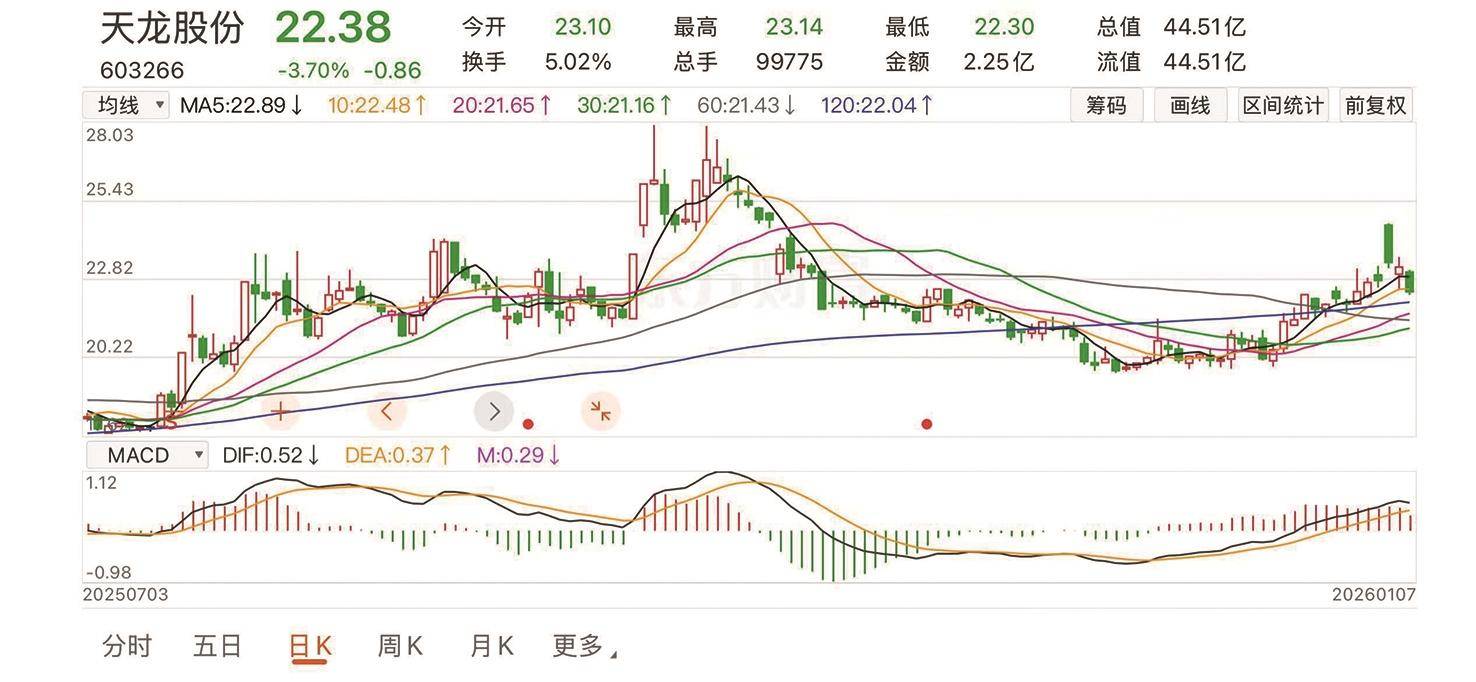
宁波上市公司“新年第一购” 拟斥资2.32亿元收购雷达新贵控股权
Sou Hu Cai Jing· 2026-01-07 23:59
Group 1 - The core investment involves Tianlong Co., Ltd. acquiring a 54.87% stake in Suzhou Haomibo Technology Co., Ltd. for 232 million RMB, making it a subsidiary included in the consolidated financial statements [2][4] - Suzhou Haomibo, established in 2016, focuses on 4D millimeter-wave radar sensor development and aims to provide mass-producible ADAS systems and unmanned traffic control solutions for automotive manufacturers [3][5] - The investment is part of Tianlong's strategy to transition from automotive component supply to integrated smart sensing components, enhancing its competitive edge in the automotive electronics sector [5] Group 2 - The transaction includes a cash payment of 132 million RMB for a 32.30% stake and an additional 100 million RMB for a capital increase, resulting in Tianlong holding a 33.33% stake post-investment [4] - Suzhou Haomibo's revenue for the first three quarters of 2025 is projected to be 33.79 million RMB, reflecting a 288.64% increase compared to 2024 [3] - The deal includes performance-based clauses, with revenue targets set at 1.2 billion RMB and net profit targets at 48 million RMB over the next four years [5]


行者卓驭,做好“智驾合伙人”
汽车商业评论· 2026-01-07 23:06
Core Insights - The article discusses the evolution and growth of the Chinese intelligent driving industry, highlighting key players and their advancements in technology and market presence [3][6][10]. Group 1: Industry Overview - By 2025, the Chinese intelligent driving industry is expected to enter a consolidation phase, with major suppliers transitioning from behind-the-scenes roles to more prominent positions [3]. - Huawei's "QianKun" intelligent driving brand has achieved a leading market share of 27.8% in urban navigation [3]. - The article emphasizes the importance of collaboration and competition among companies to drive technological advancements and establish a global leadership position in intelligent driving [6][10]. Group 2: Company Development - Zhuoyue Technology, founded from a DJI internal project, has developed a comprehensive self-research capability across software and hardware, enabling them to provide robust product delivery to automotive companies [6][8]. - The company has successfully covered nine major clients and 15 brands in the passenger vehicle sector, with annual shipments reaching hundreds of thousands of units and maintaining a 200% compound annual growth rate since 2022 [8][10]. Group 3: Technological Innovations - Zhuoyue made a significant strategic shift to an end-to-end technology route, abandoning traditional rule-based systems to overcome technical challenges in urban navigation [11][13]. - The company has achieved a breakthrough in fuel vehicle intelligence, successfully launching the first mass-produced intelligent fuel vehicle in Q2 2024 [15][17]. - Zhuoyue's innovative use of Qualcomm's SA8775P chip allows for a dual-system architecture that integrates intelligent cockpit and driving assistance, reducing space usage by 52% and overall vehicle costs by approximately 20% [19][20]. Group 4: Strategic Vision - Zhuoyue aims to expand its business beyond passenger vehicles to include commercial vehicles and logistics, addressing industry pain points related to safety and efficiency [24][26]. - The company has a clear strategic focus on core model and solution capabilities, opting not to produce chips, which reflects a deep understanding of the industry's dynamics [26].

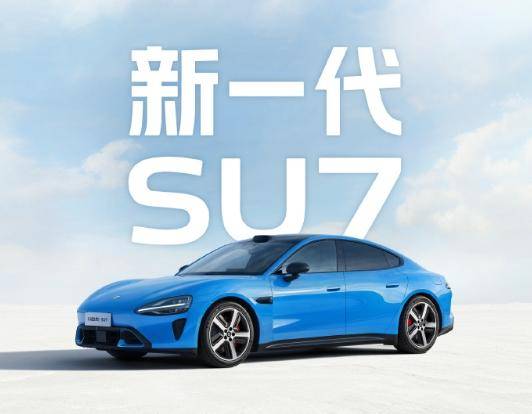
雷军宣布今晚直播:聊聊新一代SU7
Sou Hu Cai Jing· 2026-01-07 17:12
Core Insights - Xiaomi's founder and CEO Lei Jun announced a live stream to discuss the new generation SU7 and address various online questions about the vehicle and the company [1] - The new Xiaomi SU7 has a pre-sale price starting at 229,900 yuan, with two higher tiers at 259,900 yuan and 309,900 yuan, and is expected to officially launch in April 2026 [1] - The new model has already opened a small order channel, attracting significant consumer interest [1] Group 1 - A highlight of the new vehicle is the introduction of a unique color called Capri Blue, which is described as a blend between sky blue and turquoise, adding a mysterious and charming aspect to the car [3] - The new generation SU7 features significant upgrades in safety, intelligence, and battery life, with all models equipped with lidar technology for enhanced driving assistance [3] - The vehicle's range has seen a major breakthrough, addressing consumer concerns regarding electric vehicle battery life [3] Group 2 - The new model will offer various customization options, including new colors, wheel designs, and interior choices to cater to diverse consumer preferences [3] - It is equipped with advanced smart chassis and cockpit systems, enhancing the technological feel and comfort of the vehicle [3]

手机业务如何应对内存风险、AIot、电车、研发布局.....一文读懂小米高管在高盛电话会发言
硬AI· 2026-01-07 15:35
Core Viewpoint - Xiaomi is focusing on increasing the average selling price of smartphones as a primary operational goal for 2026, while significantly boosting investments in artificial intelligence to transform its entire business line and setting an annual delivery target of 550,000 electric vehicles [1][3]. Group 1: Smartphone Business - Xiaomi's strategy to counter the unprecedented rise in memory chip costs involves increasing the average selling price (ASP) of its smartphones [5][6]. - The upcoming Xiaomi 17 Ultra will be priced 500-700 RMB higher than the Xiaomi 15 Ultra, reflecting the company's commitment to price increases [6]. - The company aims to improve its market share in China by 1 percentage point annually, emphasizing the strategic importance of the Chinese market for its premiumization strategy [8]. Group 2: AIoT Business - The AIoT segment is positioned as a profit stabilizer for Xiaomi, with expectations of approximately 20% year-on-year revenue growth in 2025 and a 2-2.5 percentage point expansion in gross margin [10]. - Xiaomi plans to increase the number of its retail stores from about 500 in 2025 to over 1,000 in 2026, while expanding product categories and exploring partnerships with cross-border e-commerce platforms [10][11]. - Currently, overseas AIoT revenue accounts for about 30% of total revenue, with the company viewing its overseas smartphone revenue (60%) as a long-term reference for AIoT business expansion [10]. Group 3: Electric Vehicle Business - Xiaomi has raised its 2026 delivery target for electric vehicles to 550,000, significantly higher than the previously set target of 410,000 for 2025 [13]. - The growth is driven by increased manufacturing capacity and consumer confidence in new vehicle models, including the SU7 and a new third model [14]. - The company aims to focus on the high-end electric vehicle market, which constitutes 50% of annual passenger car sales in China, while accounting for 80-90% of industry profits [15]. Group 4: R&D Investments - Xiaomi plans to invest 200 billion RMB in R&D from 2026 to 2030, focusing on AI, intelligent driving, and chip development [16]. - The company aims to leverage AI to empower its ecosystem and internal operations, with a significant portion of its code being AI-generated [17]. - Xiaomi has invested 135 billion RMB in the development of its XRING O1 chip over the past four years, with plans to enhance its self-developed smart electric vehicle chips [19][20].

开源证券晨会纪要-20260107
KAIYUAN SECURITIES· 2026-01-07 15:19
Group 1: Automotive Industry - Nvidia launched the Alpamayo inference driving model at CES 2026, featuring a 100 billion parameter end-to-end VLA (Vision-Language-Action) model, which enhances the reasoning capabilities for novel scenarios and provides interpretability for driving decisions [5][10] - The introduction of simulation tools like AlpaSim and a 1700-hour physical AI open dataset supports autonomous driving training and testing, aiming to create a comprehensive autonomous driving solution [10][11] - The demand for autonomous driving features is increasing, becoming essential for consumers when choosing vehicles, with expectations for L2++ and L4 Robotaxi technologies to proliferate globally [12][11] Group 2: Electronics Industry - The consumer electronics and components sector showed significant performance improvement in 2025, with the PCB industry leading in growth due to rapid iterations and shipments of AI products [6][15] - Traditional categories like smartphones and PCs maintained stable growth, while AI glasses and AI servers exhibited rapid growth trends [16][19] - Investment strategies for 2026 focus on key players in the Apple, Huawei HarmonyOS, AI glasses, and OpenAI hardware sectors, indicating a new cycle of innovation in consumer electronics [17][20] Group 3: Chemical Industry - Salt Lake Co. reported an expected net profit of 82.9-88.9 billion yuan for 2025, a year-on-year increase of 77.78%-90.65%, driven by the recovery in potassium and lithium prices [22][24] - The company plans to acquire a 51% stake in Minmetals Salt Lake to expand its potassium and lithium resources, with projected net profits for 2025-2027 revised upwards [23][24] - The production of potassium chloride is expected to be approximately 4.9 million tons in 2025, while lithium carbonate production is projected at 46,500 tons, reflecting a strategic focus on resource control and high-quality development [24][22] Group 4: Investment Recommendations - The automotive sector is advised to focus on companies like Desay SV, Huayang Group, and XPeng Motors, which are expected to benefit from advancements in autonomous driving technology [13] - In the electronics sector, companies such as Industrial Fulian, Luxshare Precision, and GoerTek are highlighted as beneficiaries of the AI computing and terminal resonance [20][19] - Salt Lake Co. is recommended for investment due to its strong market position in potassium and lithium resources and the anticipated growth from the acquisition of Minmetals Salt Lake [23][22]


地平线与欧摩威集团合资公司智驾大陆neueHCT完成近2亿美元融资 加速全球智驾普惠落地
Zhi Tong Cai Jing· 2026-01-07 11:47
Core Insights - neueHCT has successfully completed nearly $200 million in financing, showcasing strong recognition from investment institutions and highlighting the company's technological strength and commercial potential [1][11] - The global smart automotive industry is experiencing structural opportunities, with neueHCT positioned as a key player in the intelligent driving sector [3] Financing and Investment - The financing round was led by prominent investors including Yunfeng Fund, Dacheng, and others, with strategic shareholders such as Omniview Group and Horizon continuing to invest [1] - The successful completion of this financing reflects the market's confidence in neueHCT's technology and business model [11] Product Development and Market Position - neueHCT has developed a product matrix that includes the "HCT Astra" urban intelligent driving system and the "HCT Luna" high-performance ADAS solution, targeting vehicles priced around 100,000 yuan [8] - The company has secured partnerships for over 10 vehicle models and has made significant strides in international markets, validating its products in various countries [8] Industry Outlook - The automotive industry is entering a period of rapid smart technology adoption, with neueHCT positioned for high growth due to its robust product capabilities and clear international strategy [10] - Investors express confidence in neueHCT's potential to become a leading global player in intelligent driving solutions, emphasizing its competitive product offerings and global business resources [9][10]

雷军大动作!小米新车,增加机械门把手
Xin Lang Cai Jing· 2026-01-07 10:51
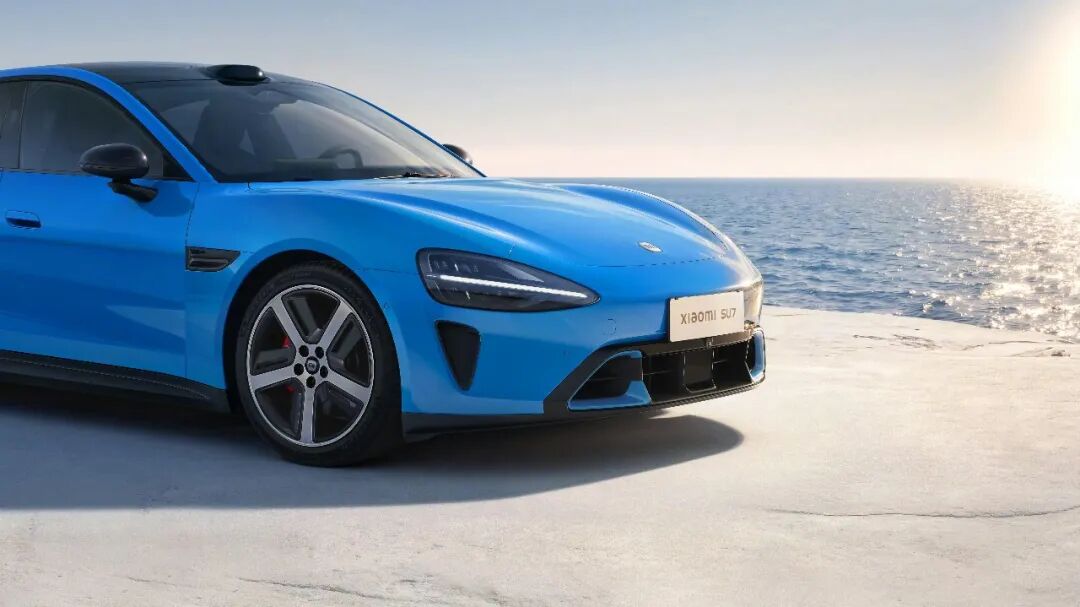
Core Viewpoint - Xiaomi's new generation SU7 electric vehicle is set to launch in April, marking its first major update since its initial release two years ago, with pre-orders now open [1][15]. Pricing and Model Variants - The pre-sale prices for the updated SU7 are as follows: Standard version starting at 229,900 yuan, Pro version at 259,900 yuan, and Max version at 309,900 yuan, indicating a significant price increase compared to the original launch prices [3][17][18]. Safety Enhancements - The new SU7 emphasizes enhanced safety features, with a focus on both passive and battery safety improvements. Key upgrades include: - All models equipped with a 2200MPa ultra-strong steel "embedded roll cage" and nine airbags, plus two additional side airbags for rear passengers [22][23]. - Battery safety features include a 1500MPa anti-scratch bottom beam and a "bulletproof coating" on the battery pack to mitigate risks from undercarriage scrapes [22][23]. Intelligent Driving and Range - The new SU7 will feature systematic upgrades in intelligent driving and range capabilities, including: - Standardized laser radar across all models for fully equipped assisted driving [24][25]. - Range specifications: Standard version at 720 kilometers, Max version at 835 kilometers, and Pro version at 902 kilometers, making the Pro version the longest-range variant [26]. Door Handle Controversy - The previously controversial hidden door handle issue was not addressed in the official materials, although there are rumors of a mechanical design addition to mitigate failures in low temperatures and electronic malfunctions [27][28]. - Reports suggest that the new design may include a mechanical pull cord similar to that used in Volkswagen's ID series, ensuring mechanical unlocking in case of power failure [29]. Regulatory Context - The door handle safety concern has gained attention due to past incidents where hidden handles failed during emergencies, leading to delays in rescue efforts [32][33][36]. - Regulatory bodies are moving towards stricter standards, with a proposed ban on fully hidden door handles set to take effect in January 2027 [38]. Delivery Targets - Xiaomi has raised its delivery targets, with a goal of 550,000 vehicles by 2026, following a significant increase in deliveries in 2025, which surpassed the initial target of 300,000 to 350,000 vehicles [12][39][40].
英伟达开源Alpamayo系列模型,有望重塑端到端自动驾驶
Changjiang Securities· 2026-01-07 10:46
Investment Rating - The report maintains a "Positive" investment rating for the industry [7]. Core Insights - NVIDIA has released the Alpamayo series of open-source AI models, simulation tools, and datasets aimed at advancing the development of safe and reliable inference-based assisted driving vehicles. This initiative is expected to accelerate the commercialization of advanced intelligent driving technologies [2][4]. - The intelligent driving industry is anticipated to benefit from new technologies, leading to accelerated scaling and commercialization, positively impacting the entire industry chain. The report suggests focusing on intelligent driving hardware providers and autonomous driving operation platforms like Robotaxi [10]. Summary by Sections Event Description - NVIDIA launched the Alpamayo series on January 5, 2026, to promote the development of safe and reliable inference-based assisted driving vehicles [4]. Event Commentary - The Alpamayo model introduces a visual-language-action (VLA) reasoning model for assisted driving decisions, showcasing the logic behind each decision and identifying unique driving situations that may not occur during normal driving. The model is based on a 10 billion parameter architecture, with future models expected to have larger parameter scales and enhanced reasoning capabilities [10]. - NVIDIA also released the open-source simulation framework AlpaSim and a large-scale open dataset containing over 1,700 hours of driving data, which supports high-fidelity autonomous driving development and rapid validation and strategy optimization [10]. - The Alpamayo model has garnered significant attention from leading companies in the mobility sector, such as Lucid, Jaguar Land Rover, and Uber, as well as experts from institutions like S&P Global and Berkeley DeepDrive. The core value of Alpamayo lies in advancing physical AI development and addressing unpredictable driving scenarios [10].

蔚来100万台量产车下线 李斌:目标是2026年全年盈利
新华网财经· 2026-01-07 09:05
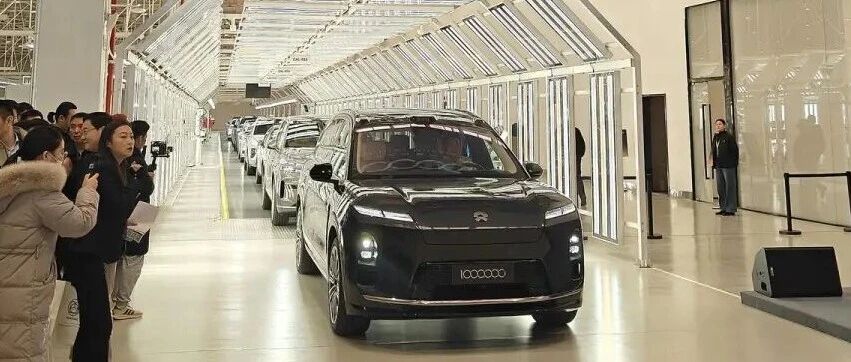
Core Viewpoint - NIO has reached a significant milestone with the production of its one millionth vehicle, marking the beginning of its third development phase focused on high-quality growth [2][5]. Group 1: Production and Growth Targets - NIO aims for annual sales growth of 40%-50% in the coming years, with a target to achieve the next one million vehicles in approximately 17-18 months [3][4]. - The company took 11 years to produce its first million vehicles, with the last 500,000 produced in just 17 months [4]. - By 2035, if the company maintains a 40% annual growth rate, it could reach sales of 5 million vehicles [5]. Group 2: Financial Performance and Profitability - NIO expressed confidence in achieving profitability in Q4 2025, despite a reported loss of 2.7 billion RMB in Q3 2025 [9][10]. - The company plans to maintain a focus on R&D and infrastructure investments while pursuing profitability, with a goal of being slightly profitable in 2026 [10]. - NIO's average selling price is expected to rise in the second half of 2025, driven by higher margins from new models and effective cost control [10]. Group 3: Technological and Strategic Developments - NIO has invested over 65 billion RMB in R&D, emphasizing technological innovation and a commitment to pure electric vehicle technology [7]. - The company plans to switch to a third-generation technology platform and introduce new models such as ES9 and L80, focusing on mid-to-high-end vehicles [11]. - NIO will expand its battery swap station network, aiming to add at least 1,000 new stations by 2026 and over 10,000 by 2030 [10]. Group 4: Market Position and Future Outlook - NIO's sales currently account for only 1% of the Chinese automotive market, indicating significant room for growth [7]. - The company anticipates that by 2030, the penetration rate of new energy vehicles in China will exceed 90%, with pure electric vehicles making up at least 80% [7]. - NIO plans to enter several new international markets in 2026, adopting a strategy of partnering with local firms to ensure successful market entry [15].

光莆股份(300632.SZ):激光雷达探测传感器件及TOF传感器件在智能驾驶、机器人领域实现批量销售
Ge Long Hui· 2026-01-07 08:46
Core Viewpoint - The company Guangpu Co., Ltd. has successfully achieved mass sales of its laser radar detection sensors and TOF sensors in the fields of intelligent driving and robotics [1] Group 1 - The laser radar detection sensors and TOF sensors are being utilized in the intelligent driving sector [1] - The company has also expanded its market presence in the robotics field through these sensor products [1]

