
全国统一大市场建设

Search documents
《求是》杂志发表习近平总书记重要文章 《纵深推进全国统一大市场建设》
Shang Hai Zheng Quan Bao· 2025-09-15 19:09
◎新华社北京9月15日电 文章指出,纵深推进全国统一大市场建设,基本要求是"五统一、一开放"。"五统一",就是统一市场基 础制度,特别是实现产权保护、公平竞争、质量标准等制度的统一;统一市场基础设施,打通物流、资 金流、信息流,健全现代商贸流通体系;统一政府行为尺度,地方在推动经济发展特别是招商引资时, 哪些能干哪些不能干有明确规矩,不能各行其是;统一市场监管执法,明确市场监管行政处罚裁量基 准,一把尺子量到底;统一要素资源市场,促进自由流动、高效配置,减少资源错配和闲置浪费。"一 开放",就是持续扩大开放,实行对内对外开放联通,不搞封闭运行。 文章指出,要聚焦重点难点,下决心清除顽瘴痼疾。第一,着力整治企业低价无序竞争乱象。"内卷"重 灾区,要依法依规有效治理。更好发挥行业协会自律作用,引导企业提升产品品质。推动落后产能有序 退出。第二,着力整治政府采购招标乱象。重点整治最低价中标、以次充好、利益勾连等突出问题。规 范政府采购和招标投标,加强对中标结果的公平性审查。第三,着力整治地方招商引资乱象。要制定全 国统一的地方招商引资行为清单,明确鼓励和禁止的具体行为。加强招商引资信息披露。第四,着力推 动内外贸一 ...
国家统计局答记者问:我国工业消费供求改善 燃油小汽车价格收窄
Sou Hu Cai Jing· 2025-09-15 13:52
Core Insights - The National Bureau of Statistics reported that in August, the Consumer Price Index (CPI) showed a year-on-year decline of 0.4%, reversing from a flat reading in the previous month, primarily due to high base effects from the previous year [5][6] - The core CPI, excluding food and energy, increased by 0.9% year-on-year, marking a continuous expansion in price increases for four consecutive months, driven by rising industrial consumer goods and service prices [5][6] Economic Indicators - In August, the CPI remained flat month-on-month, compared to a 0.4% increase in July, with food prices rising by 0.5% and non-food prices declining by 0.1% [3][6] - Food prices saw a year-on-year decline of 4.3% in August, with significant drops in pork, fresh vegetables, and eggs, each exceeding 10% [5][6] Industrial and Service Prices - Industrial consumer goods prices, excluding energy, rose by 1.5% year-on-year in August, an increase of 0.3 percentage points from the previous month, with home appliances and entertainment goods contributing to this rise [6] - Service prices increased by 0.6% year-on-year in August, reflecting a steady upward trend, influenced by increased demand for high-quality social services and summer travel [6] Policy and Market Outlook - The government aims to continue expanding domestic demand and implementing consumption-boosting initiatives, while also addressing capacity management in key industries to promote reasonable price recovery [6]


再提“反内卷”,新一轮政策宽松预期将升温?!
对冲研投· 2025-09-15 12:05
Core Viewpoint - The article emphasizes the importance of building a unified national market in China as a major decision by the central government, necessary for constructing a new development pattern and enhancing international competitiveness [5]. Economic Overview - August economic data shows characteristics of "industrial slowdown, weak investment, and subdued consumption" [8]. - Despite the challenges, GDP growth remains around 5% due to the performance of industrial production (5.2%) and service sector production index (5.6%) [8]. Investment Analysis - Manufacturing investment, crucial for the transition of China's economic drivers, faced negative growth in July and August, necessitating urgent solutions [9]. - Infrastructure investment was also under pressure due to adverse weather conditions, with overall investment significantly impacting economic growth [9][25]. - The construction sector's investment growth rate fell from -2.0% in July to -6.4% in August, primarily due to unfavorable weather [25]. Consumption Insights - The effectiveness of the "old-for-new" policy is diminishing, leading to a decline in overall consumption growth, with retail sales growth dropping to 3.4% in July [30]. - The upcoming release of the last batch of "national subsidy" funds in October is expected to stimulate consumption policies [32]. Employment Trends - The urban survey unemployment rate has risen, indicating increasing pressure on youth employment, particularly with a higher number of college graduates this year [12]. Industrial Performance - Industrial production growth slowed from 5.7% in July to 5.2% in August, with most sectors experiencing a downturn, although high-tech industries showed resilience with a 9.3% growth [15][17]. - Manufacturing investment has been declining since April, with August seeing a further drop from -0.3% to -1.3% [19]. Real Estate Market - Real estate investment growth continued to decline, with a cumulative decrease of -12.9% from January to August, driven by weak demand and a seasonal sales downturn [30]. - Recent government signals indicate a need for stronger policies to stabilize the real estate market [30].

(经济观察)8月中国经济数据折射政策效应释放
Zhong Guo Xin Wen Wang· 2025-09-15 11:02
Group 1 - China's economic policies this year focus on boosting consumption and improving investment efficiency, with recent data indicating positive effects from these policies [1] - The third batch of funds for replacing old consumer goods has stimulated demand, leading to double-digit growth in retail sales of home appliances, furniture, and cultural office supplies in August [1] - Service consumption is also on the rise, with a 5.1% year-on-year increase in service retail sales over the first eight months, outpacing goods retail growth [1] Group 2 - The expansion of domestic demand policies is positively impacting production, with significant year-on-year increases in manufacturing sectors such as boiler and motor manufacturing, at 11.9% and 14.8% respectively in August [2] - High-tech manufacturing and equipment manufacturing sectors are experiencing growth rates of 9.3% and 8.1%, respectively, indicating a structural upgrade in the manufacturing industry [2] - The Producer Price Index (PPI) remained stable in August, reflecting improved production factor circulation and a better supply-demand relationship in various industries [2] Group 3 - In September, new policies are being introduced to enhance market efficiency and promote private investment, including pilot reforms in ten regions [3] - The current macroeconomic policy is characterized by a gradual and supportive approach, with expectations for increased policy intensity in response to last year's economic data base [3]
怎么理解纵深推进全国统一大市场建设
Sou Hu Cai Jing· 2025-09-15 10:16
Core Viewpoint - The construction of a unified national market is a significant strategic resource for China's economic development and international competition, requiring continuous enhancement and utilization of this advantage [1][2]. Group 1: Strategic Requirements - The "Five Unifications and One Opening" basic requirements include unifying market foundational systems, infrastructure, government behavior standards, market regulation enforcement, and resource markets, while continuously expanding internal and external openness [2][3]. - The "Six Focus Areas" for key tasks emphasize addressing issues such as chaotic low-price competition among enterprises, government procurement irregularities, local investment attraction anomalies, and promoting integrated development of domestic and foreign trade [2][3]. Group 2: Market Efficiency and Government Role - The essence of building a unified national market is to facilitate the efficient allocation and flow of resources across a broader scope, enhancing the market's decisive role in resource allocation [3][6]. - Government intervention is necessary to address market failures and ensure fair competition, requiring a balance between effective market operation and proactive government involvement [3][7]. Group 3: Market Access and Infrastructure - Implementing a unified market access system and strictly adhering to a "national single list" management model is crucial for establishing foundational market systems [6][8]. - The total social logistics volume in China is expected to reach 380 trillion yuan, reflecting an 80 trillion yuan increase over five years, which significantly promotes the flow of goods and resources [6]. Group 4: Central-Local Relations - Properly managing the relationship between central and local governments is key to building a unified national market, requiring a balance between centralized leadership and local initiative [10][11]. - Local competition has historically driven economic growth but has also led to local protectionism and market fragmentation, which must be addressed to maintain fair competition [10][11]. Group 5: Domestic and International Market Integration - A strong domestic market supports global competitiveness and is essential for high-level external openness, with domestic consumption expected to reach 48.8 trillion yuan in 2024 [14][15]. - The integration of domestic and foreign trade is vital for enhancing market efficiency and resilience, especially in the face of increasing external pressures [17][18]. Group 6: Current Tasks and Long-term Goals - The construction of a unified national market is a systematic project that requires aligning current key tasks with long-term goals, emphasizing the need for ongoing breakthroughs in key areas [19][20]. - Addressing issues such as chaotic competition and misaligned performance incentives is crucial for the successful implementation of the unified market strategy [21][22].
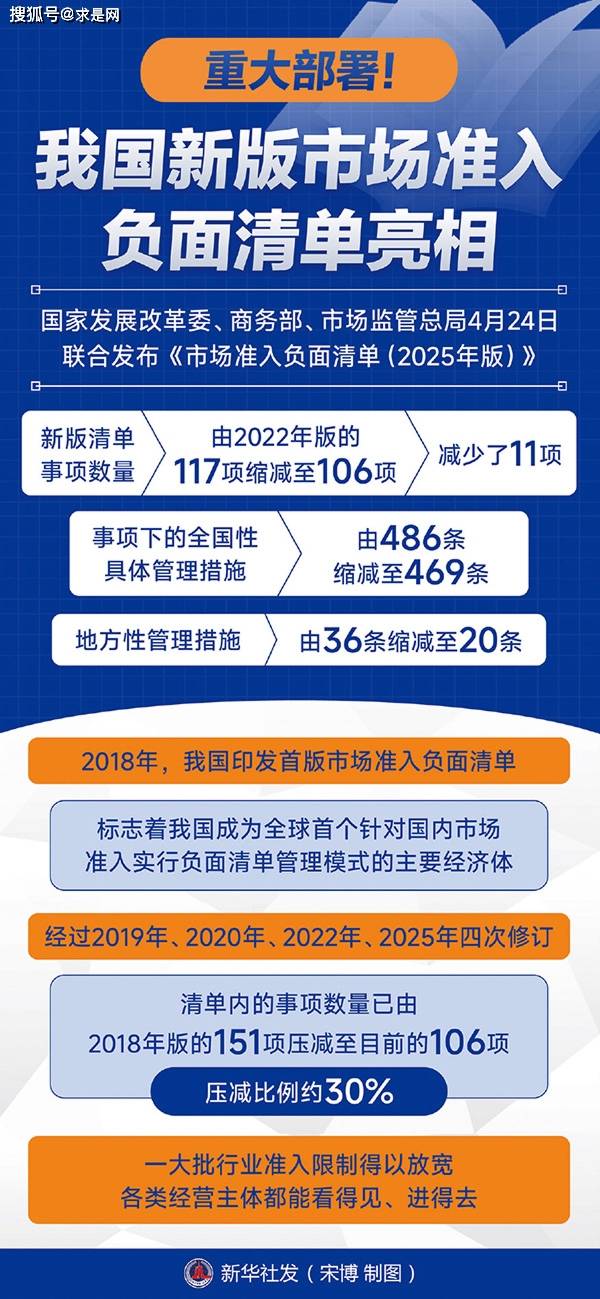
《求是》杂志发表习近平总书记重要文章《纵深推进全国统一大市场建设》|宏观经济
清华金融评论· 2025-09-15 10:04
Core Viewpoint - The construction of a national unified market is a significant decision made by the Central Committee, essential for building a new development pattern, promoting high-quality development, and gaining an advantage in international competition [4]. Group 1: Basic Requirements for Market Construction - The basic requirements for advancing the national unified market are "Five Unifications and One Opening." The "Five Unifications" include unifying market foundational systems, infrastructure, government behavior standards, market supervision and enforcement, and resource factor markets [4]. - "One Opening" refers to the continuous expansion of openness, promoting internal and external connectivity without closed operations [4]. Group 2: Key Areas of Focus - The first focus is on addressing the chaotic competition among enterprises, particularly the issue of low-price disorder, which requires effective legal governance and industry self-regulation to promote quality over price [5]. - The second focus is on rectifying government procurement bidding irregularities, including issues like lowest bid winning and quality compromises, necessitating standardized procurement processes and fair review mechanisms [6]. - The third focus is on standardizing local investment attraction practices, establishing a unified list of behaviors, and ensuring transparency in financial subsidies [6]. - The fourth focus is on promoting the integration of domestic and foreign trade, enhancing consistency in standards, and developing comprehensive service platforms [6]. - The fifth focus is on addressing regulatory and legal shortcomings by amending relevant laws and enhancing enforcement actions [6]. - The sixth focus is on correcting deviations in performance evaluation systems to ensure accountability for improper investment attraction and local protectionism [6]. Group 3: Implementation and Coordination - The construction of a national unified market is both a tough battle and a long-term endeavor, requiring coordinated efforts from various regions and departments, as well as between government and enterprises [7].
《纵深推进全国统一大市场建设》(全文)
Sou Hu Cai Jing· 2025-09-15 08:40
Group 1 - The construction of a unified national market is a significant decision made by the central government, aimed at enhancing the country's ability to respond to risks and challenges in the global market [1][3] - The basic requirements for advancing the unified national market include "five unifications" and "one openness," focusing on unifying market systems, infrastructure, government behavior, regulatory enforcement, and resource markets, while promoting continuous openness [3][5] - The urgent focus is on addressing key difficulties and eliminating persistent issues in the market [3] Group 2 - Efforts will be made to rectify the chaotic low-price competition among enterprises, emphasizing the need for industry self-regulation and the orderly exit of backward production capacity [5][6] - The government procurement and bidding processes will be reformed to address issues such as lowest price bidding and conflicts of interest, ensuring fairness in the bidding results [5][6] - A unified list of local investment attraction behaviors will be established to regulate and disclose investment practices, with strict penalties for violations [5][6] Group 3 - There will be a focus on integrating domestic and foreign trade, improving consistency in standards, and creating a comprehensive service platform for trade [5][6] - Legal frameworks will be strengthened to support market unification, including amendments to laws related to bidding and pricing [6] - A high-quality development assessment system will be established to correct deviations in performance evaluation and hold accountable those engaging in improper investment practices [6]
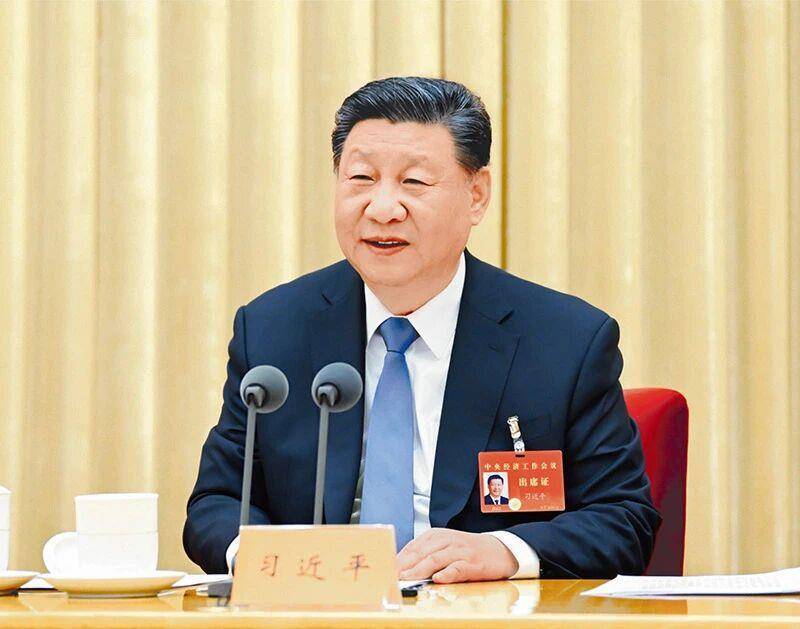
《求是》杂志发表习近平总书记重要文章《纵深推进全国统一大市场建设》
国家能源局· 2025-09-15 08:12
9月16日出版的第18期《求是》杂志将发表中共中央总书记、国家主席、中央军委主席习近平的重要文章《纵深推进全国 统一大市场建设》。 文章强调,建设全国统一大市场,是党中央作出的重大决策,不仅是构建新发展格局、推动高质量发展的需要,而且是赢 得国际竞争主动权的需要。我国作为全球第二大消费市场,必须把全国统一大市场建设好,增强我们从容应对风险挑战的 底气。 (来源:新华社) 文章指出,纵深推进全国统一大市场建设,基本要求是"五统一、一开放"。"五统一",就是统一市场基础制度,特别是实 现产权保护、公平竞争、质量标准等制度的统一;统一市场基础设施,打通物流、资金流、信息流,健全现代商贸流通体 系;统一政府行为尺度,地方在推动经济发展特别是招商引资时,哪些能干哪些不能干有明确规矩,不能各行其是;统一 市场监管执法,明确市场监管行政处罚裁量基准,一把尺子量到底;统一要素资源市场,促进自由流动、高效配置,减少 资源错配和闲置浪费。"一开放",就是持续扩大开放,实行对内对外开放联通,不搞封闭运行。 文章指出,要聚焦重点难点,下决心清除顽瘴痼疾。第一,着力整治企业低价无序竞争乱象。"内卷"重灾区,要依法依规 有效治理。更好发 ...

《求是》杂志发表习近平总书记重要文章《纵深推进全国统一大市场建设》
证监会发布· 2025-09-15 08:04
Core Viewpoint - The construction of a national unified market is a significant decision made by the Central Committee, aimed at enhancing the new development pattern and promoting high-quality development, while also gaining an advantage in international competition [3][5]. Group 1: Basic Requirements for Market Construction - The basic requirements for advancing the national unified market are "five unifications and one openness." The "five unifications" include unifying market foundational systems, infrastructure, government behavior standards, market regulation enforcement, and resource factor markets [5]. - "One openness" refers to the continuous expansion of openness, ensuring connectivity both domestically and internationally, without engaging in closed operations [5]. Group 2: Key Areas of Focus - The urgent focus is on addressing key difficulties and eliminating persistent issues in the market [6]. - Efforts should be made to rectify low-price disorderly competition among enterprises, enhancing product quality and promoting the exit of backward production capacity [8]. - Government procurement and bidding irregularities need to be addressed, particularly issues like lowest price bidding and conflicts of interest [8]. - Local investment attraction practices should be standardized with a unified list of behaviors, establishing a transparent subsidy policy and strict penalties for violations [8]. - Promoting the integration of domestic and foreign trade is essential, including improving consistency in standards and creating a comprehensive service platform [8]. - Legal and regulatory frameworks must be strengthened, including amendments to laws related to bidding and pricing, and enhancing the enforcement of market regulations [9]. - Addressing deviations in performance evaluation systems is crucial, ensuring accountability for improper investment attraction and local protectionism [9].
X @外汇交易员
外汇交易员· 2025-09-15 07:15
Market Regulation & Competition - Focus on rectifying disorderly low-price competition among enterprises, especially in "involution" prone areas, using legal and regulatory measures [1] - Strengthen the self-regulatory role of industry associations to guide enterprises in improving product quality [1] - Promote the orderly exit of outdated production capacity [1] - Continue to carry out special actions to regulate law enforcement involving enterprises [1] Unified Market Construction - Improve the fiscal and tax system, statistical accounting system, and credit system to facilitate market unification [1] - Focus on rectifying irregularities in government procurement bidding and strengthen the fairness review of winning bid results [1] - Focus on rectifying irregularities in local investment promotion and formulate a unified national list of local investment promotion behaviors [1] - Facilitate the path for export products to be sold domestically [2]