
脑机接口

Search documents
2项脑机接口医疗器械行业标准立项,医疗器械指数ETF(159898)盘中涨超1%
Sou Hu Cai Jing· 2026-01-29 05:31
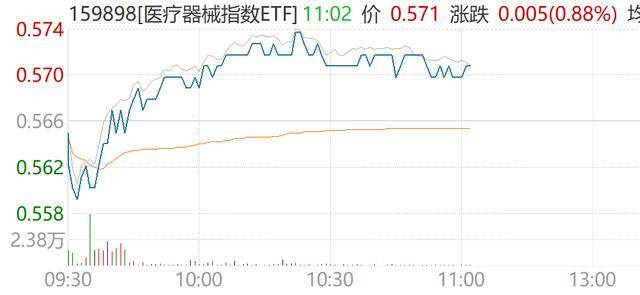
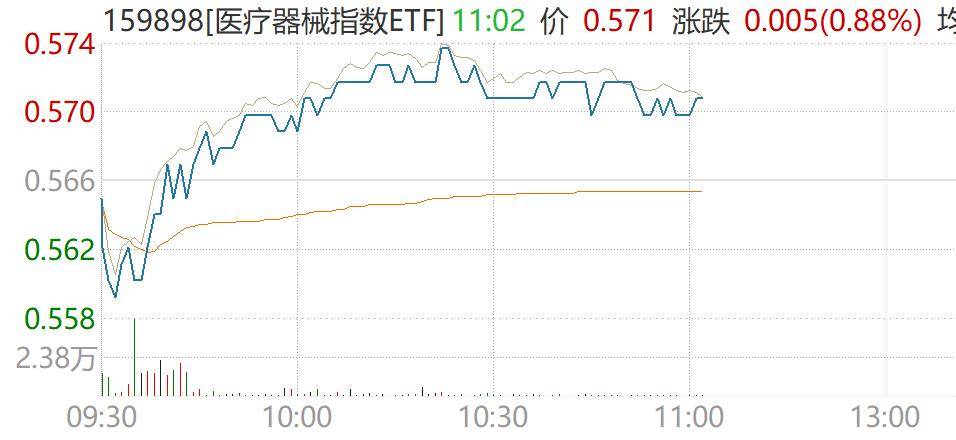
Group 1 - The medical device sector is experiencing a catalyst with the approval of two major standards in the brain-computer interface (BCI) field, leading to a rise in the medical device index ETF (159898) by approximately 0.88% [1][3] - The National Medical Products Administration has approved the establishment of two industry standards related to BCI technology, which addresses common challenges in the industry and aligns with previous government initiatives to promote innovation in the BCI sector [3] - The fourth largest weight stock in the medical device index ETF, Lepu Medical, announced an expected net profit of 800 million to 1.2 billion yuan for 2025, representing a year-on-year growth of 223.97% to 385.95% due to stable growth in cardiovascular intervention and contributions from new sectors [3] Group 2 - The medical device sector is seen as a strategic focus for the country, with policies aimed at optimizing competition and accelerating innovation in response to technological breakthroughs, including BCI and AI medical technologies [4] - The CSI All Share Medical Device Index includes 103 constituent stocks, focusing on medical equipment, consumables, and in vitro diagnostics, with a significant exposure to the BCI concept at 23.79% [7] - The index has shown impressive performance with a total return of 1015.07% since its inception and an annualized return of 20.86% over the past year, indicating a recovery in the industry's fundamentals [8]

政策+业绩双轮驱动!脑机接口标准落地,龙头净利预增超223%,医疗器械指数ETF(159898)盘中涨超1%
Sou Hu Cai Jing· 2026-01-29 03:38
Core Viewpoint - The medical device sector is experiencing a significant catalyst with the recent approval of two major standards in the brain-computer interface (BCI) field, leading to notable stock performance in related companies [1][3]. Group 1: Industry Developments - The National Medical Products Administration has approved two projects for the establishment and revision of standards related to BCI technology in medical devices, aimed at promoting high-quality development in the sector [3]. - This approval is seen as a direct implementation of previous guidelines issued by multiple government departments to foster innovation in the BCI industry [3]. - The BCI sector is currently in a transitional phase characterized by technological breakthroughs, clinical validation, and commercial deployment, with a focus on applications in medical rehabilitation and neurological disorders [3]. Group 2: Company Performance - The medical device index ETF (159898) saw a rise of approximately 0.88%, with significant gains from key stocks such as Yirui Technology (up 6.61%) and Lepu Medical (up over 3%) [1]. - Lepu Medical has projected a net profit of 800 million to 1.2 billion yuan for 2025, representing a year-on-year growth of 223.97% to 385.95%, driven by steady growth in cardiovascular interventions and contributions from new sectors [3]. - The overall performance of the medical device index has been strong, with a total return of 1015.07% since its inception and an annualized return of 20.86% over the past year [8]. Group 3: Market Outlook - The medical device sector is expected to gradually recover, supported by technological advancements and policy changes that optimize competition and accelerate innovation [4]. - The index focuses on 103 selected stocks, primarily in the medical equipment, consumables, and in vitro diagnostics sectors, with a significant exposure to the BCI concept at 23.79% [7]. - The international revenue of the index constituents is expanding, indicating a strategic orientation towards global market engagement [7].
全球脑机接口玩家奋楫争先-产业化落地谱写投资蓝图
2026-01-29 02:43
Summary of Key Points from Conference Call Records Industry Overview - The brain-computer interface (BCI) industry is in its early commercialization stage and is expected to be a major investment theme by 2026. [5] - The medical application of BCIs is predominant, accounting for 56% of the market in 2023, covering areas such as cognitive disorders, mental health issues, motor recovery, and sensory deficits. [4][13] Core Insights and Arguments - **Investment Opportunities in Pharmaceuticals**: The pharmaceutical sector is seeing significant investment opportunities, particularly in innovative drugs and related supply chains, with leading companies like WuXi AppTec, Hengrui, and Kanglong showing better-than-expected performance. [2] - **Focus Areas in Innovative Drugs**: Three main areas of interest in innovative drugs are obesity treatments, small nucleic acids, and second-line therapies, with the obesity and immuno-oncology markets reaching a scale of hundreds of billions of dollars. [3] - **Policy Support**: Government policies are crucial for the development of the BCI industry, with significant initiatives planned for 2025 to enhance public hospital engagement and pave the way for future insurance inclusion. [8] Key Technologies and Market Dynamics - **Core Technology Barriers**: The BCI industry has significant technological barriers concentrated in the upstream sector, including hardware (electrodes, chips), surgical robots, and algorithm processing. Domestic companies are accelerating the replacement of foreign suppliers. [9] - **Types of BCI Technologies**: BCIs can be categorized into invasive and non-invasive types, with invasive methods providing higher quality signals but requiring surgical procedures. [6][7] - **Neuralink's Custom ASIC Chips**: Neuralink requires custom ASIC chips to manage thousands of signal channels while controlling power consumption, focusing on amplifying, filtering, and digitizing weak neural signals. [11] Market Trends and Future Directions - **Neuroregulation Market**: The neuroregulation sector is the most mature within the BCI market, with a projected global market size of $6.1 billion by 2024, growing to $9.3 billion by 2029. [14] - **Commercialization Pathways**: The BCI technology is expected to follow a dual-track logic of rehabilitation leading to consumer validation, with serious medical applications likely to achieve scale first. [24] - **Emerging Companies**: Companies like New Wei Medical and Aipeng Medical are making rapid clinical advancements in semi-invasive BCI technologies, with promising safety profiles. [25][26] Additional Important Insights - **Challenges in BCI Development**: Companies face challenges such as the need for robust hardware stability and regulatory scrutiny, particularly for products intended for home use. [22] - **Investment Potential in Upstream Supply Chain**: Upstream companies in the BCI supply chain are experiencing increasing demand and investment potential, particularly those demonstrating long-term biocompatibility. [27]
马斯克冲刺机器人量产,果断停产特斯拉豪华车型!2026年资本支出将“非常大”
量子位· 2026-01-29 02:30
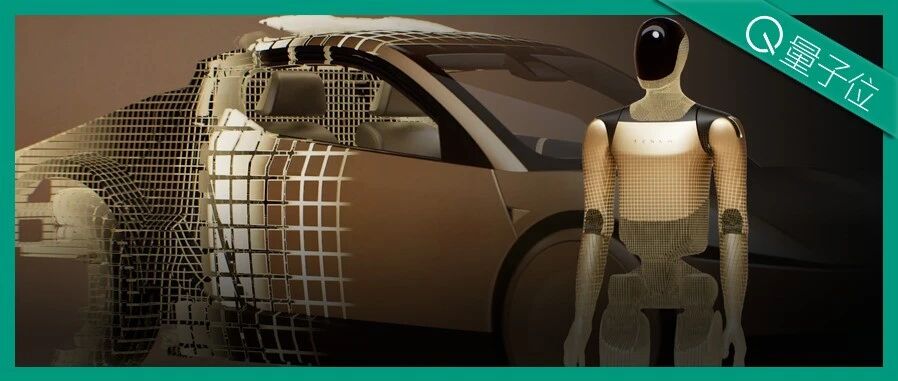
Core Viewpoint - Tesla is transitioning from a luxury car manufacturer to a robotics company, with plans to discontinue the Model S and Model X by Q2 2026 to allocate production resources for the Optimus robot [1][2][3]. Group 1: Transition to Robotics - The production lines for Model S and Model X will be repurposed for the Optimus robot, aiming for an annual output of one million units [5]. - The discontinuation of Model S and Model X is seen as a necessary step towards a future focused on autonomous driving [3][6]. - The core technologies developed for electric vehicles will be inherited by the Optimus robot, including actuators, power electronics, and AI algorithms [12][13]. Group 2: Sales and Financial Performance - In 2025, Tesla delivered approximately 1,636,129 electric vehicles, with Model S/X and Cybertruck accounting for only 50,850 units, representing about 3% of total sales, a 40.2% decline from 2024 [8]. - Tesla's Q4 2024 net income was $840 million, a 61% decrease year-over-year [10]. - Total automotive revenues for Q4 2024 were $19.798 billion, down 11% compared to the previous year [11]. Group 3: Future Investments - Tesla plans to invest $20 billion in xAI as part of its strategy to enhance AI capabilities for physical world applications [14][15]. - Capital expenditures for 2026 are expected to exceed $20 billion, more than double the $8.5 billion spent in 2025, focusing on ramping up production of humanoid robots [17].

民政部:推动大语言模型、脑机接口等技术在残疾儿童康复领域的应用
Xin Lang Cai Jing· 2026-01-29 02:20
Core Viewpoint - The Ministry of Civil Affairs has issued guidelines to promote technological innovation in the fields of rehabilitation assistive devices and funeral services, focusing on key technological advancements and environmental sustainability [1] Group 1: Rehabilitation Assistive Devices - Emphasis on strengthening technological breakthroughs in rehabilitation assistive devices, including research on precise neural regulation and human-machine collaborative control [1] - Development of advanced technologies and products such as exoskeleton robots, smart orthotics, smart prosthetics, and rehabilitation aids for patients with mental disorders [1] - Introduction of digital assessment technologies for the capabilities of assistive device users, along with the establishment of quality testing methods, standards, and evaluation systems [1] Group 2: Rehabilitation for Disabled Children - Promotion of the application of large language models and brain-machine interfaces in the rehabilitation of disabled children [1] - Focus on the development of rehabilitation technologies and equipment specifically for children with cerebral palsy and autism [1] Group 3: Funeral Services - Research on comprehensive technology related to funeral services, including the development of new green and eco-friendly body disposal technologies [1] - Creation of low-carbon, intelligent funeral products and equipment for the preservation and transportation of remains [1] - Initiatives to upgrade technologies for the disposal of remains and offerings, aiming for carbon reduction in the funeral sector [1] - Research on techniques for body preservation, pollution control, and disinfection in funeral settings, establishing a pollution prevention technology system [1]
Neuralink称临床试验参与者增至21人
Jin Rong Jie· 2026-01-29 02:05
马斯克旗下 脑机接口公司Neuralink周三表示,于正式开始人体测试两年后,公司目前在全球范围内的 临床试验中共有21名参与者,较去年9月的12人有所增加,当时该等参与者已经接受其芯片并用其通过 思维控制数位和实体工具。公司表示,正与监管机构和医院合作,为参与者提供改良的设备,并维持目 前未发生任何严重装置相关不良事件的纪录。 ...
未知机构:①1月29日金价再次创出历史新高现货黄金收涨453报5414-20260129
未知机构· 2026-01-29 02:05
①1月29日金价再次创出历史新高,现货黄金收涨4.53%,报5414.9美元/盎司,盘中最高达5419.3美元/盎司。 现货白银收涨3.98%,报116.62美元/盎司 ②1月28日花旗上调白银目标价至每盎司150美元。 加拿大皇家银行表示,黄金涨势仍有空间,年底甚至上探7100美元 现货白银收涨3.98%,报116.62美元/盎司 ②1月28日花旗上调白银目标价至每盎司150美元。 加拿大皇家银行表示,黄金涨势仍有空间,年底甚至上探7100美元 白银有色(7B)、四川黄金(10T6B)、招金黄金(8T5B)、湖南白银(11T5B)、豫光金铅(4B)、中国黄金 (4B)、金徽股份(3B)、湖南黄金(3B)、铜陵有色(4T3B)、盛达资源(4T3B)、西部黄金(6T3B)、中 金黄金(3T2B)、恒邦股份(3T2B)、金一文化(4T2B)、豫园股份、莱绅通灵、和邦生物、上海建工、中电电 机、南矿集团、航民股份、菜百股份、中色股份、北方铜业、赤峰黄金、株治集团、云南铜业、鹏欣资源、贵研 铂业 晓程科技(3T2B)、迪阿股份 ①1月28日淡水河谷2025年铁矿石和铜产量创2018年以来新高 ②1月26日媒体报道由于 ...
民政部发布指导意见 推进老龄和养老服务科技创新
Yang Shi Xin Wen· 2026-01-29 01:52
Core Insights - The Ministry of Civil Affairs has issued a comprehensive policy document aimed at promoting technological innovation in civil affairs, marking the first such initiative for the "14th Five-Year Plan" period [1] - The document outlines 14 specific measures to enhance technological support in elderly care, rehabilitation, and other civil affairs sectors, with a goal to improve innovation levels and efficiency by 2030 [1] Group 1: Technological Focus Areas - The policy emphasizes the need to address the full lifecycle needs of the elderly by integrating advanced technologies such as humanoid robots, brain-computer interfaces, and artificial intelligence into various aspects of elderly care [2] - Key areas for technological development include prevention of disabilities, rehabilitation care, mental support, safety monitoring, and the creation of age-friendly environments [2] Group 2: Integration with Service Scenarios - The document stresses the importance of integrating technological products with typical elderly care scenarios, including home, community, and institutional settings, to create comprehensive care solutions [3] - It advocates for a closed-loop innovation model where technology development is driven by real-world needs and applications [3] Group 3: Economic Development and Industry Support - The policy encourages the establishment of regional clusters for elderly care services, focusing on smart elderly care robots and rehabilitation equipment, to foster economic growth in this sector [4] - It highlights the potential for innovation hubs in key urban areas such as Beijing-Tianjin-Hebei, Yangtze River Delta, and Guangdong-Hong Kong-Macau Greater Bay Area [4] Group 4: Standards and Platforms - The document outlines measures to enhance the infrastructure for elderly care technology, including the establishment of national innovation platforms and the development of a comprehensive standards system for the sector [5] - It calls for the creation of a database for significant technological achievements in civil affairs to facilitate the dissemination and application of these innovations [7] Group 5: Mechanisms for Innovation - The policy proposes a market-oriented project approval mechanism to support technological innovation, allowing for more flexible management in research institutions [8] - It encourages collaboration among universities, research institutions, and enterprises to build national and departmental innovation platforms in the civil affairs sector [8]
旋极信息:公司目前未在脑机方面进行布局
Zheng Quan Ri Bao Wang· 2026-01-29 01:52
Group 1 - The company, Xuanji Information (300324), has stated that it is currently not engaged in brain-computer interface (BCI) initiatives [1] - The company possesses technical capabilities in investment, construction, and operation related to reasoning chips and computing power centers [1]

开源证券:主题投资有望进一步活跃 关注具身智能等五大潜在强主题机会
智通财经网· 2026-01-29 01:35
Core Viewpoint - The report from Kaiyuan Securities indicates that theme investment is expected to become more active in 2026 due to multiple factors such as the upward industrial cycle, policy support for industries, and shifts in capital allocation [1] Group 1: Theme Investment Outlook - Theme investment is currently in a large active cycle, with 2025 witnessing a series of popular themes such as humanoid robots, commercial aerospace, and Hainan Free Trade Port. The outlook for 2026 suggests even greater activity in theme investment, driven by accelerated technological breakthroughs in AI and abundant liquidity [1][2] - Historically, active periods of theme investment often occur during times of weak fundamentals and ample liquidity, where popular themes tend to dominate. The prevalence of theme investment is seen as a rational choice in the macro environment rather than a spontaneous decision [2] Group 2: Criteria for Selecting Strong Themes - The principle of "buy new, not old" aims to avoid trapped positions and benefit from high elasticity due to the absence of valuation anchors. New themes often imply significant potential for growth, while old themes are constrained by fundamental recognition [3] - The principle of "buy big, not small" emphasizes resonance with industrial waves and the era. The terms "big" and "small" refer not only to market capitalization but also to narrative scope and industry ceiling [3] Group 3: Five Potential Strong Themes for 2026 - **AI+**: The focus is shifting from "computing power construction" to "application acceleration." The demand for AI has significantly increased in both the U.S. and China, with AI application scenarios expanding rapidly. The commercial process of AI is accelerating due to substantial improvements in model performance and reduced usage costs [4] - **Embodied Intelligence**: Recognized as a core battlefield for reshaping future manufacturing and competing for global technological and economic leadership. The challenges in embodied intelligence are gradually being resolved, with humanoid robots expected to see significant commercialization in 2026 [5] - **Nuclear Energy**: Nuclear energy is viewed as a strategic solution to energy shortages, with both fission and fusion energy being critical. Fusion energy is now included in the national future industrial system, with significant advantages over traditional energy sources [6] - **Quantum Technology**: Represents a disruptive and foundational technological revolution based on quantum mechanics, with three core pillars: quantum computing, quantum communication, and quantum measurement, which could fundamentally impact existing technologies [6] - **Brain-Computer Interfaces**: Identified as a key future industry in the national strategy, with ongoing breakthroughs in various technological paths driving the approach to industrialization. The strong penetration of brain-computer interfaces is expected to reshape multiple industry ecosystems [6]