虚拟电厂

Search documents
127岁“老爵爷”,联手杭州LP
投中网· 2025-07-26 04:35
Core Viewpoint - Renault Group is collaborating with Chinese private equity firms to establish an investment fund focused on the electric vehicle sector, marking a significant step in the partnership between state-owned LPs and foreign capital [5][7][17]. Group 1: Renault's Strategic Moves - Renault's CEO Luca de Meo visited China in early November 2023, meeting with Dongfeng Group and Geely, indicating a strong interest in the Chinese market [4][5]. - The newly announced investment fund will target areas such as batteries, intelligent driving, and software, aligning with Renault's strategy to leverage China's innovation capabilities [7][10]. - Renault's "Renaulution" strategy aims to revitalize the company by focusing on profitability, product innovation, and transforming its business model towards technology and mobility solutions [9][10]. Group 2: Historical Context and Performance - In 2020, Renault reported its worst financial performance, with global sales dropping by 21.3% and a net loss of €8.05 billion, prompting a strategic overhaul [8]. - Under Luca de Meo's leadership, Renault has seen a turnaround, with a projected 1.3% increase in sales to 2.26 million units in 2024 and a significant rise in electric vehicle sales by 87.9% year-on-year [13]. Group 3: Investment Fund and Collaborations - The new fund is a continuation of Renault's previous investment initiatives, such as the Alliance Ventures fund established in 2018, which aimed to invest $1 billion over five years [15][16]. - The collaboration with Hangzhou's state-owned capital is strategic, focusing on technological innovation rather than production capacity, as evidenced by Hangzhou's strong tech ecosystem [17][18]. - The partnership reflects a growing trend of local state-owned LPs collaborating with foreign capital, with Hangzhou's previous successful ventures in the automotive sector serving as a model [18].


用电负荷连破历史纪录,“模范生”浙江如何高温应“烤”?
3 6 Ke· 2025-07-24 23:29
Core Insights - Zhejiang's electricity load has reached a historical high of 126 million kilowatts as of July 16, 2023, driven by increased demand due to high temperatures and industrial activity [1][3] - The province is facing significant challenges in electricity supply, being the largest increase in electricity consumption nationwide, with the highest utilization rate of power generation equipment and the largest proportion of external electricity supply [3][4] Group 1: Electricity Supply and Demand - The peak electricity load in Zhejiang reached 121.73 million kilowatts on July 4, 2023, 15 days earlier than the previous year [3] - Forecasts predict that the summer peak loads will reach 133 million kilowatts and 117 million kilowatts during afternoon and evening peaks, respectively, representing a year-on-year increase of 7.8% [3] - Zhejiang's energy investment reached 75.4 billion yuan in the first five months of 2023, a year-on-year increase of 23%, with total installed power generation capacity exceeding 170 million kilowatts, up over 21% [5][6] Group 2: Energy Projects and Infrastructure - Key power projects, including three high-efficiency coal power units, have been successfully commissioned, significantly contributing to the province's summer peak electricity supply [5] - By the end of 2024, Zhejiang's total installed power generation capacity is expected to reach 150 million kilowatts, a 47% increase from the end of 2020 [6] - The province has also expanded its external electricity supply, with the maximum external purchased electricity resources reaching 43.4 million kilowatts, an increase of about 10% compared to 2024 [6] Group 3: Renewable Energy and Storage Solutions - As of June 2023, Zhejiang's photovoltaic installed capacity reached 60.26 million kilowatts, making it the largest power source in the province, with renewable energy accounting for over 50% of the total installed capacity [5] - The province's grid-side energy storage capacity reached 2.36 million kilowatts, with a maximum output exceeding 2 million kilowatts, helping to alleviate supply pressure during peak periods [8] - The establishment of virtual power plants in Zhejiang marks a significant step towards integrating new energy systems, with the first market response involving 19 virtual power plants aggregating 265 secondary users [9]
工业硅:关注上游复产进度,多晶硅:行业会议召开,关注行情波动
Guo Tai Jun An Qi Huo· 2025-07-24 01:57
Report Summary 1. Report Industry Investment Rating No investment rating information is provided in the report. 2. Core Viewpoints The report focuses on the fundamentals of industrial silicon and polysilicon, including futures market data, price, profit, inventory, and raw material costs. It also mentions relevant macro and industry news, and provides trend intensity indicators for industrial silicon and polysilicon [2][3][4]. 3. Summary by Related Catalogs 3.1 Fundamental Tracking - **Futures Market Data**: For industrial silicon, Si2509's closing price was 9,525 yuan/ton, with a decrease of 130 yuan compared to T - 1. Its trading volume was 1,681,997 lots, and the open interest was 334,776 lots. For polysilicon, PS2509's closing price was 50,080 yuan/ton, an increase of 975 yuan from T - 1, with a trading volume of 1,246,241 lots and an open interest of 165,641 lots [2]. - **Price**: The price of East China oxygen - passed Si5530 was 10,000 yuan/ton, up 300 yuan from T - 1. The price of Yunnan Si4210 was 10,300 yuan/ton, also up 300 yuan. The price of polysilicon - N - type re - feedstock was 46,000 yuan/ton, unchanged from T - 1 [2]. - **Profit**: The profit of silicon plants in Xinjiang (new standard 553) was - 1,676 yuan/ton, a decrease of 225 yuan from T - 1. The profit of silicon plants in Yunnan (new standard 553) was - 3,549 yuan/ton, a decrease of 186 yuan from T - 1. The profit of polysilicon enterprises was - 18.1 yuan/kg, unchanged from T - 1 [2]. - **Inventory**: The social inventory of industrial silicon (including warehouse receipt inventory) was 54.7 million tons, with a decrease of 0.4 million tons compared to T - 5. The enterprise inventory of industrial silicon (sample enterprises) was 17.3 million tons, a decrease of 0.11 million tons compared to T - 5. The industry inventory (social + enterprise inventory) was 72.0 million tons, a decrease of 0.50 million tons compared to T - 5. The futures warehouse receipt inventory of industrial silicon was 25.1 million tons, unchanged from T - 1. The manufacturer inventory of polysilicon was 24.9 million tons, a decrease of 2.7 million tons compared to T - 5 [2]. - **Raw Material Costs**: The price of silicon ore in Xinjiang was 340 yuan/ton, unchanged compared to T - 5. The price of silicon ore in Yunnan was 320 yuan/ton, also unchanged compared to T - 5. The price of washed coking coal in Xinjiang was 1,250 yuan/ton, unchanged compared to T - 5 [2]. 3.2 Macro and Industry News On July 21st, the Guizhou Energy Bureau issued the "Guizhou Province Power Demand Response Trading Scheme", which clarifies market participants, trading varieties, and price mechanisms. Market participants include industrial and commercial adjustable loads, energy storage, virtual power plants, and electric vehicle charging facilities, etc. [3][4] 3.3 Trend Intensity The trend intensity of industrial silicon is 0, and that of polysilicon is 1. The trend intensity ranges from - 2 to 2, with - 2 being the most bearish and 2 being the most bullish [4]
7月23日早间新闻精选
news flash· 2025-07-22 23:48
Group 1 - The State Council has issued the "Rural Road Regulations," focusing on improving the quality of rural road networks and coordinating with national and provincial road construction to promote integrated urban-rural transportation [1] - The People's Bank of China reported that by the end of Q2 2025, the balance of RMB real estate loans reached 53.33 trillion yuan, a year-on-year increase of 0.4%, with an increase of 416.6 billion yuan in the first half of the year [2] - The State Administration of Foreign Exchange indicated that foreign investment in domestic stocks has improved, with a net increase of 10.1 billion USD in the first half of the year, reversing the trend of net reductions over the past two years [3] Group 2 - The Shanghai Municipal Government has released the "Next Generation Display Industry High-Quality Development Action Plan (2026-2030)," which emphasizes expanding the advantages of display chips and supporting the R&D and industrialization of smart glasses control chips [4] - Citigroup's macroeconomic outlook for the second half of 2025 suggests that if growth remains resilient and prices improve, the attractiveness of Chinese assets will further increase [5] - The China Fusion Energy Company was officially established, directly under the China National Nuclear Corporation, marking a significant step in the country's fusion energy development [6] Group 3 - The "Virtual Power Plant Construction and Operation Management Plan (Draft for Comments)" from Qinghai Province encourages the development of pilot projects for virtual power plants and business innovation [7] - The Shanghai Stock Exchange and the China Securities Index Company will officially launch the Shanghai Stock Exchange Sci-Tech Innovation Board Private Enterprise Index and the Shanghai Stock Exchange Sci-Tech Innovation Board Private Enterprise 50 Strategy Index on July 23 [8] - An international standard for "Distributed Photovoltaic Power Generation Access to Low-Voltage DC Systems and Use Cases," led by China, has been officially released [9] Group 4 - The State Administration for Market Regulation has suspended the antitrust investigation against DuPont China Group [10] - Kweichow Moutai announced an investment of 490 million yuan to establish the Kweichow Moutai Distillery (Group) Science and Technology Research Institute [11] - Geely Holdings announced plans to acquire 100% equity of Mia Precision Technology Co., Ltd. and Changhong Industrial Co., Ltd. for approximately 10.4 billion HKD [11]
能辉科技(301046) - 301046能辉科技投资者关系管理信息20250722
2025-07-22 13:20
Group 1: Company Overview - The company focuses on photovoltaic new energy business, including centralized photovoltaic power stations and distributed photovoltaic systems for commercial and residential use [2][3] - The chairman introduced the company's development history and main business operations during the investor relations activity [2] Group 2: Future Development Plans - The company aims to become a leading provider of research, design, system integration, and investment operation services in the photovoltaic and wind power sectors [3] - Plans to expand overseas, particularly in Central and Eastern Europe and the Middle East, focusing on energy storage and commercial vehicle charging solutions [3] Group 3: Key Business Areas - Emphasis on developing a comprehensive technical and business model that integrates research and design, product manufacturing, system integration, and investment operations [3] - Development of the "Little Ant" trackless intelligent charging and swapping robot (AGV 2.30) series, which includes energy storage battery systems and intelligent scheduling systems [3]

武汉是中国电力供应最幸福用电大户之一,高峰用电停电现象非常少
Sou Hu Cai Jing· 2025-07-22 02:09
Group 1 - Wuhan is designated as a key city for China's power supply security due to its rapid urban development and the implementation of the "Ultra High Voltage into the City" strategy, which enhances the power grid's resource allocation capacity [2][5] - By 2025, the substation capacity in Wuhan is expected to increase from 41.46 million kVA to 60 million kVA, providing robust support for the city's rapid growth [2][5] - The city has implemented smart grid construction to achieve precise power dispatch and real-time monitoring, ensuring stable power supply for high-tech industrial areas [2] Group 2 - Wuhan's total electricity consumption reached 75.544 billion kWh, with the number of electricity users increasing to 6.76 million [3] - During peak summer periods, the maximum load on the Hubei power grid is projected to increase by 7.4% to 12.9%, with Wuhan playing a crucial role in maintaining power supply balance [3] - On July 7, 2025, Wuhan's power grid load hit a historical high of 17.7415 million kW, exceeding the previous record by 320,000 kW [3] Group 3 - The commissioning of the 500 kV Dongxin substation on June 11, 2023, is expected to consume 6.5 billion kWh of clean energy annually, reducing CO2 emissions by approximately 4 million tons [5] - The continuous expansion of the power grid by State Grid Wuhan Electric Power Company is enhancing emergency response capabilities [5] Group 4 - Effective load management measures, such as adjusting commercial electric vehicle charging prices, have led to a reduction of 250,000 kW during peak hours, freeing up power for 100,000 households [6] - The power grid has achieved a self-healing capability of 0.1 seconds, allowing for automatic isolation and restoration of power during faults [6] Group 5 - Demand-side management optimization includes encouraging residents to adjust air conditioning temperatures and reduce unnecessary electricity usage, which helps alleviate power pressure [8] - The relocation of the Three Gorges Group headquarters to Wuhan enhances the city's advantage in electricity supply, as the group can provide stable green power through its extensive clean energy projects [8]


商业秘密|从“卖气郎”到“能源管家”,城燃行业新一轮跑马圈地大幕拉开
Di Yi Cai Jing· 2025-07-21 08:22
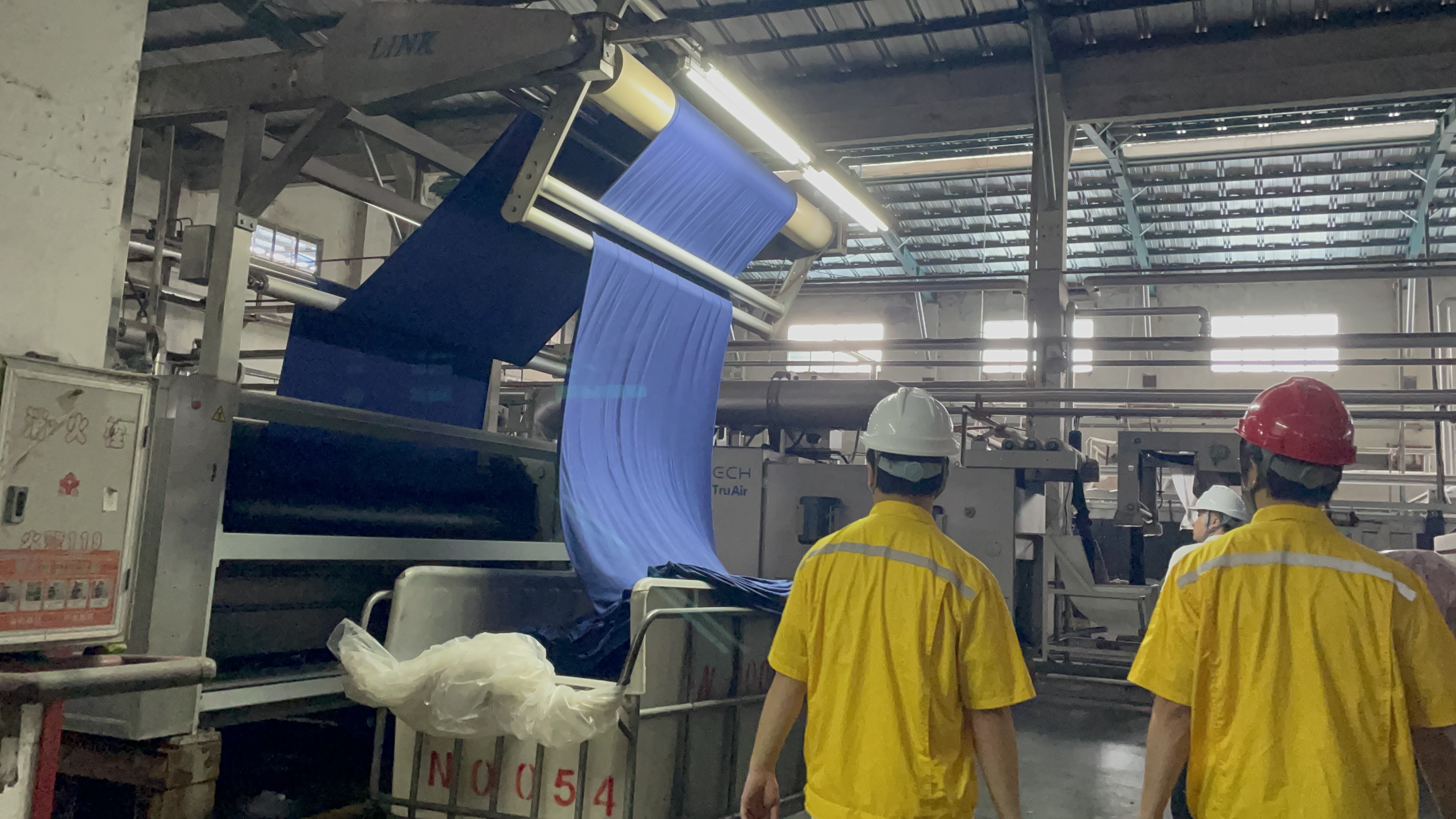
Core Insights - The urban gas industry is undergoing a transformation from resource-driven to service-oriented, driven by the breaking of licensing restrictions on gas franchise operations and the push towards comprehensive energy services under the "dual carbon" goals [1][2][7] Industry Overview - The urban gas sector in China has evolved significantly since the "West-to-East Gas Transmission" project in 2004, leading to a fragmented market dominated by a few large companies and thousands of smaller firms [1] - The industry is currently facing challenges due to market reforms, increased safety regulations, and competition from electrification [1][2] Transition to Comprehensive Energy Services - Urban gas companies are shifting from traditional gas sales to becoming comprehensive energy service providers, integrating electricity, gas, heat, and renewable energy systems [6][12] - New opportunities are emerging as companies adapt to the "dual carbon" goals, with a focus on energy efficiency and carbon reduction [2][5] Case Study: New Energy Solutions - New Energy has implemented energy-saving measures for clients, such as converting steam supply methods and installing rooftop solar panels, resulting in a 14% reduction in energy costs for a textile company [5][12] - The company plans to expand its energy efficiency initiatives to other industrial areas, emphasizing the importance of low-carbon energy solutions [5][12] Market Dynamics and Challenges - The demand for natural gas is declining, with a reported 1.3% decrease in consumption in early 2023, prompting companies to adjust their business models [8][10] - Urban gas companies are experiencing pressure from rising operational costs and market competition, leading to a decline in profit margins [10][11] Policy and Technological Support - Government policies are increasingly focused on zero-carbon initiatives, with a push for renewable energy integration and energy efficiency improvements [11][12] - Technological advancements in energy management, such as AI and big data, are being leveraged to optimize energy supply and demand [16][17] Business Model Innovations - Urban gas companies are exploring new business models, including fixed-price and sharing models, to enhance profitability and customer engagement [15][16] - The shift towards electricity as a core service is becoming a consensus in the industry, with companies developing integrated energy solutions [16][17]

三伏“烤”卷如何答?电力打出迎峰度夏“组合拳”
Xin Hua Cai Jing· 2025-07-21 07:05
Core Viewpoint - The article discusses the increasing electricity demand during the summer heat and the measures taken by power companies to ensure supply stability through various engineering projects and technological innovations [1][2][3][4][5] Group 1: Power Supply Measures - Multiple power companies are implementing supply guarantee projects and optimizing resource allocation to address the rising electricity load during high-temperature periods [1] - In Beijing, 67 key power supply projects have been put into operation, including 19 main network projects and 48 distribution network projects, adding 150 kilometers of transmission lines and 1.73 million kilovolt-amperes of transformer capacity [2] - In Sichuan, 13 key projects have been completed, with 704 kilometers of new transmission lines and an additional 9.62 million kilovolt-amperes of transformer capacity, enhancing the overall power supply capability by 6.55 million kilowatts [2] Group 2: Load Management and Optimization - Sichuan's electricity load reached a historical peak of 73.11 million kilowatts, prompting the power company to enhance resource optimization and ensure supply through a multi-layered electricity trading mechanism [3] - The company is utilizing flexible demand-side management strategies, including a demand response library of 9 million kilowatts, to balance supply and demand during peak periods [3] - Emerging technologies such as virtual power plants are being integrated into the power supply system, allowing distributed resources like solar and storage to contribute to supply stability [3] Group 3: Technological Innovations in Operations - The introduction of autonomous drone inspections marks a significant advancement in the maintenance of high-voltage power lines, improving efficiency and monitoring capabilities [4] - The drones can operate over a radius of 50 kilometers, overcoming challenges posed by difficult terrains, and significantly enhancing inspection efficiency compared to traditional methods [4] - In Beijing, the integration of AI and big data models has enabled rapid fault detection and response, reducing repair times and improving service efficiency [5]
港股概念追踪 | 总投资1.2万亿元!雅江水电工程开工 水利、电网、水泥等板块迎投资机会(附概念股)
智通财经网· 2025-07-20 23:43
Group 1: Project Overview - The Yarlung Tsangpo River downstream hydropower project has commenced in Nyingchi, Tibet, with a total investment of approximately 1.2 trillion yuan, making it the largest hydropower project globally [1] - The project will construct five cascade power stations, with an estimated 60% of the total investment allocated to infrastructure, 30% to equipment, and 10% to ecological compensation [1] - The project is expected to primarily focus on external power delivery while also addressing local power needs in Tibet, indicating significant investment in ultra-high voltage transmission facilities [1] Group 2: Industry Impact - The project is anticipated to drive demand in various sectors, including civil explosives, construction equipment, and engineering, with a particular emphasis on tunnel boring machine manufacturers due to the complex geological environment [3] - The opening of the Yarlung Tsangpo project is expected to lead to a definitive increase in demand across multiple sub-industries, enhancing catalytic expectations for future growth [3] Group 3: Related Companies - **Dongfang Electric (01072)**: A major supplier of pumped storage units, involved in various segments of the power system construction since the 1960s, focusing on technological innovation [5] - **Times Electric (03898)**: Engaged in products for ultra-high voltage direct current transmission projects, reporting a 14.81% year-on-year increase in Q1 revenue [6] - **Huaxin Cement (06655)**: Forecasts a 50% to 55% increase in net profit for the first half of 2025, driven by the demand from infrastructure projects [6] - **Zoomlion Heavy Industry (01157)**: Reported a 2.92% year-on-year revenue increase in Q1, with growth expected in various machinery sectors due to the recovery in domestic demand [6] Group 4: Power Demand and Investment - China's electricity load has recently reached a record high of over 1.5 billion kilowatts, with projections indicating it could reach 2 billion kilowatts by 2030 [2] - The State Grid and Southern Grid have announced significant investment plans for 2025, with combined investments exceeding 825 billion yuan, marking a historical high [3][4] - The new power system construction is expected to promote sustained investment in the grid, with anticipated growth rates of over 10% by 2025 [4]


全国社保基金理事会原副理事长王忠民:代币可能会链接产业金融所有环节
Bei Jing Shang Bao· 2025-07-20 15:31
Core Insights - The integration of digital tokens in industrial finance can link all segments of the financial ecosystem, driven by innovations such as artificial intelligence and stablecoins [1] - The regulatory framework for stablecoins is evolving, with a shift towards treating them as financial derivatives rather than traditional banking or securities, which alters their operational logic [3] - Digital tokens can address asymmetries in supply chain finance, enabling instantaneous transactions and reducing costs by converting interest-bearing transactions into non-interest models [4] Regulatory Changes - Stablecoins are now being incorporated into a financial derivatives regulatory framework, which emphasizes a 1:1 peg to assets like US dollars or government bonds [3] - The requirement for stablecoin issuers to hold highly liquid assets in custody, such as one-year US dollar certificates of deposit and government bonds, is crucial for operational efficiency [3] Technological Innovations - The use of AI in industrial transformation highlights a critical chain from computing power to electricity, with green energy playing a pivotal role in this evolution [4] - The concept of "virtual power plants" combined with cloud services allows green energy producers to connect directly with users, enhancing efficiency and reducing reliance on traditional power grids [4] Industry Transformations - The automotive industry is transitioning from manufacturing to service-oriented models, with autonomous vehicles leveraging over-the-air updates to enhance service offerings [5] - The digitalization of labor data from gig economy workers can be transformed into data assets, allowing for equity returns through participation in digital platforms [6] Future Directions - The three core ecological niches for the development of industrial digital finance include the restructuring of financial foundations through stablecoins, the penetration of AI and green energy into industrial logic, and the redefinition of manufacturing and service boundaries through autonomous vehicles [6] - An open and collaborative approach is essential for various stakeholders to participate deeply in the advancement of digital finance, ensuring high-quality development [6]