美元指数

Search documents
今日期货市场重要快讯汇总|2025年11月20日
Sou Hu Cai Jing· 2025-11-20 00:13
Group 1: Precious Metals Futures - New York futures gold and spot gold prices have recently risen, with New York futures gold surpassing $4130 per ounce on November 19, increasing by 1.56% [1] - Spot gold also broke through $4130 per ounce, with a daily increase of 1.57% [2] - On November 20, both continued to rise, with New York futures gold breaking through $4080 (down 0.09%), $4090 (up 0.19%), and $4100 (up 0.43%) [3][4][5] - Spot gold followed suit, breaking through $4080 (up 0.05%), $4090 (up 0.31%), and $4100 (up 0.55%) [6][7][8] Group 2: Energy and Shipping Futures - According to the EIA, U.S. crude oil inventories decreased by 3.426 million barrels for the week ending November 14, significantly exceeding the expected decrease of 603,000 barrels, with the previous value showing an increase of 6.413 million barrels [9] - The CEO of Saudi Aramco indicated that oil demand is expected to grow strongly in 2025 and 2026 [10] Group 3: Financial Futures - The Hang Seng Index futures showed stable performance, closing up 0.02% at 25826.96 points on November 20, with a low water mark of 3.69 points [11] - Following the U.S. Labor Department's announcement to cancel the October non-farm payroll report, January futures for the federal funds rate faced significant selling, dropping to a low of 96.25, indicating reduced market expectations for a loosening of Fed policy in the coming months [12] Group 4: Macro and Market Impact - The minutes from the Federal Reserve's October meeting revealed significant divisions among officials regarding the policy path for December, with many believing that maintaining rates may be appropriate, while a few supported another rate cut [13] - Consequently, the CME "FedWatch" tool indicated that the probability of a 25 basis point rate cut in December fell to 31.8%, while the probability of maintaining rates increased to 68.2% [14] Group 5: Currency and Stock Market - The U.S. dollar index experienced increased volatility, with the dollar rising 1% against the yen to 157.07, nearing the highest point since mid-January [15] - In the U.S. stock market, major indices closed higher on November 19, with the Dow up 0.1%, S&P 500 up 0.38%, and Nasdaq up 0.59%, led by gains in technology stocks such as Google, Broadcom, and Nvidia [16]
The Bull and Bear Cases for Gold, Silver Prices in November 2025
Yahoo Finance· 2025-11-19 20:00
Economic Context - Major economies such as the U.S., China, India, and the European Union are experiencing significant budget deficits and increased borrowing in bond markets, raising concerns about a potential global credit crisis and contagion [1] - The U.S. and China are showing signs of slowing growth, leading to easing monetary policies, which is expected to boost demand for gold and silver [3] Central Bank Activity - Global central banks are increasing their gold reserves, with China adding an estimated 15 tons in September, contributing to a total of 64 tons purchased globally, more than tripling from the previous month [2] - Central bank purchases have been a key driver of gold's bull run over the past three years, although the exact figures are often under-reported by countries [2] Market Sentiment - Elevated risk aversion is evident in global stock markets, with the CBOE Volatility Index ($VIX) surpassing 24, indicating increased safe-haven buying of gold and silver [4] - The current geopolitical climate has seen a reduction in tensions, which may negatively impact the demand for safe-haven metals [12] Price Projections - The silver market is projected to target $60.00, with current prices above $50.00, while gold is targeting a record high of $4,398.00 per ounce, with a potential to reach $5,000.00 next year [9][10] - The bull runs for gold and silver are noted to be long-standing, with gold's bull run lasting 10 years and silver's 5.5 years, indicating a cyclical nature that may lead to a downturn [12]
美元指数DXY站上100,为11月6日以来首次,日内涨0.4%
Mei Ri Jing Ji Xin Wen· 2025-11-19 16:11
每经AI快讯,美元指数DXY站上100,为11月6日以来首次,日内涨0.4%。 ...
国海良时期货:黄金期货短期回调 中期避险需求仍在
Jin Tou Wang· 2025-11-19 09:32
Macro News - The Shanghai gold futures price is reported at 937.00 CNY per gram, with an increase of 1.09%. The opening price was 922.54 CNY per gram, with a daily high of 938.32 CNY and a low of 922.54 CNY [1] - Liu Jinsong, Director of the Asian Department of the Ministry of Foreign Affairs, expressed dissatisfaction with the results of consultations with Japan's Foreign Ministry, indicating a serious atmosphere during the meeting [1] - U.S. President Trump stated he has narrowed down candidates for the next Federal Reserve Chair, including current Fed governors and executives from BlackRock [1] Institutional Insights - Today's gold price closed at 4080.47 USD, with an intraday fluctuation of -105.53 USD. The 10-year TIPS real interest rate rose by 0.02% to 4.14%, which has a weak impact on gold [1] - The nominal interest rate changed by 0.03, and the dollar index changed by 0.1115, indicating a short-term strong pressure on gold prices. Since Q3, there has been a divergence between nominal interest rates and the dollar index, leading to a neutral outlook for gold prices [1] - As of the end of October, global gold ETF holdings stood at 3892.6 tons, which is relatively high for the year, indicating a positive performance in terms of capital [1] - Key macro events to watch include U.S. housing starts and building permits for October. Strong housing starts may suggest a robust economy, leading to upward pressure on nominal interest rates and gold prices. Conversely, weak data could support a decline in real interest rates, benefiting gold [1] - Concerns about data delays following the U.S. government shutdown continue to exist, amplifying demand for gold as a safe haven [1]
跨境资金净流入增多 10月银行结售汇顺差177亿美元
Zhong Guo Jing Ying Bao· 2025-11-19 07:18
Core Insights - The foreign exchange market in China remains stable despite fluctuations in the international financial market, with a reported surplus in bank settlement and sales of foreign exchange [1][2] Group 1: Bank Settlement and Sales Data - In October 2025, banks settled foreign exchange at USD 214.2 billion and sold USD 196.5 billion, resulting in a surplus of USD 17.7 billion, which shows a narrowing trend compared to previous months [1] - The foreign exchange income for clients was USD 623.1 billion, while foreign payments amounted to USD 571.9 billion in the same month [1] - The dollar index increased by 2.1% to 99.8 in October, indicating a general upward trend in the dollar's value [1] Group 2: Cross-Border Capital Flows - In September, there was a slight net outflow of cross-border funds due to holiday factors, but October saw an increase in net inflows, with an average monthly surplus of USD 24 billion over the two months [2] - High levels of net inflow from trade funds were maintained, while seasonal declines were noted in cross-border expenditures related to travel and dividends [2] - Future bank settlement and sales are expected to remain stable, influenced by both domestic economic fundamentals and international market conditions [2]
人民币汇率创年内新高 下一阶段怎么走?
Xin Hua Cai Jing· 2025-11-19 06:33
新华财经北京11月19日电(马萌伟)上周,人民币汇率在美元回落的影响下升至年内新高,人民币对美 元中间价保持升值不过速率有所回落。 具体数据显示,美元指数跌0.26%报99.28;在岸人民币兑美元累计涨218个基点报7.1007,离岸人民币 兑美元累计涨271个基点报7.0991,中间价累计调升11个基点报7.0825。 分析认为,在当前美元指数反弹有限和中间价稳步升值的环境下,人民币汇率仍将保持偏低波动,并对 美元有望维持偏强态势。接下来要重点关注美元走势和人民币对美元汇率中间价调控力度。 美元反弹有限人民币汇率创年内新高 在美国联邦政府上周结束停摆、包括非农报告在内的一系列数据发布前,交易员正加紧为美元波动性上 升做准备,美元指数上周自进入9月以来首次连续第二周收跌,人民币汇率在美元回落的影响下明显走 高。 14日,在岸人民币兑美元逼近7.09,最高升至7.0912,创一年来新高;离岸人民币兑美元一度升至 7.0900。 但值得注意的是,人民币中间价虽升破年内高点,不过速率较有所放缓。分析称,这或是由于人民币汇 率刷新年内高点,且临近年末,结汇资金集中出现等因素有关。与前几周相比,逆周期因子调节幅度趋 于 ...
为何金价出现大逆转?全球央行仍在爆买黄金
Xin Lang Cai Jing· 2025-11-19 05:28
【#为何金价出现大逆转#?#全球央行仍在爆买黄金#】美东时间11月18日,国际金价、银价再次反弹, 现货黄金收涨0.54%,现货白银收涨1%,报50.68美元/盎司。截至发稿,现货黄金、COMEX黄金期货 继续反弹。11月18日下午,现货黄金跌破4000美元/盎司关口,为11月10日以来首次。为何金价出现先 抑后扬走势?中国外汇投资研究院研究总监李钢对@中新经纬 表示,金价此前连续几天下跌过快,市 场多头被迫止损后,盘面反而积累一定反弹需求。一旦美元指数和美债收益率回落,短线资金迅速回补 头寸,带动金价向上修复。最新数据显示,全球央行9月净购金达到64吨,是上月的两倍多。其中,中 国增持约15吨。李钢称,官方买盘让市场更愿意在低位承接,也缓和了此前的抛售情绪。对于金价走 势,李钢认为,短期波动将继续加大,金价行情仍取决于美联储议息前的经济数据和美元走势。(宅男 财经)#黄金又反弹# 来源:@中新经纬微博 ...
金老虎:就业数据助推降息预期,黄金探底回升,金价回踩4040延续多
Sou Hu Cai Jing· 2025-11-19 04:51
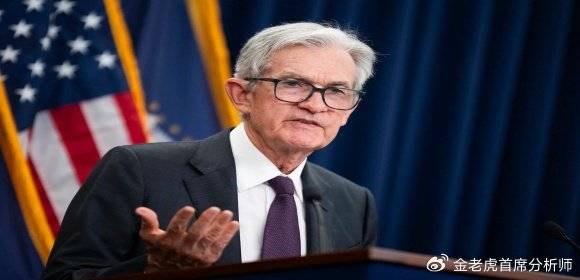
来源:金老虎首席分析师 金老虎:就业数据助推降息预期,黄金探底回升,金价回踩4040延续多 若想追逐独属于自己的光芒,就得扛住质疑和流言。真正活得耀眼的人,从不会困在别人的期待里。如 果总怕摔跤就停下脚步,那永远只能困在原地,沦为平庸的大多数。别让无关人的评价,绑架你的人生 选择。与众不同从来不是错,敢于走自己的路才是真的清醒。别人的看法只是过眼云烟,你的感受、你 的方向、你的未来,从来都只属于你自己。日子是过给自己看的,不是演给别人看的,记住了! 黄金行情分析 简单回顾下昨天波动形态,昨天金价整体走了探底回升的行情,价格在拉低3997后形成快速反弹,价格 在停盘阶段最高也是反弹到了4082的位置 ,昨天金价走出这样的行情主要有那些,简单梳理下; 今天黄金策略预测 1:黄金价格承压下行是美联储降息预期的显著降温,多位美联储核心官员密集释放鹰派信号,包括副 主席杰斐逊强调进一步降息需 "缓慢进行"、堪萨斯城联储主席施密德指出当前偏紧的政策水平适当、 达拉斯联储主席洛根明确反对 12 月降息等,一致暗示短期内降息的可能性大幅降低。市场消化这个信 号,让美联储 12 月降息 25 个基点的概率已从前期的 70% 左 ...

百利好早盘分析:市场等待数据 金价进入震荡
Sou Hu Cai Jing· 2025-11-19 01:40
Gold Market - The recent decline in gold prices is primarily due to hawkish statements from multiple Federal Reserve officials, which have led to a decrease in market expectations for interest rate cuts [2] - At the beginning of November, the market had anticipated over an 80% probability of a rate cut by the Federal Reserve in December, but this expectation has rapidly diminished, tightening market liquidity and strengthening the US dollar index, thereby suppressing gold prices [2] - On November 18, Federal Reserve official Waller reiterated the need for a rate cut in December, which temporarily boosted bullish sentiment in the gold market [2] - Analyst Mai Dong from Bailihau believes that the sustainability of the gold price decline is weak, and the market will refocus on the upcoming US non-farm payroll data to be released on Thursday [2] - From a technical perspective, the daily chart shows a small bearish candle with a long lower shadow, while the hourly chart indicates a breakout above the 60-day moving average, suggesting a weak trend reversal phase [2] Oil Market - As of November 19, reports indicate that US sanctions are significantly reducing demand for Russian oil, with the US Treasury Department stating that recent efforts to weaken Russia have been successful [4] - The focus of the oil market has been on Russian supply, particularly following attacks on Russian oil facilities and the effectiveness of Western sanctions on Russian oil exports, which have supported a short-term increase in oil prices [5] - From a technical standpoint, the daily chart shows a bullish candle, and the market has broken out of a rectangular consolidation pattern, testing the resistance level at $61.20 [5] - Current prices are above the 60/120-day moving averages, but the bullish advantage is not strong, with today's focus on whether prices can maintain above $61.20, while support is noted at $60.10 and resistance at $61.40 [5] Copper Market - The daily chart indicates a bearish candle, with prices trading below the 60/120-day moving averages, continuing a downward trend [7] - The market showed signs of consolidation yesterday, gradually correcting the divergence, with support noted at $4.86 and the potential for prices to test and possibly break below $4.90 [7] Nasdaq Market - The daily chart reflects a bearish candle, with prices also trading below the 60/120-day moving averages, indicating a continuation of the downward trend [8] - Today's focus is on the support level at 24,000 and resistance at 24,700 [8]