AI泡沫

Search documents
痛批鲍威尔、威逼贝森特?降息预期大变,特朗普急了!
Sou Hu Cai Jing· 2025-11-21 09:20
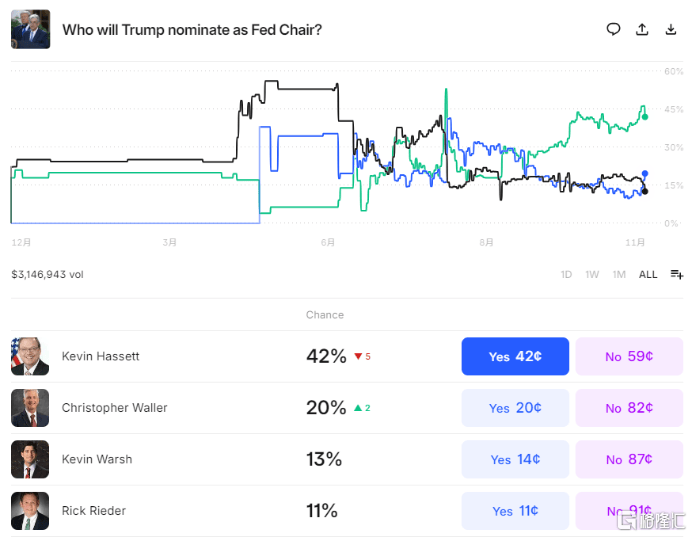
英伟达"炸裂"财报之后,全球市场情绪又突变,AI泡沫担忧重新袭来,美股一夜大反转。 与此同时,美国经济数据一团乱麻,特朗普疯狂想炒掉鲍威尔。 美东时间周三,特朗普公开痛批鲍威尔"极度无能",直言很想将其解雇。 面对财政部长贝森特的极力劝阻,他表示,"贝森特唯一的失误就是美联储政策",若美联储不降息,他 将解雇贝森特。 周四,美国经济数据公布后,贝森特随即表态,呼吁美联储"关注数据,继续其降息周期。" 救命稻草 特朗普执着换帅的背后,是关税困局与政治压力的双重驱动。 当前美国经济正站在"滞胀"悬崖边缘:国际货币基金组织11月最新报告显示,2025年美国经济增长率预 计为2.0%,显著低于2024年的2.8%,在发达经济体中复苏动能较弱。 耶鲁大学关税研究中心发布的数据显示,截至10月16日,美国消费者当前面临的总体平均有效关税税率 飙升至17.9%,为1934年以来的最高水平。 这直接推动美国PCE指数上涨,生活成本高企让美国家庭倍感压力。 据路透社/益普索最新民调显示,特朗普的支持率跌至38%,这是他重返白宫以来的最低水平,主要原 因在于美国人对他在处理生活成本和针对爱泼斯坦的调查方面表示不满。 在此背景下, ...

X @外汇交易员
外汇交易员· 2025-11-21 09:08
英伟达CEO黄仁勋在昨天的一次全体会议上就公司业绩表现发表讲话。黄仁勋表示,市场并不欣赏英伟达的亮眼成绩,在“AI泡沫”的讨论背景下,公司无论如何都会陷入“怎么都赢不了”的舆论处境。“如果我们交出优秀的季度成绩,那外界就会说我们助推‘AI泡沫’;如果业绩糟糕的话外界又会说‘AI泡沫’要破裂了”。外汇交易员 (@myfxtrader):英伟达CEO黄仁勋表示,公司最新一代Blackwell架构的芯片销量远超预期,云端GPU已售罄;“训练和推理的计算需求持续加速增长,均呈指数级增长。我们已进入AI的良性循环”;关于AI泡沫的说法很多,但从英伟达的角度看截然不同。🗒️继续反驳AI泡沫论,安抚市场对AI泡沫和需求放缓的担忧。 ...

Business Insider:黄仁勋内部坦言,太难了,“做得好是AI泡沫”,“一点点不及预期,整个世界就会崩溃”
美股IPO· 2025-11-21 08:55
黄仁勋罕见地承认,英伟达如今面临一个无解困境:业绩出色会被指控助推AI泡沫,业绩不佳则被视为泡沫破裂的证据。 全球市场陷入"AI泡沫"争论之际,即便是最成功的英伟达,也正面临着前所未有的审视压力。作为AI基础设施的核心供应商,英伟达的一举一动都被视 为整个行业健康状况的晴雨表。 据Business Insider周五报道,英伟达首席执行官黄仁勋在周四的内部会议上坦言, 尽管公司交出了"令人难以置信的"成绩单,但"市场并不领情"。 这 位芯片巨头掌门人罕见地承认,英伟达如今面临一个无解困境:业绩出色会被指控助推AI泡沫,业绩不佳则被视为泡沫破裂的证据。 黄仁勋在会上表示, 市场对英伟达的预期已经高到令公司陷入某种"无赢局面"。 他直言: "如果我们交出糟糕的季报,哪怕只是差一点点,看起来有 一点点不稳,整个世界就会崩溃。" 他还引用了一些帖子称英伟达的业绩正在帮助美国避免经济衰退,凸显出市场已将这家芯片制造商视为宏观经济健康的关键指标。 英伟达周三公布的财报显示,三季度营收加速增长62%,本季指引再超预期。黄仁勋在财报发布时反驳了关于AI泡沫日益增长的论调。然而,市场反应 却反复无常:股价周三上涨(一度超过6% ...
港股“子”曰|情绪冰点 有人撤退有人抄底
Mei Ri Jing Ji Xin Wen· 2025-11-21 08:29
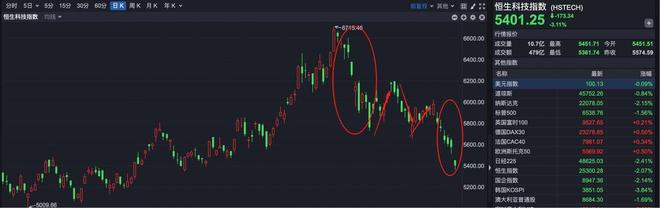
Core Viewpoint - The Hong Kong stock market, particularly the Hang Seng Technology Index, has experienced significant declines, with a maximum drop of 20% since early October, indicating a market sentiment close to a freezing point [1][4]. Market Analysis - The recent downturn in the Hong Kong stock market can be divided into three phases: 1. A rapid decline from October 2 to October 17, where the Hang Seng Technology Index fell approximately 15%, primarily due to profit-taking after a period of high market sentiment [3]. 2. A consolidation phase from October 18 to November 13, characterized by fluctuations and attempts to establish support levels [3]. 3. A sharp sell-off from November 14 to the present, driven by concerns over a potential AI bubble in global capital markets, despite Nvidia's strong performance [3][4]. Investor Behavior - Current market sentiment is at a critical juncture, with many short-sellers likely having reduced their positions significantly. As the market has declined, the potential for further short-selling pressure diminishes [4]. - A segment of investors remains committed to the Hong Kong market, with some viewing the current price levels as an opportunity for bottom-fishing, supported by substantial inflows from southbound capital [5][6]. Capital Inflows - Southbound capital has been actively buying Hong Kong stocks, with net purchases of HKD 12.8 billion on November 14 and nearly HKD 16 billion recently, indicating strong buying interest [5]. - Cross-border ETFs have also seen significant inflows, with over HKD 8 billion into Hang Seng Technology Index-related products and more than HKD 1.4 billion into internet-related products in the past month, reflecting a trend towards convenient investment channels [6]. Valuation Perspective - The current valuation of the Hang Seng Technology Index and the Hang Seng Internet Index stands at around 21 times PE, which is considered low compared to historical averages, suggesting a potential "valuation trough" for investors [6].
英伟达打了一剂强心针,投资者却越来越恐慌
投中网· 2025-11-21 08:22
Core Viewpoint - The article discusses the recent performance of Nvidia and its implications for the AI market, highlighting both the strong quarterly results and the ongoing concerns about a potential AI bubble [4][6][22]. Financial Performance - Nvidia reported a third-quarter revenue of $35.1 billion, with data center revenue contributing $30.8 billion, a year-on-year increase of 112%, significantly exceeding Wall Street's expectation of $28.82 billion [9]. - The non-GAAP earnings per share were $0.81, up 103% year-on-year, and net profit reached $19.3 billion, a substantial increase from $9.24 billion in the same period last year [9]. - For the upcoming fourth quarter, Nvidia expects revenue of $37.5 billion (with a 2% margin of error) and a gross margin of 73.5%, indicating strong confidence in future growth [9][10]. Market Reaction - Following Nvidia's earnings report, the stock price surged by 5% in after-hours trading, reversing a previous three-week decline of 10% [6]. - However, the positive market reaction was short-lived, with the Nasdaq dropping 2.15% and Nvidia's stock falling by 3.2% the following day [6][7]. AI Market Dynamics - Nvidia's strong performance is seen as a sign of continued growth in the AI market, alleviating some concerns about an "AI bubble" [6][17]. - The company has delivered 13,000 samples of its new Blackwell architecture chips, which are expected to drive significant revenue in the upcoming quarter [10]. - Nvidia's data center business has surpassed $50 billion in quarterly sales, indicating robust investment in AI infrastructure globally [17]. Investor Sentiment - Despite Nvidia's strong results, investor sentiment remains cautious, with concerns about the sustainability of AI investments and the potential for a market correction [16][20]. - Approximately 45% of global fund managers believe there is an "AI bubble," raising questions about the health of the market [20]. Industry Challenges - Nvidia faces challenges related to supply chain management and the need for substantial capital investments to meet growing demand for AI systems [14]. - The company is also navigating concerns about the sustainability of AI companies that are heavily investing in infrastructure but may not deliver proportional returns [19][23]. Broader Economic Context - The article draws parallels between the current AI investment climate and the internet bubble of the early 2000s, with warnings from economists about potential overvaluation [22]. - However, contrasting views from figures like Federal Reserve Chair Jerome Powell suggest that the current situation differs due to the presence of actual profits among high-valuation companies [22].
盈米小帮投顾团队-第19次信号发车
老徐抓AI趋势· 2025-11-21 08:16
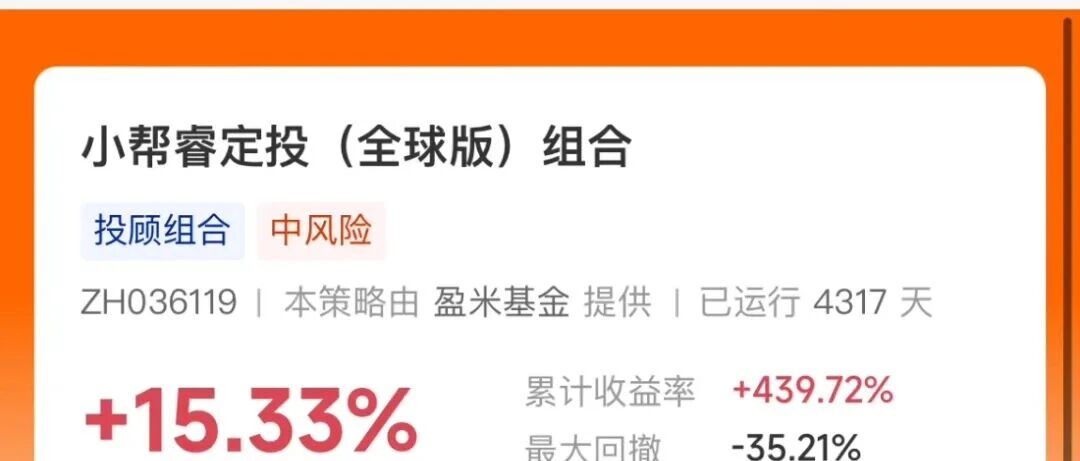
Market Overview - The global markets experienced a general decline, with major indices such as the Nasdaq down by 3.17% and the Shanghai Composite down by 2.07% [1] - Only the Indian Sensex and the Ho Chi Minh Index saw slight increases of 1.69% and 4.95% respectively, while gold prices also fell [1] Investment Strategies - The "Rui Ding Tou Global Version" portfolio showed a year-to-date return of 16.79%, despite a recent minor decline due to short-term corrections in the US stock market [6] - Over the past three years, the portfolio's returns were 13.13% for 2023, 7.87% for 2024, and higher for the current year, highlighting the benefits of global diversification [6] - The "Lazy Balanced" portfolio, which includes bonds, experienced a smaller drawdown with a return of approximately 12.46% this year, indicating strong volatility resistance [10] Market Sentiment and Future Outlook - The current market downturn is viewed as a technical correction following a strong performance, rather than a sign of systemic weakness [2] - The focus for the upcoming period should be on the earnings performance of leading companies, as this will drive market momentum [14][21] - The valuation of US stocks has decreased to below 60%, suggesting potential for further declines if the market continues to adjust [14] Portfolio Performance Metrics - The "Rui Ding Tou Global Version" portfolio has a cumulative return of +439.72% since inception, with a maximum drawdown of -35.21% and an annualized volatility of 18.18% [12] - The "Lazy Balanced" portfolio has a cumulative return of +8.50% since inception, with a maximum drawdown of -27.45% and an annualized volatility of 10.96% [14] - The "Small Helper Dividend" portfolio focuses on high-dividend funds, achieving a cumulative return of +366.07% [17] Investment Recommendations - The current market conditions suggest that it is a suitable time for regular investment in diversified portfolios, particularly those with a focus on dividend-paying assets [18][21] - The "Small Helper Hang Seng Stock Connect" portfolio remains resilient despite external market pressures, indicating a stable investment opportunity [20]
出色业绩仍无法令市场满意 黄仁勋:英伟达在“支撑着地球”
Feng Huang Wang· 2025-11-21 07:57
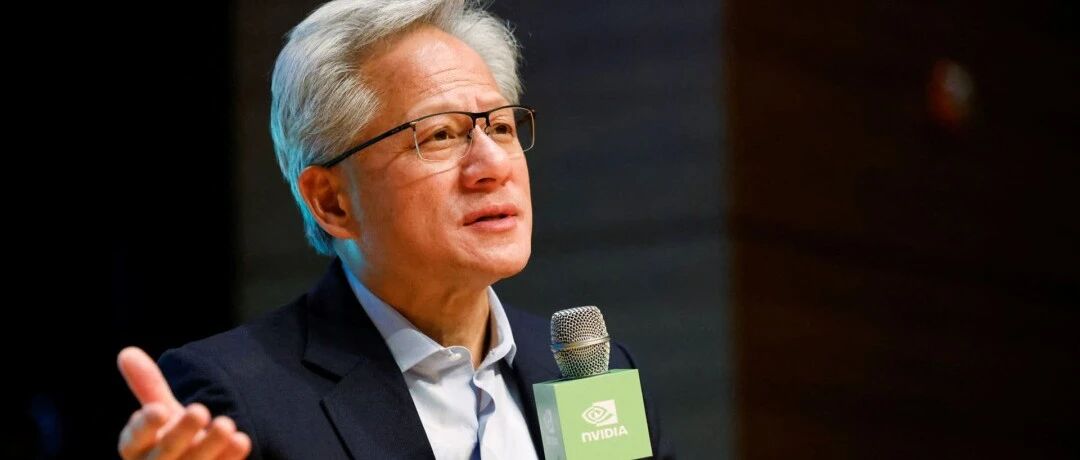
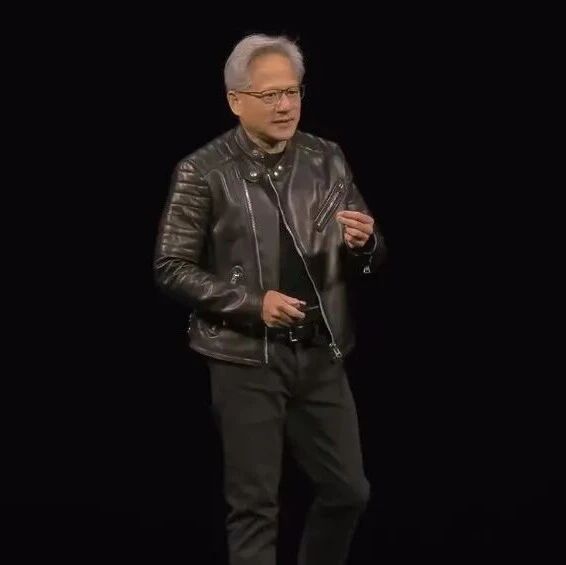
"如果我们交出一份糟糕的季度报告,哪怕只是差了一点点,哪怕只是看起来有一点不稳,整个世界都 会崩盘,"黄仁勋说,"这一点毫无疑问,是吧?你们真该看看网上的一些梗图。你们看过其中一些吗? 基本上,是我们在支撑着整个地球,这话并非没有道理。"黄仁勋称。 黄仁勋还提到了一些帖子,这些帖子认为英伟达的贡献正帮助美国避免经济衰退。 尽管黄仁勋表示对公司的业绩感到"欣喜"并为员工感到自豪,但他也指出,英伟达拥有的巨大影响力使 得市场对公司的期望愈发难以满足,这一点也在其市值波动中得到了体现。 黄仁勋 凤凰网科技讯 北京时间11月21日,据《商业内幕》报道,尽管英伟达最新发布的季度业绩超出预期, 但是英伟达股价还是遭遇了先涨后跌。英伟达CEO黄仁勋(Jensen Huang)周四在一场公司会议上表示, 市场没有充分领会到这一非凡季度表现的意义。 黄仁勋在周四的会议上表示:"如果我们交出一份差劲的季度成绩,他们会说这证明AI泡沫确实存在; 如果我们交出一份出色业绩,他们又会说我们助长AI泡沫。" 他指出,市场对英伟达的期望值已经高得离谱,以至于公司处于某种"无论做什么都难以令人满意"的境 地。他还默认了网络上关于英伟达拥有巨 ...
A股收评:满屏绿!金融科技齐挫,锂电池板块掀跌停潮!
Ge Long Hui· 2025-11-21 07:53
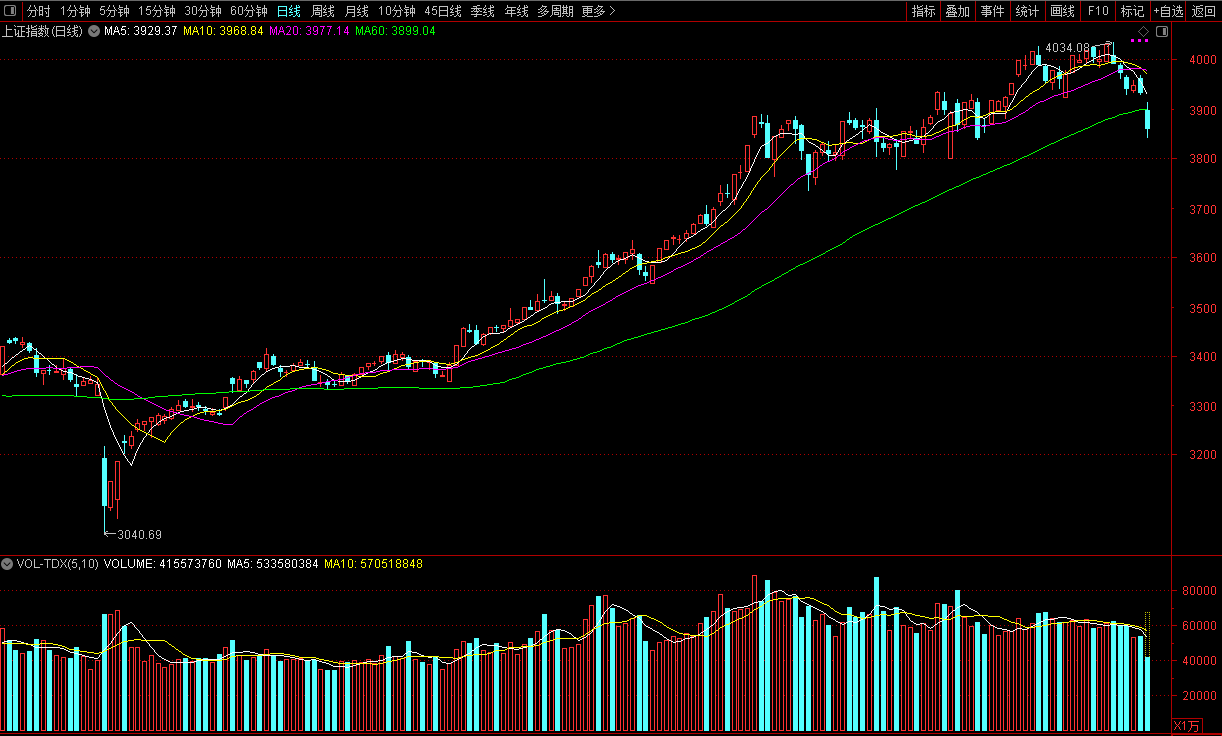
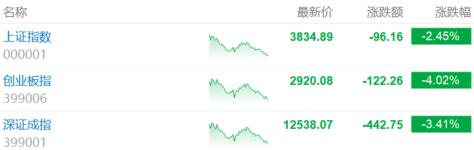
11月21日,亚太股市集体下挫,A股三大指数今日大跌。 沪指收跌2.45%报3834点,深证成指跌3.41%,创业板指跌4.02%,北证50指数跌4.71%。 全市场成交额1.98万亿元,较前一交易日增量2610亿元,近5100股下跌,其中近百股跌停。 | 名称 | | 最新价 | 涨跌额 | 涨跌幅 | | --- | --- | --- | --- | --- | | 上证指数 000001 | more | 3834.89 | -96.16 | -2.45% | | 创业板指 399006 | 1000 | 2920.08 | -122.26 | -4.02% | | 深证成指 200001 | | 12538.07 | -442.75 | -3.41% | 具体来看: 锂电池股掀跌停潮,赣锋锂业、江特电机、天齐锂业等近二十股跌停。消息面上,广期所发布公告,调整碳酸锂期货相关合约交易手续费标准及 交易限额。 行业协会将建议设成本红线规范报价,磷酸铁锂行业推进反内卷。 | 代码 | 名称 | 最新价 | 涨跌额 | 涨跌幅 ^ | 总市值 | | --- | --- | --- | --- | --- | ...
受美股拖累,日韩股市收盘大跌
Guan Cha Zhe Wang· 2025-11-21 07:44
Market Performance - The Nikkei 225 index closed down 2.40% at 48,625.88 points, with a cumulative decline of 3.29% for the week [1] - The South Korean Composite Index fell by 3.79% to 3,853.26 points, marking a weekly drop of 5.52% [1] Influencing Factors - The recent downturn in Asian stock markets is primarily attributed to significant volatility in the US stock market [1] - On the previous evening, all three major US indices closed lower due to market fears surrounding an AI bubble, with the Dow Jones down 0.84%, the S&P 500 down 1.56%, and the Nasdaq down 2.15% [1] - The Chicago Board Options Exchange Volatility Index (VIX) rose to 26.42, the highest level since April, indicating increased market fear [1] Economic Indicators - The US Labor Department reported that non-farm payrolls increased by 119,000 in September, slightly above expectations, but the unemployment rate rose by 0.1 percentage points to 4.4%, the highest level in four years [1] - The probability of a Federal Reserve interest rate cut in December has slightly increased to around 40%, with market uncertainty regarding the potential rate cut next month [1]
重挫近90点!A股今天突然跳水,原因是什么?
Sou Hu Cai Jing· 2025-11-21 07:15
大家知道,英伟达是美股科技股的灵魂,当英伟达在市场的光环不在时,影响的不仅仅是美股,而是全球的科技股,今天韩国股市的跌幅尤为明显,主要是 芯片指数大跌,也是受到英伟达走势的影响,可以说过去科技股的上涨几乎都是跟随英伟达的脚步。 海外这样,A股何况不是如此呢,创业板指数之所以跳水的幅度逼近4%,"易中天"以及新能源的下挫贡献了重要力量,从而带动了今天整个市场的跳水。 A股今天出现了罕见的下跌,沪指盘中最低到了3840点,一度下跌了90点,跌幅也超过了2%,对创业板指数来说重挫的力度就更明显了,低开之后出现低 走,11点14分出现盘中低点2924点,跌幅达到了3.87%,至此创业板指数已经从这波高点向下调整10%了。 不过早上11点30分收盘时,三大指数的跌幅略微有些收窄,沪指跌1.88%,创业板指数跌3.18%。 对于今天的盘面下挫,大家普遍觉得是昨夜美股纳斯达克指数的大跌2%,以及韩国股市和日本股市为代表的亚太股市的大跌所影响,我觉得有这方面因 素,但不是核心,尤其是美股向来对A股的影响不大,我认为还是市场自身存在一定的问题。 重挫近90点!A股今天突然跳水,原因是什么? 其一,今天下跌的核心主要还是美股权重 ...