
即时零售

Search documents
盘点今年“双11”的新变化
Ren Min Ri Bao Hai Wai Ban· 2025-11-20 22:56
Core Insights - The 2025 "Double 11" shopping festival has shown significant growth in consumer engagement and sales across various online platforms, with notable increases in user numbers and order volumes [7][10][17] E-commerce Performance - JD.com reported a 40% increase in the number of users placing orders and a nearly 60% increase in order volume during the "Double 11" period [7] - Douyin (TikTok) saw over 67,000 brands doubling their sales compared to the previous year, with over 100,000 merchants achieving similar results through live streaming [7] - Tmall indicated that new users from Taobao Flash Sales exceeded 100 million during the "Double 11" period [7] Consumer Behavior Trends - Consumers are shifting from a focus on low prices to seeking better shopping experiences and efficiency [7] - The trend of rational consumption is becoming more pronounced, with consumers preferring to make informed purchasing decisions rather than impulsive buys [13] Technological Integration - AI technology is being widely adopted in e-commerce, enhancing shopping experiences and decision-making processes for consumers [9][10] - JD's AI customer service, "Jing Xiaozhi 5.0," has improved user satisfaction by 15% and increased conversion rates by 37% for merchants [10] - Tmall's generative AI has produced 150 million images and videos during the "Double 11" period, showcasing the impact of AI on content creation [12] Extended Shopping Period - The "Double 11" shopping period has been extended to over 30 days, with pre-sales starting as early as October 7, marking the longest shopping festival duration to date [13][14] Marketing Strategies - E-commerce platforms are simplifying promotional strategies, focusing on targeted discounts rather than broad-based giveaways [14] - The dual focus on product and service consumption has emerged, with significant growth in service-related purchases such as travel and dining during the festival [14][15] Online-Offline Integration - There is a deeper integration of online and offline shopping experiences, with consumers able to experience products in-store while also having the option to order online for home delivery [16] - Instant retail has gained traction, with platforms like JD and Meituan seeing significant increases in order volumes and brand participation during the "Double 11" [17][18]





快递履约时效迈入“分钟级” 顺丰同城投放无人车末端提效
Zheng Quan Ri Bao Wang· 2025-11-20 12:17
Group 1 - The overall sales during this year's "Double 11" event reached 1.619 trillion yuan, marking a year-on-year growth of 12.3% [1] - Instant retail emerged as the biggest surprise this year, with total sales reaching 67 billion yuan, a staggering year-on-year increase of 138.4% [1] - The promotional period for "Double 11" was strategically extended, showcasing new characteristics such as slowing growth, simplified gameplay, and deeper value exploration [1] Group 2 - Instant retail has become a core breakthrough for e-commerce platforms seeking growth amid peak traffic dividends, pushing delivery efficiency to "minute-level" [1] - The largest third-party instant delivery platform, SF City, reported a daily order volume increase of over 50% during "Double 11" compared to last year [1] - Food and beverage orders have seen strong growth, with beverage orders increasing by over 160% and fast food orders by 110% year-on-year [1] Group 3 - Major platforms actively engaged in instant retail during "Double 11," with consumers showing a trend of not waiting for promotions or pre-sales [2] - The demand for supply chain fulfillment capabilities has increased, highlighting the value of service providers with comprehensive delivery capabilities [2] - SF City provided integrated supply chain solutions, including warehousing, transportation, and instant delivery, to enhance near-field fulfillment capabilities [2] Group 4 - To cope with logistics pressure during the event, e-commerce platforms and logistics companies promoted unmanned delivery and upgraded information systems [2] - SF City deployed over 800 unmanned vehicles in more than 100 cities nationwide to handle short-distance delivery and distribution, significantly improving overall fulfillment efficiency [2]
中国即时零售服务行业销售现状及未来前景分析报告2025-2031年
Sou Hu Cai Jing· 2025-11-20 11:59
Group 1 - The core viewpoint of the report is to analyze the current sales status and future prospects of the instant retail service industry in China from 2025 to 2031 [1] - The report provides a comprehensive overview of the instant retail service market, including product definitions, statistical scope, and categorization by product types and applications [3][4] - It highlights the growth trends of different product types in the instant retail service sector from 2019 to 2031, indicating significant market expansion [3][4] Group 2 - The report forecasts the global and Chinese market sizes for instant retail services from 2019 to 2031, emphasizing China's increasing share in the global market [4][10] - It analyzes the competitive landscape of the industry, detailing revenue analysis and market share of major global players from 2019 to 2025 [4][5] - The report includes a SWOT analysis of Chinese companies in the instant retail service sector, providing insights into their strengths, weaknesses, opportunities, and threats [5][10] Group 3 - The report discusses the development opportunities and driving factors for the instant retail service industry, including consumer behavior changes and technological advancements [6][10] - It examines the supply chain dynamics within the instant retail service industry, detailing the procurement, production, and sales models [6][10] - The report also profiles major companies in the instant retail service market, including Meituan, Alibaba, and JD, providing insights into their business models and market positions [8][9]


华金证券:双11全网电商销售额稳增长 零售生态与技术融合深度变革
智通财经网· 2025-11-20 08:40
Core Insights - The 2025 Double 11 shopping festival is set to start earlier, showcasing a long-cycle normalization trend, with e-commerce platforms simplifying promotional rules to boost user engagement in October [1][2] - The overall retail sales during the Double 11 period are projected to reach nearly 1.8 trillion yuan, marking a year-on-year growth of over 10%, and a staggering increase of approximately 35,000 times since the inaugural event in 2009 [1] Group 1: E-commerce Growth and User Engagement - The early launch of the Double 11 marketing campaign has led to a synchronized increase in user scale across platforms, with significant growth in monthly active users for major apps like Taobao, Douyin, Pinduoduo, and JD [2] - As of October 2025, the monthly active user counts for these platforms reached 1 billion for Taobao, 948 million for Douyin, 720 million for Pinduoduo, and 648 million for JD, indicating robust user engagement [2] Group 2: Strategic Shifts and AI Integration - E-commerce platforms are transitioning towards a comprehensive ecosystem, integrating AI technologies throughout the consumer journey, with Taobao launching six AI shopping applications and JD implementing advanced logistics solutions [3] - JD's user orders increased by over 117% year-on-year, while the overall order volume grew by more than 125%, reflecting the effectiveness of their new strategies [3] Group 3: Instant Retail and New Consumption Drivers - Platforms are exploring instant retail strategies to drive new consumption growth, with Meituan reporting an average daily order volume of 14 million for its flash purchase service [4] - Taobao's flash purchase initiative has already attracted over 1 million new users during the Double 11 period, with significant sales growth in non-food brands [4] Group 4: Investment Opportunities - Companies to watch include BlueFocus Communication Group, InGravity Media, Tianyu Digital Technology, Chinese Online, Tianxia Show, and Zhidema, indicating potential investment opportunities in the evolving e-commerce landscape [5]

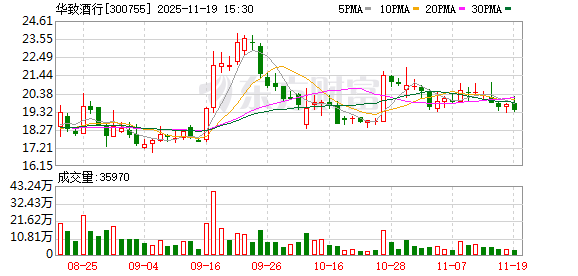
华致酒行:公司以华致连锁门店为核心,接入了美团外卖、京东秒送、淘宝闪购、抖音小时达等主流即时零售平台
Mei Ri Jing Ji Xin Wen· 2025-11-19 13:28
Core Insights - The company has identified a rapid growth in the demand for "instant consumption" in the market and is actively expanding its instant retail business [2] Group 1: Business Strategy - The company is leveraging its chain stores as a core component to connect with major instant retail platforms such as Meituan Waimai, JD Seconds, Taobao Flash Purchase, and Douyin Hourly Delivery [2] - A highly efficient service system has been established, allowing for "online ordering - store delivery - fastest delivery in 15 minutes" [2] - The multi-channel layout aims to enhance service efficiency [2]

品牌商、经销商,不要低估闪电仓
3 6 Ke· 2025-11-19 11:39
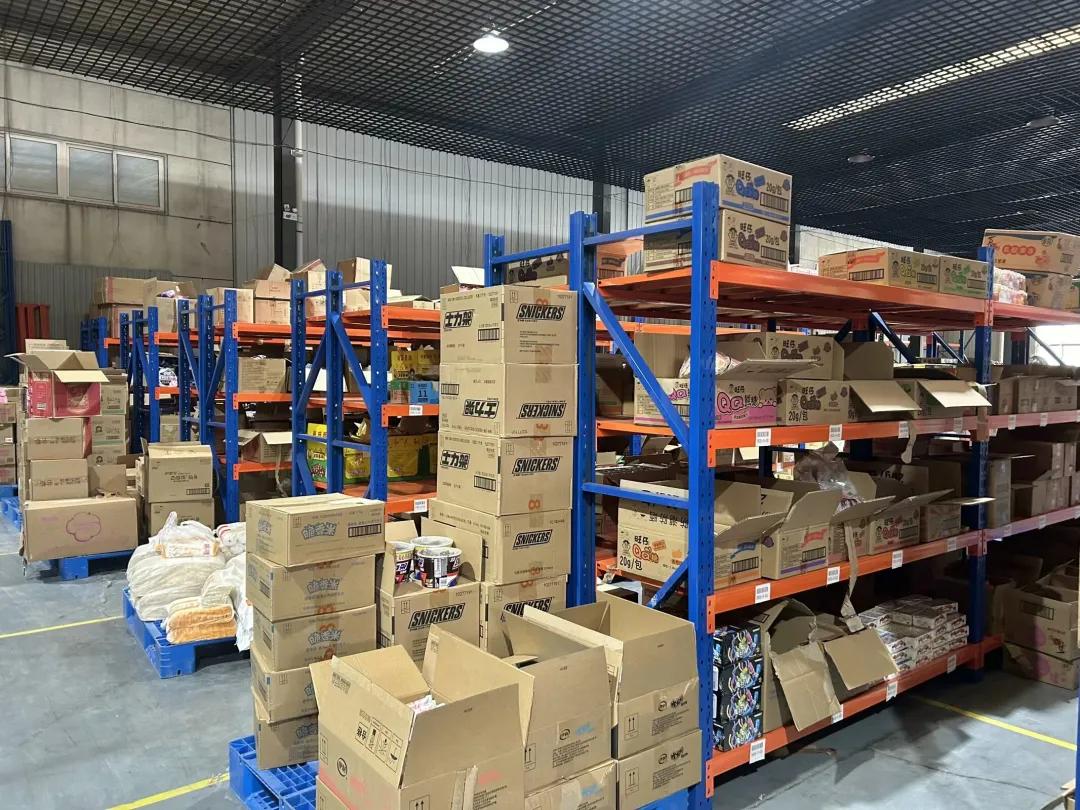
Core Insights - The rapid expansion of flash warehouses in the instant retail sector is a significant trend, with Meituan's flash warehouse count exceeding 5,000 in September 2023 and projected to surpass 30,000 by October 2024, ultimately aiming for over 100,000 by 2027, with a market scale exceeding 200 billion [1][9]. Group 1: Reasons for Rapid Expansion - Flash warehouses are filling a gap in consumer demand for instant retail, offering a wider SKU range (4,000-10,000) and faster delivery (30 minutes), which traditional convenience stores struggle to provide due to limitations in inventory and replenishment frequency [4][5]. - The operational efficiency of flash warehouses, characterized by a higher SKU count, more frequent replenishment, and faster fulfillment, allows them to better match consumer needs and maintain low inventory risk [6][7]. - The strategic shift of platforms towards supply competition, with significant resource investments from major players like Meituan and Taobao, has accelerated the growth of flash warehouses [8][9]. Group 2: Challenges and Market Dynamics - The rapid increase in the number of flash warehouses has led to intense competition, particularly in densely populated urban areas, resulting in price wars and reduced profit margins for operators [10][12]. - Profitability has declined significantly, with net profit levels dropping to 3%-5% from earlier figures of 10%-15% due to increased competition and price pressure [14][16]. - The industry is experiencing a consolidation phase, with a shift from quantity-based growth to efficiency-based competition, highlighting the need for better inventory management and operational capabilities among warehouse operators [17][18]. Group 3: Implications for Distributors and Brands - Distributors must adapt to the evolving landscape of flash warehouses, either by establishing their own warehouses or by supplying to existing ones, focusing on enhancing their supply chain capabilities [20][21]. - Brands face challenges in adjusting their strategies to the new retail environment, where traditional methods of product display and pricing may not be effective in flash warehouses [22][23]. - To succeed in flash warehouses, brands need to develop a deeper understanding of instant retail dynamics, including SKU management, pricing strategies, and platform algorithms [22][23].
第十七个“双11”落幕,“双11”履约时效“卷”至分钟级
Yang Zi Wan Bao Wang· 2025-11-19 10:52
Core Insights - The 17th "Double 11" event concluded with a total sales volume of 1.619 trillion yuan, marking a year-on-year growth of 12.3% [1] - Instant retail emerged as the biggest surprise this year, with a total sales volume of 67 billion yuan, experiencing a staggering year-on-year increase of 138.4% [1] - The promotional period was strategically extended this year, showcasing new characteristics such as slowing growth, simplified gameplay, and deeper value cultivation [1] E-commerce Performance - The overall sales performance of e-commerce platforms during "Double 11" was robust, with instant retail becoming a core growth driver amid peak traffic [1][4] - Major platforms like Taobao, JD, and Meituan actively expanded their instant retail offerings, with Taobao linking over 37,000 brands and 400,000 stores [4] - The trend of consumers opting for high-priced items through instant delivery services is on the rise, indicating a shift in consumer behavior [4] Delivery and Logistics - SF Express's data indicated that daily order volume for same-city delivery increased by over 50% compared to last year during "Double 11" [3] - The demand for instant delivery services surged, with significant growth in food and beverage categories, particularly drinks and fast food, which saw increases of over 160% and 110% respectively [4][6] - The logistics sector faced immense pressure, with a total of 13.938 billion express deliveries recorded during the event, leading to innovative solutions like the deployment of over 800 unmanned vehicles for last-mile delivery [7][9] Technological Innovations - The use of unmanned vehicles in logistics has become a focal point for enhancing delivery efficiency, with SF Express deploying these vehicles in over 100 cities [7] - Collaboration with public transport systems, such as converting idle bus stations into delivery hubs, has improved sorting efficiency by over 30% [9] - The integration of advanced logistics infrastructure is crucial for meeting the evolving demands of instant retail and ensuring stable delivery performance [9]
2025年双十一全网销售数据解读报告
Sou Hu Cai Jing· 2025-11-19 08:40
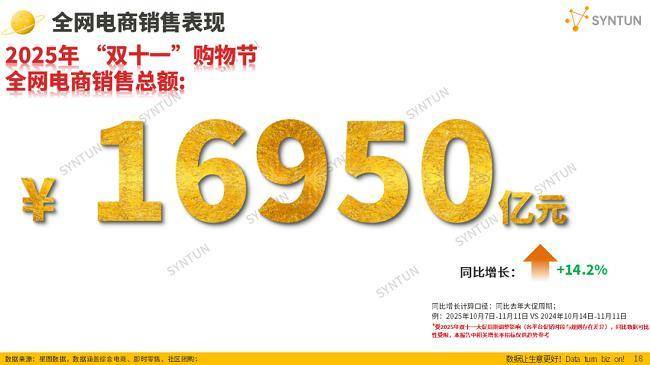
E-commerce Development Trends - The 2025 Double Eleven shopping festival marked a shift from traffic competition to a holistic ecosystem collaboration, focusing on a consumer-centric approach to create a comprehensive consumption ecosystem [1][8] - The trend of "truth-seeking" and "practicality" in consumer behavior emerged, with health-oriented consumption becoming prevalent, and domestic brands gaining favor through original design and technological innovation [1][10] Platform Marketing Changes - Marketing strategies have evolved to be more instantaneous, intelligent, and integrated across multiple business formats, with a simplification of promotional rules, where "one-item direct discount" has become mainstream [1][15] - AI technology is deeply integrated into consumer decision-making and merchant operational efficiency, transforming traditional e-commerce platforms into comprehensive consumption platforms [1][16] Sales Data Performance - Total online sales reached 1,695 billion yuan, achieving a resilient growth of 14.2% compared to the previous year [1][28] - Instant retail sales experienced explosive growth, with a year-on-year increase of 138.4%, driven by high-frequency consumption patterns [1][30] Consumer Trend Insights - Health-oriented consumption has permeated the market, with a simultaneous trend of quality upgrades and consumption segmentation [1][10] - The shift from "demand satisfaction" to "value resonance" indicates a deeper connection between consumers and brands, emphasizing the importance of brand loyalty and consumer engagement [1][10]
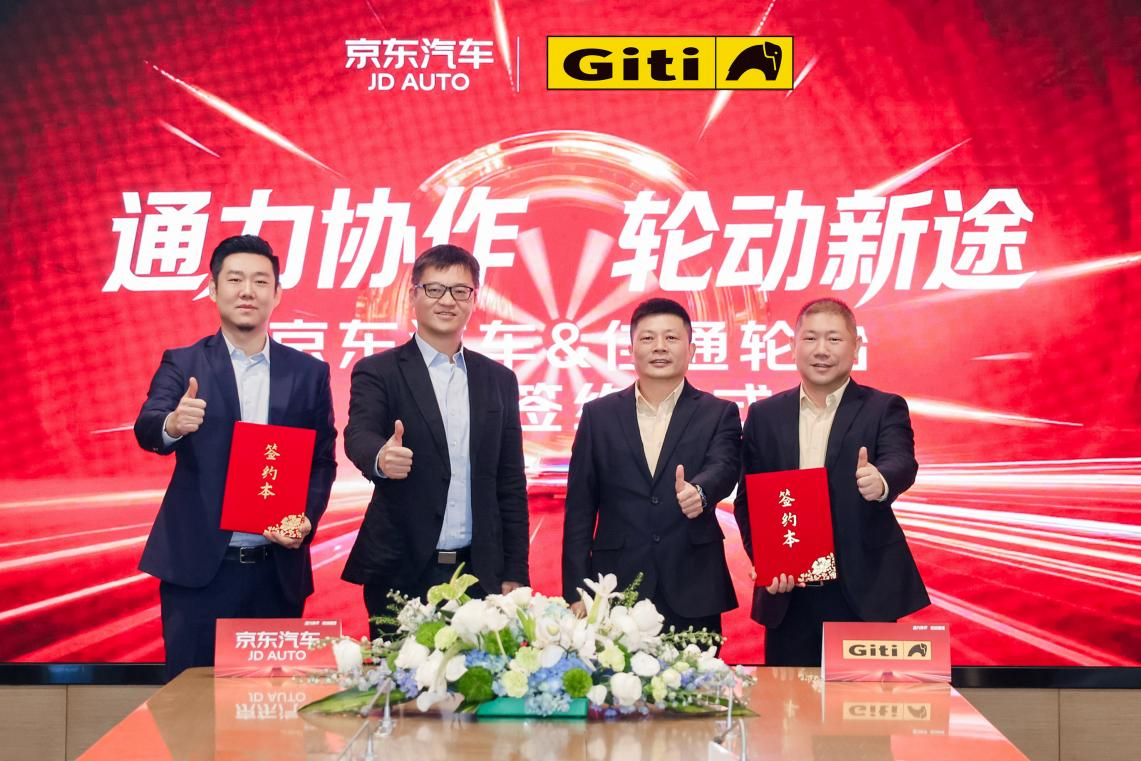
京东汽车与佳通轮胎战略合作升级 共推轮胎即买即装新体验
Yang Guang Wang· 2025-11-19 07:56
Core Viewpoint - JD Auto and Giti Tire have signed a strategic cooperation agreement to enhance their collaboration in the tire industry, focusing on digitalization, efficiency, and low-carbon development to improve consumer experience and service quality [1][9]. Group 1: Partnership Overview - The cooperation covers both passenger and commercial vehicle tires, leveraging JD's supply chain capabilities and Giti's expertise in tire research and manufacturing [1][3]. - The partnership aims to create a seamless experience for consumers, from online selection to offline installation, enhancing overall operational efficiency in the tire industry [3]. Group 2: Commercial Vehicle Collaboration - JD Auto and Giti Tire will collaborate on commercial vehicle tires and logistics, aiming to develop a comprehensive solution that integrates intelligent products, specialized services, and digital management [5]. - The focus will be on improving tire efficiency and lifespan while optimizing fleet management and operational costs, supporting the logistics sector in cost reduction and green transformation [5]. Group 3: Role of JD Yanche - JD Yanche, a professional automotive service brand under JD Group, will play a crucial role in this partnership by providing a wide range of services, including maintenance and tire replacement [7]. - The collaboration will explore innovative models like "instant retail + fast delivery," enhancing service efficiency and response speed for tire purchasing and installation [7]. Group 4: Future Directions - The partnership will continue to deepen, focusing on integrating products, services, supply chains, and green low-carbon initiatives to elevate the overall value of the industry chain [9].

即时零售成“双十一”电商主战场,顺丰同城日均同城配送单量同比增超50%
Ge Long Hui· 2025-11-19 03:36
Core Insights - The 17th "Double Eleven" event concluded with a total sales volume of 1.619 trillion yuan on e-commerce platforms, marking a year-on-year growth of 12.3% [1] - Instant retail emerged as the biggest surprise this year, achieving a total sales volume of 67 billion yuan, which represents a staggering year-on-year increase of 138.4% [1] E-commerce Performance - The largest third-party delivery platform, SF City, reported that daily order volume for same-city delivery increased by over 50% compared to last year during the "Double Eleven" period [1] - In terms of product categories, food delivery orders have shown strong growth since the "takeout war," with beverage orders increasing by over 160% year-on-year and fast food orders growing by 110% [1] - Non-food categories such as supermarket goods and beauty products also experienced double-digit growth in order volume year-on-year [1] Delivery and Logistics - SF City, as a neutral third-party platform, demonstrated impressive performance during the promotional period, with significant growth in orders from platforms like Douyin, Meituan, Taobao Flash Sale, JD Instant Delivery, and merchants' own platforms [1] - The "last mile" delivery segment, which supports traditional express delivery, saw a rapid increase in order volume year-on-year, with daily average order volume in all stages of the delivery process far exceeding last year's peak [1] - The average daily order volume for the collection stage doubled compared to last year [1]