美元霸权

Search documents
“做多黄金,就是做空美国”,巴菲特会投资黄金吗?
凤凰网财经· 2025-05-03 12:54
Group 1 - The core viewpoint of the article revolves around Warren Buffett's investment strategies, particularly his cash reserves and potential future moves in the context of current market conditions [2][3][6] - Buffett has significantly reduced his holdings in U.S. stocks, increasing cash reserves to over $330 billion, indicating a cautious approach amid high market valuations [2][3] - Experts express differing opinions on whether ordinary investors should consider bottom-fishing in U.S. stocks, with some advocating caution due to high valuations and uncertain economic conditions [3][4][5] Group 2 - There is speculation about whether Buffett will further invest in the AI industry, with experts noting the inherent uncertainties in technology stocks and the need for lower valuations before making investments [6][7][8] - The discussion highlights a generational shift in investment strategies at Berkshire Hathaway, with a potential increase in technology and AI investments under new management [7][8] - Concerns are raised about the challenges Buffett may face in adapting to a changing global landscape, particularly regarding the decline of U.S. hegemony and the rise of alternative economic powers [8][9] Group 3 - The article discusses Buffett's historical reluctance to invest in gold, contrasting it with the current surge in gold prices driven by geopolitical uncertainties and the weakening of the dollar [10][11][12] - Experts present varied perspectives on gold as an investment, with some suggesting it could serve as a hedge against currency risks, while others argue it lacks the potential for significant returns compared to other assets [11][12] - The potential for gold to play a role in a diversified asset allocation strategy is acknowledged, especially in light of the evolving monetary landscape [12]


美债最大债主连夜撤退,特朗普希望中国接盘?
Sou Hu Cai Jing· 2025-05-03 02:27
Core Viewpoint - The article discusses the significant shift in the perception and demand for U.S. Treasury bonds, highlighting a trend of selling off these assets by major investors, including Japan and Europe, amid rising interest rates and economic uncertainty [2][4][5]. Group 1: U.S. Treasury Bonds - U.S. Treasury bonds are losing their status as a safe haven, with major investors like Japan rapidly selling off their holdings, with reports indicating Japan is offloading $1.4 million per minute [5][10]. - The recent auction of U.S. Treasury bonds saw a 23% failure rate, indicating a lack of demand that was previously common [10]. - The U.S. Treasury is considering a controversial plan to replace existing bonds with 100-year "zombie bonds," which could exacerbate the financial situation [12][14]. Group 2: Market Reactions - There is a notable shift in investment strategies, with a recommendation to sell U.S. stocks and buy gold as a safer alternative [2][4]. - Recent capital flows show an outflow of $800 million from U.S. stocks and an inflow of $3.3 billion into gold, indicating a preference for tangible assets over U.S. dollar-denominated assets [5]. - The volatility in the market has led to algorithmic trading systems failing as 10-year Treasury yields surpassed 5% [7]. Group 3: Global Economic Implications - The article suggests that the U.S. is facing a credibility crisis, with even allies like Japan questioning the value of holding U.S. debt [9][14]. - China's holdings of U.S. Treasury bonds have reached a 15-year low, while its gold reserves are increasing, reflecting a strategic shift away from U.S. debt [7][12]. - The ongoing economic strategies and tariffs imposed by the U.S. are backfiring, leading to a loss of confidence in U.S. financial instruments [9][16].
特朗普执政百日,场面混乱,美债危机步步紧逼!
Sou Hu Cai Jing· 2025-05-02 11:25
Core Viewpoint - The impending $6.6 trillion U.S. debt crisis is a significant challenge for the Trump administration, with rising interest rates and global sell-offs complicating the situation [1][3]. Group 1: U.S. Debt Situation - The $6.6 trillion debt translates to approximately $18,000 per American citizen, highlighting the severity of the financial burden [1]. - Historically, the U.S. has managed large amounts of debt through a cycle of issuing new debt to pay off old debt, a practice that has been effective for over a century [3]. - The current financial landscape is different, with rising interest rates leading to a decrease in demand for U.S. debt, complicating the refinancing process [9]. Group 2: Trump's Economic Policies - Trump's initial efforts to reduce government spending included a failed audit initiative led by Elon Musk, which did not yield significant savings and resulted in increased debt [5]. - The introduction of a "golden card" for wealthy immigrants aimed to generate revenue but ultimately failed to attract buyers, further exacerbating the financial situation [7]. - Trump's trade policies, particularly the imposition of tariffs, have alienated allies and led to a decline in the value of the dollar, undermining confidence in U.S. debt [9][11]. Group 3: Market Reactions - The rise in U.S. debt interest rates to 5% indicates a lack of confidence among investors, leading to a sell-off of U.S. bonds [9]. - The Federal Reserve's independence has been tested as Trump pressures for lower interest rates, but the Fed remains unresponsive, causing further market instability [9]. - The global shift towards alternative currencies, such as the Chinese yuan, poses a threat to the dominance of the U.S. dollar, with countries increasingly opting for non-dollar transactions [11].
730万桶!中国转头把石油大单给美盟友,特朗普急了,想跟中方和解
Sou Hu Cai Jing· 2025-04-30 14:04
Core Viewpoint - China's record import of 7.3 million barrels of crude oil from Canada in March reflects a significant shift in energy trade dynamics amid the US-China trade war, impacting both countries' economies [1][3]. Group 1: Energy Trade Dynamics - The US has imposed a 125% additional tariff on Chinese imports, aiming to suppress China's energy demand, which led to a drastic reduction in China's imports of US crude oil and LNG, with LNG imports dropping to zero and crude oil imports plummeting by 90% from 29 million barrels per month in 2024 to 3 million barrels in March 2025 [1][3]. - Canada has become a new key supplier for China, with the expansion of the Trans Mountain pipeline facilitating increased crude oil exports, resulting in a significant rise in imports from Canada [3]. - The US is facing substantial losses in oil orders, estimated at several billion dollars monthly, as well as negative impacts on related supply chains and employment [3]. Group 2: Agricultural Trade Changes - The trade war has also affected agricultural exports, with US exports of soybeans to China dropping by 54% year-on-year, while Australia and Brazil have seen significant increases in their beef and poultry exports to China [3]. Group 3: Political and Economic Implications - President Trump has shown signs of softening his stance on tariffs, indicating a desire to lower them to prevent further trade stagnation with China [4]. - Canada is navigating a complex situation, benefiting economically from Chinese orders while politically aligning with the US, creating a contradictory stance [6]. - China has signed a 15-year LNG agreement with the UAE worth approximately 700 billion RMB, marking a significant step in energy cooperation and challenging the dominance of the US dollar [6]. Group 4: Strategic Energy Positioning - China's actions demonstrate a robust capability in energy strategic planning, reducing reliance on US energy and diversifying supply sources, thereby enhancing its energy security [8][9]. - The shift in energy trade dynamics is contributing to a more multipolar global energy market, diminishing the US's previous dominance in LNG exports [9].

一夜暴“负”引爆全球,08年的美国次贷危机如何摧毁全球经济?
Sou Hu Cai Jing· 2025-04-30 13:48
Core Viewpoint - The collapse of Lehman Brothers on September 15, 2008, marked a significant turning point in global finance, revealing the fragility of the financial system and the consequences of unchecked greed and speculation in the housing market [1][16]. Group 1: Background and Causes - The financial crisis had roots in decades of economic policies that favored deregulation and speculative practices, particularly during the early 21st century when American households became heavily involved in real estate speculation [3][5]. - The Federal Reserve's aggressive interest rate cuts led to a surge in subprime lending, with banks offering loans to individuals with poor credit histories, creating a bubble in the housing market [5][12]. - Financial instruments like mortgage-backed securities were misrated as AAA, allowing banks to offload risky loans onto global investors, exacerbating the financial instability [5][12]. Group 2: The Collapse of Lehman Brothers - Lehman Brothers attempted to mitigate its exposure by seeking external capital but was ultimately denied assistance by the U.S. government, leading to its bankruptcy [14][16]. - The bankruptcy triggered a chain reaction across financial markets, resulting in a loss of approximately $30 trillion in global stock market value within a year [18]. Group 3: Aftermath and Impact - In response to the crisis, the Federal Reserve implemented aggressive monetary policies, including printing $4.5 trillion, which flooded emerging markets with capital but also led to significant currency devaluations in various countries [18][20]. - The selective rescue of financial institutions, particularly Goldman Sachs, highlighted the disparity in how financial aid was distributed, benefiting a few while leaving many ordinary citizens in distress [22][24]. - The long-term consequences of the crisis continue to affect millions, with many still suffering from the fallout of the housing market collapse, while financial institutions have returned to profitability and high executive bonuses [24][26].

美财长表示若中方不主动让步,美国将升级局势,可能对华实施禁运
Sou Hu Cai Jing· 2025-04-30 11:25
Group 1 - The core message from U.S. Treasury Secretary Janet Yellen is a warning to China to make concessions on trade and economic issues, or face escalated tensions from the U.S. [1][3] - Yellen's statements are seen as a psychological tactic aimed at pressuring China to comply with U.S. demands, such as reducing exports to the U.S. and opening more markets [5][9] - The backdrop of Yellen's remarks includes domestic economic challenges in the U.S., such as inflation and supply chain issues, as well as the shifting global economic landscape where China's influence is growing [7][9] Group 2 - The U.S. is concerned about China's advancements in high-end manufacturing and technology sectors, particularly in semiconductors, which could threaten U.S. technological dominance [11][18] - Yellen's tough stance is also influenced by the political climate in the U.S., as upcoming elections create pressure for politicians to adopt a hardline approach towards China [9][20] - China's economic resilience and strategic partnerships globally provide it with leverage against potential U.S. sanctions, making a complete economic decoupling challenging for the U.S. [11][14] Group 3 - The potential for U.S. sanctions or embargoes on Chinese goods raises concerns about the impact on American consumers and businesses, as many rely on Chinese manufacturing [13][14] - The complexity of implementing sanctions is highlighted, as it could lead to significant disruptions in the U.S. economy, affecting prices and corporate operations [14][16] - The ongoing U.S.-China rivalry is characterized as a long-term strategic battle, with both sides needing to maintain their positions without overreacting to threats [16][18]
张明:美债震荡动摇美元霸权根基|国际
清华金融评论· 2025-04-30 08:24
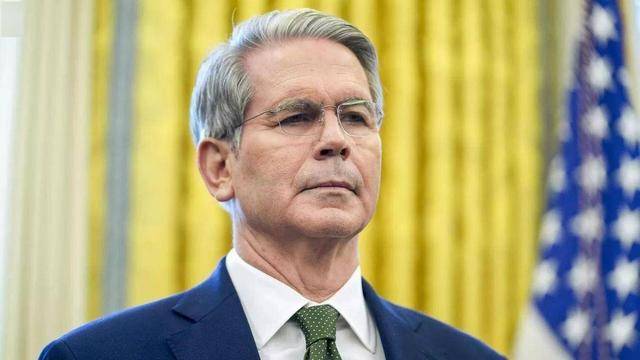
文/中国社会科学院金融研究所副所长、国家金融与发展实验室副主任 张明 近期 ,美国滥 施关税 政 策 对国 际 金融 市场 造成 直接 冲击 ,美 国股 市 、债 市、汇市出现了三者齐跌的罕见现象。美债信用严重受损,最终动摇的是 美元霸权根基。反过来讲,全球投资者对于其他安全资产的投资意愿将更 加强烈,会越来越多转向其他具有充分流动性、较高收益、规模足够大的 安全资产。 近期,美国滥施关税政策对国际金融市场造成直接冲击,美国股市、债市、汇市出现了三者齐跌的罕见现象。其中,美国10年期国债收益率由4月4日的 4.01%一度升至4月11日的4.49%,创下自2001年"9·11"事件以来的最大单周涨幅。收益率飙升对应的是美债价格的大幅下跌,进而引发全球对美国债市场 系统性风险的普遍担忧。 4月以来,美长期国债收益率快速上升及其导致的市场巨震,主要受四重因素驱动: 一是美国政府滥施关税引发美国经济再通胀预期。 市场预测,仅美国对华关税加征至245%这一举动,就将显著推高其进口商品价格,恶化美国中低收入 群体生活水平,并推高其未来通胀预期。通胀预期升高导致美联储降息空间收窄,进而推高长期国债收益率。 二是外国投资者购 ...
美日谈判卷入中国,特朗普的獠牙终于显露,日本这次会顺从吗?
Sou Hu Cai Jing· 2025-04-30 06:24
Group 1 - The U.S. government has decided to delay its tariff policies in response to strong pushback from China and the EU, indicating a potential buffer period for the next round of tariff battles [1] - China and the EU are collaborating to lower tariffs on electric vehicles, while Germany has lifted sales restrictions on Huawei, showcasing a united front against U.S. policies [1] - Japan, traditionally a close ally of the U.S., is showing resistance to Trump's demands, highlighting the complexities of international trade relationships [3][4] Group 2 - Japan views China as its largest trading partner, making it hesitant to join any anti-China economic alliance proposed by the U.S., as it could jeopardize its trade interests [3] - The push for U.S. manufacturing growth conflicts with Japan's industrial base, particularly in sectors like automotive and semiconductors, leading to Japan's reluctance to make significant concessions [3][4] - The ongoing negotiations between the U.S. and Japan reveal a desire from Japan to secure permanent exemptions from U.S. tariffs, while opposing the inclusion in an anti-China coalition [4] Group 3 - The situation reflects a broader trend where other countries, such as Germany, South Korea, and France, may share similar concerns regarding U.S. trade policies and their implications [6] - The volatility of U.S. trade policies under Trump raises concerns about the sustainability of U.S. manufacturing growth and the potential impact on the dollar's dominance [6]
美元霸权困境与国际货币体系重构
Sou Hu Cai Jing· 2025-04-30 05:40
Group 1 - The article discusses the challenges faced by the dollar system due to the spillover effects of the Federal Reserve's monetary policy, the weaponization of the dollar, and significant changes in the global economic landscape [1][2][8] - The Milan Report proposes the "Mar-a-Lago Accord" as a strategy for the U.S. to reshape the global economic order through dollar depreciation, debt restructuring, and trade confrontation [2][4] - The dollar's status as the dominant reserve currency is linked to U.S. financial control, which is maintained through military alliances and economic strategies [3][6] Group 2 - The dollar's financial control manifests in three key areas: international pricing power, financial sanctions, and crisis transfer [4][5] - The U.S. has leveraged its financial control to impose sanctions, as seen in the Ukraine crisis, which has raised concerns about the safety of dollar assets and accelerated the process of "de-dollarization" [10][11] - The "Triffin Dilemma" poses a structural challenge to the dollar system, where the need for liquidity through U.S. deficits undermines the dollar's credibility [7][12] Group 3 - The article highlights the impact of the dollar's hegemony on global financial stability, emphasizing that the current U.S. policies may exacerbate internal contradictions within the dollar system [8][9] - The spillover effects of the Federal Reserve's monetary policy have led to global financial cycles, with significant repercussions for emerging markets [9] - The weaponization of the dollar has contributed to the fragmentation of the global financial system, prompting countries to seek alternative payment mechanisms [10][11] Group 4 - The article suggests that the U.S. strategy of "debt monetization" could undermine global financial stability, as proposed in the Milan Report [12][13] - The potential implementation of long-term zero-coupon bonds could lead to a loss of confidence in U.S. Treasury securities, impacting global markets [12][13] - The need for a diversified international monetary system is emphasized, with recommendations for enhancing the use of the renminbi in global trade [13][14] Group 5 - The article advocates for the construction of a new international monetary order based on the concept of a "community of shared future for mankind," promoting cooperation among countries [16] - It highlights the importance of regional financial cooperation and the establishment of a multilateral currency settlement system to reduce reliance on third-party currencies [16] - The development of a digital currency payment system is seen as a crucial step towards reforming the international payment system and enhancing the renminbi's role [15][16]
美元命运早已定格?如果美国衰落了,犹太资本将转移到这两个国家
Sou Hu Cai Jing· 2025-04-30 01:16
Group 1: Historical Context of Currency Dominance - The fate of currencies is closely tied to the rise and fall of nations, with the British pound being a pillar of global trade in the 19th century due to the Industrial Revolution [1] - The British pound's decline began after the Napoleonic Wars, leading to a suspension of the gold standard in 1815, and further weakened by World War I and economic downturns [3] - The Bretton Woods Conference in 1944 established the dollar as the world's reserve currency, pegged to gold at $35 per ounce, allowing other currencies to link to the dollar [5] Group 2: Current Status of the Dollar - As of Q3 2024, the dollar accounts for 57.39% of global foreign exchange reserves, significantly ahead of the euro at 20.02%, indicating its continued dominance in international trade and finance [12] - However, there are emerging risks as countries like China and Japan reduce their holdings of U.S. debt, and geopolitical tensions rise, leading to discussions about alternative currencies for oil transactions [14] Group 3: Jewish Capital Influence - Jewish Americans, despite being only 2% of the population, hold significant influence in finance, technology, and media, with a notable presence in major firms like Goldman Sachs and Morgan Stanley [16] - The wealth and influence of Jewish Americans are substantial, with 44% of Jewish households earning over $100,000 annually, far exceeding the national average [8] Group 4: Potential Shifts in Capital - If the U.S. economy declines, Jewish capital may seek new investment opportunities in countries like Israel, China, and India, driven by the need for better returns and reduced geopolitical risks [20] - Israel, with a growing tech sector and a GDP of approximately $400 billion, is a potential destination for Jewish capital, though its small economy and regional instability pose challenges [22] - China, as the second-largest economy with a GDP exceeding $18 trillion, offers significant market potential, but strict regulations and cultural differences may hinder large-scale capital inflows [25] Group 5: Future Implications - The potential outflow of capital from the U.S. could severely impact its financial markets, leading to increased volatility in stock and bond markets, while emerging markets may benefit from the influx of investment [32] - The decline of the dollar's dominance may not happen overnight, but trends indicate a shift towards a multi-currency system, with central banks increasing their gold reserves and expanding the use of currencies like the yuan and euro [34] - Historical parallels can be drawn between the current situation of the dollar and the past decline of the pound, suggesting that the U.S. may face similar challenges if economic conditions do not improve [36]