双碳目标

Search documents
2025年广东全社会用电量9589.73亿千瓦时,稳居全国首位
Sou Hu Cai Jing· 2026-01-11 03:30
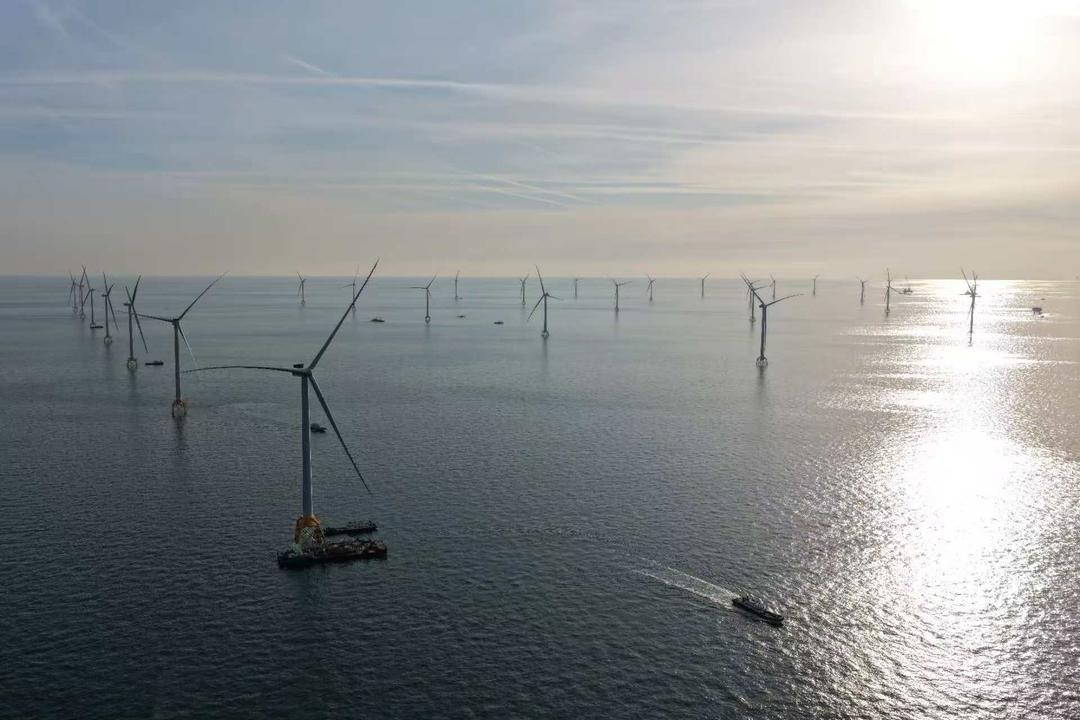
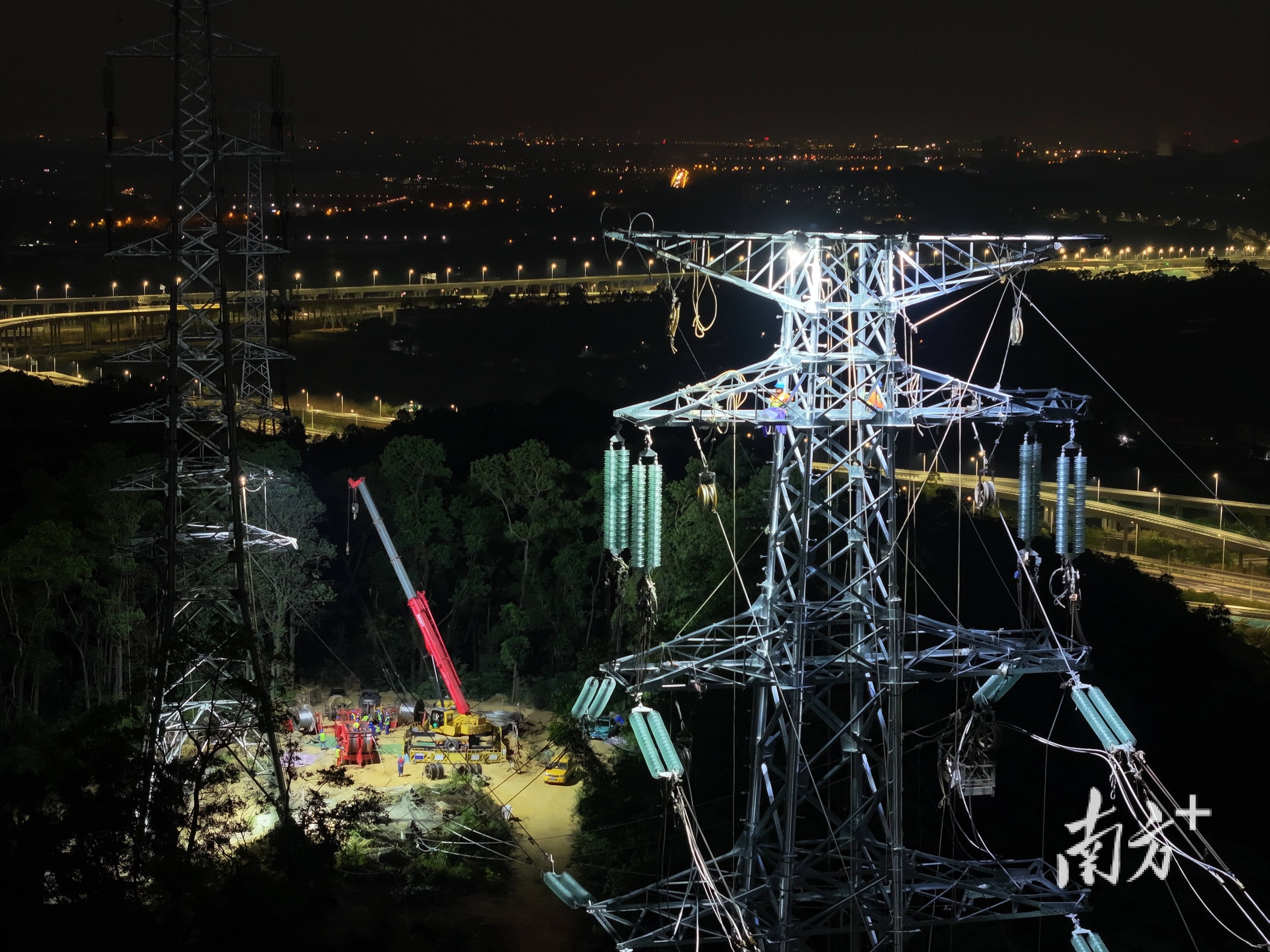
记者从广东电网获悉,2025年,广东全省全社会用电量9589.73亿千瓦时,同比增长4.93%,继续稳居全国首位。 其中,第一产业用电量171.51亿千瓦时,同比增长4.99%;第二产业用电量5506.04亿千瓦时,同比增长3.85%,其中工业用电量5441.26亿千瓦时,同比增长 4.10%;第三产业用电量2285.99亿千瓦时,同比增长7.66%;城乡居民生活用电量1626.19亿千瓦时,同比增长4.88%。 清洁能源占比近五成 电从海上来,全国首个海陆一体海上风电柔直工程——阳江三山岛500千伏海上风电柔直输电工程建设正酣,将实现大规模深远海风电的高效送出。在服务 绿色转型的赛道上,广东跑出"加速度",电源结构实现显著优化。2025年上半年,广东电网清洁能源占比47.8%。预计到2025年底,广东电网清洁能源占比 约48%。绿色"电动能"正为广东"双碳"目标落地注入强劲动能。 电力资源配置格局持续优化。"海上风电+火电"打捆送出工程建成,让"蓝色的电"与"红火的电"协同发力;电自潇湘来,湘粤电力灵活互济工程已通过国家 核准,将在2027年迎峰度夏前建成投产;电从四面八方来,广东目标网架工程全面建成,东西 ...

东营钻出162℃“能源锅炉” 巨量地热如何变现?
Jing Ji Guan Cha Bao· 2026-01-11 02:30
Core Viewpoint - The successful exploration of the "Donggao Heat 1" well in Dongying, Shandong Province, has broken the traditional perception of geothermal resources in China, demonstrating the potential for high-temperature geothermal energy in sedimentary basins, which could lead to diversified energy structures and alleviate structural energy contradictions at the national level [1][2][5]. Geothermal Resource Development - The "Donggao Heat 1" well reached a depth of 4002.17 meters with a bottom temperature of 162°C and a wellhead water temperature of 138°C, producing 101.3 cubic meters of water per hour [1]. - The well's development is based on a new theory that sedimentary basins can host high-temperature geothermal resources, challenging the traditional view that such resources are primarily found in western China [5][8]. Technological Innovations - The "high-temperature acid fracturing technology" developed by the Shandong Geological and Mineral Exploration Bureau has improved the flow capacity of geothermal reservoirs by 12 times and increased wellhead temperature by 18°C [7]. - The principle of "balanced extraction and reinjection" ensures sustainable geothermal resource utilization, preventing depletion and environmental issues [6][7]. Economic Impact - The "Donggao Heat 1" well is estimated to release 679,000 GJ of heat annually, equivalent to approximately 27,000 tons of standard coal, with potential applications in electricity generation and industrial steam production [11]. - The economic benefits from the well's development could reach around 450 million yuan annually, benefiting approximately 180,000 urban and rural residents [11]. Applications in Agriculture and Industry - Geothermal energy is being utilized in agricultural settings, such as the Shandong Shuangfu Flower Company, where heating costs have been significantly reduced from 40 yuan to 15 yuan per square meter, enhancing production quality [9][10]. - The integration of geothermal energy into community heating and agricultural practices demonstrates its versatility and potential for broader applications [10].
在甘肃戈壁深处建核电站
Jing Ji Ri Bao· 2026-01-11 01:53
Core Viewpoint - The article highlights China's innovative approach to nuclear energy, specifically the successful development of a 2 MW liquid-fueled thorium molten salt experimental reactor, which marks a significant advancement in utilizing thorium as a nuclear fuel source, potentially enhancing energy independence and safety [1][2]. Group 1: Project Development - The thorium molten salt experimental reactor was established in Wuwei, Gansu Province, and is the only operational reactor of its kind globally, achieving thorium fuel utilization [1]. - The project faced significant challenges, including a lack of technology, conditions, and team at its inception, leading to a strategic approach of assembling a core team and leveraging collaborative innovation across various research fields [2]. - The reactor's site selection was complicated by public concerns following the Fukushima nuclear disaster, resulting in a lengthy search across multiple provinces before settling in Wuwei with support from the Chinese Academy of Sciences and the Gansu provincial government [2]. Group 2: Technical Challenges - The project encountered severe environmental and logistical challenges, including a harsh desert climate with limited resources, which required team members to adapt to difficult living conditions while working on the reactor [3]. - Technical hurdles included sourcing critical materials like nickel-based alloys and nuclear graphite, which were only produced by a few international companies at the time [3][4]. - A significant technical challenge arose during the summer of 2023 when a blockage occurred in the molten salt pipeline, requiring a dedicated effort from the team to resolve the issue over 100 days [4]. Group 3: Achievements and Future Goals - The experimental reactor achieved full power operation in June 2024 and completed the world's first thorium molten salt reactor with thorium fuel cycle research platform by October 2024, with over 90% of key equipment and materials now domestically produced [4]. - The project is part of a broader strategy to develop a three-step approach: from experimental to demonstration reactors, aiming for industrial application to enhance China's energy security and contribute to carbon neutrality goals [4].
2025年中国储能BMS行业产业链、SWOT、市场规模、产值、竞争格局及发展趋势研判:行业技术成熟度和标准化程度显著提升,带动储能BMS规模扩张[图]
Chan Ye Xin Xi Wang· 2026-01-11 01:03
Core Insights - The energy storage Battery Management System (BMS) is a critical component for safety in energy storage systems, transitioning the industry from "passive protection" to "active safety" [1][3] - The market for new energy storage systems in China is expected to grow significantly, with the BMS market projected to reach 3.448 billion yuan in 2024 and 2.475 billion yuan in 2025, despite a decline in overall value due to price reductions [1][3] Industry Definition and Classification - Energy storage BMS is the core control component of energy storage systems, responsible for real-time data collection, state diagnosis, and safety protection [2] - BMS can be classified based on enterprise type, application field, and technology architecture [2] Current Industry Status - The global energy storage BMS market is expected to reach 6.252 billion yuan in 2024, with the Asia-Pacific region accounting for 62.01% of the market share [3] - In China, the BMS market is projected to grow from 275 million yuan in 2020 to 3.448 billion yuan in 2024, with a potential decline to 2.475 billion yuan in 2025 due to pricing pressures [3] Industry Value Chain - The energy storage BMS industry value chain includes upstream suppliers of key materials and components, midstream hardware production and software development, and downstream system integrators [4] SWOT Analysis - The energy storage BMS industry is supported by national policies aimed at promoting new energy storage, positioning it as a core component of the new power system [5] Competitive Landscape - The domestic energy storage BMS market features three main types of participants: self-developed BMS by battery companies, system integrators with self-development capabilities, and third-party specialized manufacturers [6][7] - Leading self-developed BMS companies include CATL, BYD, and Guoxuan High-Tech, which leverage their technology to enhance product competitiveness [6] - Comprehensive manufacturers like Sungrow and Haibo Innovation develop BMS products tailored to their systems [7] - Specialized third-party BMS manufacturers focus on technological differentiation and cost optimization [7] Development Trends - The energy storage market in China is expected to maintain rapid growth, driven by the dual carbon goals and the construction of new power systems [8] - The maturity and standardization of BMS technology are anticipated to improve, leading to further industry expansion [9] - Future trends indicate a shift towards integration, intelligence, openness, and scalability in the BMS industry [9]






我国硫化氢清洁处理技术取得新突破
Xin Lang Cai Jing· 2026-01-11 00:41
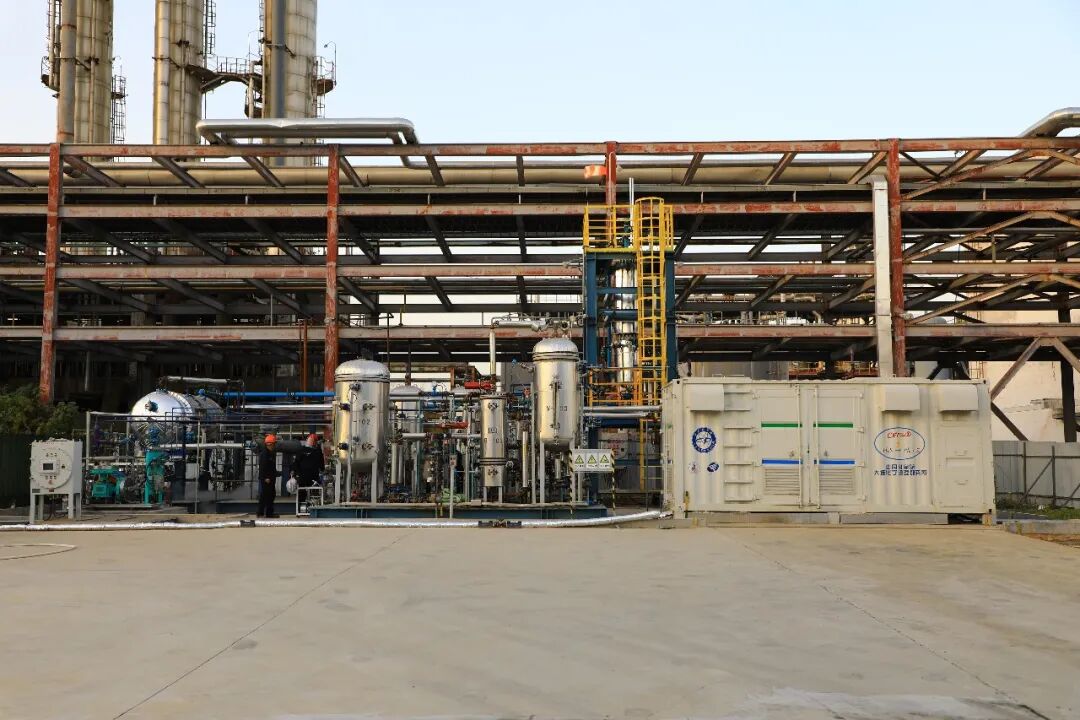
Core Viewpoint - The research team from the Dalian Institute of Chemical Physics has developed a new technology for the complete decomposition of hydrogen sulfide, which addresses environmental and health hazards associated with this toxic compound [1][3]. Group 1: Technology Development - The "Off-site Electrocatalytic Complete Decomposition of Hydrogen Sulfide to Hydrogen and Sulfur Technology" has successfully solved the scaling-up issues in the engineering process [1]. - This technology utilizes a new reaction mode that separates chemical reactions from charge transfer, allowing for the oxidation of hydrogen sulfide to sulfur and proton reduction to hydrogen to occur outside the electrode [2]. Group 2: Industrial Application - An industrial demonstration project has been launched in the coal chemical industry, capable of eliminating and utilizing 100,000 cubic meters of hydrogen sulfide per year [4]. - The project features four technological innovations, including a high-efficiency electrochemical cell, a high conversion and efficient separation system, and recovery technologies for high-quality sulfur and high-purity hydrogen [6]. Group 3: Environmental and Economic Impact - The technology provides a key green transition solution for industries such as natural gas, petrochemicals, and coal chemicals, supporting the development of high-sulfur hydrogen sulfide resources and low-carbon industrial growth [3]. - It contributes to China's dual carbon goals by offering a new pathway for the complete elimination and resource utilization of hydrogen sulfide, enhancing both environmental protection and economic benefits [7].
在甘肃戈壁深处
Xin Lang Cai Jing· 2026-01-10 22:40
Core Viewpoint - The article highlights China's innovative approach to nuclear energy, specifically the successful development of a 2 MW liquid-fueled thorium molten salt experimental reactor, which marks a significant advancement in utilizing thorium as a nuclear fuel source, potentially enhancing energy independence and safety [1][2]. Group 1: Project Development - The thorium molten salt experimental reactor was established in Wuwei, Gansu Province, overcoming initial challenges such as lack of technology, conditions, and team [2]. - The project faced significant delays in site selection due to public concerns following the Fukushima nuclear disaster, ultimately being located in a remote area with limited resources [2][3]. - The team adopted a strategy of collaboration and innovation, leveraging the strengths of the Chinese Academy of Sciences to build a capable workforce [2]. Group 2: Technical Challenges - The project encountered severe environmental and logistical challenges, including a lack of water and electricity, leading to team members living in difficult conditions for extended periods [3]. - Technical challenges included sourcing critical materials like nickel-based alloys and nuclear graphite, which were only produced by a few international companies at the time [3][4]. - A significant technical hurdle was overcome in the summer of 2023 when a blockage occurred in the molten salt pipeline, requiring intensive efforts from the team to resolve [4]. Group 3: Achievements and Future Goals - The experimental reactor achieved full power operation in June 2024 and became the first in the world to incorporate thorium into molten salt, establishing a unique research platform for thorium-uranium fuel cycles [4]. - The project has achieved over 90% localization of key equipment and materials, indicating a strong move towards self-sufficiency in nuclear technology [4]. - The next phase aims to achieve industrial application of the thorium molten salt technology, contributing to China's energy security and carbon neutrality goals [4].
我国已发布“新三样”国家标准五十七项
Xin Lang Cai Jing· 2026-01-10 18:28
Core Insights - China has released a total of 57 national standards related to the new energy vehicle, lithium battery, and photovoltaic industries, with 13 standards for new energy vehicles, 2 for lithium batteries, and 42 for the photovoltaic sector [1] Group 1: National Standards Overview - The national standards released include guidelines for electric vehicle remote services, battery swap safety requirements, charging and discharging systems, lithium battery coding rules, green product evaluations, and ground-mounted photovoltaic modules [1] - The "new three samples" industries have been identified as strategic emerging industries, with clear development directions and goals set by the government [1] Group 2: Future Standards Development - By 2025, the State Administration for Market Regulation plans to implement 167 national standard projects for the "new three samples" industries, including 57 revised or newly established standards in the new energy vehicle sector focusing on safety, product quality, carbon footprint, battery recycling, and performance evaluation [2] - In the lithium battery sector, 30 new national standards will be developed, emphasizing product safety, classification, quality management, and green low-carbon initiatives [2] - The photovoltaic sector will see the establishment of 80 national standards, concentrating on product quality safety, energy consumption limits, new high-efficiency photovoltaic battery components, and intelligent operation and maintenance of photovoltaic systems [2] Group 3: Implementation and Promotion - The State Administration for Market Regulation will accelerate the development of national standards for the "new three samples" industries and enhance the promotion of existing standards through various means [2] - Collaboration with relevant departments will be initiated to ensure the industry accurately understands and implements the standards, aiming for effective application and rapid realization of the standards to drive high-quality development in these sectors [2]
稳固国家能源安全的“液态阳光”,醇氢动力或改写运输行业!
第一商用车网· 2026-01-10 13:23
Core Viewpoint - The article emphasizes the strategic importance of methanol as a clean, low-carbon energy source, transitioning from a supplementary to a primary energy role in China's energy landscape, particularly in achieving energy security and supporting the "dual carbon" goals [2][4]. Group 1: Methanol as a Strategic Energy Source - Methanol is recognized as a key player in the new energy system, with its production methods utilizing diverse raw materials, including fossil fuels and carbon dioxide, enabling the creation of "zero-carbon methanol" [2][4]. - The forum highlighted a collective initiative to promote liquid renewable energy development, underscoring methanol's critical position in future energy systems [2][4]. Group 2: Advantages of Methanol in Transportation - Methanol's characteristics, such as high energy density and quick refueling capabilities, make it particularly suitable for commercial vehicles, outperforming pure electric vehicles in long-haul and low-temperature scenarios [5][7]. - The methanol-powered vehicles demonstrate significant environmental benefits, with PM pollutant emissions reduced by 98% and fuel costs lowered by 32%-52% compared to diesel [7][8]. Group 3: Economic Viability and Cost Efficiency - Methanol's production and application across the entire supply chain exhibit notable cost advantages, positioning it as an economic engine for large-scale renewable energy adoption [10][12]. - The potential for utilizing a significant portion of China's annual carbon dioxide emissions for methanol production presents a substantial opportunity for resource utilization [10][12]. Group 4: Future Prospects and Industry Growth - The establishment of a robust methanol infrastructure, alongside ongoing technological advancements and expanding application scenarios, is expected to create a trillion-dollar green methanol industry ecosystem [13]. - The successful hosting of the second Green Methanol Energy Industry Development Forum signifies a pivotal moment for the industry, aligning with national strategies for energy independence and zero-carbon futures [13].

让以旧换新政策发挥更大效应
Xin Lang Cai Jing· 2026-01-10 12:18
Core Insights - The "trade-in for new" policy in China is projected to generate over 2.6 trillion yuan in sales by 2025, benefiting more than 360 million people, showcasing its effectiveness in boosting domestic demand and economic growth [1] - The policy is a crucial link between improving people's livelihoods and economic development, facilitating targeted measures to stimulate consumption potential and promote industrial upgrades [1] Group 1: Economic Impact - From January to November 2025, the total retail sales of consumer goods increased by 4.0% year-on-year, with the trade-in policy contributing over 1 percentage point to this growth, effectively converting potential demand into actual purchasing power [2] - The retail sales of home appliances surpassed 1 trillion yuan, indicating strong demand for large consumer goods [2] Group 2: Industry Upgrades - The trade-in policy has led to significant growth across key consumer sectors, particularly in the automotive industry, where 18.3 million vehicles are expected to be traded in from 2024 to 2025, with nearly 60% being new energy vehicles [3] - In the home appliance sector, over 129 million units were traded in, with more than 90% being first-level energy-efficient products, reflecting a shift towards high-quality, energy-efficient goods [3] Group 3: Environmental Benefits - The policy promotes both economic and environmental benefits, driving industrial upgrades and green transitions by encouraging companies to invest in technological innovation and improve product quality [4] - By 2025, the recycling of scrapped vehicles is expected to increase by 24.5%, leading to the recycling of approximately 9.6 million tons of steel and 1.3 million tons of non-ferrous metals, significantly reducing carbon emissions by about 24.5 million tons [4] Group 4: Consumer Benefits - Since the full implementation of the trade-in policy in September 2024, over 480 million subsidies have been distributed directly to consumers, with every second new household vehicle sold benefiting from the trade-in subsidy [5] - The policy has also played a vital role in ensuring public safety, with the number of old electric bicycles being replaced exceeding nine times that of 2024, effectively reducing safety hazards [5]
全省首家!烟台电网风光新能源装机突破1600万千瓦
Qi Lu Wan Bao· 2026-01-10 06:35
Core Insights - The successful grid connection of the Dayaohuaneng Wind Farm marks a significant milestone for offshore wind energy in Shandong Province, enhancing the power supply capacity and optimizing the energy structure in the eastern coastal region [1][3] Group 1: Project Overview - The Dayaohuaneng Wind Farm has a total installed capacity of 504,000 kilowatts, making it the deepest offshore wind project in China and the farthest from shore in Shandong Province, with the current grid connection capacity being 192,000 kilowatts [3] - Once fully operational, the wind farm is expected to generate an annual electricity output of 1.63775 billion kilowatt-hours, which can save approximately 492,000 tons of standard coal annually compared to conventional coal-fired power plants [3] Group 2: Environmental Impact - The project is projected to reduce emissions significantly, including 1,359 tons of sulfur dioxide, 2,178 tons of nitrogen dioxide, and 1.35 million tons of carbon dioxide each year, along with reductions in wastewater and thermal discharge [3] Group 3: Future Developments - Yantai's renewable energy sector is anticipated to experience rapid growth, with an additional installed capacity of 1,574,000 kilowatts expected by 2025, representing a year-on-year increase of 10.7% [4] - The annual electricity consumption from renewable sources is projected to reach 23.1 billion kilowatt-hours by 2025, reflecting a 15.5% increase compared to previous years [4] - The State Grid Yantai Power Supply Company plans to enhance its grid management and service quality to support the ongoing transition to green energy [4]