产教融合

Search documents
教室当车间 作品成产品(民生一线)
Ren Min Ri Bao· 2025-08-25 22:27
Core Viewpoint - Liaoning is focusing on the integration of industry and education, cultivating skilled craftsmen, and promoting international cooperation to explore high-quality development paths in vocational education [1][2]. Group 1: Industry-Education Integration - Liaoning has implemented measures such as training workshops and "order classes" in collaboration with enterprises to align vocational education with industry needs [1][3]. - The province has established 20 order classes in partnership with companies like Shenyang Blower Works and Brilliance BMW, innovating a model where classrooms double as workshops [3][4]. - Over the past three years, Liaoning's vocational colleges have averaged the delivery of 230,000 high-quality skilled talents annually, with over 85% of graduates choosing to work and start businesses in the province [2][4]. Group 2: Cultivation of Future Craftsmen - The "Xingliao Future Craftsman" program aims to nurture skilled workers by tailoring training plans for outstanding employees from frontline enterprises [5][6]. - Liaoning has integrated practical training into the curriculum, allowing students to learn directly from industry professionals and gain hands-on experience [6][7]. - The province has 647,000 vocational students engaged in various fields, closely aligning talent development with the local industrial system [6][7]. Group 3: International Cooperation - Liaoning is establishing overseas industrial colleges, such as the "Mozi Workshop," to enhance international capacity cooperation and export vocational education [7][8]. - The province has signed contracts for 10 construction projects covering nine countries, including Russia and Ghana, focusing on modern agriculture and advanced manufacturing [7][8]. - Liaoning's international education strategy includes inviting foreign students to experience its vocational training, showcasing the professionalism and innovation of Chinese vocational education [8].
实践赋能 培养应用型期货人才
Qi Huo Ri Bao Wang· 2025-08-25 17:41
Group 1 - The core objective of the research is to enhance the understanding of futures market functions among university faculty and students, promoting the integration of teaching and practical application [1] - The research highlights the need for talent that combines knowledge of futures and risk management, emphasizing the importance of practical experience in futures trading for students [2][3] - Companies are increasingly seeking high-end financial talent who can integrate spot and futures market knowledge, indicating a shift in the demand for futures-related skills [3][4] Group 2 - The research showcases a new educational model that combines classroom learning with field experience, allowing students to grasp the practical applications of futures in the agricultural sector [4][5] - Companies express the necessity for students to develop comprehensive analytical skills and market sensitivity, which are crucial for effective risk management and decision-making [3][4] - The collaboration between educational institutions and industry is essential for creating a talent ecosystem that meets the evolving needs of the futures market [4][6]
山东大学师生在内蒙古开展“万里边疆 强国有我”社会实践
Nei Meng Gu Ri Bao· 2025-08-25 12:07
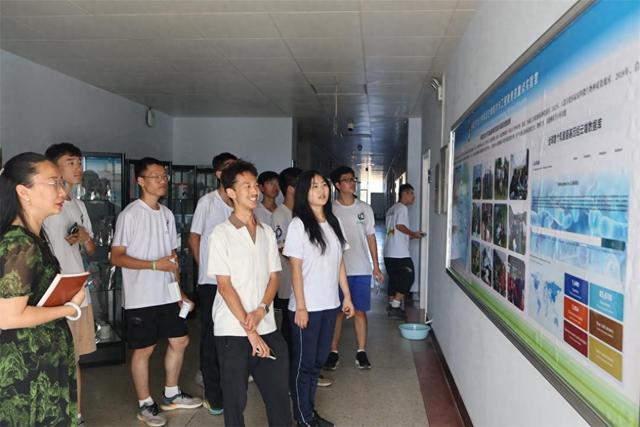
Group 1 - The Shandong University Bicycle Association's "Cloud Middle Pastoral Song" social practice team conducted research in Hohhot, focusing on the integration of industry and education in the dairy, animal husbandry, and biomedicine sectors [1] - The team visited Yili Group's smart factory, which highlighted the company's pioneering role in introducing ultra-high temperature sterilization technology and liquid milk production lines in China, marking the beginning of the "liquid milk era" in 1999 [1] - The practice team was impressed by the highly mechanized dairy production line, reflecting the efficiency and precision of modern manufacturing processes [1] Group 2 - At Inner Mongolia Agricultural University, the practice team learned about significant research achievements in the field of lactic acid bacteria and the deep integration of industry, academia, and research promoted by the Dairy College [3] - The Dairy College collaborates closely with enterprises, addressing their challenges through targeted research and providing "order classes" for graduates to directly enter the workforce [3] - The establishment of the Shandong University Inner Mongolia Research Institute was a notable outcome of the practice, aiming to leverage the university's strengths in bioengineering to support local industries [3]


在校园中培养,在项目中历练,在企业中成长 高素质工程师如何锻造(解码)
Ren Min Ri Bao· 2025-08-24 22:05
Group 1: Harbin Institute of Technology's National Excellent Engineer Academy - The academy explores a diversified evaluation system for engineering education, allowing students to obtain degrees based on various practical achievements [1][2] - In 2022, the Ministry of Education announced the first batch of national excellent engineer academies, with Harbin Institute of Technology included [1] - The academy has partnered with numerous enterprises for joint training, currently having 927 graduate students and over 1,000 industry mentors [1][2] Group 2: Collaboration Between Academia and Industry - The academy's training program is designed to align theoretical innovation with practical enterprise needs, enhancing the relevance of research topics [2] - The collaboration has successfully transformed enterprise technical challenges into research projects, significantly shortening the time from laboratory results to production [2] - Students can now graduate with a master's degree without a traditional thesis, as demonstrated by a student who developed a patented solution for a complex engineering problem [2] Group 3: Future of Engineering Talent Development - The academy aims to strengthen partnerships with enterprises to customize the training of high-quality engineering talent [3] - The academy plays three roles: builder of industry-education integration mechanisms, innovator of talent cultivation hubs, and pioneer of degree evaluation reform [3] Group 4: Chinese Construction Industry and Shield Tunneling - The "Jiang Hai" shield tunneling machine, with a maximum excavation diameter of 16.64 meters, is a significant advancement in China's tunneling technology [5] - The machine can excavate 12 to 14 meters daily, showcasing the efficiency of the engineering teams involved [5] - The development of the "Jiang Hai" machine incorporates upgraded features and monitoring systems to enhance construction stability [5][6] Group 5: Engineering Workforce Development - The construction site employs a skilled shield tunneling team, with younger engineers gradually taking on core roles [6] - The domestic market has provided extensive practical opportunities for engineers, contributing to the advancement of tunneling technology [6] Group 6: Hangzhou Lingban Technology - The company has a high proportion of engineers, with 70% of its workforce dedicated to research and development by 2025 [8] - The company has successfully launched AR glasses, which are now used in over 200 industries, demonstrating the practical application of engineering innovations [8] - The local ecosystem supports the growth of engineers, fostering a collaborative environment for talent development [8]

动力之城动能澎湃
Jing Ji Ri Bao· 2025-08-24 22:01
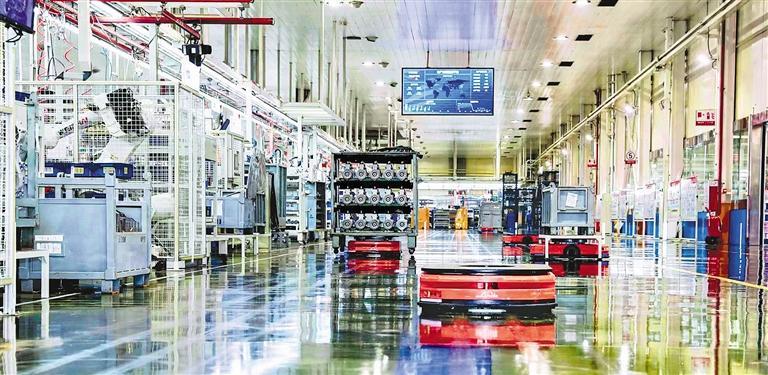
Core Insights - The article highlights the development of the power equipment industry in Weifang, Shandong, emphasizing its significant scale and structural advantages, aiming to become a world-class industrial cluster [3][12]. Group 1: Industry Scale and Structure - Weifang has a "national-level" power equipment cluster with an annual output value of 300 billion yuan, accounting for one-third of the national power equipment industry total [3]. - The region has formed a closely-knit network of supporting enterprises around leading companies like Weichai, ensuring local suppliers are available for nearly every aspect of the power equipment sector [3]. Group 2: Collaborative Ecosystem - The long supply chain and comprehensive support in Weifang foster tight cooperation among large, medium, and small enterprises, with larger companies driving industry chain development and smaller firms focusing on niche markets [4][5]. - Weichai plays a pivotal role as a "big brother" in the ecosystem, leveraging its technological capabilities and industry collaboration to create a unique industrial ecosystem [5]. Group 3: Role of Small and Medium Enterprises - Small and medium enterprises (SMEs) in Weifang focus on key segments of the industry chain, engaging in specialized fields and competing in a complementary manner with larger firms [6][7]. - Weifang ranks first in Shandong for the number of specialized and innovative enterprises, supported by a strong industrial foundation and clear business positioning [7]. Group 4: Education and Talent Development - Weifang addresses the common issue of skilled labor shortages in manufacturing through effective industry-education integration, ensuring a steady supply of skilled workers [10][11]. - The local government promotes collaboration between large enterprises and vocational schools to meet the workforce needs of SMEs, enhancing the overall talent pool [11]. Group 5: Innovation and Future Directions - The industry ecosystem in Weifang is moving towards high-end, intelligent, and green development, with companies investing in advanced technologies and sustainable practices [12][16]. - Intelligent manufacturing is becoming essential, with companies like Foton Motor implementing automation to significantly improve labor efficiency and reduce costs [15]. - Green transformation is supported by local policies and market demand, with companies innovating in materials and processes to meet environmental standards [16].
北京物资学院、郑商所等共建实践教育基地
Qi Huo Ri Bao Wang· 2025-08-24 16:22
Group 1 - The establishment of the "Beijing Wuzi University Off-Campus Practice Education Base" is a significant milestone for collaboration among Beijing Wuzi University, Zhengzhou Commodity Exchange (ZCE), and Yide Futures, aimed at deepening the integration of industry and education [1][2] - The education base will serve as a platform for industry-academia-research cooperation, high-level professional courses, and practical training, focusing on cultivating versatile talents with both theoretical and practical skills [1][2] - Yide Futures, as a co-builder of the education base, will enhance collaboration in professional teaching, seminars, talent training, and research projects, contributing to the development of high-quality talent for the futures market [1][2] Group 2 - ZCE has achieved success in promoting futures knowledge on campuses through initiatives like the "ZCE Cup" and the use of dual investment education bases, which are crucial for enhancing financial practice skills and risk awareness among students [2] - The collaboration aims to foster deeper cooperation in talent cultivation, research collaboration, and investment education promotion, ultimately supplying high-quality professionals who understand theory, practice, and responsibility to the futures industry [2]
“三管三促进” 吉林助力高校毕业生走稳就业路
Zhong Guo Xin Wen Wang· 2025-08-22 21:56
Group 1 - The core initiative is the "Hundred Schools to Hundred Counties" online job fair organized by Jilin Province to provide continuous employment services for unemployed graduates [1][2] - Over 500 companies participated in the job fair, offering more than 4,000 job positions, allowing students to directly communicate with employers [1] - The "Three Managements and Three Promotions" policy aims to enhance employment by clarifying responsibilities among departments, local governments, and employers [1] Group 2 - Since the launch of the "Hundred Schools to Hundred Counties" initiative, 41 talent supply agreements have been signed, and 96 internship and employment bases have been established [2] - A total of 569 graduates have signed contracts with local employers as part of this initiative [2] - Jilin Province plans to continue providing one-on-one employment guidance for the 2025 graduates and strengthen school-enterprise cooperation for the upcoming 2026 autumn recruitment [2]
南开大学卓越工程师学院成立
Zhong Guo Xin Wen Wang· 2025-08-22 14:12
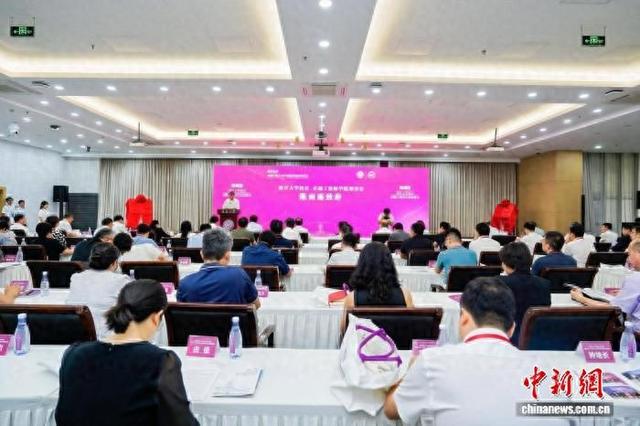
中新网天津8月22日电 (记者 孙玲玲)22日,南开大学卓越工程师学院正式揭牌成立,卓越工程人才产教 融合培养研讨会在南开大学同期举行。来自政府部门、合作企业、高校及科研院所的专家学者齐聚一 堂,共议卓越工程人才创新培养。 22日,南开大学卓越工程师学院揭牌成立,卓越工程人才产教融合培养研讨会同期举行。(南开大学 供 图) 据悉,南开大学卓越工程师学院筹备成立以来,国内多家业内领军企业大力支持学院建设发展。目前, 已有12家企业加入卓越工程师学院理事会,携手打造具有南开特色的校企合作育人新模式。仪式上,南 开大学卓越工程师学院与各理事单位签署了校企合作协议。 据介绍,为积极响应国家战略需求,深化工程硕博士培养改革,促进产教与科教深度融汇,南开大学于 2024年成立卓越工程师学院。学院以产教深度融合为基石,以体制机制创新为突破口,构建起"一二三 四"培养新范式——以高扬爱国主义旗帜为精神引领,通过基础研究与工程实践"双轮驱动"破解工程教 育痛点,依托"以产定教、以教促产、产教融合"三重模式打破学科、校企、校际界限,重点聚焦新材 料、生物产业、新一代信息技术、高端装备制造四大领域,借助全链条机制重构与AI赋能提升 ...
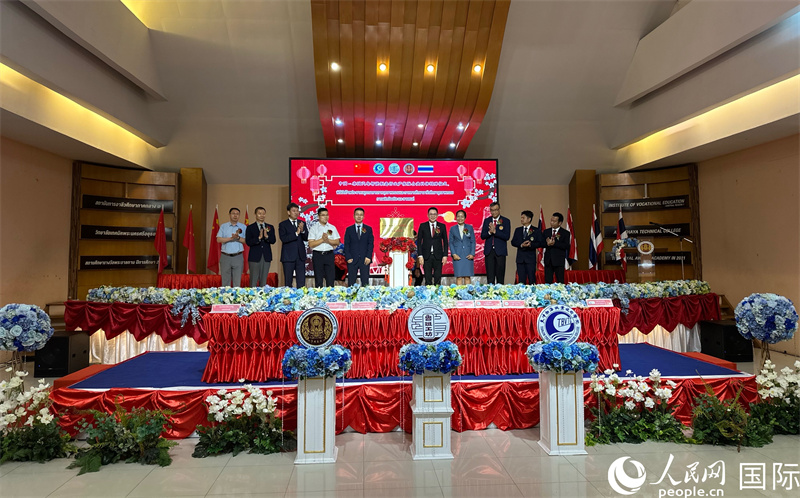
中国-泰国汽车智能制造行业产教融合共同体在泰启航
人民网-国际频道 原创稿· 2025-08-22 09:11
泰国中部一区职业教育中心主任诺彭在致辞中表示,共同体依托泰国鲁班工坊将有力推动汽车智能制造行业 的转型升级,为泰国乃至东盟区域参与全球竞争奠定坚实人才基础。 仪式现场。人民网记者 简承渊摄 泰国大城技术学院院长玛悠丽在致辞中强调,从全球首个鲁班工坊落地泰国,到今日共同体的成立,职业教 育始终是泰中两国协同发展的桥梁。中国新能源汽车产业将为泰国及东盟创造高质量的就业机遇,共同体的成立 将加速产教资源融合,为区域发展注入可持续动能。 人民网曼谷8月21日电(记者简承渊)当地时间15日,"中国-泰国汽车智能制造行业产教融合共同体"(以下 简称"共同体")成立仪式暨中泰职业教育产教融合国际研讨会在泰国大城府举行。中泰两国教育官员、院校代 表、相关行业企业、教育研究机构代表莅临会议。本次活动的成功举办,不仅为中泰职教合作树立了新标杆,也 为鲁班工坊品牌注入了新活力。 在成立仪式上,泰国职业教育委员会助理秘书长素拉鹏表示,共同体在促进泰中职业教育协同发展中具有重 要意义,共同体精准对接了泰国国家技能发展框架(NSDF)和"泰国4.0"战略,将为泰国汽车产业注入创新活 力,泰国职业教育委员会将大力支持共同体建设,助力本土技 ...
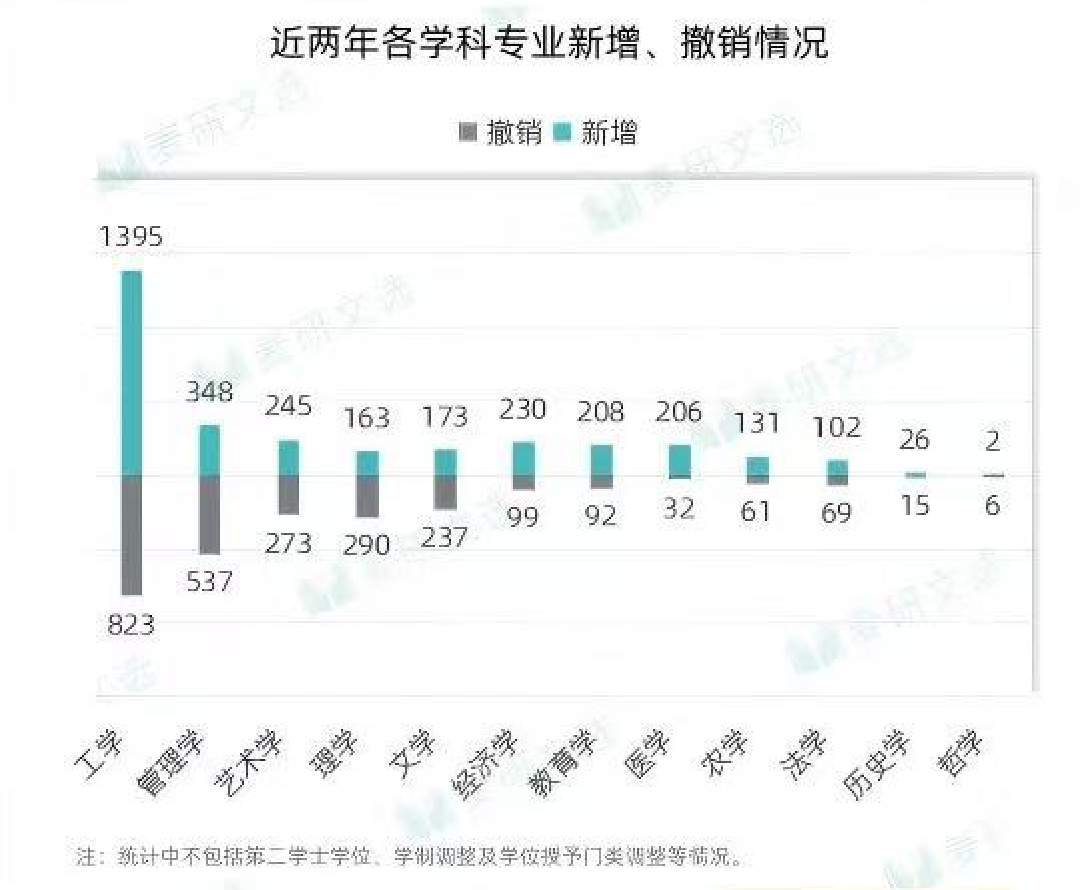
需求失配、能力不适问题凸显 我国高校工科专业大洗牌
Di Yi Cai Jing· 2025-08-21 14:56
Core Insights - The current demand for engineering talent in China is shifting from a "large and comprehensive" approach to a more specialized focus, emphasizing the need for interdisciplinary and innovative skills in the era of artificial intelligence [1][2][3] - Over 80% of academic disciplines in Chinese universities are products of the first three industrial revolutions, leading to issues such as outdated curricula and a mismatch between educational outcomes and industry needs [1][2] - The Ministry of Education has initiated a reform plan aiming to optimize and adjust 20% of academic programs by 2025, resulting in a significant number of new and discontinued engineering programs [5][9] Group 1: Industry Needs and Educational Reform - The engineering education system in China is facing challenges due to the traditional emphasis on specialization, which limits the breadth of knowledge and innovation capabilities among graduates [1][2] - Universities are increasingly collaborating with government and industry to cultivate engineering talent, with many institutions reforming their academic structures to better align with market demands [3][5] - The establishment of new colleges and programs focused on artificial intelligence and interdisciplinary studies is becoming a trend among leading universities, such as Shanghai Jiao Tong University and Peking University [3][4] Group 2: Program Adjustments and Trends - Since the implementation of the reform plan, 3,229 new undergraduate programs have been established, while 2,534 programs have been discontinued, with engineering disciplines seeing the most significant changes [5][9] - The most added engineering programs include those related to artificial intelligence, smart construction, and renewable energy, reflecting a shift towards emerging technologies [9][10] - The focus on practical and innovative teaching methods, such as project-based learning and industry collaboration, is being emphasized to enhance students' problem-solving skills and engineering thinking [4][12]