
产品主义

Search documents
巴奴欲上市 “产品主义”能否扛住资本放大镜
Bei Jing Shang Bao· 2025-06-17 13:32
Core Viewpoint - Banou International Holdings Limited has officially submitted its listing application to the Hong Kong Stock Exchange, marking a significant step for the company amidst ongoing controversies regarding its "productism" approach. The company aims to demonstrate its financial sustainability and brand positioning as it enters the capital market [1][10]. Financial Performance - In the fiscal years 2022, 2023, and 2024, Banou reported revenues of RMB 1.433 billion, RMB 2.112 billion, and RMB 2.307 billion respectively, with profits of -RMB 5.19 million, RMB 101.72 million, and RMB 122.94 million [3][4]. - The revenue growth rate significantly slowed from 47.38% in 2023 to 9.23% in 2024 [4]. Customer Metrics - The average daily customer traffic per restaurant has fluctuated, with a decline in average daily customers in first-tier cities from 426 in 2022 to 351 in 2024. However, the overall table turnover rate increased from 3.0 times per day in 2022 to 3.2 times in 2024 [5][7]. - The average per capita consumption decreased from RMB 148 in 2024 to RMB 138 in the first quarter of 2025 [1][5]. Market Presence - As of June 9, 2025, Banou operates 145 stores across 39 cities, with 78.6% of its outlets located in second-tier and lower-tier cities [6][8]. - The company has a market share of 3.1% in China's quality hot pot market as of 2024 [10]. Strategic Focus - Banou's strategy emphasizes expansion in non-first-tier markets, which has shown to enhance revenue and profit margins. The operating profit margin in first-tier cities was 20.7%, while it was 24.5% in second-tier and lower-tier cities [8][9]. - The company faces challenges in maintaining brand identity and operational efficiency amidst competitive pressures and consumer price sensitivity [9][10].

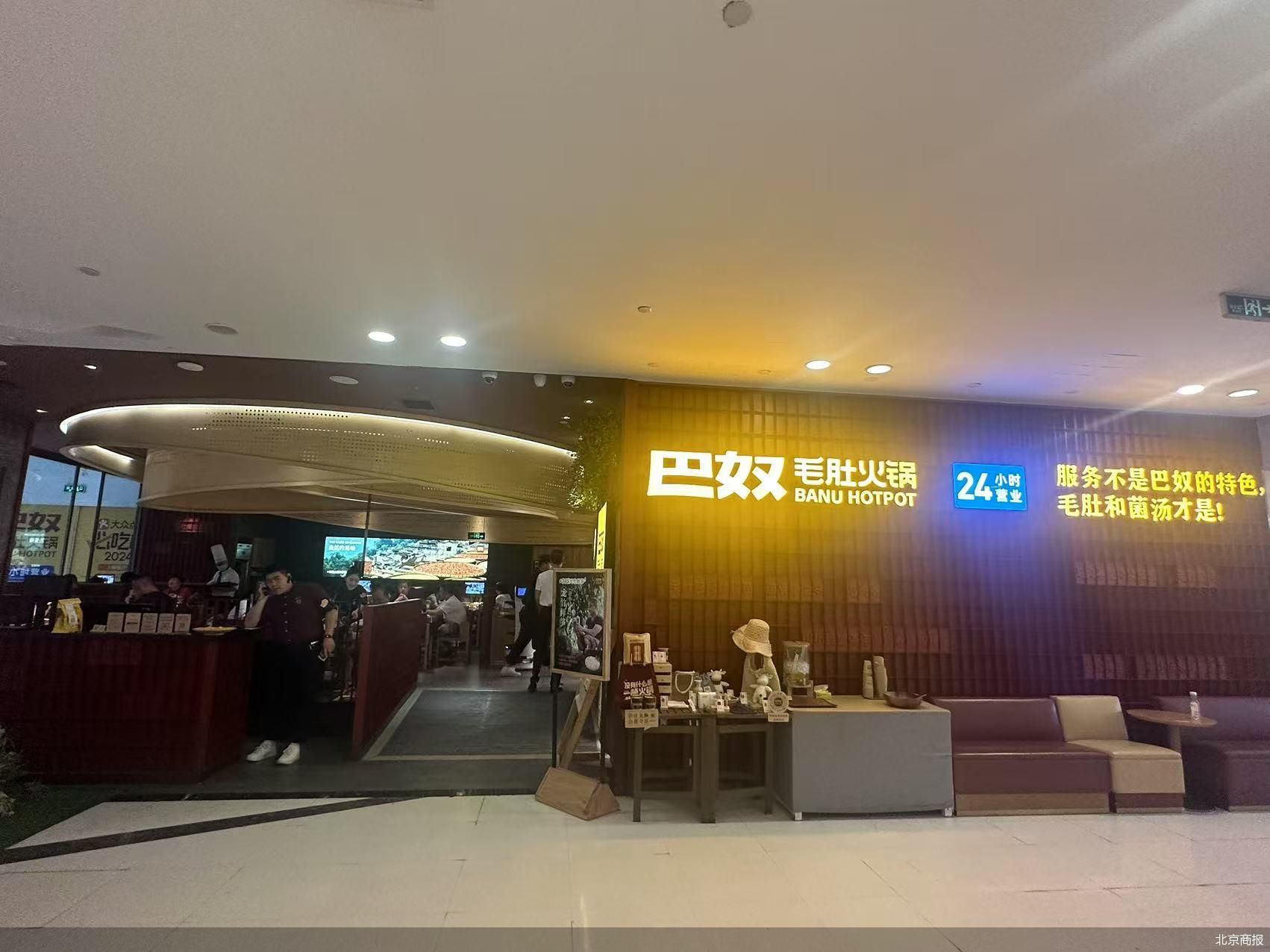
冲刺“火锅第三股”,巴奴递表港交所
Sou Hu Cai Jing· 2025-06-17 08:38
Core Viewpoint - Banu International Holdings Limited has submitted an application for an IPO on the Hong Kong Stock Exchange, aiming to become the third listed company in the hot pot sector after Xiaobuxiang and Haidilao [1][3]. Financial Performance - Banu's revenue for 2022, 2023, and 2024 is projected to be RMB 14.331 billion, RMB 21.116 billion, and RMB 23.073 billion, respectively, with adjusted net profits of RMB 415 million, RMB 1.437 billion, and RMB 1.959 billion [4]. - For the first quarter of 2024 and 2025, Banu expects revenues of RMB 5.639 billion and RMB 7.087 billion, with adjusted net profits of RMB 575 million and RMB 767 million [4]. Market Position and Expansion Strategy - Banu operates 145 stores across nearly 40 cities in China, with a 74.7% increase in store count since the end of 2021 [1][5]. - 78.6% of Banu's stores are located in second-tier cities and below, with a focus on expanding in these markets due to lower costs and higher profit margins compared to first-tier cities [5][6]. - The company plans to use IPO proceeds to increase store density in key cities and expand into surrounding cities with good consumer bases [5]. Product Strategy - Banu emphasizes a "productism" philosophy, focusing on high-quality offerings, particularly its signature dish, beef tripe, and a range of other specialty products [8][10]. - Sales from the "one king, one queen, and twelve guardians" product matrix accounted for approximately 49.8%, 48.0%, 47.9%, and 49.6% of total sales in 2022, 2023, 2024, and the first quarter of 2025, respectively [8][10]. Consumer Behavior and Pricing - The average consumer spending at Banu decreased from RMB 147 in 2022 to RMB 138 in the first quarter of 2025, while the overall table turnover rate increased from 3.0 times to 3.7 times during the same period [6]. - Banu's pricing strategy is adapting to changing consumer demands and economic conditions, aiming to maintain customer loyalty [7][10]. Industry Insights - The hot pot market is the largest segment in China's dining industry, with the premium hot pot market (average spending over RMB 120) expected to grow at a compound annual growth rate of 7.8% [3][11]. - Banu holds a 3.1% market share in the premium hot pot segment as of 2024, making it the largest brand by revenue in this category [3][11].

人均消费138元 你吃的毛肚火锅品牌巴奴要冲击上市了
Huan Qiu Wang· 2025-06-17 05:57
Core Viewpoint - Banu Hotpot is preparing for an IPO on the Hong Kong Stock Exchange, aiming to leverage its brand recognition and operational efficiency to expand its market presence [1]. Financial Performance - Banu Hotpot's revenue for the years 2022 to 2024 is projected to be RMB 14.33 billion, RMB 21.12 billion, and RMB 23.07 billion, respectively, with a profit turnaround from a loss of RMB 5.19 million in 2022 to a profit of RMB 1.23 billion in 2024 [4]. - The adjusted net profit margin improved from 2.9% in 2022 to 8.5% in 2024, further increasing to 10.8% in Q1 2025 [4]. - The operating profit margin of stores rose from 15.2% in 2022 to 23.7% in Q1 2025, with a table turnover rate increasing from 3.0 times per day in 2022 to 3.7 times in Q1 2025 [4]. Market Position and Expansion - As of the latest date, Banu Hotpot operates 53 stores in Henan and 92 stores nationwide, with 78.6% of its total restaurants located in second-tier and lower cities [5]. - Banu Hotpot ranks third in the Chinese hotpot market with a market share of approximately 0.4% and holds the top position in the quality hotpot segment with a market share of 3.1% [7]. Competitive Landscape - The Chinese hotpot market is highly competitive, with the top five brands holding a combined market share of about 8.1% in 2024 [5]. - Banu Hotpot faces risks of diluted differentiation as competitors like Haidilao enhance their quality offerings [5]. - The average customer spending has decreased from RMB 147 in 2022 to RMB 138 in Q1 2025, indicating potential shifts in consumer preferences towards more cost-effective brands [7]. Strategic Focus - The company emphasizes its core competitive advantages, including quality brand positioning, customer experience, profitable business model, and efficient supply chain [5]. - Future growth will depend on the ability to expand new stores while maintaining profitability [7].
巴奴拟赴港上市,招股书公布:直营店145家,人均138元
Sou Hu Cai Jing· 2025-06-17 05:43
Core Viewpoint - Banu International Holdings Limited has submitted its IPO prospectus, with CICC and CMB International as joint sponsors, indicating a strategic move towards public listing and expansion in the competitive hot pot market [1][16]. Group 1: Company Overview - Founded in 2001 in Anyang, Henan, Banu is known for its "productism" philosophy, focusing on high-quality hot pot offerings, particularly "tripe + mushroom soup," with an average spending of over 120 RMB per person [1][15]. - As of June 9, 2025, Banu operates 145 directly managed stores across 39 cities in China, with a significant presence in Henan and first-tier cities [3][4]. Group 2: Business Performance - Banu's revenue has shown growth, with figures of 1.433 billion RMB in 2022, 2.112 billion RMB in 2023, and 2.3 billion RMB in 2024, while the first quarter of 2025 recorded revenue of 709 million RMB [11]. - The operating profit margin for Banu's stores increased from 15.2% in 2022 to 23.7% in Q1 2025, with first-tier city stores achieving a margin of 20.7% and second-tier and below at 24.5% [5][11]. - The average daily sales per restaurant were lowest in 2024 at 52,667 RMB, with significant differences noted between city tiers [12][13]. Group 3: Customer Insights - The average customer spending remained above 140 RMB from 2022 to 2024, but saw a decline to 138 RMB in Q1 2025, a decrease of 10 RMB year-on-year [6][7]. - The table turnover rate improved from 3.0 in the previous year to 3.7 in Q1 2025, indicating enhanced operational efficiency [8][9]. Group 4: Strategic Initiatives - Banu's expansion strategy is centered around a "third-generation supply chain" model, emphasizing fresh ingredients and quality control, supported by five central kitchens and a specialized base material processing factory [4][15]. - The IPO proceeds are intended for expanding the self-operated restaurant network, enhancing digital capabilities, brand building, and optimizing the supply chain [16].
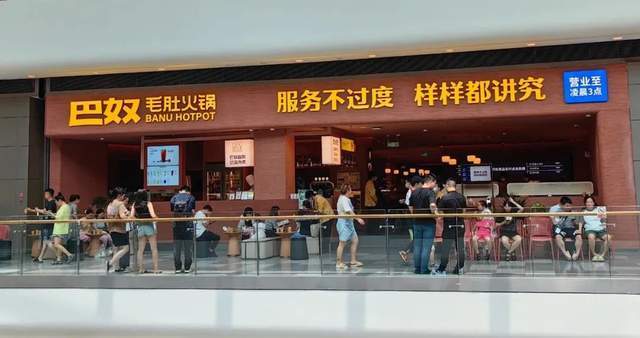
巴奴港股IPO:供应链成本压力大、区域扩张面临挑战
Jin Rong Jie· 2025-06-16 14:46
Core Viewpoint - Banu International Holdings Limited has submitted its listing application to the Hong Kong Stock Exchange, positioning itself as the largest quality hotpot brand in China, with a focus on high-quality ingredients and operational efficiency [1][2]. Company Overview - Banu is recognized as the largest quality hotpot enterprise in China, holding a market share of 3.1% in the quality hotpot market as of 2024 [1]. - The company operates 145 stores across 39 cities in China, marking a 74.7% increase in store count since the end of 2021 [1]. - Banu emphasizes a "productism" philosophy, focusing on quality hotpot offerings and sourcing premium ingredients directly from their origins [1]. Supply Chain and Operations - The company has established a comprehensive supply chain system, including five integrated central kitchens and one specialized base material processing factory, covering 14 provinces and municipalities in China [1]. - Banu's standardized and refined operations have significantly improved overall operational efficiency, achieving a store operating profit margin of 23.7% in Q1 2025 [1]. Financial Performance - Banu has demonstrated steady growth in financial performance, with revenues projected at 1.433 billion yuan, 2.112 billion yuan, and 2.307 billion yuan for 2022, 2023, and 2024, respectively [2]. - The company transitioned from a net loss of 5.19 million yuan in 2022 to a net profit of 102 million yuan in 2023, and further to 123 million yuan in 2024 [2]. - In Q1 2025, Banu reported revenues of 709 million yuan, reflecting a year-on-year growth of 25.7%, and a net profit of 55.16 million yuan, up 57.5% year-on-year [2]. Challenges - Banu faces supply chain cost pressures due to rapid store expansion, which may lead to cost control measures that could impact profit margins [2]. - The company must establish supply chain systems and develop management teams in new markets during its cross-regional expansion, increasing operational management demands [2].
观车 · 论势 || 流量营销终是“虚火”
Zhong Guo Qi Che Bao Wang· 2025-06-11 01:39
Core Viewpoint - Xiaomi is facing a significant trust crisis in the automotive sector, stemming from safety controversies and misleading marketing claims, which contrasts sharply with its previous success in consumer electronics [1][2][3] Group 1: Trust Crisis and Consumer Expectations - The controversy surrounding the SU7 Ultra carbon fiber hood highlights the mismatch between Xiaomi's marketing strategies and the rigorous standards of traditional automotive manufacturers [1][2] - Consumers' expectations for technology in the electric vehicle era have been amplified, leading to a conflict between internet-driven marketing and engineering ethics [2][3] Group 2: Response and Accountability - Xiaomi's response to the carbon fiber hood issue, including offering compensation, has been criticized as inadequate compared to its previous handling of other issues, such as the full reimbursement for parking assistance flaws [2][3] - Legal implications suggest that if false advertising is confirmed, Xiaomi could face substantial penalties, emphasizing the importance of maintaining technical integrity in the automotive sector [2] Group 3: Industry Implications and Regulatory Changes - The crisis has prompted a broader industry reflection, with consumer-driven testing and increased regulatory scrutiny reshaping marketing practices and standards in the automotive field [3][4] - Recent regulations from the Ministry of Industry and Information Technology and the State Administration for Market Regulation require truthful and comprehensive information regarding smart connected vehicles, indicating a shift towards more regulated industry practices [4] Group 4: Future Outlook - The current trust crisis may serve as a pivotal moment for Xiaomi, potentially marking its transition from a cross-industry challenger to a mature automotive enterprise [4] - The situation underscores the necessity for companies to embed sincerity into every aspect of vehicle production to thrive in the competitive electric vehicle market [4]

信任危机下的破局:小米汽车如何将“至暗时刻”转化为“蜕变契机”
Zhong Guo Qi Che Bao Wang· 2025-05-22 07:06
Core Viewpoint - Xiaomi is facing a significant trust crisis in the automotive sector, stemming from safety controversies and misleading marketing claims, which may signal a shift in the Chinese electric vehicle industry from "traffic frenzy" to "value cultivation" [1][2] Group 1: Xiaomi's Automotive Challenges - The controversy surrounding the carbon fiber hood of the Xiaomi SU7 Ultra has highlighted the disconnect between marketing rhetoric and actual performance, revealing a misalignment in understanding the automotive industry's standards compared to consumer electronics [1] - Xiaomi's response to the carbon fiber hood issue, including offering an aluminum hood or loyalty points, has been criticized as inadequate, especially when compared to previous commitments made by the company regarding other issues [2] - Legal experts suggest that if false advertising is confirmed, Xiaomi could face substantial penalties, emphasizing the importance of maintaining technical integrity in the automotive sector [2] Group 2: Industry Implications - The crisis reflects broader anxieties among tech companies entering the automotive space, where the clash between "internet thinking" and industrial manufacturing constraints becomes evident [2] - The emergence of grassroots testing by consumers, such as using 3D printing to validate claims, is pushing automotive companies to standardize their marketing language [3] - Recent regulatory measures from the Ministry of Industry and Information Technology and the State Administration for Market Regulation indicate a shift towards stricter oversight in the smart connected vehicle sector, promoting a transition from "wild growth" to "regulated development" [4] Group 3: Future Outlook - The current trust crisis may serve as a pivotal moment for Xiaomi to evolve from a "cross-border challenger" to a "mature automaker," emphasizing the need for sincerity in every aspect of vehicle production [4] - The situation presents an opportunity for Xiaomi to advocate for industry transparency by collaborating with third-party organizations to establish performance certification systems for optional components [3] - The challenges faced by Xiaomi are not merely negative events but rather catalysts for the industry to reassess the pitfalls of "traffic marketing" and return to product-centric values [4]
一杯茶的全球化征途:霸王茶姬上市背后的“产品主义”与“文化价值”
Bei Jing Shang Bao· 2025-04-18 05:43
当中国茶站上纳斯达克舞台。4月17日晚间,中国新茶饮品牌霸王茶姬在纳斯达克上市,当晚11点43 分,第一笔交易产生,开盘价为33.75美元,涨幅20.54%。截至纳斯达克收盘,首日收涨15.86%,收盘 价32.44美元,市值突破59亿美元。作为后起之秀,霸王茶姬成功上市离不开高增速与盈利能力的双重 驱动,而这也背后也得益于其差异化战略和健康化革新,在茶饮行业掀起一场"返璞归真"的革命。 从创始初期坚守"把茶做到骨子里"的产品哲学,到将"健康茶饮"升维为行业标准,再到以"现代茶空 间"重构全球消费场景,企业价值观贯穿于产品创新、供应链布局与文化输出的全链条。对于霸王茶姬 而言,上市不是终点而是锚定全球战略的新起点。 破局行业同质化:当茶饮回归茶本身 霸王茶姬顺利敲开IPO大门。4月17日晚间,茶饮品牌霸王茶姬正式在美国纳斯达克敲钟上市,开盘大 涨至33.75美元,市值一度冲破75亿美元。根据发行价28美元测算,此次IPO募资规模为4.11亿美元,成 为全球资本市场瞩目的"东方星巴克"。回首过往,这家成立仅8年的企业,凭借对茶本质的坚守,在茶 饮行业掀起了一场"返璞归真"的革命。 2017年从世界茶叶之乡云南诞 ...
一季度餐饮市场,这几个变化万万没想到
3 6 Ke· 2025-04-09 03:43
Core Insights - The restaurant industry is entering a new quality cycle after three years of upheaval, with a notable increase in new registrations of restaurant-related businesses, totaling 625,000 as of March 24, 2023, reflecting a 6.25% year-on-year growth in the first two months of the year [1][3] Group 1: Market Trends - Despite the traditional challenges of the first quarter, several innovative brands are emerging successfully, such as Tian Geng Ji, which opened nine new stores in the first quarter and has a high table turnover rate of 8-10 times per day [3] - The market for Yunnan, Guizhou, and Sichuan cuisine is projected to reach 34 billion yuan in 2024, with a year-on-year growth of 6.9%, indicating a significant expansion in major cities like Beijing and Shanghai [3] Group 2: Brand Challenges - Several once-prominent brands are facing severe challenges, with Christine, the "baking first stock," entering bankruptcy and closing all stores due to debt issues [5] - Other brands like Xiao Chuang Jiang and Jiang Hu Dong Bai Ding have also closed multiple locations, indicating a trend of contraction among previously successful brands [5][6] Group 3: Industry Evolution - The high-margin era of 65%-70% is over, leading to a shift from aggressive price wars to a focus on brand building and product quality [7][8] - Major brands are expanding their product lines and shifting from a single product focus to a broader scene-based strategy, as seen with Tai Er and Xi Bei [10][14] Group 4: Consumer Preferences - There is a growing consumer demand for high-quality, locally sourced ingredients, with brands focusing on product authenticity and quality over mere marketing [15][17] - Seasonal limited-time offerings are being introduced to stimulate consumer interest and increase repeat purchases, as demonstrated by Ba Wang Cha Ji's new product line [17]
