
十五五规划建议

Search documents
焦点访谈|读懂“十五五”规划建议 感知政策里的民生“温度”
Yang Shi Wang· 2025-11-30 14:07
Group 1 - The core viewpoint of the article emphasizes the importance of expanding domestic demand and optimizing investment as outlined in the "14th Five-Year Plan" [3][5] - The new proposal highlights the integration of "investment in material" and "investment in people," aiming to enhance the quality of life and stimulate consumption [3][11] - The article discusses the shift in investment focus from physical infrastructure to human capital, indicating a strategic decision to prioritize investments that directly benefit people's lives [5][15] Group 2 - The "14th Five-Year Plan" suggests that investment in people includes funding for education, healthcare, and elderly care, which are crucial for improving living standards [5][19] - The article provides examples of successful integration of investments in both material and human resources, such as the Shenzhen Guangming Cloud Valley project, which has attracted high-tech enterprises and created job opportunities [11][13] - It highlights the need for a long-term vision in investments, focusing on talent development and innovation as key areas for future growth [25][27] Group 3 - The article notes that the total fixed asset investment in China is projected to reach 52 trillion yuan, emphasizing the scale of investment compared to global standards [9] - It discusses the necessity of increasing residents' income to boost consumption, with specific goals set in the "14th Five-Year Plan" to align income growth with economic growth [19][21] - The article mentions that the government aims to direct more resources towards social welfare, with over 70% of fiscal spending in various regions allocated to the livelihood sector [21][23]

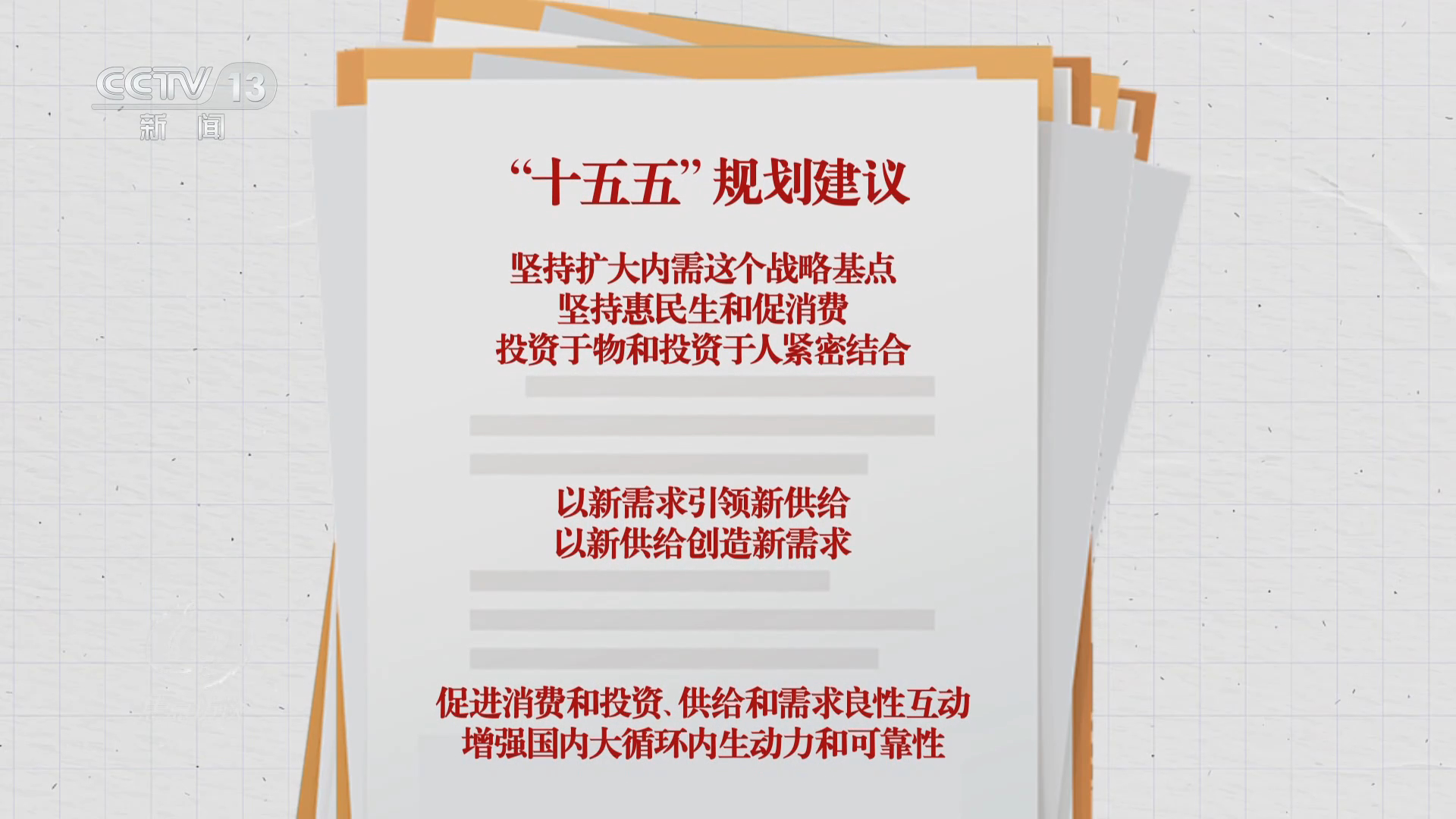
杨伟民:深刻把握“十五五”规划建议的重点和要求|宏观经济
清华金融评论· 2025-11-29 09:48
Core Viewpoint - The "14th Five-Year Plan" emphasizes the need for qualitative and effective economic growth, promoting comprehensive human development and common prosperity, ensuring decisive progress towards socialist modernization [3][4]. Group 1: Economic Development Strategy - The plan highlights the importance of forming an economic development model driven by domestic demand, consumption, and endogenous growth, which is a strategic decision for the "14th Five-Year Plan" [3][10]. - A significant focus is placed on improving the income distribution system to support a consumption-driven growth model, which is crucial for achieving modernization in the Chinese context [3][11]. - The plan sets a target for per capita GDP to reach approximately $23,000 by 2035, requiring an average nominal growth of around 5% annually over the next decade [4]. Group 2: Principles for Economic and Social Development - The "14th Five-Year Plan" outlines six essential principles for economic and social development, including the necessity of the Party's comprehensive leadership, which is fundamental for achieving modernization [7][8]. - Emphasizing a people-centered approach, the plan aims to meet the growing needs of the populace while expanding development opportunities [7]. - High-quality development is identified as the primary task, focusing on innovation-driven growth and enhancing domestic consumption [8]. Group 3: Income Distribution and Employment - The plan stresses the importance of fair income distribution and increasing residents' income as a prerequisite for expanding consumption and meeting the people's needs [11][12]. - New policies are proposed to create an employment-friendly development model, ensuring that income growth aligns with economic growth [11]. - The introduction of a "Rural and Urban Residents' Income Increase Plan" is highlighted as a significant initiative to enhance the financial well-being of the population [12].

聚焦“十五五”规划建议|提升职业学校办学能力 建设特色鲜明高职院校
Xin Hua She· 2025-11-29 05:47
Core Viewpoint - The "14th Five-Year Plan" emphasizes the importance of vocational education in developing high-quality skilled talent, which is crucial for the national education system and human resource development [1][2]. Group 1: Vocational Education's Role - Vocational education has supplied over 70% of the newly added high-quality skilled talent for modern industries during the "14th Five-Year Plan" period [1]. - China has established the world's largest vocational education system, covering 41 industrial categories as classified by the United Nations [1]. Group 2: Future Directions and Challenges - The upcoming "15th Five-Year Plan" aims to enhance the capabilities of vocational schools and build distinctive higher vocational colleges [1]. - The new technological revolution and industrial transformation are key factors influencing vocational education, necessitating the training of composite skilled talents with digital skills and social competencies [2]. - The strategic direction for vocational education reform and high-quality skilled talent cultivation is clearly outlined in the planning suggestions for the "15th Five-Year Plan" [2]. Group 3: Integration and Development - The quality of talent cultivation is significantly supported by the capabilities of educational institutions, while the distinctiveness of vocational colleges is essential for skill talent training [2]. - The integration of education and industry is expected to become more tangible and collaborative, promoting lifelong learning and encouraging high-educated graduates to engage in frontline jobs [2].
中荷政商界探讨经贸合作新机遇
Xin Hua Cai Jing· 2025-11-28 17:20
Core Points - The event held by the China Enterprises Association in the Netherlands celebrated its 20th anniversary, highlighting the achievements in economic and trade cooperation between China and the Netherlands, with over 200 attendees from both countries [1] - China is the largest trading partner for the Netherlands outside the EU, while the Netherlands is China's second-largest trading partner within the EU, indicating a strong bilateral trade relationship [1] - The recent "14th Five-Year Plan" proposed by China is seen as a new opportunity for Sino-Dutch economic cooperation, emphasizing mutual benefits and high-level openness [2] Economic Cooperation - The Netherlands is recognized as a key destination for Chinese investment and a significant source of investment for China, with both countries collaborating on major international issues such as climate change and sustainable development [1] - There are complementary advantages in various sectors including green energy, clean technology, life sciences, smart manufacturing, digital economy, agriculture, and logistics, suggesting a broad potential for future cooperation [2] - The China Enterprises Association in the Netherlands aims to enhance communication and cooperation between businesses and the government, providing better services for investors [2][3] Challenges and Recommendations - The evolving global economic landscape presents challenges for Sino-Dutch trade, with calls for maintaining economic influence and balance in decision-making [3] - Emphasis on the necessity of Sino-European cooperation, with suggestions to adhere to market rules, ensure mutual benefits, and leverage the role of the China Enterprises Association to improve service networks [3]
人权领域专家共话“党的二十届四中全会精神与人权保障”
Xin Hua She· 2025-11-28 13:53
Group 1 - The meeting focused on implementing the spirit of the 20th Central Committee's Fourth Plenary Session, emphasizing the comprehensive development of human rights, particularly in economic, social, and cultural rights [1] - The "14th Five-Year Plan" outlines major goals for economic and social development over the next five years, aiming for a higher level of socialist rule of law [1] - The China Human Rights Research Association plans to leverage its academic strengths and international platforms to promote China's human rights concepts and narratives [1] Group 2 - The China Rural Development Foundation emphasizes the importance of ensuring farmers' rights to survival and development through cooperative construction and talent cultivation [2] - The integration of intelligent technologies is highlighted as a key deployment, with a focus on maintaining human dignity as a core value [2] - Human rights researchers are encouraged to deepen theoretical studies and contribute to multilateral human rights affairs to enhance China's influence in international human rights discussions [2]
聚焦“十五五”规划建议
Xin Hua She· 2025-11-28 04:57
新华社北京11月28日电(记者刘开雄)"十五五"规划建议在部署扩大高水平对外开放时,明确提出"提 升资本项目开放水平"。 ...
学习手记丨站在人民立场考虑问题
Xin Hua She· 2025-11-26 13:52
Core Points - The article emphasizes the importance of adhering to the people's standpoint in governance and development, as articulated by General Secretary Xi Jinping during his visit to Guangdong Province after the 20th Central Committee's Fourth Plenary Session [3][4][5] - The focus is on achieving common prosperity and improving the quality of life for all citizens as a primary goal of economic and social development in the upcoming "14th Five-Year Plan" [5][6] Group 1 - The visit to Meizhou highlights the historical significance of the region and the commitment to addressing imbalances in development, particularly in areas that have lagged behind [3] - Xi Jinping's declaration to "never forget the original intention" and to prioritize the people's needs reflects the party's enduring mission to enhance the well-being of citizens [3][4] - The "14th Five-Year Plan" aims to solidify the principle of "people first" and to ensure that the improvement of people's living standards is central to economic growth [4][5] Group 2 - The article outlines that common prosperity is a critical indicator for achieving the goal of socialist modernization by 2035, emphasizing the need for substantial progress in this area [5] - The "14th Five-Year Plan" stresses the integration of improving people's livelihoods with economic development, particularly through job creation and investment in education and social security [6] - The narrative underscores that the success of China's modernization efforts relies on the active participation and support of the people, reinforcing the idea that development must be rooted in the populace [6]
“十五五”规划建议之资本市场展望
Shang Hai Zheng Quan Bao· 2025-11-26 12:09
Group 1 - The "15th Five-Year Plan" outlines a blueprint for China's economic and social development, emphasizing the importance of capital markets in achieving these goals [1][2] - The plan highlights the need for a well-functioning capital market that supports direct financing through stocks and bonds, as well as the development of futures, derivatives, and asset securitization [1][2] - The capital market is expected to play a crucial role in serving the real economy and providing quality financial services to key strategic areas and weak links [3] Group 2 - The overall goal for the capital market in the next five years is to establish a high-quality development framework, improve investor protection mechanisms, and enhance the quality and structure of listed companies [4] - Key reform areas include enhancing the capital market's inclusiveness and adaptability, focusing on serving the real economy, and promoting the development of a multi-tiered bond market [4][5] - The plan aims to create a more attractive environment for long-term capital investment and improve the structure of market funding sources [5][6] Group 3 - The capital market is expected to undergo significant changes, leading to a new balance in investment and financing, with a focus on new economic sectors [7] - By mid-2025, the proportion of strategic emerging industry companies in the A-share market is projected to reach 32.78%, with over 90% of IPOs coming from these sectors [7] - The market is anticipated to see an increase in institutional and long-term capital, with a reported 21.4 trillion yuan in long-term funds held by A-shares as of August 2025, marking a 32% increase from the end of the 13th Five-Year Plan [8] Group 4 - The diversification of financial tools and services is expected to meet the varying needs of different investment and financing entities, with an emphasis on inclusive products for individual investors [9] - The capital market is set to benefit from the comprehensive reform of investment and financing mechanisms, which is anticipated to enhance market activity and investor engagement [12] - The ongoing AI technology wave and global monetary system reshaping are expected to contribute to the revaluation of Chinese assets, providing a solid foundation for future capital market growth [13]
(近观中国)创造历史首次,“十五五”规划建议这样翻译
Zhong Guo Xin Wen Wang· 2025-11-26 11:12
Core Viewpoint - The translation of the "15th Five-Year Plan" proposal marks a historic first, showcasing China's commitment to openness and confidence in its governance and development strategy [1][2]. Translation Process and Highlights - The translation of the "15th Five-Year Plan" proposal is noted for its high timeliness and scale, being the first instance where the Chinese version and multiple foreign language versions were released simultaneously on October 28 [4]. - This translation effort involved 10 foreign languages, the largest number to date, and included over 300,000 words across three key documents: the proposal, an explanation by General Secretary Xi Jinping, and the plenary session communiqué [4]. - The translation process has established a mature and stable mechanism for translating major documents from the Central Committee, involving collaboration among various foreign-related institutions and language departments [4]. Key Messages to the World - The proposal conveys a more confident China that is self-reliant in governance and open to international cooperation, reflecting the country's development achievements [6]. - It emphasizes China's commitment to openness, free trade, and mutual benefit, providing confidence and opportunities for the global economy, especially in the context of rising protectionism [7]. - The focus on improving the living standards of the Chinese people is central to all planning, linking economic openness, industrial innovation, and social equity as part of a high-quality development model [7]. Notable Translation Expressions - The term "strong nation" appears 18 times in the proposal, with various translations reflecting different sectors such as manufacturing, technology, and culture, showcasing a flexible approach to translation [9][10]. - Key phrases like "people-centered" and culturally specific expressions require careful translation to convey their intended meanings accurately, ensuring that the essence of the original text is preserved [10][12]. Collaboration Between Experts - The translation work involved a collaborative model between Chinese and foreign experts, leveraging their respective strengths to produce high-quality translations [12][13]. - The process included brainstorming sessions that led to refined translations, ensuring clarity and cultural relevance in the final output [12][13]. Cultural Confidence and Innovative Communication - The translation of the "Global Civilization Initiative" reflects a deep understanding of cultural nuances, emphasizing the importance of a singular concept of civilization rather than a pluralistic interpretation [15]. - Innovative communication strategies are highlighted, such as translating policy language in a way that resonates with foreign investors, ensuring that the intent of the policies is effectively conveyed [17].
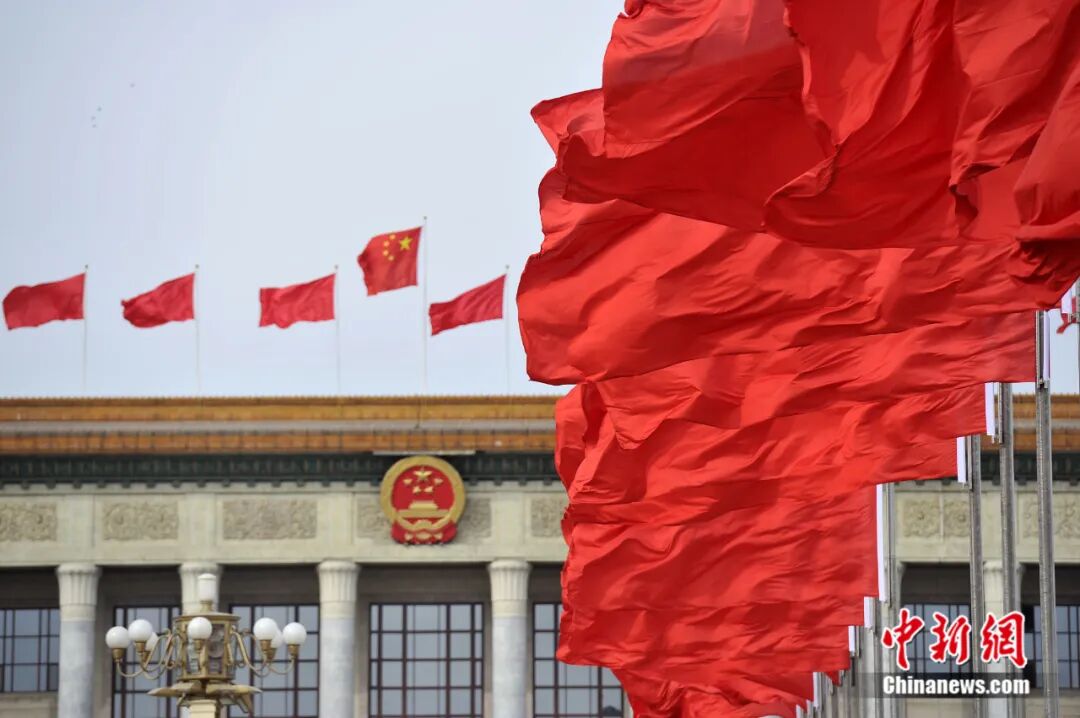
聚焦“十五五”规划建议 | 加强产业和就业协同 积极培育新职业新岗位
Xin Hua She· 2025-11-26 08:03
Group 1 - The core viewpoint of the article emphasizes the importance of strengthening the synergy between industry and employment, actively cultivating new professions and positions, and supporting enterprises in stabilizing and expanding jobs [1][2] - During the "14th Five-Year Plan" period, a total of 72 new professions have been released, covering industries such as the digital economy, modern services, and intelligent manufacturing [1] - New professions are a product of technological changes and adjustments in industrial structure, which require higher skill demands from practitioners, necessitating the optimization of professional settings and enhancement of skills training [1] Group 2 - The Ministry of Human Resources and Social Security plans to accelerate the development of national standards for new professions and encourage leading enterprises and industry organizations to create training outlines and educational resources [2] - There is a focus on guiding local areas to conduct precise training based on job requirements and individual needs, making new professions a key area of training [2]