品牌高端化

Search documents
汽车行业专题研究:比亚迪系列专题:技术为本 向高端化演进
Xin Lang Cai Jing· 2025-10-09 12:30
Core Insights - BYD's passenger car sales are projected to exceed 4.25 million units in 2024, with models priced below 200,000 yuan accounting for 84.3% of total sales, indicating that affordable models remain the core support for BYD's scale [1] - The launch of the Tengshi D9 in 2022 marked the beginning of BYD's high-end strategy, followed by the introduction of the Yangwang and Fangchengbao brands, establishing a clear brand hierarchy [1] - In the first half of 2025, total sales of high-end brand series reached 142,000 units, reflecting a robust year-on-year growth of 69.9% [1] Industry Dynamics - Traditional luxury brands like BBA (Benz, BMW, Audi) have established their high-end image through a combination of historical legacy, technological prowess, and brand management, focusing on long-term brand value rather than short-term sales [1] - The success of Li Auto in the high-end market is attributed to its precise product definition targeting family usage scenarios, offering differentiated configurations that lead to a competitive product advantage [2] - The high-end image of the AITO brand is driven by IP empowerment and advanced driving technology, leveraging Huawei's global influence in communication and technology [2] Strategic Developments - BYD's high-end strategy is built on a foundation of technology, brand differentiation, and global expansion, utilizing a three-tier brand matrix for precise market coverage [2] - The Tengshi brand leverages disruptive technologies to create a full product matrix across sedans, SUVs, and MPVs, while Fangchengbao targets the personalized market with advanced technology [2] - BYD plans to invest 5 billion yuan to build the world's first all-terrain professional racetrack, aiming to foster automotive culture in the new energy era [2] Investment Outlook - BYD is refining its high-end strategy through trial and error, returning to a larger vehicle strategy, with expectations that technological advancements will drive sales growth [3] - The "全民智驾" (Universal Intelligent Driving) strategy is anticipated to accelerate brand high-endization, potentially expanding revenue and profit margins, with sustained improvement in mid-to-long-term profitability [3]

热度比肩刘德华,雷军的个人魅力,小米的枷锁?
Sou Hu Cai Jing· 2025-10-01 13:12
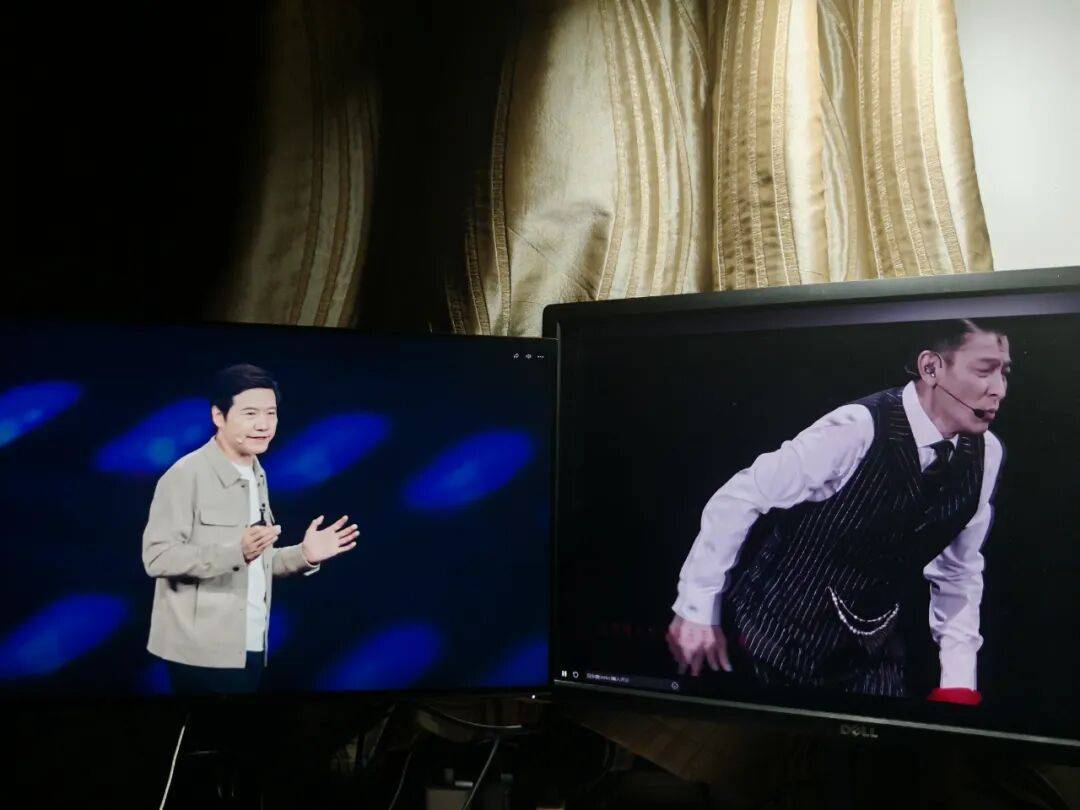
Core Insights - The recent competition for attention between Lei Jun's speech, Xiaomi's new product launch, and Andy Lau's concert highlights the challenges Xiaomi faces in brand positioning and market perception [2][3] - Xiaomi's strategy of leveraging high-profile events for product promotion is not new, indicating a consistent approach to enhance brand visibility [3][25] Group 1: Brand Positioning and Strategy - Xiaomi's recent product launch was strategically timed to coincide with Lei Jun's speech, aiming to generate buzz for the Xiaomi 17 series [3][25] - The concept of high-end branding can be divided into hard and soft strengths, where hard strength refers to product quality and features, while soft strength relates to brand story and emotional value [4][5][15] - The challenge for Xiaomi lies in overcoming its established image as a budget-friendly brand, which may hinder its efforts to penetrate the high-end market [16][19] Group 2: Market Dynamics and Consumer Perception - The high-end smartphone market is defined as products priced above $600, a segment where Xiaomi has struggled to establish a strong presence compared to competitors like Huawei and Apple [17][18] - Xiaomi's branding efforts are complicated by the strong association of its products with Lei Jun's personal charisma, which can overshadow the products themselves [20][21] - The immediate market reaction to Xiaomi's recent events was mixed, with a significant drop in stock price following the launch, indicating potential investor concerns [29] Group 3: Marketing and Communication Strategies - The effectiveness of Xiaomi's marketing strategy is questioned, as the approach of uniformly distributing content across platforms may not resonate with diverse audiences [31][39] - Differentiated marketing strategies, similar to those employed by Apple, could enhance Xiaomi's brand perception and consumer engagement [33][38] - The need for a compelling brand narrative is emphasized, as seen in the successful strategies of competitors like Huawei and Apple, which focus on storytelling to create emotional connections with consumers [14][15][43]

高盛:料比亚迪股份腾势N8L每月平均销售可达6,000辆评级“买入”
Xin Lang Cai Jing· 2025-09-30 09:10
Core Insights - Goldman Sachs reports that BYD's high-end brand Tengshi has begun pre-sales for the N8L, a D-class 6-seat SUV, with a starting price of 318,900 RMB [1] - The analysis indicates that within the 300,000 to 400,000 RMB price range, the top two best-selling models are the AITO M8 and Li Auto-W L7, both of which are 5-seat vehicles, while the third best-seller, Li L8, is a 6-seat model, similar to the Tengshi N8L [1] - The firm expresses optimism regarding BYD's long-term strategy for the Tengshi brand, emphasizing a focus on technology and safety [1] Market Positioning - The Tengshi N8L is positioned in a competitive segment where it scores higher than the Li L8, indicating a strong potential for market penetration [1] - The forecast for Tengshi brand sales shows a compound annual growth rate of 24%, increasing from 126,000 units in 2024 to an estimated 468,000 units by 2030 [1] - By 2030, the Tengshi brand is expected to contribute significantly to BYD's overall sales performance [1]
大行评级丨高盛:对比亚迪腾势品牌高端化长期战略保持乐观 评级“买入”
Ge Long Hui· 2025-09-30 03:13
Core Insights - Goldman Sachs reports that BYD's high-end brand Tengshi has pre-sold the N8L, a D-class 6-seat SUV, with a starting price of 318,900 yuan [1] - The Tengshi N8L scored the highest among new energy SUVs priced between 300,000 and 400,000 yuan in terms of price, range, size, and autonomous driving features [1] - Goldman Sachs maintains an optimistic outlook on BYD's long-term strategy for the Tengshi brand, focusing on technology and safety [1] Sales Forecast - The firm predicts a compound annual growth rate (CAGR) of 24% for Tengshi brand sales, increasing from 126,000 units in 2024 to an estimated 468,000 units by 2030 [1] - By 2030, the Tengshi brand is expected to contribute 6% of the group's vehicle sales, 13% of revenue, and 19% of gross profit [1] Stock Ratings - Goldman Sachs sets a target price of HKD 130 for BYD's H-shares and CNY 133 for its A-shares, with a "Buy" rating [1]
希望雷军和小米摆脱“力工思维”
虎嗅APP· 2025-09-27 09:44
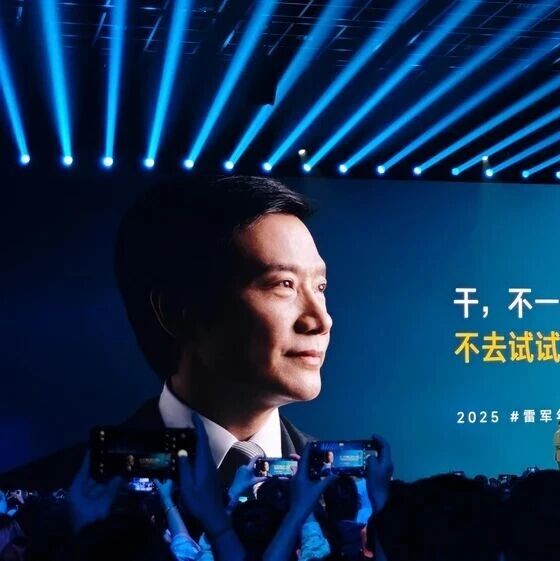
Core Viewpoint - The article discusses the challenges faced by Xiaomi and its CEO Lei Jun, highlighting the company's struggle to maintain its market position and the mixed reactions from investors following product launches and strategic shifts [5][9]. Group 1: Company Performance and Market Reaction - Xiaomi's stock price dropped by 8% on September 26, 2023, marking a departure from previous years where stock typically rose after Lei Jun's annual speeches [9]. - Since 2020, Xiaomi's stock has generally performed well after these speeches, with a notable 4.24% increase in 2024 [9]. - The unusual market reaction in 2023 is attributed to issues with the newly launched Xiaomi 17 smartphone [10]. Group 2: Product Launch and Consumer Expectations - The Xiaomi 17 smartphone skipped the 16 model, directly targeting Apple's iPhone, which raised consumer expectations [11]. - The product faced criticism for perceived lack of innovation and downgraded specifications, such as a reduction in ultra-wide angle capabilities and USB speed [11][12]. - The article emphasizes that Xiaomi's brand image is closely tied to its value-for-money proposition, which has been a key selling point for its products [12]. Group 3: Strategic Direction and Brand Positioning - Xiaomi aims to complete its brand high-end strategy within a year, which requires either increasing prices or reducing specifications to reflect brand value [13]. - The absence of self-developed chips in the Xiaomi 17 has disappointed consumers, as high-end brands are expected to utilize proprietary technology [15][16]. - The article suggests that Xiaomi's high-end strategy is hindered by a lack of consumer support and the need for the company to justify its pricing and product quality [18]. Group 4: Leadership and Company Culture - Lei Jun's leadership style is characterized by a "hardworking mentality," which may lead to consumer fatigue and perceptions of insincerity [20][23]. - The article calls for a shift in Lei Jun's communication style to be more relatable and less focused on struggles, suggesting that a lighter approach could resonate better with consumers [22][23]. - The company is seen as capable and courageous in its ambitions, but it needs to adjust its mindset and broader vision to succeed in the high-end market [23].

希望雷军和小米摆脱“力工思维”
Hu Xiu· 2025-09-26 23:45
Core Viewpoint - The annual speech by Lei Jun highlighted the challenges faced by Xiaomi, emphasizing resilience despite external skepticism and market pressures [1][2][4]. Group 1: Company Performance and Market Reaction - Xiaomi's stock price dropped by 8% on September 26, indicating a negative market reaction to the recent developments [4]. - Historically, Xiaomi's stock has generally risen after Lei Jun's speeches, with a notable increase of 4.24% in 2024, except for 2021 [5]. - The unusual market response this year may be attributed to issues with the Xiaomi 17 model [6]. Group 2: Product Development and Innovation - The Xiaomi 17 skipped the 16 designation, directly competing with the iPhone, which raised expectations [7]. - Concerns were raised regarding the Xiaomi 17's innovation, with criticisms about downgraded features and specifications [10][12]. - The absence of a self-developed chip in the Xiaomi 17 has disappointed fans, as self-developed technology is often associated with high-end branding [18][20]. Group 3: Brand Strategy and Consumer Expectations - Xiaomi aims to complete its brand high-end strategy within a year, which requires a shift from a focus on cost-performance to brand premiumization [15][16]. - The company is encouraged to align its product offerings with consumer expectations for high-end devices, which includes either raising prices or adjusting specifications [16][19]. - There is a call for Xiaomi fans to support the brand's transition to high-end products, emphasizing the need for mutual commitment between the company and its consumers [17][25]. Group 4: Leadership and Corporate Culture - Lei Jun's leadership style is characterized by a "hardworking mentality," which may lead to perceptions of fatigue among consumers [29][30]. - The narrative of struggle and perseverance in speeches may create a disconnect with the audience, suggesting a need for a more relatable and engaging communication style [34][35].
硬件公司创始人背刺友人、反悔赠股;无人机公司老板一句话致整个部门被裁;电动牙刷品牌三倍薪资挖竞对主播丨鲸犀情报局Vol.20
雷峰网· 2025-09-24 12:07
Group 1: Drone Industry Challenges - A prominent drone company is struggling due to competition from industry giants, leading to financial instability and talent loss [1][4] - The founder expressed desperation over the company's situation, indicating a reliance on government projects for survival [1] - The company is preparing to launch a second-generation autonomous product, waiting for competitors to release their versions first [1] Group 2: Startup Controversies - A founder of an exoskeleton startup misled a CMO into helping with crowdfunding, later demanding the promised shares back [2] - The founder is accused of using unethical tactics against competitors, including spreading negative information and attempting to sabotage their funding efforts [2] Group 3: Consumer Electronics Strategic Issues - A well-known consumer electronics company faces internal strategic conflicts, with differing priorities between brand building and business growth [3] - This misalignment has resulted in high turnover among regional leaders, with many not lasting more than two years in their roles [3] Group 4: Hardware Company Dynamics - Two executives at a popular hardware company are in a delicate situation, both considering entrepreneurship while managing overlapping responsibilities [3] - The founder has a "gentleman's agreement" with one of the executives regarding their future roles, indicating potential instability within the leadership [3] Group 5: Robotics Industry Developments - A local robot company attempted to partner with an international brand but was ultimately rejected in favor of a competitor [6] - The company is now negotiating with local governments for land rather than financial support, indicating a shift in strategy [6] Group 6: Cleaning Appliance Market Insights - A Chinese cleaning brand has established a strong presence in overseas markets, offering attractive profit margins to distributors [7] - The brand benefits from a unique "zero-cost after-sales ecosystem" supported by overseas Chinese users [7] Group 7: Investment and Innovation - A co-founder of a laser engraving machine brand left due to concerns over the company's direction and family-like dynamics [8] - Post-departure, the co-founder successfully recommended a project to a major investor, resulting in a significant investment [8] Group 8: Emerging AI Products - A former product manager from vivo has left to start a new venture focused on AI fashion mirrors, securing substantial investment and preparing for a product launch [8]

雷军硬刚苹果!小米跳过16直接发17系列,喊话“正面对标 iPhone”
Sou Hu Cai Jing· 2025-09-23 07:18
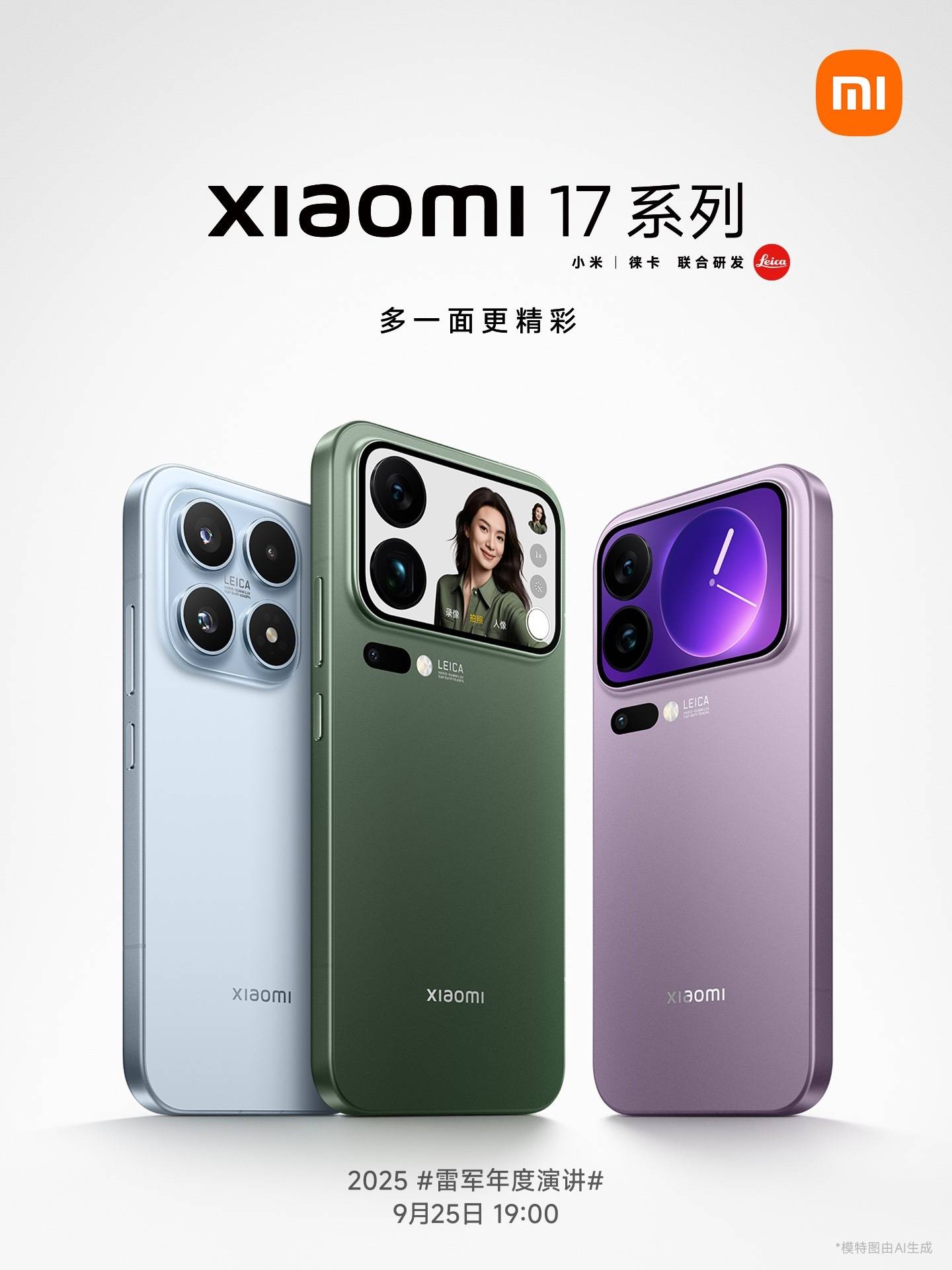
Core Insights - Xiaomi has launched the Xiaomi 17 series, skipping the Xiaomi 16, which includes the Xiaomi 17, Xiaomi 17 Pro, and Xiaomi 17 Pro Max, featuring the world's first Snapdragon 8 Gen 2 mobile platform, claiming a "cross-generation upgrade" in product capabilities [1][5][6] - CEO Lei Jun announced that the Xiaomi 17 series will directly compete with the iPhone, showcasing Xiaomi's commitment to high-end market positioning, which has sparked significant discussion [1][5][6] - The Xiaomi 17 Pro series introduces a new feature called "Miao Enjoy Back Screen," aimed at providing innovative interaction experiences in the smartphone industry [5][6] Brand Strategy - The Xiaomi 17 series is positioned as a direct competitor to Apple's iPhone, reflecting Xiaomi's strategic shift towards high-end products [5][6] - The early launch of the Xiaomi 17 series, one month ahead of the typical schedule, indicates a proactive approach to market competition [5][6] User Reactions - Users on platforms like Douyin and Xiaohongshu have expressed mixed feelings about Xiaomi skipping the 16 and directly naming the new series 17, with some viewing it as a strategic upgrade while others see it as awkward [8] - Discussions on social media highlight concerns about Xiaomi's product quality compared to Apple, with some users criticizing the design mimicry while others believe increased R&D investment will enhance competitiveness [8] Brand Performance - According to the New Bang brand index, Xiaomi ranked third with a score of 825.8 in brand voice from September 14 to September 20 [4]
100亿级损失,安踏和李宁的营销做错了什么?
Sou Hu Cai Jing· 2025-09-22 17:51
Core Viewpoint - The recent marketing campaign by outdoor brand Arc'teryx, featuring a controversial fireworks display in the Himalayas, has led to a significant backlash and a market value loss exceeding 200 billion yuan for its parent company Anta Sports [2][4][11] Group 1: Marketing Crisis - The "explosion" event has resulted in a 4% drop in Anta Sports' stock price, equating to a market value loss of over 100 billion HKD [2] - Arc'teryx's parent company, Amer Sports, saw a 9.85% decline in stock price, leading to a market value decrease of 145.69 billion RMB [2] - This incident mirrors a previous marketing failure by Li Ning, which lost 123 billion yuan in market value over three trading days due to a similar crisis [4] Group 2: High-End Market Challenges - Brands aiming for high-end positioning often fall into the trap of prioritizing form over substance, equating "high-end" with quirky designs and exclusive experiences, neglecting the essence of value premium [5] - The core of high-end branding should align with social consensus and deep emotional connections with users, rather than superficial artistic expressions [5][16] - The marketing misstep by Arc'teryx highlights a crisis of "hollowed-out values" in pursuit of high-end branding, as their actions contradicted their core environmental principles [7][9] Group 3: Financial Performance Context - Both Anta and Li Ning faced performance pressures during their marketing failures, indicating a desperate search for solutions that can lead to severe consequences [11] - Li Ning reported a revenue increase of 21.7% in the first half of 2022, but faced declining profit margins, with gross margin dropping by 5.9 percentage points [13] - Arc'teryx's parent company reported a 23% revenue increase in Q2 2025, but this was accompanied by an 11 percentage point decline in growth compared to the previous year [13] Group 4: Lessons for High-End Branding - The marketing failures of both brands serve as a warning that high-end branding should not be a self-indulgent celebration but rather a value-driven connection with users and society [16] - True high-end branding should respect social consensus and resonate with user emotions, leveraging value innovation to achieve premium pricing and respect [16]

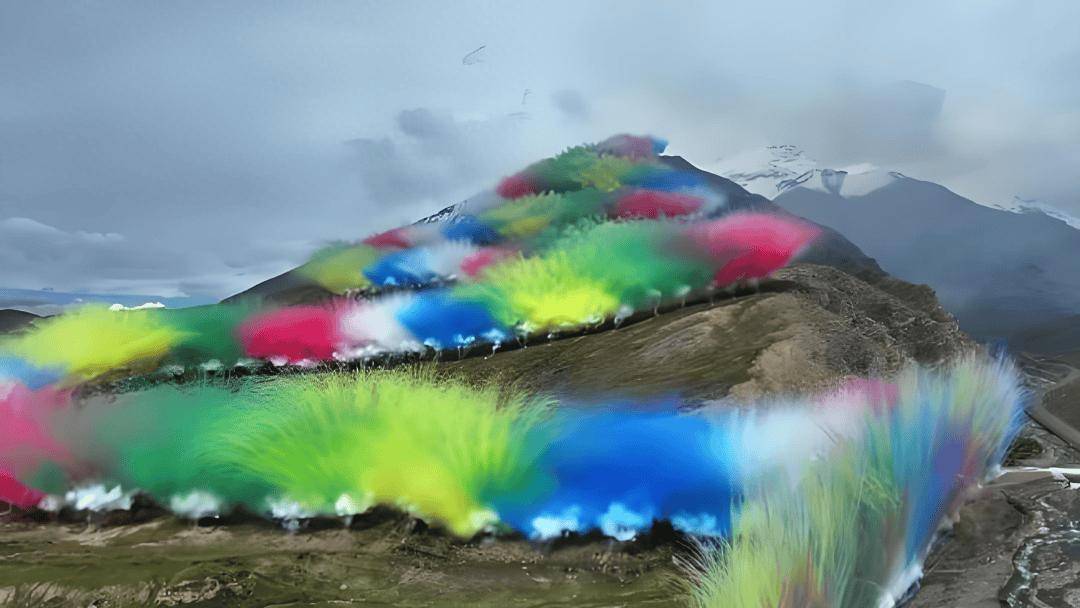
始祖鸟&蔡国强“炸山”“升龙”,我真的气笑了……
首席商业评论· 2025-09-22 04:52
Core Viewpoint - The outdoor brand Arc'teryx faced significant backlash after an art fireworks event in the Himalayas, which contradicted its long-standing environmental ethos, leading to public outrage and calls for accountability [2][4][11]. Group 1: Event Overview - Arc'teryx collaborated with artist Cai Guoqiang for an art fireworks project named "Ascending Dragon" at an altitude of 5,500 meters in the Himalayas, intended to celebrate nature and Eastern dragon culture [2][4]. - The event sparked environmental controversies, with local authorities forming an investigation team to assess the situation following public outcry [4][14]. Group 2: Environmental Concerns - Despite claims of using biodegradable materials and adhering to environmental standards, experts questioned the applicability of these standards to the fragile high-altitude ecosystem [7][9]. - Concerns were raised about the potential long-term ecological damage, including the impact on local flora and fauna, and the effectiveness of the proposed mitigation measures [9][11]. Group 3: Public and Media Reaction - Major media outlets criticized the event, emphasizing the ecological harm caused by the fireworks display in a sensitive environment, and called for a reevaluation of the relationship between art and nature [11][14]. - The backlash led to Arc'teryx and Cai Guoqiang issuing apologies and offering to conduct third-party environmental assessments [14][18]. Group 4: Brand Strategy and Market Position - Arc'teryx has been transitioning from a professional outdoor brand to a high-end lifestyle brand, engaging in various artistic collaborations to expand its market reach [18][20]. - The brand's recent controversies reflect a broader trend in the outdoor industry, where many brands are struggling with the balance between high-end positioning and maintaining core user trust [27][29]. Group 5: Future Implications - The incident highlights the risks associated with prioritizing commercial interests over environmental values, suggesting a need for brands to realign their strategies with sustainable practices [31][33]. - The outdoor industry must navigate the challenges of high-end market positioning while respecting the core values of outdoor ethics and environmental stewardship [31][33].