
性价比

Search documents
“都坏了” 索尼大法,突然在中国失灵了? | BUG
Xin Lang Ke Ji· 2025-12-02 00:42
Core Viewpoint - Sony's television and mobile phone businesses are experiencing significant declines in the Chinese market, with quality issues and competition from domestic brands contributing to a loss of consumer trust and market share [2][10][11]. Group 1: Television Business - Sony's market share in the Chinese television market has dropped to below 5% in 2024, with each of the four major foreign brands averaging around 1.25% [2][8]. - Users have reported quality issues with Sony televisions, particularly models like XR-65X90J, which have experienced sound output failures shortly after the warranty period [3][6]. - Complaints about Sony televisions have surged on social media and consumer complaint platforms, indicating widespread dissatisfaction with product quality [4][6]. - Industry experts suggest that Sony needs to acknowledge these quality issues and improve customer service to regain consumer trust [6][10]. Group 2: Mobile Phone Business - Sony's mobile phone brand, Xperia, has officially exited the Chinese market, with the cancellation of its official WeChat account and the cessation of new product launches since September 2023 [11][14]. - The decline of Sony's mobile phone business mirrors that of its television segment, as it has struggled to compete with domestic brands like Huawei and Xiaomi [11][14]. - Sony's previous strong position in the mobile market has diminished significantly, leading to its classification as a niche brand [11][14]. Group 3: Financial Performance - Sony's financial report for Q2 FY2025 indicates that while other business segments like music and gaming are performing well, the television and mobile phone sectors are in decline, contributing to overall revenue drops in the "other businesses" category [15][16]. - The television and mobile phone businesses are not separately reported, but their poor performance is evident in the overall financial results, suggesting a need for strategic reevaluation [16].


“低度酒收藏十年,一分没涨!” 酒仙董事长断言:它不是未来 | 酒业内参
新浪财经· 2025-12-01 12:07
Industry Insights - Low-alcohol beverages are currently a trend but are not seen as the future of Chinese liquor. The high pricing of these products indicates a lack of genuine intent to cater to young consumers [5][6][9] - Young consumers are less inclined to purchase traditional Chinese liquor due to its high price point, preferring more affordable options like fruit wine and beer. As they gain more experience and income, they may develop a taste for high-quality liquor [6][9] - The storage value of low-alcohol liquor is minimal, as evidenced by the lack of price appreciation over the past decade, contrasting with the significant price increase of high-alcohol liquor [6][9] - The current market dynamics indicate a significant price competition among liquor producers, driven by overproduction and a mismatch between supply and demand. This situation is expected to persist for the next 3 to 5 years [9][14] - The liquor distribution channels are facing challenges, but this adjustment period presents an opportunity for channel development and profitability in the long run [9][10] Company Developments - The company has been expanding its offline retail presence, aiming to open 10,000 stores in the next three years, leveraging the removal of upstream production constraints [19][20] - The company emphasizes a competitive pricing strategy, proposing that premium liquor should only have a minimal markup to attract price-sensitive consumers [20][22] - The company is focusing on enhancing its brand image and market presence through innovative marketing strategies, including the development of personal brands by entrepreneurs [15][23] - The company has reported a 20% year-over-year revenue growth in the third quarter, indicating a strong operational performance [19]

县城羽绒服,顶流力挺,中产抢疯
盐财经· 2025-11-30 09:15
Core Viewpoint - The article discusses the marketing strategies and challenges faced by the brand YAYA, known for its down jackets, particularly focusing on its use of celebrity endorsements and the impact of consumer perceptions on its sales performance [3][10][30]. Group 1: Marketing Strategies - YAYA has employed a strategy of signing multiple celebrity endorsements to attract consumers, announcing five endorsers in two months leading up to winter [3][24]. - The brand's endorsements have successfully driven consumer engagement, with fans actively discussing and promoting YAYA products on social media platforms [5][9]. - During the 2025 Double Eleven shopping festival, YAYA achieved significant sales, ranking first in women's fashion and sixth in men's fashion on Douyin [10][12]. Group 2: Consumer Perception and Quality Issues - Despite the successful marketing, YAYA faces criticism regarding product quality, with consumers reporting issues such as odor, insufficient filling, and poor workmanship [12][42]. - The brand's historical reputation as a budget-friendly option has attracted a new consumer base, but quality concerns threaten to undermine this trust [35][38]. - YAYA's pricing strategy targets consumers in lower-tier cities, offering products at competitive prices, but this has led to challenges in maintaining quality standards [36][38]. Group 3: Transition to Online and Offline Sales - YAYA transitioned to online sales in 2020, which significantly boosted its market presence after a period of stagnation [17][31]. - The brand is now exploring offline channels through franchising, aiming to enhance its market reach while managing costs [47][48]. - The challenge remains for YAYA to balance its low-price strategy with the need for quality assurance to sustain consumer loyalty and brand reputation [39][46].

城际酒店怎么不讲道理啊?
半佛仙人· 2025-11-28 08:36
Core Insights - The hotel industry has seen a notable highlight this year with the emergence of Intercity Hotels, which signed over 260 projects in a year, despite being a new brand with fewer than 100 existing locations [2] - Intercity Hotels has engaged in unique promotional activities, such as partnerships with Garmin and a cycling brand, offering extravagant rewards for extended stays, which has drawn significant participation [3][4] Group 1: Intercity Hotels' Strategy - Intercity Hotels targets high-end travelers who are discerning and have experienced various luxury accommodations, making them difficult to impress [6] - The brand focuses on providing a reliable travel base rather than traditional luxury services, emphasizing efficiency and support for business travelers [8][9] - The hotel has invested in practical details that enhance the guest experience, such as high-quality bedding, soundproofing, and thoughtful amenities [11][12] Group 2: Unique Promotions and Customer Engagement - The promotional campaigns, such as the "stay 100 nights" challenge, have attracted over 170,000 participants, indicating a strong engagement strategy [4][16] - The rewards offered, while seemingly impractical, resonate with customers seeking a break from their routine and a chance to indulge in whimsical experiences [16][19] - Intercity Hotels successfully creates an environment where guests can escape the pressures of calculation and enjoy their stay without the burden of cost-benefit analysis [19]

“低度酒收藏十年,一分没涨!” 酒仙董事长断言:它不是未来 | 酒业内参
Xin Lang Cai Jing· 2025-11-28 03:21
Core Viewpoint - The chairman of JiuXian Group, Hao Hongfeng, asserts that while low-alcohol beverages are currently a trend, they do not represent the future of Chinese liquor, particularly due to their high pricing which lacks sincerity towards younger consumers [3][4][5]. Industry Insights - The trend towards low-alcohol and youth-oriented products is seen as a temporary hotspot rather than a sustainable future direction for Chinese liquor [4]. - Young consumers are currently less inclined to purchase traditional Chinese liquor due to its high price, which is often beyond their budget [4][5]. - The pricing strategy for low-alcohol products is criticized, as prices above 100 yuan are considered too high for young consumers entering the workforce [4][5]. - The storage value of low-alcohol beverages is questioned, with historical data showing that prices have not appreciated over the past decade, unlike high-alcohol products [7]. - The current adjustment period in the liquor industry is viewed as an opportunity for channel development, despite short-term challenges faced by distributors and retail outlets [7][8]. - The phenomenon of price inversion in the liquor market is highlighted, with excess production leading to price competition and a need for rationalization over the next 3 to 5 years [11]. Company Developments - JiuXian Group has been expanding its offline retail presence, aiming to open 10,000 stores in the next three years, leveraging the removal of upstream production constraints [15][16]. - The company has experienced significant revenue growth, with a 20% year-on-year increase in the third quarter, indicating a strong operational performance [15]. - The strategy of focusing on high-quality, cost-effective products is emphasized, with the company aiming to cater to consumers seeking value without compromising on quality [21]. - The chairman notes that the relationship between manufacturers and distributors needs to evolve towards a model that prioritizes consumer sales over inventory pressure on distributors [10].

听劝的西贝,遇上了「公关刺客」
Sou Hu Cai Jing· 2025-11-28 00:24
Core Insights - Xibei is undergoing a transformation from poor public relations to a more receptive approach, implementing price cuts, salary increases, and fresh food preparation to attract customers back to its restaurants [3][4][5] Group 1: Customer Attraction Strategies - Xibei has launched significant promotional activities, including a "50 yuan for 50 yuan" voucher campaign, which has been extended to the end of November, and a "half-price dish" offer on delivery platforms [4][5] - The initial round of promotions successfully attracted customers, with a "Please Treat You to Dinner" campaign offering a no-threshold 100 yuan voucher, which was well-received [5][6] - The company has also reduced prices on over 40 dishes by 15% to 20%, lowering the average customer spending to around 75 yuan, addressing consumer concerns about high prices [6][9] Group 2: Employee Engagement and Cost Management - Xibei has increased salaries for frontline employees by an average of 500 yuan per month since September, along with additional bonuses and allowances to stabilize staff morale [8][9] - The dual strategy of lowering prices while increasing employee wages aims to enhance customer service quality, which is crucial for retaining customers [8][9] Group 3: Industry Challenges and Competitive Landscape - The restaurant industry is experiencing a significant shakeout, with many once-popular brands struggling to maintain profitability amid rising costs and declining average spending per customer [13][14] - Xibei's average customer spending remains above 83 yuan, significantly higher than competitors, indicating a potential misalignment with current consumer preferences for value [16][17] - The company faces ongoing pressure from competitors who are adopting transparent pricing strategies, which may further challenge Xibei's market position [18][19]
“缺钱时代”来了!这 5 个变化越来越明显,你中招了嘛?
Sou Hu Cai Jing· 2025-11-27 20:46
Group 1 - The core sentiment of the article highlights a shift in consumer behavior due to financial constraints, with a focus on practicality over luxury in spending habits [1][3] - The cigarette market is experiencing a shift from premium brands to more affordable options, indicating a move away from status-driven consumption towards value-driven choices [3] - Online shopping is becoming the primary method of purchasing, with over 65% of consumption expected to occur online by 2025, as consumers prioritize savings over convenience [3][4] Group 2 - There is a notable change in food purchasing habits, with consumers opting for basic staples over luxury items, reflecting a focus on cost-effectiveness and necessity [3] - The replacement cycle for electronics and appliances has extended to 5-8 years, driven by high prices and a lack of perceived value in new products, leading to a 30% growth in the repair market [4] - The second-hand market is thriving, particularly among younger consumers, as they seek cost-effective alternatives, indicating a significant shift towards value-oriented consumption [4]
雷军不讲武德,2亿像素+1.5K直屏+NFC+红外,12GB+256GB跌至943元
Sou Hu Cai Jing· 2025-11-27 03:43
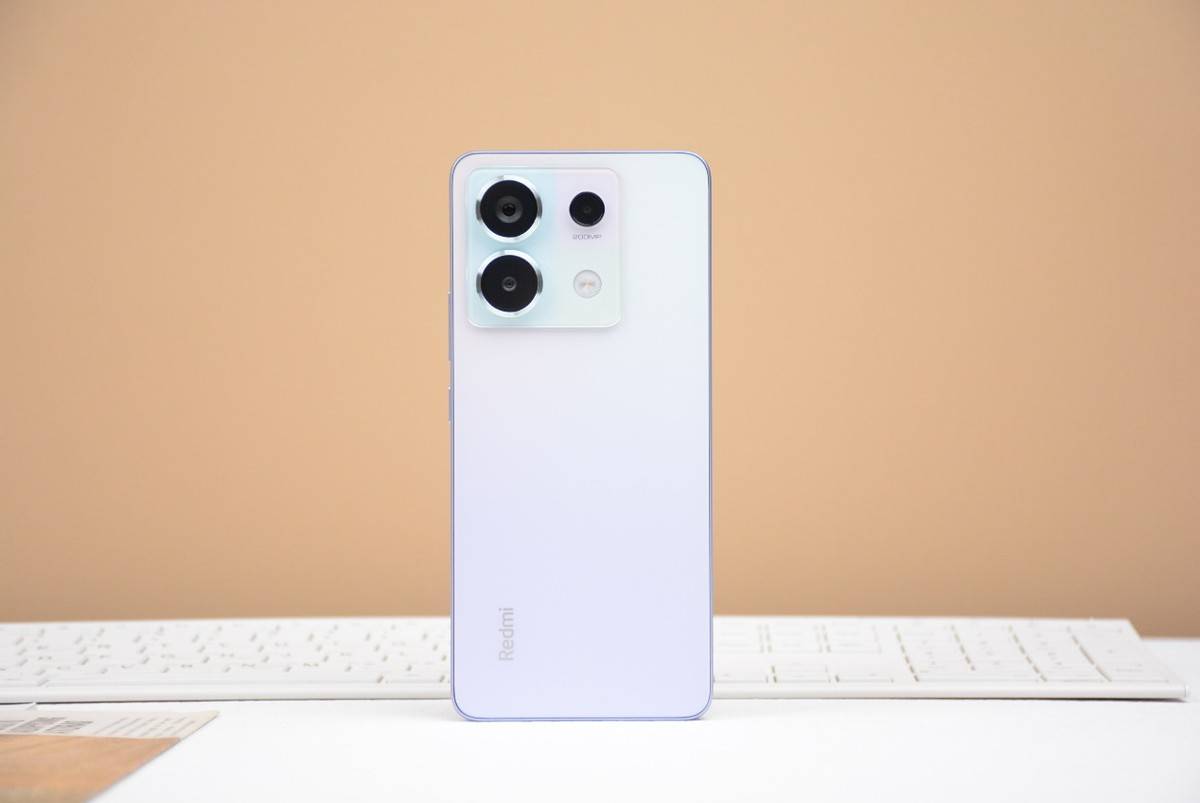
Core Insights - The Redmi Note 13 Pro offers surprising value for its price, currently available at 943 yuan, making it a strong contender in the budget smartphone market [1] Display - The device features a 6.67-inch second-generation 1.5K AMOLED display, which is considered a significant upgrade in the budget segment, with high resolution, fast refresh rate, and peak brightness of 1800 nits, ensuring excellent visibility even in bright sunlight [3] Camera System - The main camera utilizes a Samsung HP3 200MP sensor, providing impressive detail in daylight and stable night performance, along with a 4x lossless zoom feature, although the secondary cameras are less impactful [4] Performance - Powered by the Snapdragon 7s second generation, the phone is suitable for everyday tasks but may struggle with high-demand gaming, making it more appropriate for casual users [6] Battery Life - The device boasts a 5100mAh battery with 67W fast charging, allowing for a full charge in just 15 minutes to 45%, effectively addressing battery anxiety [6] Build Quality and Features - The Redmi Note 13 Pro has a glass back and plastic frame, providing decent quality without being premium, and includes practical features like a 3.5mm headphone jack, NFC, and infrared [8] Overall Value - The strengths of the Redmi Note 13 Pro include an excellent display, superior main camera, strong battery life, and comprehensive features, while its weaknesses are average performance, secondary camera limitations, and some heating during charging [9]

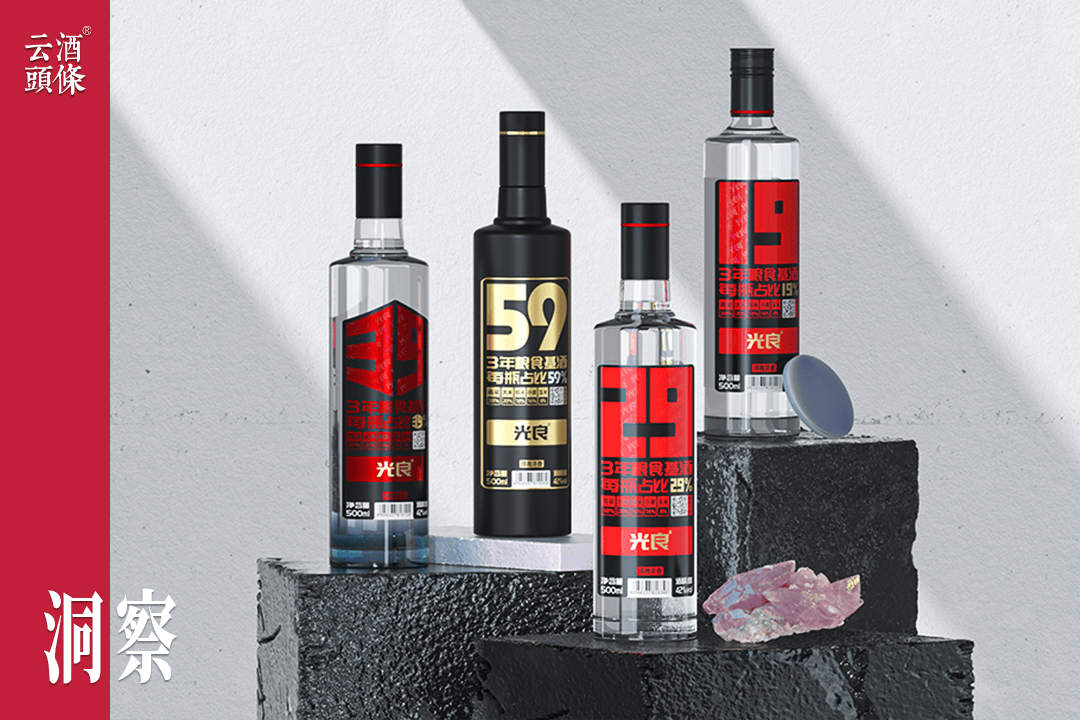
逆势增长的新样本:为什么光良能在“餐饮渠道”跑出最快增速?
Sou Hu Cai Jing· 2025-11-26 17:32
Core Insights - The Chinese liquor industry, particularly the baijiu sector, is experiencing a significant adjustment period, with production declining by 9.9% year-on-year in the first nine months of 2025, totaling 2.655 million kiloliters [2] - Despite the overall market challenges, the light bottle liquor segment is emerging as a competitive alternative to boxed liquor, with brands like Guangli gaining traction in regional markets [3][5] Industry Trends - The light bottle liquor market is witnessing a shift from being a supplementary category to becoming a mainstream choice that competes directly with boxed liquor [5][6] - Consumer preferences are evolving towards value and quality, with a notable increase in the acceptance of light bottle liquor in everyday drinking scenarios, particularly in the 30-60 yuan price range [7][8] Market Dynamics - The light bottle liquor market in China surpassed 150 billion yuan in 2024, with an annual growth rate exceeding 15%, significantly outpacing the overall baijiu industry [8] - In Zhangye, the market for light bottle liquor is projected to reach 20-30 million yuan, indicating substantial growth potential [8] Brand Performance - Guangli has rapidly established itself in the Zhangye market, achieving coverage of over 1,166 retail points and 340 restaurant outlets within six months, with an estimated sales target of at least 1 million yuan by year-end [10][14] - The brand's success is attributed to a systematic operational strategy that emphasizes quality, reasonable profit sharing with retailers, and strong collaboration between manufacturers and distributors [14][15] Consumer Behavior - Consumers are increasingly prioritizing cost-effectiveness and product quality over brand prestige, leading to a structural shift in the pricing landscape of the liquor market [8][9] - Guangli's diverse product range, covering price points from 20 to 80 yuan, allows it to effectively capture market share across various consumer segments [19][20] Strategic Insights - Guangli's focus on long-term brand development and operational consistency positions it favorably in a challenging market environment, appealing to distributors seeking stable growth prospects [16][20] - The brand's unique approach to market penetration, particularly in the restaurant sector, has created a competitive edge that differentiates it from traditional light bottle liquor brands [14][20]
铜师傅的资本突围与增长焦虑
Bei Jing Shang Bao· 2025-11-26 15:54
Core Viewpoint - The company, Hangzhou Copper Master Cultural (Group) Co., Ltd., faces multiple challenges in its capital market journey, including price fluctuations of copper, limited customer base expansion, and slow market growth, despite being the market leader in China's copper cultural crafts [1][3][9]. Group 1: Market Position and Financial Performance - Copper Master holds the top market share in China's copper cultural crafts, with its copper products accounting for over 90% of total revenue from 2022 to the first half of 2023 [3][4]. - Revenue from copper cultural products for 2022 and the first half of 2023 was approximately 4.8 billion yuan, 4.88 billion yuan, 5.51 billion yuan, and 2.92 billion yuan, representing 95.4%, 96.3%, 96.6%, and 94.9% of total revenue respectively [3][4]. - The average selling price of copper cultural products has decreased from 363.7 yuan in 2022 to 290.4 yuan in the first half of 2023, attributed to a shift in consumer preference towards lower-priced products [5]. Group 2: Challenges and Risks - The company is highly sensitive to copper price fluctuations, with average copper prices rising from 47,600 yuan per ton in 2019 to 77,600 yuan per ton by June 30, 2023, which could impact procurement costs and overall revenue [4]. - The gross margin for copper cultural products has been relatively low, with figures of 32.5%, 31.9%, 35.2%, and 35.3% from 2022 to the first half of 2023, lagging behind other product categories [4]. - The company has struggled to develop blockbuster IPs, which are crucial for expanding its market reach and customer base [6][8]. Group 3: Product Development and IP Strategy - Copper Master has launched a significant number of new SKUs based on both self-developed and licensed IPs, with 407, 350, and 528 new self-developed SKUs introduced from 2022 to 2024 [6]. - The company’s self-developed IPs have generated approximately 1.3 billion yuan and 1.08 billion yuan in revenue, but overall IP revenue has only accounted for about 20% of total revenue in recent years [6][8]. - The company is expanding its product categories to include plastic toys and silver cultural products, but revenue from these categories remains low, indicating a need for further market penetration [7][8]. Group 4: Industry Outlook and Competitive Landscape - The market for metal cultural crafts is projected to grow from 23.1 billion yuan in 2019 to 29.3 billion yuan by 2029, while the plastic resin category is expected to grow significantly more, indicating limited growth potential for copper products [9]. - The company’s transition from the Shenzhen Stock Exchange to the Hong Kong Stock Exchange aims to leverage more flexible listing conditions and enhance its international presence [9][11]. - Competitors like Zhu Bingren Copper Art Co., Ltd. are also pursuing listings, highlighting the competitive nature of the industry [10].
