
理性消费

Search documents
“00”后成二手交易主力,理性消费时代的重要信号
3 6 Ke· 2025-12-17 03:32
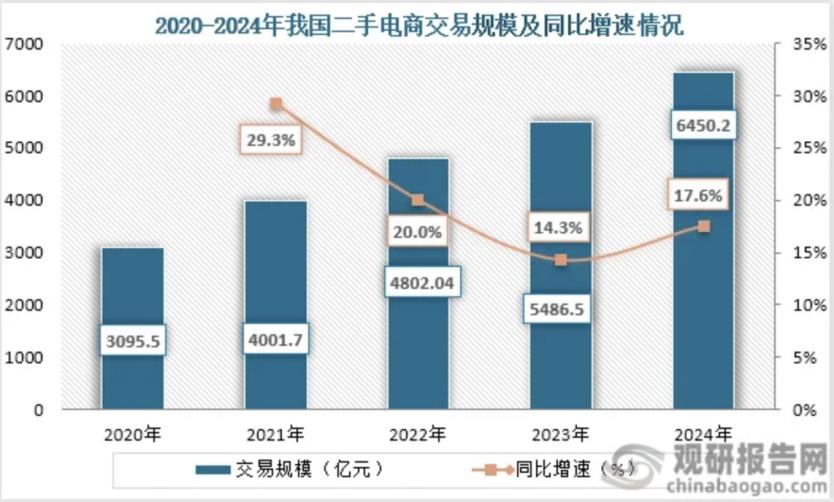
Core Insights - The article discusses the transformation of second-hand trading from a stigmatized activity to a mainstream consumption trend driven by rational consumer behavior and changing values among the younger generation [2][3][31]. Group 1: Growth of Second-Hand Trading - The second-hand e-commerce market in China is projected to reach a GMV of 1.95 trillion yuan in the first half of 2025, with a 2024 annual GMV of 1.1 trillion yuan for Pinduoduo, indicating a significant growth trajectory [4]. - The transaction volume for second-hand e-commerce in China is expected to reach 645 billion yuan in 2024, reflecting a year-on-year growth of 17.56% [4]. - The penetration rate of second-hand e-commerce in China increased from 24.5% in 2020 to 38.9% in 2024, with expectations to surpass 40% by 2025 [5][8]. Group 2: The Role of Generation Z - Generation Z, as digital natives, shows a higher engagement with the internet, with 179 million active users in October 2025, accounting for 14% of total internet users [9]. - Approximately 95% of Generation Z exhibits a strong willingness to spend, indicating robust consumer intent and capability [11]. - Generation Z's acceptance of second-hand trading is significantly higher than previous generations, viewing it as a smart and trendy lifestyle choice [13][14]. Group 3: Structural Changes in Consumption - The second-hand market is evolving from a supplementary consumption model to a mainstream necessity, with the number of product categories on leading platforms increasing from fewer than 20 to 38 by 2025 [18]. - The integration of quality assurance and after-sales services in second-hand platforms has enhanced consumer confidence, shifting the perception of second-hand goods from low-cost alternatives to value-driven choices [18]. - Complaints regarding second-hand platforms have risen, with issues such as product misrepresentation and refund difficulties becoming prevalent, highlighting the need for improved service standards [19][20]. Group 4: Policy and Market Dynamics - The Chinese Ministry of Commerce is promoting the second-hand market through pilot programs and standardization efforts, aiming to foster a diverse and orderly trading ecosystem [30]. - The shift towards rational consumption is seen as a long-term trend, with second-hand trading emerging as a key component of a 3 trillion yuan circular economy [31][32].

欧莱雅在中国市场遭遇“滑铁卢”,反应慢了?
Xi Niu Cai Jing· 2025-12-16 01:24
Core Insights - 2024 is expected to be a challenging year for L'Oréal, particularly in the Chinese market, which has become a significant concern for the company [2] Group 1: Financial Performance - L'Oréal achieved a record sales figure of €43.48 billion in 2024, representing a year-on-year growth of 5.1% [2] - The operating profit reached €8.688 billion, with a year-on-year increase of 6.7%, resulting in an operating margin of 20% [2] - The North Asia market, which includes China, reported a sales decline of €10.3 billion, down 3.2% year-on-year, making it the only region with negative growth among L'Oréal's five major markets [2] Group 2: Market Dynamics - The growth rate of L'Oréal in the Chinese market has been declining, with previous growth rates exceeding 20% from 2019 to 2021, but dropping to low single-digit growth from 2022 onwards [2] - The first quarter of 2024 showed decent performance, but the second quarter experienced negative growth, which continued into the third and fourth quarters [2] - Factors contributing to the negative growth in the North Asia market include weak selective channels and pressure on travel retail sales [2] Group 3: Competitive Landscape - L'Oréal's revenue in China is primarily driven by mass-market and premium cosmetics, with brands like L'Oréal Paris and Lancôme being significant contributors [3] - The mass-market segment faces intense competition from local skincare brands that are gaining popularity due to the "national trend" and high cost-performance ratios [3] - In the premium segment, consumers are becoming more discerning, often opting for "alternative" products instead of high-end offerings, which diminishes L'Oréal's previous pricing advantages [3][4] Group 4: Adaptability Challenges - Local brands are quicker to respond to market changes and consumer demands due to their advantages in channels and supply chains, putting L'Oréal at a disadvantage [4] - The beauty market's dynamics have shifted, requiring brands to adopt more agile and flexible strategies to keep pace with rapid changes [4] Group 5: Future Outlook - In the first three quarters of 2025, the North Asia market reported sales of €7.35 billion, with a slight year-on-year growth of 0.5%, indicating a low growth state [5] - The Chinese market remains a crucial revenue source for L'Oréal, necessitating a focus on market trends and consumer demand changes to potentially restore high growth in the future [5]


2025消费行业年度趋势分析报告
Sou Hu Cai Jing· 2025-12-15 17:11
Core Trends in the Consumer Industry - The consumer industry in 2025 is characterized by market polarization, organizational restructuring, multi-point industry explosions, and talent resilience [1] - Understanding these trends is essential for businesses, investors, and professionals to seize opportunities amid uncertainty [1] Market Trends: New Opportunities in Polarization - The consumer market is undergoing significant transformation, with the "middle price range" cooling, rational consumption rising, and the silver economy booming [3] - High-income consumers are pursuing quality upgrades, while low- to middle-income consumers focus on cost-effectiveness, leading to a notable "polarization" in consumption [4] - The core driver of consumption upgrade is "value recognition," with high-income consumers willing to pay a premium for innovative, socially responsible, and health-oriented products [4] - The tea beverage industry exemplifies this trend, with low-cost brands like Mixue Ice Cream seeing over 40% profit growth, while mid-range and high-end brands face declining profits [5] Rational Consumption Rise - The brand premium is diminishing, with consumers now prioritizing quality and effectiveness over brand recognition [6] - Consumers are increasingly pragmatic, utilizing both online and offline channels for price comparison and product selection [6] - The rise of "ingredient-focused" consumers and the popularity of private label products reflect this shift, with significant growth in ingredient searches on platforms like Tmall [7] Silver Economy: A New Growth Frontier - The silver economy is transitioning from a niche market to a trillion-dollar sector, driven by an aging population and stable income for retirees [8] - By 2035, the number of individuals aged 60 and above in China is expected to reach 480 million, providing a solid foundation for this market [9] - Various sectors, including finance, entertainment, and consumer goods, are witnessing significant growth, with health products and senior-friendly smart devices gaining traction [9] Organizational Trends: Streamlining and Empowerment - Consumer companies are undergoing profound changes in organizational structure, focusing on efficiency and agility [11] - Many companies are engaging in "slimming down" initiatives, shedding non-core operations to concentrate resources on key business areas [12] - Strategic roles are evolving from advisory to operational, requiring personnel to be deeply involved in business execution [14] Industry Trends: Diverse Growth Across Segments - The beauty and personal care sector is shifting from online dominance to a blend of online and offline experiences, emphasizing the importance of physical retail [20] - The food and beverage industry is experiencing steady growth, with a focus on health and quality, as well as a shift towards high-quality price competition [22] - The health supplement market is booming, with a projected market size of 355.4 billion yuan in 2024, driven by diverse consumer demands and innovative product forms [24] - The pet industry is expanding, with a focus on emotional spending and professional services, reflecting a shift towards health and companionship [26] - Outdoor sports are experiencing explosive growth, driven by increased health awareness and diverse leisure activities [28] - The tourism sector is evolving towards quality and experiential offerings, with new business models reshaping the industry landscape [32] Talent Market: Opportunities Amidst Challenges - The talent market is characterized by intensified competition and a focus on immediate capabilities, with companies prioritizing recent industry experience [38] - The demand for social e-commerce talent is surging, driven by the transformation of traditional fast-moving consumer goods (FMCG) channels [39] - Building career resilience is essential for professionals to navigate the evolving job landscape and seize emerging opportunities [41]

如果大家要多存钱,这5件事不要做
Sou Hu Cai Jing· 2025-12-11 16:31
Core Viewpoint - Increasing awareness of the importance of savings is evident, as it serves as a solid foundation for facing unexpected challenges and enhancing financial confidence, which can lead to wealth creation over time [2] Group 1: Financial Behavior - The phenomenon of "face consumption" is highlighted, where individuals overspend to maintain appearances, leading to financial strain and depletion of savings [4][5] - The pressure to keep up with peers can result in significant financial burdens, especially when it comes to large purchases like cars and homes [5] - Impulsive spending driven by promotional tactics can lead to unnecessary purchases, emphasizing the need for a rational approach to consumption [9] Group 2: Health and Financial Stability - Maintaining physical health is presented as a crucial strategy for avoiding high medical expenses, which can derail savings efforts [5] - Recommendations for managing work-related stress include regular exercise and taking breaks, which can prevent health issues that lead to costly medical bills [5] Group 3: Investment Caution - A warning is issued against high-risk investments, particularly those promising returns significantly above 5%, as they may pose a threat to principal amounts [11][12] - The importance of choosing low-risk investment options is emphasized for those lacking market knowledge, ensuring the safety of capital while accumulating wealth [12]

中国蓝观察丨“双十二”动静不大?消费市场与电商行业正在转身
Xin Lang Cai Jing· 2025-12-11 11:17
Core Insights - The "Double Twelve" shopping festival has lost its previous momentum, with a noticeable decline in consumer engagement and marketing efforts from platforms like Taobao [1][14] - The shift in consumer behavior towards more rational spending and skepticism about promotional pricing has contributed to the festival's reduced appeal [3][21] Group 1: Consumer Behavior - Consumers are expressing frustration over rising prices during the "Double Twelve" event, with many feeling overwhelmed by complex promotional rules [3][16] - The Z generation shows a lack of enthusiasm for traditional shopping festivals, focusing more on quality and actual needs rather than discounts [8][21] Group 2: Industry Trends - Industry experts agree that the decline in "Double Twelve" participation is a result of promotional fatigue following "Double Eleven" and the proximity to other major shopping events like New Year and Spring Festival [8][21] - E-commerce platforms are transitioning from price-driven promotions to a focus on "scene-based services," emphasizing year-end clearance and lifestyle integration [9][22] Group 3: Competitive Landscape - The significance of "Double Twelve" as a standalone shopping event is diminishing, but it still holds value as a year-end marketing opportunity [13][26] - E-commerce competition is evolving, with a shift towards creating emotional value and enhancing the connection between consumers and products, rather than solely relying on price reductions [13][26]



买盲盒“8岁”门槛形同虚设,别不当回事
Bei Jing Wan Bao· 2025-12-11 02:23
Group 1 - The core issue revolves around the sale of blind boxes to minors, highlighting the lack of enforcement regarding age restrictions and the potential for compulsive spending behavior among children [1][2] - Despite regulations established by the State Administration for Market Regulation two years ago, there is minimal oversight in retail environments, allowing children to purchase blind boxes without age verification [2] - The phenomenon of blind boxes is likened to gambling psychology, where the thrill of uncertainty can lead to compulsive consumption, particularly among children who lack the maturity to understand concepts like probability and randomness [2] Group 2 - The marketing strategy of blind boxes, characterized by "unknown + surprise," has rapidly attracted a young demographic, indicating a need for a more robust legal framework and regulatory system to manage this emerging consumer trend [2] - There is a call for a rational consumption mindset, emphasizing the importance of making informed and responsible choices based on individual needs and financial capabilities, rather than succumbing to marketing pressures [3] - The expectation is for a clearer and more effective regulatory system to protect children, alongside education on financial planning and the value of social interactions [3]
11月酒水销售,名酒也卷性价比
Sou Hu Cai Jing· 2025-12-10 07:30
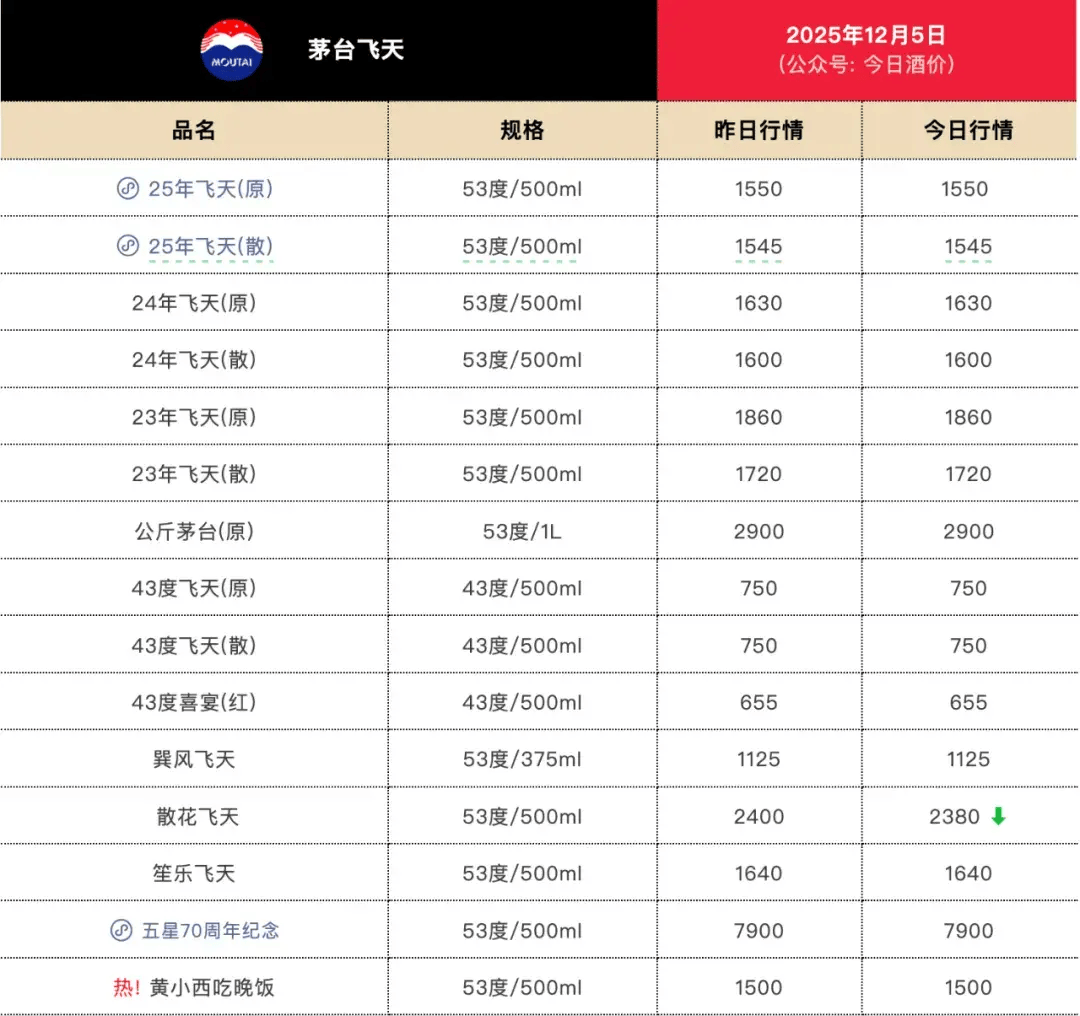
Core Insights - The article highlights the ongoing adjustment in the liquor industry, emphasizing the need for companies to accurately grasp market trends to remain competitive [1] - The data from the Double 11 shopping festival indicates a significant recovery in liquor consumption, with notable year-on-year growth in sales for major brands [2][6] - There is a shift towards value-for-money products as consumers become more rational in their purchasing behavior, impacting the sales dynamics of premium liquor [2][8] Summary by Category Sales Performance - Major liquor brands such as Wuliangye, Moutai, and Jian Nan Chun saw year-on-year transaction growth of 487%, 612%, and 556% respectively during the Double 11 event [2] - JD Supermarket reported an 18% year-on-year increase in liquor sales, with self-operated sales up by 32% [2] - Kuaishou's liquor sales exceeded a 206% increase during the same period, indicating a robust recovery in liquor consumption [2] Pricing Trends - The price of Moutai has dropped to around 1499 yuan after subsidies, with some platforms offering it as low as 1399 yuan, indicating a significant price pressure on the market [4] - The average price of Moutai is currently about 1550 yuan, which is close to the terminal market price, leading to further compression of channel profits [4] - A general decline in prices for various liquor brands has been observed, with some brands experiencing a drop in terminal market prices [5][6] Consumer Behavior - There is a noticeable increase in the sales of high-priced liquor (above 800 yuan) during the Double 11 period, with the segment accounting for 20.01% of total sales, up by 7.57 percentage points from the previous month [6][7] - Conversely, the lower price segments (100-300 yuan and below) have seen a decrease in market share, indicating a shift in consumer preference towards higher-value products [6][7] - The sales of domestic wines have surged in the 100-300 yuan price range, reflecting a growing preference for quality domestic products among consumers [14][16] Market Dynamics - The article suggests that the liquor industry is facing deeper structural issues, including insufficient consumer spending and changing demographics, leading to a phase of "volume contraction" [16][17] - The competitive landscape is characterized by a battle for market share among brands, with rational consumer behavior influencing purchasing decisions [16][17] - The article concludes that liquor companies must adapt to these market dynamics by adjusting production and pricing strategies to regain control over their pricing power [17]


价格“暗降”背后:五粮液十年首次让步,白酒行业告别虚火时代?
Sou Hu Cai Jing· 2025-12-09 06:00
Core Viewpoint - The recent news about Wuliangye's core product price "stealth reduction" has stirred the market, reflecting a significant shift in the liquor industry driven by market forces [1][3] Group 1: Price Adjustments and Market Dynamics - Wuliangye clarified that the factory price of its eighth-generation product remains at 1019 yuan per bottle, but the actual invoicing price has dropped to 900 yuan, potentially falling to over 800 yuan after rebates [1][3] - This marks the first price drop for the product in nearly a decade, indicating a deep adjustment in the liquor industry [1][3] - The price reduction is seen as a tactical compromise in response to channel pressures, as the market has shifted from a "price increase wave" to a "hidden current" of price reductions within a year [3] Group 2: Industry Challenges and Consumer Behavior - The liquor consumption landscape is shifting towards rationality, with a noticeable decline in gift and business consumption impacting mid-to-high-end markets, leading to high channel inventories and significant price discrepancies [3][4] - Wuliangye's revenue and net profit have both experienced negative growth for the first time in nearly a decade, highlighting the industry's challenges [3][4] - The current situation reflects a broader industry trend where many companies, except for a few like Moutai and Fenjiu, are facing performance declines, indicating a transition from a period of universal price increases to a more competitive environment [4] Group 3: Future Outlook and Strategic Shifts - The future of Wuliangye and the entire liquor industry hinges on moving away from reliance on "price increases and stockpiling" and achieving a sustainable growth model [6] - The company has diversified into sectors like aviation and new energy, but the core of its business remains dependent on market health [6] - A successful transition requires a focus on consumer insights, brand value construction, efficient channel management, and aligning product structures with the real consumption needs of emerging middle-class consumers [6]
电商运营:2025年双11期间电子商务用户体验与投诉数据报告
Sou Hu Cai Jing· 2025-12-08 16:30
Core Insights - The report indicates that during the 2025 Double Eleven shopping festival, total e-commerce sales reached 1.7 trillion yuan, marking a year-on-year growth of 14.2% [9][11] - The focus of consumer rights protection has shifted from "price wars" to "rule transparency" and "service experience" [9][11] - The top complaint issues include refund problems (19.73%), followed by arbitrary refunds (11.65%) and product quality issues (8.27%) [13][14] Overall Data - The top ten complaint issues during the Double Eleven period are as follows: - Refund issues: 19.73% - Arbitrary refunds: 11.65% - Product quality: 8.27% - Overly protective of consumers: 6.84% - After-sales service: 6.12% - Online fraud: 5.66% - Unfair clauses: 3.78% - Withholding deposits: 3.58% - Arbitrary fines: 3.32% - Online counterfeiting: 2.60% [13][14] Complaint Distribution - The top regions for complaints are: - Guangdong Province: 20.57% - Zhejiang Province: 9.18% - Shandong Province: 6.90% - Henan Province: 5.92% - Jiangsu Province: 5.53% [16] - The gender distribution of complaints shows that male users account for 71.88% while female users account for 28.13% [18] Complaint Amount Distribution - The distribution of complaint amounts is primarily concentrated in the following ranges: - 0-50,000 yuan: 32.16% - 100-500 yuan: 14.32% - 0-100 yuan: 13.74% - 1,000-5,000 yuan: 8.33% [20] Rating Data and Typical Cases - The rating results for platforms during the Double Eleven period are as follows: - Recommended for order: Zhuanzhuan, Tuhu Car Maintenance, Wanshifu - Caution advised: Meituan, Douyin E-commerce - Not recommended: Xiaohongshu, BOSS Zhipin - Not rated: Taobao, Tmall, etc. [22][23] - Typical complaint cases cover both digital retail and life service e-commerce sectors, highlighting issues such as refund delays and poor customer service [12][30]



明辨促销陷阱 购物不踩坑 中消协发布“双十二”消费提示
Ren Min Wang· 2025-12-08 03:01
Core Viewpoint - The article emphasizes the importance of consumer awareness and caution during the upcoming "Double Twelve" shopping season, highlighting various promotional tactics that may mislead consumers and suggesting ways to protect their rights and make informed purchasing decisions. Group 1: Price Awareness - Consumers should be wary of "price magic," where sellers may inflate prices before promotions, creating a false impression of discounts. It is advised to monitor price fluctuations and verify price authenticity using comparison tools [1] - The article warns against "price assassins," where products may not clearly display prices, leading to unexpected costs at checkout. Consumers are encouraged to verify price tags against final charges [4] Group 2: Promotion Complexity - Consumers are advised to avoid "coupon mazes," where complex promotional rules can lead to confusion and potential loss of discounts. It is recommended to read promotional terms carefully and opt for simpler offers [2] - The article highlights the risk of "discount traps," where promotions come with numerous restrictions that may prevent consumers from benefiting. It is crucial to confirm the applicability of discounts before purchase [3] Group 3: Marketing Integrity - Consumers should discern the authenticity of marketing claims, resisting exaggerated advertisements that may mislead. Verification of product details and user reviews is essential to avoid being influenced by false promotions [5] - The article cautions against blindly following "low price" claims, urging consumers to assess the actual value of products rather than succumbing to impulsive buying due to perceived bargains [6] Group 4: Financial Prudence - The article advises consumers to plan their purchases based on actual needs and financial capacity to avoid unnecessary debt during the shopping season. It emphasizes the importance of understanding credit terms and avoiding overspending [7] - Consumers are encouraged to retain shopping receipts and evidence of promotions to facilitate potential claims for quality issues or discrepancies in orders, ensuring they can assert their rights effectively [8][9]