精细化运营

Search documents
广发证券:首予裕元集团“买入”评级 合理价值19.99港元
Zhi Tong Cai Jing· 2026-01-05 02:09
Group 1: Core Insights - The company, Yue Yuen Industrial Holdings Limited (00551), is the world's largest athletic shoe manufacturer, with a dual-driven business model of manufacturing and retail [1] - The manufacturing segment is expected to see revenue and profitability improvements due to rising volume and price [1] - The company has a target price of HKD 19.99 per share, with earnings per share projected at USD 0.23, 0.26, and 0.28 for FY25-27 [1] Group 2: Manufacturing Business - The outlook for the athletic footwear OEM industry is positive for 2026, driven by clearer U.S. tariff policies and a recovery in brand client order patterns [1] - 2026 is anticipated to be a "super year" for sports events, which is expected to boost downstream demand [1] - The company is enhancing its manufacturing capabilities through various initiatives, including new capacity ramp-up and digital management improvements [1] Group 3: Retail Business - The retail segment is expected to experience a turnaround in performance, supported by a recovering demand in China's athletic footwear market [2] - The company is actively pursuing refined operations and a multi-channel retail strategy to optimize inventory and improve sales [2] - Collaborations with brand partners are expected to enhance inventory structure through shared platforms [2]

深市公司2025业绩预告密集亮相 多赛道企业释放稳健向好信号
Zheng Quan Ri Bao Wang· 2026-01-04 12:24
Core Viewpoint - Multiple companies listed on the Shenzhen Stock Exchange, including Qinghai Salt Lake Industry Co., Ltd., Guangzhou Tinci Materials Technology Co., Ltd., and Hunan Huazhong Steel Co., Ltd., have released positive performance forecasts for 2025, indicating stable operations and improving performance across various sectors [1] Group 1: Internal Empowerment - Companies are leveraging innovation and collaboration to build core competitive advantages, with a focus on technological breakthroughs and operational efficiency [2] - Tinci Materials is enhancing its product performance and cost control through R&D in new energy materials, creating a robust innovation platform that supports high-value product development [2] - Salt Lake Industry is utilizing full industry chain collaboration and lean management to strengthen its core competitiveness, projecting a net profit of 8.29 billion to 8.89 billion yuan for 2025, representing a year-on-year increase of 77.78% to 90.65% [3] Group 2: External Leverage - External policies and industry cycles are providing significant support for company growth, with national strategies in technology innovation and green development opening new growth avenues [5] - Huazhong Steel is adapting to market demands and pushing for efficiency improvements, expecting a net profit of 2.6 billion to 3 billion yuan for 2025, a year-on-year increase of 27.97% to 47.66% [6] - The child and maternal retail sector, represented by Kidswant, is experiencing a transformation driven by policy support and consumer upgrades, focusing on a comprehensive consumption ecosystem [6][7] - Companies are proactively capitalizing on external opportunities by optimizing supply chains and expanding market presence, translating external benefits into tangible performance growth [7]


电商智能客服系统:从成本中心到利润增长点的进化之路
Sou Hu Cai Jing· 2026-01-04 08:47
Core Insights - The e-commerce market is witnessing a transformation in customer service, shifting from a "cost center" to a growth driver through advanced AI customer service platforms [1][5] - A mature e-commerce intelligent customer service system integrates data analysis, precise marketing, and efficiency enhancement, serving as a core operational tool [1] Group 1: Challenges and Solutions - Multi-platform merchants face management challenges due to dispersed consultation channels and non-standardized services across platforms like Taobao, JD, and Pinduoduo [3] - An effective e-commerce intelligent customer service system can unify service across platforms, adapting to communication habits and product characteristics through deep learning [3] - The introduction of intelligent systems can handle up to 90% of common inquiries, significantly reducing labor and training costs while allowing human agents to focus on high-value customer interactions [3] Group 2: Value Creation and Investment - Modern e-commerce intelligent customer service systems act as intelligent sales assistants, capable of interpreting user intent and proactively recommending products based on customer inquiries [5] - This proactive marketing capability turns every customer interaction into a potential sales opportunity, effectively transforming the service chain into a sales chain [5] - Investing in a comprehensive e-commerce intelligent customer service system is seen as an investment in sustainable growth, equipping stores with a continuous customer relationship management and sales promotion center [5]


新股消息 | Pinecone Wisdom Inc.递表港交所 为中国共享电单车服务供货商
智通财经网· 2026-01-04 01:35
Company Overview - Pinecone Wisdom Inc. is a leading shared electric bike service provider in China, ranked as the largest operator in peripheral development areas and fourth overall in the Chinese market as of 2024 [5] - As of September 30, 2025, the company has deployed 454,627 shared electric bikes across 422 cities and counties, with registered users increasing from 99 million in 2023 to 128.3 million by September 2025 [5] - The core business model revolves around shared electric bike services, supported by platform services, advertising through the Pinecone Travel app, and sales of bikes and spare parts to partners and customers [5] Financial Data - The company reported revenues of approximately RMB 953.33 million for 2023, RMB 962.75 million for 2024, and RMB 745.84 million for the nine months ending September 30, 2025 [9] - Gross profit figures were RMB 150.72 million in 2023, RMB 181.68 million in 2024, and RMB 181.28 million for the nine months ending September 30, 2025 [11] - The company recorded net losses of RMB 192.17 million in 2023, RMB 151.09 million in 2024, and RMB 59.99 million for the nine months ending September 30, 2025 [10] Industry Overview - The shared electric bike industry in China is experiencing rapid growth, with market size increasing from RMB 2.2 billion in 2019 to an estimated RMB 16.6 billion by 2024, reflecting a compound annual growth rate (CAGR) of 49.7% [12] - The transaction value in peripheral development areas is projected to grow from RMB 1 billion in 2019 to RMB 4.4 billion by 2024, with a CAGR of 33.6% [15] - In urban areas, the transaction value is expected to rise from RMB 1.2 billion in 2019 to RMB 12.2 billion by 2024, with a CAGR of 59.8% [15]
华夏银行近日对管理层业务分工进行重要调整,副行长唐一鸣在分管科技基础上兼管零售条线,高波则转向分管金融市场业务。这次调整标志着华夏银行在数字化转型和零售业务深度融合上迈出关键一步。作为总资产达4.6万亿的全国性股份制银行,此次人事变动背后是新任董事长杨书剑推动的全面改革,涉及组织架构优化、...
Sou Hu Cai Jing· 2026-01-02 05:51
Group 1 - The core viewpoint of the article highlights the significant management restructuring at Huaxia Bank, with Vice President Tang Yiming taking on retail operations in addition to technology, while Gao Bo shifts to oversee financial market operations. This adjustment signifies a critical step in the bank's digital transformation and integration of retail business [1] - The restructuring is part of a broader reform initiated by the new chairman Yang Shujian, focusing on optimizing organizational structure and reshaping corporate culture across multiple dimensions [1] - In the context of narrowing interest margins and declining LPR in the banking industry, Huaxia Bank's adjustments reflect a shift from extensive growth to refined operations, emphasizing the importance of digital capabilities as a key to overcoming challenges [1] Group 2 - The appointment of executives from Beijing Bank, such as Tang Yiming and Gong Weihua, forms a core team for the technology sector, which may accelerate Huaxia Bank's digital transformation process [1] - The reassignment of Gao Bo, who has extensive retail experience, to financial markets may aim to enhance the synergy between funding operations and the retail segment [1] - The bank's third-quarter report indicates a continuous improvement in non-performing loan ratios, suggesting initial validation of the reform's effectiveness, but the true test lies in whether organizational changes can stimulate innovative vitality and create differentiated competitive advantages in wealth management and other niche areas [1]

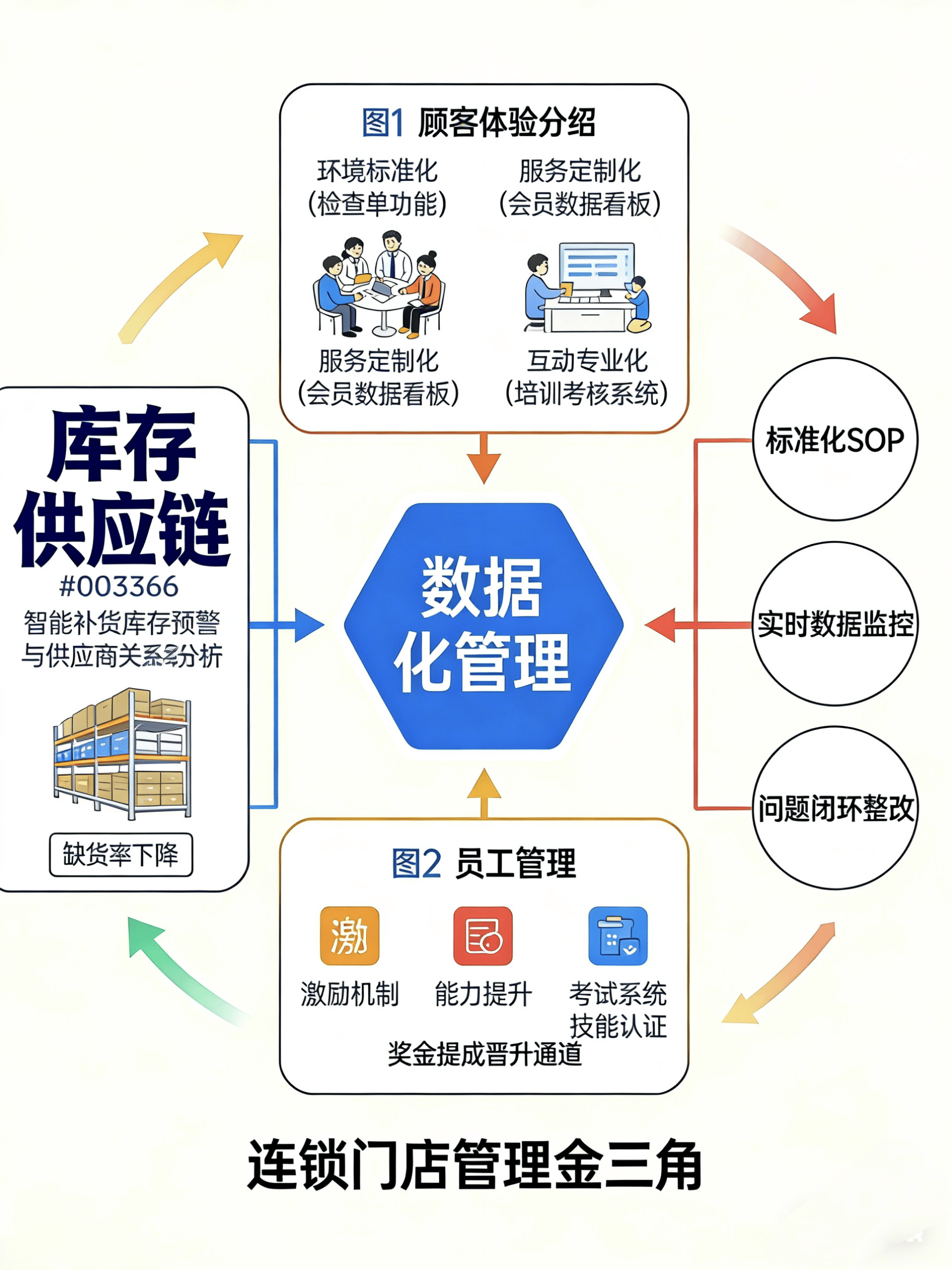
连锁门店扩张总翻车?资深店长 3 招,从保本到爆单!
Sou Hu Cai Jing· 2025-12-30 18:57
Core Insights - The article discusses the challenges faced by chain store owners during expansion, emphasizing the importance of managing "people, goods, and customers" effectively to avoid operational chaos [1] Group 1: Customer Experience - Customer experience is a comprehensive process that significantly impacts repeat purchase rates, with satisfied customers being three times more likely to return than average customers [5] - Creating a memorable environment is crucial, with factors like lighting, layout, background music, and scent playing a vital role in shaping first impressions [5] - Traditional management methods relying on paper checklists are ineffective; using digital tools like Qijings' checklist feature can streamline SOP execution and enhance accountability [5][15] Group 2: Employee Management - Employee motivation is essential for driving sales and enhancing customer experience; a dual approach of material and spiritual incentives is recommended [17] - Effective training programs should be implemented to improve product knowledge and service skills, with assessments to measure training effectiveness [17] - Fostering a sense of belonging through team-building activities can enhance employee engagement and performance [17] Group 3: Inventory and Supply Chain Management - Proper inventory and supply chain management are critical for controlling costs and ensuring customer satisfaction; accurate demand forecasting based on historical sales data and market trends is necessary [23] - Digital tools can facilitate data collection and analysis, allowing for real-time inventory management and decision-making [23][31] - Regularly reviewing sales data and collaborating with reliable suppliers can optimize inventory turnover and maintain product quality [33]
洪恩第三季度稳健经营持续盈利 精进产品矩阵与场景布局
Zheng Quan Ri Bao Wang· 2025-12-30 07:14
Core Insights - The article highlights the strong financial performance of Hongen Education Technology Co., Ltd., reporting a revenue of 205.8 million yuan and a net profit of 21.6 million yuan for Q3 2025, marking 15 consecutive quarters of profitability [1][2] Group 1: Financial Performance - Hongen achieved a revenue of 205.8 million yuan and a net profit of 21.6 million yuan in Q3 2025, demonstrating steady growth [1] - The company has maintained profitability for 15 consecutive quarters, indicating a robust financial health [1] Group 2: Business Model and Strategy - Hongen's "three driving forces" business model includes product diversification, continuous optimization of customer acquisition efficiency, and brand asset enhancement [1][2] - The launch of the AI partner product addresses market needs for "eye protection + emotional companionship," enhancing product diversity [1] - The strategy of integrating products into smart speakers and in-car systems allows for natural user engagement without additional marketing efforts, improving customer acquisition cost-effectiveness [1] - The continuous operation of proprietary IP, such as the second season of "Rainbow Guardians," contributes to building a content moat and enhancing brand assets [2]

亲历外卖补贴过山车:他们的爆单、疲惫与重新算账
Di Yi Cai Jing Zi Xun· 2025-12-27 11:20
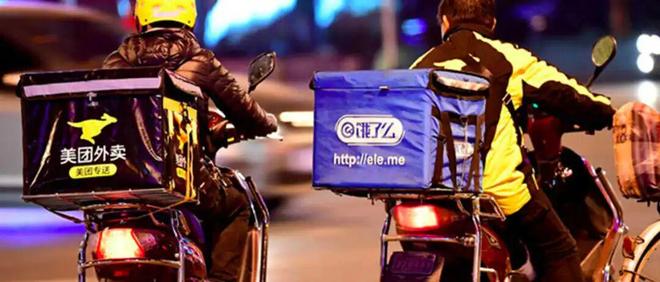
Core Insights - The recent food delivery war, characterized by over 10 billion yuan in subsidies from major platforms like Meituan, Taobao, and JD, has significantly impacted the industry, leading to increased order volumes but decreased profitability for many merchants [2][3][4] - The competition has altered consumer habits, with a notable shift towards delivery over dine-in, and has resulted in a waste of resources due to excessive promotions [6][9] Group 1: Impact on Merchants - Many merchants, like Yu Li, experienced a surge in sales during the subsidy war, with revenues exceeding 200,000 yuan in July compared to 50,000 yuan in July 2024, but faced doubled costs leading to negligible profits [3][4] - The average order value dropped from over 30 yuan to around 15 yuan during the subsidy period, affecting overall profitability [3][4] - Merchants like Huang Lin noted that low-priced subsidized items did not retain customers, and profits were higher when not participating in such promotions [4] Group 2: Impact on Delivery Riders - Delivery riders, such as Zhou Pengfei, reported increased earnings during the subsidy war, with daily incomes rising by 5,000 yuan and peak earnings exceeding 900 yuan on high-demand days [5] - The number of delivery riders has nearly doubled in some areas, indicating a significant increase in workforce due to the heightened demand [7] Group 3: Financial Performance of Platforms - Meituan reported a 2.8% year-on-year decline in revenue for its core local business in Q3, resulting in an operating loss of 14.1 billion yuan [7] - Alibaba's instant retail business saw a 60% year-on-year revenue increase, but adjusted EBITA fell by 78% to 907.3 million yuan due to investments in user experience and technology [7] Group 4: Industry Trends and Future Outlook - The food delivery industry is expected to enter a new phase as subsidies decrease and regulatory scrutiny increases, with a focus on sustainable operations and improved merchant profitability [10][11] - Platforms are shifting from aggressive market capture strategies to refined operations, aiming to balance user experience with commercial sustainability [10] - Regulatory bodies are emphasizing the protection of small merchants and the establishment of a more rational competitive environment [9][10]


刘强东直播炒菜的那个百亿大项目,如今怎么样了?
Bei Jing Shang Bao· 2025-12-25 23:14
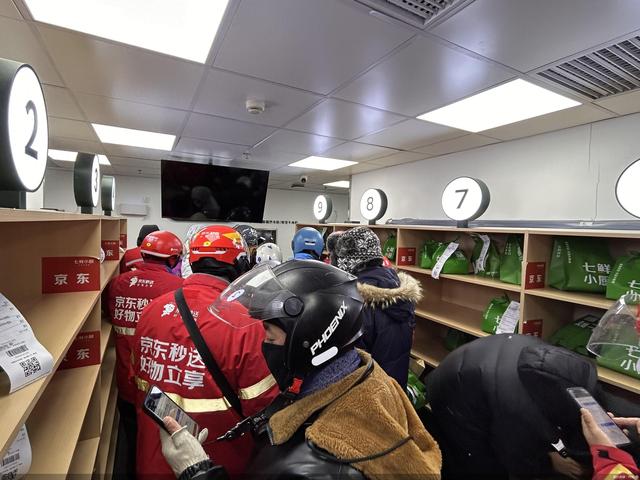
Core Insights - The article discusses the rapid expansion and competitive landscape of the instant retail market in China, particularly focusing on the performance and strategies of companies like JD.com, Meituan, and Alibaba in the context of the Seven Fresh Kitchen initiative [1][2][3][4][6]. Group 1: Company Expansion and Performance - Seven Fresh Kitchen has opened 30 locations in Beijing, achieving coverage within the city's Fifth Ring Road [1][2]. - JD.com plans to invest over 10 billion yuan to establish more than 10,000 Seven Fresh Kitchen outlets nationwide within three years [2]. - In less than three hours of operation, all Seven Fresh Kitchen stores in Beijing received over 16,000 orders, indicating strong demand driven by marketing activities [2]. Group 2: Competitive Landscape - The competition among JD.com, Meituan, and Alibaba in the instant retail sector is described as a "three-way battle," with each company employing various strategies to capture market share [3][4]. - JD.com has adopted a strategy focused on quality and zero commission for riders, leading to a rapid increase in daily order volume [3]. - Meituan has shifted its focus to instant retail, enhancing its service offerings and increasing the number of its flash warehouses to over 30,000 [4]. Group 3: Market Trends and Projections - The instant retail market in China is projected to reach 971.4 billion yuan by 2025, with expectations to exceed 1 trillion yuan by 2026 and potentially reach 2 trillion yuan by 2030 [7]. - The competition is shifting from acquiring new users to maximizing the value of existing users, indicating a transition to a "stock game" [7]. - Companies are increasingly focusing on operational efficiency, supply chain management, and ecosystem collaboration as key competitive factors beyond just subsidies and order volume [7].

七鲜小厨在京扩张:即时零售流量战转向效率战
Bei Jing Ri Bao Ke Hu Duan· 2025-12-25 16:32
Core Insights - The e-commerce industry is transitioning from scale expansion to efficiency and sustainability as it enters a period of stock competition in 2025 [1] - Major players like JD, Meituan, and Alibaba are intensifying their competition in instant retail, focusing on ecosystem capabilities rather than just price wars [1][5] - The market for instant retail is expected to reach 971.4 billion yuan in 2025, with a projected annual growth rate of 12.6% during the 14th Five-Year Plan period [8] Group 1: Market Dynamics - Instant retail is anticipated to explode in 2025, with significant marketing activities driving order volumes, such as the recent promotion by Seven Fresh Kitchen in Beijing [2][4] - The competition among JD, Meituan, and Alibaba has escalated, with each company employing various strategies to capture market share, including subsidies and operational adjustments [5][6] - The shift in focus from user growth to maximizing existing user value marks a significant change in competitive strategy within the industry [8] Group 2: Company Strategies - JD has launched initiatives like "Seven Fresh Kitchen" and is leveraging its supply chain capabilities to reduce costs and enhance efficiency [7] - Alibaba is integrating its e-commerce resources to enhance user experience and profitability, focusing on high-value users and expanding product categories [7] - Meituan is reinforcing its position in instant retail by enhancing its service offerings and streamlining operations, including the closure of non-core businesses [6] Group 3: Financial Performance - In Q3, Alibaba's instant retail revenue grew by 60% year-on-year, while JD's new business segment saw a 12.56% quarter-on-quarter increase [7] - Despite revenue growth, Alibaba's operating profit fell by 85% in the same quarter, highlighting the challenges of sustaining high levels of subsidies [7]