资源安全

Search documents
中信证券:资源安全、企业出海和科技竞争依然是市场最重要结构性行情线索
Zhi Tong Cai Jing· 2025-09-28 11:49
Core Viewpoint - The report from CITIC Securities emphasizes that resource security, Chinese enterprises going global, and technological competition will be key drivers of market structural trends in the foreseeable future. These themes correspond to an industry allocation framework of resources, globalization, and new productive forces [1]. Group 1: Resource Security - Traditional resource industries are facing frequent supply shocks due to insufficient investment in a high-interest-rate environment, particularly in developed countries where private sector investment remains weak [1]. - The capital expenditure of traditional industrial enterprises in Europe and the U.S. has been low, with Japan's machine tool orders to Europe and the U.S. showing 28 consecutive months of negative growth [1]. - Predictions for major copper mining companies indicate a downward adjustment in production forecasts from 14.89 million tons to 14.21 million tons for 2025, with growth rates dropping from 6.4% to 0.6% [1]. Group 2: Supply Chain and Geopolitical Factors - Geopolitical tensions and national security policies are leading to more frequent supply shocks, as seen in the Democratic Republic of Congo's new cobalt export policies and Indonesia's tightening of nickel exports [2]. - Countries rich in strategic resources are increasingly recognizing the unsustainability of long-term low pricing and are controlling supply to maintain favorable price levels [2]. Group 3: Enterprises Going Global - The globalization of Chinese enterprises is a core fundamental driver of the current market, with companies generating over 20% of their revenue from overseas contributing 40% of profits and 37% of market capitalization [3]. - The return on equity (ROE) for non-financial A-share companies with significant overseas revenue has increased from around 7% in early 2022 to about 10%, while other companies' ROE has declined from 9% to around 6% [3]. - A stable trade environment is crucial for the sustainability of Chinese enterprises' globalization efforts, with the recent A-share market rally linked to improved trade relations following negotiations [4]. Group 4: Technological Competition - Chinese tech giants are increasingly clarifying their AI strategies, with significant investments announced by companies like Alibaba and Tencent, indicating a shift towards aggressive AI infrastructure development [6]. - The global AI investment market is projected to grow significantly, with a compound annual growth rate (CAGR) of 31.9% from 2025 to 2029, highlighting the competitive landscape [6]. - The potential shift of AI focus from cloud to edge computing presents significant opportunities for domestic applications, allowing for a resurgence in the Chinese mobile internet sector [7].

帮主郑重:政策喊多有色金属,为啥铜铝还在跌?看懂长期逻辑再下手
Sou Hu Cai Jing· 2025-09-28 10:36
Core Insights - The recent policy from eight departments aims to stabilize growth in the non-ferrous metals industry, focusing on resource exploration and recycling [1][3] - Despite the positive outlook from the policy, market reactions have been negative, with declines in ETFs and key metals like copper and aluminum [1][3] Policy Details - The policy emphasizes two main areas: resource exploration and technological advancements [3] - It targets essential metals such as copper, aluminum, lithium, and nickel, which are crucial for manufacturing and the new energy sector [3] - Significant discoveries include a billion-ton copper reserve in Tibet and Asia's largest lithium mine in Sichuan, enhancing supply chain security [3] - There is a focus on improving recovery rates for low-grade ores and recycling waste materials, with plans for data platforms to enhance resource utilization efficiency [3] Market Reactions - Short-term market sentiment is sensitive, influenced by concerns over demand and external factors like Federal Reserve policies, leading to market adjustments [3] - Long-term prospects remain solid due to the core principles of resource scarcity and policy support, indicating a stable development direction for the industry over the next two to three years [3] Investment Opportunities - Companies with resource reserves are likely to benefit from increased mining rights opportunities, especially those with established positions in key domestic mining areas [4] - Firms specializing in technology for low-grade ore extraction and recycling will gain significant leverage in the market [4] - Sectors related to new energy, particularly lithium, nickel, and cobalt, are expected to see sustained demand supported by policy measures ensuring resource availability [4]

不法分子企图将金属锑偷运出境 警民联动抓获犯罪嫌疑人8名
Yang Shi Xin Wen· 2025-09-27 00:33
Core Insights - The article highlights the strategic importance of antimony, a rare metal used in various industries, particularly in high-performance weapon manufacturing, and its classification as a critical mineral by multiple countries [1][3] - In response to the increasing demand and tightening supply of antimony, the Chinese government has implemented export controls to safeguard its strategic reserves, leading to illegal smuggling attempts by criminal groups [2][3] Group 1: Antimony's Strategic Importance - Antimony is recognized as a strategic resource essential for national defense, technological advancement, and industrial upgrading, making it a key material for China's development [3] - The international market for antimony is experiencing supply constraints, resulting in rising prices and widening price differentials between domestic and international markets [2] Group 2: Illegal Smuggling Activities - Criminal groups are attempting to smuggle antimony out of China due to high profit margins, with recent operations leading to the arrest of multiple suspects and the seizure of significant quantities of antimony [2] - One particular smuggling operation involved a family-based criminal group coordinating with an overseas financier to illegally export high-purity antimony ingots [2] Group 3: Government Response and Public Involvement - The Chinese government, through national security agencies, is actively combating illegal smuggling of antimony and has encouraged public reporting of suspicious activities to enhance resource security [3]
格林美:打造新能源“金属粮仓”,赴港上市谋局全球供应链
Zhi Tong Cai Jing· 2025-09-25 13:38
Core Viewpoint - Greeenme (002340.SZ) is a key player in China's new energy industry, transitioning from electronic waste processing to becoming a global leader in new energy materials manufacturing and critical metal resource recovery [1][2]. Group 1: Business Model and Market Position - Greenme's unique business model integrates "resource recovery" and "material remanufacturing," aligning with the themes of "carbon neutrality" and "resource security" [2]. - The company is a leader in the recovery of nickel, cobalt, and tungsten resources in China, with its lithium-ion battery and scrapped vehicle recovery business being particularly prominent [2]. - Greenme holds a top position in the domestic third-party retired lithium-ion battery recovery sector, accounting for over 10% of China's total recovery volume [2]. Group 2: Financial Performance and Growth - The company's total revenue is projected to grow from 29.392 billion in 2022 to 33.199 billion in 2024, reflecting a compound annual growth rate (CAGR) of approximately 6.3% [4]. - The revenue structure is shifting, with the share of revenue from new energy materials decreasing from 74.2% in 2022 to 60.0% in 2024, while the share from critical metal resources, particularly nickel products, is increasing from 16.9% to 30.4% [4]. Group 3: Capital Expenditure and Financing Strategy - Greenme's ongoing global expansion, particularly in nickel resource and ternary material base construction in Indonesia, has led to significant capital expenditures, resulting in consistently negative cash flow from investment activities [3][6]. - The new H-share financing channel aims to alleviate capital pressure and improve the company's balance sheet structure, while also attracting international long-term capital focused on green economy and ESG investments [3]. Group 4: Market Trends and Future Outlook - The upcoming "retirement wave" of power batteries is expected to create a significant market opportunity, with a projected CAGR of 52.1% for retired electric vehicle batteries from 2024 to 2030 [7]. - The demand for long-range electric vehicles is driving the penetration of high-nickel ternary precursors, expected to rise from 35.2% in 2024 to 70.0% by 2030, positioning Greenme favorably in this high-value growth trend [7]. Group 5: Strategic Challenges - Despite steady revenue growth, the company's net profit shows significant volatility, primarily due to its reliance on the prices of bulk commodities like nickel and cobalt, which are subject to global supply and demand fluctuations [5]. - The high capital expenditure strategy has resulted in a cash flow model typical of growth companies, heavily reliant on external financing to meet investment needs, raising concerns about sustainability if market demand falls short [6]. - The company's high growth and investment strategy, coupled with a high debt structure and potential liquidity risks, pose significant financial challenges in the short to medium term [8].

新股前瞻 | 格林美:打造新能源“金属粮仓”,赴港上市谋局全球供应链
Zhi Tong Cai Jing· 2025-09-25 12:35
Core Viewpoint - The company, Greeenme (002340.SZ), is a key player in China's new energy industry, focusing on "pollution elimination and resource regeneration," and is planning to issue H-shares in Hong Kong to optimize its capital structure and support its global expansion strategy [1][3]. Group 1: Business Model and Market Position - Greenme occupies a strategic position in the new energy supply chain, with a unique business model that integrates "resource recovery and material regeneration," aligning with the themes of "carbon neutrality" and "resource security" [2]. - The company is a leader in the recovery of nickel, cobalt, and tungsten resources in China, particularly excelling in the recycling of lithium-ion batteries and scrapped vehicles, capturing over 10% of China's total recycling volume in the third-party retired lithium-ion battery sector [2]. - Greenme's vertical integration capability, which allows it to produce key materials for ternary lithium batteries from recycled resources, creates barriers in cost control and supply chain security [2]. Group 2: Financial Performance and Challenges - The company's total revenue is projected to grow from 29.392 billion in 2022 to 33.199 billion in 2024, reflecting a compound annual growth rate (CAGR) of approximately 6.3% [4]. - Despite steady revenue growth, the company's net profit shows significant volatility, primarily due to its reliance on the prices of bulk commodities like nickel and cobalt, which are subject to global supply and demand fluctuations [5]. - Continuous capital expenditures have led to negative cash flow from investment activities, indicating a reliance on external financing to meet substantial investment needs [6]. Group 3: Market Opportunities - The upcoming "retirement wave" of power batteries is expected to create a significant market opportunity, with a projected CAGR of 52.1% for retired electric vehicle batteries from 2024 to 2030 [7]. - The demand for high-nickel ternary precursors is anticipated to increase, with penetration rates expected to rise from 35.2% in 2024 to 70.0% by 2030, positioning Greenme to capitalize on this high-value growth trend [7]. Group 4: Strategic Outlook - Greenme's unique resource closed-loop model and technological barriers in the new materials sector provide long-term strategic investment value, particularly in the context of the "power battery retirement wave" and "resource security" [8]. - The company's aggressive growth strategy, coupled with high debt levels and potential liquidity risks, presents significant financial challenges in the short to medium term [8].
新股前瞻 | 格林美(002340.SZ):打造新能源“金属粮仓”,赴港上市谋局全球供应链
智通财经网· 2025-09-25 12:31
Core Viewpoint - Greeenme's unique position in China's new energy industry is highlighted, focusing on its mission to eliminate pollution and recycle resources, evolving from electronic waste processing to a global leader in new energy materials and key metal resource recovery [1][2]. Group 1: Business Model and Market Position - Greenme's business model integrates "urban mining" and "new energy materials," aligning with the themes of carbon neutrality and resource security [2]. - The company is a leader in the recovery of nickel, cobalt, and tungsten resources in China, with its lithium-ion battery and scrapped vehicle recovery business being particularly significant [2]. - Greenme holds a top position in the domestic third-party retired lithium-ion battery recovery sector, accounting for over 10% of China's total recovery volume [2]. - The company focuses on producing key materials for ternary lithium batteries, ranking among the global leaders in both ternary precursors and cobalt oxide production [2]. Group 2: Financial Performance and Challenges - Greenme's total revenue is projected to grow from CNY 29.392 billion in 2022 to CNY 33.199 billion in 2024, reflecting a compound annual growth rate (CAGR) of approximately 6.3% [4]. - The revenue structure is shifting, with the share of revenue from new energy materials decreasing from 74.2% in 2022 to 60.0% in 2024, while the share from key metal resources, particularly nickel, is increasing from 16.9% to 30.4% [4]. - Despite steady revenue growth, the company's net profit shows significant volatility, primarily due to its reliance on the prices of commodities like nickel and cobalt, which are subject to global supply and demand fluctuations [5]. - The company recorded a non-financial asset impairment loss of CNY 830 million in 2023, largely due to inventory write-downs, indicating high sensitivity of profitability to external market factors [5]. Group 3: Capital Strategy and Global Expansion - Greenme's ongoing global expansion, particularly in nickel resource and ternary material base construction in Indonesia, has led to substantial capital expenditures, resulting in negative cash flow from investment activities [3][6]. - The upcoming H-share issuance aims to alleviate capital pressure, improve the company's balance sheet, and attract international long-term capital focused on green economy and ESG investments [3]. - The anticipated "retirement wave" of power batteries is expected to peak between 2027 and 2030, providing a significant growth market for Greenme, with a projected CAGR of 52.1% for retired electric vehicle batteries from 2024 to 2030 [7]. - The demand for high-nickel ternary precursors is expected to rise, with penetration rates increasing from 35.2% in 2024 to 70.0% by 2030, positioning Greenme to capitalize on this high-value growth trend [7]. Group 4: Strategic Outlook - Greenme's unique resource recycling model and technological barriers in new materials, particularly in the context of the "power battery retirement wave" and "resource security," provide long-term strategic investment value [8]. - However, the company's high-growth, high-investment strategy is accompanied by a high debt structure and potential liquidity risks, posing significant financial challenges in the short to medium term [8]. - The A+H listing represents a strategic move to balance global expansion with financial risks, necessitating careful evaluation of the company's long-term value against short-term risks [8].
中国发现世界级金矿!1500吨黄金资源背后的大国崛起
Sou Hu Cai Jing· 2025-09-14 20:12
Group 1 - The discovery of 1500 tons of gold in Liaoning marks a significant breakthrough in China's gold exploration, positioning it among the world's top gold mines [1][2][13] - This discovery enhances China's economic security and its status in the global mineral resource landscape, shifting from a passive consumer to an active player with increased pricing power [2][4] Group 2 - The Chinese government has invested nearly 450 billion yuan in geological exploration during the 14th Five-Year Plan, leading to significant discoveries across various mineral sectors, including oil and gas [2][4] - The emergence of a new "Asia Lithium Belt" across multiple provinces supports the growth of China's new energy industry, while breakthroughs in helium extraction technology reduce reliance on imports [4][11] Group 3 - Advanced drilling technologies have enabled significant discoveries, with China's deep drilling record reaching 4006.17 meters, showcasing the country's technological advancements in mineral exploration [6][11] - The increase in mineral resources, including oil, natural gas, and strategic minerals, strengthens China's economic resilience against global market fluctuations [7][8] Group 4 - The discovery of high-purity quartz, essential for high-tech industries, reflects China's shift towards innovative and efficient mineral exploration strategies [11][13] - The narrative of China transitioning from a resource-poor nation to a strong exploration power highlights the importance of technological prowess and sustained efforts in resource management [13]

截至去年底全国耕地面积达19.4亿亩
Ren Min Ri Bao· 2025-09-11 00:33
Core Insights - Since the beginning of the 14th Five-Year Plan, China has made significant progress in ensuring resource security and promoting green transformation [1] Summary by Categories Agricultural Land - As of the end of last year, the total arable land area in China reached 1.94 billion acres, an increase of 28 million acres compared to 2020, firmly maintaining the arable land protection red line [1] Forest and Grassland - By the end of last year, the total areas of forest land, grassland, and wetland in China were 4.253 billion acres, 3.912 billion acres, and 834 million acres respectively [1] - The national forest coverage rate reached 25.09%, an increase of approximately 2 percentage points compared to 2020, making China the country with the fastest and most significant increase in greenery [1]
美国储量全球第一,中国却95%靠进口,若美断供中国如何应对?
Sou Hu Cai Jing· 2025-09-07 06:17
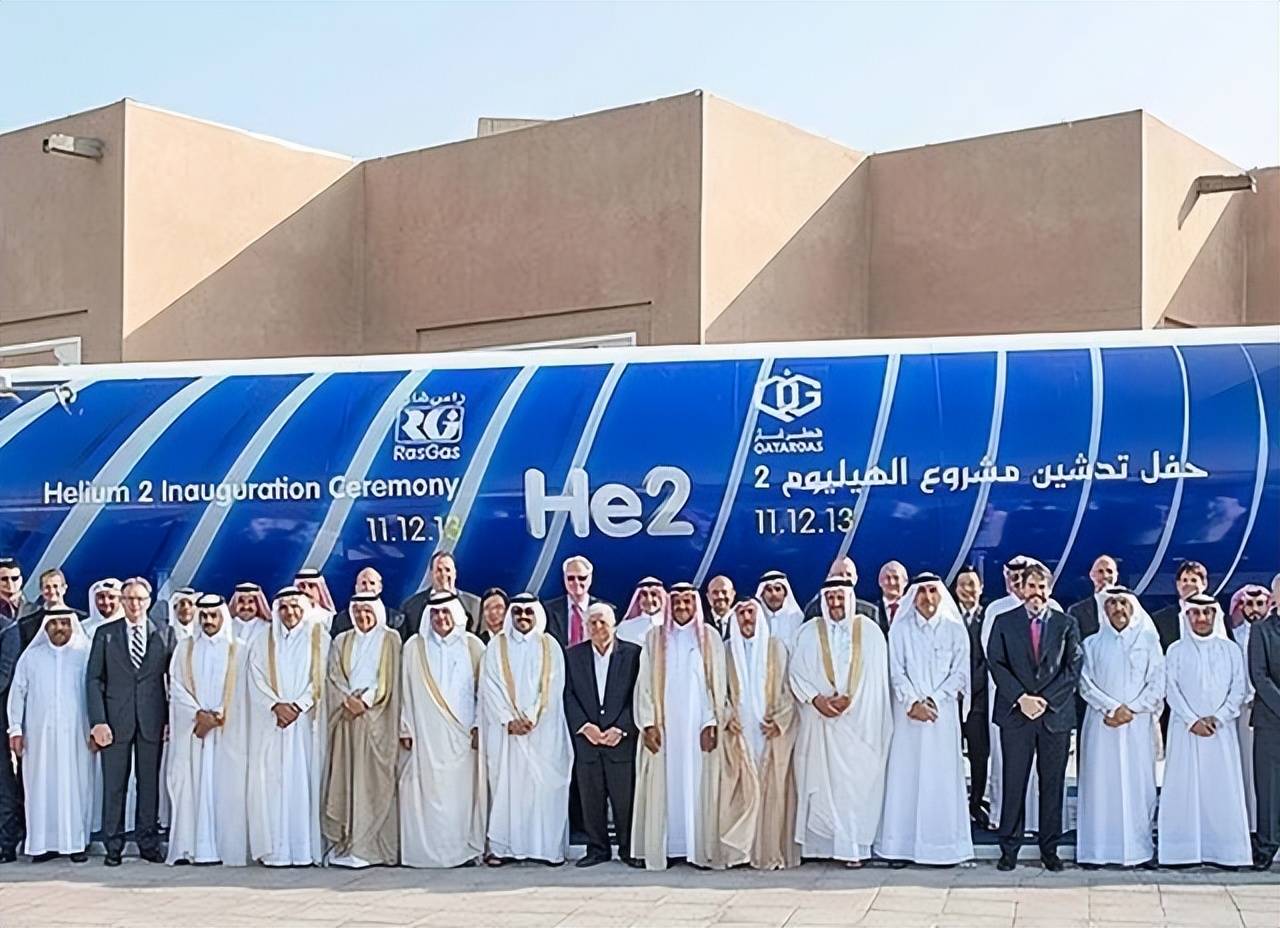
Core Insights - Helium is a strategic resource primarily extracted from natural gas fields, with the US holding over 40% of the world's proven reserves, amounting to 8.5 billion cubic meters [1][3] - China's helium resources are limited, with only about 1.1 billion cubic meters, representing less than 0.1% of global reserves [1][3] - The demand for helium in China is rapidly increasing, projected to rise from 5 million cubic meters in 2021 to over 30 million cubic meters by 2025 [3] Group 1: Global Helium Supply Dynamics - The US has historically dominated the helium market, but its market share has decreased from 80% to around 35% due to the rise of Qatar and Russia [7] - In 2023, China's domestic helium production was only 3.5 million cubic meters, with a high import dependency of 95% [7] - The proportion of helium imported from the US has dropped significantly, from historical highs to 9.7% in 2023, and is expected to fall below 5% in 2024 [7] Group 2: China's Strategic Response - China is diversifying its helium imports, with Qatar's Helium 2 project expected to supply 25 million cubic meters annually by 2025, meeting 53% of its import needs [8] - The Amur project in Russia is projected to reach a capacity of 6 million cubic meters by 2025, accounting for 43% of China's imports [8] - Domestic production capacity is increasing, with new gas fields in Sichuan raising output from 1.95 million cubic meters in 2022 to 3.5 million in 2023 [8] Group 3: Future Outlook - By 2028, China's import dependency is expected to decrease to 60%, with domestic production surpassing 8 million cubic meters [10] - New discoveries in the Tarim Basin and Southwest shale gas fields could potentially double China's helium reserves [10] - Breakthroughs in membrane separation technology are anticipated to reduce production costs by over 30%, while recycling systems in industrial parks could cut waste by 50% [10] Group 4: Broader Implications - China's efforts in the helium sector reflect a broader strategy of "independent research and international cooperation," addressing supply risks and fostering a complete industrial ecosystem [12] - The demand from strategic industries such as semiconductors, aerospace, high-end medical, and defense technology will continue to drive innovation and optimize supply systems [12] - Ensuring the availability of critical resources requires both domestic capabilities and a global perspective, emphasizing the importance of a diversified supply network for sustainable development [12]
深海科技,下一个国家级战略主线 | 投研报告
Zhong Guo Neng Yuan Wang· 2025-08-21 01:31
Core Viewpoint - The report highlights deep-sea technology as a new national strategic industry, emphasizing its importance for resource and national defense security, and its potential to explore the "blue" economy [1][2]. Resource Security - The urgency for China to secure deep-sea resources is underscored, as the U.S. and Japan are accelerating their deep-sea mining efforts. The U.S. has initiated policies to expedite mineral resource development in international seabed areas, while Japan plans to drill for rare earths at a depth of 5,500 meters by 2026 to reduce reliance on China. China's dependency on foreign resources is significant, with over 70% for oil and natural gas, and 78%-95% for strategic minerals like copper, cobalt, and nickel, making deep-sea resources crucial for national security [2]. National Defense Security - The report discusses the need for China to address its "open underwater national gate" security dilemma. The deep sea offers significant advantages for military operations, and establishing a robust deep-sea combat system is essential for implementing a "deep denial" strategy. The U.S. and Japan are actively developing their deep-sea military strategies, while China must enhance its underwater defense capabilities to secure its maritime interests [3]. Blue Economy - The marine economy in China reached a production value of 10.54 trillion yuan in 2024, indicating a substantial market potential. Future growth in the marine economy is expected to be driven by emerging sectors such as offshore fishing, offshore wind power, port shipping, and seawater desalination, alongside improvements in deep-sea technology productivity driven by security needs [3][4]. Deep-Sea Technology Industry Chain - The deep-sea technology industry chain encompasses basic materials to high-end equipment manufacturing, focusing on three core areas: deep diving, deep drilling, and deep networking. Key materials include titanium alloys for deep-sea pressure structures, sonar systems for underwater detection and navigation, and underwater robots for exploration and resource development [4][5]. Investment Recommendations - The report suggests focusing on "situation awareness" capabilities as a foundational aspect of deep-sea development. Companies such as China Marine Defense, Jizhi Co., and Zhongke Haixun are recommended for investment in the initial phase, as they are pivotal in enhancing situational awareness in deep-sea technology [5].