
现代化产业体系

Search documents
向海图强,八桂崛起
Zhong Guo Fa Zhan Wang· 2025-12-09 03:23
Core Viewpoint - The "15th Five-Year Plan" of Guangxi aims to establish an integrated new pattern of "channel-port-industry-city," focusing on modernizing the industrial system and promoting a maritime economy to drive regional development [3][10]. Group 1: Infrastructure Development - The Pinglu Canal, a key project in the plan, is set to enhance logistics by reducing the shipping distance from Nanning to Beibu Gulf by approximately 560 kilometers and lowering logistics costs by over 20% [4]. - The canal will support a single-direction annual throughput capacity of 89 million tons and accommodate 5,000-ton vessels, with phased navigation expected by 2026 [4]. - The integration of the canal with rail, highway, and air networks will facilitate a multi-modal transport system, enhancing efficiency and reducing costs for goods moving from the southwest to the Gulf [5]. Group 2: Economic Corridor Development - The Western Land-Sea New Corridor is evolving from a logistics route to a comprehensive economic corridor that integrates shipping, trade, finance, and information [6]. - By 2025, the cargo throughput at Beibu Gulf Port is projected to exceed 400 million tons, with container throughput surpassing 8 million TEUs [6]. - The port is undergoing significant upgrades to handle the world's largest oil tankers and bulk carriers, positioning it as an international shipping hub facing ASEAN [6]. Group 3: Industrial Growth - The plan emphasizes the development of a "maritime economy," focusing on high-end manufacturing sectors such as marine engineering equipment, offshore wind power, and marine biomedicine [7]. - Guangxi aims to establish ten modern pillar industries, including critical metals, new energy vehicles, and artificial intelligence, with a goal of creating trillion-yuan industry clusters [8]. - The region is also prioritizing future industries like embodied intelligence, low-altitude economy, and hydrogen energy, with initiatives to support small and medium enterprises [9]. Group 4: Integrated New Pattern - The comprehensive strategy involves enhancing connectivity through a "land-sea-air-data" network, establishing Beibu Gulf as an international gateway port, and clustering industries along transport routes [10]. - The development of modern coastal cities that are livable, business-friendly, and tourist-friendly is a key aspect of the plan [10]. - The overarching goal is to create a new maritime economic landscape that not only benefits Guangxi but also aligns with national strategies for modernization in border and ethnic regions [10].
新华指数・博鳌发布|担当时代使命 共创未来新篇——展望“十五五”新机遇
Xin Hua Cai Jing· 2025-12-09 01:17
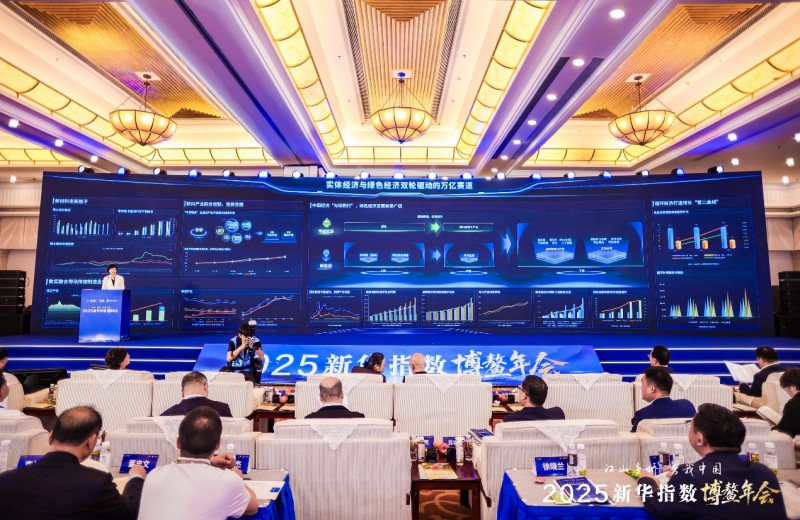
Core Insights - The article emphasizes the importance of indices as tools for understanding trends and unlocking opportunities in the context of China's economic development and modernization efforts [2][3]. Economic Growth and Development - China's manufacturing investment continues to grow, contributing to the establishment of a modern industrial system, with equipment manufacturing playing a crucial role [2][3]. - The "China Innovation Index" shows consistent improvement, reflecting the country's commitment to high-quality development [2][3]. Emerging Industries and Green Economy - The green economy is increasingly prominent, with one-third of electricity in China now sourced from renewable energy, supporting emerging industries like artificial intelligence [5]. - Inner Mongolia's modern energy economy development index is projected to grow by 24.21% year-on-year in 2024, while the new energy high-quality development index is expected to rise by 11.37% [5]. New Consumption Trends - The report identifies five key opportunity sectors focused on human-centered economic trends: cultural consumption, health consumption, silver economy, beauty economy, and pet economy [6][9]. - The cultural industry, particularly digital culture, is projected to contribute nearly 5% to GDP by 2024, highlighting its role as a significant economic growth engine [8]. Silver Economy and Health Consumption - The silver economy is expanding rapidly, with an annual growth rate of 15.27% since 2022, driven by the aging population and new business models [9]. - Health consumption trends are transforming traditional products into popular items, with innovations in functional foods and traditional remedies gaining traction [9]. Market Dynamics and Data Utilization - The establishment of a unified national market is crucial for high-quality development, with data elements playing a key role in addressing existing market inefficiencies [11]. - Price indices are acting as vital indicators for market operations, helping to stabilize and guide various agricultural sectors [13]. Cultural and Brand Development - Indices serve as digital representations of regional brand value, linking cultural heritage with modern economic opportunities [16]. - Cities are leveraging unique cultural identities to enhance their market competitiveness and global presence, exemplified by initiatives in places like Yan'an and Shaanxi [16][17].

找准定位坚定前行
Jing Ji Ri Bao· 2025-12-09 00:28
作为老工业城市,石家庄的探索颇有借鉴意义。首先要找准定位。发展产业不是"什么火就做什 么",而是"适合什么做什么"。在确定产业主攻方向时,石家庄没有刻意"另起炉灶",而是结合自身优 势,因地制宜,让"老树"发出"新芽"。 坚持长期主义。产业发展会遇到各种各样的困难,石家庄五大产业同样面临科技创新、环境约束、 人才支撑等一系列问题,但没有轻言放弃,而是咬定青山不放松、一步一个脚印,啃硬骨头、打攻坚 战,终于等到开花结果时。 坚持系统观念。优先发展五大产业,并不意味着平均用力、齐头并进;而是既要注重整体统筹,又 要谋求重点突破。石家庄狠抓特色优势产业,率先重点突破,使整体效能获得较大提升。(本文来源: 经济日报 作者:王胜强) 构建体现区域特色和比较优势的现代化产业体系,是推动高质量发展的重要内容,既要遵循规律、 努力作为,更要立足实际、因地制宜。 当前,为加快构建新质生产力,各地竞相壮大新兴产业、布局未来产业,取得了一定成效,但也有 一些现象值得注意。一是"喜新厌旧",个别地方不立足实际、盲目追求高精尖产业,忽视了推动传统产 业转型升级。二是"一哄而上",有些地方什么热就搞什么,盲目跟风造成重复建设,同质化、泡 ...
中国人工智能发展无需陷入美国的“竞争叙事”
Guan Cha Zhe Wang· 2025-12-09 00:05
Core Insights - The article discusses China's approach to artificial intelligence (AI) development, emphasizing a balanced strategy that combines innovation with practical application rather than blindly investing all resources into AI research [1][8]. Group 1: AI Development Strategy - China adopts a "cautious and inclusive" approach to AI, allowing for development while ensuring that governance keeps pace with technological advancements [2]. - The country has maintained a leading position in AI technology due to its adaptive governance model, which has effectively addressed emerging issues without major governance failures [2][5]. - Chinese enterprises focus on practical applications of AI, such as the "AI+" initiative, which aims to enhance various sectors including manufacturing and services, thereby creating social value [8][9]. Group 2: Modern Industrial System - The construction of a modern industrial system is crucial in light of changing international environments, requiring a balance between self-reliance and global integration [5][6]. - Emphasis is placed on enhancing the resilience of the industrial system to ensure the ability to respond to risks while leveraging global resources [6][7]. Group 3: Global AI Governance - China is actively participating in global AI governance discussions, advocating for safety principles and promoting inclusive development through open-source initiatives [9][11]. - The article highlights the fragmentation of international AI governance due to geopolitical tensions, with China supporting the establishment of a fair and effective international governance framework [11][12]. Group 4: Education and Employment Impact - The rapid development of AI and big data technologies is reshaping education and employment, necessitating a reevaluation of traditional educational models [16][18]. - AI has the potential to personalize education, moving beyond the industrial-era model of one-size-fits-all teaching [16][18]. Group 5: China's Role in Global Development - China's "14th Five-Year Plan" is seen as a key driver of global economic growth, contributing approximately 30% to global growth in recent years [20]. - The plan emphasizes international cooperation, particularly in AI and technology, which is expected to benefit developing countries significantly [21][22].
江西现代产业引导基金成效显著 助力构建现代化产业体系
Sou Hu Cai Jing· 2025-12-08 23:25
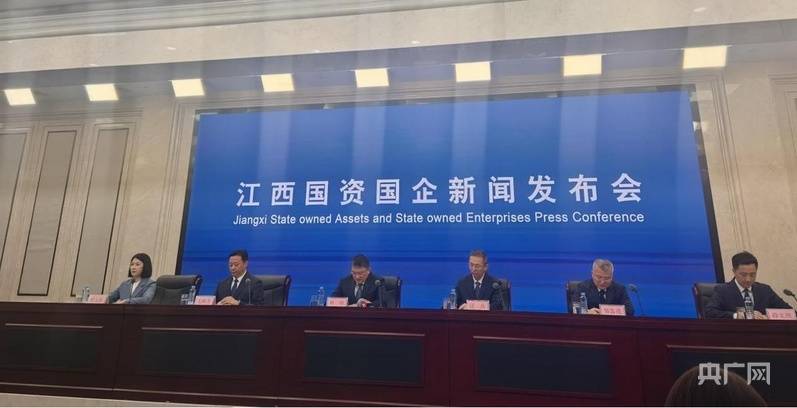
央广网南昌12月9日消息(记者周蓓)12月8日,江西省国资委、江西国控集团在南昌召开主题为"江西省现代产 业引导基金运营成效"的新闻发布会。江西国控集团党委书记、董事长林榕系统介绍了江西省现代产业引导基金 自设立以来的运营成效、经验做法与未来规划。他指出,围绕"构建大平台、组建大基金、带动大项目、培育大 产业、推动大发展"核心目标,国控集团坚持"基金主导、产业支撑、运营高效、管控有力"发展思路,成功实现 从"基金矩阵搭建"向"投资招引落地"的发展阶段转轨,持续发挥国有资本平台和产业引导基金效用,为全省现代 产业体系建设注入强劲动能。 新闻发布会现场(央广网记者周蓓 摄) 强化产业引领招引,干出项目"新高度"。江西国控集团坚持以"落地一个项目,带动一个行业"的产业引领模式, 累计招引落地至省内的项目90个,总规模982亿元。其中,50亿元以上项目8个,20亿元以上项目13个,重点覆盖 新能源、装备制造、电子信息、生物医药等战略性新兴产业。 深化区域协同共答,构建发展"新范式"。江西国控集团为发挥区域母基金功能作用,并通过"项目机制共建、风 险共防、资金共筹"的协同机制,对于省内重点项目,支持区域母基金开通直投功 ...
巩固壮大实体经济根基|推动更多传统产业“老树发新芽”
Zhong Guo Jing Ji Wang· 2025-12-08 13:40
Core Insights - Traditional industries are the foundation of China's industrial system, contributing approximately 80% to the manufacturing value added, with a focus on optimizing and enhancing these sectors as a priority in the "14th Five-Year Plan" [2] - The integration of traditional industries with emerging and future industries is essential for mutual support and development, providing application scenarios for new technologies and ensuring the supply of critical materials [2] - The National Development and Reform Commission estimates that there will be an additional market space of around 10 trillion yuan in the next five years for traditional industries, emphasizing the need for strategic and tactical approaches to achieve this goal [3] Group 1 - The number of intelligent factories has exceeded 230, and over 1,260 5G factories have been established since the "14th Five-Year Plan," with China's industrial robot installations accounting for more than 50% of the global total [2] - The textile industry has seen exports surpassing 100 billion USD in the first three quarters of this year, with a year-on-year growth of 2.1%, indicating a positive trend in international markets [3] - The shift of traditional industries towards high-end manufacturing is exemplified by companies like Shenyang Machine Tool Co., which has made significant advancements in five-axis machine tools, and the National Energy Group's digital collaboration platform linking thousands of businesses [3][4] Group 2 - High-tech and high-value-added manufacturing sectors have emerged from traditional industries, highlighting the importance of technological upgrades and transformations [4] - Local initiatives, such as the smart manufacturing data platform in Fujian and investments in intelligent shipbuilding in Anhui, demonstrate the ongoing transition of traditional industries towards high-end, intelligent, and green production [4] - The emphasis on enhancing industrial foundations and addressing weaknesses is crucial for traditional industries to thrive in new competitive landscapes [4]
十张全球榜单看上海“五个中心”,“十五五”如何能级提升
第一财经· 2025-12-08 09:38
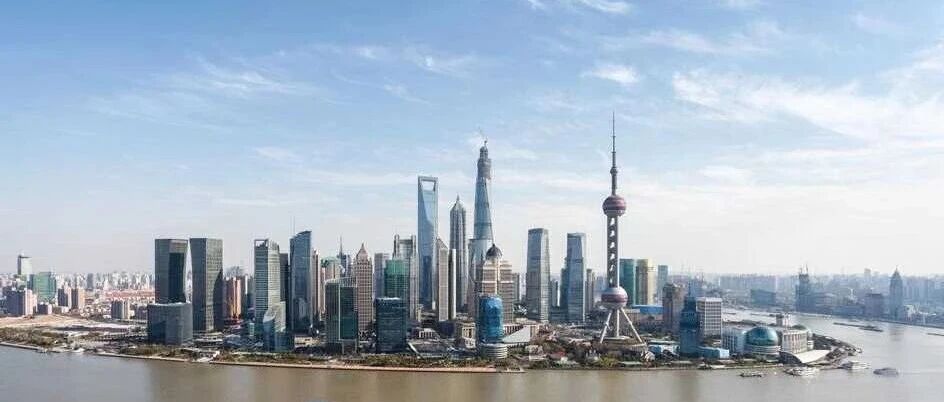
Core Viewpoint - Shanghai has made significant progress in its global rankings over the past five years, positioning itself as a leader in the second tier of global cities and striving to advance to the first tier through the construction of "five centers" [3][6]. Group 1: Economic Performance - In the first three quarters of this year, Shanghai's GDP reached 40,721 billion yuan, reflecting a year-on-year growth of 5.5% [6]. - The output of strategic emerging industries accounted for 44.1% of the total industrial output above designated size, with the three leading industries experiencing an 8.5% year-on-year growth in output [6]. - The total import and export volume from January to October reached 37,000 billion yuan, marking a 5.2% increase year-on-year [6]. Group 2: Financial Center Development - In 2024, the total transaction volume in Shanghai's major financial markets reached 32,842.2 trillion yuan, showing an 11.6% year-on-year increase [6]. - Shanghai has attracted nearly 1,800 licensed financial institutions, with foreign financial institutions accounting for over 30% [6]. Group 3: International Shipping Center - Shanghai Port became the first port to exceed a container throughput of 50 million standard containers last year, and the airport's passenger throughput surpassed 100 million this year [7]. - Shanghai has ranked third globally in the Xinhua-Baltic International Shipping Center Index for six consecutive years [7]. Group 4: Technological Innovation Center - Shanghai ranks sixth globally in the best technology clusters, with continuous improvement in the concentration and activity of technological innovation elements [7]. - The city is encouraged to enhance its capabilities in cross-border finance and maritime arbitration to compete with top international cities [7]. Group 5: Strategic Recommendations - To further advance the "five centers" construction, Shanghai needs to strengthen four major effects: overall effect, platform effect, amplification effect, and radiation effect [8]. - The city should focus on systematic planning, market-oriented platform construction, innovative reforms, and integration with national strategies like the Yangtze River Delta integration [8]. Group 6: Challenges and Opportunities - The global shipping industry is undergoing structural changes, including digital transformation and green low-carbon transition, which present new demands for Shanghai's international shipping center [11]. - Shanghai is advised to enhance its offshore financial system and create a unified offshore financial account system to improve efficiency and attract more business [13].
面向“十五五”:上海“五个中心”建设迎来全面发力期
Xin Hua She· 2025-12-08 09:20
新华财经上海12月8日电 建设国际经济、金融、贸易、航运和科技创新中心,既是中央赋予上海的重大 使命,也是上海"十五五"发展的重中之重。如何持续提升上海"五个中心"建设能级?在7日举行的上海 加快"五个中心"建设研讨会上,与会专家提出,要强化整体效应、平台效应、放大效应、辐射效应,发 挥好上海"五个中心"对我国发展大局的战略作用。 "十五五"规划建议提出,建设现代化产业体系、建设贸易强国、高水平科技自立自强等,这些都与上 海"五个中心"建设紧密相关。上海市政府副秘书长、发展改革委主任、加快推进"五个中心"建设领导小 组办公室主任顾军介绍,今年以来,上海"五个中心"建设蹄疾步稳、势能强劲,取得了不少新突破。 国际金融中心建设要注重创新,航运中心亦然。国际航运巨头马士基码头公司中国区总裁韩岩滨表示, 当前全球航运正经历三大结构性变革,包括数智化转型重塑产业生态、绿色低碳转型从规模竞争转向规 则竞争、企业更加重视供应链韧性等,这些给上海国际航运中心建设创造了新的机遇。"上海的集装箱 吞吐量稳居世界第一。在此基础上,可以加快数智化转型,从物理枢纽向数据枢纽升级。同时,打 造'航运科技硅谷',吸引全球绿色航运与数字化专 ...
十张全球榜单看上海“五个中心”,“十五五”如何能级提升
Di Yi Cai Jing· 2025-12-08 08:16
Core Insights - Shanghai has seen a significant improvement in its global rankings over the past five years, achieving six increases, two stable positions, and two decreases across ten authoritative global city rankings, solidifying its position as a leader in the second tier of global cities and striving to advance to the first tier [1][2] Group 1: Economic Performance - In the first three quarters of this year, Shanghai's GDP reached 40,721 billion yuan, reflecting a year-on-year growth of 5.5% [2] - The output value of strategic emerging industries accounted for 44.1% of the total industrial output value, with the three leading industries experiencing an 8.5% year-on-year growth [2] - The total import and export volume from January to October reached 37,000 billion yuan, marking a 5.2% year-on-year increase [3] Group 2: Financial Center Development - In 2024, Shanghai's major financial markets recorded a total transaction volume of 32,842.2 trillion yuan, which is an 11.6% increase compared to the previous year [2] - Shanghai hosts nearly 1,800 licensed financial institutions, with foreign financial institutions accounting for over 30% of this total [2] Group 3: International Trade and Shipping - Shanghai Port became the first port to exceed a container throughput of 50 million standard containers last year, and the airport handled over 100 million passengers [3] - Shanghai has ranked third globally in the Xinhua-Baltic International Shipping Center Index for six consecutive years [3] Group 4: Technological Innovation - Shanghai ranks sixth globally in the best technology clusters, indicating a concentration and vibrancy of technological innovation [3] - The city aims to enhance its role as a hub for international technology innovation by integrating clinical trial resources and optimizing regulatory frameworks [7] Group 5: Strategic Recommendations - To strengthen the "Five Centers" construction, Shanghai needs to enhance four key effects: overall effect, platform effect, amplification effect, and radiation effect [4] - The city should focus on creating a complete offshore financial system and improve the efficiency of offshore RMB payment and settlement [7] - Shanghai is encouraged to leverage its system integration advantages to drive the construction of a modern industrial system through technological innovation [5]

孙志洋:“十四五”期间广州农民人均可支配收入突破4万元
Nan Fang Nong Cun Bao· 2025-12-08 08:00
Core Viewpoint - Guangzhou has made significant progress during the "14th Five-Year Plan" period, achieving key economic and social development goals, with a focus on modernization and innovation. Economic Development - The GDP of Guangzhou is projected to reach 3.1 trillion yuan in 2024, with an expected increase of 700 billion yuan during the "14th Five-Year Plan" period [6][7] - The city has maintained a "double trillion, double growth" status in social retail sales and foreign trade, becoming the third city in China to achieve this [7] - Guangzhou's ranking in the "Nature Index - Research Cities" has risen to 6th globally, and the "Guangzhou-Shenzhen-Hong Kong" technology innovation cluster has ranked first worldwide [8][10] Industrial and Technological Advancements - The industrial investment in Guangzhou has increased from 103 billion yuan in 2020 to 171.1 billion yuan in 2024, marking a growth of 66% [15] - The proportion of advanced manufacturing value added in the industrial sector has risen to 60%, with strategic emerging industries like new displays and biomedicine leading nationally [16] - Continuous investment in R&D has kept the total expenditure above 100 billion yuan for two consecutive years, with 24 companies listed as global unicorns, doubling since 2020 [18][19] Social and Environmental Improvements - The per capita disposable income of rural residents has surpassed 40,000 yuan, reflecting a focus on improving living standards [13][28] - Over 70% of the city's financial resources are allocated to social welfare, with 163.4 million new jobs created and significant improvements in education and healthcare [26][27] - Environmental quality has improved, with PM2.5 levels reaching historical lows and all monitored water quality sites meeting excellent standards [25][26] Governance and Reform - Guangzhou has implemented 660 comprehensive reform measures, with over 4.25 million registered businesses, a 58% increase since the end of 2020 [23][24] - The city has successfully completed the first phase of the Nansha Plan, promoting 45 items and 136 institutional innovations nationwide [21][22] - The income disparity between urban and rural residents has narrowed to a ratio of 2.04:1, demonstrating progress in equitable development [39]
