
绿色转型

Search documents
银价涨幅碾压黄金,明年能否保持势头?|国际
清华金融评论· 2025-12-16 09:58
文/《清华金融评论》 王茅 20 25 年白银价格呈现历史性上涨 行情 , 截至 12 月中旬,白银价格 涨 幅近 1 20% ,伦敦现货银价从年初约30 .1 美元 / 盎司飙升至 12 月 16 日 的 6 4 .74 美元 / 盎司, 主要 驱动 因素包括, 供需持续失衡、工业需求 爆发 , 以及 投资资金涌入, 202 6 年仍有上行空间 , 与此同时, 需 警 惕短期波动风险。 白银价格 2025 年涨势如虹 银价前景展望 : 70 美元/盎司可期 , 但波动加剧 2026 年支撑 银价的 因素。 供需缺口延续 , 世界白银协会预测 2026 年缺口持续,光伏装机量年均增速超 10% 。 投资潜力仍存 , 全球最大白银 ETF 持 仓量较 2021 年峰值低 30% ,增持空间 较大。 政策宽松预期 , 美联储降息周期延长 , 这 或进一步压制美元。 上行目标与风险预警。 法国巴黎银行看高至 100 美元,多数机构预测 2026 年上半年 银价将 突破 70 美元 。但同时也要注意银价 短期 波动 风险 , 投机 资金获利了结可能引发 20% ~ 30% 回调 。 光伏 "降银"技术突破 , 可能 ...


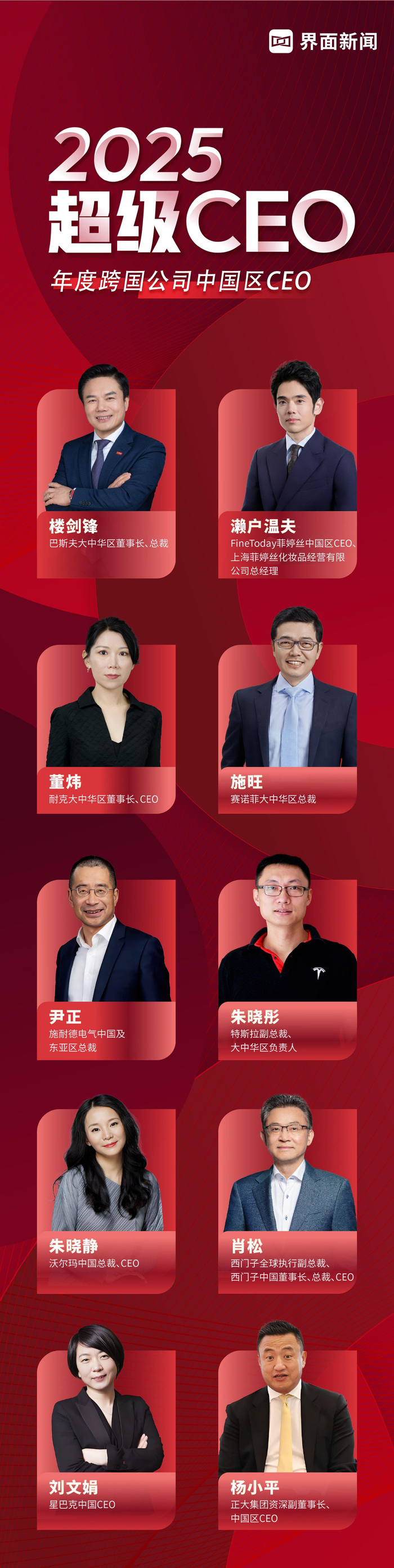
界面新闻揭晓2025年度跨国公司中国区CEO榜单:巴斯夫、菲婷丝、赛诺菲等10位大中华区/中国区CEO上榜
Xin Lang Cai Jing· 2025-12-16 08:08
Core Insights - The article highlights the 2025 Super CEO list, which recognizes outstanding leaders across various industries who drive financial growth and shareholder returns while maintaining personal reputation [1] - China's actual foreign investment utilization is projected to decline to $116.24 billion in 2024, a 28.8% decrease year-on-year, marking the second consecutive year of decline after reaching a peak in 2022 [2] - Despite the decline, China remains the fourth-largest recipient of foreign direct investment globally, accounting for 7.7% of total global FDI in 2024 [2] Group 1: Foreign Investment Trends - The decline in China's foreign investment is attributed to a combination of global economic conditions, policy adjustments, domestic economic transformation, and changes in international competition [2] - The number of newly established foreign-invested enterprises in China is expected to reach 59,080 in 2024, a 9.9% increase year-on-year, indicating a positive trend despite the drop in investment amount [2] Group 2: Government Initiatives - The Chinese government is actively promoting policies to expand openness, including the "2025 Action Plan for Stabilizing Foreign Investment," which outlines 20 measures to enhance investment promotion and support foreign enterprises [3] - The 8th China International Import Expo showcased 4,108 companies from 138 countries, with an intention to transact $83.49 billion, a 4.4% increase from the previous year, highlighting China's commitment to global economic integration [3] Group 3: CEO Highlights - The article features notable CEOs leading multinational companies in China, such as: - Lou Jianfeng from BASF, who emphasizes green transformation and local investment despite a slight decline in sales [20] - Seto Onobu from FineToday, focusing on local innovation and sustainable practices, contributing to 40% of the company's global sales [21] - Dong Wei from Nike, who is steering the brand through challenges with a focus on local innovation and community engagement [22] - Schwann from Sanofi, who is enhancing local production capabilities with a significant investment in a new insulin production facility [23] - Yin Zheng from Schneider Electric, who is driving technological innovation and sustainable practices in response to market challenges [24] - Zhu Xiaotong from Tesla, who is adapting sales strategies to penetrate lower-tier markets [25] - Zhu Xiaojing from Walmart, who has successfully transformed the company into a leading omnichannel retailer in China [26] - Xiao Song from Siemens, who is implementing a "China Accelerate 2.0" strategy to enhance local R&D and production [27] - Liu Wenjuan from Starbucks, who is leveraging local insights to drive growth and enhance customer engagement [28] - Yang Xiaoping from Charoen Pokphand Group, who is focusing on green transformation and digitalization in the Chinese market [29]


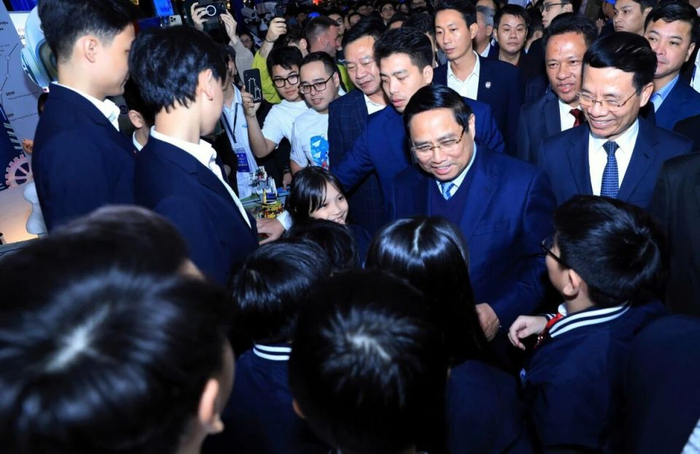
越南总理发出“全民创新”总动员:争夺半导体、AI高地,我们邻国在下一盘大棋!
Xin Lang Cai Jing· 2025-12-16 07:34
Core Message - The Vietnamese government emphasizes the importance of innovation as a driving force for national development, urging collective efforts from individuals, businesses, and society to foster a culture of innovation [1][3]. Group 1: Innovation and Economic Growth - Prime Minister Phạm Minh Chính highlighted that innovation has played a crucial role in Vietnam's development, particularly in agriculture and industry, helping the country escape poverty and become a major rice exporter [3][4]. - Vietnam's economy has maintained positive growth, outpacing global averages, largely due to continuous innovation that activates traditional growth engines and explores new growth drivers [3][4]. Group 2: Government Initiatives and Policies - The government is committed to integrating technology, innovation, and digital transformation as pathways to a high-income, rapidly developing, and sustainable future [4][6]. - Specific policies include improving the legal framework for venture capital, recognizing "angel investors," providing tax incentives, and encouraging the commercialization of research outcomes [6][7]. Group 3: Challenges and Strategic Focus - The Prime Minister acknowledged challenges in Vietnam's innovation ecosystem, such as the need for stronger collaboration between local and foreign enterprises and the acceleration of research commercialization [7][8]. - Key questions were raised regarding Vietnam's position in the global semiconductor value chain and the importance of developing a national big data center and AI products [7][8]. Group 4: Vision for the Future - Five fundamental shifts were proposed for the future: focusing on national development issues, mastering core technologies, building a complete ecosystem, expanding to regional and global markets, and transitioning to a development-oriented service mindset [8][9]. - The Prime Minister called for a collective innovation effort from individuals and businesses to achieve profound transformation in the country [8][9]. Group 5: Techfest Vietnam 2025 - The 2025 Techfest Vietnam has evolved into a social movement, aiming to connect communities and share values, with a theme of "全民创新创业——新增长动力" (全民创新创业 - New Growth Driver) [11][12]. - The event is expected to attract over 60,000 participants, including the general public, tech companies, investors, and industry leaders, and will feature various activities such as tech experience zones and forums [12].
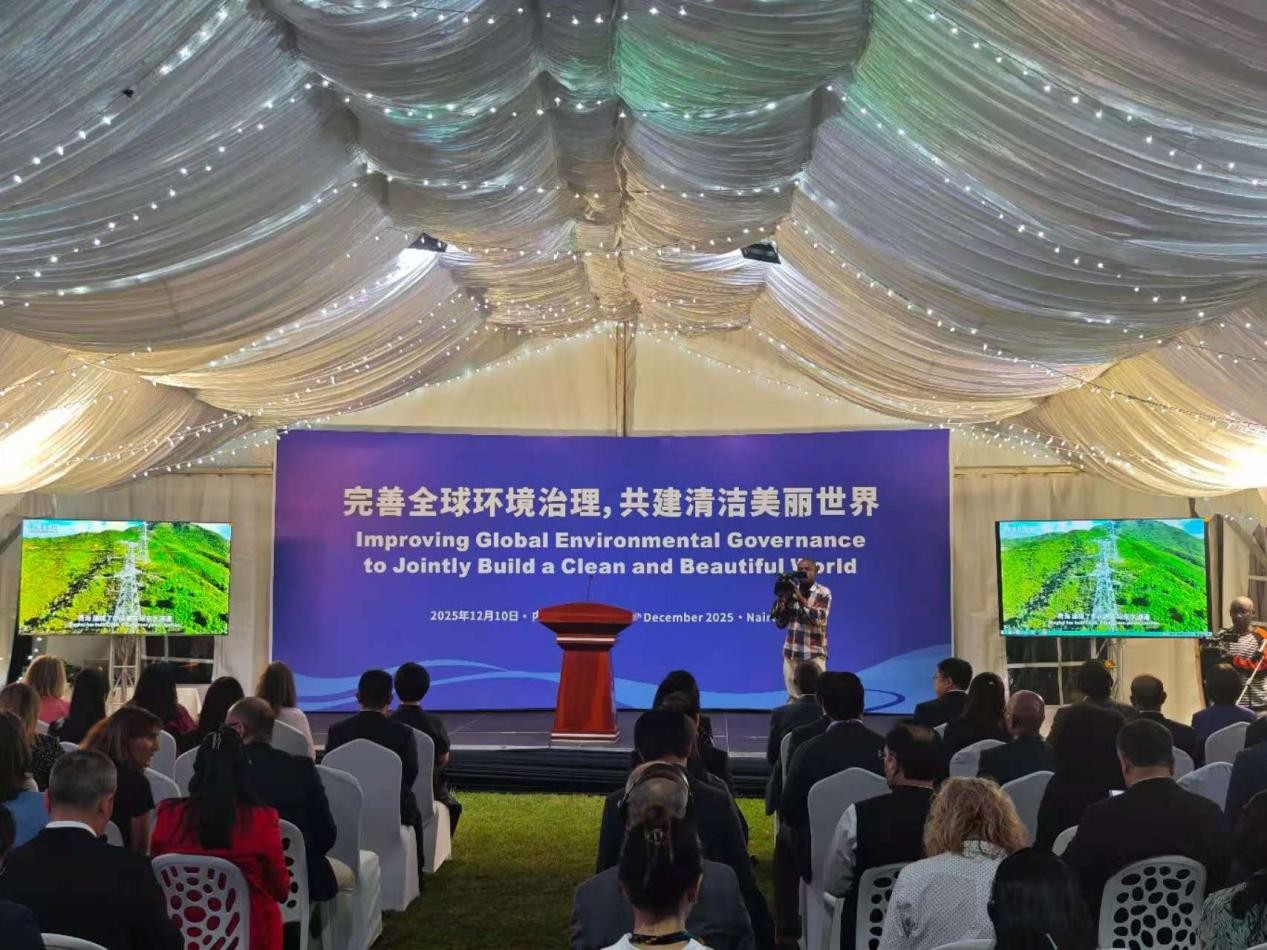
国际人士点赞中国对全球环境治理所作贡献
人民网-国际频道 原创稿· 2025-12-16 07:33
Group 1 - The seventh United Nations Environment Assembly held in Nairobi highlighted China's significant achievements in addressing climate change, promoting green development, and enhancing biodiversity protection, providing valuable experiences for other countries [1] - The Director of the UN Environment Programme's Asia-Pacific Office acknowledged China's efforts in improving air quality, combating pollution, and transitioning energy, emphasizing the importance of these actions for global climate initiatives [1] - The Vice Chair of the Assembly referenced a Chinese proverb to stress the importance of sustainable development and the long-term impact of contemporary environmental governance decisions [1] Group 2 - The Climate Change Special Envoy from the Kenyan President's Office praised China's green transition journey and called for African nations, including Kenya, to contribute to global environmental challenges, particularly climate change [2] - The French Ambassador for Environment emphasized the need for a legally binding global treaty on plastic pollution and the importance of major economies leading by example in addressing climate change and improving air quality [2] - Brazil's Secretary of Environment and Climate Change noted China's significant contributions to global energy transition through the promotion of advanced green technologies such as solar energy, wind energy, and electric vehicles [2] Group 3 - During the conference, the Kunming Biodiversity Fund was announced, aimed at supporting biodiversity conservation efforts in developing countries, with its official launch scheduled for May 2024 [3] - The Deputy Executive Director of the UN Environment Programme highlighted the fund's operational achievements over the past year, noting China's crucial role in facilitating global biodiversity actions and translating commitments into national solutions [3] Group 4 - A side event titled "Improving Global Environmental Governance, Building a Clean and Beautiful World" was organized under the guidance of China's Ministry of Ecology and Environment, showcasing China's commitment to global environmental governance [5]
权威发布|“实现全年预期目标有较好条件”
Ren Min Ri Bao· 2025-12-16 05:26
Core Viewpoint - The macroeconomic policies in China are showing positive effects, with a focus on strengthening the domestic market, increasing production supply, expanding market sales, and maintaining overall stability in employment and prices, contributing to a steady economic growth trend [1] Economic Performance - Industrial production remains stable, with the industrial added value of large-scale enterprises growing by 4.8% year-on-year in November, maintaining the same growth rate as the previous month [2] - The service sector's production index increased by 4.2% year-on-year, with significant growth in information transmission and business services [2] - Social retail sales grew by 1.3% year-on-year in November, with a cumulative growth of 5.4% from January to November [2] - The total value of imports and exports increased by 4.1% year-on-year in November, accelerating by 4 percentage points compared to the previous month [2] - The urban unemployment rate remained stable at 5.1%, while consumer prices rose by 0.7% year-on-year, marking three consecutive months of increase [2] Energy and Investment - Energy supply has been strengthened to meet winter production and living needs, with significant increases in industrial oil, natural gas, and electricity production [3] - Investment in accommodation, catering, wholesale, and retail sectors grew by 7.1% year-on-year, while electricity and heat production and supply saw a 12.5% increase [3] New Production Capacity - New quality productivity is developing rapidly, with high-tech manufacturing value added increasing by 9.2% year-on-year from January to November [4] - The production of industrial robots and control systems surged by 29.2% and 87.6% respectively, indicating strong growth in emerging industries [4] - Traditional industries are also seeing improvements, with biomass fuel processing value added growing by 15.6% [4] Consumption and Investment Potential - Consumer spending is on the rise, with retail sales of cultural and office supplies and communication equipment growing by 11.7% and 20.6% respectively [6] - Online retail sales of physical goods increased by 5.7% year-on-year, accounting for 25.9% of total social retail sales [6] - Fixed asset investment (excluding rural households) decreased by 2.6%, but project investment excluding real estate development grew by 0.8% [6] - Investment in key sectors such as equipment manufacturing and green energy transition remains strong, supporting long-term economic development [6][7]
韩国《石油化工特别法》将实施
Zhong Guo Hua Gong Bao· 2025-12-16 03:23
韩国产业通商资源部长官金正宽表示,希望《石油化工特别法》能够极大地促进企业快速进行业务重 组,并向前景广阔的高附加值产品转型。 据悉,《石油化工特别法》将支持企业重组和提升附加值(税收、财务、研发、就业稳定、人力资源开 发等);将颁布特别监管措施,简化各类许可程序、针对不可避免的环境标准违规行为采取特别措施、 简化新技术和新工艺的验证程序;将根据《垄断规制和公平交易法》采取特别措施(基于企业重组计划 的最低必要信息交换、在满足特定条件后缩短对企业垄断联盟和企业合并的审查期限);将通过集中供 热特别措施降低成本(允许企业在企业重组期间自由选择供热供应商)。 中化新网讯 近日,韩国产业通商资源部宣布,一项关于加强和支持石油化学产业竞争力的特别法案 《石油化工特别法》已在国会全体会议上获得通过。该法案经内阁通过后将予以颁布,并在相关配套法 律法规制定完成后,最早于2026年第一季度(1月至3月)实施。 韩国产业通商资源部称,该法案的通过为推动石化产业高附加值和绿色转型奠定了系统性基础,以应对 当前全球石化产能过剩的问题,并确保其未来的竞争力。 ...
新洋丰“双主业”协同攻坚
Zhong Guo Hua Gong Bao· 2025-12-16 02:45
Group 1: Core Business Strategies - New Yangfeng Agricultural Technology Co., Ltd. is focusing on two major battles: stabilizing the supply of phosphate fertilizers and innovating in the new energy material sector, specifically lithium iron phosphate [1] - The company has established a robust diversified raw material supply network to ensure stable supply amidst price volatility of key raw materials like sulfur and potassium fertilizers [2] - New Yangfeng's production system is optimized for efficiency, with scientific scheduling of maintenance during peak seasons to ensure maximum production capacity [2] Group 2: Agricultural Support and Services - The company has developed a comprehensive operational system that includes effective logistics and a dedicated agronomy service team to support farmers with tailored crop nutrition solutions [3] - The agronomy team is actively providing guidance on winter fertilization to help farmers achieve "reduced fertilizer, increased efficiency" in major wheat-producing areas [3] Group 3: New Energy Materials Development - New Yangfeng is transitioning from a fast follower to a leader in the lithium iron phosphate market, with significant advancements in product development and technology [4] - The company has achieved a monthly production capacity of 4,800 tons of lithium iron phosphate, with all production lines operating at full capacity due to high demand [4] Group 4: Strategic Synergies - The company practices a "graded development" model for phosphorus resources, enhancing the overall value of phosphate rock through innovative processing methods [5] - Traditional phosphate fertilizer production experience supports the rapid scaling and stabilization of lithium iron phosphate production, while the demands of the new energy sector drive upgrades in traditional fertilizer production [6] - The non-synchronous market cycles of phosphate fertilizers and new energy materials provide financial stability and risk mitigation for the company [6]

两部门发文明确绿色金融支持绿色工厂建设|绿金周报
2 1 Shi Ji Jing Ji Bao Dao· 2025-12-16 02:35
Group 1 - The rapid development of the green finance market has led to an increase in relevant information and data, with a focus on the latest trends and practices in green finance [1] - The Ministry of Industry and Information Technology and the People's Bank of China issued a notice to support the construction of green factories, aiming to enhance financial support for the green transformation of the manufacturing industry [2] - Guangdong has released two transformation financial standards to guide low-carbon transformation in specific high-carbon industries, resulting in over 40 billion yuan in credit agreements with 135 enterprises [3] Group 2 - The national carbon market saw a highest price of 61.45 yuan/ton and a total transaction volume of 2,317,372 tons, indicating a slight decrease in prices [4] - Tianjin successfully issued the first "green + new economy + rural revitalization" debt financing tool, raising 500 million yuan for renewable energy projects [5][6] - Shenzhen's first batch of green foreign debt pilot businesses has been implemented, with a total signed amount exceeding 17 million yuan, significantly reducing cross-border financing costs [7] - Shanghai has launched its first "green transformation" loan interest subsidy, amounting to 108 million yuan, to support energy-efficient upgrades in shipping [8] - Guangdong issued its first "urban and rural greening" loan for biodiversity, amounting to 320,000 yuan, linking ecological performance to credit evaluation [9]
磷复肥:产业竞争力全面跃升
Zhong Guo Hua Gong Bao· 2025-12-16 02:31
Core Viewpoint - During the "14th Five-Year Plan" period, China's phosphate fertilizer industry has achieved significant improvements in competitiveness through optimization of layout, structural adjustments, technological innovation, and green transformation, ensuring supply and upgrading the industry [1] Group 1: Layout Optimization - The phosphate fertilizer industry has seen a steady increase in concentration and balanced regional development, with the output of phosphate fertilizer in key provinces expected to grow by approximately 6% by the end of the "14th Five-Year Plan" [2] - The top ten enterprises in the industry are projected to increase their output by 10%, while the number of large-scale phosphate fertilizer production enterprises is expected to decrease by 35% [2] - The market share of compound fertilizers has risen from 36% at the end of the "13th Five-Year Plan" to around 42% by the end of the "14th Five-Year Plan" [2] Group 2: Structural Adjustment - The industry has undergone significant upgrades in raw material structure, product structure, and organizational structure, enhancing collaborative effects [3] - The raw material structure has diversified, with the economic grade of low-grade phosphate rock decreasing to 14%-16%, and imports of phosphate rock steadily increasing [3] - The production capacity of new high-efficiency fertilizers, such as ammonium polyphosphate and water-soluble monoammonium phosphate, has expanded, with the capacity of wet-process phosphoric acid increasing threefold compared to the end of the "13th Five-Year Plan" [3][4] Group 3: Green Transformation - The phosphate fertilizer industry has integrated green development concepts into the entire production process, achieving significant results in environmental governance and resource recycling [5] - The utilization rate of phosphogypsum has increased by nearly 16 percentage points, and the recovery rate of associated fluorine resources has significantly improved, with some facilities achieving over 60% recovery [5] - Approximately 30 compound fertilizer enterprises have received "green factory" certification, and the industry is promoting energy-saving measures and waste recycling systems [6]
绿色转型赋能新质生产力,新能源产业领跑经济高质量发展
Zhong Guo Dian Li Bao· 2025-12-16 02:08
Group 1 - The core viewpoint emphasizes that green transformation is empowering the cultivation of new productive forces, contributing positively to high-quality economic development in China [1] - From January to November, the generation of hydropower, nuclear power, wind power, and solar power increased by 8.8% year-on-year, leading to significant production growth in water turbine and wind turbine products, which rose by 25.8% and 58.9% respectively [1] - The green industry, represented by new energy vehicles, is rapidly growing and exemplifies the industrial upgrade driven by green transformation, with production of new energy vehicles and lithium-ion batteries increasing by 26.5% and 42.2% respectively from January to November [1] Group 2 - Green consumption is increasingly becoming a new consumption hotspot, with the production of bio-based chemical fibers rising by 19.4% year-on-year from January to November, enhancing the supply of green materials [1] - The comprehensive utilization of waste resources saw a value-added growth of 14.2% in the first eleven months, indicating opportunities for development in the resource recycling industry due to green transformation [1] - Investment in solar, wind, nuclear, and hydropower increased by 7.4% from January to November, reflecting a growing commitment to green energy transition [2]