
银发经济

Search documents
促进高质量充分就业 健全社会保障体系——访人力资源社会保障部党组书记、部长王晓萍(权威访谈·学习贯彻党的二十届四中全会精神)
Ren Min Ri Bao· 2025-12-19 22:09
Core Viewpoint - The article emphasizes the importance of employment as a fundamental aspect of people's livelihoods and its critical role in economic and social development, highlighting strategic deployments for promoting high-quality and sufficient employment as well as improving the social security system during the 14th Five-Year Plan period [1][2]. Employment Strategy - The employment landscape during the 14th Five-Year Plan period is characterized by both strategic opportunities and challenges, with a complex development environment. The government aims to enhance policy support, service supply, group assistance, and rights protection to effectively improve employment quality and achieve reasonable growth in employment quantity [2][3]. - The government will implement an employment-first strategy, integrating high-quality employment into national economic and social development planning, and promoting new growth drivers in digital, green, and silver economies [3][4]. Structural Employment Issues - There is a need to address structural employment contradictions by establishing a human resource demand forecasting mechanism and aligning training programs with industry needs. The government will focus on skill training in key sectors such as elderly care, advanced manufacturing, and modern services [3][4]. Targeted Employment Policies - The government will implement differentiated policies to promote employment for key groups, including youth, migrant workers, and those facing employment difficulties, ensuring dynamic support for zero-employment families [3][4]. Fair Employment Environment - A unified and standardized human resources market system will be established to eliminate barriers affecting labor mobility and ensure equal employment rights for workers [4]. Social Security System Optimization - The goal of optimizing and making the social security system more sustainable is to enhance public confidence in social welfare. This involves addressing shortcomings in various areas and ensuring the long-term stability of the social security system [5][6]. - The government will accelerate the development of a multi-tiered pension insurance system and improve the mechanisms for determining and adjusting benefits, with a focus on low-income groups [6][7]. Investment in Human Resources - The government will prioritize investment in human resources by enhancing talent development and training mechanisms, particularly for young scientific and technological talents, and implementing large-scale vocational skills training initiatives [8][9]. - Efforts will be made to improve the matching efficiency of human resources supply and demand, with a focus on creating a national employment information resource database and public service platform [10].
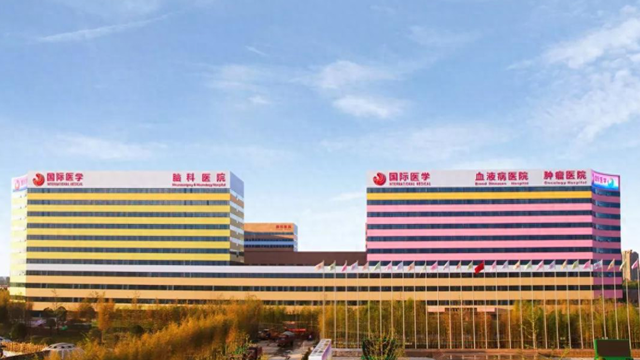
连亏多年 国际医学拟定增10亿“补血”突围
Zhong Guo Jing Ying Bao· 2025-12-19 20:15
Core Viewpoint - International Medicine (000516.SZ) plans to raise up to 1.008 billion yuan through a private placement, focusing on three main areas: smart healthcare projects, proton therapy center phase II, and working capital supplementation [2][4] Group 1: Fundraising and Investment Focus - The fundraising will allocate 638 million yuan to smart healthcare projects, nearly 100 million yuan to the proton therapy center phase II, and 270 million yuan for working capital [2] - The smart healthcare project aims to utilize idle assets to "activate stock assets," responding to both policy demands and the need for asset revitalization [2][5] - The company intends to use 270 million yuan from the fundraising to meet operational funding needs and optimize its capital structure [2][5] Group 2: Financial Challenges - As of September 30, 2025, the company's debt-to-asset ratio reached 68.80%, significantly higher than the industry average, with a sharp decline in cash reserves from 1.52 billion yuan at the end of 2021 to 331 million yuan [4][7] - The company has substantial short-term borrowings of 995 million yuan and non-current liabilities due within a year totaling 905 million yuan, leading to a total of nearly 1.9 billion yuan in rigid debt due within a year [4] - The company has faced significant losses over the past four years, with cumulative losses reaching 2.621 billion yuan [7] Group 3: Market Opportunities and Strategic Adjustments - The company views the fundraising as a strategic adjustment to address market changes, financial pressures, and idle assets [3] - The smart healthcare project and proton therapy center phase II are seen as key initiatives to capitalize on the "silver economy" and high-end medical development opportunities [4][6] - The proton therapy center phase II aims to fill a market gap in the northwest region, where no proton therapy centers are currently operational [6] Group 4: Operational Efficiency and Cost Management - The company is attempting to improve operational efficiency through clinical pathway management and cost structure optimization [8][9] - As of the third quarter of 2025, the company reported a management expense ratio of 10.99%, a decrease from previous periods, indicating initial success in cost control [8] - The company plans to continue enhancing service quality and patient experience while exploring various specialized medical fields to build competitive advantages [9]


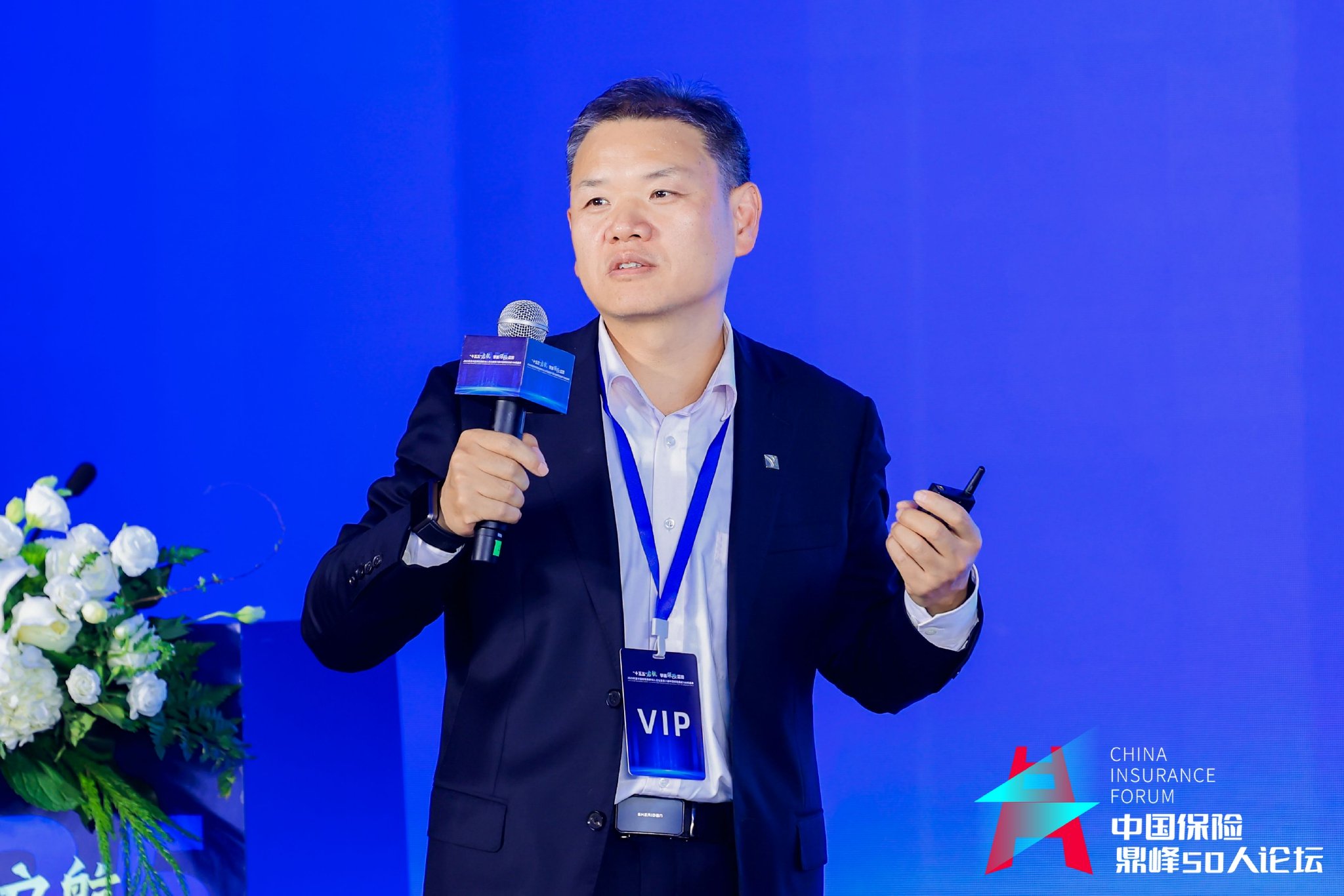
北京人寿总经理王修文:商业模式不能盲目定,要适合自己的才好
Xin Lang Cai Jing· 2025-12-19 11:55
Core Insights - The "2025 China Insurance Summit Forum" was held on December 17, focusing on the theme "'14th Five-Year Plan' Launch: Charting the Insurance Blueprint" [1][5] - The forum gathered nearly a hundred representatives from the "Top 108 in Chinese Insurance," along with experts and executives, to discuss high-quality development paths for the insurance industry during the "14th Five-Year Plan" period [1][5] Group 1: Industry Challenges and Opportunities - The life insurance sector is currently facing pressures such as product homogenization and the need for cost reduction and efficiency improvement [3][7] - Despite these challenges, the overall outlook for the life insurance industry is optimistic, with opportunities outweighing challenges [3][7] - Key growth areas identified include health insurance, particularly critical illness insurance with potential for dividends and the development of long-term care insurance [3][7] Group 2: Strategic Recommendations - The industry is encouraged to seize new opportunities presented by initiatives like "Healthy China," "Silver Economy," and "Integrated Reporting" [3][7] - Innovation is emphasized as crucial for breaking through current challenges, with a focus on enhancing products, services, and technology to improve quality and efficiency [3][7] - Sustainable business models should align with the company's inherent strengths, avoiding strategies that do not match the company's capabilities [3][7]
2025年度中国保险鼎峰50人论坛成功举办
Zheng Quan Ri Bao Wang· 2025-12-19 10:53
Group 1 - The core theme of the forum is "The 14th Five-Year Plan: Setting Sail to Outline the Insurance Blueprint," focusing on the transformation and high-quality development of the insurance industry during this period [1] - Former Vice Chairman of the China Banking and Insurance Regulatory Commission, Chen Wenhui, emphasized the revolutionary impact of digitalization, particularly AI technology, on the insurance industry, suggesting that its comprehensive application is crucial for the survival of insurance institutions [1] - Chen Wenhui proposed a four-point strategy for the insurance industry to embrace AI, including implementing a digital transformation strategy, enhancing data value, increasing AI talent development, and being aware of potential risks associated with AI [1] Group 2 - Xie Yuantao, Dean of the School of Insurance at the University of International Business and Economics, highlighted the importance of cultivating composite insurance talents and promoting interdisciplinary integration and AI empowerment for high-quality development in the insurance sector [2] - Wang Xiuwen, General Manager and Chief Investment Officer of Beijing Life, noted that while the life insurance industry faces challenges such as product homogenization, the overall development opportunities outweigh the challenges, urging innovation through products and services [2] - Zhang Zongtao, President of Modern Property Insurance, stated that the company is focusing on new energy ride-hailing insurance to avoid homogenization and leverage structural opportunities arising from technological changes [2]
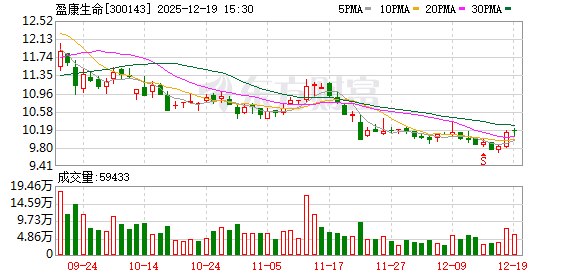
盈康生命:在差异化发展领域,公司医疗服务板块的布局主要围绕三个层面系统展开
Xin Lang Cai Jing· 2025-12-19 09:46
Core Viewpoint - The company is focusing on differentiated development in its medical services sector, aiming to enhance its service capabilities and meet diverse market demands through a multi-layered approach [3][4][5] Group 1: Comprehensive Medical Services - The company is expanding consumer health products and personalized services, transitioning from traditional disease treatment to health management that covers the entire user lifecycle [3][4] - In terms of product offerings, the company is solidifying its full-process service capabilities in core specialties like oncology while actively developing new areas such as chronic disease management, precise anti-aging, scientific weight loss, psychological intervention, and traditional Chinese medicine [3][4] - The company is continuously refining a differentiated service system based on high-quality therapeutic effects to systematically enhance its comprehensive service capabilities [3][4] Group 2: Elderly Care Services - The company is building a collaborative health and wellness service capability centered around the "silver economy," focusing on the needs of severe rehabilitation and elderly care [3][4] - Utilizing its medical institutions' professional resources, the company is developing capabilities to meet rehabilitation and nursing demands while exploring a light-asset operation model [3][4] - The company is also leveraging AI capabilities to improve service accessibility, laying the groundwork for future service scenario expansion [3][4] Group 3: Advanced Medical Services - The company is committed to tracking and introducing cutting-edge diagnostic and treatment technologies and service models to continuously enhance diagnostic levels and patient experiences [3][4] - The aim is to meet the evolving and differentiated needs of users through a layered and focused differentiated layout, ultimately constructing a more comprehensive and resilient medical service system [3][4][5]

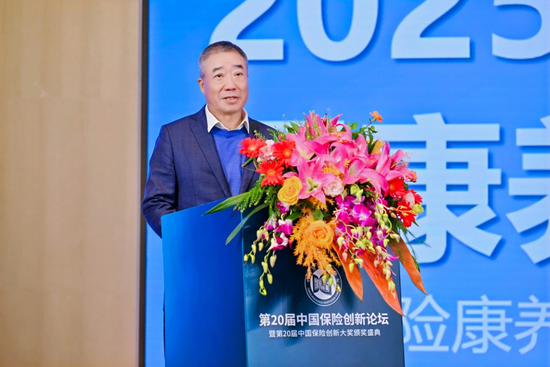
何志光:《2025年度中国保险医康养产业研究报告》
Xin Lang Cai Jing· 2025-12-19 08:56
Core Insights - The insurance industry is increasingly recognized as an effective tool for implementing national development strategies, connecting customer demand insights, service ecosystem integration, and the final payment loop [1][15][24] - Despite the acknowledgment of the social contribution value of insurance at various government levels, there remains room for improvement in understanding its significance [1][15][24] Industry Report Highlights - The 2025 Annual Research Report on the Insurance Medical and Health Industry was released, expanding its focus from elderly care communities to the entire health and wellness industry, including medical health [3][17] - The rise of the silver economy and the maturation of the overall market, along with clear national strategic guidance, have created historic opportunities for both elderly finance and related medical health industries [3][17] Alliance Functions - The alliance aims to build a platform for insurance companies and various enterprises in the health and wellness industry to promote collaboration and win-win cooperation [4][18] - The alliance has initiated substantial cooperation with local governments, such as participating in the restructuring and planning of the Haihua Island project, which is positioned as a key exploration base for the health and wellness industry [5][19] - The alliance promotes sharing across technology, services, products, and customer service to create a complete ecosystem [6][19] Standardization and Legal Support - The alliance has led the establishment of service standards for elderly care communities and various supporting service specifications to ensure service quality stability [6][20] - A proposed legal service platform aims to address the lack of reliable and professional channels for resolving legal disputes faced by elderly individuals in care facilities [7][20] Economic Impact of Insurance - In 2023, the total assets of the financial industry reached 461 trillion yuan, with the insurance industry bearing an insurance guarantee amount exceeding 13 trillion yuan, which is 106 times the GDP of that year [10][22] - The insurance industry provides risk and wealth protection amounts that are several times the GDP, highlighting its critical role in the national economy [11][23] Future Considerations - The insurance sector's contribution to economic development should be evaluated based on insurance guarantee amounts rather than just asset scale, which could lead to more flexible and forward-looking fiscal policies [12][24] - The insurance industry is becoming increasingly essential in the national development strategy, with its role in various social welfare areas being indispensable and continuously supported by policy [1][15][24]
北京出新政促高质量充分就业
Zhong Guo Xin Wen Wang· 2025-12-19 06:23
Group 1 - The core viewpoint of the news is that Beijing is implementing new policies to promote high-quality and sufficient employment through various measures, including modernizing human resources and enhancing public employment services [1][2] Group 2 - The implementation opinions emphasize the need for collaboration between education and employment, suggesting that employment status should be a key factor in resource allocation, quality assessment, and enrollment planning in higher education [1] - There is a focus on developing new employment fields and positions, particularly in the digital economy, green industries, and service sectors such as childcare and elder care [1] - The policies aim to optimize the public employment service mechanism by establishing a unified human resources market and promoting the development of human resources service industry parks [2]
欣龙控股:公司非织造材料在个人护理、医疗防护等下游应用领域与银发经济相关应用有交叉
Mei Ri Jing Ji Xin Wen· 2025-12-19 04:14
Core Viewpoint - The company has indicated its involvement in the silver economy through its non-woven materials used in personal care and medical protection applications [1] Group 1 - The company responded to an investor inquiry regarding its strategic positioning in the silver economy [1] - The company's non-woven materials have relevant applications that intersect with the silver economy [1]

消费变迁下的直销新机遇:紧扣Z世代、银发族与绿色需求
Sou Hu Cai Jing· 2025-12-19 03:55
Core Insights - The direct selling model is aligning well with changing consumer demands and trends, reshaping the industry's future [1] - The Chinese consumption market is undergoing profound changes, with the national trend economy expected to reach 2.29 trillion yuan in 2024, driven largely by the "Z Generation" [1] - The aging population is projected to contribute significantly to the economy, with the silver economy expected to reach 7 trillion yuan [1] Consumption Trends - The shift in China's consumption structure is moving from quantity to quality, emphasizing emotional value over functional value [4] - Retail sales of consumer goods are expected to grow from 25.9 trillion yuan in 2014 to 48.3 trillion yuan in 2024, an increase of over 80% [4] - Service consumption is growing faster than goods consumption, with health-related spending increasing at an annual rate of 9.8% from 2013 to 2024 [4] Z Generation Consumption - The "Z Generation" (born 1995-2009) comprises about 260 million people, contributing 40% of total consumption, with their spending projected to quadruple to 16 trillion yuan by 2035 [7] - This generation values personalization and seeks recognition through niche consumption, with a significant portion being rational consumers [7] - Direct selling can leverage the rational consumption habits of the Z Generation by providing expert knowledge and personalized products [7] Silver Economy - By the end of 2024, the population aged 60 and above in China is expected to exceed 300 million, with the silver economy projected to reach 19.1 trillion yuan by 2035 [10] - The health consumption patterns of the elderly are evolving, with a notable increase in demand for senior-friendly products, such as fitness equipment and health supplements [10][11] - The shift from passive treatment to proactive prevention in health-related products presents a significant market opportunity [11] Green Consumption - Green consumption is becoming a mainstream trend, with 83% of consumers willing to pay a premium for smart health appliances [14] - Sales of health monitoring devices are expected to grow by 41.6% year-on-year in Q1 2025, reflecting the rising demand for smart consumer products [14] - Direct selling companies are integrating sustainable development into their core strategies, enhancing consumer trust in green products [14] Direct Selling Model Advantages - The direct selling model's personalized service and strong social attributes align well with new consumer demands [18] - Direct sellers can effectively cater to the Z Generation's preference for experiential and personalized products through social media engagement [18] - The model's one-on-one service can meet the specialized health needs of the elderly, positioning direct sellers as trusted health advisors [18] Future Market Outlook - The evolution of three major consumer forces and the adaptability of the direct selling model create a roadmap for future market changes [19] - Direct selling companies that align with consumer trends and provide high-quality offerings can secure advantageous positions in the expanding market [19] - The industry is poised for a resurgence, with the direct selling model's compatibility with new consumption trends indicating a bright future ahead [19]

中信建投黄文涛:建议放开部分城市对房地产和汽车的消费限制
Xin Lang Cai Jing· 2025-12-19 02:17
Core Viewpoint - The Chinese consumption market has significant growth potential, with a shift towards service consumption expected as GDP per capita approaches $14,000, nearing the $15,000 threshold where service consumption typically accelerates [3][8]. Group 1: Economic Indicators - By the end of this year, China's GDP per capita is projected to be close to $14,000, indicating a transition towards rapid growth in service consumption [3][8]. - Currently, the proportion of per capita service consumption expenditure in China stands at 46.1%, which shows considerable room for improvement compared to developed countries [3][8]. Group 2: Demographic Changes - The entry of Generation Z into the workforce is driving new consumption trends, particularly in experiential consumption and local cultural elements [3][8]. - The aging population is contributing to the growth of the silver economy, with increasing demand in sectors such as elderly care, health, and smart home appliances [3][8]. Group 3: Policy Recommendations - To stabilize and expand consumption, it is recommended to maintain a long-term focus on expanding domestic demand, implementing more proactive fiscal policies and moderately easing monetary policies during the 14th Five-Year Plan period [4][9]. - Specific measures include enhancing income for urban and rural residents, improving employment stability through loan subsidies, and increasing the minimum purchase price for grain [4][9]. Group 4: Consumption Environment Optimization - Suggestions include increasing leisure time for residents by implementing school breaks and paid leave, as well as creating new public holidays to facilitate consumption [5][10]. - There is a call to remove unreasonable restrictions in the consumption sector and to support emerging consumption areas such as e-commerce and low-altitude economy [5][10]. Group 5: Future Outlook - The current challenges in the consumption market are seen as developmental issues, with expectations that as disposable income rises and policies take effect, the consumption market will gradually recover, contributing to stable economic growth [11].

