制度型开放

Search documents
外国人来华热彰显友善中国底色
Zhong Guo Xin Wen Wang· 2025-10-16 18:05
Core Insights - The number of foreign visitors to China is expected to exceed 64.88 million in 2024, marking an 82.9% year-on-year increase, with over 51 million recorded in the first eight months of 2025 [1] Policy Initiatives - China has expanded its visa-free entry policy to nearly 50 countries and extended transit visa-free stay to 240 hours for foreign visitors [2] - The country has implemented a nationwide "immediate refund" policy for tax refunds upon departure, enhancing the convenience for foreign tourists [2] - Various policies introduced since 2023 have significantly facilitated foreign tourism, transforming brief layovers into deeper travel experiences [2] Cultural Exchange - Cultural interactions, such as foreign tourists engaging in traditional activities like wearing Hanfu and learning pottery, foster a sense of belonging and cultural resonance [5] - The introduction of a new K visa for foreign youth in technology allows for more flexible entry and stay conditions, promoting talent exchange [5] International Relations - China positions itself as a reliable partner on the global stage, promoting initiatives like the Belt and Road Initiative and offering zero-tariff treatment to the least developed countries [6] - The country has removed restrictions on foreign investment in the manufacturing sector, contributing to its role as a stabilizing force in the global economy [7] Overall Sentiment - The friendly atmosphere in China is characterized by both policy-driven initiatives and genuine interactions among people, reshaping global perceptions of the country [8]
人民银行:熊猫债券发行主体不断丰富,累计发行规模突破万亿元
Bei Jing Shang Bao· 2025-10-16 12:21
Core Viewpoint - The People's Bank of China is steadily expanding institutional openness and optimizing the investment environment for foreign institutions, enhancing the internationalization of the financial market [1] Group 1: Financial Market Developments - The People's Bank of China is promoting the alignment of various institutional rules related to issuance, trading, registration, settlement, taxation, rating, and risk disposal with international standards, thereby increasing the internationalization level of the financial market [1] - The weight of Chinese bonds in the three major global bond indices is gradually increasing, significantly enhancing their international influence and competitiveness [1] Group 2: Bond Market Initiatives - A unified framework for the opening of the bond market has been established in collaboration with relevant departments, promoting a coordinated approach to the opening of both interbank and exchange bond markets [1] - Continuous efforts are being made to promote RMB bonds as widely recognized eligible collateral in the global market [1] - The Panda bond system has been optimized, with a diverse range of issuers, and the cumulative issuance scale has surpassed one trillion yuan [1] Group 3: International Collaboration - The Shanghai Gold Exchange has established a gold delivery warehouse in Hong Kong, launching gold trading contracts for delivery in Hong Kong [1] - Following the principle of "two ends outside," the development of the offshore bond market in free trade zones is being advanced in accordance with internationally accepted rules and standards [1]
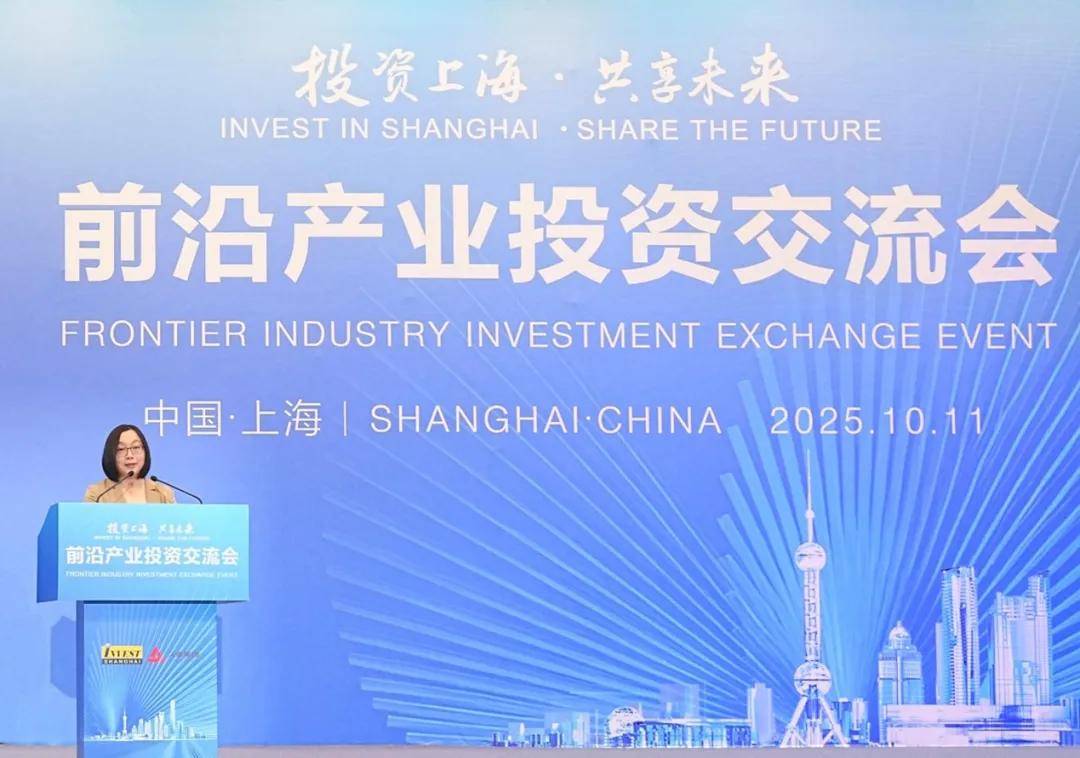
与上海同行,共赴创新未来 | 安永受邀出席前沿产业投资交流会并发表主旨演讲
Sou Hu Cai Jing· 2025-10-16 06:22
Core Insights - The "Investment Shanghai · Shared Future" investment exchange conference was successfully held in Shanghai, co-hosted by the Shanghai Municipal Commission of Commerce and Jiushi Group, highlighting Shanghai's commitment to attracting foreign investment [2] - Ernst & Young (EY) emphasized Shanghai's comprehensive advantages in attracting foreign investment, focusing on the city's resilience and investment appeal [3][4] Group 1: Investment Environment - Shanghai has demonstrated unique development resilience and investment attractiveness as a frontier for China's opening up, continuously promoting institutional openness [4] - Since 2018, Shanghai has released an action plan to optimize the business environment for eight consecutive years, showcasing the government's forward-looking vision and service spirit [4] - The ongoing optimization of the business environment has become a core competitive advantage for Shanghai in attracting foreign investment [4] Group 2: Industry Development - Shanghai is accelerating the construction of an international innovation center, focusing on comprehensive ecological layouts in emerging sectors such as artificial intelligence, cloud computing, and green low-carbon technologies [4] - EY has actively participated in government-led overseas investment promotion activities, assisting multinational companies in establishing new enterprises, R&D centers, and regional headquarters in Shanghai, covering key industries like electronic information and biomedicine [4] Group 3: Policy and Project Promotion - During the policy and project promotion segment, officials from various Shanghai government departments provided authoritative interpretations of the latest policies and initiatives aimed at attracting foreign investment, including developments in the artificial intelligence industry and financial support for technological innovation [4] Group 4: Roundtable Discussion - The roundtable discussion focused on the integration of culture, sports, and tourism in a global mega-city, exploring opportunities arising from top-tier events, innovative financial support, and advanced technology [5] - Shanghai's exceptional urban charm, complete industrial ecosystem, and high-quality business environment offer global investors a valuable sense of "certainty" [5] - Investing in Shanghai is portrayed as a choice for sustainable and promising future opportunities [5]

上海市委常委、常务副市长吴伟:将以更高水平对外开放集聚全球投资者
Di Yi Cai Jing· 2025-10-16 01:40
Core Viewpoint - Shanghai is actively working to establish itself as a global asset management center, enhancing its international financial hub status and attracting more domestic and foreign institutions to operate in the city [1][2]. Group 1: Financial Market Performance - From January to September, the total trading volume of Shanghai's financial market reached 296.783 trillion yuan, representing a year-on-year increase of 12.7% [1]. - As of the end of June, the bond custody balance of foreign institutions in the interbank bond market was 4.2 trillion yuan, an increase of 40 billion yuan compared to the end of last year [1]. - The cumulative trading amount of the "Shanghai Stock Connect" reached 9.3 trillion yuan, with a market value of 1.39 trillion yuan held by foreign investors [1]. - The number of Qualified Foreign Institutional Investors (QFII) increased by 50% year-on-year [1]. Group 2: Asset Management Growth - Over the past five years, the total scale of asset management in Shanghai has increased from less than 20% to approximately 30% of the national total [2]. - The scale of insurance asset management accounts for about 50% of the national total, while public funds account for about 40% [2]. - Shanghai has the highest scale of private equity funds in the country, with nearly 1,800 licensed financial institutions operating in the city, one-third of which are foreign [2]. Group 3: Innovation and Technology Integration - Shanghai's industry associations have initiated the establishment of industry standards for the application of large models in asset management [2]. - Relevant departments are promoting the application of AI technology in specific business scenarios such as equity investment and securities investment [2]. Group 4: Future Development and Collaboration - Shanghai aims to enhance its global asset management center construction with the guidance of national financial management departments, focusing on attracting global investors through higher levels of openness [2][3]. - The city plans to stimulate market vitality through higher quality reforms and innovations, encouraging asset management institutions to innovate products and services to meet diverse investor needs [2]. - Continuous efforts will be made to strengthen communication with financial management departments and industry associations to create a more vibrant industry development ecosystem [2].
双向奔赴让资本市场“朋友圈”越来越大
Sou Hu Cai Jing· 2025-10-15 22:38
近日,中国证监会核准设立瑞穗证券(中国)有限公司,外资独资券商再增1家。不仅如此,中国证监 会主席吴清此前表示,"十四五"期间,新增核准13家外资控股证券基金期货机构来华展业兴业,外资持 有A股市值3.4万亿元,269家企业境外上市,中国资本市场的"朋友圈"越来越大。 我国资本市场"朋友圈"的扩容提质,既是我国资本市场高水平制度型开放的生动缩影,也是对当前外资 看好中国、买入中国强烈诉求的积极回应,彰显出中国市场开放的信心和智慧。 制度型开放的提速,让外资来得了、留得下。从全面取消行业机构外资持股限制、完善合格境外投资者 制度,到优化互联互通机制、提升外资跨境投资便利度。近年来,我国资本市场大门越敞越开,与国际 市场接轨的步伐越迈越快,互联互通的"立交桥"越筑越宽。逐步构建起多层次、多元化的跨境投资产品 体系,覆盖多种产品类别,能够满足不同投资偏好的国际资本需求,为外资"大胆进、敞开买"吃下定心 丸。 "请进来"也要"走出去"。开放不是单行道,而是一场双向奔赴。这些年,中国企业正以更从容的姿态融 入全球资本市场,积极走出去、力争走得远,在国际市场磨砺中增强竞争力、提升影响力,积极进行标 准输出、模式创新:数字 ...
外企“开放麦”里,是中国与世界的“双向奔赴”
Ren Min Ri Bao· 2025-10-15 02:28
Core Insights - The 37th Shanghai Mayor's International Entrepreneur Consultation Conference was held, featuring 45 top international entrepreneurs from 17 countries, representing a total market value exceeding $3.5 trillion [1] - The conference highlighted Shanghai's role as a global business hub and its commitment to openness and innovation, with discussions shifting from efficiency to collaborative improvement [3][7] Group 1: Innovation and Technology - Shanghai is recognized as one of the highest concentrations of innovation, with events showcasing AI advancements and startups [2] - Companies like Xupai Technology and AI medical firms are actively seeking international partnerships to expand their market reach [3] - The integration of AI in various sectors, including healthcare and entertainment, demonstrates Shanghai's rapid technological development [2][4] Group 2: Policy Recommendations - Suggestions were made to enhance data collaboration and transparency to support innovation [4] - Recommendations included simplifying market access in key sectors like green technology and pharmaceuticals, and establishing regular dialogues between regulatory bodies and businesses [5] - The importance of creating a conducive environment for international talent through streamlined visa processes and improved family support services was emphasized [6] Group 3: Investment and Economic Growth - Since the last conference, 13 companies have planned new investments in Shanghai, totaling over 30 billion RMB [8] - Shanghai has become a hub for international shipping and logistics, with a focus on creating a one-stop service for maritime operations [8] - The city has attracted nearly $100 billion in foreign investment over the past five years, with a significant number of new foreign enterprises established annually [10]
六个“新”字看成绩丨改革开放迈出新步伐
Xin Hua She· 2025-10-14 15:00
Core Points - The "14th Five-Year Plan" period marks the beginning of a new journey towards building a modern socialist country and advancing towards the second centenary goal [2] - Significant achievements have been made in promoting development, enhancing vitality, and strengthening momentum through comprehensive reforms and multi-faceted breakthroughs [2] Group 1: Economic Structure - A high-level socialist market economic system is being solidly constructed [2] - The domestic circulation's leading position is continuously consolidated [7] - The quality of domestic and international dual circulation is steadily improving [11] Group 2: Trade and Openness - A diversified trade pattern is accelerating its formation [4] - Institutional openness is continuously expanding [5] - The spatial layout of domestic circulation is gradually optimized [14]
理响中国丨全国统一大市场的“那些事”
Xin Hua Wang· 2025-10-14 05:35
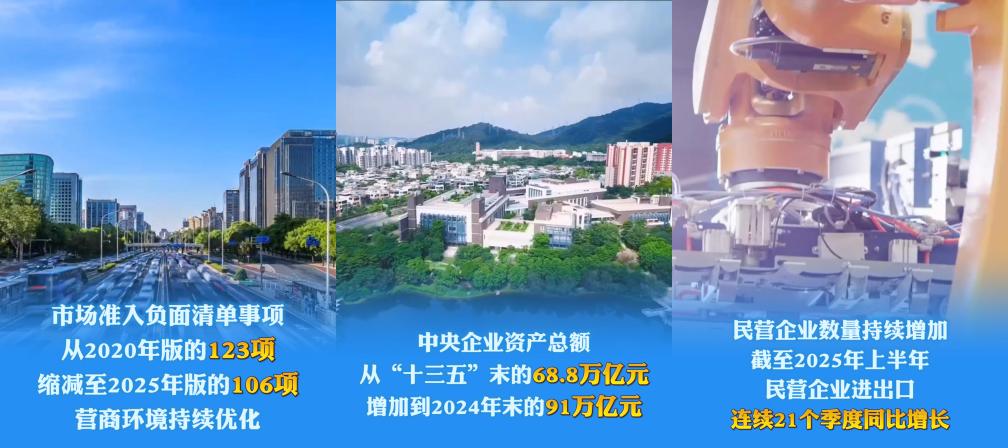
Core Insights - The construction of a nationwide unified market in China is crucial for countering uncertainties in international circulation by leveraging the certainty of domestic circulation [2][3] - The achievements during the "14th Five-Year Plan" period highlight the acceleration of building a unified market, showcasing the internal circulation advantages of a large economy [3][5] Summary by Sections Importance of the Unified Market - The unified market is essential as it addresses the need for a stable domestic economy amidst changing external conditions, promoting the smooth flow of resources across regions [2][3] - The market resources are identified as a significant advantage for China, which must be fully utilized to support the new development pattern [2] Achievements During the "14th Five-Year Plan" - The construction of the unified market has gained momentum, with significant contributions from both supply and demand sides, enhancing market vitality [3] - The establishment of a unified electricity market has been a notable achievement, with market-based trading accounting for 63% of total electricity consumption by 2024 [5] Infrastructure and Logistics Development - The development of high-standard infrastructure has accelerated, significantly reducing transaction costs across the economy [6] - The logistics network has expanded, with the total operational mileage of the national transportation network increasing by over 300,000 kilometers compared to the previous five-year plan [6] Consumer Market Dynamics - Consumer spending has contributed an average of 56.2% to economic growth during the "14th Five-Year Plan," with retail sales expected to exceed 50 trillion yuan by 2025 [6] - New consumption trends are emerging, including digital consumption and AI-driven purchasing, indicating a shift towards innovative market dynamics [6] Reform and Open Market Strategies - The key to achieving the unified market's goals lies in reforming the relationship between government and market, fostering a fair competitive environment [7] - The government has streamlined market access regulations, reducing the negative list of market entry by one-third, thus enhancing efficiency [7][10] - The focus on high-level institutional openness aims to create a world-class business environment, facilitating international trade and investment [10]
构建“六位一体”离岸金融体系
Guo Ji Jin Rong Bao· 2025-10-13 10:11
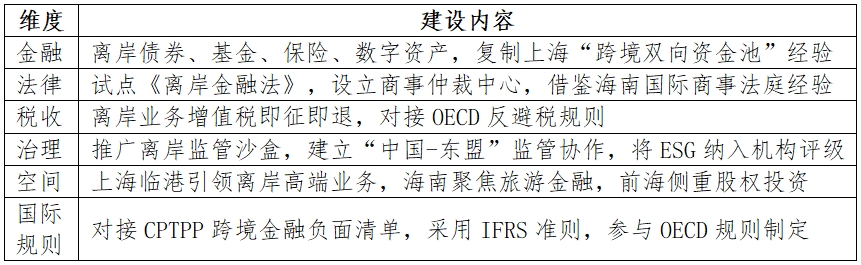
Core Viewpoint - The article emphasizes the strategic direction for the development of China's offshore financial system, aligning it with the Shanghai International Financial Center, highlighting its role in enhancing national financial competitiveness and supporting the internationalization of the Renminbi [1][22]. Summary by Relevant Sections Offshore Financial System - The offshore financial system is not merely a combination of "overseas accounts + foreign currency business," but a comprehensive institutional ecosystem that integrates five dimensions: financial, institutional, governance, spatial, and strategic [3][6]. Financial Dimension - This includes offshore accounts such as OSA (Offshore Accounts), FT (Free Trade Accounts), and NRA (Non-Resident Accounts), as well as offshore bonds, funds, banks, and insurance services [3]. Institutional Dimension - It encompasses applicable laws, judicial arbitration, regulatory rules, tax policies, and compliance standards [4]. Governance Dimension - This involves cross-border regulatory cooperation, data governance, anti-money laundering, anti-tax avoidance, and ESG (Environmental, Social, and Governance) standards [5]. Spatial Dimension - It relies on offshore financial functional zones, international financial centers, and cross-border cooperation platforms [6]. Strategic Dimension - The system aims to serve the internationalization of the Renminbi and the Belt and Road Initiative, aligning with high-standard rules such as CPTPP and DEPA, and requires pilot verification through free trade experimental zones [6]. Core Functions of the Offshore Financial System - The system's core functions are reflected in three aspects: establishing institutional pricing power for Renminbi-denominated assets, optimizing global capital efficiency, and transforming domestic regulatory experiences into international rules [7][8]. Challenges in the Current System - The current offshore financial system faces challenges such as institutional supply lagging behind strategic demand, fragmentation of regulations, and a lack of a unified legal framework [9][10][11]. Proposed Institutional Framework - A proposed "1+N+X" framework includes the establishment of an Offshore Financial Law, specialized business regulations, and local differentiated pilot programs to enhance the system's effectiveness [13][14]. Legal and Taxation Improvements - Recommendations include creating an "offshore legal applicability zone," upgrading the account system to integrate both domestic and foreign currency functions, and optimizing the tax system to attract more offshore entities [14][17]. Integrated Innovation - The article advocates for a "six-in-one" integrated innovation approach that combines finance, law, taxation, governance, spatial planning, and international rules to create a robust offshore financial ecosystem [15][18]. Future Direction - The construction of a Chinese offshore financial system should focus on institutional confidence, avoiding the mere replication of models from Hong Kong and Macau, and instead, aim to be a rule-setting entity in the global financial landscape [20][21].
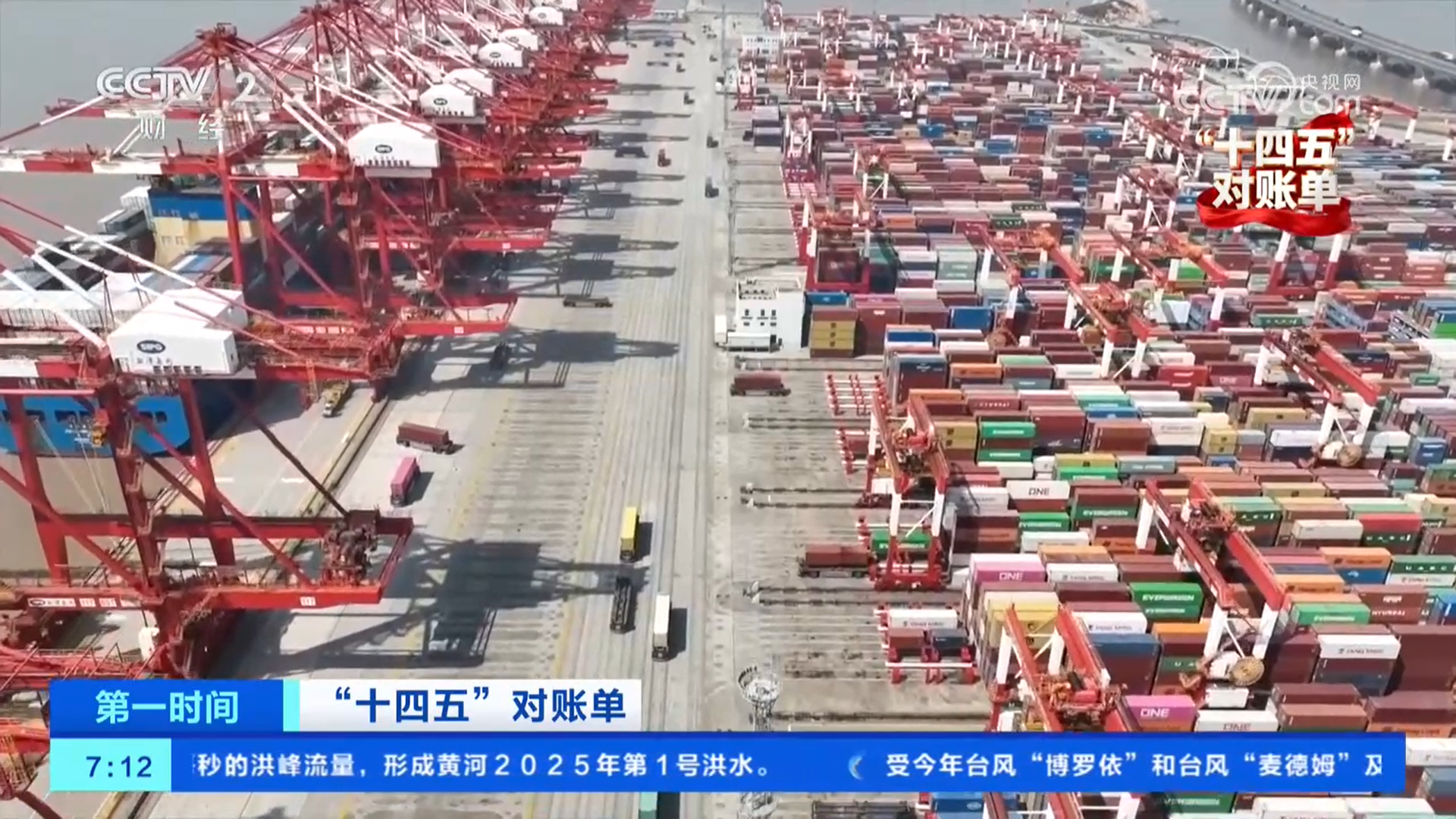
货物贸易、服务贸易、数字贸易“三大支柱”不断夯实
Yang Shi Wang· 2025-10-13 02:45
专家认为,未来5年,我国的外贸环境仍然面临着很多不确定性,我们要持续推进高水平的制度型开放,打造一流的营商环境,与世界各国实现互利共 赢。我国要继续发挥超大规模市场优势,充分释放消费和吸引外资的双重潜力。 "十四五"期间,我国高水平对外开放步伐加快,自贸试验区总数达到22个,制度型开放格局不断完善。我国在上海等有条件的自贸试验区以及海南自由 贸易港,主动对接《全面与进步跨太平洋伙伴关系协定》和《数字经济伙伴关系协定》这些高标准经贸规则,累计推出了两批共110余项试点措施,涉及贸 易、投资、知识产权、政府采购、环境保护等重点领域。 对外经贸大学中国开放经济理论研究院院长 桑百川:自贸试验区和自贸港是中国特殊的开放平台,以此为抓手它不仅仅是吸收外资、扩大对外贸易的 一个重要的平台,它已经成为国内重要的经济发展极,而且它们在创造可复制、可推广的经验方面,也走在了前列,引领着整个中国对外开放的高水平发 展。 央视网消息:"十四五"期间,我国贸易强国建设不断迈上新台阶,对外开放取得累累硕果。下一个五年,如何继续扩大高水平对外开放,促进高质量发 展?来看专家的解读。 专家表示,"十四五"期间,我国货物贸易、服务贸易、数字 ...