
出口转内销

Search documents
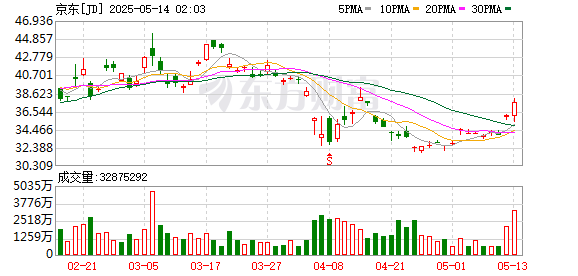
京东一季度收入3011亿元 外卖业务取得显著进展
Zheng Quan Shi Bao· 2025-05-13 18:03
5月13日,京东集团(09618.HK)发布了2025年一季度业绩。财报显示,一季度,京东集团实现收入为 3011亿元,同比增长15.8%,创下近三年来收入增速新高;归属于公司普通股股东的净利润为109亿 元,2024年第一季度为71亿元。 京东集团首席执行官许冉表示,消费情绪提振,叠加京东供应链能力及用户体验的不断优化,共同驱动 了业绩表现。此外,公司在新业务探索中取得了令人鼓舞的早期成果。 据悉,京东集团一季报中新业务主要包含外卖业务。一季报称,2025年2月,京东正式推出外卖业务。 京东外卖深植于京东生态,并非独立割裂的业务。京东外卖在极短的时间内取得显著进展,这充分体现 了外卖行业潜力大,以及京东对市场的精准把握和强大的执行能力。 一季度,京东的商品收入同比增长16.2%,各项业务均实现同比双位数增长。日百品类收入同比增长达 到14.9%,其中商超品类连续5个季度保持收入同比双位数增长。一季度,京东集团的季度活跃用户数 实现了连续6个季度同比双位数增长,增速超过20%。第三方商家成交用户数和订单量保持同比双位数 增长。 京东集团在财报中表示, 2025年1月1日至公告日期期间,公司回购共计约80.7百 ...


京东一季度活跃用户增速超20%,外卖拉动新业务收入增长
Di Yi Cai Jing· 2025-05-13 10:53
Core Insights - JD.com has shown significant revenue growth in Q1 2025, with total revenue reaching 301.1 billion yuan, a year-on-year increase of 15.8%, marking the highest growth rate in nearly three years [2] - The introduction of the food delivery business has positively impacted JD.com's overall performance, with new business revenue increasing by 18.1% year-on-year to 5.75 billion yuan, reversing a previous trend of decline [4] Revenue Performance - JD.com's Q1 revenue was 301.1 billion yuan, reflecting a 15.8% year-on-year growth [2] - Retail revenue for JD.com in Q1 was 263.85 billion yuan, up 16.3% year-on-year, with electronics and home appliances growing by 17.1% and daily necessities by 14.9% [3] User Growth and Engagement - The number of active users has seen double-digit year-on-year growth for six consecutive quarters, exceeding 20% [4] - The number of users transacting with third-party merchants and the order volume also maintained double-digit year-on-year growth [4] New Business Developments - JD.com launched a 200 billion yuan initiative to support the transition of export goods to domestic sales, with over 10,000 companies already engaged in procurement discussions [4] - The food delivery business, which began in February 2025, is in the investment phase, with operating expenses rising from 1.51 billion yuan in Q1 2024 to 2.49 billion yuan in Q1 2025, leading to an increase in operating losses [4] Logistics and AI Innovations - JD Logistics reported a revenue of 46.97 billion yuan in Q1, a year-on-year increase of 11.5% [6] - The AI team at JD.com has made advancements in creating digital human models, aiming to reduce costs for businesses lacking live streaming capabilities [6] Management Commentary - The CEO of JD.com highlighted that improved consumer sentiment, combined with enhanced supply chain capabilities and user experience, has driven strong performance in Q1 [6]

京东Q1营收、净利超预期 新业务收入增18.1%但亏损翻番
Hua Er Jie Jian Wen· 2025-05-13 09:58
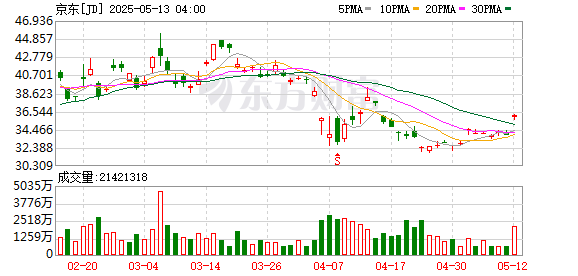
Core Insights - JD.com reported strong Q1 2025 earnings, with both revenue and profit exceeding expectations, driven by enhanced profitability in its core retail business and significant growth in new business revenues, including food delivery, despite increased losses [2][4]. Financial Performance - Total revenue reached RMB 301.1 billion, a year-on-year increase of 15.8%, surpassing the forecast of RMB 289.4 billion [2][3]. - Operating profit was RMB 10.5 billion (approximately USD 1.5 billion), up from RMB 7.7 billion in the same period last year; adjusted EBITDA rose 27% to RMB 13.7 billion, exceeding the expected RMB 12.6 billion [2][3]. - Adjusted earnings per ADS were RMB 8.41, above the forecast of RMB 7.09; adjusted operating margin improved to 3.9% from 3.4% year-on-year [2][3]. Business Segments - JD Retail's revenue grew by 16.3%, with operating margin increasing from 4.1% to 4.9% year-on-year, indicating enhanced profitability [4][7]. - JD Logistics reported an 11.5% revenue increase, with international expansion highlighted by new routes and warehouse operations [4][7]. - New business revenue, including food delivery, reached RMB 5.8 billion, up 18.1% year-on-year, but losses expanded to RMB 1.3 billion from RMB 670 million in the previous year [5][6]. Strategic Initiatives - JD.com is focusing on deepening partnerships with brands like Xiaomi to leverage market opportunities arising from consumer support policies and AI advancements [4][5]. - The company launched an export-to-domestic sales initiative, aiming to procure at least RMB 200 billion worth of goods, enhancing its domestic market presence [4][5]. - JD's entry into the food delivery market is seen as a strategic move to capitalize on the growing demand for quality delivery services [5][6]. Technological Advancements - JD Health is making strides in the application of AI technology in healthcare services, indicating a commitment to innovation in the medical field [8].
政府搭台 平台赋能 企业唱戏 外贸大省“内外兼修”打出护企“组合拳”
Shang Hai Zheng Quan Bao· 2025-05-12 18:53
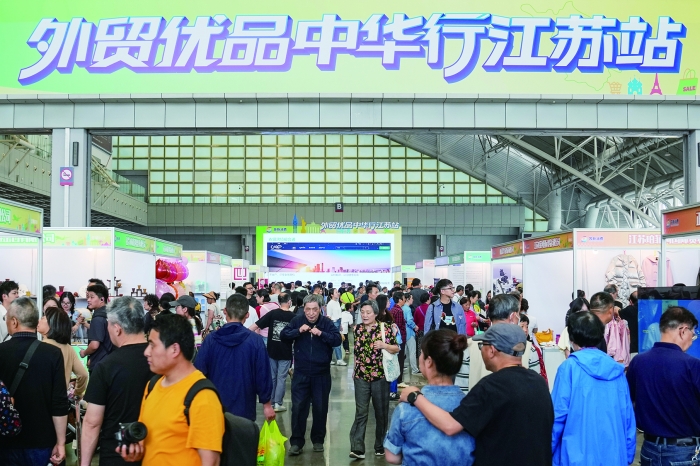
Core Viewpoint - The article highlights the proactive measures taken by major foreign trade provinces in China to stabilize foreign trade amidst external uncertainties, emphasizing a collaborative approach involving government support, platform empowerment, and enterprise initiative [2][4]. Group 1: Government and Platform Initiatives - Major foreign trade provinces have implemented a series of measures to support enterprises, including connecting domestic sales channels, expanding international markets, and strengthening financing guarantees [2]. - The "Foreign Trade Quality Products China Tour" events organized by the Ministry of Commerce aim to facilitate production and sales connections among key industries such as light industry, textiles, and food [4]. - Shandong province is promoting the "Same Line, Same Standard, Same Quality" initiative to facilitate the transition between domestic and international markets [5]. Group 2: Market Diversification - China is accelerating the diversification of foreign trade markets, with emerging markets in Latin America, Africa, Central Asia, and Central and Eastern Europe contributing nearly 60% to foreign trade growth last year [6]. - Various provinces are targeting these emerging markets through platforms and digital channels to assist foreign trade enterprises in entering new markets [6]. - The Ministry of Commerce plans to provide more public information services to foreign trade enterprises, including trade guides and information on the business environment in relevant countries [6]. Group 3: Financial Support for Enterprises - A comprehensive financial policy package has been introduced to support foreign trade enterprises, including measures from the People's Bank of China and financial regulatory bodies [7]. - Shandong province is enhancing the "Business + Finance" mechanism to increase financial product offerings for foreign trade enterprises transitioning to domestic sales [7]. - Guangdong has launched a special financial plan to strengthen credit support in the foreign trade sector, with a focus on small and micro enterprises [7]. Group 4: Trade Performance - In the first quarter, China's foreign trade exports increased by 6.9%, with a stable growth trend continuing into April [8]. - The Ministry of Commerce plans to enrich the toolbox of policies to stabilize foreign trade and introduce new measures as needed [8].
富佳股份20250512
2025-05-12 15:16
Summary of the Conference Call for 富佳股份 Company Overview - **Company**: 富佳股份 (Fujia Co., Ltd.) - **Industry**: Small household appliances, particularly vacuum cleaners Key Points and Arguments Production and Supply Chain - 富佳股份 has established a production base in Vietnam to mitigate the impact of U.S. tariffs on Chinese exports, with approximately 75% of vacuum cleaners exported to the U.S. produced in Vietnam [2][3] - The production efficiency in Vietnam is nearing that of domestic levels, but overall costs are similar due to logistics and material transportation expenses offsetting labor cost advantages [2][6] - The company is cautious about large-scale investments in Vietnam, preferring to maintain current operations to avoid high leasing costs [2][12] Market Dynamics and Competition - U.S. tariffs on Chinese exports may lead to overcapacity and challenges in shifting exports to domestic sales due to voltage standard differences [2][7] - Increased competition in non-U.S. markets, particularly Europe, may trigger price wars, significantly affecting profitability [2][8] - Southeast Asian production capacity is expected to meet most U.S. demand by Q2 2025, but price competition and RMB appreciation could negatively impact profitability [2][9] Strategic Development - The company employs a "one body, two wings" strategy, focusing on small appliances while diversifying into other products, aiming for a balanced domestic and international sales ratio [2][28] - Plans to expand into smart grain storage and energy storage sectors are underway, seeking new growth opportunities [2][15] Financial Outlook - Export constitutes about 80% of total sales, with the U.S. market accounting for approximately 70% of exports, highlighting its significance in the company's global operations [3] - The company maintains a conservative profit outlook for 2025 due to increased competition and RMB appreciation, with a focus on stabilizing existing operations rather than aggressive expansion [25][26] Tariff Implications - Recent commitments from the U.S. to modify tariffs by May 14, 2025, could significantly enhance China's export advantages, promoting domestic industry growth [4][29] - The company is adjusting to the external market environment by seeking to fill production gaps left by the shift from China to Vietnam [21] New Product Development - The company is actively expanding its product line in the cleaning appliance sector, including the production of robotic vacuum cleaners and exploring the market for lawn mowing robots [14][20] - Development in laser radar technology is ongoing, with potential applications in various robotic products [17][18] Challenges and Risks - Labor shortages and production capacity constraints in Vietnam are current challenges, with the company prioritizing existing customer relationships over new orders from competitors [5][10] - The company is cautious about expanding its footprint in Southeast Asia, considering the high risks associated with new investments [12][13] Additional Important Information - The company is not planning to transfer production of large energy storage systems to Southeast Asia, as the domestic market remains the primary focus [16] - The overall market for household appliances is expected to grow modestly, with potential risks from U.S. economic downturns affecting demand [25]

转内销观察丨耳机企业如何在内外贸市场奏响 “双强音”
Yang Shi Xin Wen Ke Hu Duan· 2025-05-12 14:06
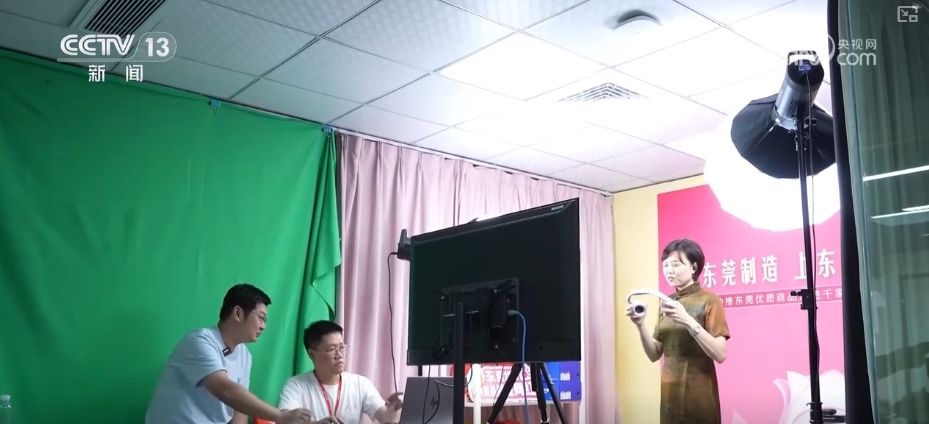
Core Viewpoint - The article highlights how Chinese foreign trade companies, particularly in Dongguan, are adapting to the challenges posed by U.S. tariffs by shifting focus towards domestic sales and brand development, exemplified by a local headphone manufacturer transitioning from reliance on U.S. orders to exploring the domestic market. Group 1: Company Transformation - The Dongguan-based headphone company, previously dependent on U.S. orders, is now seizing domestic market opportunities, achieving a transformation from a single revenue stream to a dual approach [2][10]. - The company has launched a series of products specifically designed for the domestic market, including innovative headphones utilizing air conduction directional sound technology [4][12]. - The company has established a research and development team to enhance its product offerings, which has led to the successful introduction of new products in the North American market [12][19]. Group 2: Market Strategy - The company has experienced a significant shift in its business model, moving from primarily manufacturing for U.S. clients to developing its own brand and products for the domestic market [10][18]. - The company’s annual order volume exceeded 1.1 billion RMB, with over 95% of its business previously coming from foreign trade, particularly the U.S. market [7][19]. - The local government has implemented a series of supportive policies to assist foreign trade companies in transitioning to domestic sales, including organizing trade events and providing financial services [18][19]. Group 3: Industry Response - The article illustrates a broader trend among Chinese manufacturers to diversify their markets in response to external pressures, such as tariffs, by enhancing their domestic sales capabilities [2][19]. - The collaboration between local government, industry associations, and e-commerce platforms has been crucial in facilitating this transition for companies [16][19]. - The company’s leadership emphasizes the importance of balancing foreign and domestic markets, aiming for a harmonious growth strategy that leverages both avenues [21].
中美关税战按下「暂停键」,中小出口商仍在观望丨氪金·大消费
36氪· 2025-05-12 13:07
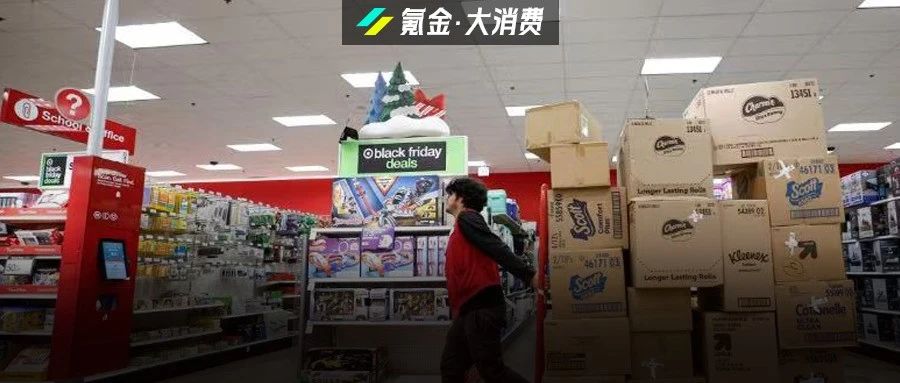
Core Viewpoint - The article discusses the recent pause in the US-China tariff trade friction, highlighting the importance of sustainable bilateral trade relations for both countries and the global economy [3][4]. Group 1: Tariff Changes - The US has committed to canceling 91% of tariffs imposed on Chinese goods and modifying a 34% tariff, with 24% of it suspended for 90 days, while retaining 10% [3]. - China reciprocated by canceling 91% of its counter-tariffs on US goods and suspending 24% of the 34% counter-tariff for 90 days, keeping 10% [3]. Group 2: Impact on Businesses - Major retailers like Amazon and Walmart have adjusted their strategies in response to tariff changes, with Amazon labeling "tariff costs" on products, which was met with strong opposition from the White House [5]. - Smaller trading companies lack the negotiating power of larger firms and remain in a passive position amid the trade tensions [5][6]. Group 3: Supply Chain and Pricing - The cancellation of the T86 tax exemption for small packages has led to increased costs for cross-border platforms, causing a price surge for goods [10]. - Shipping costs have doubled, with container prices rising from around $6,000 to between $12,000 and $15,000, impacting low-margin consumer goods [12][11]. Group 4: Consumer Behavior and Market Dynamics - American consumers' perception of Chinese products has shifted from low-quality to brand recognition and trust, with Xiaomi's success in the US market exemplifying this change [16]. - Retailers like Costco and Best Buy have different pricing strategies, affecting how suppliers manage their pricing and inventory in response to tariffs [17]. Group 5: Domestic Market Opportunities - Domestic retailers in China, such as Yonghui and Hema, are increasingly engaging with export traders to source foreign products, indicating a shift in market dynamics [22]. - Some suppliers are exploring domestic markets for their products, but challenges remain for those with customized products due to differing consumer preferences and production costs [23].
新动能驱动“科特估”为资本市场“排头兵”
Soochow Securities· 2025-05-12 06:06
Group 1: Economic Context - The ongoing tariff war is characterized as a "protracted battle," significantly impacting global demand and economic growth trajectories for various countries[1] - The trade conflict between China and the U.S. is expected to persist until internal economic issues in the U.S. and global growth concerns are resolved[1] - The tariff war has profound implications for global economic structures, suppressing investment and consumer demand[1] Group 2: Technology and Domestic Demand - By the end of 2024, the core value added of the digital economy is projected to account for approximately 10% of China's GDP[2] - China's KTI manufacturing output has more than doubled from 2012 to 2022, increasing its global share from 22% to 34%[2] - The domestic market for "localization" is expected to expand significantly, particularly in high-tech and agricultural products, as U.S. tariffs reduce the competitiveness of American goods[2] Group 3: Infrastructure and Innovation - The construction of technological infrastructure is essential for enhancing national competitiveness and driving digital economic growth[3] - A robust data-sharing and computing power framework is critical for the advancement of the digital economy and mitigating geopolitical risks[3] - China's technological products are gaining global competitiveness through sustained R&D investment and policy support, leading to a comprehensive lead in patents, sales, and standards in various high-tech fields[3] Group 4: Capital Market Dynamics - Foreign investment institutions are increasingly optimistic about Chinese technology companies, with many raising their holdings in Chinese stocks[5] - The valuation logic for technology stocks is shifting from "penetration rate-driven" to "market share and localization rate support," indicating a need for more rigorous evaluation criteria[7] - The potential for technology consumption to become a "second growth curve" for Chinese enterprises is significant, driven by a large domestic market and advancements in AI and digital payment systems[6]
从“单腿跳”到“两条腿走路” 多方发力为外贸企业“撑腰杆”托举企业“外转内”
Yang Shi Wang· 2025-05-12 03:20
Core Viewpoint - The article highlights how Chinese foreign trade companies are adapting to the challenges posed by U.S. tariffs by shifting focus towards domestic sales and brand development, exemplified by a headphone manufacturer in Dongguan that is transitioning from reliance on exports to a dual-market strategy [1][6][22] Group 1: Company Transformation - The Dongguan headphone company, previously dependent on U.S. orders, is now seizing domestic market opportunities, achieving a transformation from a single-market focus to a dual-market approach [1][5] - The company has launched a series of products specifically designed for the domestic market, including innovative headphones utilizing air conduction technology [3][12] - The company has established a comprehensive supply chain capability, allowing it to maintain foreign trade orders while also exploring domestic brand development [8][12] Group 2: Market Strategy and Government Support - The company has begun to build its own research and development team to better control product design and innovation, which has led to successful product launches in North America [10][12] - Dongguan's local government has introduced a series of supportive policies aimed at helping foreign trade companies transition to domestic sales, including 30 measures to enhance market access and financial services [18][20] - The government is organizing events to facilitate domestic market engagement, with plans for 28 national trade activities and 45 local exhibitions by 2025 [20]
关税风暴下,茂名罗非鱼的产业破局与韧性生长 | 茂名罗非鱼深调研 ①
Nan Fang Nong Cun Bao· 2025-05-12 02:34
Core Insights - The article discusses the resilience and challenges faced by the Maoming tilapia industry amid escalating tariffs imposed by the U.S. on Chinese seafood products, particularly tilapia, which has seen tariffs rise to over 150% [4][21]. Group 1: Industry Overview - China is the largest producer of tilapia globally, with an annual output exceeding 1.7 million tons, and the Maoming region contributes approximately one-seventh of this total [3]. - The U.S. tariffs on Chinese tilapia began during Trump's first term, with a 25% tariff introduced in May 2019, leading to a 20% decline in imports of frozen tilapia fillets from 2020 to 2024 [16][17]. - By February 2025, tariffs were raised to 45%, and further increases in April 2024 brought the total to 150%, significantly impacting the industry [19][21]. Group 2: Market Dynamics - The high tariffs have led to a sharp decline in exports, with companies like Hengxing Group reporting a 35% year-on-year drop in U.S. exports by March 2024 [23]. - Domestic sales are becoming a focal point for the industry, with companies like Guangdong Fuwu Food noting a shift in international buyers' behavior due to tariff uncertainties [24][26]. - The domestic sales ratio of Maoming tilapia has increased from 10% to 20% as companies seek to adapt to the changing market conditions [41][42]. Group 3: Strategic Responses - The industry is encouraged to stabilize supply and avoid panic selling to prevent further price declines [33][39]. - Initiatives are underway to promote tilapia as a viable domestic protein source, with companies developing new products to appeal to younger consumers [45][46]. - E-commerce platforms like JD.com are launching significant support plans to facilitate the transition from export to domestic sales, with tilapia being a key focus [48][50]. Group 4: Quality and Perception - The nutritional value of tilapia is highlighted, with protein content ranging from 20% to 26% and low fat content, positioning it as a healthy alternative to other fish [63][64]. - Efforts are being made to improve the perception of tilapia from a "trash fish" to a recognized source of protein, supported by quality certifications and sustainable farming practices [77][76]. - The industry aims to leverage its technological advancements in aquaculture to maintain competitiveness despite tariff challenges, with a focus on achieving a "billion-dollar industry" status by 2025 [57][58].
