工业生产者出厂价格指数(PPI)

Search documents
国家统计局:9月CPI环比由平转涨,PPI同比降幅继续收窄
Guan Cha Zhe Wang· 2025-10-15 02:27
Core Insights - In September 2025, the national consumer price index (CPI) decreased by 0.3% year-on-year, while it increased by 0.1% month-on-month [2][4] Group 1: Year-on-Year Changes - The CPI decline was influenced by a 4.4% decrease in food prices, while non-food prices rose by 0.7% [2][4] - Urban areas saw a 0.2% decrease in prices, while rural areas experienced a 0.5% decline [2] - Major contributors to the CPI decline included fresh vegetables (-13.7%), eggs (-11.9%), and pork (-17.0%) [4][5] Group 2: Month-on-Month Changes - In September, the CPI increased by 0.1% month-on-month, with urban prices remaining stable and rural prices rising by 0.2% [2][8] - Food prices rose by 0.7% month-on-month, with fresh vegetables increasing by 6.1% [8] - Other categories showed mixed results, with clothing prices up by 0.7% and transportation and communication prices down by 0.9% [8] Group 3: Industrial Producer Prices - The industrial producer price index (IPP) saw a year-on-year decline of 2.4%, primarily due to a 9.0% drop in mining prices [12] - Life goods prices decreased by 1.7%, impacting the overall IPP [12] - Month-on-month, the IPP remained stable, with mining prices increasing by 1.2% [15]

国家统计局:9月CPI同比下降0.3% 核心CPI同比涨幅持续扩大
Guo Jia Tong Ji Ju· 2025-10-15 01:55
Core Insights - In September 2025, the national consumer price index (CPI) decreased by 0.3% year-on-year, while it increased by 0.1% month-on-month [2][12][14] - The average CPI from January to September 2025 showed a decline of 0.1% compared to the same period last year [3][10] Price Changes - Urban CPI fell by 0.2% and rural CPI decreased by 0.5% year-on-year [3][10] - Food prices dropped by 4.4% year-on-year, significantly impacting the overall CPI, while non-food prices rose by 0.7% [3][14] - In September, food prices increased by 0.7% month-on-month, contributing to a 0.13 percentage point rise in CPI [8][12] Detailed Price Movements - Fresh vegetables saw a significant year-on-year price drop of 13.7%, while pork prices decreased by 17.0% [5][14] - Other categories showed mixed results, with clothing prices rising by 1.7% year-on-year, while transportation and communication prices fell by 2.0% [5][10] Core CPI Insights - The core CPI, excluding food and energy, rose by 1.0% year-on-year, marking the fifth consecutive month of growth [12][14] - This increase in core CPI indicates a stabilization in consumer demand and pricing trends [11][12] Producer Price Index (PPI) Trends - The PPI remained flat month-on-month but decreased by 2.3% year-on-year, with the decline narrowing by 0.6 percentage points compared to the previous month [12][17] - Improvements in supply-demand structures have led to price stabilization in several industries, including coal and metal processing [15][17] Sector-Specific Insights - The prices in the coal processing sector increased by 3.8% month-on-month, indicating a recovery in that industry [15][17] - The prices of high-end manufacturing sectors, such as aircraft and electronic materials, showed positive year-on-year growth, reflecting an upward trend in consumer demand [17]
受暑期消费旺季等因素影响 8月广东CPI环比涨0.1%
Nan Fang Ri Bao Wang Luo Ban· 2025-09-12 07:45
Group 1: Consumer Price Index (CPI) Insights - In August, Guangdong's CPI decreased by 0.2% year-on-year and increased by 0.1% month-on-month, indicating a narrowing decline compared to July [1] - The core CPI, excluding food and energy prices, rose by 0.6% year-on-year, an increase of 0.2 percentage points from July [1] - Food prices fell by 1.9% year-on-year, with pork prices dropping by 8.6%, and egg prices decreasing by 5.2%, while marine fish prices increased by 6.1% [1] Group 2: Producer Price Index (PPI) Insights - In August, Guangdong's PPI decreased by 1.8% year-on-year and by 0.1% month-on-month, with both declines narrowing compared to July [2] - The black metal mining and processing sectors saw price increases, with black metal mining prices rising by 2.7% and prices in the black metal smelting and rolling processing industry increasing by 2.0% [2] - Policy factors, international price fluctuations, and supply-demand changes influenced the PPI trends observed [2]
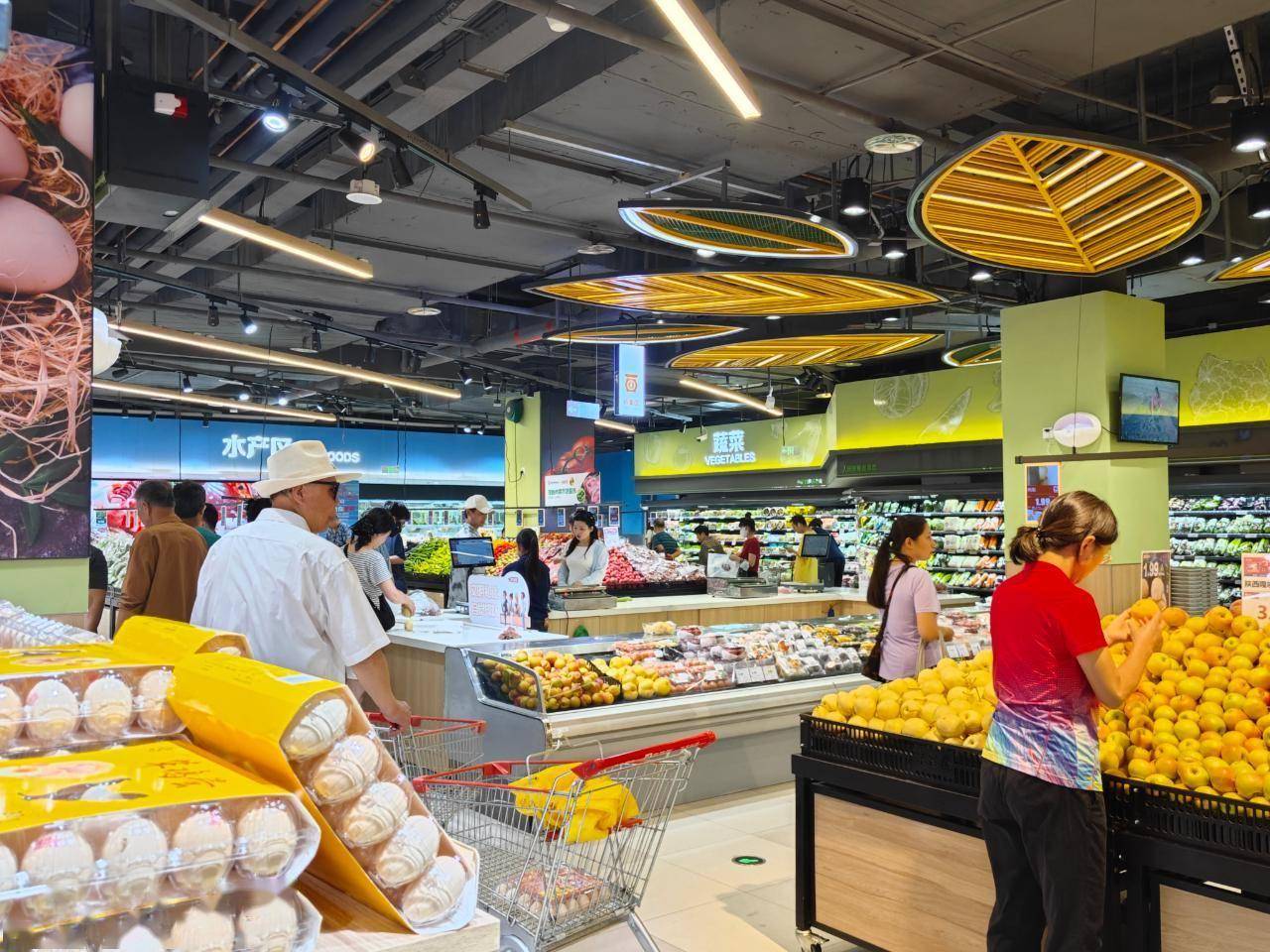
8月份消费市场运行总体平稳 “果盘子”“肉案子”物丰价降
Yang Shi Wang· 2025-09-11 03:53
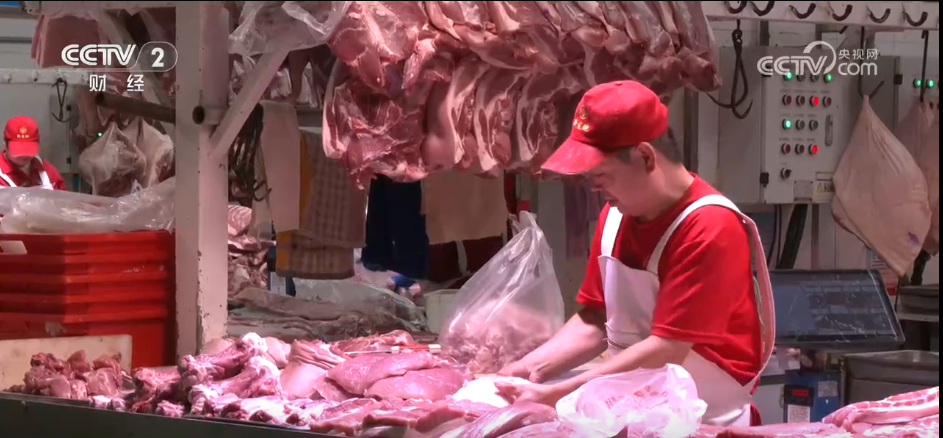
Group 1 - The consumer price index (CPI) in August showed a year-on-year decline of 0.4%, primarily due to a high comparison base from the previous year and lower seasonal food price increases [1] - The core CPI, excluding food and energy, increased by 0.9% year-on-year, marking the fourth consecutive month of growth [1] - The producer price index (PPI) remained flat month-on-month, with a year-on-year decline of 2.9%, but the rate of decline narrowed by 0.7 percentage points compared to the previous month [1] Group 2 - In August, pork prices in Beijing's Xinfadi wholesale market averaged 16.87 yuan per kilogram, a decrease of 7.1% from July and 31.37% from the same period last year [3] - The decline in pork prices is attributed to a slight oversupply of live pigs and increased market supply, reaching a five-year high in daily average listings [3] - Seasonal fruits also experienced price declines due to an overlap in supply from summer fruits and new harvests of apples and pears [8] Group 3 - Industry experts predict that pork prices will stabilize in September due to factors such as school stocking and cooler weather, with prices expected to rise by only 1%-3% compared to August [5]
8月工业生产者出厂价格指数环比转为持平
Ren Min Ri Bao· 2025-09-11 01:44
Group 1 - The overall consumption market in August remained stable, with the Consumer Price Index (CPI) unchanged month-on-month and a year-on-year decrease of 0.4% [1] - The core CPI, excluding food and energy prices, increased by 0.9% year-on-year, marking the fourth consecutive month of growth [1] - The Producer Price Index (PPI) month-on-month changed from a decline of 0.2% in the previous month to being flat [1] Group 2 - The year-on-year decline in CPI was attributed to a high comparison base from the previous year and lower-than-seasonal food price increases this month [1] - Food prices rose by 0.5% month-on-month in August, which was 1.1 percentage points lower than the seasonal level [1] - The PPI ended an eight-month downward trend, with improvements in supply-demand relationships leading to price increases in some energy and raw material sectors [1] - The year-on-year PPI decreased by 2.9%, but the decline narrowed by 0.7 percentage points compared to the previous month, marking the first narrowing since March of this year [1]
8月份核心CPI继续回升 涨幅连续4个月扩大
Yang Guang Wang· 2025-09-11 01:38
Group 1 - The consumer market in China remained generally stable in August, with the Consumer Price Index (CPI) unchanged month-on-month and a year-on-year decline [1] - The core CPI, excluding food and energy prices, saw a year-on-year increase of 0.9%, marking the fourth consecutive month of expansion in its growth rate [1] - Prices for industrial consumer goods, excluding energy, rose by 1.5% year-on-year, with an increase of 0.3 percentage points compared to the previous month [1] Group 2 - Key categories such as grain, pork, and eggs showed overall sufficient supply, with prices decreasing by 1%, 16%, and 14% year-on-year, respectively [1] - Prices for beef and aquatic products increased, with year-on-year growth rates of 4% and 2% [1] - In the household goods and services sector, appliance consumption grew rapidly, with home appliance prices rising by 5% year-on-year [1] Group 3 - The Producer Price Index (PPI) for industrial producers remained unchanged month-on-month in August, ending an eight-month downward trend [2] - The year-on-year decline in PPI narrowed by 0.7 percentage points compared to the previous month, marking the first contraction since March of this year [2]
八月工业生产者出厂价格指数环比转为持平
Ren Min Ri Bao· 2025-09-10 22:13
Group 1 - The overall consumer market in August remained stable, with the Consumer Price Index (CPI) unchanged month-on-month and down 0.4% year-on-year [1] - The core CPI, excluding food and energy prices, increased by 0.9% year-on-year, marking the fourth consecutive month of growth [1] - The Producer Price Index (PPI) month-on-month shifted from a decline of 0.2% in the previous month to being flat [1] Group 2 - The year-on-year decline in CPI was attributed to a high comparison base from the previous year and lower-than-seasonal food price increases this month [1] - Food prices rose by 0.5% month-on-month in August, which was 1.1 percentage points lower than the seasonal average [1] - The PPI ended an eight-month downward trend, with improvements in supply-demand relationships causing some energy and raw material prices to rise month-on-month [1] - Year-on-year, the PPI decreased by 2.9%, but the decline narrowed by 0.7 percentage points compared to the previous month, marking the first narrowing since March of this year [1]

八月工业生产者出厂价格指数环比转为持平 核心CPI同比涨幅连续第四个月扩大
Ren Min Ri Bao· 2025-09-10 22:01
Core Insights - The consumer market in August remained generally stable, with the Consumer Price Index (CPI) unchanged month-on-month and down 0.4% year-on-year [1] - The core CPI, excluding food and energy prices, increased by 0.9% year-on-year, marking the fourth consecutive month of growth [1] - The Producer Price Index (PPI) month-on-month shifted from a decline of 0.2% in the previous month to flat [1] CPI Analysis - The year-on-year decline in CPI is attributed to a high comparison base from the previous year and lower-than-seasonal food price increases this month [1] - Food prices rose by 0.5% month-on-month, which is approximately 1.1 percentage points lower than the seasonal average [1] PPI Analysis - The PPI ended an eight-month downward trend, with month-on-month changes influenced by improved supply-demand relationships leading to price increases in some energy and raw material sectors [1] - Year-on-year, the PPI decreased by 2.9%, but the decline narrowed by 0.7 percentage points compared to the previous month, marking the first contraction in the decline since March of this year [1]
8月物价数据出炉,怎么看?
Xin Hua She· 2025-09-10 21:57
Group 1 - The Consumer Price Index (CPI) remained flat month-on-month in August, with a year-on-year decrease of 0.4%, while the core CPI, excluding food and energy, increased by 0.9% year-on-year, marking the fourth consecutive month of growth [1][3] - The rise in core CPI is attributed to effective policies aimed at boosting domestic demand and consumption, with industrial consumer goods prices excluding energy also showing an increase [1][3] - The decline in overall CPI year-on-year is primarily due to a high comparison base from the previous year and lower-than-seasonal food price increases, with food prices dropping by 4.3% year-on-year [3][4] Group 2 - The Producer Price Index (PPI) showed a narrowing year-on-year decline, ending an eight-month downward trend, indicating improved supply-demand relationships in certain industries [4][5] - Specific industries, such as coal processing and photovoltaic equipment manufacturing, experienced a reduction in price declines, reflecting better market conditions [7][8] - Emerging industries and technological innovations are contributing to positive price changes, with certain sectors like integrated circuit packaging and testing seeing price increases [8]
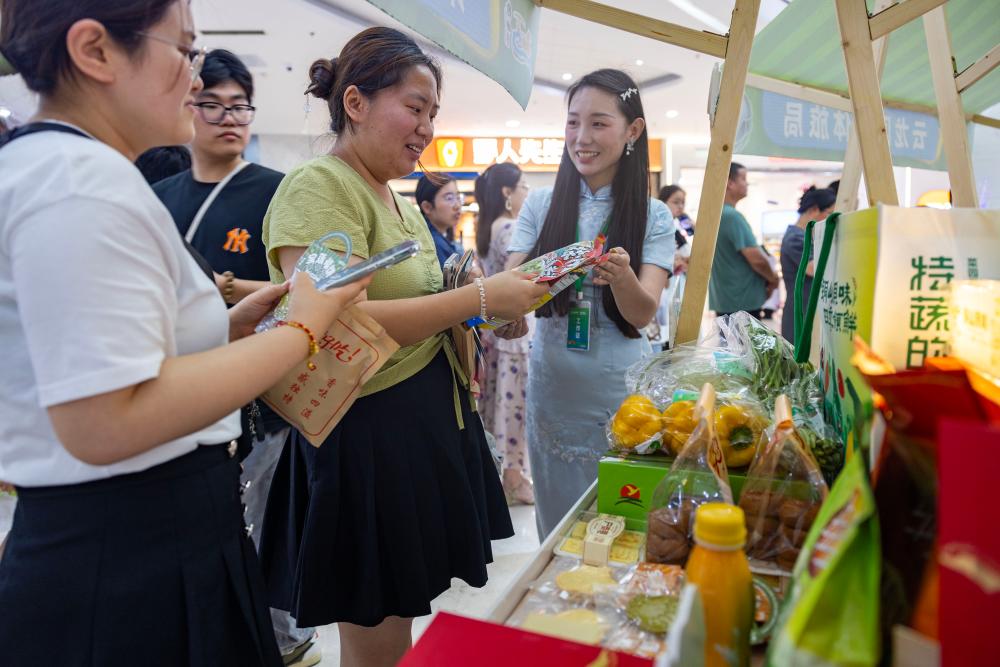
8月CPI、PPI出炉,释放积极信号
Sou Hu Cai Jing· 2025-09-10 13:12
Core Insights - The Consumer Price Index (CPI) in August decreased by 0.4% year-on-year and remained flat month-on-month, while the Producer Price Index (PPI) fell by 2.9% year-on-year, with the decline narrowing by 0.7 percentage points compared to the previous month [1][6] - The data aligns with market expectations, and attention should be paid to the impact of seasonal consumption, special bond fund implementation, and overseas oil price fluctuations in September and October [1][7] CPI Analysis - The overall consumer market remained stable in August, with the core CPI (excluding food and energy) rising by 0.9% year-on-year, marking the fourth consecutive month of growth [3] - Food prices dropped significantly, with pork, fresh vegetables, and eggs decreasing by 16.1%, 15.2%, and 14.2% year-on-year, respectively, contributing to a downward pressure on the CPI [4] - The core CPI's increase was influenced by rising prices of gold and platinum jewelry, which rose by 36.7% and 29.8% year-on-year, respectively [3] PPI Analysis - The PPI ended an eight-month downward trend, stabilizing month-on-month after a 0.2% decline in the previous month [5][6] - Improvements in supply-demand relationships led to price increases in certain energy and raw material sectors, such as coal processing and black metal smelting [5] - The PPI's year-on-year decline of 2.9% is the first narrowing since March, attributed to a lower comparison base from the previous year and the implementation of proactive macro policies [6] Future Outlook - Analysts suggest that the PPI may enter a recovery phase starting in August due to favorable low base conditions from the previous year [6] - The ongoing optimization of market competition and the rise of new consumption demands are expected to support price improvements in various sectors [6] - The low inflation environment continues to provide room for monetary easing, which may help marginally restore corporate profit expectations [7]