智能化技术

Search documents
盈峰环境:公司基于战略发展需要设立的子公司
Zheng Quan Ri Bao Zhi Sheng· 2025-08-07 11:40
证券日报网讯 盈峰环境8月7日在互动平台回答投资者提问时表示,公司基于战略发展需要设立的子公 司,其设立旨在围绕公司主营业务及长远发展规划,探索与环保、智能装备等核心领域相关的数字化、 智能化技术应用与拓展,助力公司在智慧环保等方向的创新与升级。 (编辑 袁冠琳) ...

大禹节水(300021.SZ):未直接涉及算力、数据中心等领域的投资或业务布局
Ge Long Hui A P P· 2025-08-05 06:50
Core Viewpoint - The company focuses on water conservancy and agriculture-related projects, emphasizing design, engineering construction, information services, operational management, and manufacturing of intelligent agricultural water conservancy equipment [1] Group 1: Business Focus - The company's main business areas include project design, engineering construction, information services, operational management, and comprehensive services in the water conservancy and agriculture sectors [1] - The company does not currently engage in investments or business layouts related to computing power or data centers [1] Group 2: Technological Exploration - The company is actively exploring the application of digital and intelligent technologies in water conservancy and agriculture, particularly in smart water management and agricultural IoT [1] - The focus on information solutions aims to enhance the efficiency of water resource management [1]

研判2025!中国感光材料行业发展历程、产业链、市场规模、竞争格局及发展趋势分析:高端领域需求释放,推动感光材料市场规模持续上涨[图]
Chan Ye Xin Xi Wang· 2025-08-05 01:14
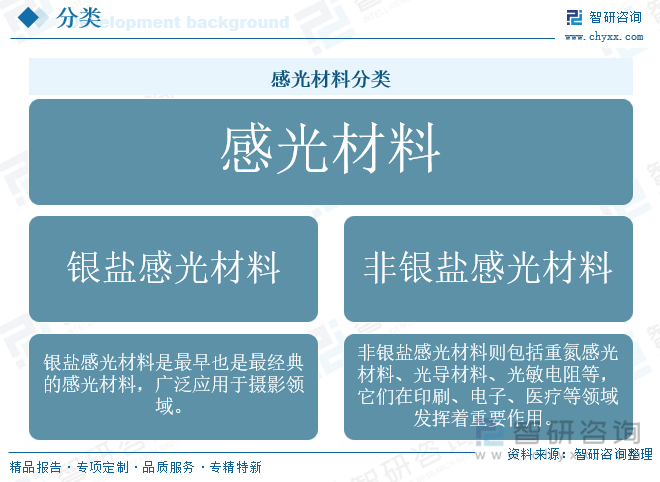
Core Viewpoint - The photomaterial industry in China is experiencing significant growth driven by advancements in digitalization and intelligent technologies, with market size projected to increase from 25.12 billion yuan in 2019 to 34.32 billion yuan by 2024 [1][12]. Group 1: Industry Overview - Photomaterials are semiconductor materials with light-sensitive properties, categorized into silver salt and non-silver salt photomaterials, with applications in photography, printing, electronics, and medical fields [3][5]. - The industry has transitioned from traditional film to digital formats, facing challenges and opportunities due to the rise of digital photography and mobile imaging technologies [5][10]. Group 2: Industry Chain - The photomaterial industry consists of an upstream segment focused on light-sensitive substances and additives, a midstream segment for production, and a downstream segment for applications in various fields such as photography, film, medical diagnostics, and semiconductors [8]. Group 3: Market Dynamics - The demand for photomaterials has declined in traditional photography sectors but has increased in semiconductor and industrial applications, particularly in photoresist manufacturing [10]. - The Chinese photomaterial market is projected to reach 11.44 billion yuan by 2024, with a year-on-year growth of 4.8% [10]. Group 4: Competitive Landscape - The market has shifted from being dominated by a few large companies like Kodak and Fujifilm to a more competitive landscape with both foreign and domestic companies, including major players like LeKai Film and Shenzhen Rongda Photomaterials [14][15]. Group 5: Industry Trends - The photomaterial industry has a broad development outlook, with increasing demand in high-end markets such as medical imaging and 3D printing [19]. - Environmental pressures are rising, necessitating advancements in eco-friendly production processes and waste management [20]. - Intense market competition, particularly in the low-end segment, is leading to price wars and potential compromises in product quality [21][22].



问界M8纯电版上市在即,40万级SUV市场黑马?
Di Yi Cai Jing Zi Xun· 2025-08-04 09:49
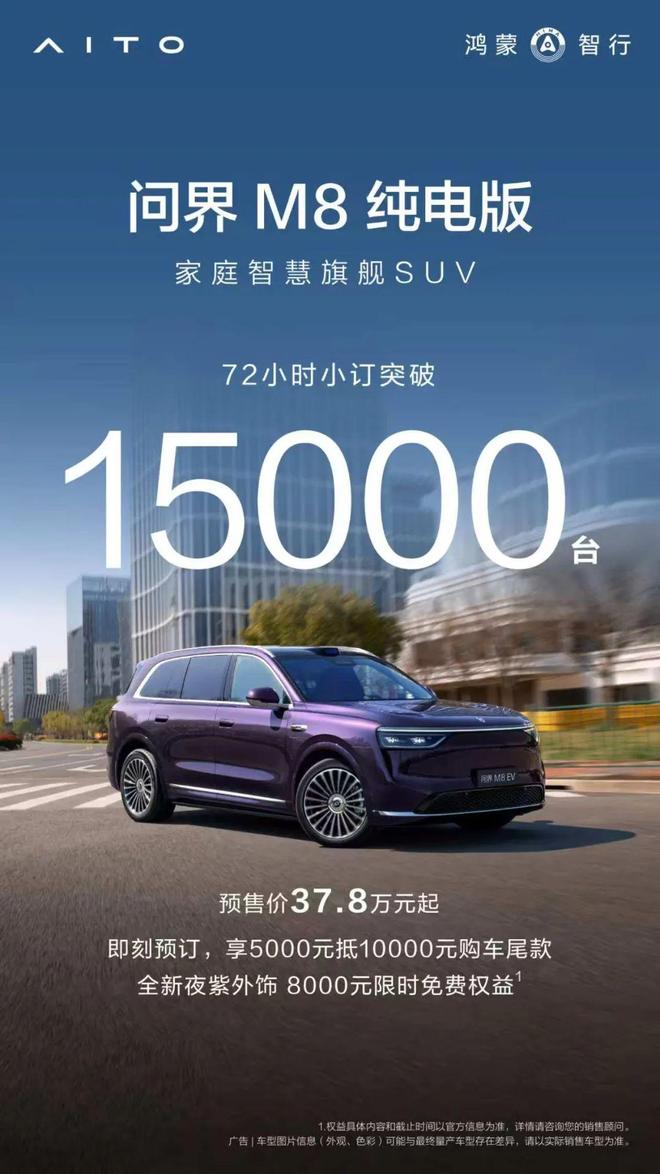
Core Viewpoint - The domestic automotive market is experiencing intense competition, particularly in the new energy SUV segment, which is entering a period of explosive growth, characterized by price competition and enhanced configurations [1][5] Market Overview - In Q1 2025, over 10 new SUVs were launched, with significant releases at the Shanghai Auto Show in April, focusing on both SUVs and pure electric models [1] - Sales of vehicles priced between 300,000 to 400,000 yuan reached approximately 957,200 units, showing a year-on-year growth of nearly 2%, with new energy SUVs accounting for over 20% of this segment [1] Company Performance - The Wanjie M8, positioned as a family smart flagship SUV, has achieved cumulative deliveries exceeding 60,000 units, maintaining its status as the sales champion in the 400,000 yuan market segment [1][2] - The Wanjie family, with its "789" product matrix, has seen explosive delivery growth, reaching a total of 800,000 units in just 39 months, setting a record for the fastest delivery by a new force brand [1] Product Differentiation - The Wanjie M8 targets the high-end market of 400,000 yuan, filling a gap in the Wanjie family product line, while the upcoming Wanjie M8 pure electric version is expected to drive further sales growth [7][12] - The Wanjie M8 pure electric version features a 100 kWh battery from CATL, with a maximum CLTC range of 705 kilometers, and includes advanced safety features and high-performance electric drive systems [8][10] Industry Trends - The automotive industry is facing challenges such as "increasing volume without increasing revenue" and declining profitability, with the automotive manufacturing profit margin dropping to 3.9% in Q1 2025 [5] - The market is shifting towards a focus on intelligent capabilities, with the Wanjie M8 pure electric version leveraging Huawei's technology to enhance safety and driving assistance features [10][12] Competitive Landscape - The Wanjie brand is positioned to disrupt the high-end market traditionally dominated by foreign brands, as evidenced by the increasing market share of domestic brands and the decline in foreign brand prices [14][16] - The success of the Wanjie family is indicative of a broader trend in the industry, where domestic brands are moving towards high-end, high-tech, and high-value offerings, supported by Huawei's brand empowerment [16]
预报名:2025医疗器械研发创新论坛(上海)
思宇MedTech· 2025-08-03 00:32
Core Viewpoint - The interventional medical device industry is undergoing unprecedented transformation driven by advancements in intelligent technology, emphasizing the need for innovation to meet growing clinical demands and patient expectations [1] Event Overview - The Second Medical Device R&D Innovation Forum is scheduled for September 25, 2025, at the Shanghai Expo Exhibition Center, with an expected attendance of 120 participants [3] - The forum will explore new opportunities and challenges in the industry, focusing on intelligent technology and its applications in interventional medical devices [1][3] Agenda Highlights - Morning Session: Empowering interventional medical device R&D with intelligent technology [3] - Afternoon Session: Clinical translation and application of interventional medical devices [4] - Roundtable Discussion: Opportunities and challenges for future interventional medical devices [5] Thematic Discussions - **Intelligent Technology in Interventional R&D**: - Applications of intelligent devices such as robots, navigation technology, and smart sensors in interventional surgeries [5] - Enhancements in precision and minimally invasive techniques through advanced software technologies [5] - **Full-Process Innovation in Interventional Medical Devices**: - AI-assisted preoperative planning, integration of intelligent devices with traditional instruments during surgery, and remote monitoring and data analysis post-surgery [5][6] - **Materials and Process Innovations**: - Focus on high-performance materials and bioabsorbable materials in interventional devices, along with advancements in surface modification technology and biocompatibility research [5][6] Future Perspectives - Industry experts will discuss the development trends of interventional medical devices in the intelligent era, analyzing current opportunities and challenges while sharing strategies for future growth [5]

自主板块去年人均工资首超合资,汽车行业仍有百万人才缺口
Di Yi Cai Jing· 2025-07-28 10:15
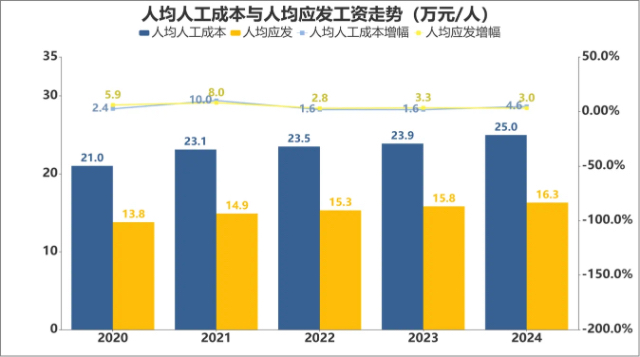
Core Insights - The automotive industry is facing a talent shortage of over one million, particularly in the fields of new energy vehicles and intelligent connected vehicles [1][2][8] - Despite a slight decrease in total wages, the average salary in the automotive sector has shown a year-on-year increase, with the highest growth seen in R&D personnel [1][6] Talent Demand and Supply - The demand for positions related to intelligent systems, such as autonomous driving perception system testing and intelligent cockpit voice and AI system testing, is high, with a supply-demand ratio for intelligent driving engineers at only 0.38 [2] - The Ministry of Industry and Information Technology predicts a talent gap of 1.03 million in new energy vehicles by 2025, while the demand for intelligent connected vehicles is estimated to be between 92,000 and 116,000 [1] Salary Trends - The average salary in the automotive industry for 2024 is projected to be 163,000 yuan, with the average salary for R&D personnel at approximately 261,000 yuan, and even higher for specialized roles such as AI and big data R&D [3][6] - The average salary for self-owned passenger vehicle employees has surpassed that of joint venture counterparts for the first time, reaching 178,000 yuan per person, with a year-on-year increase of 7.7% [3][6] New Job Roles - The rise of new job roles such as "intelligent connected vehicle tester" and "hydrogen fuel cell tester" reflects the evolving needs of the automotive industry [7] - The emergence of roles like automotive influencers indicates a shift in marketing and sales strategies within the industry, requiring diverse skill sets [7] Industry Dynamics - The self-owned passenger vehicle sector is experiencing growth, with a 13.8% increase in personnel, while the joint venture sector is seeing a decline of 7.9% [6] - The industry is increasingly focused on attracting and retaining talent through incentives and local policy support, addressing the need for skilled workers in both traditional and emerging automotive technologies [2][8]
促进民营经济高质量发展丨小家电巨头的出口增长密码
Xin Hua She· 2025-07-27 07:21
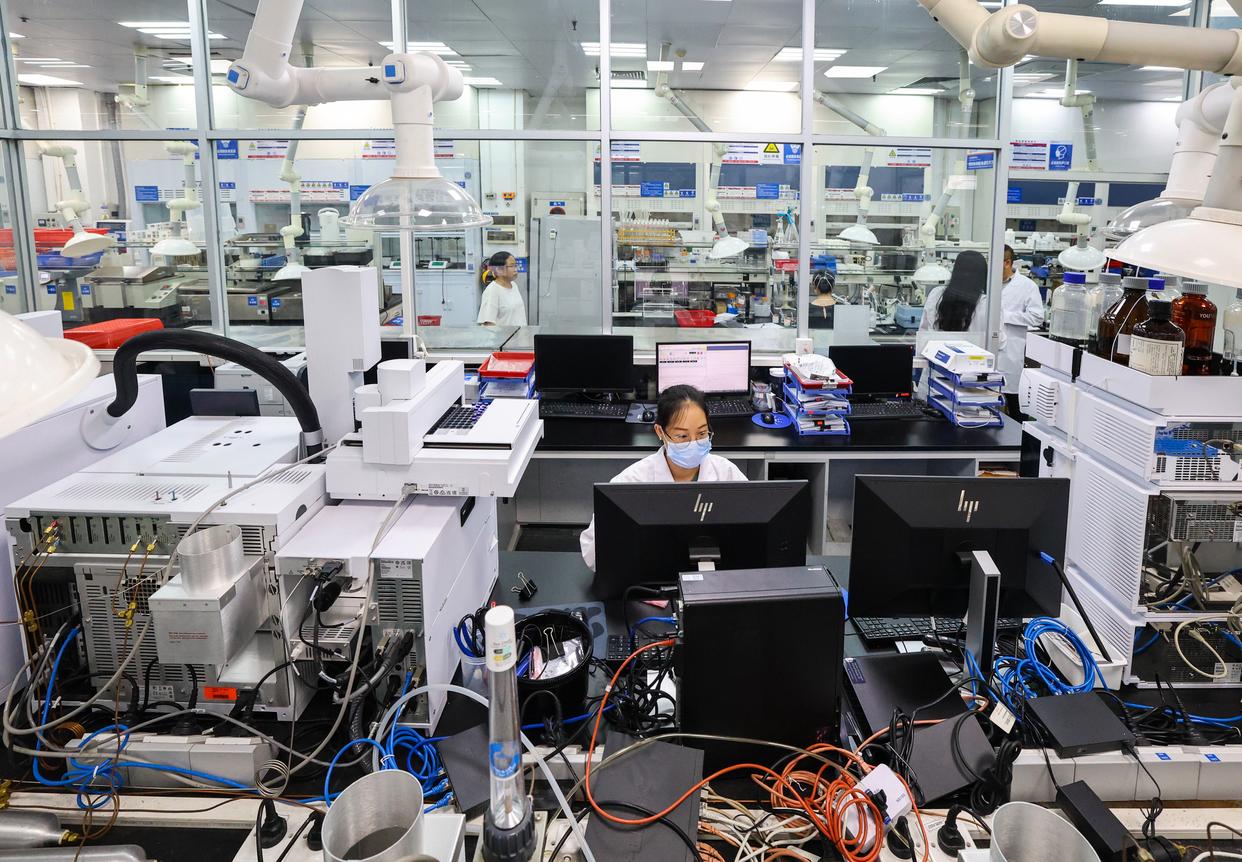
Group 1 - Guangdong's foreign trade import and export reached 3.75 trillion yuan in the first five months of this year, a 4% increase compared to the same period last year, outpacing the national growth rate by 1.5 percentage points [1] - Guangdong's private enterprises are pursuing high-quality development and actively expanding into international markets [1] - Guangdong New Bao Electric Co., Ltd. is a leading small home appliance company in China, producing approximately 40 out of every 100 drip coffee machines globally [1] Group 2 - In 2024, New Bao is expected to produce over 150 million small home appliances, with overseas revenue exceeding 13 billion yuan [1] - The core factors for New Bao's export growth during economic downturns are its independent research and innovation capabilities [1] - New Bao has been recognized with the "National Enterprise Technology Center" and "National Industrial Design Center" designations, employing over 2,900 in its R&D team [1] Group 3 - New Bao plans to establish the New Bao Electric Research Institute in 2024 to maintain its leadership in various technological fields, including smart technology and energy-saving solutions [1] - The small appliance industry emphasizes speed, with New Bao launching over 1,000 new products annually due to its continuous innovation [1] - In the first quarter of 2025, New Bao achieved revenue exceeding 3.8 billion yuan, reflecting a year-on-year growth of over 10% [1] Group 4 - New Bao's production line for drip coffee machines has been upgraded digitally, reducing the number of workers needed from 36 to 16 while increasing capacity [5] - The 137th Canton Fair showcased New Bao's full range of electrical products, attracting numerous buyers for procurement discussions [6]

华金证券:首次覆盖凌云股份给予买入评级
Zheng Quan Zhi Xing· 2025-07-24 10:55
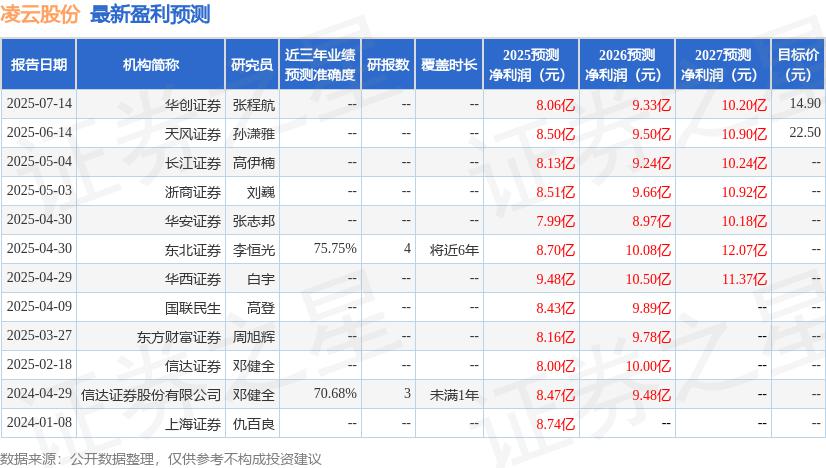
Core Viewpoint - The report by Huajin Securities on Lingyun Co., Ltd. highlights the company's stable performance in traditional businesses while emphasizing the growth potential from emerging sectors such as sensors, leading to a "buy" rating for the stock [1] Company Overview - Lingyun Co., Ltd. primarily engages in the production and sales of automotive parts and plastic pipeline systems, with key products including body safety structure products, new energy vehicle battery products, and automotive pipeline systems [2] - The company is projected to achieve a revenue of 18.837 billion yuan in 2024, reflecting a year-on-year growth of 0.72%, and a net profit attributable to shareholders of 655 million yuan, up 3.77% year-on-year [2] Client Base and Orders - The company has a robust client base, including major domestic and international automotive manufacturers and new energy vehicle battery producers such as BMW, Mercedes-Benz, Audi, and BYD [3] - In 2024, Lingyun secured new orders totaling 51 billion yuan, with lifecycle project values exceeding 35 billion yuan in automotive metal and over 15 billion yuan in automotive pipeline projects [3] New Business Developments - Lingyun is actively pursuing new business opportunities in smart and integrated technologies, with its sensor business entering a key project under the Ministry of Industry and Information Technology [4] - The company has made significant progress in developing various projects, including battery packaging systems and automotive thermal management systems, which are now in the sample and market promotion stages [4] Financial Projections - Revenue forecasts for Lingyun from 2025 to 2027 are 19.477 billion yuan, 20.433 billion yuan, and 21.416 billion yuan, with corresponding net profits of 814 million yuan, 924 million yuan, and 1.028 billion yuan, indicating growth rates of 24.2%, 13.5%, and 11.3% respectively [5] - The earnings per share (EPS) are projected to be 0.67 yuan, 0.76 yuan, and 0.84 yuan for the years 2025, 2026, and 2027 [5] Analyst Ratings - In the past 90 days, 10 institutions have rated the stock, with 9 giving a "buy" rating and 1 an "accumulate" rating, while the average target price among institutions is 16.26 yuan [7]

中国车企逐鹿桑巴之乡
第一财经· 2025-07-24 08:41
Core Viewpoint - The article discusses the rapid growth and market penetration of Chinese electric vehicle (EV) manufacturers, particularly BYD, in Brazil's automotive market, highlighting the shift from traditional fuel vehicles to electric vehicles driven by local consumer preferences and economic factors. Group 1: Market Dynamics - Brazil's automotive market has seen a significant increase in electric vehicle ownership, with a penetration rate rising from 6.26% in 2024 to 8.49% in the first five months of 2025, primarily driven by Chinese brands [7][8]. - In Rio de Janeiro, 90% of the electric vehicles on the streets are from Chinese brands, indicating a strong market presence [3]. - The Brazilian electric vehicle market is dominated by Chinese brands, which accounted for 91.4% of the total sales of imported electric vehicles in the first half of 2024, generating sales of $1.2 billion [3]. Group 2: Consumer Preferences - Brazilian consumers are increasingly favoring electric vehicles due to lower operating costs; for instance, a Chinese EV can save approximately 10,800 Brazilian Reais in fuel costs annually compared to gasoline vehicles [7][8]. - The average gasoline price is about 5.8 Reais per liter, while electricity costs only about 0.6 Reais per kilowatt-hour, making electric vehicles more economically viable [7]. Group 3: Local Production and Investment - BYD has established a factory in Brazil, which aims for over 90% localization in production, significantly reducing the need for imports [1][15]. - The factory in Camaçari represents a $5.5 billion investment, with an annual production capacity of 150,000 vehicles planned [15]. - The Brazilian government is encouraging local production through policies that will gradually increase import tariffs on electric vehicles, making local manufacturing more attractive [21][22]. Group 4: Competitive Landscape - Chinese EV manufacturers are competing directly with established foreign brands like Fiat, Volkswagen, and Hyundai, which have long dominated the Brazilian market [4][9]. - The competitive edge for Chinese brands lies in their advanced technology and cost-effective pricing, appealing to both ride-hailing drivers and private consumers [10][11]. Group 5: Future Outlook - The Brazilian government has set a target for electric vehicles to account for 30% of total vehicle sales by 2030, indicating a strong commitment to the EV sector [22]. - The influx of Chinese manufacturers is expected to reshape the automotive landscape in Brazil, challenging the dominance of traditional foreign brands and fostering a more competitive environment [24][25].


中国母婴护理行业产业链全景图谱、领先企业分析及投资前景预测报告(2025版)
Sou Hu Cai Jing· 2025-07-21 02:45
Core Insights - The maternal and infant care industry in China is experiencing rapid growth driven by consumption upgrades, despite a historical low in birth rates in 2023 [4][5] - The market size reached 600 billion yuan in 2023 and is expected to exceed 700 billion yuan by 2025, with a CAGR of 14.75% [5] - There is a significant demand for certified maternal and infant care professionals, with a projected shortage of 1 to 2 million by 2024 [5][6] Industry Development Status - The maternal and infant care industry is entering a golden development period characterized by consumption upgrades and structural changes [5] - The product segment accounts for 70% of the market, with baby care products leading at 55% market share, while the service segment, comprising 30%, is led by confinement centers [5] - The number of certified maternal and infant care professionals is expected to grow to 4 million by 2024, but a talent gap remains due to the "three-child policy" and increasing demand [5][6] Industry Development Trends - A full-cycle health management approach is becoming a core value growth point, integrating services from pre-pregnancy to early childhood [6] - Smart technologies like AIoT are reshaping the service ecosystem, enhancing decision-making efficiency by 60% and improving operational metrics for leading brands [7] - The industry is moving towards standardization, with new regulations set to be implemented by 2025, and significant growth potential in lower-tier cities [8]