美国经济衰退

Search documents
经济学家警告称美经济处于“衰退边缘”
Sou Hu Cai Jing· 2025-08-06 09:55
Group 1 - The U.S. labor market is showing signs of weakness, with July non-farm payrolls significantly below market expectations and downward revisions to May and June data, indicating the economy is on the brink of recession [1][3] - Moody's chief economist Mark Zandi attributes the economic difficulties to increasing tariffs and restrictive immigration policies, which are eroding corporate profits and household purchasing power [3] - Inflation remains above the 2% target, making it challenging for the Federal Reserve to implement interest rate cuts to reverse the economic downturn [3] Group 2 - Major international financial institutions have warned investors to prepare for a decline in U.S. stock prices due to deteriorating economic data [5] - Deutsche Bank analysts indicate that U.S. stocks face short-term downside risks, while Morgan Stanley's Mike Wilson predicts a potential 10% correction in the S&P 500 index this quarter [7] - Evercore ISI analyst Julian Emanuel forecasts a possible 15% drop in the S&P 500 index, reflecting concerns over the impact of tariff policies on consumer wallets and corporate balance sheets [7]


华尔街神算子:就业数据崩塌将迫使美联储政策转向 或支持更高股市估值
Zhi Tong Cai Jing· 2025-08-06 06:55
Group 1 - Goldman Sachs issued a warning regarding significant downward revisions to U.S. employment data, with a total adjustment of 258,000 jobs for May and June, marking the largest two-month revision since 1968 outside of recession periods [1] - The downward revisions were evenly distributed between the public and private sectors, indicating a broader impact on the labor market [1] - Goldman Sachs anticipates further downward adjustments, predicting a potential reduction of 550,000 to 950,000 jobs in the upcoming non-farm employment benchmark revision, which could lower monthly job growth estimates for 2024-2025 from 145,000 to a range of 65,000-100,000 [1] Group 2 - Tom Lee from Fundstrat highlighted that the magnitude of the employment data revisions indicates a significant deviation from the Federal Reserve's dual mandate of employment and inflation, suggesting a more severe labor market issue than previously recognized [2] - Lee predicts an imminent shift in Federal Reserve policy, which could lead to higher price-to-earnings ratios as lower interest rates enhance investor interest in risk assets [2] - Following the release of disappointing July non-farm employment data, market expectations for two interest rate cuts by the Federal Reserve by the end of December have intensified [2]
债市专题研究:探析非农数据大幅下修的底层逻辑
ZHESHANG SECURITIES· 2025-08-06 04:53
1. Report Industry Investment Rating No information about the industry investment rating is provided in the report. 2. Core Viewpoints - The downward revision of non - farm data from May to June may accelerate the Fed's interest - rate cut rhythm. As of now, the probability of a "compensatory" rate cut by the Fed in September is limited, and the focus is on trading rate cuts rather than recession. The non - farm data may impact the data - based investment research and analysis system, and the value of gold may be further highlighted [1]. - The Fed's action may be too late. After the release of non - farm data, the market's expectation of a 25BP rate cut by the Fed in September soared from 37.66% to 80.31%, and it fully priced in at least one 25BP rate cut by the Fed before October [2]. - Based on current data, it may not be sufficient to drive the Fed to conduct a "compensatory" rate cut. If the labor market deteriorates further in August and inflation rebounds moderately or declines again, the Fed may make a more accommodative monetary policy decision [3]. - The data - based investment research and analysis system will be continuously impacted. In the short term, ADP employment data may serve as a substitute for non - farm data. In the long term, the issue of data credibility may ferment, affecting the pricing of financial assets, while the value of gold may be further emphasized [4]. 3. Summary According to the Table of Contents 3.1 Analyzing the Underlying Logic of the Significant Downward Revision of Non - farm Data - **July Non - farm Data**: In July, the US added 73,000 non - farm jobs, lower than market expectations. The unemployment rate rose to 4.2%, indicating a marginal cooling of the labor market but still with some resilience [11]. - **Downward Revision of May - June Non - farm Data**: The total non - farm employment in May and June was revised down by 258,000. The adjustment rates in May and June reached 86.33% and 90.48% respectively, the largest since 2021. Both the private and government sectors showed a general decline [14][15]. - **Impact on the Fed's Decision - making**: From May to July, the average monthly increase in non - farm employment was only about 35,000. If the Fed had seen the revised data before the meeting, more officials might have supported a rate cut in July. After the data release, the market's expectation of a Fed rate cut increased significantly [21]. - **"Compensatory" Rate Cut**: The current situation is similar to that in the third quarter of 2024 in that the weakening labor market boosts rate - cut expectations. However, the current inflation environment may restrict the Fed's rate - cut decision. As of now, it may not be enough to trigger a "compensatory" rate cut, but there is a potential path [25][27]. - **Trading Focus**: After the non - farm data release, the stock market adjusted significantly. The US economy shows a marginal weakening of growth momentum rather than an impending recession [31][35]. - **Impact on the Investment Research System**: In the short term, ADP employment data may gain more attention. In the long term, the credibility of non - farm data may be questioned, adding uncertainty to the financial market, while the value of gold may increase [35][37].
最新!特朗普首次明确表态 事关接班人
Mei Ri Jing Ji Xin Wen· 2025-08-06 04:29
Group 1 - Trump indicated that Vice President Vance is the "most likely" successor for the 2028 Republican presidential candidate [1][2] - Trump suggested a potential ticket pairing of Vance and Secretary of State Rubio for future elections [2] - Moody's chief economist warned that recent indicators show the US economy is on the "edge of recession," with a weakening labor market and shrinking construction and manufacturing sectors [2] Group 2 - Multiple international financial institutions warned that investors should prepare for a decline in US stock prices due to high valuations and deteriorating economic data [2] - Deutsche Bank analysts noted that the US stock market faces short-term downside risks [3] - Morgan Stanley's analyst projected that the S&P 500 index could correct by up to 10% this quarter due to the impact of US tariff policies [3]

特朗普称“很快宣布美联储新任主席”,机构首次定价50基点降息预期
Sou Hu Cai Jing· 2025-08-06 00:52
"两位优秀的凯文" 特朗普在采访中透露,财政部长贝森特(Scott Bessent)已主动表示无意接任美联储主席,因此被剔除 出候选名单。他特别提及前美联储理事凯文·沃什(Kevin Warsh)与前国家经济委员会主任凯文·哈塞特 (Kevin Hassett)为"两位优秀的凯文",但未透露其余两名人选。 特朗普再次批评鲍威尔"降息过慢",未能在通胀回落初期及时放松政策,导致财政融资成本升高、经济 扩张受限。他强调,新任联储主席应更具实务导向,而非"墨守成规"。 外界普遍认为,特朗普对美联储人事的提前干预,反映其试图重塑货币政策路线的意图。 50基点窗口打开 据央视新闻报道,当地时间8月5日,美国总统特朗普表示,可能很快宣布美联储新任主席,美联储理事 的人选决定将于本周末做出。 美国总统特朗普在接受美国消费者新闻与商业频道(CNBC)采访时表示,他已将潜在的未来美联储主 席范围缩小到四名候选人,该名单不包括财政部长斯科特·贝森特。 在市场对9月降息押注迅速升温之际,特朗普此番人事信号被视为美联储主席鲍威尔的利率政策不满的 延续,并可能对美联储的政策独立性构成进一步挑战。 上周公布的7月非农就业新增仅7.3万人 ...
特朗普:很快宣布美联储新任主席
Di Yi Cai Jing Zi Xun· 2025-08-06 00:42
2025.08.06 本文字数:1086,阅读时长大约2分钟 作者 |第一财经 胡弋杰 据央视新闻报道,当地时间8月5日,美国总统特朗普表示,可能很快宣布美联储新任主席,美联储理事 的人选决定将于本周末做出。 美国总统特朗普在接受美国消费者新闻与商业频道(CNBC)采访时表示,他已将潜在的未来美联储主 席范围缩小到四名候选人,该名单不包括财政部长斯科特·贝森特。 在市场对9月降息押注迅速升温之际,特朗普此番人事信号被视为美联储主席鲍威尔的利率政策不满的 延续,并可能对美联储的政策独立性构成进一步挑战。 上周公布的7月非农就业新增仅7.3万人,远逊市场预期;5月和6月的前值合计被向下修正26万人,为劳 动力市场迅速降温提供佐证。芝加哥商品交易所(CME)的美联储观察工具显示,9月降息25个基点的 概率已升至89%。 高盛与花旗均警告,若8月就业继续疲软,美联储或存在"一步到位"下调50个基点的可能。 "两位优秀的凯文" 特朗普在采访中透露,财政部长贝森特(Scott Bessent)已主动表示无意接任美联储主席,因此被剔除 出候选名单。他特别提及前美联储理事凯文·沃什(Kevin Warsh)与前国家经济委员会 ...
美联储“鸽声”愈发嘹亮 “双重使命”如何抉择?
2 1 Shi Ji Jing Ji Bao Dao· 2025-08-05 23:38
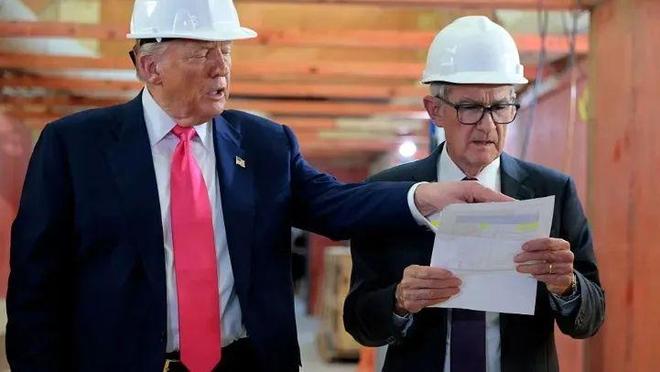
在美联储副主席米歇尔·鲍曼和理事克里斯托弗·沃勒上周主张降息25个基点后,越来越多的"鸽声"开始出现。 据证券时报报道,当地时间8月4日,旧金山联储主席戴利表示,越来越多的迹象表明美国就业市场正在走软,并且没有证据表明关税引发的价 格上涨正在广泛渗透到通胀数据中,降息的时机正逐渐临近。 在9月货币政策会议之前,仍会有一些关键数据发布,包括劳动力市场和通胀报告,戴利对未来货币政策持开放态度。"如果通胀重新上行并产 生溢出效应,或者劳动力市场反弹,今年降息可能少于两次。" "但我认为更可能的情况是,美联储今年可能需要降息两次以上。"戴利强调,如果劳动力市场明显走弱,而美联储又未看到通胀的溢出效应, 那应该准备降息更多。 在美联储嘹亮的"鸽声"下,CME美联储观察工具显示,市场目前预计美联储9月降息的概率已逼近100%,几乎"板上钉钉"。 图片来源:新华社 美联储为何"鸽声"嘹亮? 近期美联储降息预期迅速升温,如果接下来的经济数据没有太大意外,美联储9月降息是大概率事件。 中航证券首席经济学家董忠云对21世纪经济报道记者表示,近期,市场对美联储在9月议息会议上降息的预期显著升温,其直接触发因素可归 结为两条主线。 ...
特朗普称“很快宣布美联储新任主席”,机构首次定价50基点降息情景
Di Yi Cai Jing· 2025-08-05 23:32
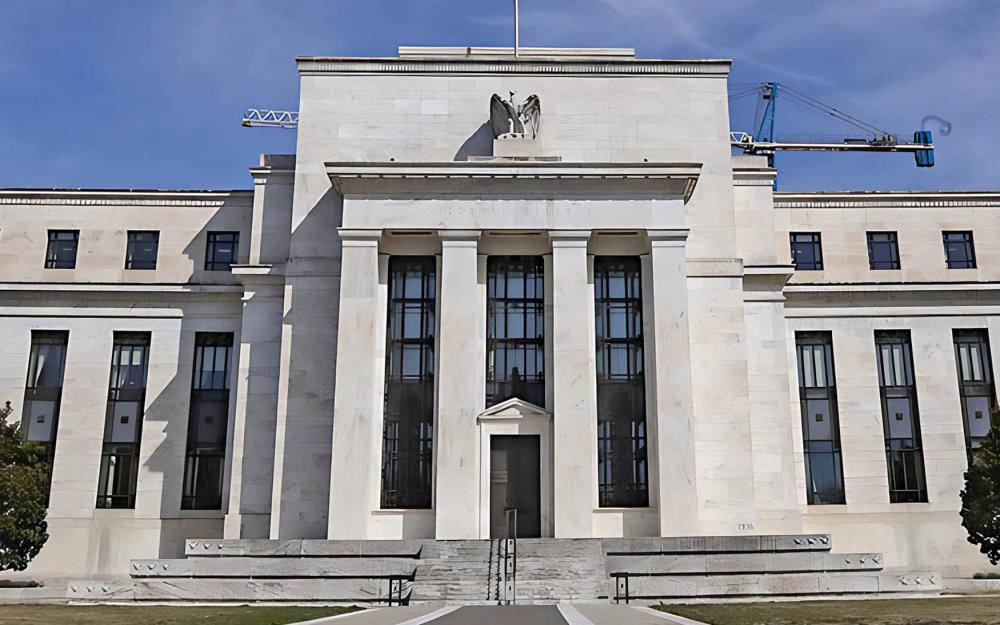
美国总统特朗普在接受美国消费者新闻与商业频道(CNBC)采访时表示,他已将潜在的未来美联储主 席范围缩小到四名候选人,该名单不包括财政部长斯科特·贝森特。 在市场对9月降息押注迅速升温之际,特朗普此番人事信号被视为美联储主席鲍威尔的利率政策不满的 延续,并可能对美联储的政策独立性构成进一步挑战。 上周公布的7月非农就业新增仅7.3万人,远逊市场预期;5月和6月的前值合计被向下修正26万人,为劳 动力市场迅速降温提供佐证。芝加哥商品交易所(CME)的美联储观察工具显示,9月降息25个基点的 概率已升至89%。 高盛与花旗均警告,若8月就业继续疲软,美联储或存在"一步到位"下调50个基点的可能。 高盛、花旗等机构首次将一次性下调50个基点列入备选剧本。 据央视新闻报道,当地时间8月5日,美国总统特朗普表示,可能很快宣布美联储新任主席,美联储理事 的人选决定将于本周末做出。 特朗普再次批评鲍威尔"降息过慢",未能在通胀回落初期及时放松政策,导致财政融资成本升高、经济 扩张受限。他强调,新任联储主席应更具实务导向,而非"墨守成规"。 外界普遍认为,特朗普对美联储人事的提前干预,反映其试图重塑货币政策路线的意图。 50 ...
特朗普爆粗口,美16州集体反抗,憋6个月的拜登出山了
Sou Hu Cai Jing· 2025-08-05 04:28
Economic Impact - The "money bag war" initiated by the Trump administration has severely impacted the U.S. economy, imposing tariffs of up to 60% on Chinese goods and 25% on European steel and aluminum, leading to soaring prices and an additional monthly expenditure of $200 for food for average families [3][6] - A report from the California government indicated that tariffs resulted in a loss of up to $170 billion for businesses in the state over a year [3] Social Unrest - The policies of the Trump administration have led to widespread public discontent, with the Social Security Administration's website crashing for two weeks, preventing many elderly individuals from receiving their pensions [8] - Protests have erupted across the country, including truck drivers blocking highways due to financial losses from tariffs and elderly individuals gathering at Social Security offices to voice their grievances [8] Political Stalemate - The U.S. Congress has experienced paralysis, with 50 Democratic senators collectively taking a month-long recess to obstruct Trump's appointments, while the Republican party pushed through the appointment of Trump's ally, exacerbating political tensions [9] - Biden has publicly criticized Trump for undermining the Constitution and has highlighted the job losses resulting from Trump's Social Security policies [11] Federal Reserve Dynamics - Trump attempted to exert control over the Federal Reserve, pressuring it to lower interest rates, but faced opposition from seven board members during a rate meeting [6] - The resignation of a key board member, appointed by Biden, has allowed Trump to nominate a supporter of aggressive rate cuts, potentially leading to significant economic consequences, including a projected inflation rate increase to 5.2% [6]

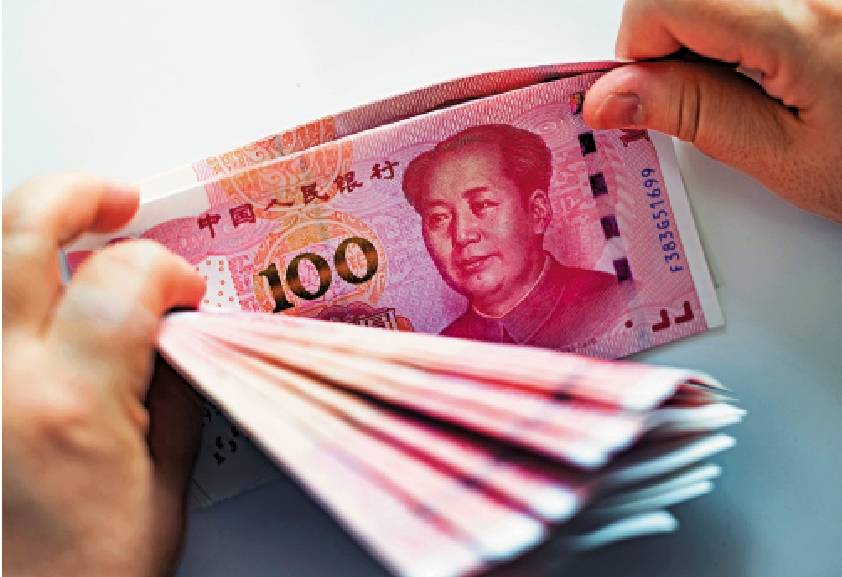
人民币回暖了!年底有望升至7.1 这波变化你看懂了吗?
Sou Hu Cai Jing· 2025-08-05 00:51
Core Viewpoint - The Chinese economy is showing resilience and strong growth, supporting the appreciation of the RMB against the USD, while external factors such as a weakening USD and positive developments in US-China trade negotiations also contribute to this trend [1][3][4]. Economic Performance - In the first half of the year, China's economy demonstrated "steady progress and new achievements in high-quality development," with a robust GDP growth rate in the second quarter [1][6]. - The GDP growth rate for the second quarter exceeded expectations, reflecting the strong vitality and resilience of the Chinese economy [4][6]. Currency Exchange Dynamics - The RMB/USD exchange rate has strengthened, with the midpoint rate rising from 7.1586 at the end of June to 7.1494 at the end of July, indicating a bullish trend [3][4]. - On August 4, the RMB midpoint rate was reported at 7.1395, marking the largest increase since January 21 of the same year [3]. Policy and Market Signals - The People's Bank of China (PBOC) and the State Administration of Foreign Exchange (SAFE) are implementing measures to support the RMB, including easing foreign investment quotas and encouraging the use of RMB in cross-border trade [4][7]. - The Central Political Bureau's meeting at the end of July released multiple positive policy signals aimed at improving economic fundamentals and market expectations [1][6]. Future Outlook - Analysts predict that the RMB will likely continue to appreciate, with expectations of reaching 7.1 by year-end, driven by a combination of domestic and international factors [7][8]. - The RMB is expected to exhibit "two-way fluctuations" while remaining generally stable, with potential for temporary breakthroughs under favorable conditions [7][8].