自有品牌

Search documents
宠物三季报:自有品牌与全球化布局成增长双引擎
Bei Jing Shang Bao· 2025-11-02 10:07
Core Insights - The domestic pet industry is experiencing significant performance differentiation among listed companies as they report their Q3 2025 results, driven by the rise of private brands and global capacity layout amidst increasing competition and cost pressures [1][4] Revenue Performance - Guibao Pet (301498) and Zhongchong Co. (002891) lead the industry with Q3 revenues of 4.737 billion and 3.86 billion respectively, showing year-on-year growth of 29.03% and 21.05% [3] - Yuanfei Pet (001222) reported a revenue of 1.281 billion, with a notable growth rate of 37.66% [3] - In contrast, Petty Co. (300673) faced a revenue decline of 17.68% due to reduced overseas orders and domestic agency business adjustments, while Yiyi Co. (001206) saw a slight revenue decrease of 0.72% but managed to improve profits through cost control and product structure optimization [3] Profitability Challenges - Despite revenue growth, many companies are facing pressure on profit margins, with Guibao Pet's net profit down 16.6% and Zhongchong Co.'s net profit decreasing by 6.64% in Q3 [5] - Petty Co. experienced a nearly 40% drop in net profit, highlighting the broader trend of increasing costs outpacing revenue growth [5][6] Strategic Focus on Domestic Market - Companies are prioritizing the domestic market as a core strategic focus, increasing marketing investments, expanding brand portfolios, and enhancing channel development to capture consumer attention [7] - Yiyi Co. plans to acquire the "Gao Ye Jia" cat food and litter brand to quickly gain mature domestic brand operation capabilities and market share [7] Growth of Private Brands - The rapid growth of private brands is driving performance increases for pet companies, with Guibao Pet's high-end sub-brand "Fuleijiate" achieving over 100% year-on-year growth in online sales [9] - Zhongchong Co.'s domestic private brand growth is around 35%-40%, with its staple food business growing by 85.79% [9][10] Global Capacity Layout - Leading pet companies are accelerating their global capacity layout, particularly in Southeast Asia, to create a more resilient and efficient global supply chain [11] - Yuanfei Pet has established a dual-core capacity structure in "domestic + Southeast Asia," with its Cambodian factory nearing full production [11] - Petty Co. plans to expand its Southeast Asia factory capacity by approximately 5,000 tons over the next two years [11]

品牌商,抵制不动低价了
3 6 Ke· 2025-10-31 08:22
Core Insights - The retail industry has undergone significant changes in recent years, characterized by intense price competition and evolving consumer behavior [2][3][6] - Retailers are increasingly adopting price comparison strategies, leading to a shift in power dynamics between brands and retailers [7][8] - The current retail landscape is marked by three key trends: supermarket adjustments, instant retail growth, and the exploration of private label brands [7][18][25] Group 1: Supermarket Adjustments - Supermarket adjustments have become a frequent term in retail operations, driven by external factors such as population and economic changes [8] - The evolution of the supermarket market in China has been rapid, completing in a fraction of the time compared to the U.S. market, leading to potential instability in foundational business practices [11][15] - Retailers are now focusing on product autonomy and efficient management, breaking away from traditional rules set by brand manufacturers [17][30] Group 2: Instant Retail - Instant retail has seen explosive growth, particularly with the entry of major players like Alibaba, which has transformed the landscape [25][29] - The operational model of instant retail relies on a separation of supply and traffic, necessitating a complex integration of both elements for success [26][27] - Brands must prioritize supply chain management and operational control to thrive in the instant retail environment [29] Group 3: Discount Retail and Private Labels - Discount retail has gained momentum, with leading retailers focusing on optimizing store efficiency and exploring private label opportunities [19][21] - The success of private labels among regional leaders has encouraged other retailers to invest in their own brands, aiming for a balanced product strategy [21][23] - Collaboration between manufacturers and retailers is essential for developing flexible supply chains and customized products [23][24]
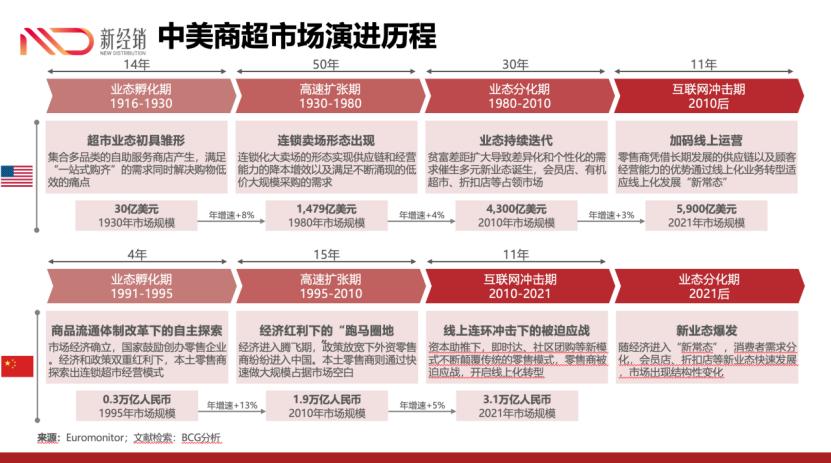
美妆零售商押注自有品牌,传统品牌怎么办?
Xin Lang Cai Jing· 2025-10-31 06:18
Core Insights - The acceptance of private label products among Chinese urban households has increased significantly, with over 48% purchasing such products by Q3 2025, a 10 percentage point rise from the previous year [1] - Retailers are increasingly focusing on private label development as a key strategy for innovation and market penetration, leading to a surge in private label offerings in the retail sector [1][4] Group 1: Private Label Growth in Beauty Industry - Major beauty retailers like Sephora and Walgreens have seen significant success with their private label products, with Walgreens reporting a 75 basis point increase in market penetration to 17.8% in Q1 2025 [2] - Retailers such as Jin Jia Chong and beauty collective stores are transforming from channel operators to brand owners, with private label sales exceeding 60% in some stores [2][4] - The trend of private labels is also evident in convenience stores like FamilyMart, which leverage their extensive networks to enhance consumer access to beauty products [2][4] Group 2: Competitive Landscape and Challenges - The rise of private labels is reshaping the competitive landscape, putting pressure on traditional beauty brands to adapt or risk being marginalized [3][6] - Traditional brands are facing challenges in maintaining market share as consumers shift their focus from brand recognition to product quality and value [8][9] - Retailers are now taking on a more active role in product development, directly sourcing from manufacturers to enhance profit margins and consumer appeal [4][5] Group 3: Strategies for Traditional Brands - Traditional beauty brands are responding by reinforcing their core values and establishing deeper connections with consumers through innovative product offerings [9] - Some brands are investing in direct-to-consumer channels to gain better control over user data and experiences, thereby avoiding reliance on third-party retailers [9] - Emphasis on technological innovation and product diversification is crucial for traditional brands to maintain a competitive edge [9] Group 4: Quality and Market Positioning - The challenge for retailers lies in ensuring the quality of their private label products, as any quality issues could damage their reputation [10][11] - The competitive environment for private labels is intensifying, particularly in the lower price segments where established brands already exist [11] - Retailers must focus on filling market gaps with unique offerings rather than merely competing on price against existing brands [11][12]

匠心家居(301061):25Q3业绩高增长,零售渠道影响力持续提升
Huaan Securities· 2025-10-30 12:32
Investment Rating - The investment rating for the company is "Buy" (maintained) [2][8] Core Insights - The company reported a significant revenue growth of 35.8% year-on-year for the first three quarters of 2025, achieving a total revenue of 25.11 billion yuan, with a net profit of 6.58 billion yuan, reflecting a year-on-year increase of 52.62% [4][6] - The gross margin for the first three quarters of 2025 was 38.36%, an increase of 4.64 percentage points year-on-year, indicating improved profitability and operational efficiency [5] - The company has seen a continuous increase in its market penetration in the U.S., with retail customers accounting for 70% of its top ten clients, and significant growth in procurement from these clients [6][7] Financial Performance Summary - For Q3 2025, the company achieved a revenue of 8.30 billion yuan, a year-on-year increase of 29.25%, and a net profit of 2.26 billion yuan, up 55.06% year-on-year [4] - The company expects revenues of 33.79 billion yuan, 41.41 billion yuan, and 47.85 billion yuan for 2025, 2026, and 2027 respectively, with corresponding net profits of 9.02 billion yuan, 10.94 billion yuan, and 12.7 billion yuan [7][10] - The projected earnings per share (EPS) for 2025, 2026, and 2027 are 4.12 yuan, 5.00 yuan, and 5.81 yuan respectively, with price-to-earnings (P/E) ratios of 23.87, 19.67, and 16.94 [10][11]
若羽臣(003010):Q3营收增长再提速
HTSC· 2025-10-29 05:15
Investment Rating - The report maintains an "Accumulate" rating for the company [7][5]. Core Views - The company achieved a revenue of 819 million RMB in Q3 2025, representing a year-on-year increase of 123.4%, driven by the growth of its proprietary brands [1][7]. - The company continues to show strong growth potential in the high-end household cleaning and functional health products sectors, with a focus on its proprietary brand expansion [1][5]. Revenue Performance - In Q3 2025, the company recorded a revenue of 2.27 billion RMB for the brand "Zhanjia," marking a year-on-year increase of 118.9% [2]. - The health supplement brand "Feicui" achieved a revenue of 203 million RMB in Q3 2025, with a quarter-on-quarter growth of 98.8% [3]. Profitability Metrics - The gross margin for Q3 2025 was reported at 61.0%, an increase of 12.4 percentage points year-on-year, attributed to the higher proportion of high-margin proprietary brand sales [4]. - The net profit attributable to the parent company for Q3 2025 was 33 million RMB, reflecting a year-on-year increase of 73.2% [4]. Future Earnings Forecast - The revenue forecasts for 2025 to 2027 have been adjusted upwards to 32.08 billion RMB, 49.62 billion RMB, and 67.31 billion RMB, respectively [5]. - The target market capitalization for the company is set at 162.2 billion RMB, with a target price of 52.13 RMB per share [5][12].
民爆光电(301362) - 投资者关系活动记录表(2025年10月28日)
2025-10-28 09:26
Group 1: Company Strategy and Growth - The company is considering developing its own brand in the domestic market while avoiding competition with clients in mature foreign markets, focusing instead on emerging markets [1] - Both organic growth and external acquisitions are important for the company's expansion, with strategic decisions based on market conditions and company needs [1] - The special lighting segment has shown the fastest growth, with a 50% year-on-year increase in the first three quarters of 2025, raising its revenue share from 4.72% to 7.10% [1][2] Group 2: Supply Chain and Cost Management - The company is committed to cost reduction and efficiency improvement through various measures, including optimizing product design, production processes, and supply chain management [2] - The new factory in Vietnam is expected to be operational by August 2026, with a full capacity output valued at 500 million RMB, aimed at meeting North American market demands [2] Group 3: Future Business Development - The company plans to focus on specialized lighting areas such as plant lighting, emergency lighting, medical lighting, and explosion-proof lighting, with each segment aiming for revenue of 100-150 million RMB in the next 2-3 years [2][3] - The company maintains a high order backlog, with current orders exceeding 300 million RMB [3] Group 4: Research and Market Expansion - The company will increase R&D investment and technological innovation to enhance product competitiveness and meet diverse customer needs [4] - Market expansion efforts will focus on regions like Europe, Oceania, and the Middle East, while also exploring emerging markets [4]

超市“胖改”进行时
Bei Jing Shang Bao· 2025-10-27 17:05
Core Insights - The Chinese supermarket industry is undergoing a deep transformation from "expansion" to "adjustment" in response to changes in consumer behavior and efficiency challenges [1] - AI technology is being leveraged to enhance key performance metrics such as sales rate, penetration rate, and repurchase rate, which are now central to product replacement strategies in stores [3][4] - The introduction of private labels is becoming a core strategy for major retailers like Wumart, with a focus on creating differentiated products through collaboration with manufacturers [6] Group 1: Store Adjustments - Major supermarket chains like Wumart and Yonghui are implementing store adjustments, which include streamlining SKUs and replacing over 70% of products in some locations [3] - Wumart's CEO emphasizes that consumer purchasing behavior is the primary determinant for product retention or removal, leading to tailored strategies for different store types [3] - New products are becoming a significant driver for performance growth in adjusted stores, with some new items achieving sales increases of over 700% [3] Group 2: Online Integration - Wumart is accelerating the integration of online services with its new AI-driven stores, aiming to enhance the online shopping experience and ensure price consistency between online and offline channels [4] - The company plans to improve fulfillment efficiency through a combination of store and warehouse operations [4] Group 3: Private Label Strategy - The development of private labels has become a key strategic focus for major retailers, with Wumart transitioning its private label offerings from supplementary roles to core business drivers [6] - Wumart has launched multiple private label lines targeting various consumer needs, with a clear structure aligning different brands to specific store formats [6] Group 4: AI and Supply Chain - AI is playing a crucial role in improving inventory turnover and reducing losses, which is essential for maintaining healthy supplier relationships [7] - The new store model features fewer products than traditional supermarkets but offers greater price transparency, with a low gross margin of 19% and net profit margins between 1% and 4% [7] - The use of AI is attracting new customers, with a significant portion of the customer base being new users drawn in by the enhanced retail experience [7]

3小时交流收费50万元,于东来“办学”怎么越来越贵了
3 6 Ke· 2025-10-24 11:47
Core Insights - The founder of Pang Donglai, Yu Donglai, emphasizes the importance of understanding his retail business model, suggesting that even a partial understanding can help others escape the "death zone" of retail [1] - Yu Donglai is increasingly positioning himself as a mentor, launching high-priced educational programs for entrepreneurs, reflecting his confidence in the value of his insights [2][3] Educational Initiatives - Yu Donglai announced plans to charge 1 million yuan for a two-day entrepreneur exchange program and 50,000 yuan for a three-hour personal sharing session [2][3] - The Pang Donglai Open Day will start on November 1, allowing limited groups to visit and learn about the business for a fee of 20,000 yuan per person [4] - The Pang Donglai Commercial Research Institute offers various paid courses, including a "Seed Class" with fees of 50,000 yuan for the first year, and 30,000 yuan for the subsequent years [5][6] Business Performance - As of October 21, 2023, Pang Donglai Group reported a total sales revenue of 18.95 billion yuan, with an expected annual revenue of 22 billion yuan, up from approximately 17 billion yuan the previous year [7] - The success of Pang Donglai is attributed to its strong brand loyalty and efficient supply chain, which are difficult for other retailers to replicate [13] Industry Context - The retail industry is facing significant challenges, with major players like Yonghui Supermarket and Bubu Gao experiencing substantial losses and store closures [9][12] - Despite the struggles of other retailers, Pang Donglai's growth has made it a beacon of hope in the industry, leading to a growing admiration for Yu Donglai among other entrepreneurs [10] Limitations of the Model - The unique success of Pang Donglai is closely tied to its regional identity and consumer loyalty, which may not be applicable to other retailers operating in different markets [13] - While many retailers are attempting to adopt Pang Donglai's model, they often lack the core competitive advantages that drive its profitability [13][14] - The sustainability of the profitability of these adapted models remains uncertain, especially given the high costs associated with store renovations and the need for genuine consumer trust in new private label products [16]
乖宝宠物第三季度营业收入同比增长21.85% 自有品牌持续高增
Zheng Quan Ri Bao Zhi Sheng· 2025-10-24 06:41
Core Insights - The core viewpoint of the news is that Guobao Pet Food Group has demonstrated strong revenue growth despite facing short-term profit pressures, highlighting its competitive strength and effective brand strategy in the pet food industry [1][2]. Financial Performance - In the first three quarters of 2025, Guobao Pet achieved a revenue of 4.737 billion yuan, representing a year-on-year increase of 29.03% [1]. - The revenue for the third quarter alone was 1.517 billion yuan, with a year-on-year growth of 21.85% [1]. - The net profit attributable to shareholders for the first three quarters was 513 million yuan, up 9.05% year-on-year, but the third quarter saw a decline of 16.65% to 135 million yuan [1]. Brand Performance - Guobao Pet's self-owned brand business remains a solid foundation for long-term growth, with the high-end sub-brand, Fuleijiate, experiencing over 100% year-on-year growth in online sales during the third quarter [2]. - Overall brand business is expected to grow by approximately 40% year-on-year, with Fuleijiate's contribution to total brand revenue increasing [2]. - The company has established a multi-tier brand matrix covering high-end and mid-high-end markets, enhancing its competitive advantage in niche markets [2]. Industry Context - The pet food industry is currently in a strategic opportunity period for leading companies to increase their market share, with Guobao Pet maintaining significant advantages over other domestic brands in terms of brand scale, coverage, and product development capabilities [2][3]. - The company aims to position itself as "China's No. 1 Pet Food Brand," leveraging its strengths as the domestic pet market continues to expand [3].
郑州7家永辉已完成调改 初步形成“胖”式零售网络
Sou Hu Cai Jing· 2025-10-22 02:48
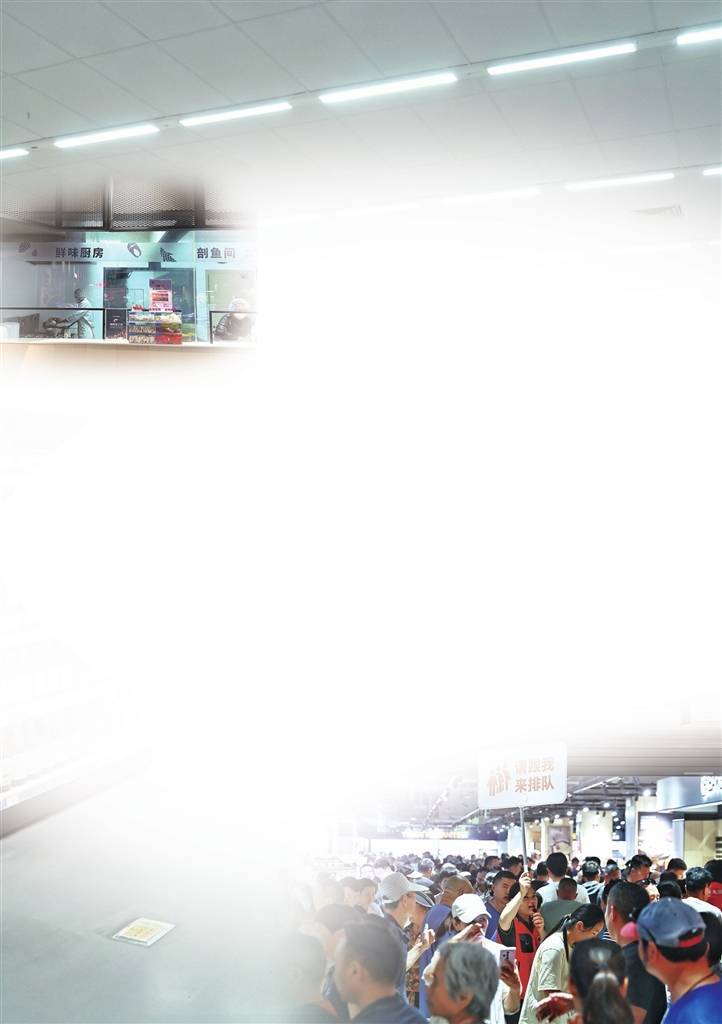
Core Insights - Yonghui Supermarket is undergoing a transformation by adopting the "Fat Donglai" retail model, focusing on enhancing service and experience across its seven stores in Zhengzhou [2][6] - The company aims to optimize its supply chain and develop a proprietary brand system to improve profitability and customer engagement [6][9] Store Transformation - Yonghui has completed adjustments in seven stores in Zhengzhou, aligning product structure, space layout, service capabilities, and employee benefits with the "Fat Donglai" model [2][6] - The stores have seen an average customer traffic increase of 80%, with over 60% of the adjusted stores achieving profitability levels surpassing the highest in the past five years [6][9] Product and Service Enhancements - The product range in stores has been optimized, with a 26.8% increase in new products, achieving 80% alignment with the "Fat Donglai" standards, and a rise in imported products to 15% [2][6] - The introduction of a "Fresh Kitchen" in the Yuhua Plaza store allows customers to have seafood and meat cooked on-site, catering to busy professionals [5] Employee Welfare - Average employee salaries have been raised to 5,000 yuan, reflecting the company's commitment to improving staff welfare [4] Proprietary Brand Development - Yonghui plans to focus on developing its proprietary brand system, with a goal of launching 500 proprietary products over the next five years [9][10] - The company aims to collaborate with suppliers to create 100 billion-level products within three years, enhancing its product ecosystem [8][9] Market Trends - The retail industry is witnessing a shift towards proprietary brands as companies seek to bypass traditional distribution channels and reduce costs [10][12] - The average number of proprietary products developed by retailers is increasing, indicating a growing trend in the market [11][12]