
适老化改造

Search documents
踔厉奋发新征程 | 群力托起幸福“夕阳红”
Zhong Yang Ji Wei Guo Jia Jian Wei Wang Zhan· 2025-09-01 00:34
Core Viewpoint - The article emphasizes the importance of developing elderly care services and the aging industry in response to China's aging population, highlighting various initiatives and improvements in elderly care facilities and services across different regions [8][10][18]. Group 1: Policy and Government Initiatives - The Chinese government has made significant strides in enhancing elderly care services, with a focus on home and community-based support, including the implementation of the national strategy to address population aging [8][12]. - Since the beginning of the 14th Five-Year Plan, a total of 208 million households with special difficulties have received support for home modifications to accommodate elderly needs [10][12]. - Shanghai has introduced a "one household, one plan" approach for home modifications, providing subsidies for elderly individuals to improve their living conditions [10][11]. Group 2: Community and Social Services - Various community initiatives have been launched to enhance the quality of life for the elderly, including the establishment of elderly activity centers and cultural programs [12][13]. - In Beijing, community choirs and other cultural activities have been developed to engage elderly residents, fostering social connections and improving mental well-being [12][13]. - The integration of modern technology in community services, such as the "Little Xi Assistant" AI program, has improved health monitoring and daily assistance for elderly individuals [15][16]. Group 3: Technological Innovations in Elderly Care - The introduction of smart technologies in elderly care, such as AI-driven health monitoring systems, has enabled timely interventions for health issues among seniors [15][16]. - Smart dining services, like the "smart restaurant" in Wuxi, allow elderly individuals to order meals through facial recognition and receive nutritional analysis, enhancing their dining experience [17][18]. - The government's push for "smart+" elderly care solutions is reflected in various initiatives aimed at improving the quality of life for seniors through technology [18].

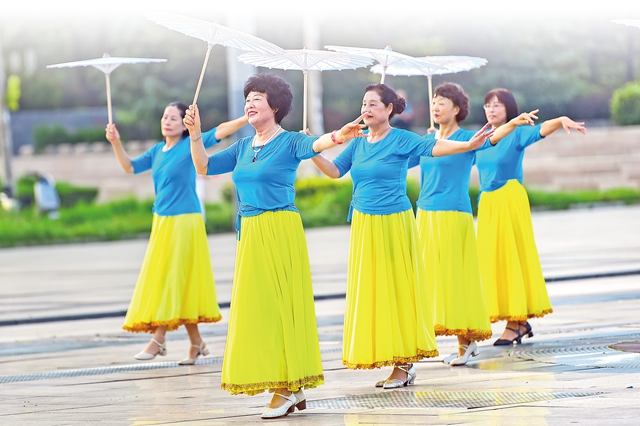
家居焕新消费季在辽宁启动
Liao Ning Ri Bao· 2025-08-30 00:47
Core Insights - The "Home Renovation Consumption Season" event was launched on August 29 in Shenyang, focusing on enhancing consumer experience in home improvement and renovation [1] - The event aims to promote high-quality supply to meet consumer demands for quality home furnishings, emphasizing themes of green, smart, and elderly-friendly home renovations [1] Group 1 - The event is part of the "Buy in China" initiative for 2025 and has been held for four consecutive years, serving as a significant platform for promoting home consumption [1] - Various well-known companies such as JD.com, IKEA, Haier, and others showcased over a hundred home renovation products, offering incentives like free design services and personalized customization [1] - Real estate companies and financial institutions actively participated, promoting discounts and financial support to enhance consumer engagement [1] Group 2 - The provincial commerce department plans to leverage this event to strengthen collaboration among various departments, including commerce, housing, and civil affairs [2] - The initiative aims to create a one-stop experience for consumers by integrating quality housing resources with smart, energy-efficient, and environmentally friendly home appliances and renovations [2]
读懂养老需求 撬动银发“经济圈”
Xiao Fei Ri Bao Wang· 2025-08-28 02:41
Core Insights - The silver economy is evolving beyond traditional concepts of elderly care, encompassing diverse consumer scenarios such as health management, entertainment, and smart products [1][4] - There is a significant gap in service standards and market regulations within the silver economy, leading to mismatches between products and the actual needs of elderly consumers [1][4] Market Growth - According to the latest data from the State Taxation Administration, the number of entities engaged in the production of silver products is expected to grow by 14.1% year-on-year by mid-2025 [1] - Revenue from the manufacturing of elderly fitness equipment, rehabilitation aids, and nutritional health products has increased by 14.7%, 12.1%, and 6.9% year-on-year, respectively, surpassing the average growth rates of the manufacturing industry by 9.5, 6.9, and 1.7 percentage points [1] Consumer Challenges - Many elderly consumers find smart wearable devices cumbersome, with issues such as inconvenient charging and lack of usability leading to low adoption rates [2][4] - Elderly travel groups often provide generic itineraries that do not cater to the varying physical capabilities of participants, resulting in dissatisfaction among travelers [2][4] Need for Adaptation - Experts emphasize that the silver economy must transition from merely providing "elderly care" to enhancing the "enjoyment of aging" [4][5] - True adaptation for elderly consumers involves rethinking technology and services from their perspective, ensuring ease of use and integration into their daily lives [5] Government and Industry Initiatives - The government is increasing support for the silver economy, with initiatives such as the "Silver Travel" train service and upgrades to public transportation to better accommodate elderly passengers [6] - There is a call for greater involvement of elderly individuals in the development of products and services, suggesting a shift from user interviews to collaborative creation [6] Future Opportunities - The silver economy presents opportunities to address higher-level needs of elderly individuals, such as social engagement, skill training, and mental health services [8] - The potential for mixed services combining AI companionship with human therapists could lead to significant market growth in the mental health sector for the elderly [6][8]
调查与思考丨银发经济,只是“看上去很美”?
Sou Hu Cai Jing· 2025-08-26 01:16
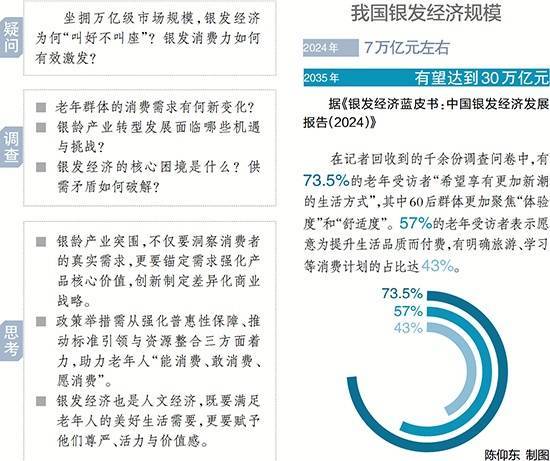
Core Insights - The silver economy in China is rapidly growing, with a current scale of approximately 7 trillion yuan, projected to reach 30 trillion yuan by 2035 [1] - Despite the potential, the market faces challenges such as demand realization difficulties, industry homogenization, and policy implementation gaps [9][10] Group 1: Market Trends - Increasing interest in AI courses for the elderly indicates a shift towards technology adoption among older consumers [4] - The main areas of consumption growth for the elderly are health management, cultural and entertainment experiences, and smart products [5] - A significant 73.5% of elderly respondents desire a more trendy lifestyle, with 57% willing to pay for improved quality of life [6] Group 2: Challenges - There is a mismatch between the consumption demand and payment willingness among the elderly, leading to low conversion rates for products [11] - The market is saturated with homogeneous products, particularly in the tourism sector, which stifles innovation and service upgrades [13][14] - Policy measures aimed at supporting the elderly often face implementation challenges, with many initiatives failing to reach their intended beneficiaries effectively [16] Group 3: Opportunities for Growth - Companies are encouraged to develop differentiated products based on a comprehensive understanding of the elderly's diverse needs [18] - Establishing a demand-driven funding allocation system and enhancing the accessibility of services can stimulate consumption among the elderly [19] - The silver economy should focus on creating a supportive ecosystem that not only meets the material needs of the elderly but also enhances their dignity and sense of value [20]
楼市大局已定!未来国内超过41.5%的家庭,不得不面临3大问题
Sou Hu Cai Jing· 2025-08-21 23:55
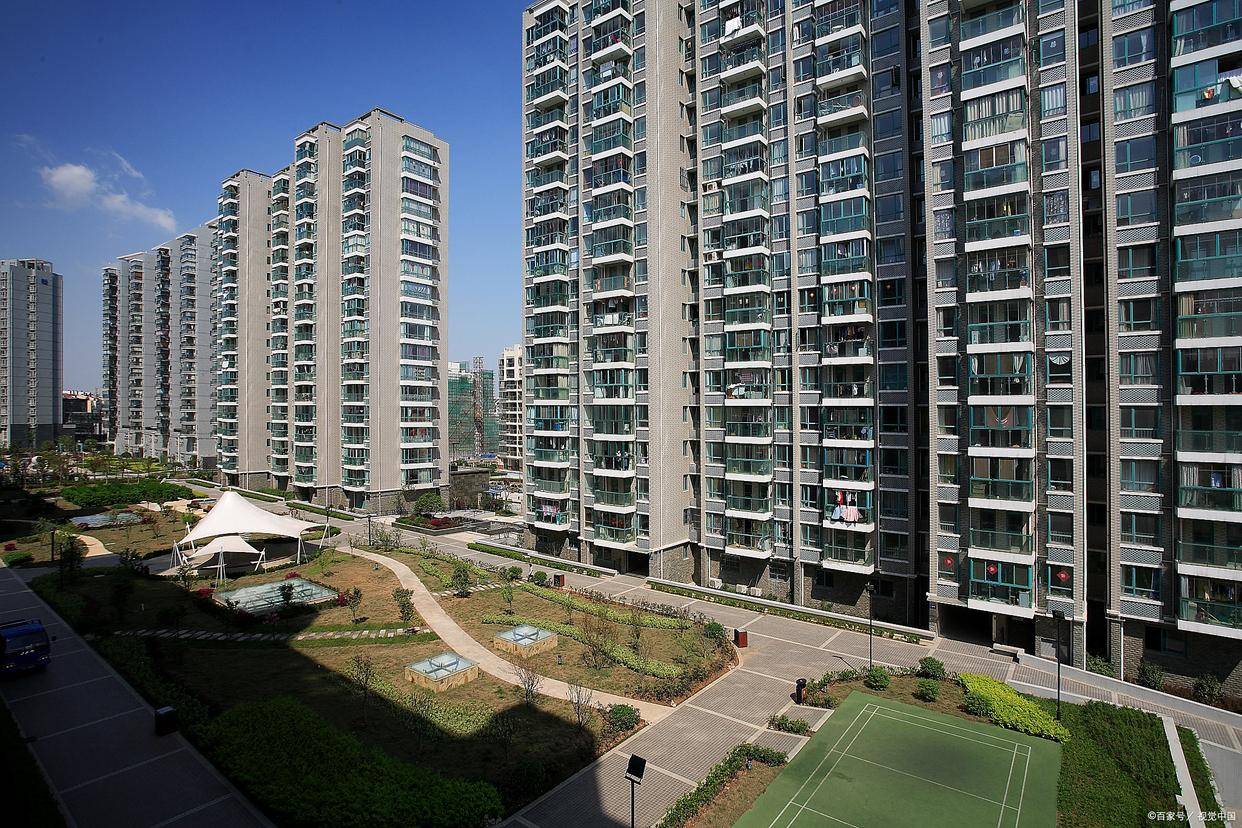
Core Viewpoint - The real estate market is undergoing significant changes, leading to challenges for families as their wealth tied to property diminishes and future uncertainties loom [1] Group 1: Challenges Faced by Families - Challenge 1: Family asset depreciation and liquidity issues. Property values are declining, with a notable drop in sales prices across major cities, leading to a potential 3% annual asset shrinkage for homeowners [2] - Challenge 2: Aging population necessitating home modifications. With over 300 million people aged 60 and above in China, families face the urgent need for home renovations to accommodate elderly care, which can cost between 120,000 to 150,000 yuan [3][5] - Challenge 3: Increased employment and income uncertainty, coupled with repayment pressures. The real estate sector's downturn affects over 100 related industries, leading to job losses and financial strain for families managing multiple loans [4] Group 2: Recommendations for Families - Optimize asset allocation by reducing reliance on real estate and increasing financial asset holdings to enhance liquidity and risk resilience [9] - Plan for elderly care needs proactively, including understanding local subsidy policies for home modifications to alleviate financial burdens [9] - Maintain stable cash flow by minimizing unnecessary expenses and seeking additional income sources to navigate market uncertainties effectively [9]
2025年全国“敬老月”将于10月10日至31日期间开展
Yang Shi Xin Wen· 2025-08-19 02:03
Core Viewpoint - The National Aging Work Committee has announced the "Respect for the Elderly Month" activities from October 10 to 31, 2025, aimed at promoting respect and care for the elderly, enhancing the construction of an elderly-friendly society, and ensuring the well-being and rights of older adults. Group 1: Activities and Initiatives - A nationwide education campaign on population aging will be conducted, focusing on integrating traditional values of filial piety into various cultural activities and promoting the "Respect for the Elderly" culture through media and exhibitions [1] - Various forms of visits and support for elderly individuals will be organized, particularly targeting those in special circumstances such as solitary, disabled, or special family situations [2] - Promotion of elderly care services and products will be emphasized, including subsidies for elderly care services and encouraging community-based support [3] Group 2: Health and Well-being - Health promotion activities for the elderly will be implemented, focusing on oral health, nutrition, mental well-being, and chronic disease prevention [4] - Initiatives to enhance the cultural and spiritual life of the elderly will be launched, including educational programs and community sports activities [5] Group 3: Legal and Rights Protection - Legal services aimed at protecting the rights of the elderly will be provided, including anti-fraud education and legal literacy programs [6][7]
适老化改造热度攀升 家居行业加速布局新蓝海
Bei Jing Shang Bao· 2025-08-18 13:48
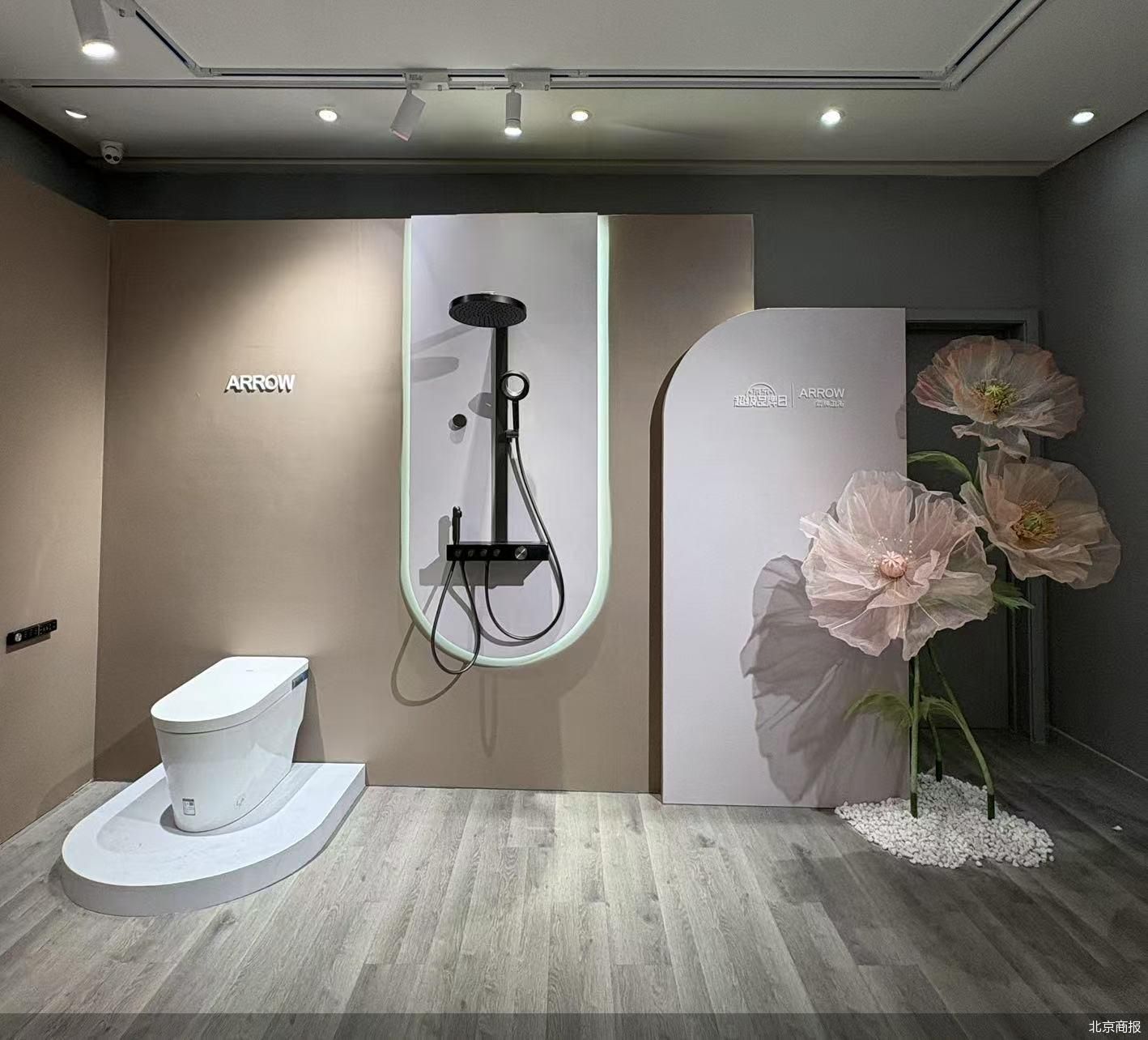
Core Insights - The aging population is driving rapid expansion in the elderly consumer market, with increasing attention on age-friendly home modifications and products [1][6] - Policies are being introduced to support the elderly market, including subsidies for home modifications and the promotion of age-friendly products [1][9] - The home furnishing industry is transitioning from single product offerings to comprehensive solutions for elderly needs, creating new growth opportunities [4][7] Group 1: Market Demand and Trends - The number of consumers aware of age-friendly modifications is rising, with significant interest in products designed for the elderly, such as toilets and washbasins [3][4] - Social media platforms like Xiaohongshu show high engagement with topics related to age-friendly design and modifications, indicating a growing consumer interest [6] - The elderly population in China is projected to reach 31.03 million by the end of 2024, representing 22% of the total population, highlighting the urgent need for age-friendly living environments [6][7] Group 2: Industry Developments - Companies like IKEA are launching initiatives such as the "Elderly-Friendly Living" project to provide tailored home solutions for seniors, enhancing their quality of life [4][5] - Various home furnishing companies are developing age-friendly products, including electric cabinets and smart toilets, to address specific challenges faced by the elderly [5][8] - The industry is witnessing a shift towards digital services and comprehensive solutions, moving beyond traditional retail experiences [4][9] Group 3: Challenges and Opportunities - The market faces challenges such as a lack of standardized services and professional expertise in age-friendly modifications, leading to inconsistent quality [8][9] - There is a disconnect between the purchasing decision-makers (often children) and the actual users (the elderly), which can lead to mismatched needs [7][8] - The industry is exploring diverse solutions, including government initiatives and technological advancements, to enhance service quality and meet the growing demand for age-friendly modifications [9]
超长期国债撬动适老化“焕新”
Xin Hua Wang· 2025-08-12 05:50
Core Viewpoint - The article highlights the significant impact of government subsidies and long-term bonds on promoting home modifications for the elderly, enhancing their living conditions and stimulating consumption in the aging population [1][2][3]. Group 1: Government Support and Funding - The Chinese government has allocated approximately 300 billion yuan in special long-term bonds to support the "new consumption" initiatives, including home modifications for the elderly [1]. - In Beijing's Chaoyang District, subsidies of up to 5,000 yuan are provided for elderly residents to encourage the purchase of age-friendly home improvement products [2][3]. Group 2: Impact on Elderly Residents - The program has successfully assisted over 10,034 households in Chaoyang District, distributing around 36 million yuan in subsidies, which has stimulated approximately 60.89 million yuan in elderly household consumption [2]. - The subsidies have led to a consumption leverage effect, with every 1 yuan of subsidy generating nearly 1.7 yuan in additional spending [2]. Group 3: Implementation and Community Engagement - A three-tiered mechanism involving district, street, and community levels has been established to ensure effective policy implementation, including promotion and review of applications [3]. - The program has expanded its coverage from economically disadvantaged elderly families to all registered elderly households in the district, increasing the range of eligible products [3][4]. Group 4: Personalized Services and Community Support - Local authorities are providing personalized services, such as installing safety features and mobility aids tailored to individual needs, enhancing the quality of life for elderly residents [4]. - The approach includes not only physical modifications but also ongoing support and companionship for the elderly, demonstrating a comprehensive care model [4].
在商场蹭空调,去麦当劳打牌:城市空间应向谁开放?| 编辑部聊天室
Xin Lang Cai Jing· 2025-08-10 03:16
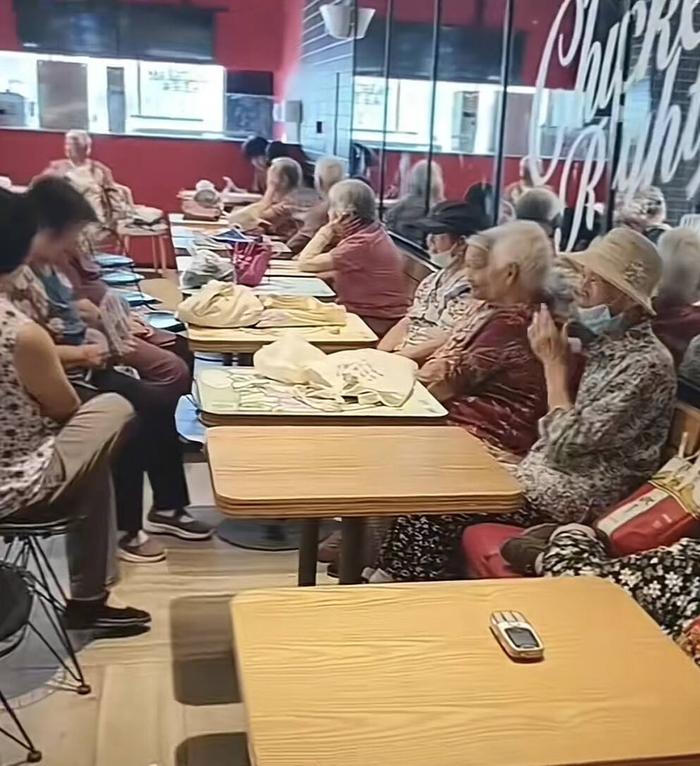
Group 1 - The article discusses the increasing presence of elderly individuals in urban spaces such as cafes and fast-food restaurants, highlighting their need for social interaction and cooling spaces during summer [1][3][4] - It emphasizes the lack of suitable urban spaces for different demographics, particularly the elderly, who often occupy areas designed for younger populations, leading to conflicts over space usage [3][8] - The concept of public space is explored, noting that urban planning often fails to accommodate the needs of various groups, resulting in a struggle for resources among different age demographics [8][9][22] Group 2 - The article references sociologist William H. Whyte's research on public spaces, indicating that people are drawn to areas with others, contradicting their stated preferences for solitude [4][7] - It highlights the active role of elderly individuals in claiming and modifying urban spaces to meet their needs, demonstrating a proactive approach rather than a passive one [8][11] - The discussion includes the impact of commercial spaces, such as Starbucks, which serve as informal public spaces, providing a venue for social interaction beyond traditional settings [12][14][18] Group 3 - The article points out the tension between different user groups in public spaces, where the needs of the elderly for leisure and socialization often clash with those of younger individuals seeking active recreational areas [8][9][22] - It discusses the role of chain stores in providing standardized public spaces that cater to diverse needs, while also raising concerns about the homogenization of social experiences [18][19] - The narrative suggests that urban spaces are increasingly shaped by commercial interests, blurring the lines between public and private domains, and complicating the understanding of public space in the context of urban life [22][27]

适老化3万亿“蓝海” 如何得先手 上海推出专项平台 今年“开源”后迅速扩容 企业涌入“爆单”频频
Jie Fang Ri Bao· 2025-08-10 01:37
Core Insights - The "Shanghai Home Environment Elderly Adaptation Service Platform" has rapidly expanded its service provider base from 10 to 59 companies, indicating a growing market potential for elderly adaptation services [1] - The elderly adaptation industry is projected to become a 3 trillion yuan business, driven by increasing and diverse needs for home modifications among the aging population [1] Group 1: Market Demand and Supply - The demand for elderly adaptation services is evolving from basic modifications to more comprehensive solutions, reflecting the diverse needs of different age groups and health statuses [2] - The service offerings now include a variety of products such as handrails, anti-slip products, and smart home solutions, catering to the growing demand for personalized services [3] Group 2: Challenges and Opportunities - The market for elderly adaptation is still in its early stages, with many companies facing profitability challenges and a lack of sustainable business models [7] - There is a significant gap in awareness among the elderly regarding their needs for home modifications, which presents an opportunity for companies to educate and engage potential customers [8] Group 3: Government Support and Market Development - Recent government initiatives, such as increased subsidies for elderly home adaptations, aim to stimulate market growth and make services more accessible to the elderly [8] - Experts suggest that government support through tax incentives and the establishment of more platforms could help companies reach a broader audience and enhance market penetration [8] Group 4: Consumer Behavior and Product Design - Many elderly individuals are unaware of their needs until prompted by community services, highlighting the importance of proactive outreach by companies [9] - The presence of "pseudo-elderly adaptation" products in the market indicates a need for better understanding of the actual usage habits and preferences of elderly consumers [9][10]