
IP经济

Search documents
票房爆了 周边火了 股价涨了
Shen Zhen Shang Bao· 2025-12-04 17:03
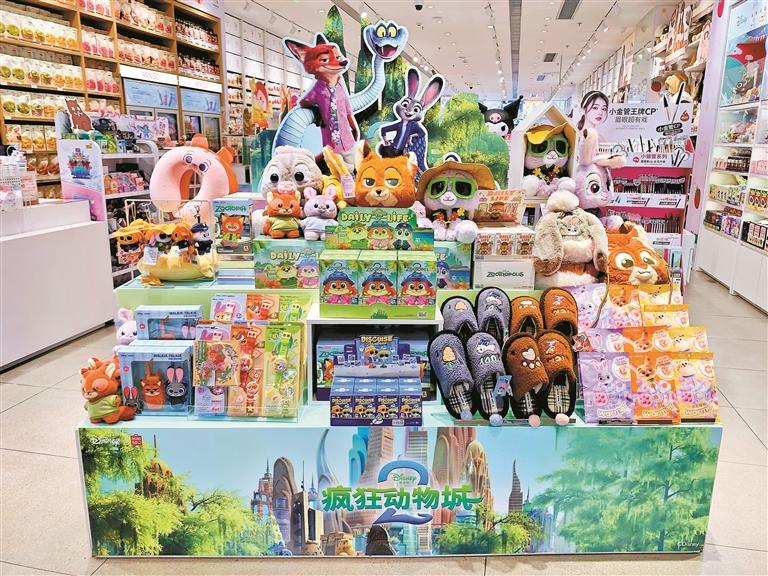
深圳商报记者 李佳佳 文/图 2025年的内地电影票房,两部动画类续集电影脱颖而出,年初的《哪吒2》各种破纪录,年尾的《疯狂动物城 2》同样是惊喜不断。截至12月2日,《疯狂动物城2》上映7天全国票房已超20亿元,成为中国影史进口动画 票房冠军。业内人士预测,该片总票房将超过40亿元,将成为仅次于《哪吒2》的年度票房爆款。 位于深业上城一楼的名创优品门店,《疯狂动物城2》联名的玩具、手表、挂件等产品位于正门口最显眼的位 置。 好的IP联名会把IP内容的短时情绪,延长为对IP的长期情感以及长期消费。走出影院,《疯狂动物城2》IP的 真实号召力和吸金能力实则更"疯狂"。 据不完全统计,截至11月末,《疯狂动物城2》已官宣的联名活动就超过70起,合作品牌覆盖潮玩、服饰、珠 宝、零食、快餐、电商、手机等多个赛道,消费人群也跨越了从儿童到中年等多个年龄段,成为今年联名领 域除了《哪吒》之外的又一个现象级IP。 IP联名带来跨界商机 迪士尼历来IP先行。《疯狂动物城2》早在半年前就与各个品牌进行了大规模联名,用铺天盖地的IP联名为电 影预热。影片上映首日,得物平台"疯狂动物城"相关搜索量环比暴涨60%,泡泡玛特联名盲盒成 ...


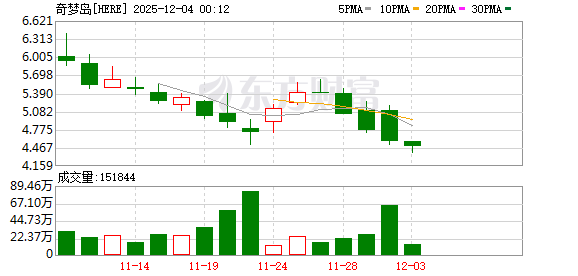
奇梦岛核心经营指标全面向好
Zheng Quan Ri Bao· 2025-12-03 16:13
Core Insights - Qimengdao Group reported a significant revenue increase of 93.3% in its潮玩 (trendy toy) business, achieving 127.1 million yuan in Q1 of FY2026 [2][3] - The company has successfully transformed its focus to the潮玩 sector, capitalizing on the current market dynamics characterized by demand upgrades and ecosystem expansion [2][3] Financial Performance - For the quarter ending September 30, Qimengdao's revenue from its key IPs included 89.73 million yuan from WAKUKU and 20.76 million yuan from ZIYULI, contributing to overall performance [3] - The company anticipates further revenue growth, projecting Q2 revenues between 150 million and 160 million yuan [4] Market Position and Strategy - Qimengdao has established a diverse IP portfolio, including 11 proprietary IPs and several exclusive and non-exclusive licensed IPs, enhancing its market presence [3] - The company is leveraging its supply chain efficiency, with a significant increase in production capacity, achieving over 1 million plush blind boxes in August alone, a 20-fold increase from earlier in the year [3] Industry Context - The潮玩 market is evolving into a phase of strong IP operation and comprehensive ecosystem competition, presenting both opportunities and challenges for new entrants [4][5] - Competitors like Pop Mart and Kayo are setting high revenue benchmarks, with Pop Mart projected to reach 13.04 billion yuan in 2024, indicating a competitive landscape [6] Future Outlook - Qimengdao's chairman emphasized the company's strategic focus on潮玩 and its dual-engine growth strategy of IP development and multi-channel expansion, which is expected to solidify its competitive edge [7] - The company possesses over 1 billion yuan in cash reserves, providing a strong foundation for supply chain expansion and strategic investments [6][7]
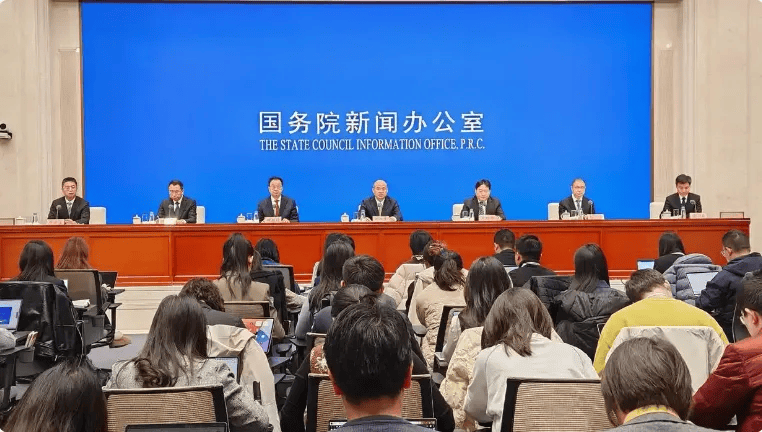
到2027年,我国将培育3个万亿级消费领域与10个千亿级消费热点
Sou Hu Cai Jing· 2025-12-03 11:44
Core Insights - The Chinese government has introduced an implementation plan to enhance the adaptability of consumer goods supply and demand, aiming for significant optimization of the supply structure by 2027, with the goal of creating three trillion-level consumption sectors and ten hundred-billion-level consumption hotspots [1][3]. Group 1: Consumption Trends and Market Potential - The development goals are based on a comprehensive assessment of current consumption trends, industrial foundations, and technological changes, focusing on both "stock optimization" and "incremental creation" [3]. - The elderly care market is projected to grow from 2.6 trillion yuan in 2014 to 5.4 trillion yuan by 2024, with a compound annual growth rate of 7.3%, highlighting its potential as a core driver of the silver economy [3][4]. Group 2: Key Consumption Sectors - The three trillion-level consumption sectors identified are elderly products, smart connected vehicles, and consumer electronics, which are seen as high-potential areas for growth [3][4]. - The ten hundred-billion-level consumption hotspots include diverse categories such as baby products, smart wearables, cosmetics, fitness equipment, outdoor products, pet supplies, civilian drones, trendy toys, jewelry, and national trend clothing, reflecting a vibrant and diversified market [4]. Group 3: Strategic Development Approach - The government plans to adopt a multi-faceted and layered approach to continuously cultivate and expand various consumption hotspots, enhancing the resilience and vitality of the domestic consumption market [4].
IP行业系列深度报告(二):IP为核,生态融合,成长可期
Wanlian Securities· 2025-12-03 10:39
Investment Rating - The report maintains a "stronger than the market" rating for the trading card game (TCG) industry, indicating a positive outlook for growth and investment opportunities [3]. Core Insights - The trading card game market is evolving into a comprehensive industry chain that encompasses IP licensing, content creation, product manufacturing, channel distribution, and community operation, with IP as the core engine driving user engagement and long-term retention [3][4]. - The industry is characterized by a dual-channel strategy of "offline foundation and online expansion," which enhances consumer experience and broadens market reach [4][50]. - The integration of trading cards with various business models, such as digital platforms and gaming devices, is driving innovation and expanding the market [8][66]. Summary by Sections 1. Trading Card Game Overview - Trading card games (TCGs) combine themes, collection, exchange, and competitive play, often based on popular IPs from films, anime, or original designs, providing rich cultural experiences [2][12]. - TCGs can be categorized into competitive and collectible types, each with distinct value propositions and target audiences [13][14]. 2. Industry Chain - The TCG industry has established a complete industry chain driven by content, with upstream IP providers, midstream design and production companies, and downstream sales channels [35]. - Upstream, IP is the fundamental driver of user recognition and purchase conversion, with emotional resonance being a key factor in consumer decisions [38][39]. - Midstream, design differentiates products and targets specific consumer segments, enhancing brand value and user engagement [44]. - Downstream, the dual-channel strategy combines offline experiences with online sales, creating a comprehensive consumer engagement ecosystem [50][51]. 3. Market Development - The TCG market in China is projected to grow significantly, reaching a market size of 263 billion RMB by 2024, with a compound annual growth rate (CAGR) of 56.6% from 2019 to 2024 [20][21]. - The competitive landscape is concentrated, with the top five companies holding 82.4% of the market share, highlighting the dominance of key players like 卡游 (Kawoo) [26][27]. 4. Investment Recommendations - The report suggests focusing on companies with rich IP resources, strong design and manufacturing capabilities, and significant sales channel advantages [8].

“衍生产品”走红 年轻人爱上“情怀消费”
Sou Hu Cai Jing· 2025-12-02 07:57
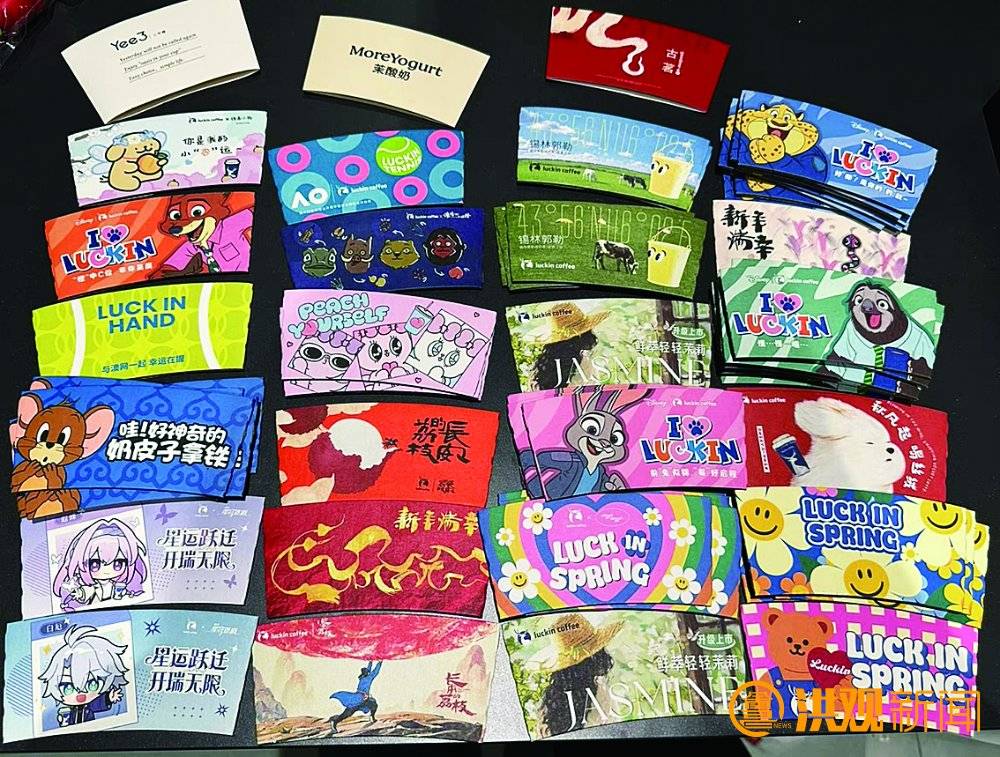
Core Insights - The rise of "derivative products" such as free packaging bags and cup sleeves from tea and coffee brands has become popular among young consumers, leading to significant sales on second-hand platforms [1][5][9] - Young consumers are increasingly collecting limited edition packaging associated with popular IPs, driven by nostalgia and the desire for unique items [3][4][6] Group 1: Consumer Behavior - Young consumers, like 26-year-old Zhu Yongzhi, actively seek out limited edition packaging from popular films and brands, often purchasing from multiple stores to complete their collections [3][4] - University student Tao Xiaoqing shares her collection of IP-themed paper bags on social media, indicating a community of collectors who exchange and trade items on second-hand platforms [4][9] - The popularity of these items is evident as consumers often request specific limited edition packaging when making purchases, highlighting a shift in consumer priorities [5][6] Group 2: Market Dynamics - Second-hand platforms show a high volume of listings for tea and coffee packaging, with prices varying significantly based on brand and popularity, ranging from 0.5 to 50 yuan [4][9] - The demand for limited edition packaging is linked to the IP economy and the trend of scarcity, as young consumers seek personalized and unique products [6][9] - Some sellers on second-hand platforms emphasize the condition and authenticity of the packaging, indicating a market that values quality and provenance [9]
巨星传奇CFO赖国辉:持续布局“IP+” 探索更广阔机会
Zheng Quan Shi Bao Wang· 2025-12-01 02:16
Core Viewpoint - The IP economy is thriving, with companies like Giant Star Legend (06683.HK) gaining significant market attention through the development and monetization of their IP assets, particularly the "Zhou Classmate" IP associated with Jay Chou [1][2]. Group 1: Business Performance - Since the launch of "Zhou Classmate" in 2019, its influence has grown, leading to collaborations with over 200 licensing partners and cumulative sales exceeding 1 billion yuan [2]. - Giant Star Legend reported a revenue of 584 million yuan for the full year of 2024, marking a 35.8% year-on-year increase, with IP creation and operation revenue rising by 65.1% to 314 million yuan [2]. - In the first half of 2025, the company achieved a revenue of 354 million yuan, reflecting a 33% year-on-year growth, with record highs in both revenue and gross profit [2]. Group 2: Strategic Investments - In September 2023, Giant Star Legend acquired approximately 1.17% of the National Stadium (Bird's Nest) operating company, becoming the only private shareholder, marking a strategic shift towards deeper integration of IP and venue operations [3]. - The company also invested in the Korean entertainment agency Galaxy, acquiring up to 7% of its issued share capital, which is seen as a key step towards international expansion [3][4]. Group 3: Innovation and Development - Giant Star Legend is collaborating with Yuzhu Technology to develop a "quadruped robot," which has already garnered over 120 million yuan in orders, indicating a significant acceleration in commercialization [4]. - The company is focused on creating a high-end consumer robot that incorporates emotional and IP elements, aiming to enhance user experience through performances in various settings [4]. - The company has initiated a collaboration with 100 international trend artists to enrich the "Zhou Classmate" IP and expand its global reach [5].
重大会议即将召开,定调2026中国经济大方向!事关你我财富走向
Sou Hu Cai Jing· 2025-11-29 23:54
Group 1 - The upcoming Central Economic Work Conference is crucial for determining China's economic direction for 2026, especially as it marks the end of the "14th Five-Year Plan" and the beginning of the "15th Five-Year Plan" [1][3] - The conference will assess the progress of major projects, such as the domestic production of lithography machines, and set economic targets for the coming year, including GDP growth and per capita income [3] - The meeting will focus on the transformation paths for emerging industries and traditional sectors, with particular attention to support policies for artificial intelligence, new energy, and biotechnology [3] Group 2 - China's economy is currently facing significant pressures, including weak domestic demand, a declining real estate market, and external challenges such as trade tensions with the U.S. [5][9] - The consumer price index showed an average year-on-year decline of -0.1% in the first half of 2025, indicating a lack of consumer spending and leading to intensified price competition [5] - Real estate investment fell by 23% year-on-year in October 2025, with housing prices and sales continuing to decline for four consecutive years, impacting consumer confidence [5] Group 3 - The conference will propose macroeconomic policy adjustments, shifting monetary policy from "prudent" to "moderately loose," potentially leading to further interest rate cuts [12][13] - Fiscal policy is expected to be more proactive, with government fund budget expenditures increasing by 15.4% year-on-year in the first ten months of 2025 [14] - Coordination between fiscal and monetary policies will be essential to ensure liquidity and support for infrastructure and technology sectors [16] Group 4 - Expanding domestic demand is a key focus, with strategies aimed at increasing income and reducing burdens on consumers [11][18] - Employment stabilization is prioritized, particularly for small and medium-sized enterprises, which account for over 80% of urban employment [18] - The silver economy is rapidly growing, with predictions that related industries will reach a scale of 19.1 trillion yuan by 2035, indicating a significant investment opportunity [18] Group 5 - The impact of the conference on ordinary people's lives will be significant, with reduced mortgage pressures leading to lower costs for consumer and business loans [19] - The diversification of childcare services will ease the burden on dual-income families, with community childcare options available for under 1,000 yuan per month [19] - The job market will evolve, with high demand for talent in artificial intelligence and new roles emerging in elder care and design for aging populations [21]

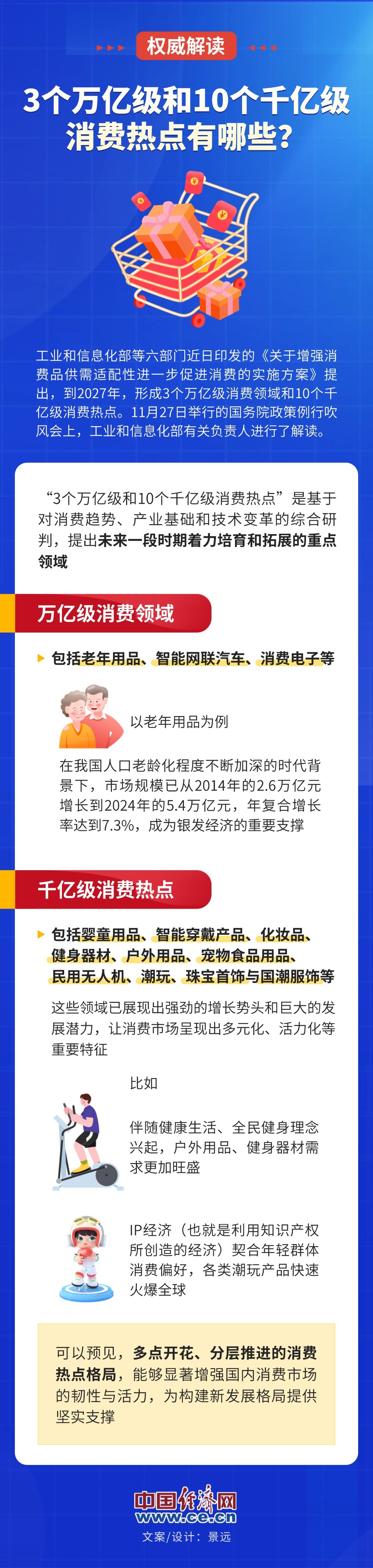
【图解】权威解读:3个万亿级和10个千亿级消费热点有哪些?
Zhong Guo Jing Ji Wang· 2025-11-29 01:34
Core Insights - The implementation plan by six departments, including the Ministry of Industry and Information Technology, aims to establish three trillion-level consumption sectors and ten hundred-billion-level consumption hotspots by 2027, based on comprehensive analysis of consumption trends, industrial foundations, and technological changes [3][4]. Trillion-Level Consumption Sectors - The three trillion-level consumption sectors identified include elderly products, smart connected vehicles, and consumer electronics. For instance, the market size for elderly products has grown from 2.6 trillion yuan in 2014 to an expected 5.4 trillion yuan by 2024, reflecting a compound annual growth rate of 7.3%, highlighting the significance of the silver economy [4]. Hundred-Billion-Level Consumption Hotspots - The ten hundred-billion-level consumption hotspots encompass a diverse range of products, including baby products, smart wearable devices, cosmetics, fitness equipment, outdoor goods, pet food, civilian drones, trendy toys, jewelry, and national trend clothing. These sectors are showing strong growth momentum and significant development potential, contributing to a diversified and vibrant consumer market [4][6]. Emerging Trends - The rise of health-conscious living and the concept of national fitness are driving increased demand for outdoor products and fitness equipment [6]. - The IP economy, which leverages intellectual property to create economic value, aligns with the consumption preferences of younger demographics, leading to a rapid global popularity of trendy toy products [8]. Market Resilience - The multi-faceted and layered approach to consumption hotspots is expected to significantly enhance the resilience and vitality of the domestic consumer market, providing solid support for the construction of a new development pattern [8].
裁了7000人的2000亿美元巨头,疯狂啃“兔子”
虎嗅APP· 2025-11-28 09:55
以下文章来源于中国企业家杂志 ,作者陈浩 中国企业家杂志 . 讲好企业家故事,弘扬企业家精神 本文来自微信公众号: 中国企业家杂志 ,作者:马吉英、陈浩(见习记者),编辑:马吉英、张昊 (见习编辑),题图来自:视觉中国 《疯狂动物城2》创造了新的纪录。 继预售票房超3.1亿元,超越《哪吒之魔童闹海》登顶中国影史动画片预售票房榜后,11月26日,这 部迪士尼今年的主力片在上映首日票房就达2.28亿元,票务平台预测首周票房将超12亿元,总票房直 指25亿元。 隔出了专用电梯。 过去几年,能让艾格远渡重洋亲自站台的电影仅此一部。他上一次来到中国还是2023年12月,恰巧 参加的是"疯狂动物城"在上海乐园的开园典礼,足以见得他对这部电影以及IP在中国市场落地的重视 程度。 九年前《疯狂动物城1》上映时,中国观众贡献了超15亿元票房,令其至今稳坐国内进口动画片票房 榜冠军。如今看来,这个纪录大概率将被续作打破。 上映当天,全国院线综合排片占比66.5%,票房占比92.7%。万达影城向《中国企业家》表示,"全面 供给排片,为今年票房做最后的冲刺努力。"刚刚经历了低迷的暑期档和国庆档,国内电影市场被一 部好莱坞大片点燃。 ...

到2027年,我国将形成3个万亿级消费领域
Ren Min Wang· 2025-11-28 06:42
Core Viewpoint - The implementation plan aims to enhance the adaptability of supply and demand in consumer goods, targeting significant optimization of the supply structure by 2027, with the formation of three trillion-level consumption fields and ten hundred-billion-level consumption hotspots [1][2]. Group 1: Key Consumption Fields - The three trillion-level consumption fields identified include elderly products, smart connected vehicles, and consumer electronics [4]. - The elderly products market is projected to grow from 2.6 trillion yuan in 2014 to 5.4 trillion yuan by 2024, with a compound annual growth rate of 7.3%, highlighting the importance of the silver economy [4]. Group 2: Emerging Consumption Hotspots - The ten hundred-billion-level consumption hotspots encompass baby products, smart wearable devices, cosmetics, fitness equipment, outdoor products, pet food, civilian drones, trendy toys, jewelry, and national trend clothing, all showing strong growth momentum and development potential [4]. - The rise of health-conscious living and the concept of national fitness have led to increased demand for outdoor products and fitness equipment, while the IP economy aligns with the consumption preferences of younger demographics, driving the popularity of trendy toy products globally [4]. Group 3: Strategic Focus - The plan emphasizes supply-side structural reforms, accelerating brand leadership, standard upgrades, and the application of new technologies to stimulate the multiplier effect and structural dividends of China's vast domestic market [1][3]. - The multi-faceted and layered approach to consumption hotspots is expected to significantly enhance the resilience and vitality of the domestic consumption market, providing solid support for the construction of a new development pattern [3].