可持续发展

Search documents
雀巢中国以绿色创新驱动全价值链减碳
Zheng Quan Ri Bao Wang· 2025-12-05 07:47
Core Insights - Sustainable development has become a core theme for corporate transformation in response to global climate change pressures, with Nestlé committing to achieve net-zero carbon emissions by 2050 and planning to reduce emissions by 20% by 2025 and 50% by 2030 [1][2] Group 1: Green Logistics - Nestlé China has established a dedicated project team to oversee its green logistics initiative, which includes clear emission reduction targets and performance assessment systems to ensure efficient project execution [2] - The green logistics project is divided into three phases: a pilot phase focusing on testing new energy vehicles and multimodal transport, a promotion phase for scaling up these initiatives, and a deepening phase that enhances efficiency through resource collaboration and the use of new energy trucks [2] - The introduction of a smart scheduling system has improved vehicle load rates by 7%, addressing challenges related to low load rates due to varying packaging sizes across different products [2][3] Group 2: Sustainable Packaging - Sustainable packaging is a key focus within Nestlé's net-zero plan, with a commitment to reduce the use of virgin plastic by one-third by 2025 through various strategies including reducing material usage and enhancing recyclability [4] - Nestlé China has achieved a significant innovation by reducing the thickness of its single-layer polypropylene cold seal film from 28 microns to 26 microns, setting a global record for this type of packaging [4][5] - This innovation has led to a 6% reduction in overall plastic packaging consumption, saving 35 tons of virgin plastic annually, and has been recognized with the Nestlé Greater China Innovation Award for Sustainable Development [5]

关于气候、核能、农业,中法发布联合声明
Guan Cha Zhe Wang· 2025-12-05 06:18
Group 1: Climate and Environmental Cooperation - China and France reaffirm their commitment to effectively implement the 2019 Beijing Initiative on Biodiversity Conservation and Climate Change, the 2024 Joint Statement on Strengthening Cooperation on Biodiversity and Oceans, and the 2025 Joint Statement on Climate Change marking the 10th anniversary of the Paris Agreement [1][2] - Both countries emphasize the importance of multilateralism in addressing global challenges, particularly through the frameworks of the Rio Conventions, the Kyoto Protocol, the Paris Agreement, and the Kunming-Montreal Global Biodiversity Framework [1][2] Group 2: Scientific Integrity and International Commitments - China and France stress the necessity of maintaining scientific integrity as the basis for actions, supporting the work of various intergovernmental scientific policy platforms related to climate change and biodiversity [2] - The two nations call for adherence to the principles established by the UN Framework Convention on Climate Change and the Paris Agreement, including equity and common but differentiated responsibilities [2] Group 3: Renewable Energy and Emission Reduction - Both countries welcome Brazil's efforts as the COP30 presidency and reaffirm the Paris Agreement's temperature control goals, aiming to limit global temperature rise to below 2°C and striving for 1.5°C [3] - China and France commit to accelerating global renewable energy deployment and transitioning away from fossil fuels in a just and orderly manner, while also enhancing cooperation in carbon pricing and climate finance [3] Group 4: Biodiversity and Ecosystem Management - The two nations recognize the interconnections between climate change, biodiversity loss, and pollution, reaffirming commitments made at COP26 to halt and reverse deforestation and land degradation by 2030 [4] - They emphasize the need for integrated water resource management at local, regional, and global levels, and support efforts for a common vision at the upcoming UN Water Conference in 2026 [4] Group 5: Marine Governance and Plastic Pollution - China and France commit to strengthening global marine governance and welcome the upcoming effectiveness of the agreement on the conservation and sustainable use of marine biodiversity in areas beyond national jurisdiction [4] - They support negotiations for a legally binding international instrument to end plastic pollution and encourage research into sustainable plastic alternatives [4] Group 6: Support for Developing Countries - Both countries express willingness to support developing nations in achieving sustainable development and enhancing their access to climate and environmental funding by 2035 [5] - They welcome the Kunming Biodiversity Fund and reaffirm support for the financing goals of the Kunming-Montreal Global Biodiversity Framework [5] Group 7: Nuclear Energy Cooperation - China and France agree to enhance cooperation in nuclear energy, emphasizing its importance in their comprehensive strategic partnership and focusing on safety, innovation, and sustainable development [6][7] - They recognize the significance of coordinating efforts in nuclear fuel supply and waste management to ensure the stability of the nuclear energy supply chain [7] Group 8: Agricultural Collaboration - Both nations reaffirm their commitment to deepen agricultural cooperation, focusing on climate adaptation, technology application, and enhancing food security [9][10] - They express satisfaction with recent agreements on health and safety standards for agricultural products and emphasize the importance of fair competition in the agricultural sector [10][11]
中华人民共和国和法兰西共和国关于合作应对全球气候和环境挑战的联合声明
Yang Shi Xin Wen· 2025-12-05 05:28
Core Viewpoint - The state visit of French President Emmanuel Macron to China from December 3 to 5, 2025, emphasizes the importance of ongoing dialogue between China and France to address global climate and environmental challenges. Group 1: Commitment to Climate Initiatives - Both countries reaffirm their commitment to effectively implement the 2019 Beijing Initiative on Biodiversity Conservation and Climate Change, the 2024 joint statement on biodiversity and marine cooperation, and the 2025 joint statement on climate change marking the tenth anniversary of the Paris Agreement [1][2] - They emphasize the importance of multilateralism and international cooperation frameworks such as the Rio Conventions, the Kyoto Protocol, and the Paris Agreement to tackle global climate and environmental challenges [1][2] Group 2: Scientific Integrity and Collaboration - The two nations stress the need to uphold scientific integrity as the basis for actions, supporting the work of various intergovernmental scientific policy platforms related to climate change and biodiversity [2] - They call for adherence to the principles established by the UN Framework Convention on Climate Change and the Paris Agreement, including equity and common but differentiated responsibilities [2] Group 3: Global Climate Goals and Renewable Energy - Both countries welcome Brazil's efforts as the host of COP30 and reaffirm the Paris Agreement's temperature control goals, aiming to limit global temperature rise to below 2°C and striving for 1.5°C [3] - They commit to accelerating global renewable energy deployment and transitioning away from fossil fuels in a fair and orderly manner [3] Group 4: Forest and Water Resource Management - The nations recognize the interconnections between climate change, biodiversity loss, and water resource degradation, reaffirming commitments made at COP26 to halt and reverse deforestation and land degradation by 2030 [4] - They emphasize the need for integrated water resource management at local, regional, and global levels [4] Group 5: Marine Governance and Plastic Pollution - Both countries commit to strengthening global marine governance and welcome the upcoming effectiveness of the agreement on the conservation and sustainable use of marine biodiversity in areas beyond national jurisdiction [4] - They support negotiations for a legally binding international instrument to end plastic pollution and encourage research into sustainable plastic alternatives [4][5] Group 6: Support for Developing Countries - China and France express their willingness to support developing countries in achieving sustainable development and enhancing their access to climate and environmental funding by 2035 [5] - They welcome the Kunming Biodiversity Fund and reaffirm support for the financing goals of the Kunming-Montreal Global Biodiversity Framework [5] Group 7: Future Cooperation - The two nations are open to establishing a working group to address climate and environmental challenges, with a potential meeting in the first half of 2026 to discuss this initiative [5]
镍与不锈钢日评20251205:修复后区间震荡-20251205
Hong Yuan Qi Huo· 2025-12-05 05:10
1. Report Industry Investment Rating - Not provided in the content 2. Core Views of the Report - On December 4, the main nickel contract on the Shanghai Futures Exchange fluctuated within a range. With a weak nickel fundamental and inventory pressure, along with the repeated expectations of the Fed's interest - rate cuts, after the price recovered from a low level, nickel prices are expected to fluctuate within a range. The trading strategy is to wait and see [1][2]. - On December 4, the main stainless - steel contract also fluctuated within a range. Given the loose fundamentals and weakening cost support, stainless - steel prices are expected to fluctuate weakly. The trading strategy is to short on rallies [2]. 3. Summary by Relevant Catalogs Nickel Market Futures Market - On December 4, the closing prices of Shanghai nickel futures contracts generally decreased. For example, the closing price of the near - month contract was 117,600 yuan/ton, down 260 yuan from the previous day. The trading volume of Shanghai nickel futures was 103,322 lots, a decrease of 9,126 lots, and the open interest of the active contract decreased by 577 lots [2]. - The inventory of Shanghai nickel futures increased, with the inventory on December 4 being 32,595 tons, an increase of 2,501 tons from the previous day [2]. Spot Market - The average price of SMM 1 electrolytic nickel increased by 400 yuan compared to the previous day. The basis (spot - to - futures) widened, with the basis of SMM 1 electrolytic nickel average price minus the closing price of the active nickel futures contract being 2,130 yuan on December 4 [2]. Supply and Demand - Supply side: Nickel ore prices remained flat. The arrival volume of nickel ore at ports increased last week, and port inventories decreased. The loss of nickel - iron plants deepened, with domestic and Indonesian nickel - iron production schedules decreasing in December. The domestic electrolytic nickel production schedule increased in December, and the loss of electrolytic nickel imports narrowed [2]. - Demand side: Ternary material production decreased; stainless - steel plant production schedules decreased; alloy and electroplating demand remained stable [2]. Inventory - The inventory of the Shanghai Futures Exchange, LME, and social inventory increased, while the bonded - area inventory decreased [2]. Stainless - Steel Market Futures Market - On December 4, the main stainless - steel contract fluctuated within a range. The trading volume was 84,742 lots, an increase of 4,381 lots, and the open interest decreased by 871 lots [2]. - The inventory of stainless - steel futures on the Shanghai Futures Exchange decreased, with the inventory on December 4 being 62,157 tons, a decrease of 180 tons from the previous day [2]. Spot Market - Spot market trading was weak, and the basis premium widened. For example, the basis of the average price of 304/2B coil - cut edge (Wuxi) minus the active contract price was 775 yuan on December 4 [2]. Supply and Demand - Supply side: Stainless - steel production decreased in December, and the production schedule of the 300 - series stainless - steel decreased [2]. - Demand side: Terminal demand was weak [2]. Cost - The price of high - grade nickel pig iron decreased, while the price of high - carbon ferrochrome remained flat [2]. Industry News - After the EU officially issued the new battery passport policy, the Indonesian nickel industry has once again become the focus. The full implementation of the policy is scheduled for February 2027. The preparation levels of Indonesian nickel producers vary, and the real challenge lies with producers in the early stage of development [2].
将长期战略重点放在中国——汉高黏合剂技术工业与电子事业部高管谈未来发展
Zhong Guo Hua Gong Bao· 2025-12-05 03:35
Core Viewpoint - Henkel views China as a crucial market with unmatched attractiveness and strong market potential, emphasizing a long-term strategic focus on the region [1] Group 1: Advanced Solutions - Henkel showcased cutting-edge metal surface treatment technologies and innovations at the 2025 China International Surface Treatment Exhibition, aiming to promote green development in the industry [2] - The company highlighted a new generation of pre-treatment products for steel coil coating, including efficient degreasers and eco-friendly passivators, which are adaptable to various steel substrates and paints [2] - Henkel introduced the Bonderite E-CO Neo, an online analysis and automatic dosing control device that enhances material efficiency, already applied in over 1,300 production lines globally across multiple industries [2] Group 2: Sustainable Development - Sustainability is a core component of Henkel's corporate strategy, focusing on the development and application of environmentally friendly products to reduce chemical consumption and environmental impact [3] - The company has set a roadmap for net-zero emissions, aiming to reduce greenhouse gas emissions by 90% by 2045, using 2021 as the baseline year [3] - Henkel's efforts in China have led to significant reductions in carbon emissions and water consumption per product, supporting green manufacturing goals across various industrial sectors [3] Group 3: Innovation and Investment in China - Henkel emphasizes cost reduction through a large R&D team that optimizes product formulations while enhancing service capabilities [4] - The company is committed to product upgrades to meet market demands for high-end performance and has unique advantages in the chemicals sector by simultaneously engaging in adhesives and surface treatment [4] - Recent investments include the establishment of the Henkel Adhesive Technology Shanghai Application Technology Center and the Henkel Adhesive Technology Shanghai Innovation Experience Center, as well as the construction of a high-end adhesive production base in Yantai, Shandong, with a total investment of approximately 870 million yuan [4] Group 4: Future Outlook - Despite market fluctuations, Henkel plans to continue its innovation and business development in China, focusing on existing markets while exploring future growth opportunities [5] - The company's goal is to root its innovation capabilities locally, closely align with customer needs, and provide strong support for the market [5]
波司登亮相企业家博鳌论坛 以新质生产力领航高质量发展
新华网财经· 2025-12-05 03:17
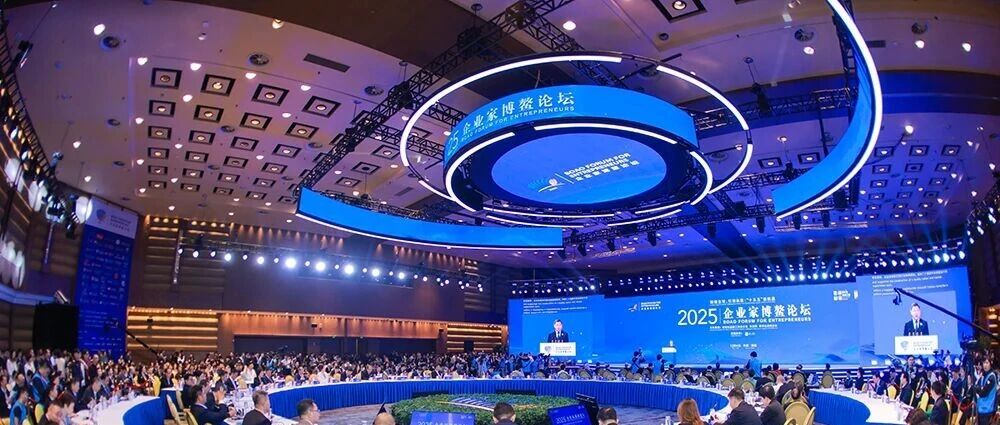
十载博鳌潮涌,共绘时代新章。12月4日,以"链接全球,引领未来:'十五五'新机遇"为主题的2025企业家博鳌论坛主论坛在海南博鳌举行。汇聚众多世 界500强、中国500强企业及行业领军者,共话新时期高质量发展路径。 作为中国羽绒服行业领军者和品牌国际化发展的优秀代表,波司登集团应邀参加本届论坛,并在这场被誉为"企业界年度思想盛宴"的盛会上分享其立足新 时代、把握新机遇,坚定迈向全球领先的战略思考与实践成果,传递出中国品牌深耕实业、链接全球的坚定信念。 本届论坛恰逢"十四五"收官与"十五五"谋篇的关键节点。论坛十年,亦是波司登与时代同频共振的缩影。波司登创业49年来,始终坚守实业报国初心,专 注羽绒服核心主业,从常熟乡间的缝纫组成长为全球知名的羽绒服品牌企业,连续30年中国市场销量领先,产品畅销全球,品牌价值达1180.58亿元,连 续入选世界品牌500强,攀登全球纺织服装价值链中高端的步伐坚实有力。 以品牌为桥,波司登链接全球创新资源迈向价值链中高端。早在上世纪90年代,波司登就率先进入瑞士等欧洲市场,成为中国品牌出海先行者。近年来, 品牌以全球视野高点定位,相继亮相纽约、米兰、伦敦、巴黎国际时装周,响应共建 ...

对话索迪斯大中华区主席:超越餐饮 一场关于员工发展、社区关爱与地球健康的整体实践
Xin Lang Cai Jing· 2025-12-05 01:13
Core Insights - Sodexo is committed to sustainability and has integrated it into its core strategy, exemplified by the "Cook for Change!" competition focusing on low-carbon plant-based dishes [1][3] - The company has launched its new sustainability vision, "Better Tomorrow 2028," which outlines strategic directions for the next three years [3][19] Employee Commitment - Sodexo aims to create an inclusive development environment for over 426,000 employees globally, prioritizing their health, safety, and well-being [4][19] - The company has committed to providing each employee with 15 hours of training annually by 2026 to deepen their understanding of sustainability [4][19] Customer Value - By 2030, at least 70% of Sodexo's global menu items will meet the "Earth-friendly" standards set by the World Wildlife Fund (WWF) [4][19] - The company has set a target to reduce food waste by 50% by 2028 [4][19] Environmental and Social Responsibility - Sodexo has established a long-term goal of achieving net-zero carbon emissions by 2040 and is actively involved in community welfare projects [4][19] - The company has implemented the "WasteWatch" program in over half of its operational sites to monitor and reduce food waste [5][20] SoGreen Framework - The SoGreen Framework is tailored for the Chinese market, focusing on local business practices in food service and facility management [6][21] - The framework includes three pillars: Green Mind, Green Food, and Green Space, emphasizing awareness, responsible sourcing, and energy efficiency [7][22] Green Mind - Sodexo promotes awareness and capability building among clients, partners, and consumers, aiming to empower them as agents of change [7][22] - The "Servathon to Care" initiative focuses on providing nutritional meals to elderly individuals in need, benefiting nearly 200,000 seniors in Shanghai [7][22] Green Food - The "WasteWatch" project has been implemented in 182 operational sites in China, effectively reducing food waste by approximately 30% [8][23] - Sodexo has received the "Green Supply Chain Evaluation Technical Specification" certificate, becoming the first in the catering industry to achieve this recognition [8][23] Green Space - The company aims to enhance energy efficiency, reduce water usage, and minimize plastic use in its facilities [8][23] Localization in China - The Chinese market shows increasing consumer interest in sustainability, with a focus on the health impacts of food [9][24] - Sodexo's strategy emphasizes the health benefits of non-caged eggs, aligning with local consumer preferences [9][24] Confidence, Trust, and Belief - Sodexo maintains a long-term commitment to the Chinese market, evidenced by significant acquisitions to enhance its service capabilities [10][25] - The company has achieved an employee engagement rate of 82.5% globally and has provided job opportunities for over 230 individuals with disabilities in China [10][25] Digital Transformation - Sodexo is integrating AI and digitalization into its services, enhancing customer experiences through personalized meal options and real-time nutritional information [12][27] - The YOU E+ system allows for data analysis to create tailored meal plans for elderly and ill patients [12][27] Future Outlook - The company plans to continue leveraging digital tools to enhance sustainable dining experiences and meet evolving consumer expectations [13][28] - Sodexo aims to create unique facility spaces that resonate with local market needs while promoting sustainability [13][28]

以变革应对变局 以转型谋求发展
Sou Hu Cai Jing· 2025-12-04 19:03
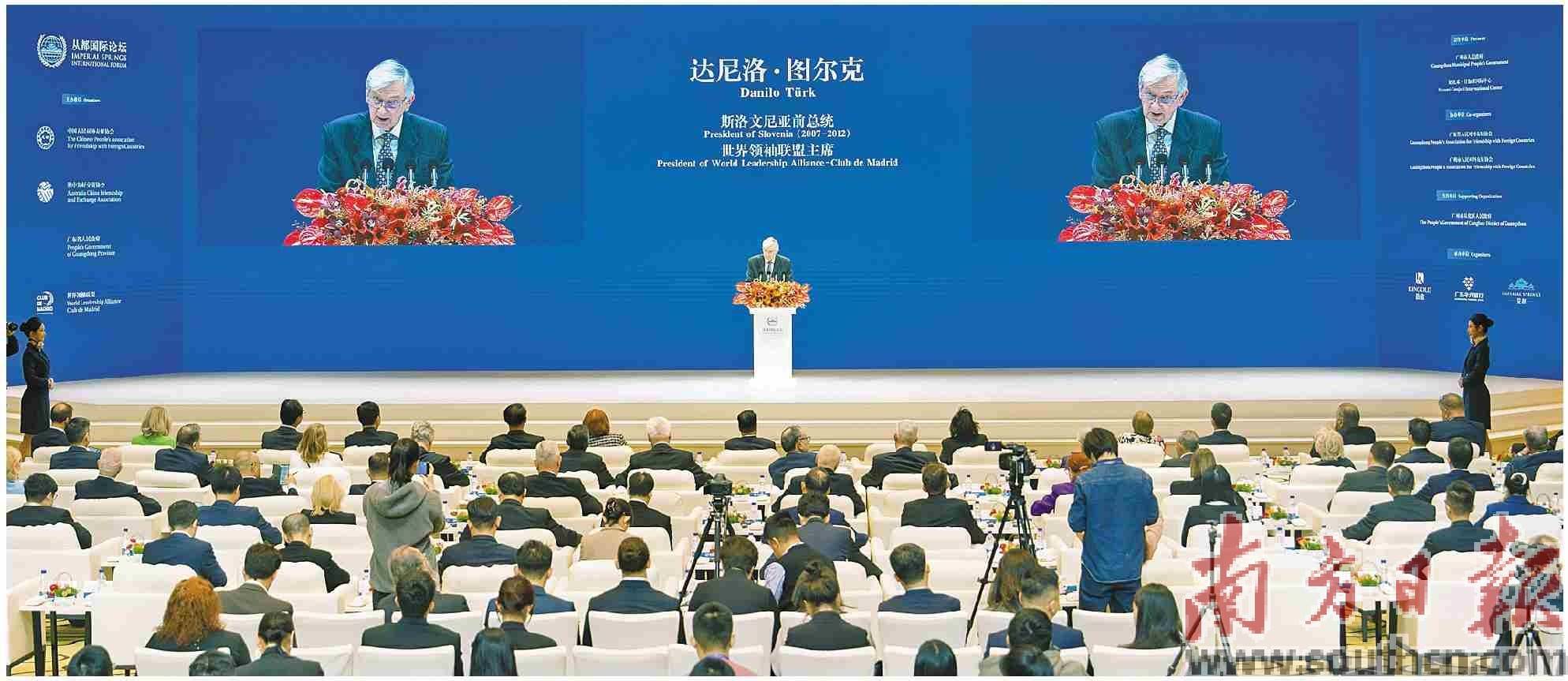
Core Insights - The "2025 Chengdu International Forum" concluded in Guangzhou, focusing on the theme of "World Economic Development Trends under Trade and Tariff Conflicts" [7] - Participants emphasized the importance of managing risks associated with the "technology gap" and integrating into the digital age, alongside addressing traditional economic risks [9] Group 1: Economic Risks and Trade Policies - Romano Prodi, former Prime Minister of Italy, noted that many trade policies are driven by internal political demands rather than economic logic, increasing unpredictability in global supply chains [8] - Kim Campbell, former Prime Minister of Canada, highlighted the negative impact of tariff policies on global supply chains and free trade, stressing the need for better information sharing among nations [8] - Several attendees agreed that the ability to manage risks is directly linked to the stability and sustainability of development [9] Group 2: Development Paradigm Shift - The forum discussed the need for a transformation in development paradigms, moving away from merely pursuing growth speed and scale towards sustainable development that emphasizes endogenous motivation and shared welfare [10] - María Fernanda Espinosa, former Foreign Minister of Ecuador, called for reforms in economic governance institutions to ensure fair resource distribution and amplify the voices of developing countries [10] - Michelle Bachelet, former President of Chile, emphasized the necessity of systemic approaches to address global risks like climate change and financial crises, advocating for cooperation over confrontation [10][11] Group 3: Technological Integration and Opportunities - Jorge Quiroga, former President of Bolivia, warned that developing countries risk marginalization in the new technology wave, particularly in AI and digital economy sectors [9] - Xue Lan, a senior professor at Tsinghua University, pointed out that China's open-source model could help smaller countries leverage AI advancements at lower costs [9] - The forum highlighted the potential for China to lead in global development trends by investing in long-term development and technology transfer to assist developing nations [9] Group 4: International Cooperation and Globalization - Prodi emphasized the importance of China-EU cooperation in stabilizing the global economy amidst rising political tensions and trade conflicts [12] - Li Cheng, a professor at the University of Hong Kong, discussed the rise of unilateralism and its implications for global trade, arguing that the U.S. approach to tariffs has backfired [14] - Espinosa noted that globalization is not over but is entering a "recalibration" phase, requiring nations to reassess their interdependence and governance strategies [16]
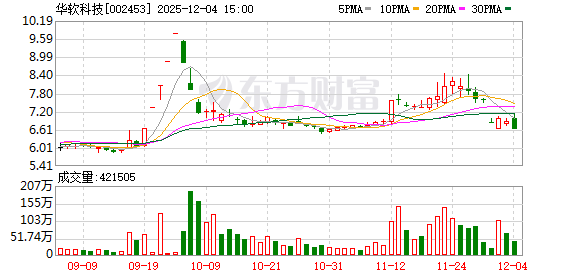
华软科技:公司近年来一直围绕精细化工主业开展各项工作
Zheng Quan Ri Bao· 2025-12-04 13:13
(文章来源:证券日报) 证券日报网讯 12月4日,华软科技在互动平台回答投资者提问时表示,公司近年来一直围绕精细化工主 业开展各项工作,积极开拓市场,通过精细化管理及降本增效等措施提升资产运营效率,努力改善公司 经营情况。目前公司也在积极探索新的业务增长点,优化资产结构等,以增强公司的核心竞争力和盈利 能力,致力于公司的可持续发展。 ...

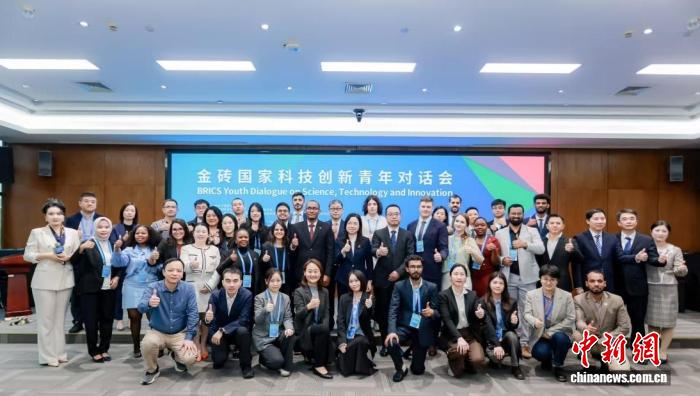
金砖国家青年代表:以创新协作共建可持续发展未来
Zhong Guo Xin Wen Wang· 2025-12-04 10:58
Group 1 - The 2025 BRICS Youth Dialogue on Science and Technology Innovation was held in Xiamen, emphasizing the role of youth as a bridge for cooperation in technological innovation among BRICS nations [1][2] - The dialogue focused on the theme "Youth Leading Technological Innovation to Create a Shared Future," with participation from approximately 40 representatives from BRICS countries, including Brazil, China, Ethiopia, India, Indonesia, Russia, South Africa, and the UAE [2] - The National Youth Federation of China highlighted its efforts in promoting youth participation in technological innovation and the implementation of global youth development action plans to empower youth development projects [2] Group 2 - Youth representatives proposed new paths for technological innovation collaboration, emphasizing the importance of policy support for youth innovation and the need for capacity building and digital skills dissemination [2][3] - The establishment of inclusive and equitable principles and mechanisms for cross-border incubation and joint innovation was advocated, with a focus on strategic dialogue and multilateral cooperation in fields such as artificial intelligence, biotechnology, green technology, and advanced manufacturing [3] - Indonesian students studying in China expressed their commitment to leveraging their experiences to facilitate cooperation between Chinese enterprises and Indonesia, particularly in promoting green transformation and addressing environmental issues [3][4]